

Motion Sensor Night Lights in Night Lights


![LED Motion Sensor Night Light, [3 Pack] Stick-On Night Light by Battery Powered, Stair Sensor Lights Indoors, Auto/ON/Off Light for Toilet, Hallway, Closet, Kitchen, Children's Room, Warm White light](https://i5.walmartimages.com/seo/LED-Motion-Sensor-Night-Light-3-Pack-Stick-On-Night-Light-Battery-Powered-Stair-Sensor-Lights-Indoors-Auto-ON-Off-Light-Toilet-Hallway-Closet-Kitchen_78a831a7-defa-4792-9b97-7c680be79c6d.724d28c462a2b216610fa898005f0906.jpeg?odnHeight=576&odnWidth=576&odnBg=FFFFFF)

















About Motion Sensor Night Lights in Night Lights - Walmart.com
Motion sensor night lights help you move through dark spaces with hands-free light. You can compare plug-in, battery-operated, and USB options for your hallway, bathroom, bedroom, or stairs.
How to choose motion sensor night lights
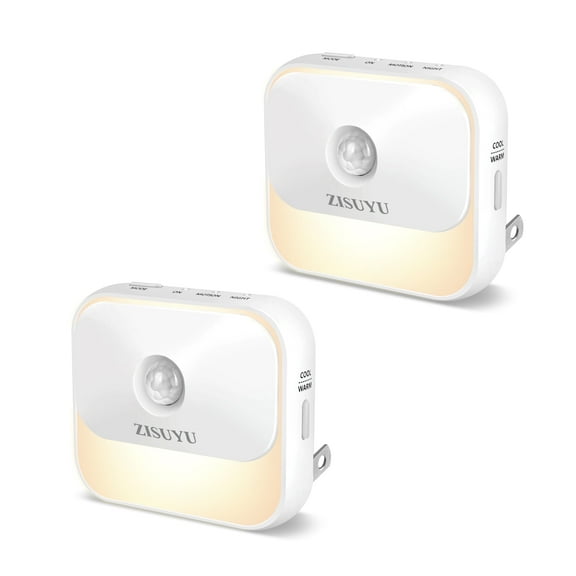
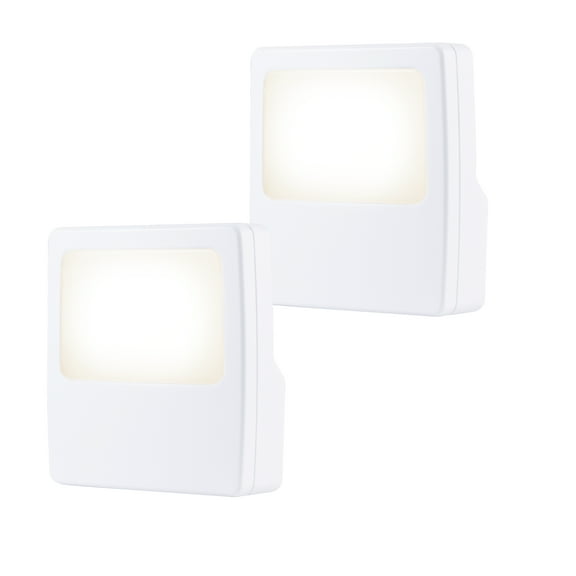
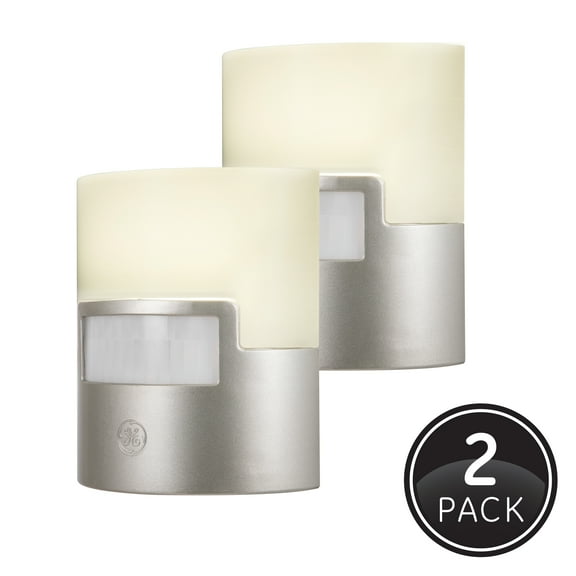
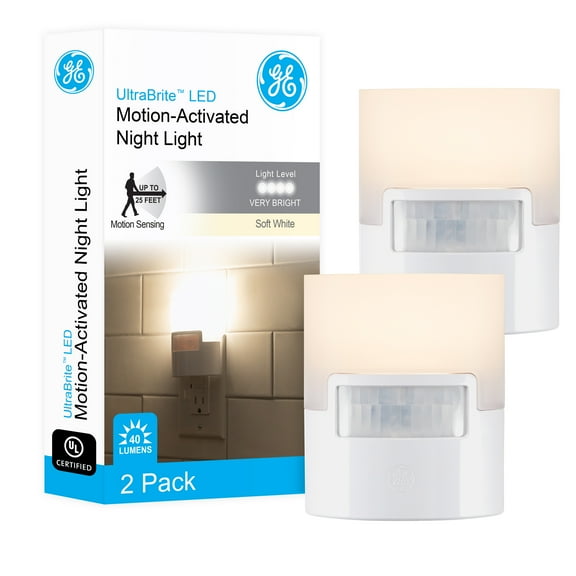
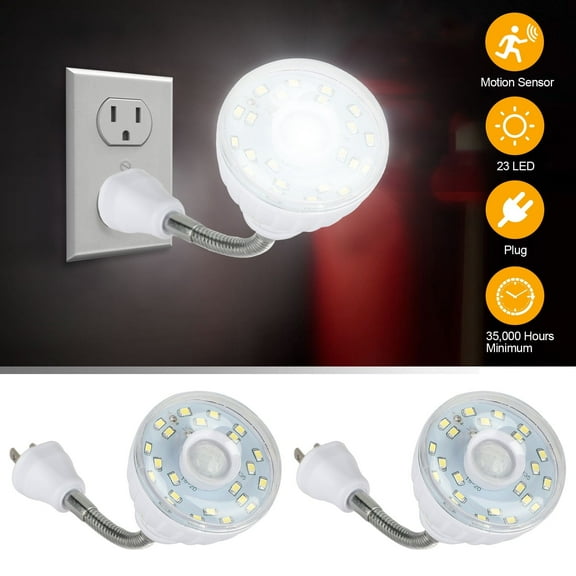
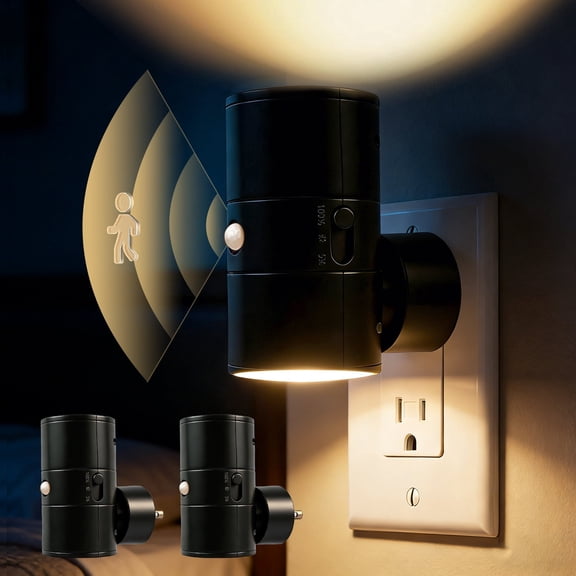
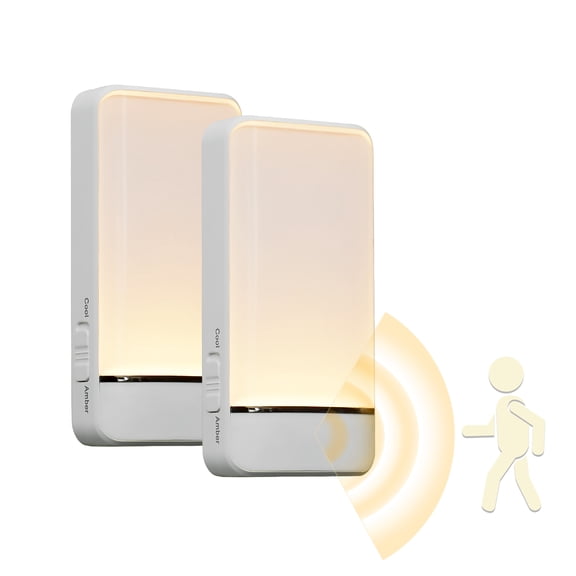
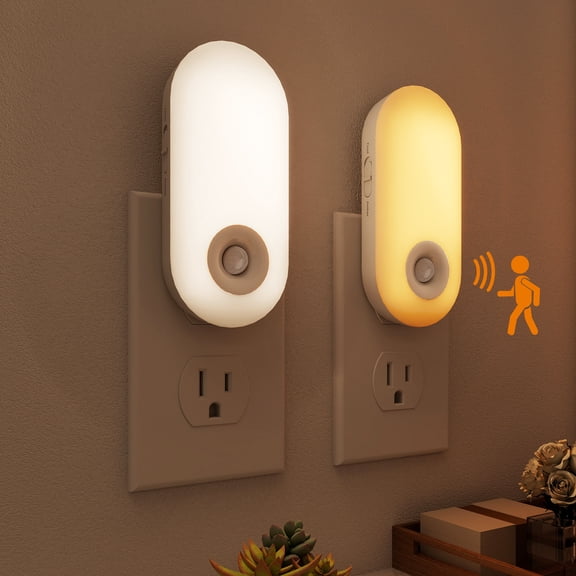
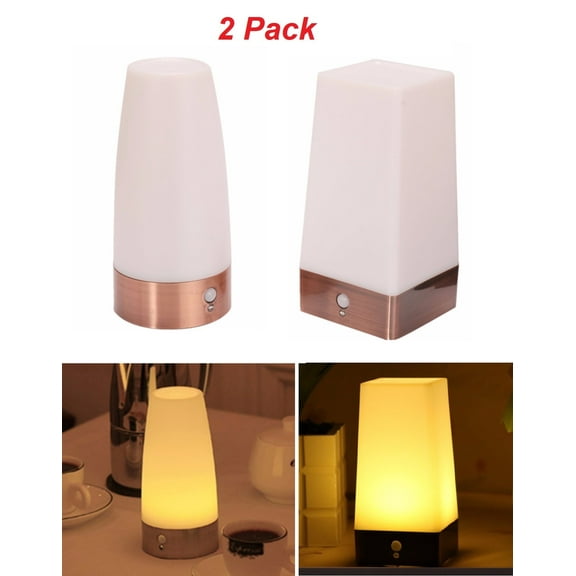
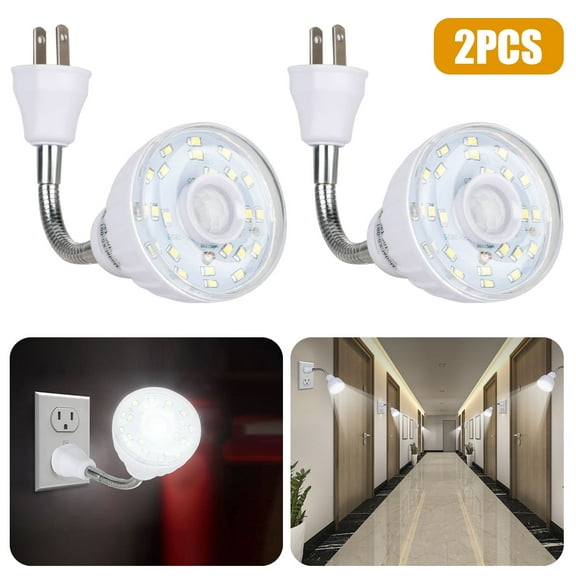
You should start with the power source because it affects placement and upkeep. You can use a plug in motion sensor night light where your outlets stay open and visible.
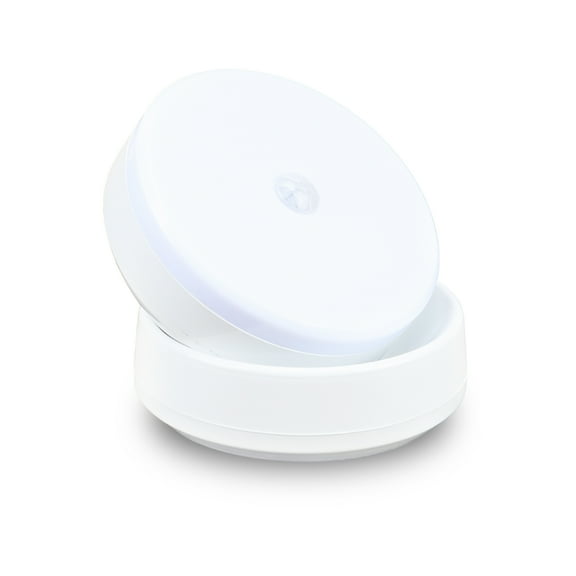
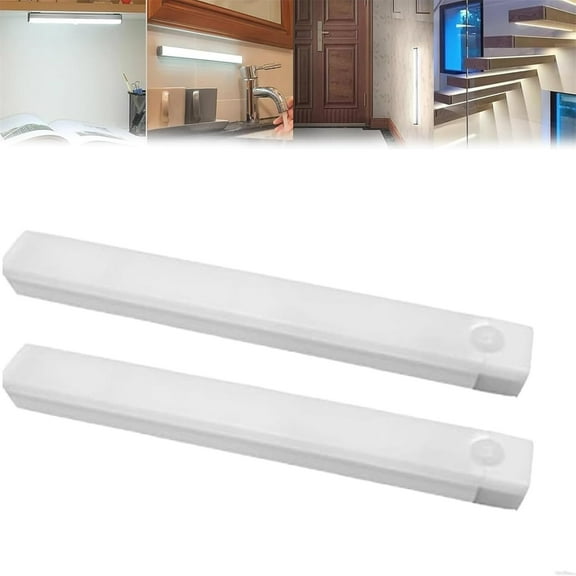
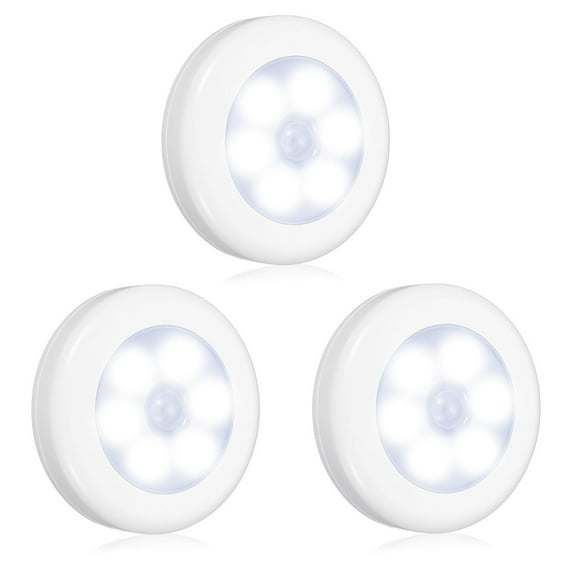
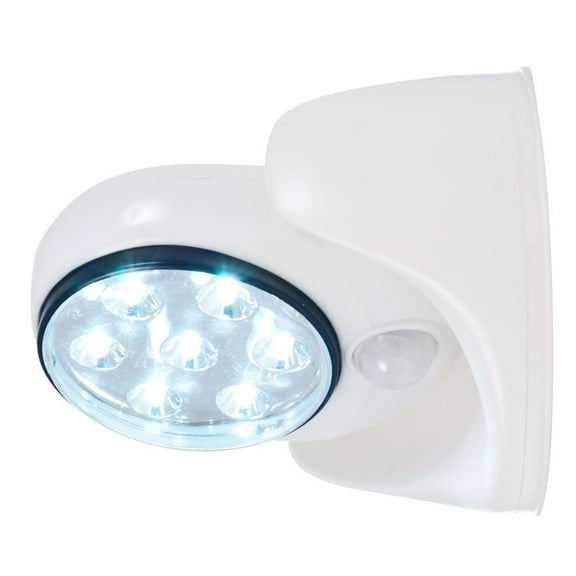
If you want flexible placement, you may prefer a battery operated motion sensor night light. You can also consider rechargeable USB designs when your space needs cordless use and repeat charging.
You should also compare sensor styles before you choose. You can look for PIR motion sensors, dusk-to-dawn light sensors, or dual-sensor designs for different room conditions.
- You can use plug-in styles for steady placement in your hallways, bathrooms, and bedrooms.
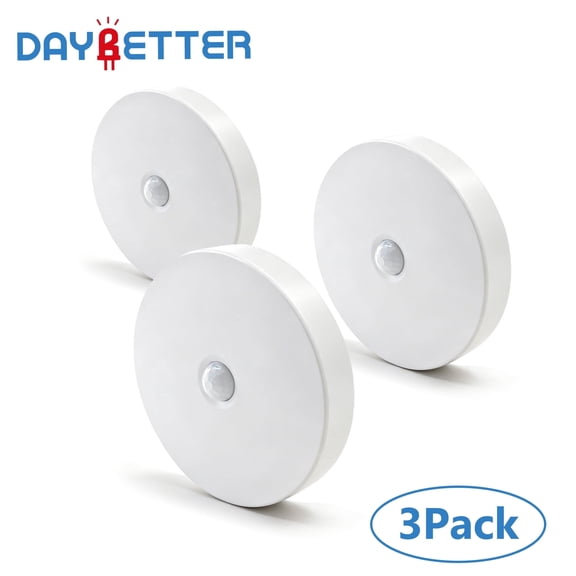
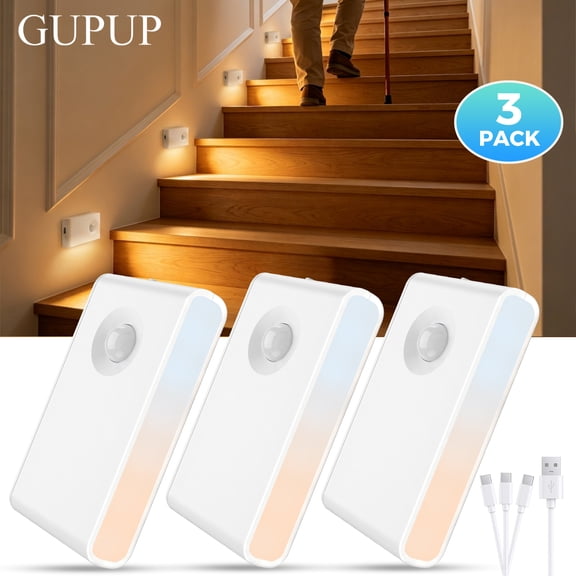
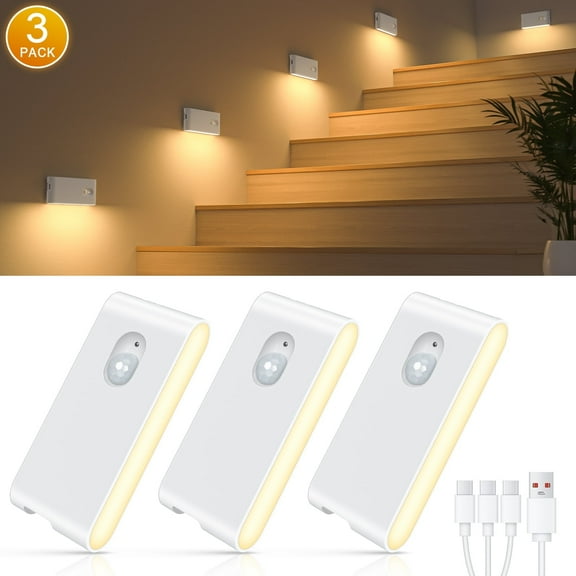
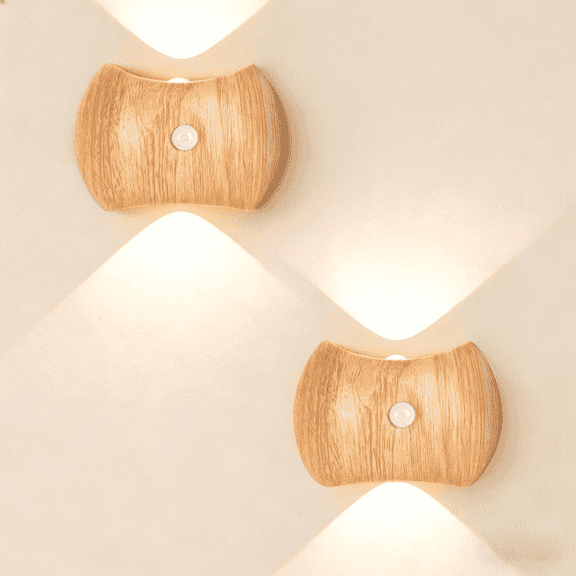
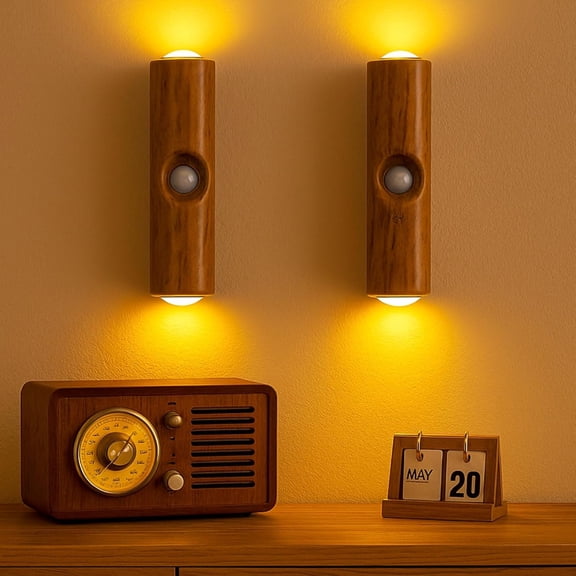
- You can place battery or USB styles on your stairs, inside closets, or along walls without outlets.
- You can choose dual sensors when your space needs activation from darkness and movement together.
Choosing power source and installation
You may notice that power source and installation usually go together. You can plug some lights directly into your wall, while others mount with adhesive, magnets, or screws.
If you want a simple setup, you can choose direct plug-in designs that start working after placement. You may prefer adhesive or magnetic mounts when your outlet location doesn’t match your walking path.
You should check battery life or recharge cycles when you want less frequent upkeep. You can also compare standby power draw for plug-in styles when your space needs automatic night light use each evening.
When you compare installation methods, you should think about cleaning and repositioning too. You can remove magnetic lights easily, while adhesive styles may suit longer-term indoor motion sensor lights placement.
Comparing led motion sensor night light output
You should compare brightness before you choose a led motion sensor night light. You can look at lumens to judge how softly or clearly your light fills the space.
For your bedroom path, you may want lower lumens and a warmer glow. For your stairs or longer hallways, you may want more brightness for clearer floor visibility.
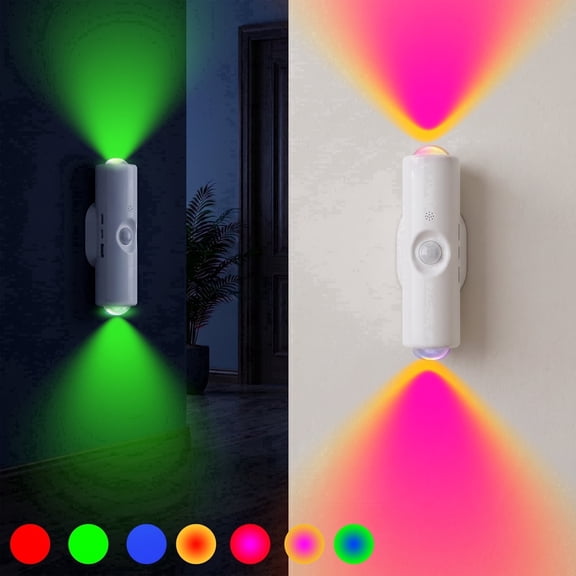
You should also check color temperature, listed in kelvin, because it changes your room’s feel. You can choose warm tones for relaxed spaces and cooler tones for utility-focused areas.
Sensor range matters because you want light at the right moment. You can compare detection distance in feet and detection cone angles in degrees for wider or narrower coverage.
If your light sits near a doorway, you may want a broader detection angle. If your light points down a hallway, you may want longer range to catch movement sooner.
Matching sensor type to your room
You can use PIR motion sensors when you want lights that respond to movement in common walking areas. You may notice these work well for your hallways, stairs, and room entrances.
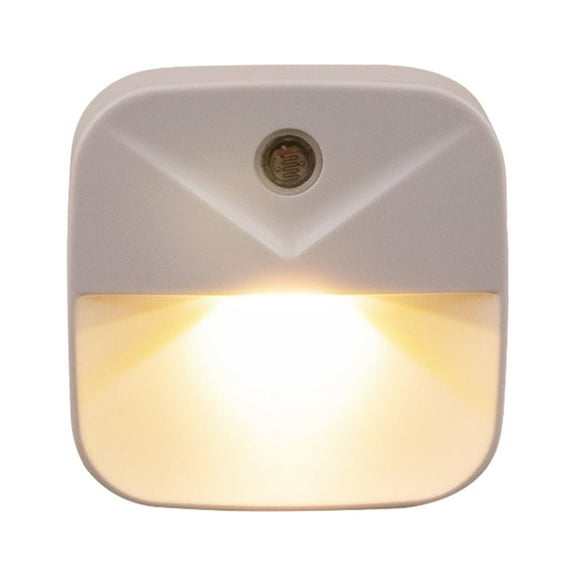
Dusk-to-dawn light sensors work differently because they react to surrounding light levels. You can use them when you want a glow that appears automatically as your room gets darker.
If you want more selective activation, you can compare dual-sensor designs. This provides a setup that can wait for both darkness and motion before lighting your area.
You should match sensor behavior to how you use each room every day. You can keep your bathroom path softly lit at night or add hallway night lights that react when you pass.
- You can use PIR sensors for movement-based lighting along your stairs and entry paths.
- You can use dusk-to-dawn sensors for steady low light in your darker corners or bedrooms.
- You can use dual sensors when you want fewer activations during your bright daytime hours.
Using indoor motion sensor lights around your home
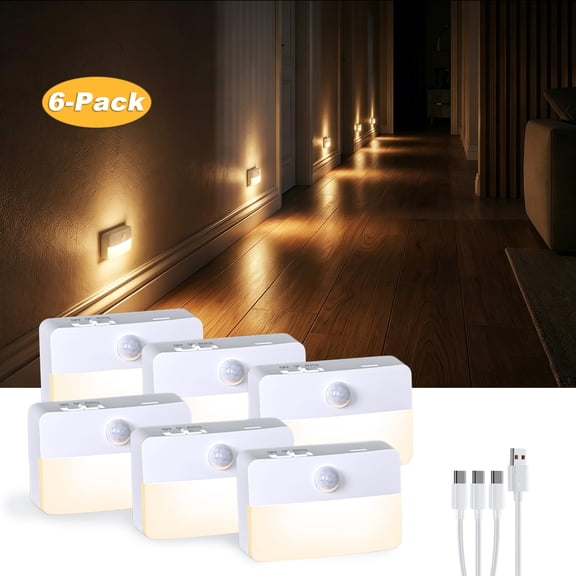
You can place indoor motion sensor lights in your hallways when you want guidance between bedrooms and bathrooms. You can enjoy automatic light that appears without reaching for your switch.
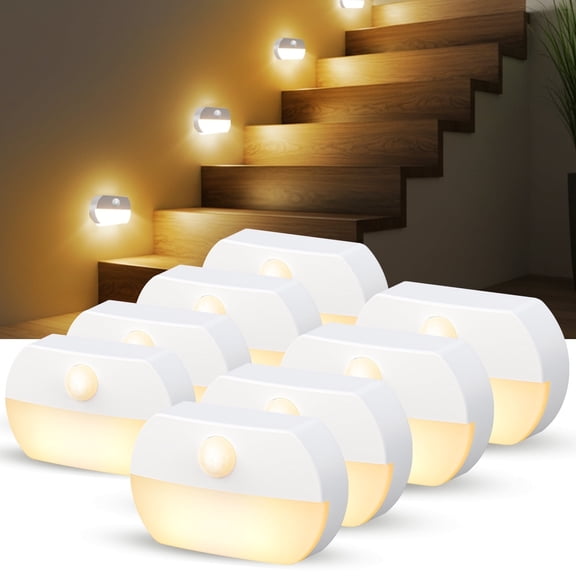
On your stairs, you should consider brighter output and wider detection coverage. You can position lights low on your wall or near each landing for a clearer path.
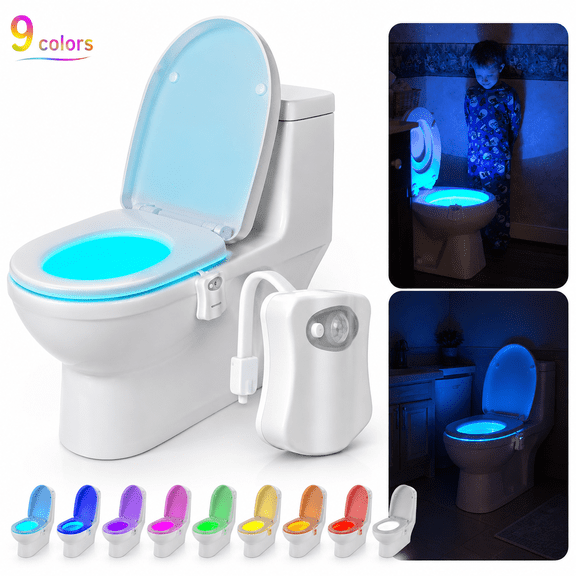
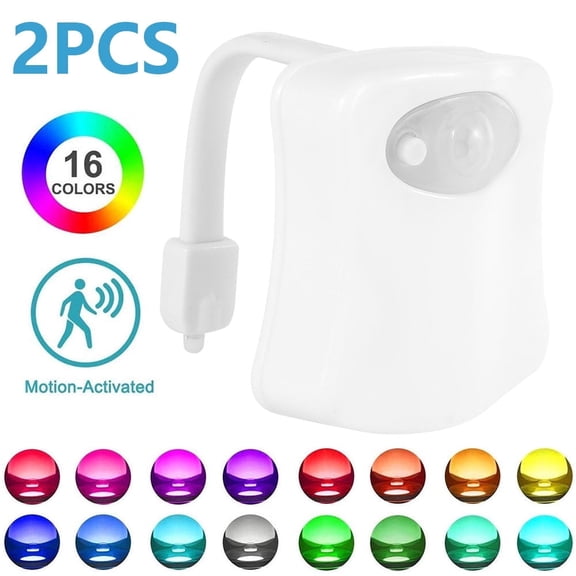
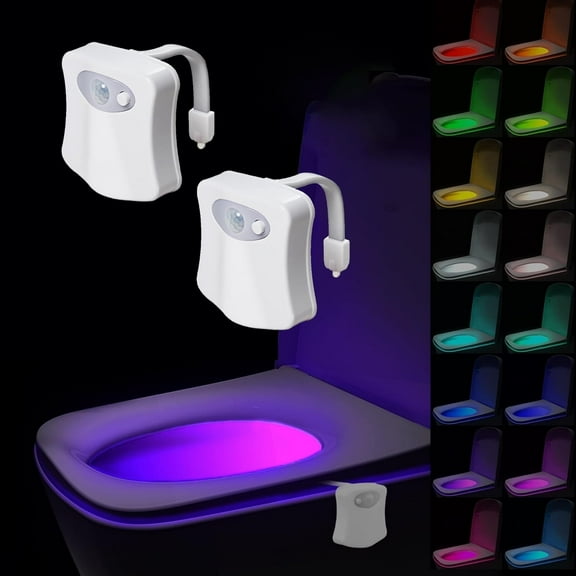
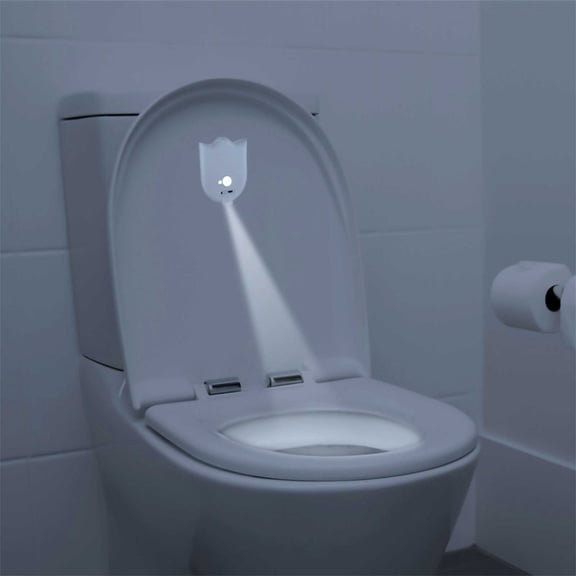
In your bathroom, you may want a softer led motion sensor night light for overnight use. You can choose warm color temperature when you want less glare during late-night trips.
For your bedroom, you can use a low-output light near the doorway or along the baseboard. You may prefer battery or USB styles when you want light without using the outlet beside your bed.
You can also use these lights in your closets, laundry areas, or other indoor transition spaces. You should compare mount type, sensor range, and brightness so each spot gets the right amount of light.
With the right motion sensor night lights, you can match power, sensor response, and light output to each room. This helps provide dependable nighttime visibility that fits your layout and routine.