


Find auto parts that fit
Let’s search for parts that fit your vehicle.2-Stroke Moped Engines & Replacement Motors | Walmart





















About 2-Stroke Moped Engines & Replacement Motors | Walmart - Walmart.com
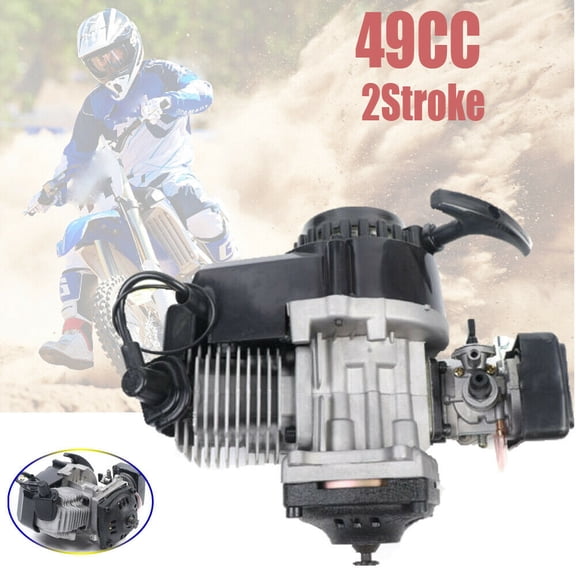
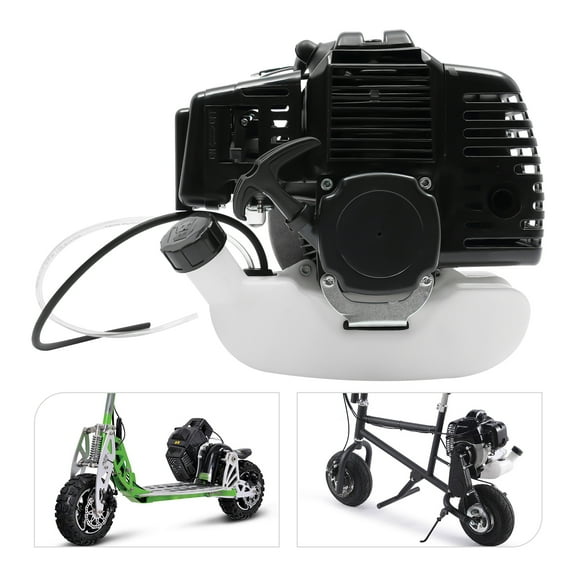
Your 2 stroke moped engine choice affects starting, fitment, and everyday riding feel. You can compare stroke type, displacement, kit contents, and mounting details here before you pick a replacement.
If you're replacing a worn motor or planning a build, you need clear decision points. You can use this guide to sort through moped engines without guessing about compatibility.
Choosing the right 2 stroke moped engine
When you compare engine stroke, you should start with your bike's original setup. You can usually expect a two-stroke layout to match systems designed for oil mixing and simple power delivery.
If your frame and drivetrain support this layout, you may avoid extra conversion steps. You should also check whether your fuel setup matches the engine style you plan to install.
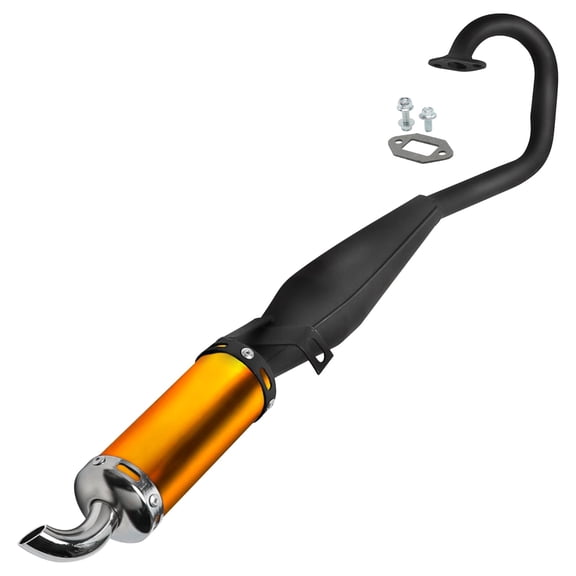
A four-stroke option can appeal if you want a different maintenance routine. If you're targeting a direct replacement, you should confirm that mounts, exhaust routing, and controls match your existing setup.
- You can use a two-stroke setup when your bike already supports oil-mix operation.
- You can compare 49cc, 50cc, 80cc, and 125cc sizes based on your riding goals.
- You can choose a complete motor kit if you want more install parts in one box.
- You can check universal fit and model-specific options before you commit to a swap.
What to look for in a moped motor
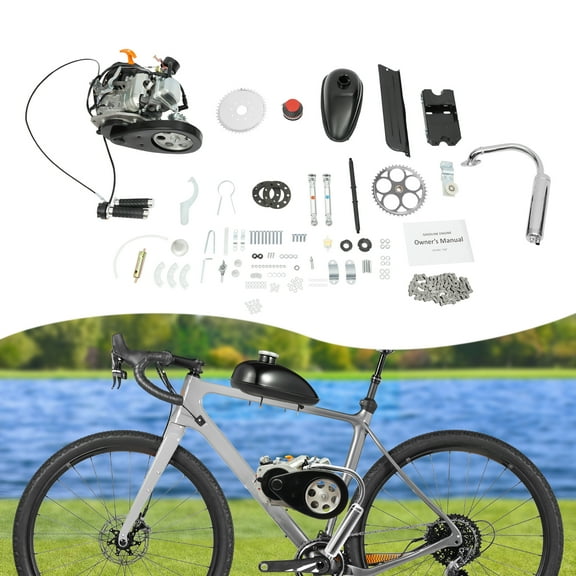
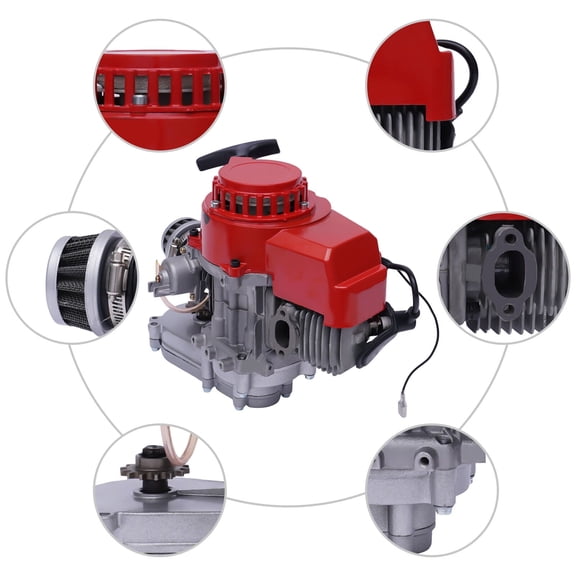
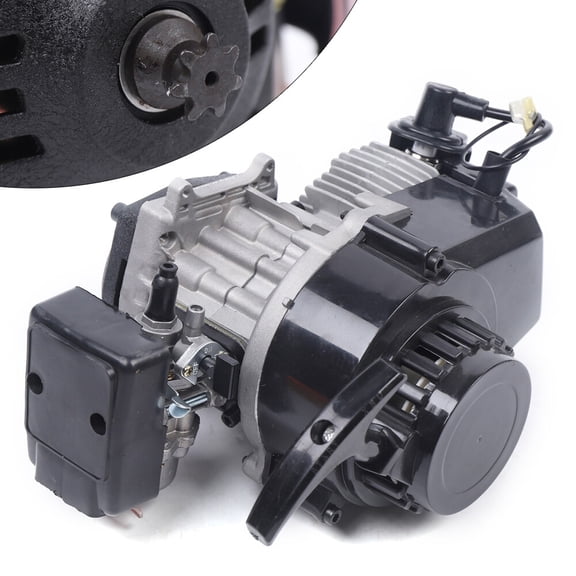
When you shop for a moped motor, you should compare complete engines, motor kits, and replacement parts. You can often finish your project faster when the listing clearly shows what comes in the package.
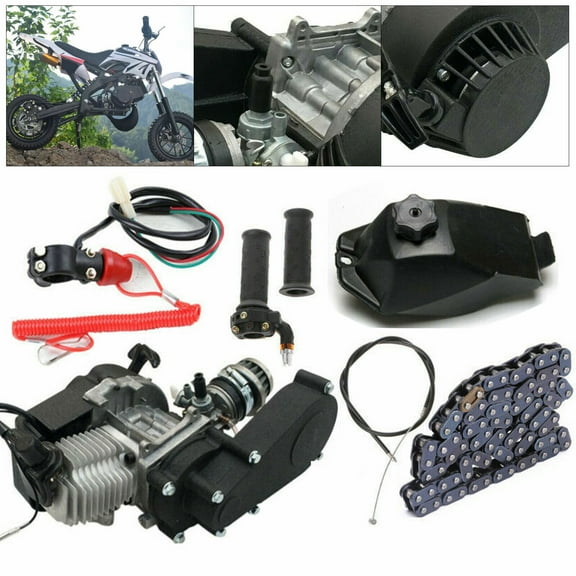
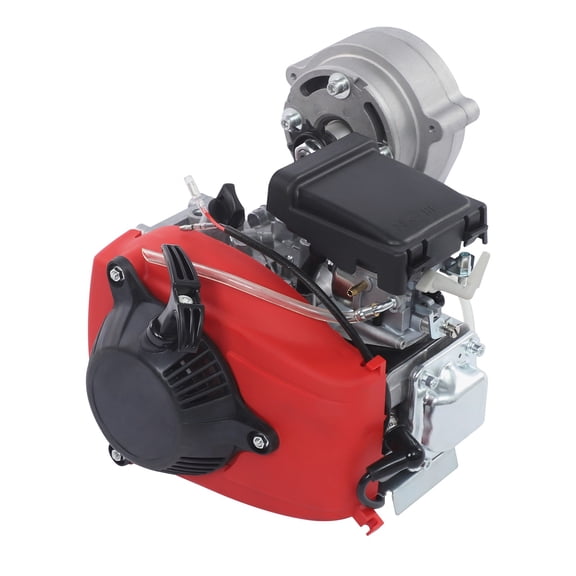
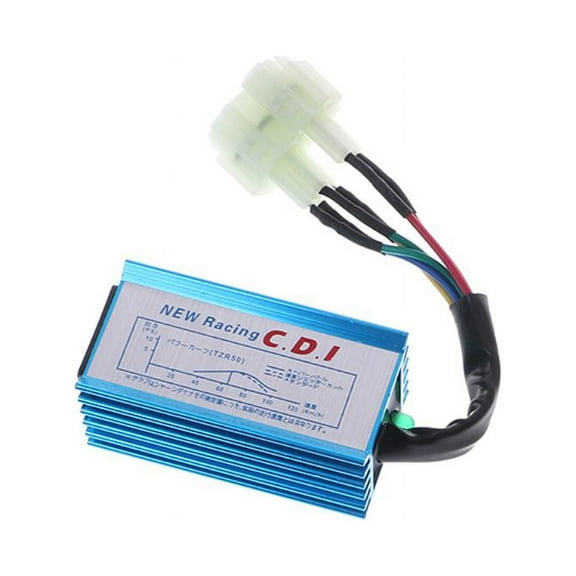
A complete engine may suit you if you want the core assembly ready to mount. A moped engine kit may suit you if you also need items like a carburetor, CDI, or gas tank.
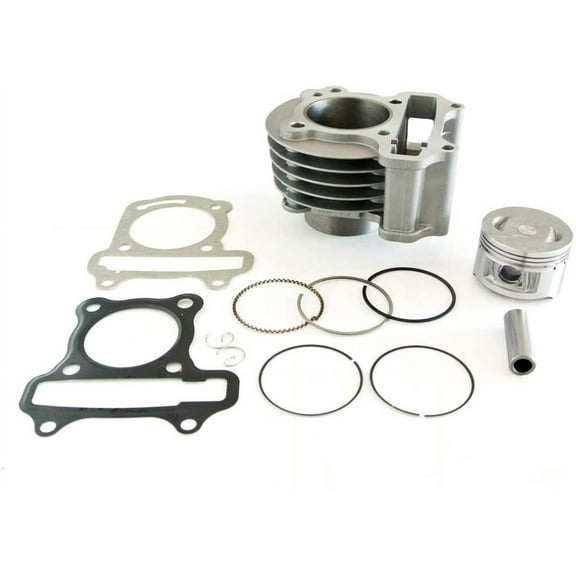
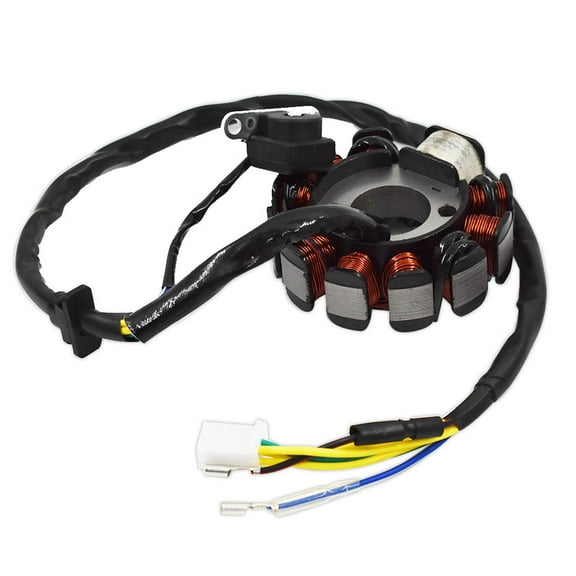
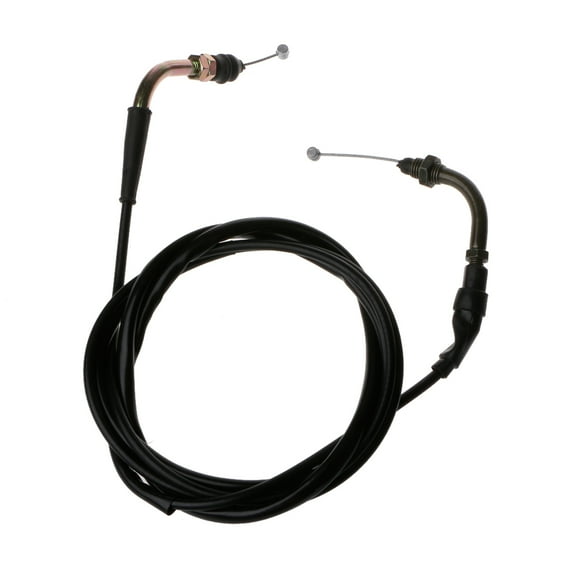
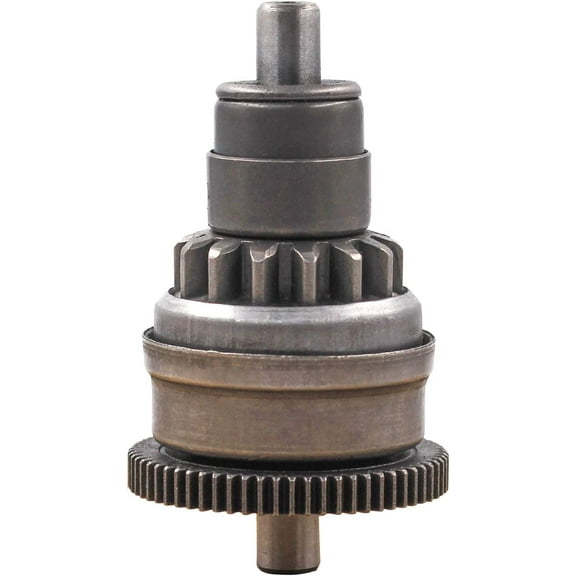
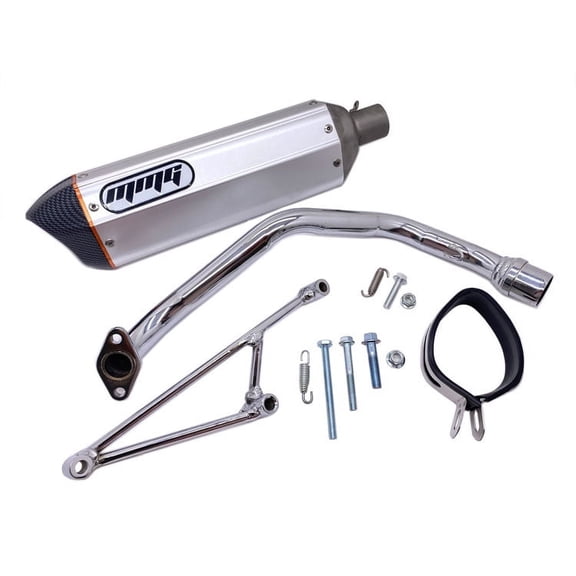
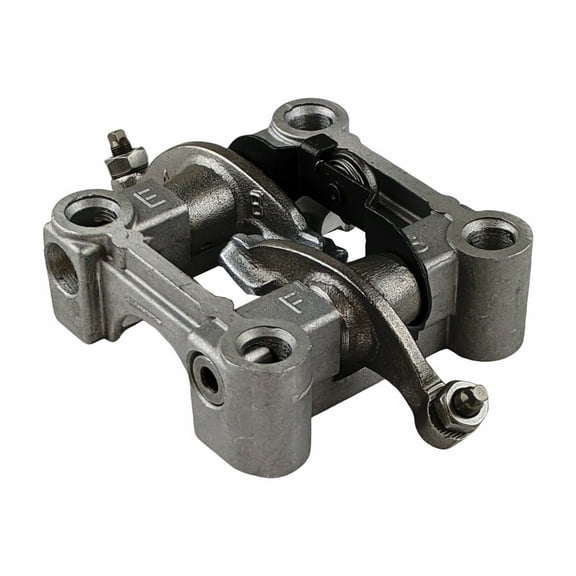
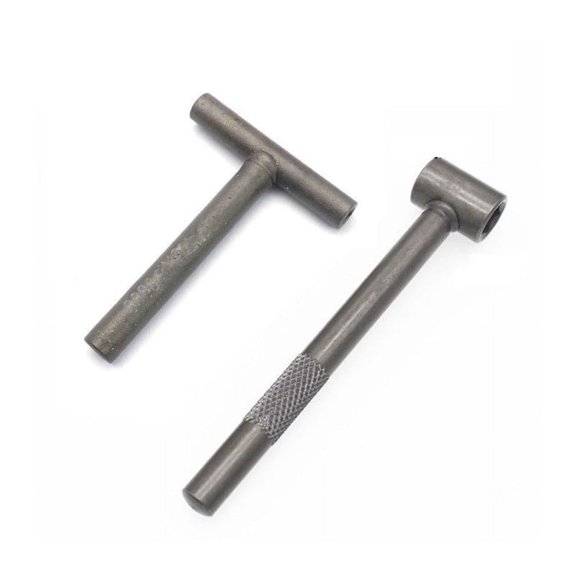
If you only need replacement parts, you can narrow your search by the worn component. You should look closely at included hardware, ignition pieces, and intake parts before you move forward.
Mounting details matter just as much as engine type for a successful swap. You should measure bolt hole spacing, shaft size, and clutch diameter so your new unit lines up correctly.
Universal fit options can give you flexibility across different builds. Model-specific options can help you when you want fewer surprises during installation and cleaner alignment with existing parts.
Comparing displacement and moped engine 50cc options
Displacement changes how your bike fits your project goals and local rules. You can compare 49cc and moped engine 50cc choices when you want a common size for compact street-focused builds.
If you want a familiar replacement range, you may start with 49cc or 50cc listings. You should always confirm your frame, intake, and drivetrain specs before moving to a larger size.
An 80cc setup may interest you if your build needs a stronger pull across mixed riding. A 125cc option may fit larger projects where your frame and transmission support that size.
Size alone doesn't decide compatibility, so you should keep measurements close at hand. You can compare engine case dimensions, mounting points, and shaft specifications before you choose.
Gas conversion options can also shape your decision if you're changing how you power your bike. You should review fuel delivery parts and included components so your build plan stays consistent.
Matching moped engines to your project
If you're restoring an older ride, you may want a replacement that stays close to the original engine stroke. You can keep the install process simpler when your mounts and controls match the existing layout.
If you're assembling a fresh project, a motor kit can help you gather key parts together. You can look for listings that mention ignition components, carburetor fitment, and fuel tank inclusion.
For compact commuting builds, you may lean toward a 49cc or 50cc motor size. You can keep your search focused by checking fitment type first, then comparing engine details.
If your build needs custom brackets or modified routing, a universal fit option may make sense. You should still compare shaft dimensions and clutch size so your drivetrain works as intended.
When you're replacing one damaged part, separate replacement parts can keep your project targeted. You can search by component type when your engine case, ignition part, or fuel piece needs attention.
Some shoppers also compare motoped motor and motoped engine options during custom builds. You should review frame style and mounting space carefully because those projects often need closer measurement checks.
How to choose with confidence
You can narrow your options faster when you compare stroke type, displacement, kit contents, and fitment together. You should feel more prepared to choose an engine that matches your frame, drivetrain, and install plan.
With the right measurements and package details, you can avoid mismatched parts and extra guesswork. You can move toward a smoother replacement or build with a setup that fits your project clearly.