

Miter Boxes in Hand Tools



















About Miter Boxes in Hand Tools - Walmart.com
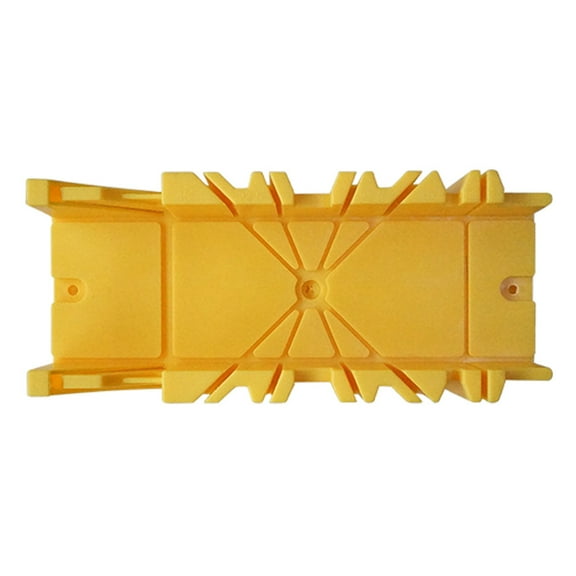
Miter boxes help you make clean angle cuts for trim, molding, and craft work without setting up a power tool. You can compare materials, angle presets, and set options to match your project and your workspace.
If you’re cutting baseboard in a hallway or framing a small print, you’ll appreciate a manual guide that keeps your saw path consistent. You can also choose compact designs that store easily between weekend projects.
How to choose miter boxes
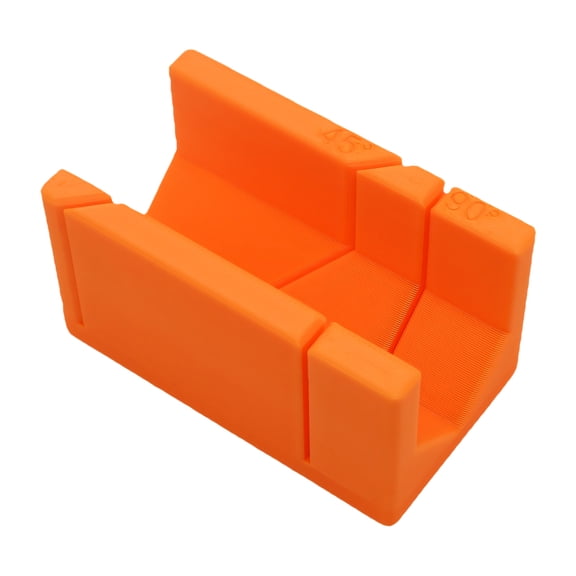
You’ll want to start with the material because it affects stability, weight, and repeated use. You can pick plastic for lighter tasks, wood for a familiar work surface, or aluminum for a rigid feel.
When you compare a plastic miter box with wood or aluminum, you should think about how often you’ll cut and what stock you’ll use. You may prefer lighter plastic for occasional trim fixes, while your repeated workshop use may call for sturdier construction.
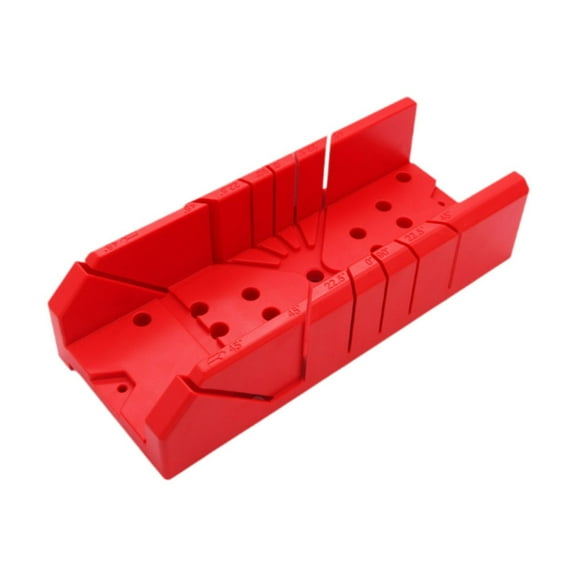
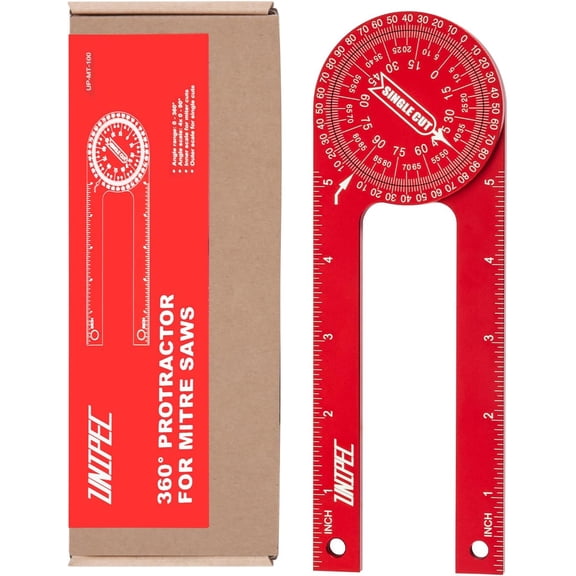
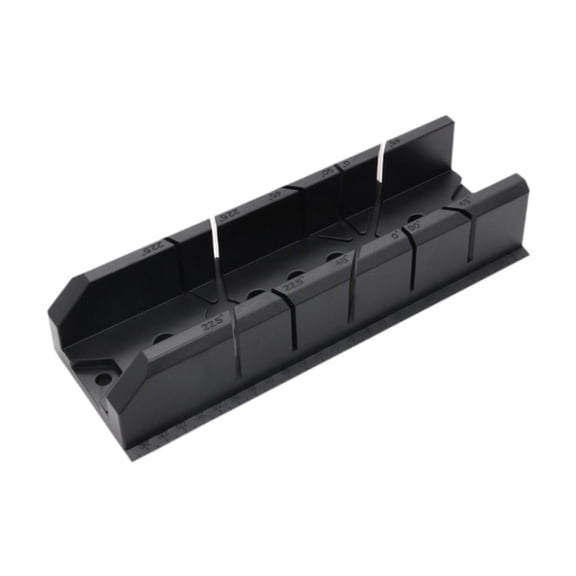
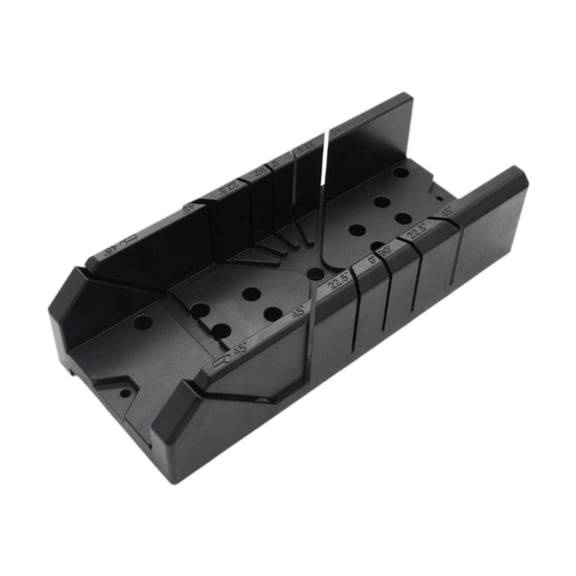
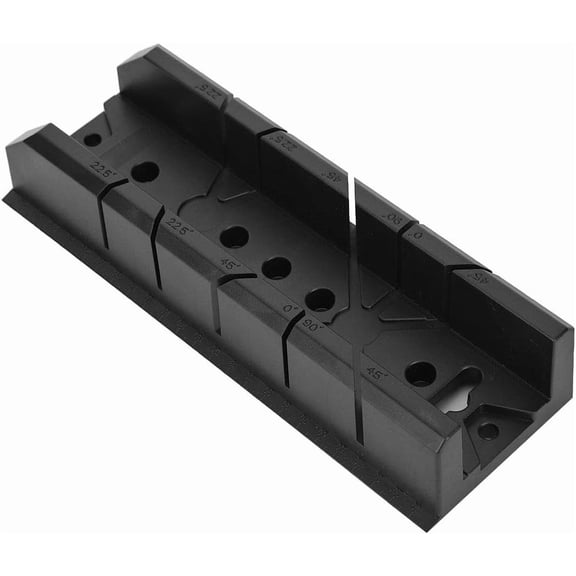
Angle presets matter because you need guides that match common cuts in molding and framing. You’ll often see 45 degree and 90 degree slots, and you may also want 22.5 degree guides for more detailed corners.
- You can use preset slots to keep picture frame corners more consistent.
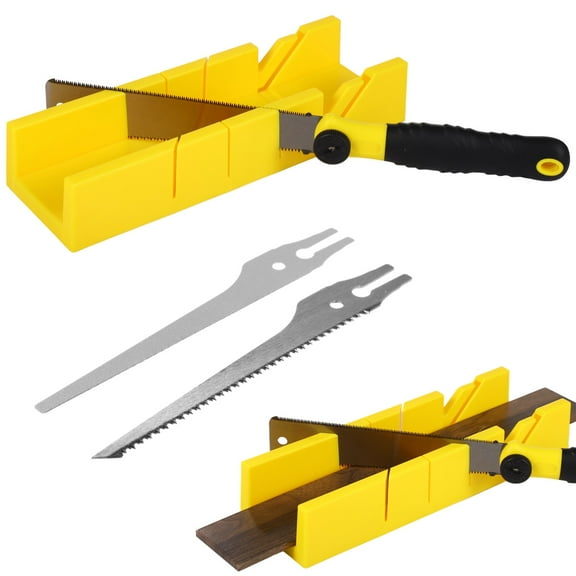
- You can choose box and saw sets when you want a ready-to-use setup.
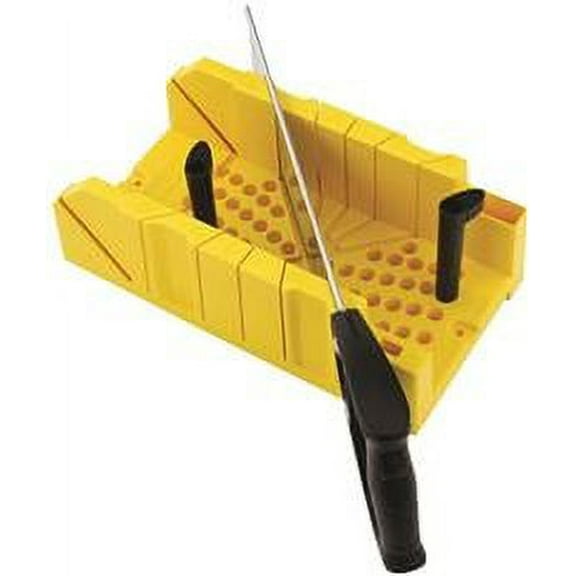
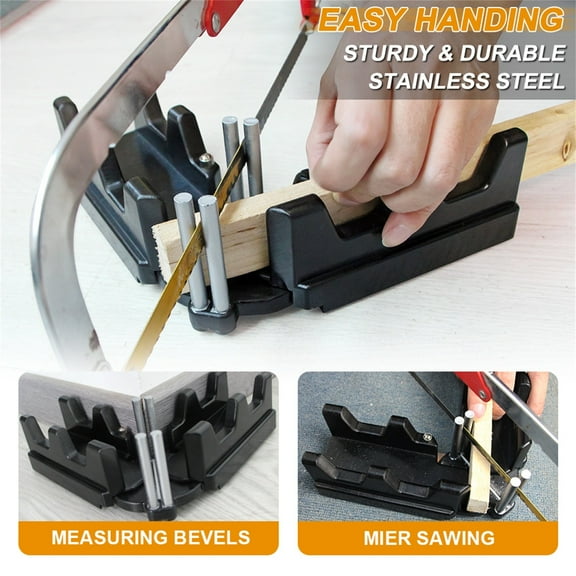
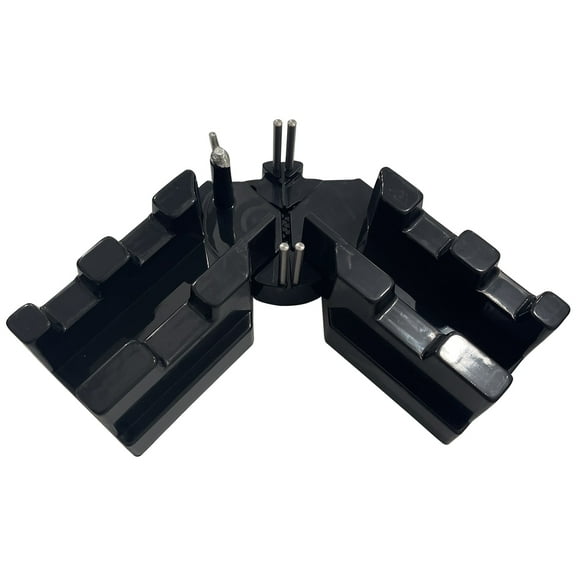
- You can look for clamping designs when you need steadier material control.
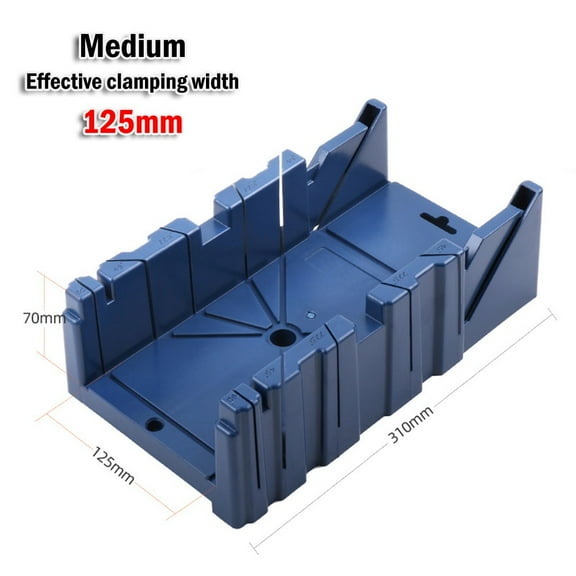
- You can compare slot dimensions to match your trim width and depth.
Choosing a miter box and saw set
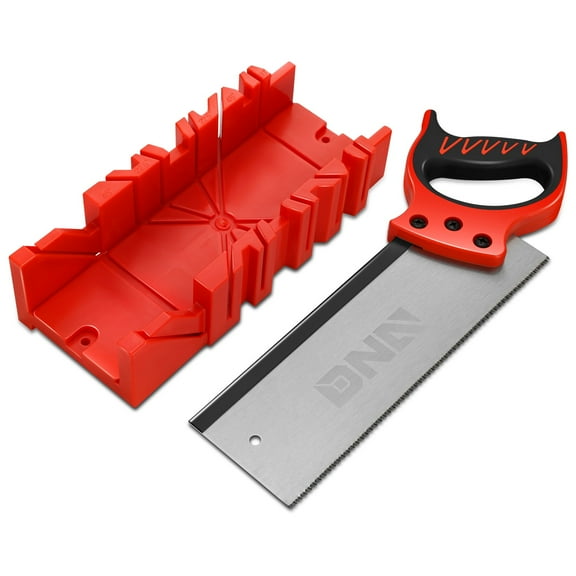
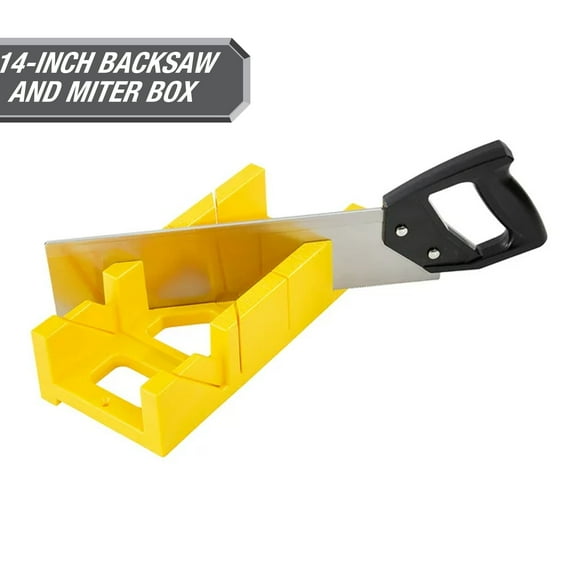
You should decide early whether you need box only tools or a miter box and saw set. You can start faster with an included hand saw, especially when you don’t already own a compatible blade.
If you already have a preferred backsaw, you may only need the guide box itself. You’ll want to check saw compatibility and slot clearance so your strokes stay smooth and controlled.
A miter box with saw can simplify occasional repairs, apartment projects, and first-time woodworking tasks. You can keep everything together in one purchase and avoid guessing which hand saw shape fits the guide.
Clamping styles deserve attention when you want extra hold during repeated cuts. You may find built-in clamps useful for narrow trim, while your simple box design may work well for quick, light cuts.
What to look for in a manual miter box
A manual miter box gives you direct control over pace, pressure, and alignment. You can make small adjustments as you cut, which helps when your molding profile or craft piece needs careful positioning.
You should check maximum cutting width and depth before choosing a guide. Those slot dimensions tell you whether your trim, dowels, or boards will sit correctly inside the box.
If your material sits too high or too wide, you may lose the stable support you want. You’ll get more predictable results when your stock fits the channel and the saw tracks inside the preset slots.
You can also compare box height, sidewall thickness, and base shape for bench use. A precision miter box often focuses on cleaner guidance, steadier walls, and clearly marked angle positions.
For frequent projects, you may want a deeper base that supports taller molding pieces. For lighter household jobs, you might prefer a compact guide that fits a drawer or small tool tote.
Matching material and angles to your project
You can match material choice to your project type for easier cutting and setup. Plastic often suits DIY crafts and quick touch-ups, while wood or aluminum may feel steadier for repeated woodworking sessions.
For molding installation, you’ll usually want clear 45 degree guides for inside and outside corners. You can also use 90 degree slots for straight crosscuts when you’re trimming pieces to length.
Picture framing often calls for accurate corner alignment across several matching pieces. You’ll appreciate angle slots that help you repeat the same cut on each frame side.
If you’re building small shelves, simple trim accents, or hobby pieces, a manual miter box can keep your cuts organized without a large tool footprint. You can work on a bench, table, or other compact surface.
When your project includes delicate trim or narrow strips, clamping support can help you maintain position through each stroke. You’ll notice steadier holding can make repeat cuts feel more controlled.
Making a confident miter box choice
You can narrow your options by comparing material, configuration, slot dimensions, and angle presets together. That approach helps you choose a guide that fits your trim size, cutting style, and project frequency.
Whether you need a box only setup or a complete set, you’ll get closer to clean corners and tidy edges with the right manual guide. You can finish woodworking, molding, and framing tasks with more consistent angle cuts.