

Legal Pads in Writing & Legal Pads

















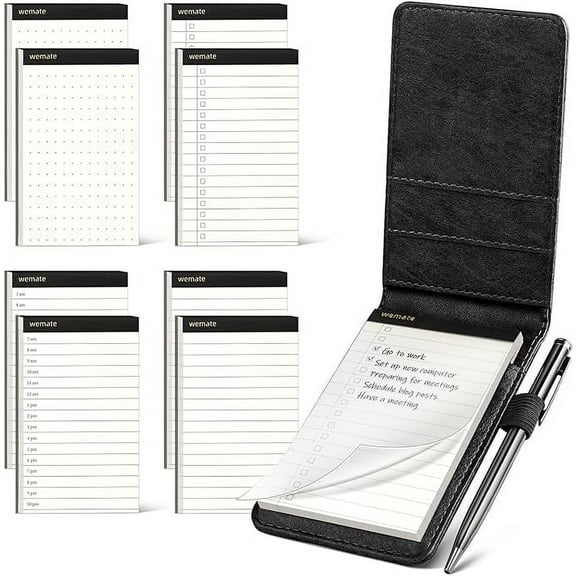


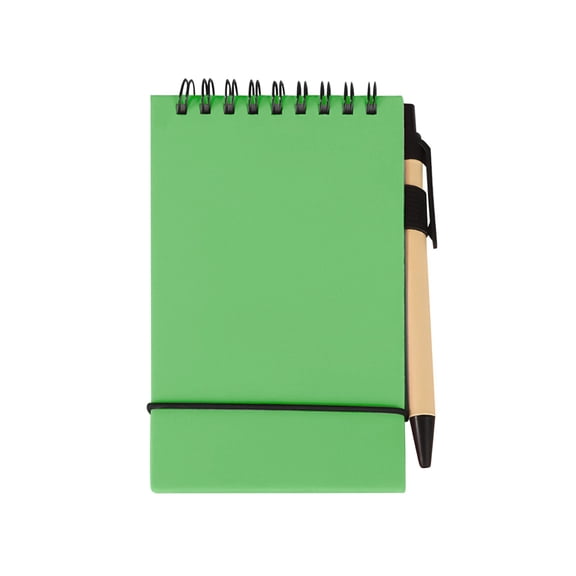


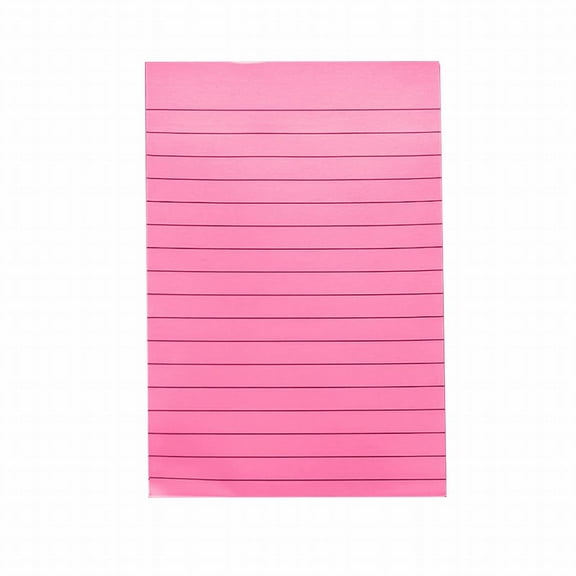


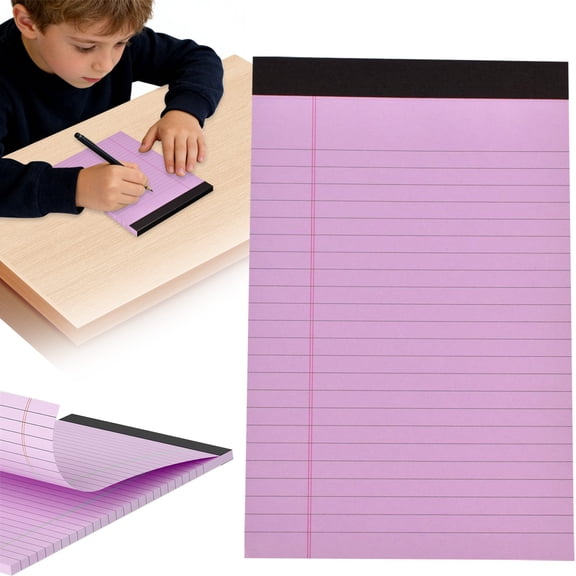










About Legal Pads in Writing & Legal Pads - Walmart.com
Legal pads help you capture fast notes, meeting action items, and long-form outlines with a familiar format that supports clean, organized writing. You can compare color, size, ruling, pack size, and binding details to choose pads that fit your desk, bag, or shared supply cabinet.
How to choose legal pads by paper color
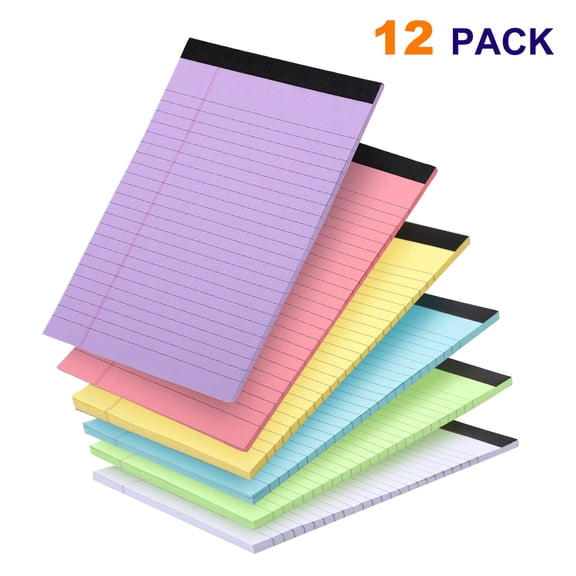
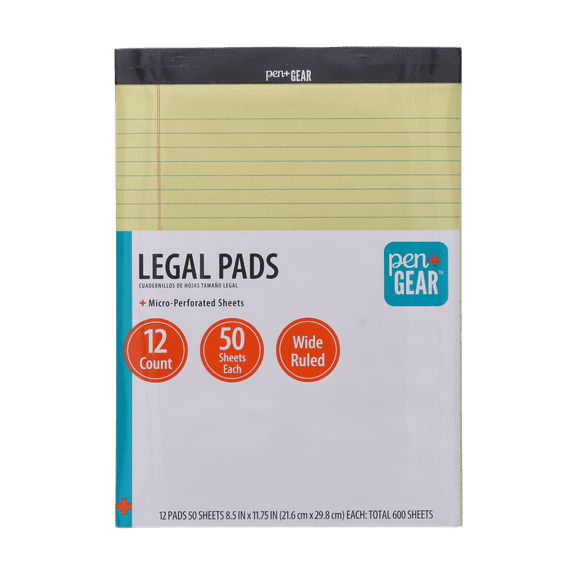
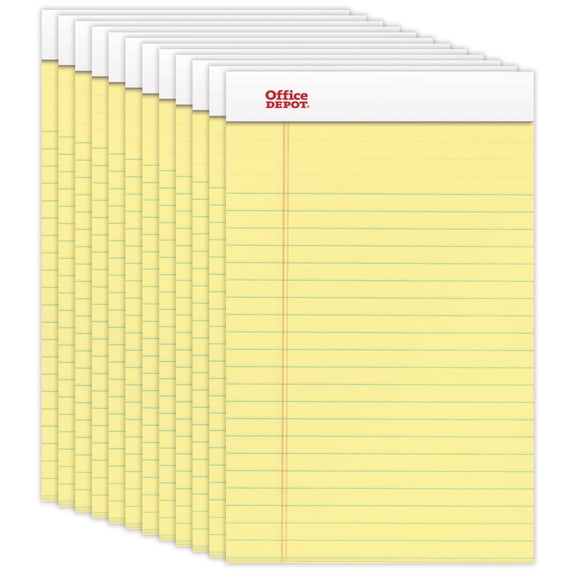
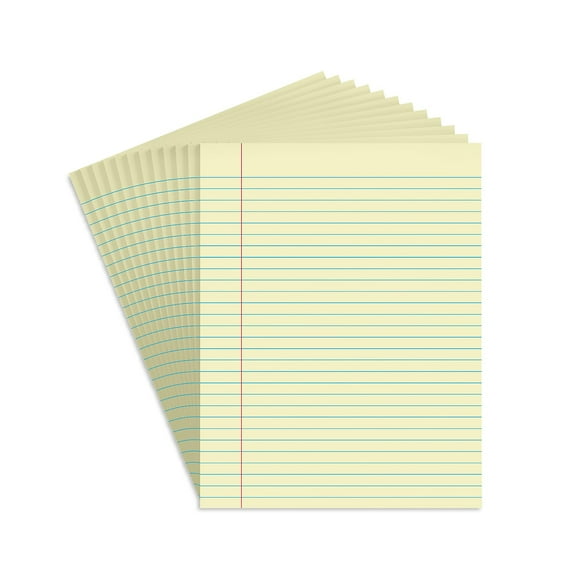
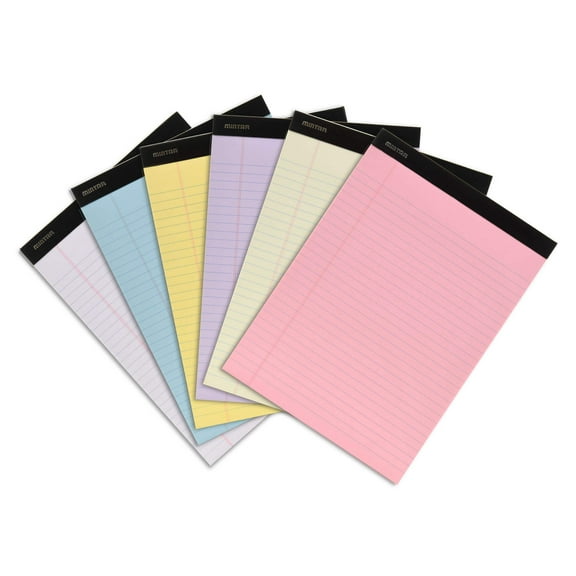
When you compare legal pads, paper color shapes how your notes look during classes, meetings, and reviews. You may prefer yellow legal pads when you want a classic look that stands out from white printer paper.
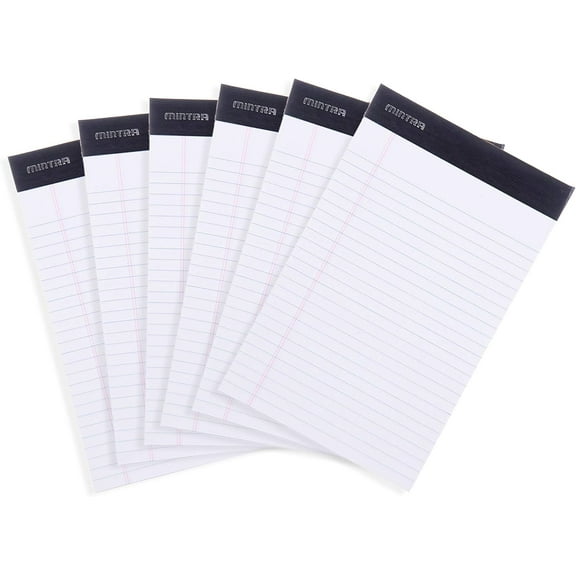
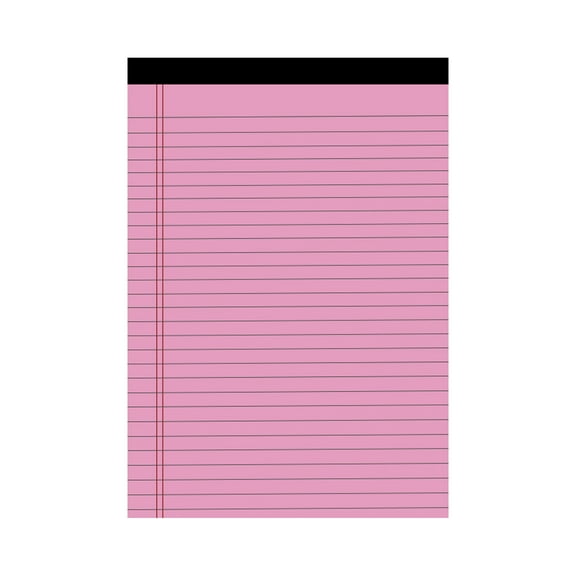
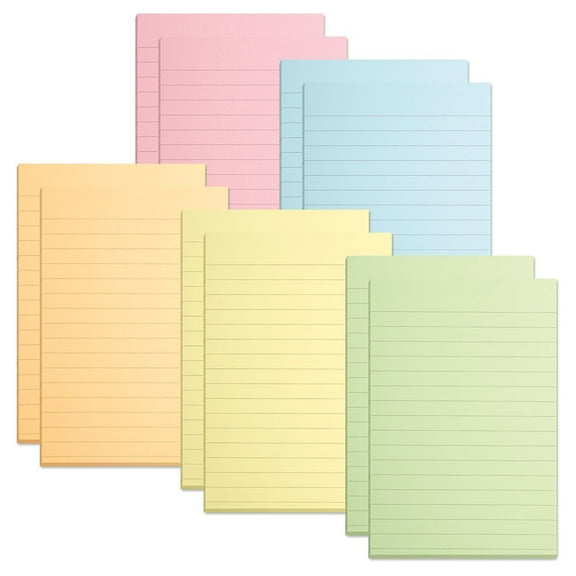
If you want a clean, formal appearance, you may reach for white sheets for reports, client notes, or front-office use. You can also choose pink or blue options when your team sorts projects by color.
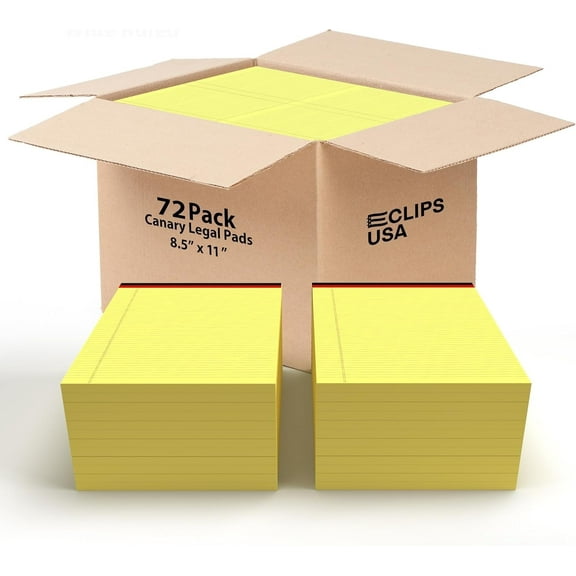
Color can also affect how quickly you spot handwritten pages in folders, inbox trays, and briefcases. You’ll often find that canary sheets make your writing pads easy to separate from contracts, copies, and printed forms.
Choosing the right size and ruling
Size changes how much room you get for lists, lecture notes, and detailed outlines. You can pick letter size legal pads for everyday writing, or choose legal size sheets when you need extra length.
Letter size legal pads fit many desks, backpacks, and file stacks without taking over your workspace. Legal size pads give you more vertical space, so you can keep long agendas or case notes on one page.
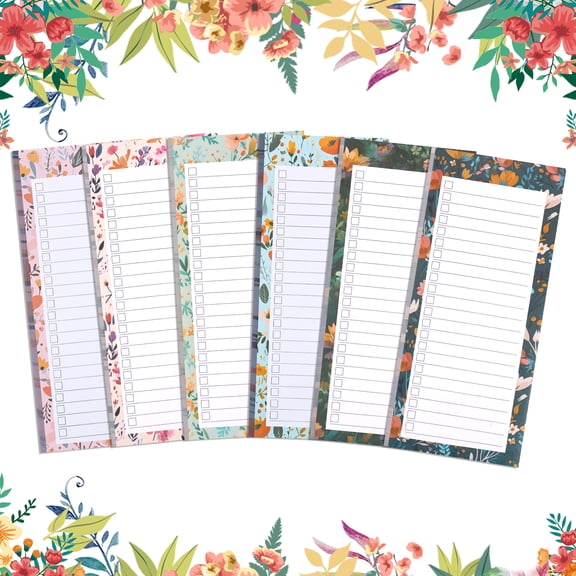
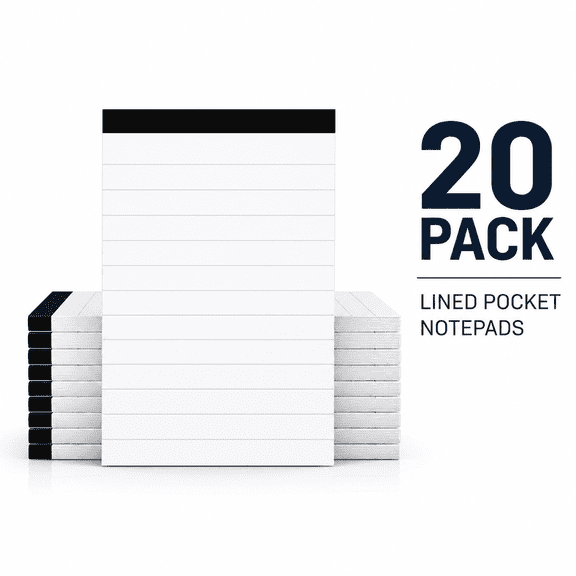
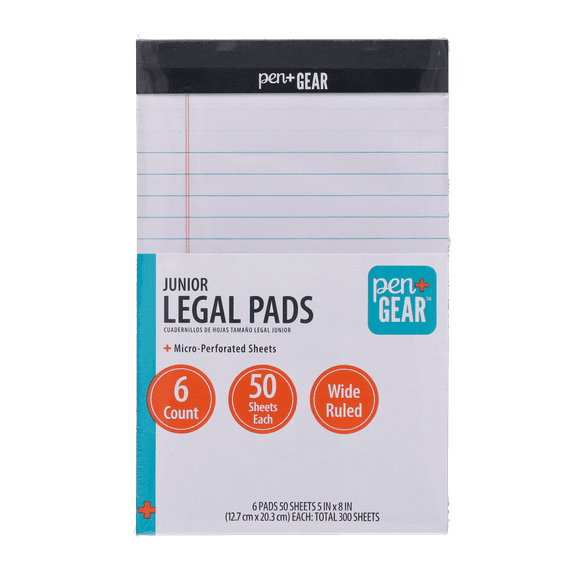
If you carry notes throughout the day, junior pads give you a compact option that slips into smaller bags and drawers. You can keep one nearby for quick reminders, phone messages, or short to-do lists.
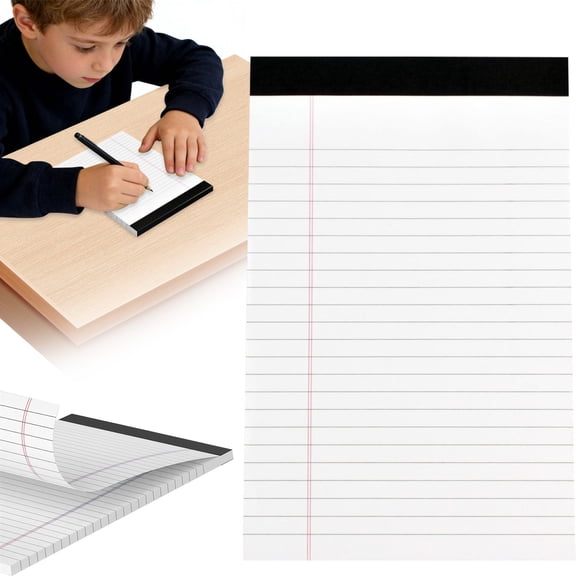
Ruling matters because it guides how dense or open your handwriting looks on the page. You may choose legal ruled pads for a traditional layout, while wide ruled pages give you more spacing.
College ruled or narrow ruled styles help you fit more lines onto each sheet during detailed note-taking. You should compare line spacing with your handwriting size, especially if you write quickly during meetings.
- You can use yellow sheets when you want classic visibility for handwritten notes.
- You can choose legal size pages when you need extra room for long outlines.
- You can pick legal ruled pads when you want a familiar professional layout.
- You can select junior sizes when you need a portable writing companion.
What to look for in writing pads and binding
Writing pads work harder when you match the binding style to how you use each sheet. You should look for top-bound formats when you want a traditional pad that stacks neatly on your desk.
Perforated legal pads help you remove pages with straighter edges for handoffs, filing, or scanning. You’ll appreciate that detail when you pass along notes after interviews, meetings, or classroom sessions.
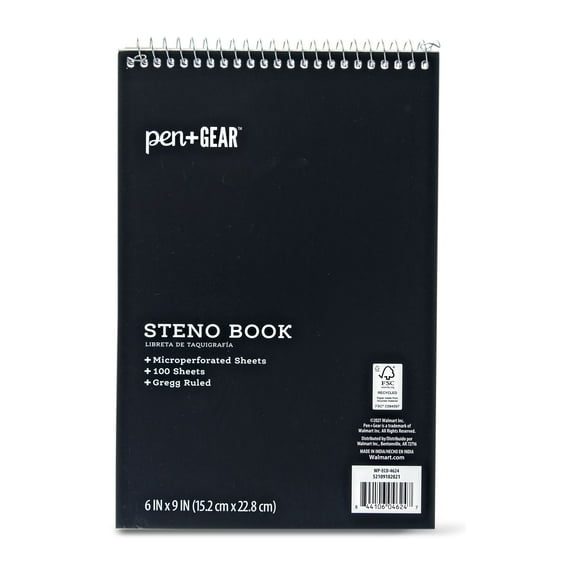
Some shoppers also compare spiral bound formats when they want pages that flip back easily in tighter spaces. You can decide whether tear-out convenience or notebook-style page turning matters more in your routine.
Backing is another important detail because you may write while standing, walking, or sitting away from a table. You should look for a rigid chipboard back when you want steadier support during mobile note-taking.
Sheet count also changes how often you replace pads and how much paper you keep on hand. You can choose lighter counts for occasional use, or look for thicker pads when your workload fills pages quickly.
Comparing pack size for home, school, and office use
Pack size affects convenience, storage, and how often you restock shared supplies. You may want a single pad for personal notes, while a 12-pack or 24-pack suits regular classroom or office use.
Bulk legal pads make sense when you manage reception desks, conference rooms, classrooms, or busy home offices. You can keep extras in cabinets and replace used pads without interrupting your workflow.
If several people reach for the same supplies, multi-pack options help you standardize paper color, size, and ruling. You’ll create a more consistent note-taking setup across desks, meeting rooms, and training spaces.
Smaller pack sizes fit lighter use and tighter storage areas, especially if you only need one pad at a time. You can test a preferred size or ruling before committing to larger counts.
How legal pads fit your daily tasks
You can use legal pads for meeting notes, deposition prep, classroom lectures, call logs, and daily task lists. You’ll find the long, narrow page shape useful when you write step-by-step outlines or track action items.
For office use, you may want white or yellow pads with perforated tops and a firm back. You can tear out pages cleanly, file them fast, and keep writing even when you leave your desk.
For school use, you might prefer letter size pages that fit binders, totes, and classroom storage more easily. You can also choose wide ruled sheets when you want more room between lines.
If you travel between rooms or buildings, junior pads give you a lighter option for quick note capture. You can slip one into a briefcase pocket and still have space for chargers and folders.
When your team handles heavy paperwork, bulk legal pads support steady note-taking without frequent reorders. You’ll stay ready for interviews, trainings, intake forms, and long planning sessions with fewer interruptions.
With the right legal pads, you can match color, size, ruling, pack count, and binding to the way you actually write. You’ll end up with cleaner notes, easier page handling, and a format that supports your daily workflow.