


Find auto parts that fit
Let’s search for parts that fit your vehicle.Mini Excavators for Construction and Landscaping














About Mini Excavators for Construction and Landscaping - Walmart.com
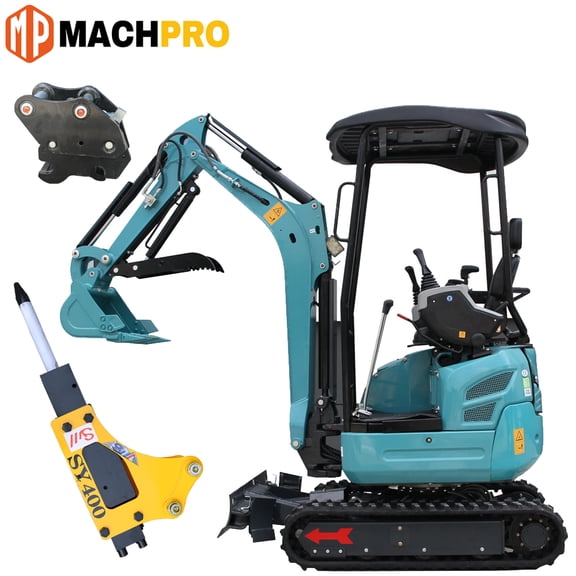
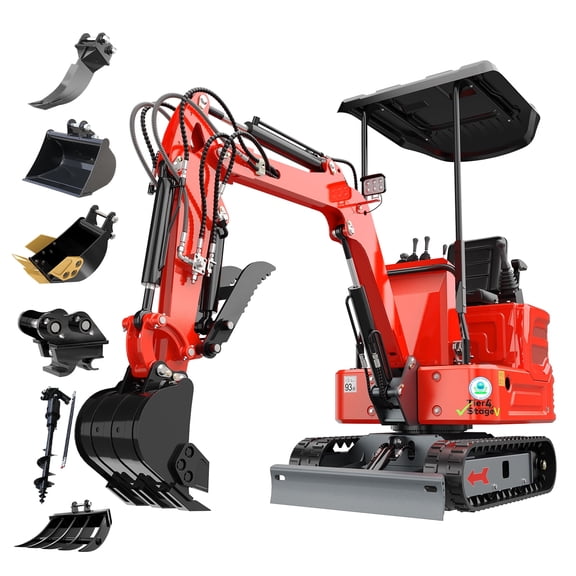
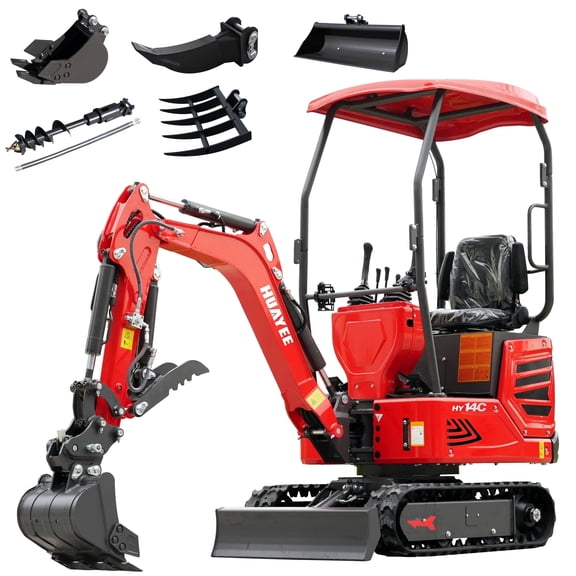
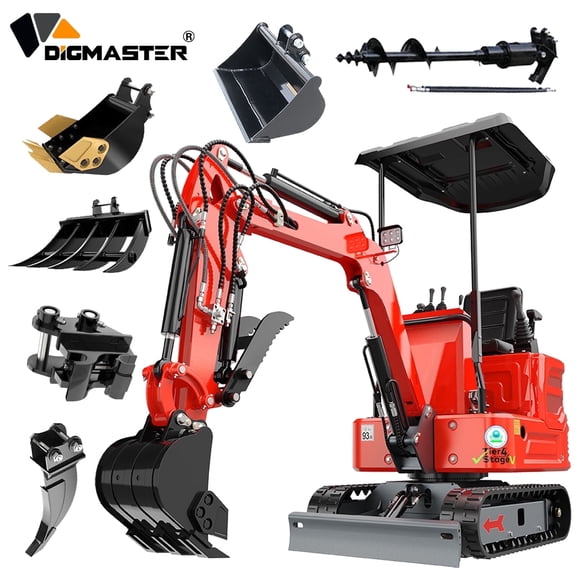
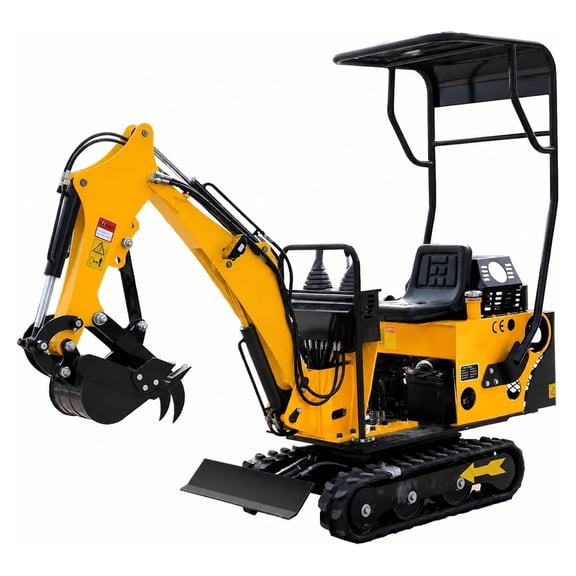
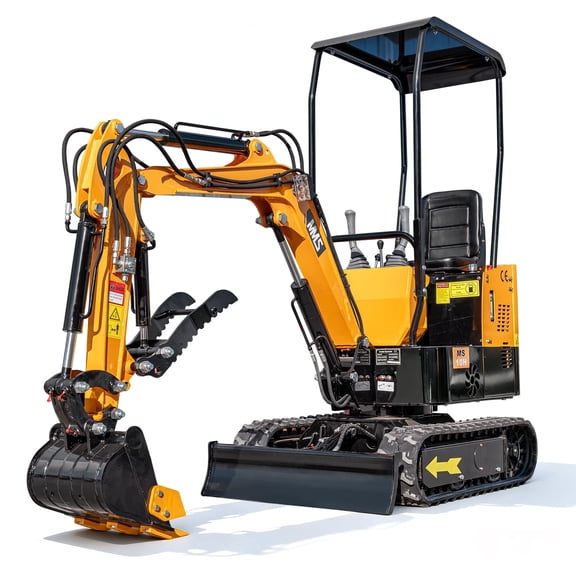
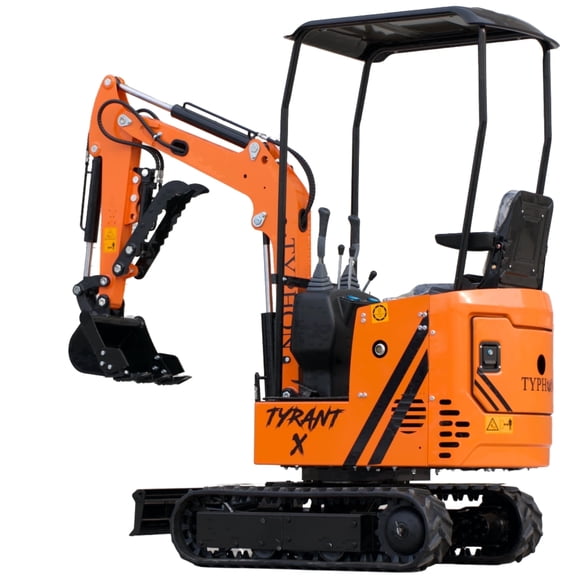
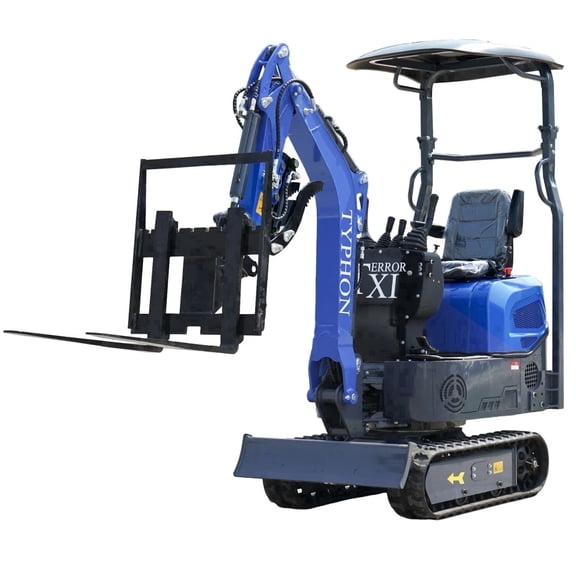
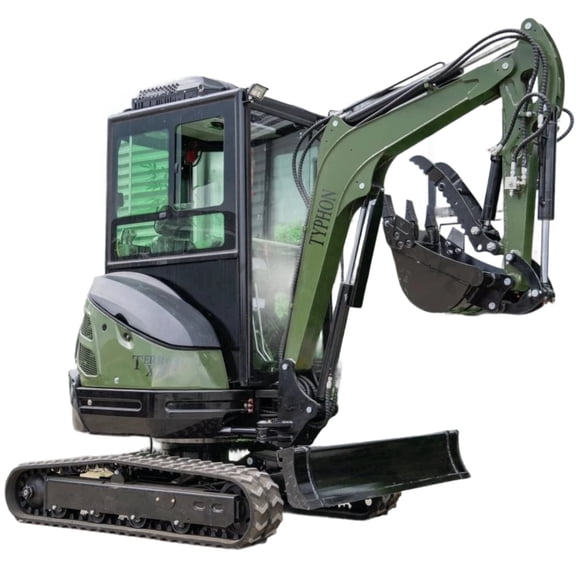
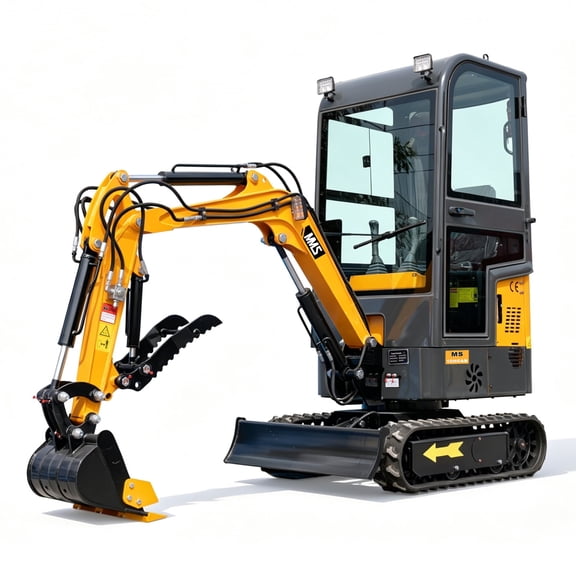
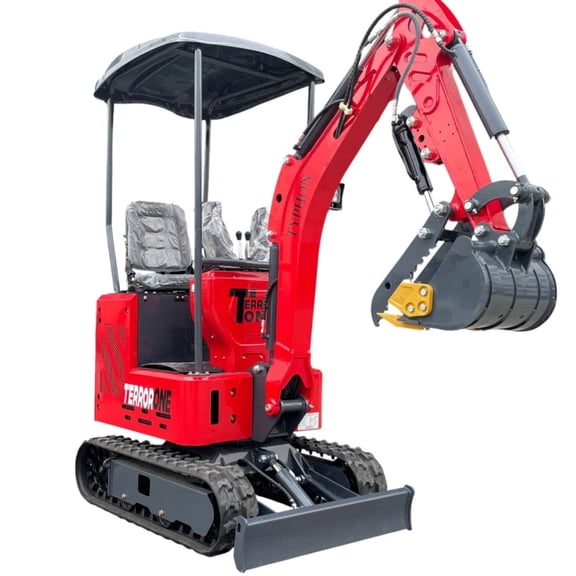
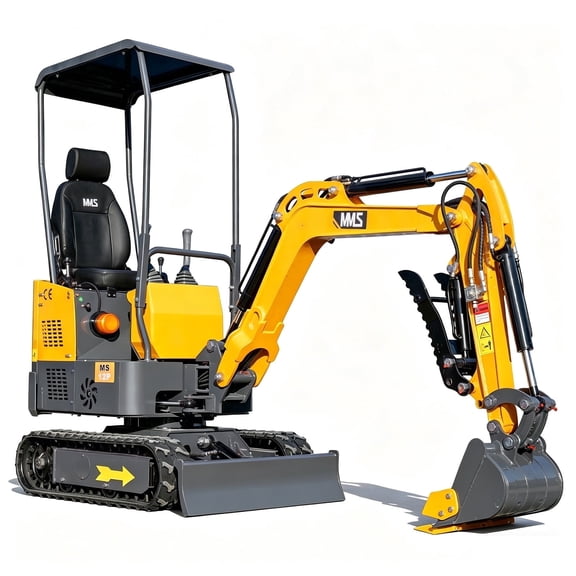
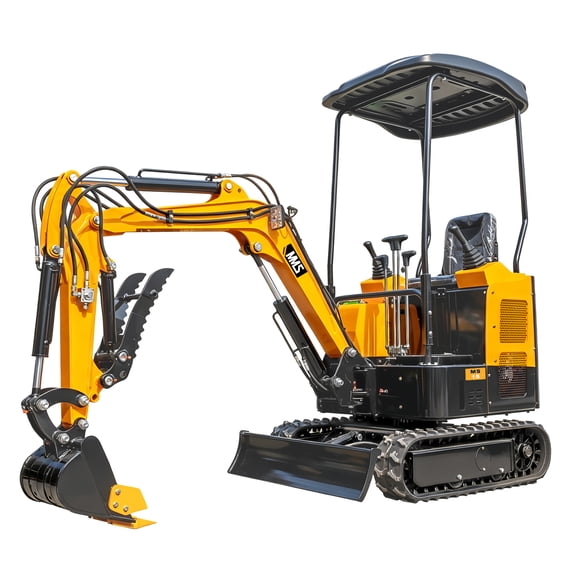
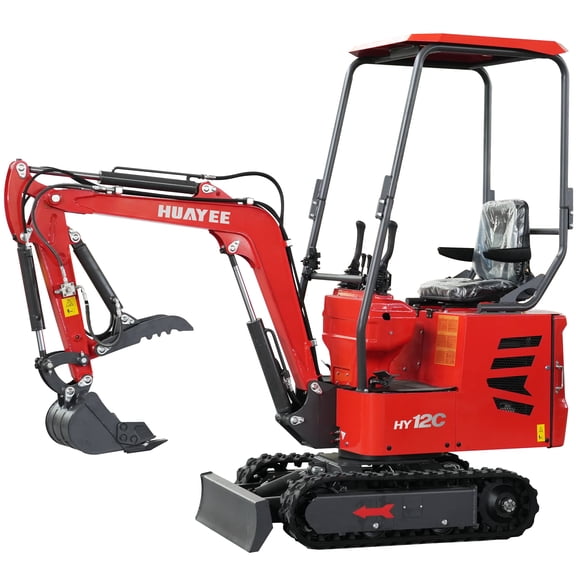
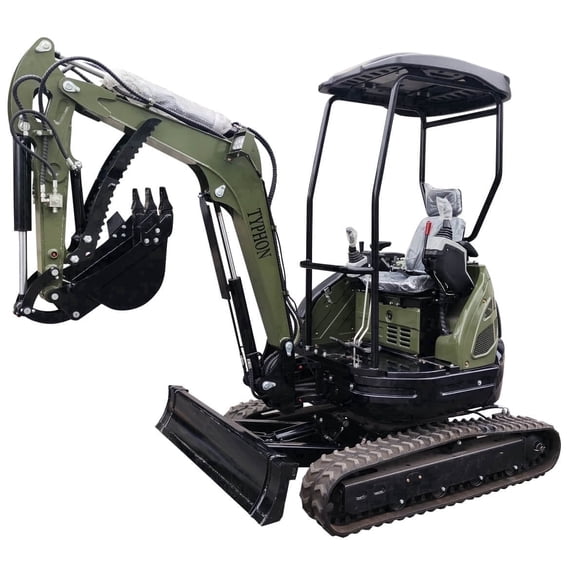
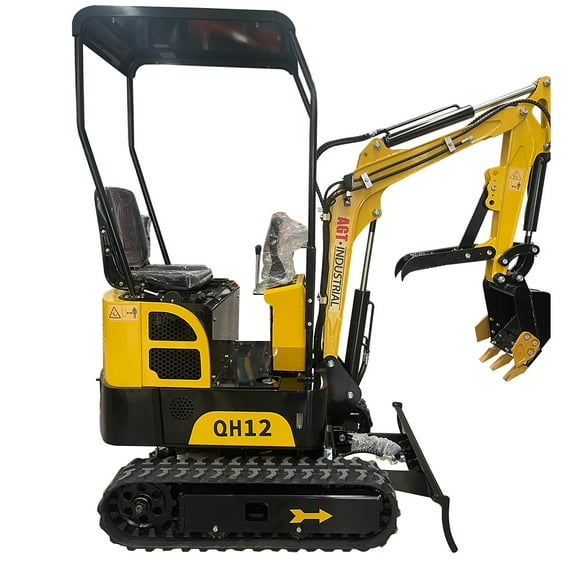
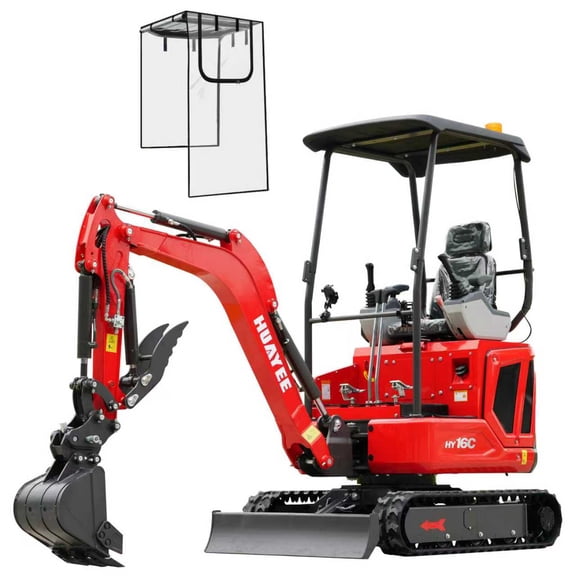
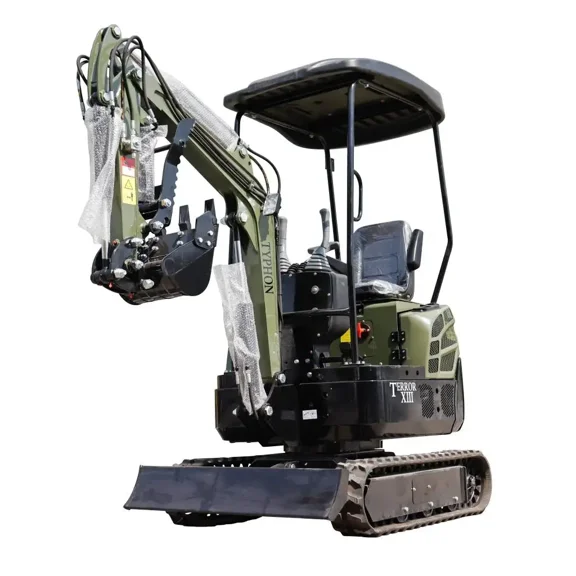
A mini excavator gives you precise digging power in tight spaces, with compact tracks, swing control, and attachment flexibility for demanding property and jobsite work.
These machines fit where full-size equipment canu’t. You can dig footings, trench for utilities, grade edges, and move material with less site disruption.
Why choose a mini excavator
A mini excavator works well on narrow access paths, smaller lots, and finished landscapes. Its compact footprint helps you maneuver beside fences, foundations, and outbuildings.
You also get useful reach without the bulk of larger excavator machinery. That balance matters when youu’re loading debris, shaping drainage lines, or digging along existing hardscape.
- Track designs help maintain traction on dirt, gravel, and uneven ground.
- Compact dimensions support work through gates, between structures, and along property lines.
- Boom and bucket movement support trenching, stump removal, and material handling tasks.
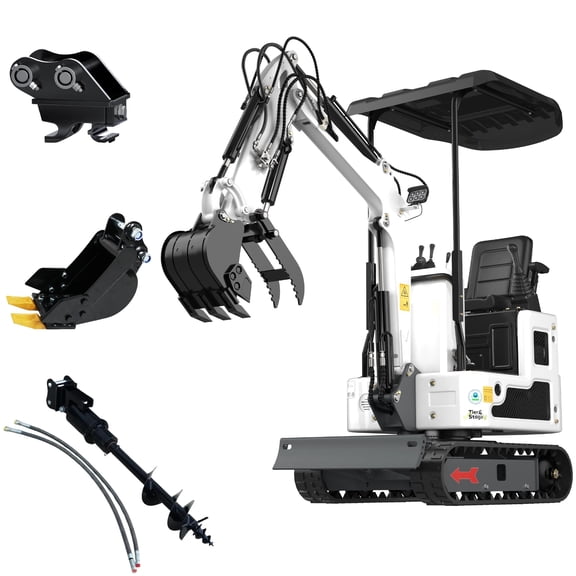
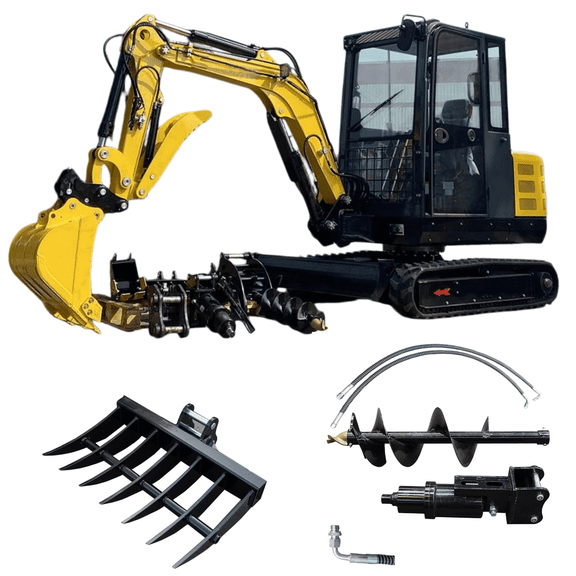
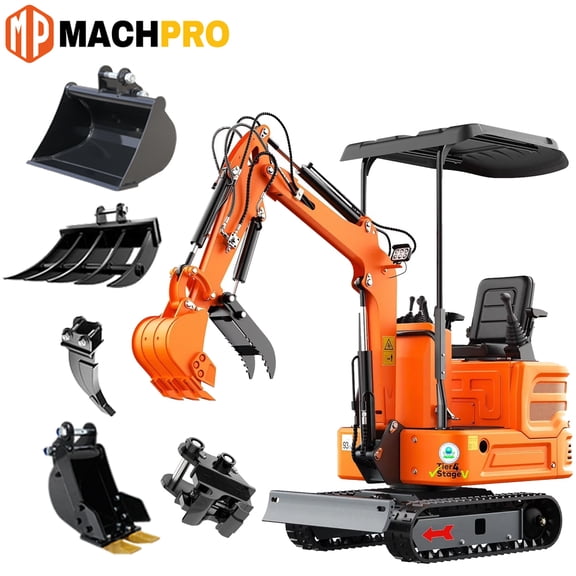
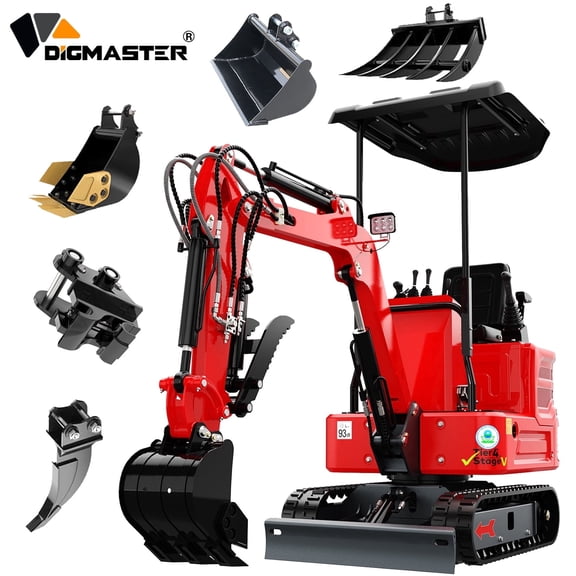
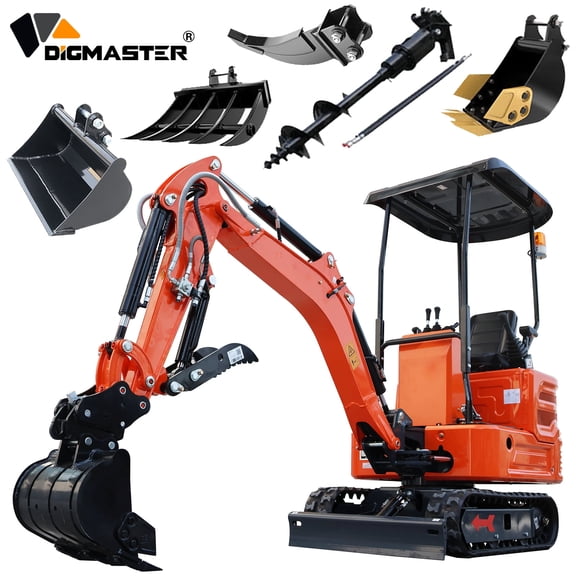
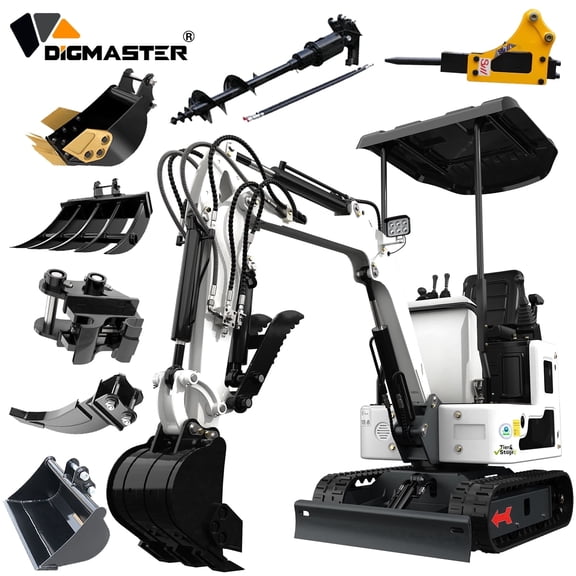
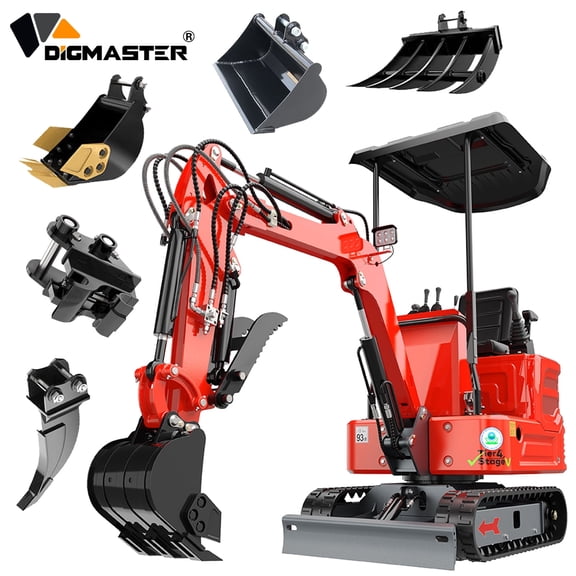
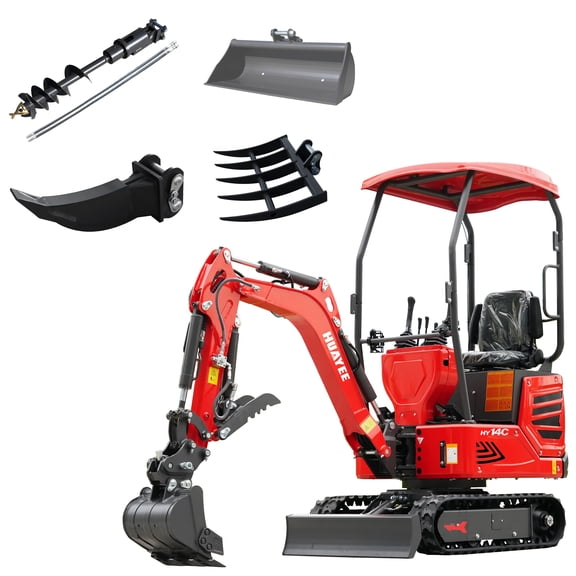
- Attachment compatibility expands use for augers, breakers, grapples, and grading buckets.
For many buyers, a walk behind excavator or small ride-on unit solves frequent digging tasks without oversized equipment. That makes planning, transport, and storage more manageable.
Compact excavator and micro excavator features
A compact excavator often gets compared by operating weight, dig depth, and tail swing design. Those specs tell you how the machine fits your space and workload.
Many shoppers start with tonnage because it shapes stability and transport needs. Lighter units suit tight access, while heavier units usually bring deeper digging and stronger lift capacity.
Bucket size matters too. A narrower bucket helps with utility trenches, while wider options support cleanup, grading, and shaping around driveways or retaining walls.
Hydraulic performance affects attachment use and cycle feel. If youu’re considering a micro excavator for frequent tool changes, auxiliary hydraulic support becomes an important buying point.
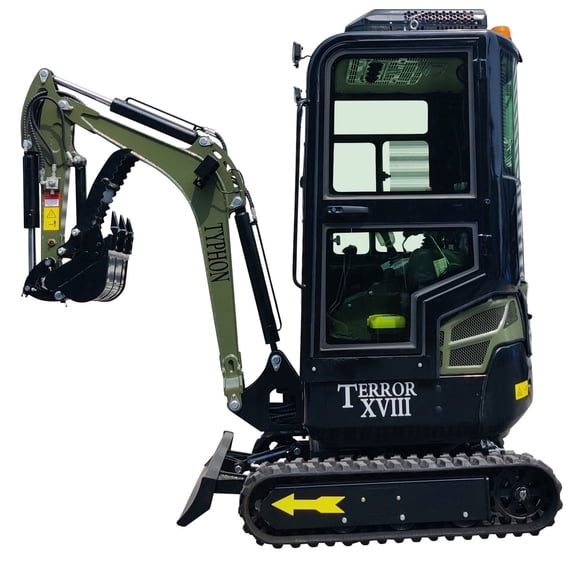
Track width and undercarriage design influence ground contact and maneuverability. Zero-tail or reduced-tail layouts can be especially useful when working close to walls or parked equipment.
Some buyers also compare engine type, controls, and service access panels. Easy maintenance points and clear operator layouts can simplify routine ownership over time.
Small excavator use cases
A small excavator fits residential construction, landscaping, farm upkeep, and light commercial site prep. It handles focused digging work where access and turning room stay limited.
For landscaping projects, these machines can trench irrigation lines, shape garden beds, and remove small stumps. Their scale suits established yards with existing pavers, edging, and plantings.
On rural property, digging equipment like this can help with drainage ditches, fence post areas, and utility runs. You can also move soil, gravel, and brush in controlled passes.
Contractors often use compact units for foundation edges, repair work, and cleanup around finished structures. Thatu’s where a compact excavator can earn attention through controlled motion and smaller site impact.
If protected keyword relevance matters to your search, youu’ll also see walk behind mini excavator language in this category. That wording reflects shopper demand for compact digging formats and access-focused equipment.
A chinese mini excavator may appear in your comparison list alongside other imported and domestic-style options. Buyers often review dimensions, attachment support, and control layout before choosing a machine.
What experienced buyers look for
Experienced equipment shoppers compare transport fit before anything else. Trailer compatibility, machine width, and operating weight affect how easily the unit moves between properties.
They also review digging depth against actual project needs. A machine that matches trench depth and reach can keep work steady without unnecessary bulk.
Attachment support is another major factor. If you plan to use an auger, grapple, or breaker, check hydraulic connections and available flow details.
Serviceability deserves attention as well. Accessible filters, pins, and grease points can make routine upkeep simpler for equipment that sees repeated seasonal use.
Many shoppers also think beyond the machine itself. Related categories, such as excavator parts and heavy duty trailers, can help support transport, maintenance, and long-term ownership planning.
Choose with confidence
The right mini excavator combines access, digging capability, and practical specs for your workload. When those details line up, you get cleaner trenches, steadier grading, and more controlled material movement.