

Milwaukee Tool Boxes in Milwaukee Tools




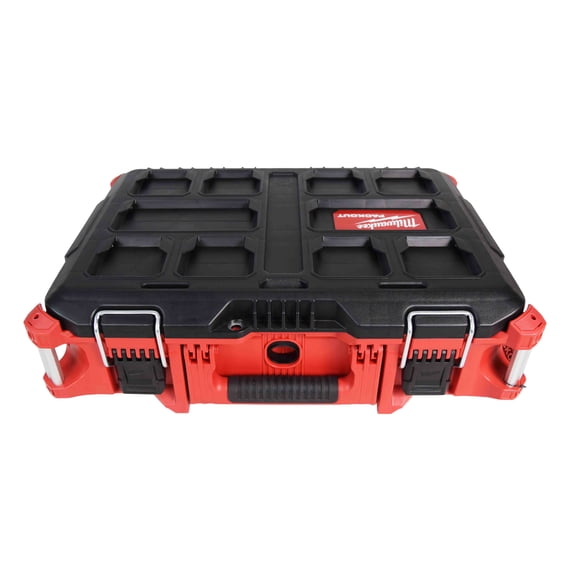
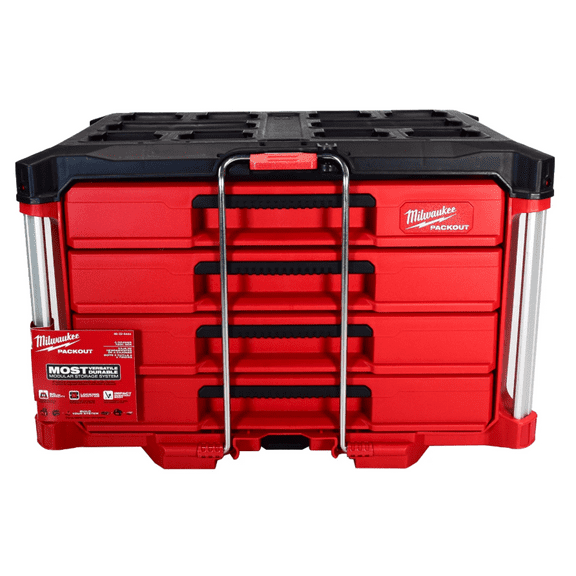
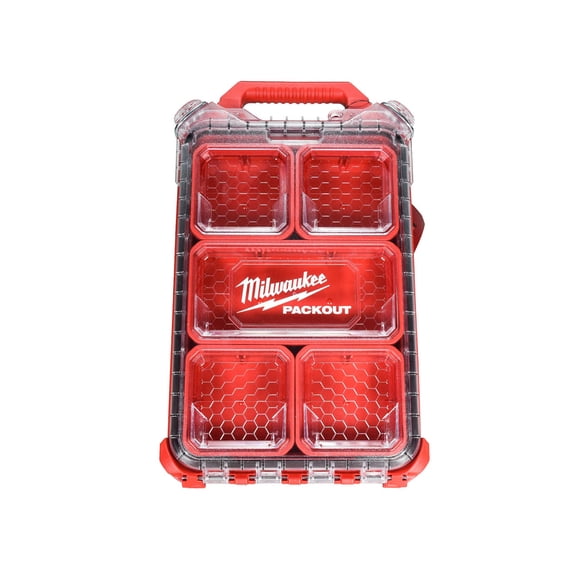
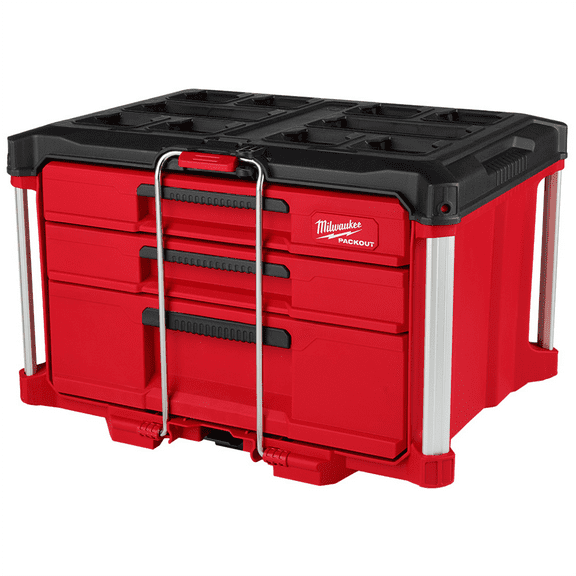





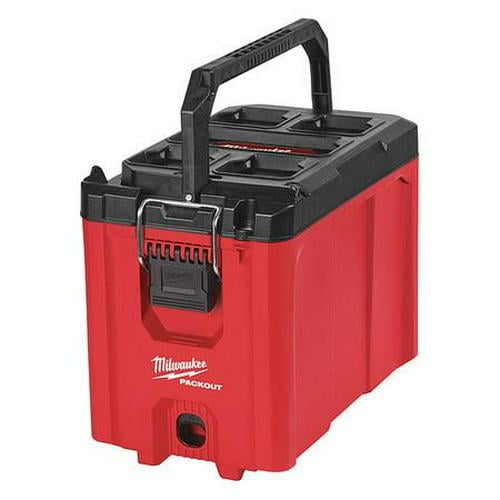
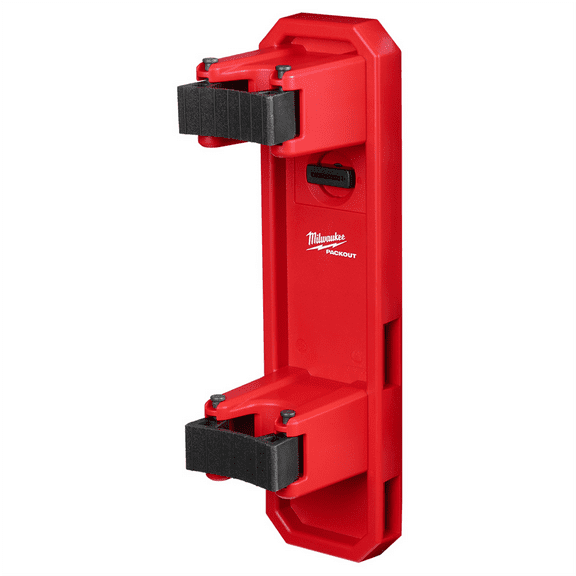
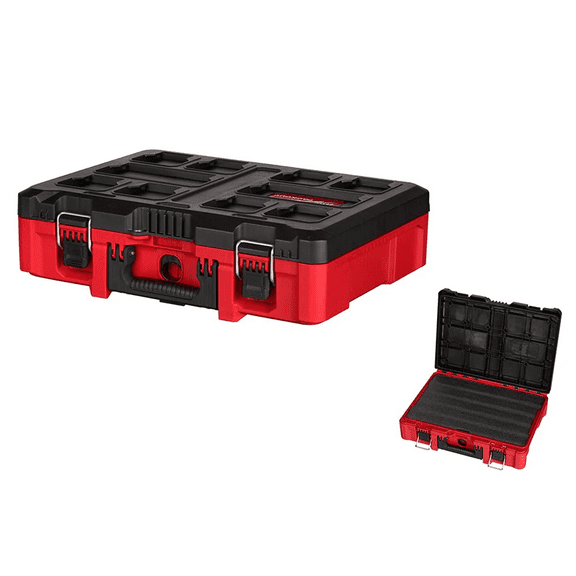
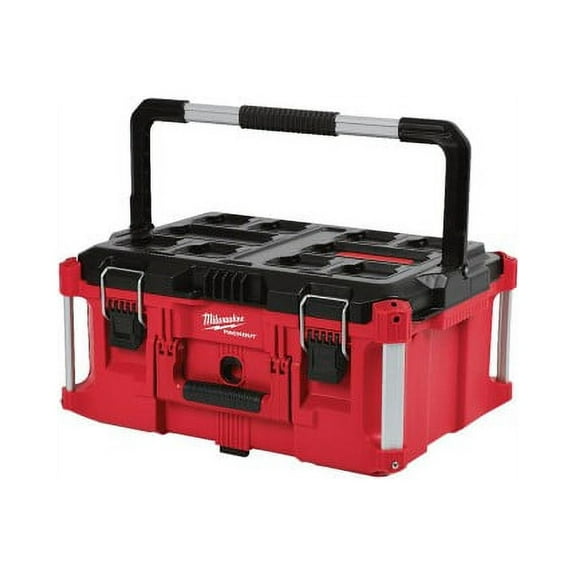


About Milwaukee Tool Boxes in Milwaukee Tools - Walmart.com
Milwaukee tool boxes help you organize demanding jobs with modular storage, rolling transport, and rugged materials that fit serious workspaces. You can compare system type, mobility, material, and weather resistance before you choose the setup that matches your tools.
How to choose Milwaukee tool boxes
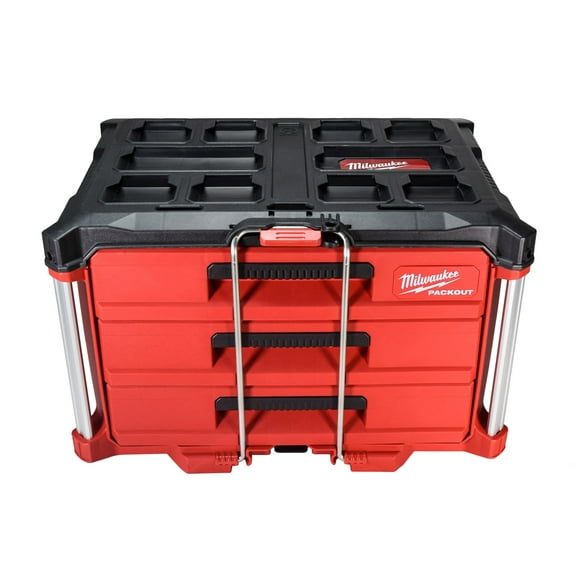
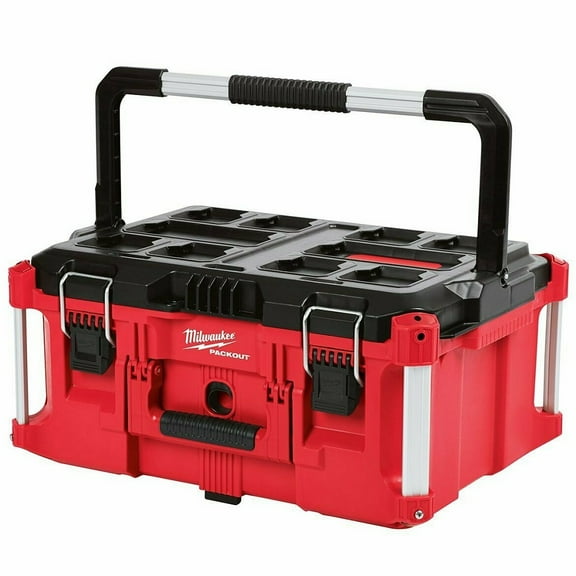
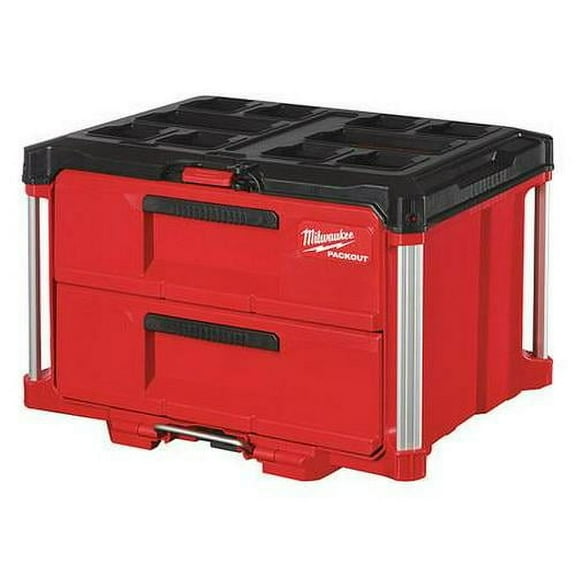
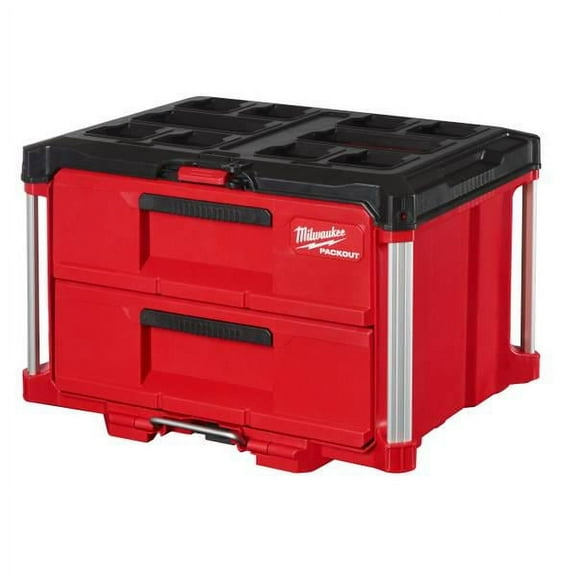
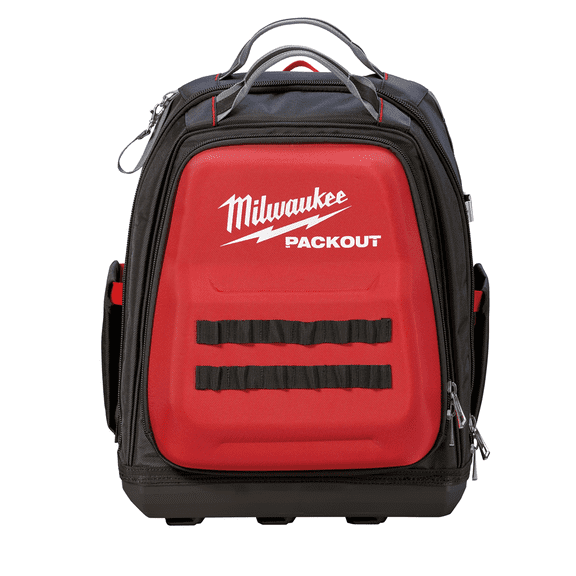
You should start with system compatibility because it affects how your storage grows over time. If you use a Packout setup, you can stack and lock pieces together for a connected layout.
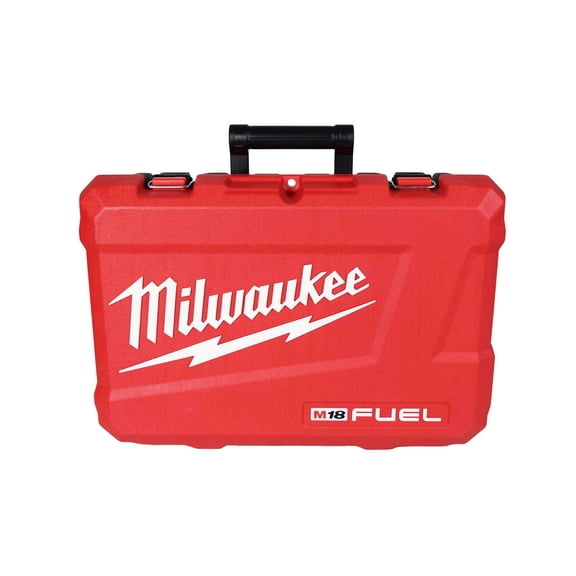
You may prefer a standard chest when your tools stay in one place and quick lid access matters. If you move between sites, a milwaukee modular tool box can give your setup more flexibility.
You can narrow your options faster by focusing on the decisions that change daily use. Consider these key shopping points before you compare sizes and layouts.
- You can choose Packout options when you want interlocking storage that expands in layers.
- You can choose rolling models when you carry heavier tools across garages, driveways, or job sites.
- You can choose steel or heavy-duty polymer when your workspace demands different balances of weight and toughness.
- You can check for IP65 rated designs when you want added dust and water resistance.
Choosing system type and modular storage
You should compare Packout, modular, rolling, and standard chest designs based on how you work. Packout systems let your boxes connect together, so you can build one organized stack.
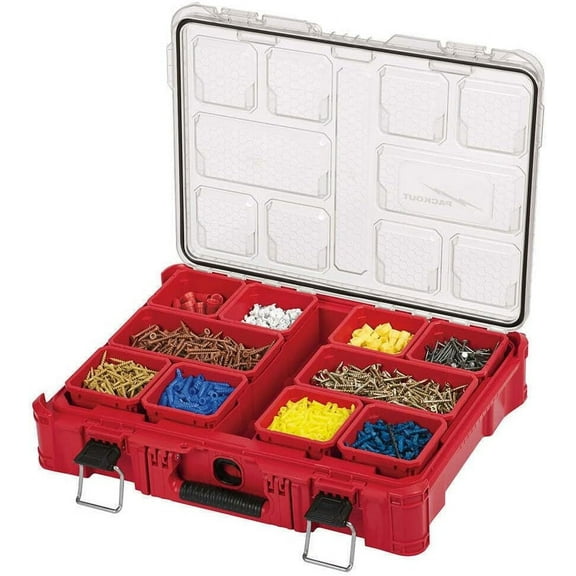
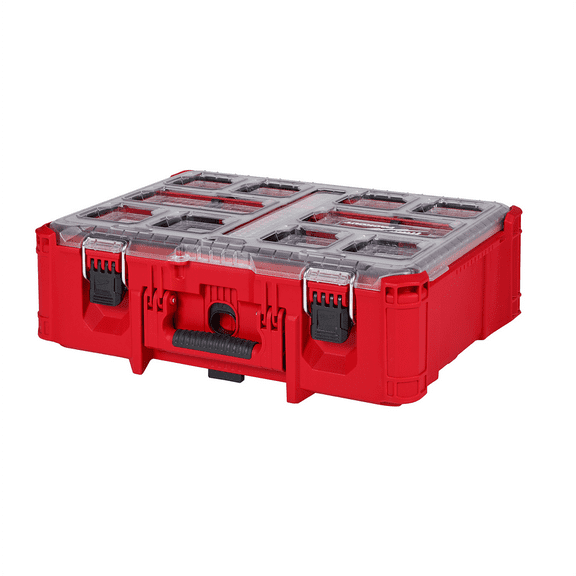
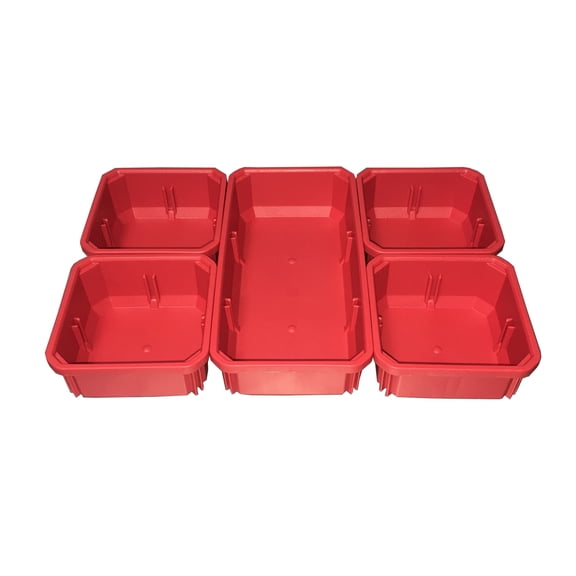
You may want a milwaukee packout organizer when you sort fasteners, bits, and small accessories. Clear lids and divided compartments help you see parts quickly and keep pieces separated.
You can use modular units when your tool collection changes often or your projects vary by day. A connected system helps you bring only the boxes your task requires.
You might prefer a standard chest when you store hand tools on a bench or in a garage. A fixed box can feel simpler when you don't need interlocking sections.
Comparing materials and durability details
You should look at material choice because it changes weight, rigidity, and daily handling. Heavy-duty polymer and impact-resistant plastic can feel lighter while still supporting rough transport.
You may choose steel when you want a more traditional body and a sturdy feel. Steel boxes often suit stationary storage where you want structure and familiar drawer-style organization.
You can also check reinforcement details, including metal-reinforced corners and sturdy latches. Those features matter when you lift loaded boxes into trucks or roll them over uneven surfaces.
You should compare weight capacity with your actual tool load, not just empty box size. A larger case helps only when your handles, wheels, and latches support the tools you carry.
Deciding on mobility and rolling performance
You can save effort by matching mobility to your work area before you buy. Portable boxes work well for light kits, while stationary chests fit dedicated benches and storage walls.
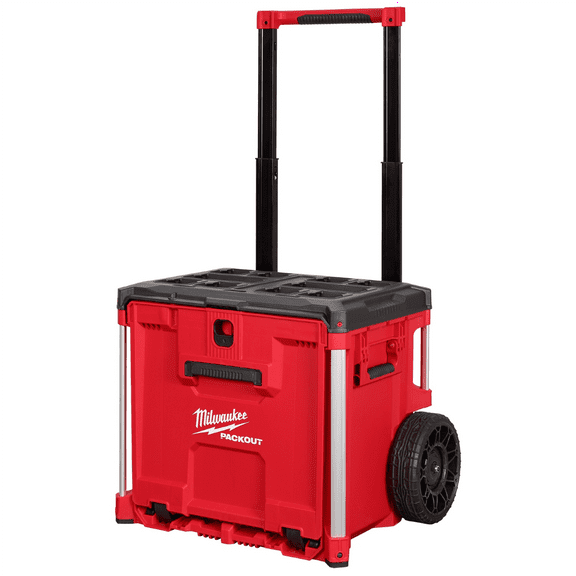
You may need a milwaukee rolling tool box when your tools travel across parking lots, gravel, or unfinished floors. Larger all-terrain wheels can help you move weight with less strain during setup.
You should also check handle design because it changes control during transport. An extension handle gives you more leverage when you pull a stacked load behind you.
You can keep frequently used tools easier to reach when you pair rolling bases with stackable cases. That setup works well when you want mobility below and smaller grab-and-go storage above.
Checking weather resistance and jobsite readiness
You should compare weather resistance carefully if your gear moves between garages, trucks, and outdoor spaces. Sealed designs help you keep contents cleaner when dust and splashes are part of the workday.
You may notice IP65 rated options in Milwaukee tool storage because that rating matters for harsh conditions. In simple terms, you get added resistance against dust entry and water from everyday jobsite exposure.
You can also look for a weather-resistant seal when you want added protection but don't need every technical feature. Unrated boxes may still fit indoor storage, home workshops, and cleaner spaces.
You should match the seal level to your environment instead of assuming every box needs the same protection. That decision helps you choose the right balance of coverage, access, and carry weight.
Matching Milwaukee tool boxes to real work scenarios
You can build a smarter setup when you match storage type to the job in front of you. A rolling base, organizer top, and medium toolbox can cover many repair and installation days.
You may want Packout components when you switch between electrical, plumbing, and general repair tasks. Interlocking sections let your loadout change without forcing you to repack one oversized case.
You can use a standard chest in a garage when your tools stay near a bench and charger station. That format makes sense when your priority is fixed storage instead of transport.
You might choose weather-resistant modular cases for outdoor work where surfaces, dust, and moisture change through the day. That combination helps your tools stay sorted while your stack remains easier to move.
You should consider wheel size, handle reach, and organizer layout if your route includes stairs, curbs, or long walks. Those details affect comfort just as much as box capacity.
You can shop Milwaukee tool boxes with more confidence when you compare compatibility, materials, mobility, and seals together. That approach helps you build storage that stays organized, travels smoothly, and supports your everyday tools.