


Milwaukee Flashlights in Flashlights by Brand














About Milwaukee Flashlights in Flashlights by Brand - Walmart.com
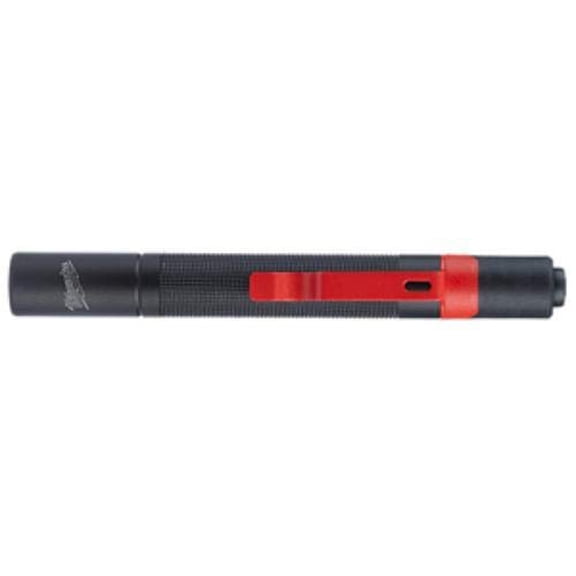
If you need a Milwaukee flashlight for work, repairs, or outages, you can compare battery platforms, beam styles, and runtimes in one place. You’ll also find jobsite-ready options that fit handheld tasks, broad-area lighting, and focused inspection work.
When you shop this category, you’re choosing more than brightness alone. You’re choosing how your light fits your batteries, your workspace, and the way you move through each task.
How to choose a Milwaukee flashlight
You should start with power source, because battery compatibility affects your routine every day. If you already use M12 or M18 tools, you can keep one platform across your lights, chargers, and equipment.
You may also want USB rechargeable options when you carry a light in your pocket or bag. If you prefer occasional backup lighting, you can also consider alkaline-powered models for simpler grab-and-go use.
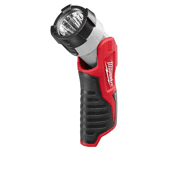
As you compare forms, you’ll notice handheld lights suit inspections and tight spaces. Floodlights, pivoting work lights, and tower lights help you cover benches, rooms, and larger jobsite zones.
Choosing power source and platform voltage
You should check whether your light uses USB charging, an M12 battery, an M18 battery, or alkaline power. That choice shapes your charging habits, carry weight, and daily compatibility.
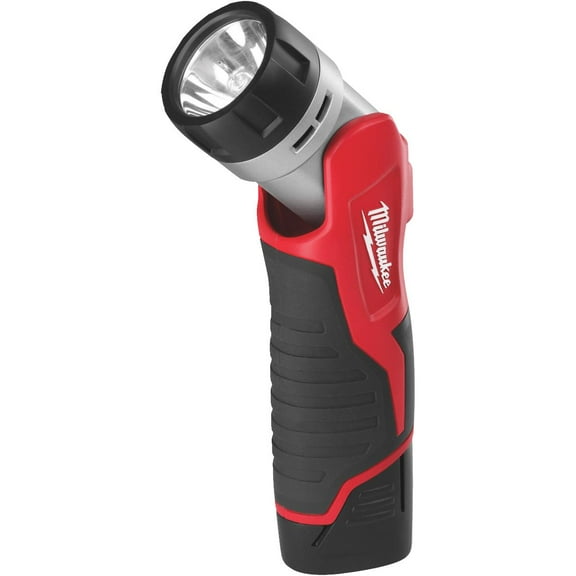
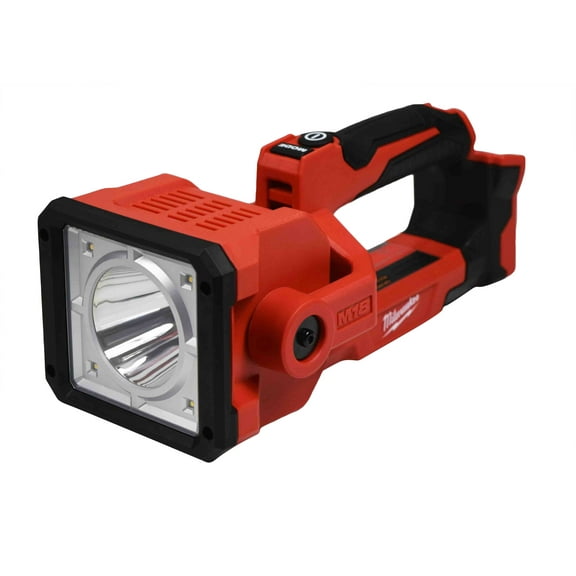
If you already own compact 12V tools, you may prefer M12 lights for lighter carry and tighter spaces. If you need longer runtime and broader output, you may lean toward a Milwaukee flashlight 18V option.
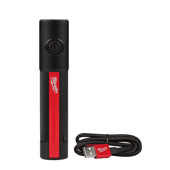
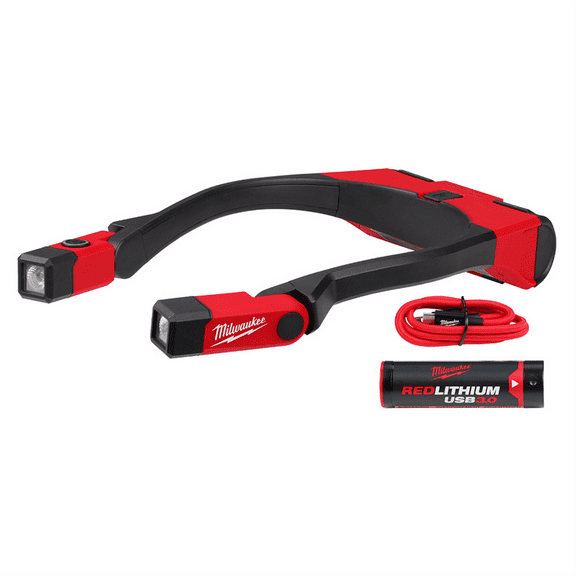
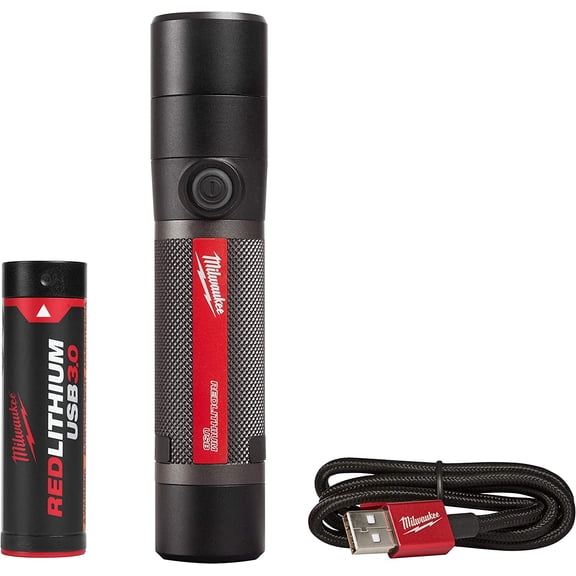
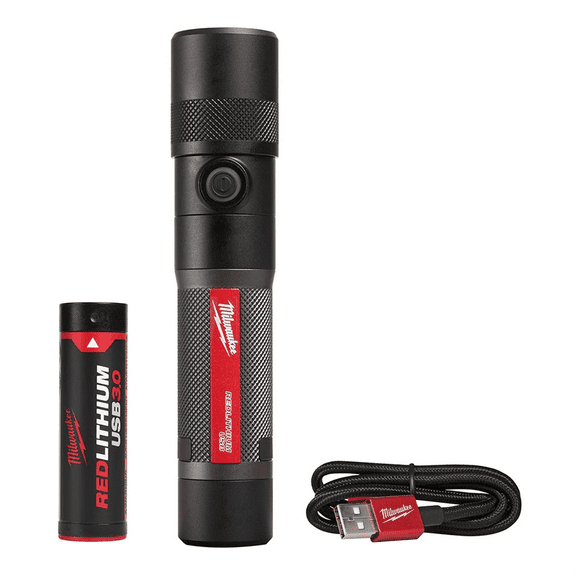
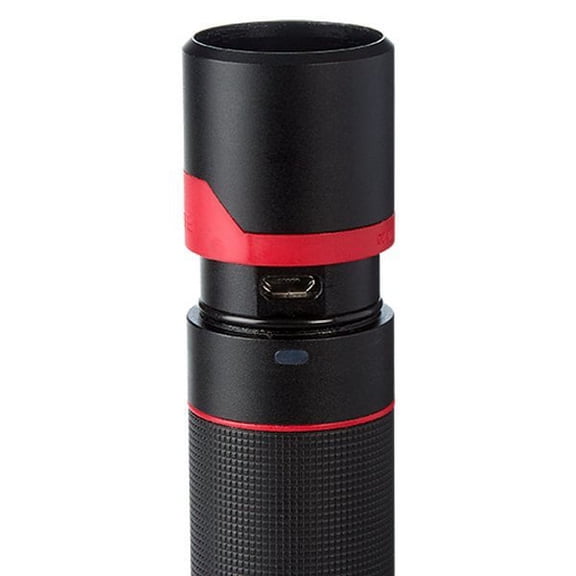
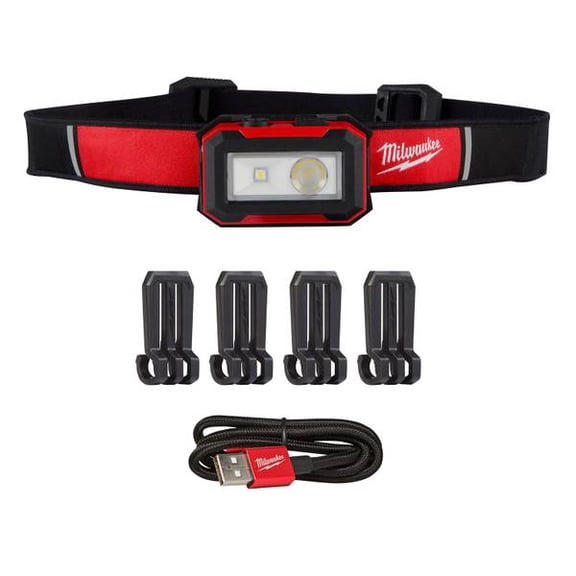
You can also compare 4V Redlithium USB lights when you want compact charging without a full-size tool battery. That format works well when you need grab-and-go lighting between jobs.
- You can match your flashlight to your M12 or M18 battery platform.
- You can choose USB charging for smaller everyday carry lights.
- You can select handheld, flood, pivoting, or tower formats for your workspace.
- You can compare LED and COB LED designs for focused or wide light coverage.
What to look for in light output and beam style
You should compare lumens to understand brightness in simple terms. Higher lumens usually help you light larger areas or see farther down a dark path.
You’ll also want to check beam pattern, because spot beams and flood beams support different tasks. A spot beam helps you see farther, while a flood beam covers a wider work area.
If you’re comparing a Milwaukee flashlight LED design with a COB LED work light, you’ll notice different coverage. Standard LED designs often focus light, while COB LED layouts spread light more evenly.
You may prefer a pivoting head when you need to aim light under sinks, inside cabinets, or above ceiling lines. You can place the beam where your hands are working instead of holding the light awkwardly.
Checking runtime, charging, and durability
You should look at runtime in hours, because that tells you how long your light can stay on continuously. Longer runtime matters when you’re working through long shifts, storms, or overnight projects.
If you choose a Milwaukee rechargeable flashlight, you should also check charging style and cable connection. USB charging can simplify daily use, while tool-battery systems can simplify pack swaps on active jobsites.
You may also want decision details like IP rating and drop-test information. Those specs help you compare dust and water resistance, plus how the light holds up to rough handling.
When you carry lighting into garages, basements, trailers, or outdoor work areas, durability matters. You’ll want housings, grips, and lenses designed for repeated transport and frequent setup changes.
Matching form factor to your tasks
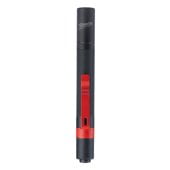
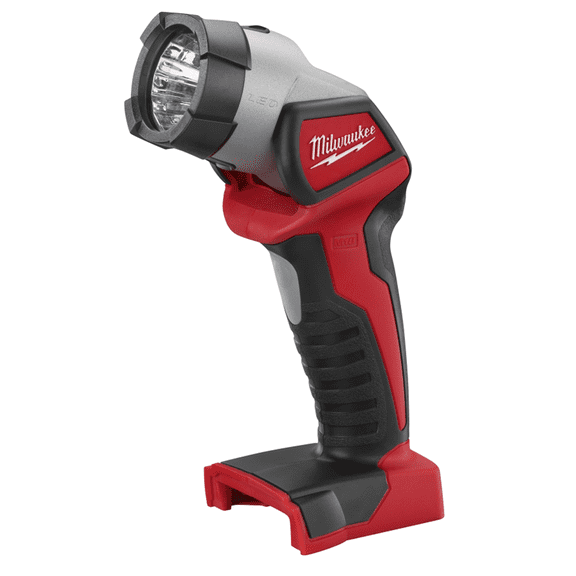
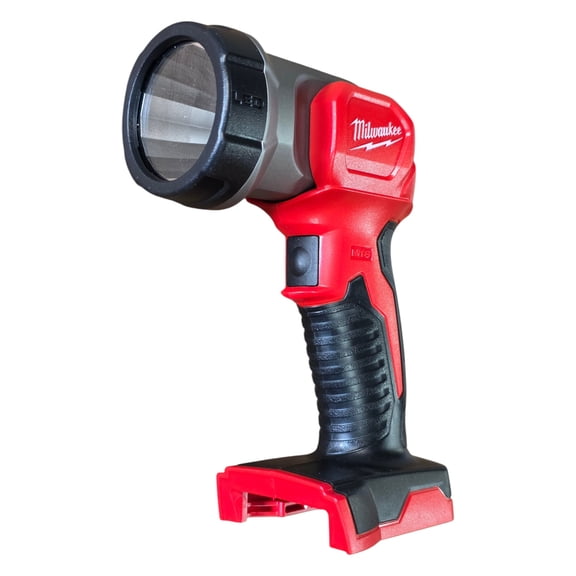
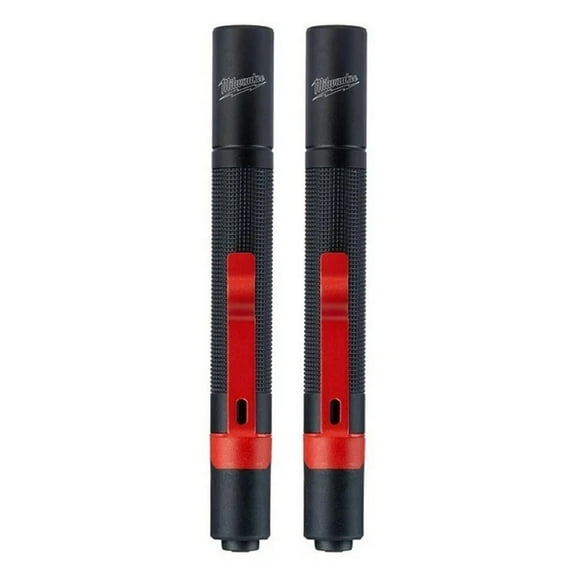
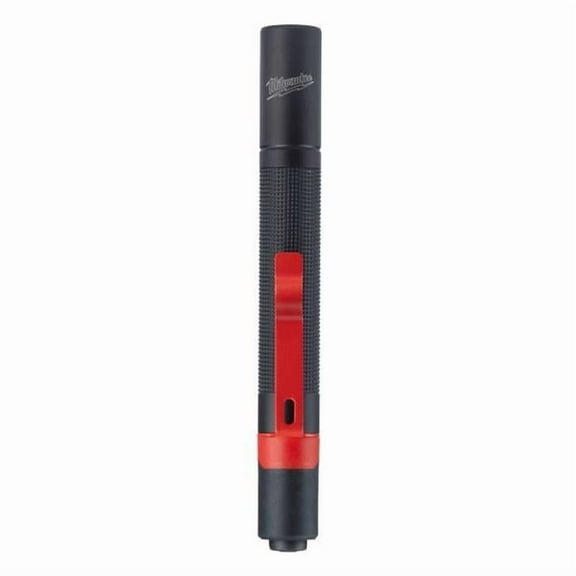
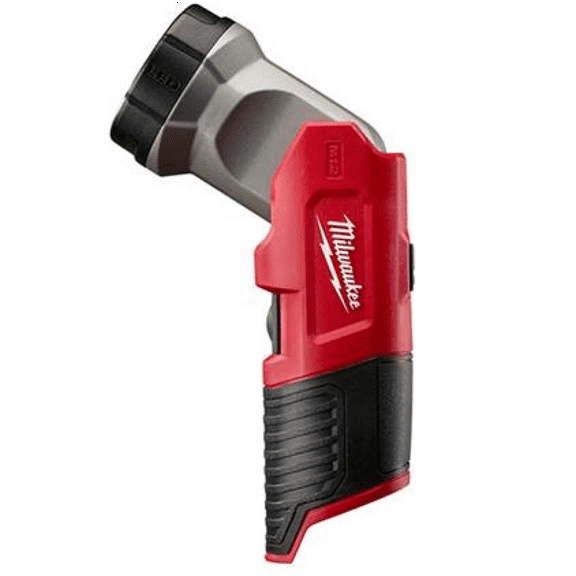
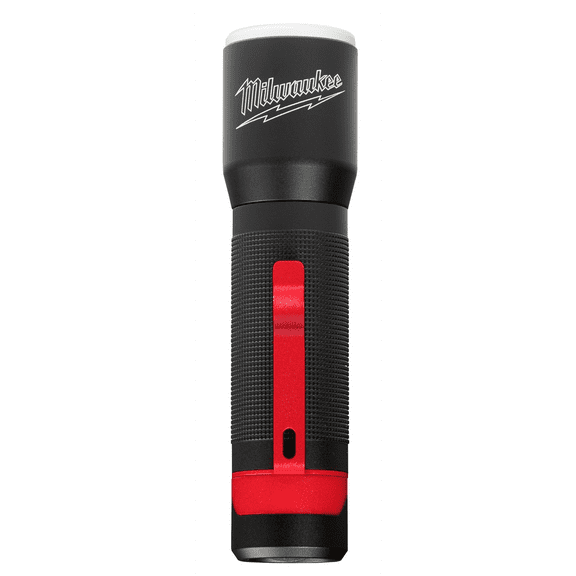
You can use a handheld light when you inspect wiring, check panels, or move through narrow spaces. That shape works well when you need quick aiming and easy storage.
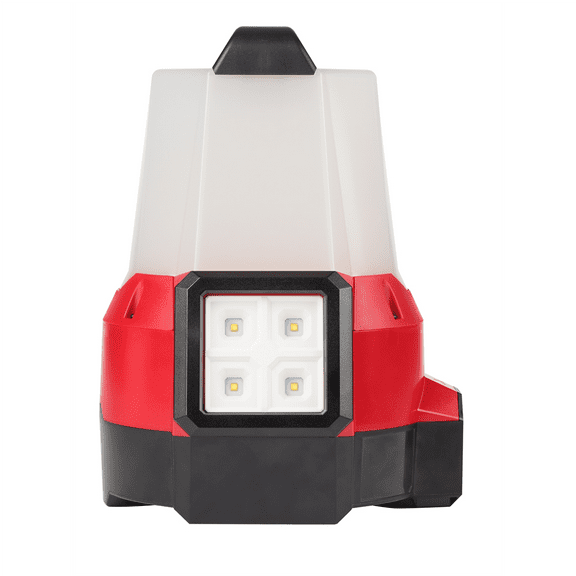
If you need broader coverage, you may prefer a floodlight for tabletops, engine bays, or room corners. You’ll get a wider spread that helps reduce dark edges around your work area.
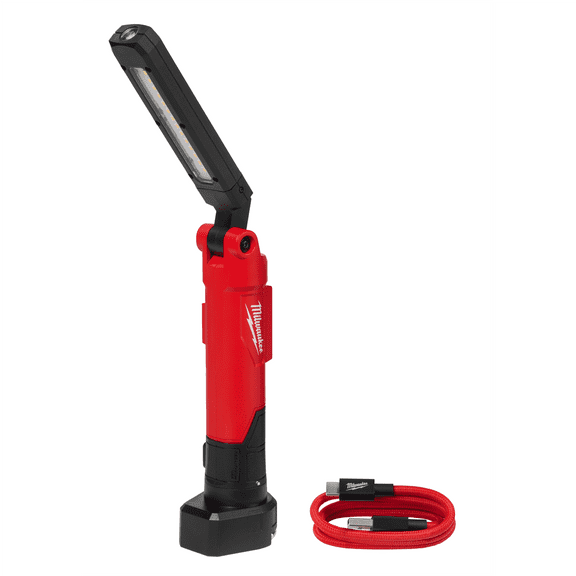
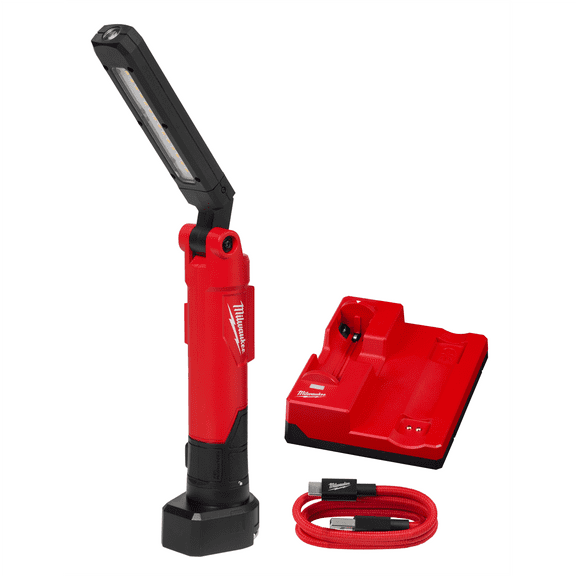
You should consider a pivoting work light when you need hands-free light at changing angles. That style helps you direct output toward pipes, framing, or equipment without constant repositioning.
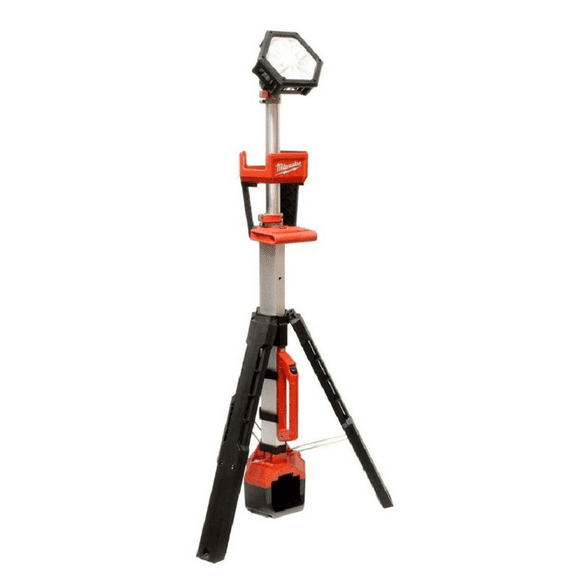
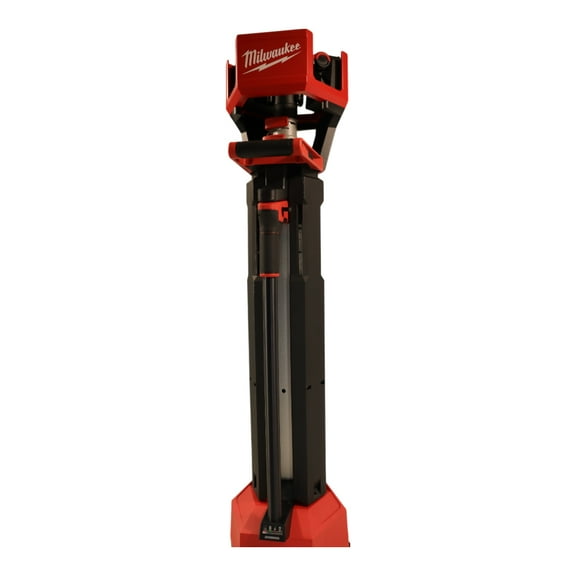
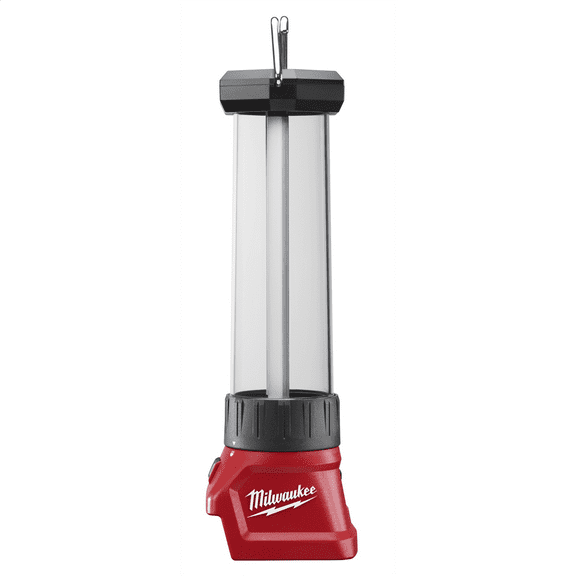
If you light larger spaces, you may choose a tower light for garages, remodel zones, or multi-person tasks. You can raise the light source and cover more area with fewer shadows.
Use cases for cordless and rechargeable work lights
You may want a Milwaukee cordless flashlight for service calls, roadside tasks, or quick tool-bag access. Cordless platform lights make sense when you already rotate charged packs through your other equipment.
If you handle punch lists or inspections, you might prefer compact USB models for easy carry. You can recharge them between visits and keep them ready without a full charger station.
You can use M12 lights when you want smaller platform tools across maintenance, electrical, or plumbing tasks. You can use M18 lights when you want longer sessions and wider area coverage.
When you compare Milwaukee tools flashlight options, you should think about where the light will sit during use. Magnetic bases, standing designs, and pivoting heads can change how easily you work hands-free.
You can get the full value from this category when you match battery platform, beam type, and form factor to your routine. That approach helps you choose lighting that fits your tools, your workspace, and your pace.