


Find auto parts that fit
Let’s search for parts that fit your vehicle.Microfiber Polishing Pads in Car Polishing Pads
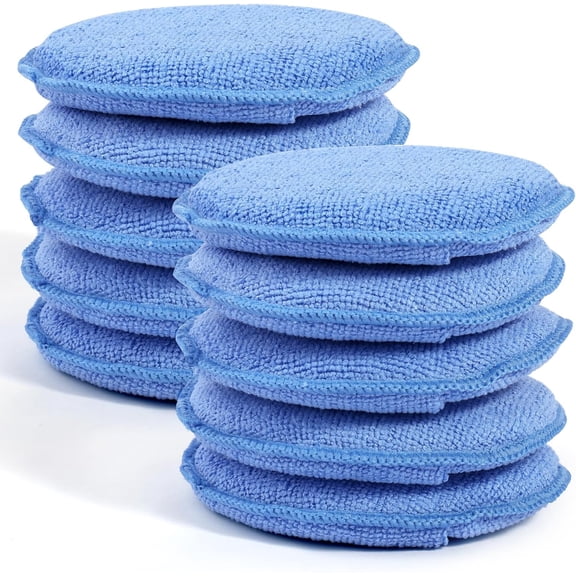


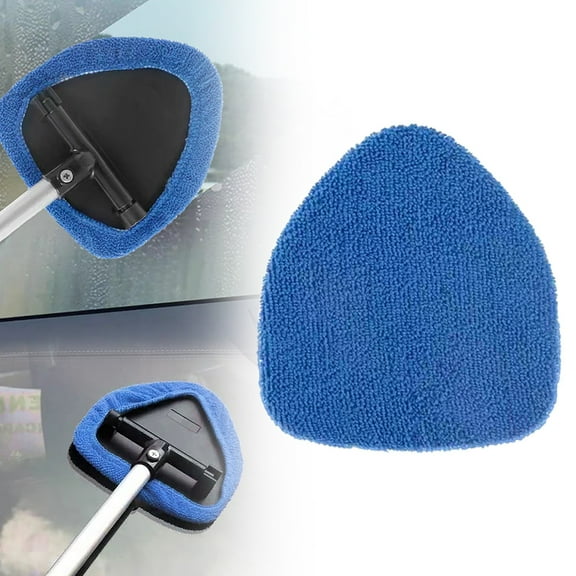


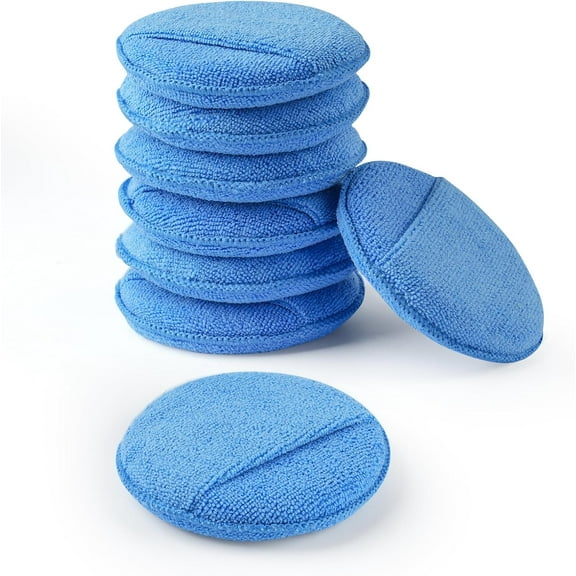

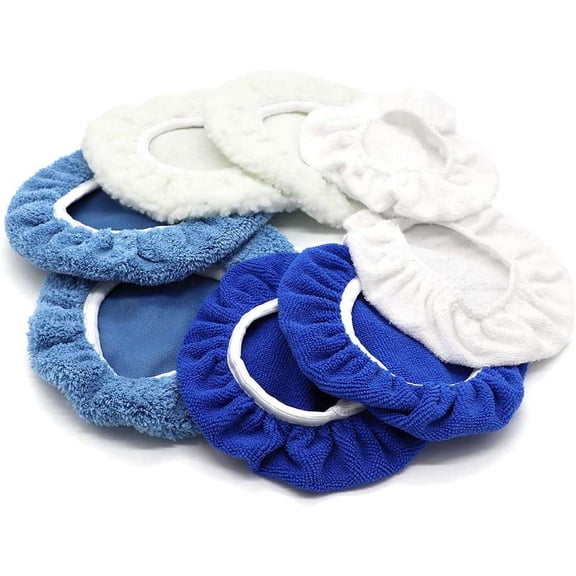










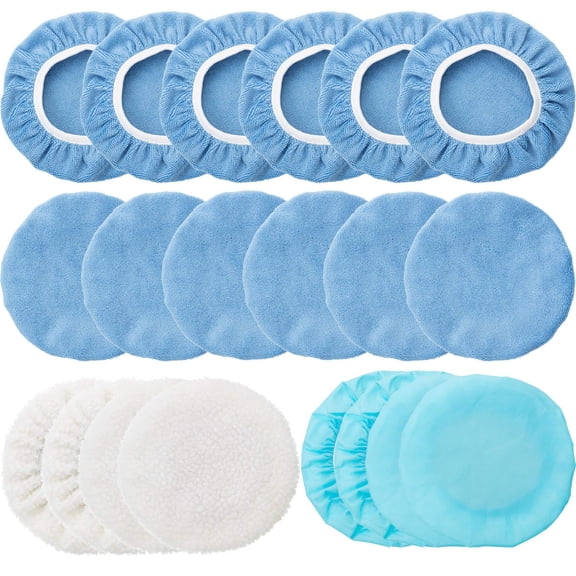
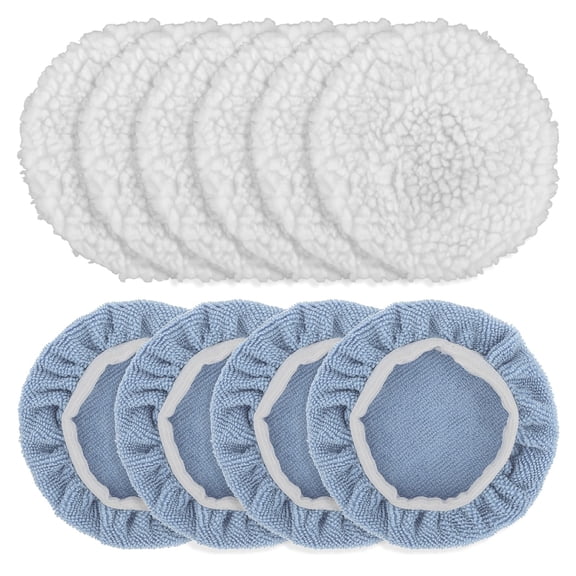
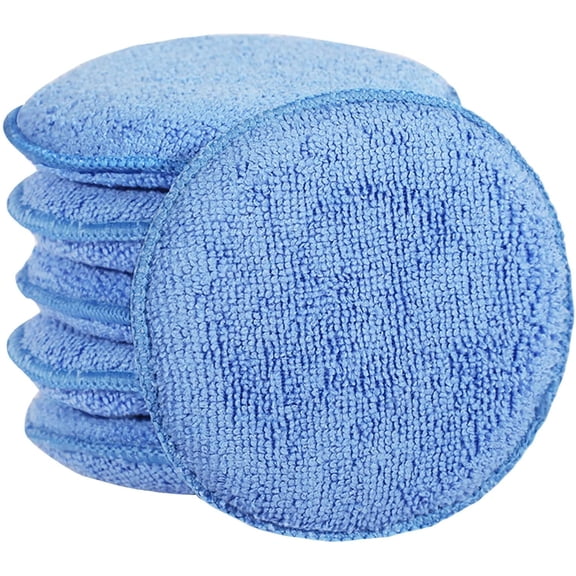

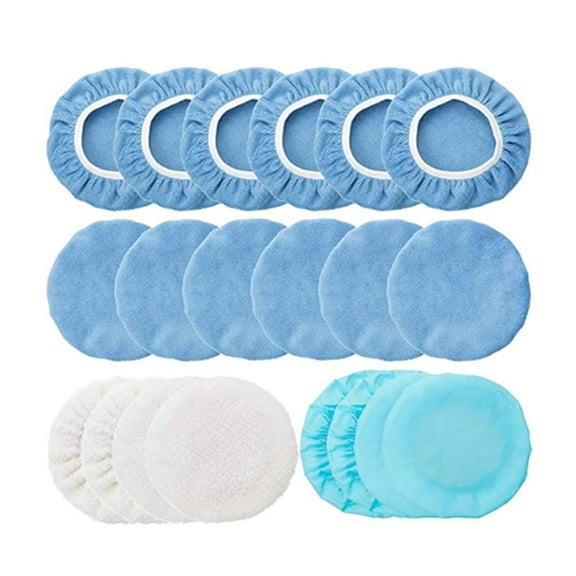





About Microfiber Polishing Pads in Car Polishing Pads - Walmart.com
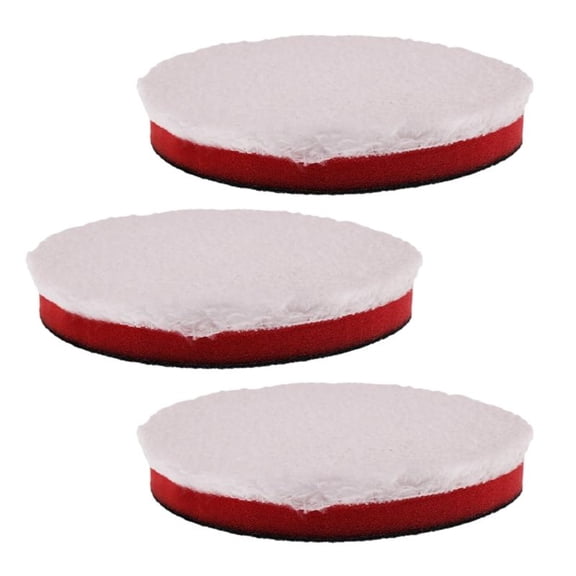
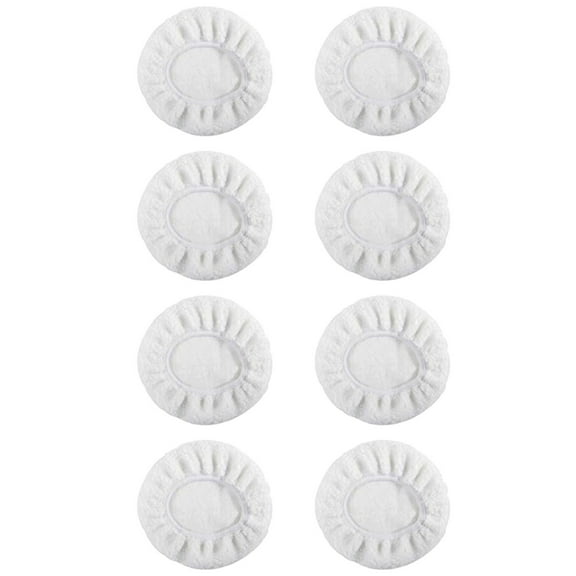
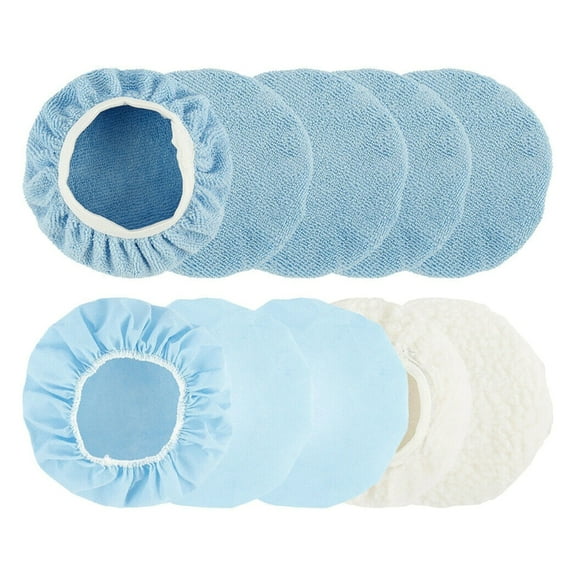
Microfiber buffer pads help you refine paint, remove haze, and polish trim with the soft contact you want during auto detailing. You can compare drill, orbital, and rotary options here, so your pad matches your tool and your finish goals.
When you’re correcting light swirls or applying finishing polish, you need pad choices that fit both your machine and your surface. You’ll also want microfiber textures that hold compound evenly and glide smoothly across clear coat.
How to choose microfiber buffer pads
You should start with pad function, because cutting, polishing, and finishing pads do different jobs on your vehicle’s paint. You’ll usually choose cutting for stronger correction, polishing for haze reduction, and finishing for final gloss.
Cutting pads give you more bite when your paint has visible defects or oxidation that needs a stronger first pass. Polishing pads help you refine the surface after correction, and finishing pads support wax, sealant, or final polish steps.
You’ll also want to compare microfiber and foam-backed microfiber construction before you choose. Microfiber gives you dense fiber contact, while foam-backed microfiber adds cushion that can help you control pressure across curved panels.
- You can match pad aggressiveness to your paint condition instead of using one pad for every step.
- You can keep product spread more even because microfiber fibers hold compound across the face of the pad.
- You can reach a cleaner final look by switching from cutting to polishing to finishing during your detailing process.
Choosing a microfiber buffing pad for your drill or polisher
You should check tool compatibility before anything else, because fit affects control, coverage, and setup time. You’ll want to compare drill use, orbital polisher use, and rotary buffer use based on the tool you already own.
If you need a microfiber buffing pad for drill use, you should confirm adapter style and working diameter first. You’ll often see spindle adapter setups for drills, while machine polishers usually pair with a backing plate.
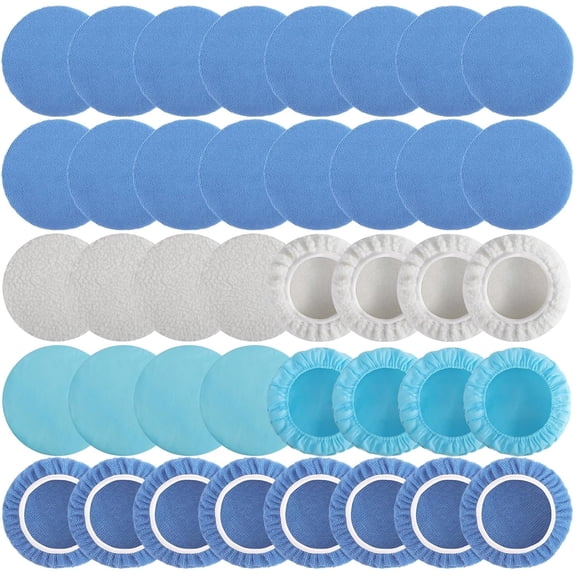
You can also compare hook and loop attachment systems when you want faster pad changes between compounds or finishing products. If you switch steps often, you’ll appreciate hook and loop designs that let you swap pads without slowing down.
For orbital polishers, you should measure your backing plate diameter so the pad face matches your machine correctly. With rotary buffers, you’ll want to check spindle thread size and pad balance for smoother operation at steady rotation.
A microfiber pad for drill tasks can help you work on smaller areas like pillars, mirrors, and tight trim sections. You may prefer a larger pad on an orbital machine when you’re covering hoods, doors, or broad fender panels.
What to look for in a microfiber polishing pad
You should compare pile density, backing support, and edge design when you’re narrowing down a microfiber polishing pad. These details affect how evenly you spread polish and how confidently you work around curves and contours.
Denser fibers can give you more surface contact, which helps you distribute compound across paint without frequent reloads. A foam-backed design can give you more flexibility, which helps you maintain contact on rounded body lines.
You’ll also want to consider pad thickness because it changes feel during correction and finishing passes. Thicker pads can add cushion, while thinner pads can feel more direct when you want precise feedback from the surface.
Edge shape matters too, especially when you’re working near badges, trim, or body seams. You may like a softer edge that helps you guide the pad more carefully across narrow sections and transitions.
Using microfiber buffing pads in real detailing jobs
You might use a microfiber polishing pad when you’re refreshing daily driver paint before wax or sealant. In that case, you’d likely choose a polishing or finishing pad that supports a smoother final pass.
If your vehicle shows moderate swirls or dullness, you may begin with a cutting pad and then switch to a polishing pad. That two-step approach helps you correct defects first and refine the finish afterward.
When you’re working with a compact tool setup, a microfiber buffing pad for drill use can fit quick spot work well. You can focus on door handles, bumper corners, and tighter sections where a full-size machine feels bulky.
For larger correction sessions, you may prefer an orbital polisher because it supports broader, more even coverage. You can pair multiple pad functions with the same machine, then change pads as your compound and polish steps change.
You should also think about pad care if you want consistent results across multiple jobs. After detailing, you can wash pads according to care directions, dry them fully, and keep them separated by product type.
Clean pads help you avoid mixing cutting compound with finishing polish on your next vehicle panel. You’ll get a more predictable result when you rotate fresh pads during longer correction sessions and store them free of residue.
How to clean and reuse your microfiber buffer pads
You should clean your pads soon after use so dried product doesn’t stiffen the fibers. When you keep fibers clearer, you can maintain more even contact during your next polishing session.
You can brush away spent compound during use, then wash pads after the job according to the product instructions. Before reuse, you should make sure the backing, fibers, and attachment area feel fully clean and dry.
If you organize pads by function, you’ll make your next detailing session easier to manage. You can keep cutting, polishing, and finishing pads separate, which helps you maintain a cleaner process and a smoother final appearance.
With the right match of function, compatibility, attachment type, and material, you can detail paint with more control and cleaner results. Microfiber buffer pads help you build a step-by-step process that fits your tool and your finish goals.