

Meat Grinders in Electric Meat Tools





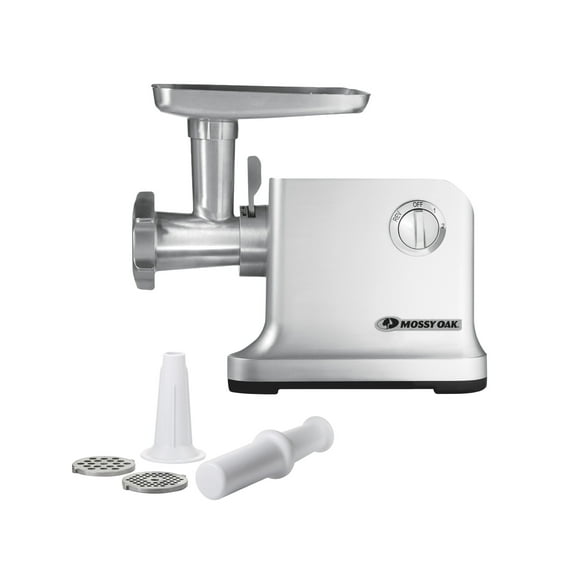

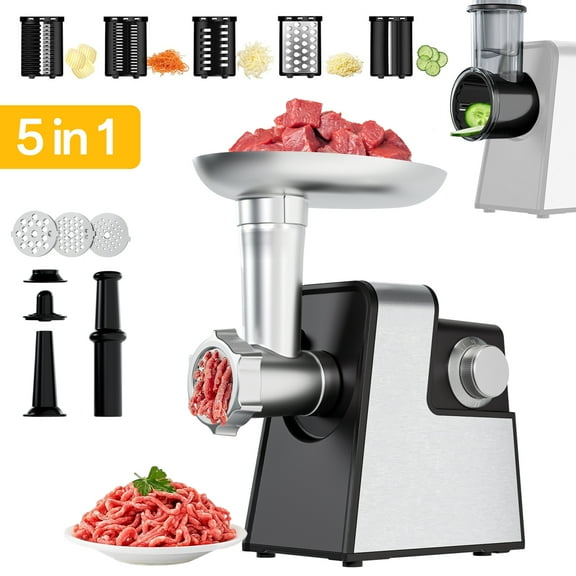


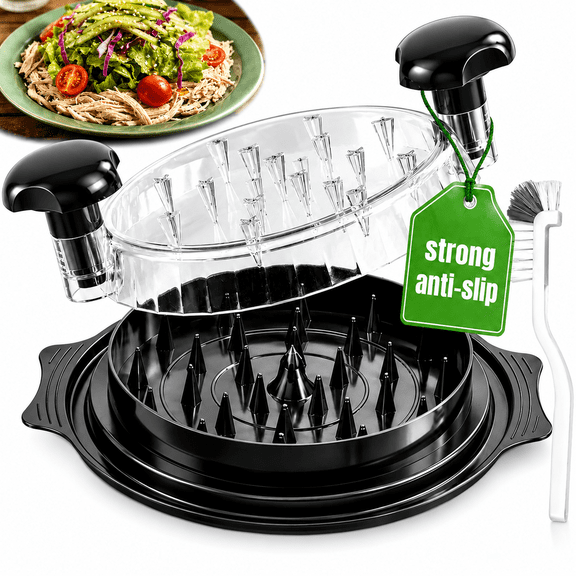
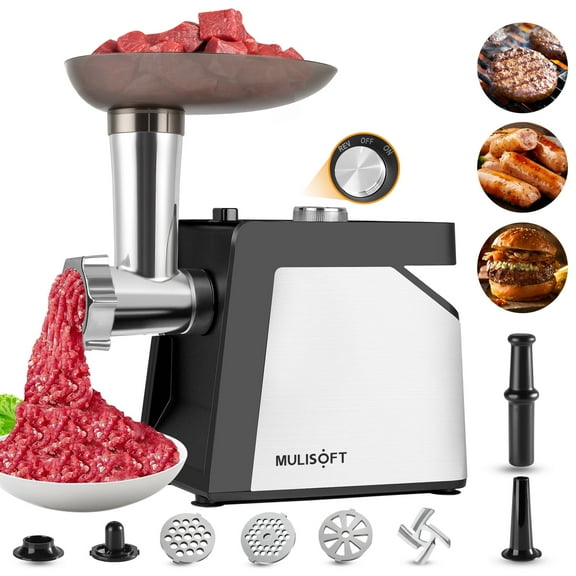
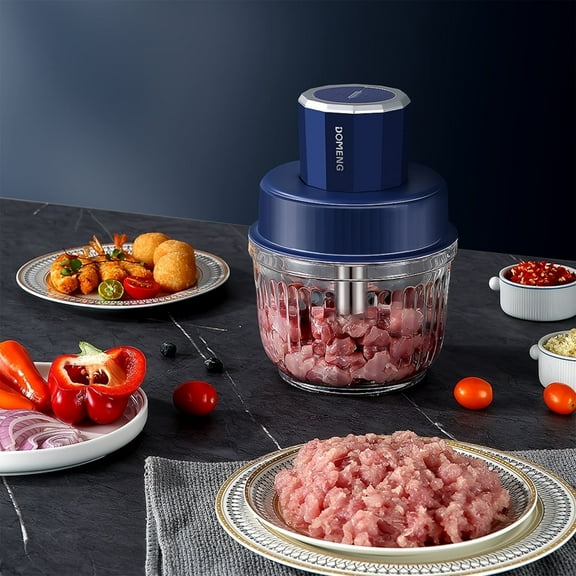
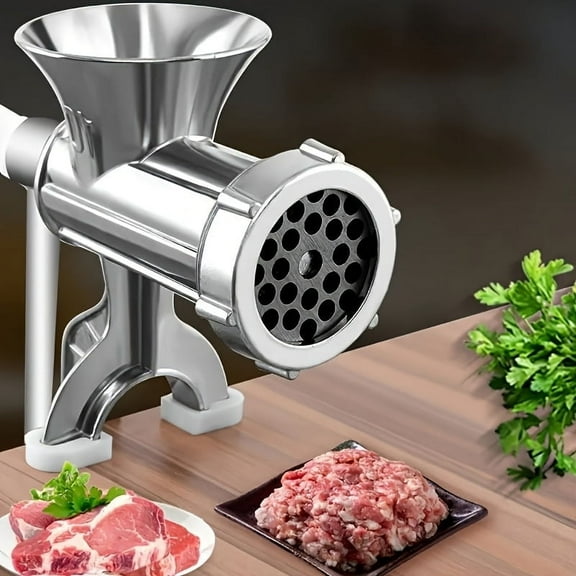
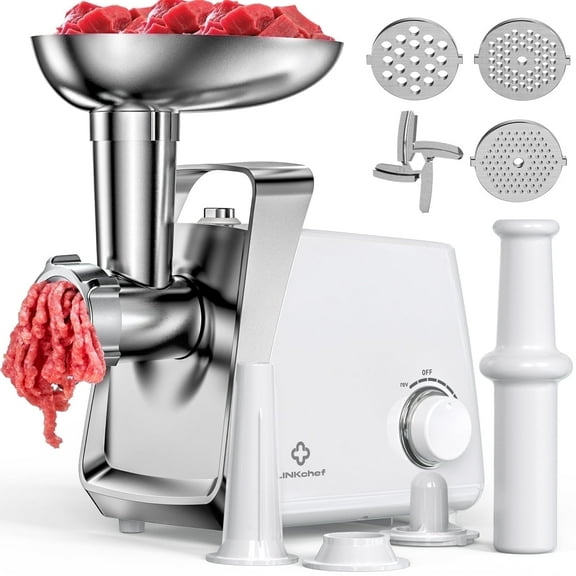
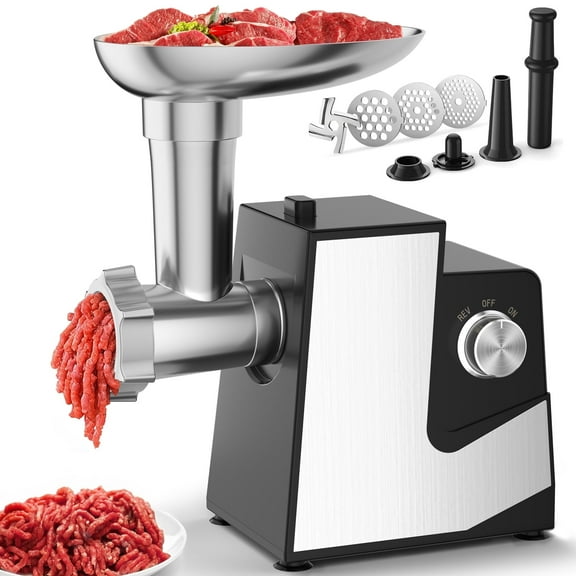








About Meat Grinders in Electric Meat Tools - Walmart.com
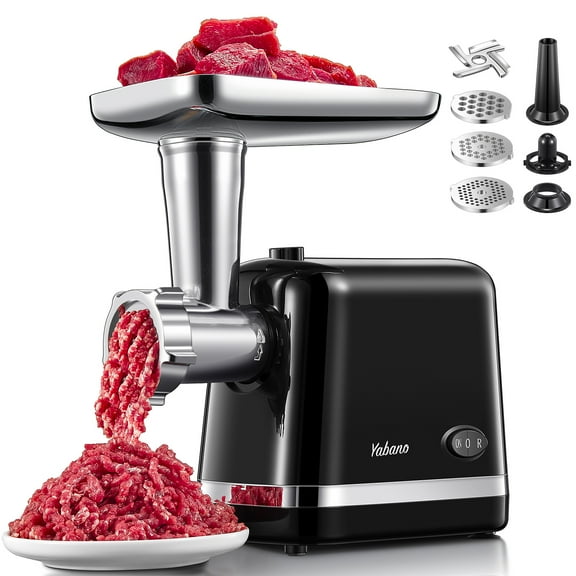
You can compare meat grinders by power, capacity, and attachments, so your home prep or batch processing feels more controlled and efficient. You’ll also find options that support coarse burgers, fine mince, and sausage filling with parts designed for repeated kitchen use.
Choosing meat grinders by power source
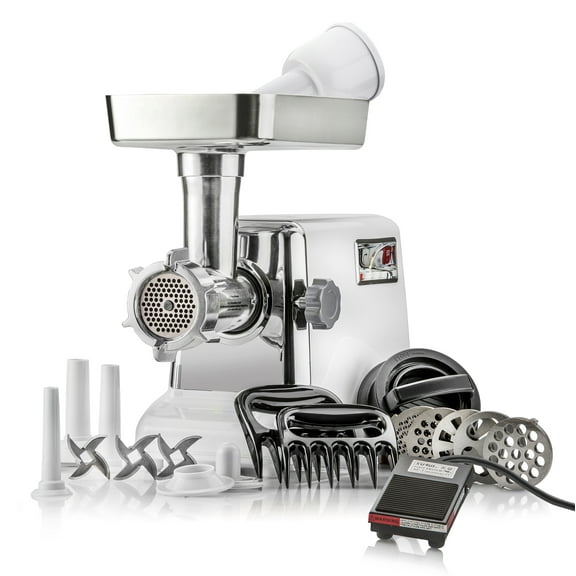
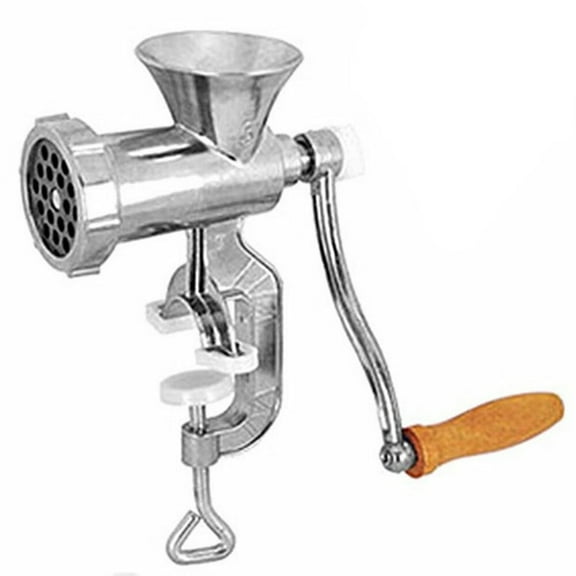
When you compare electric meat grinders with manual styles, you should start with your batch size and your prep pace. If you grind often, you’ll usually prefer powered models that keep your workflow moving with less hand effort.
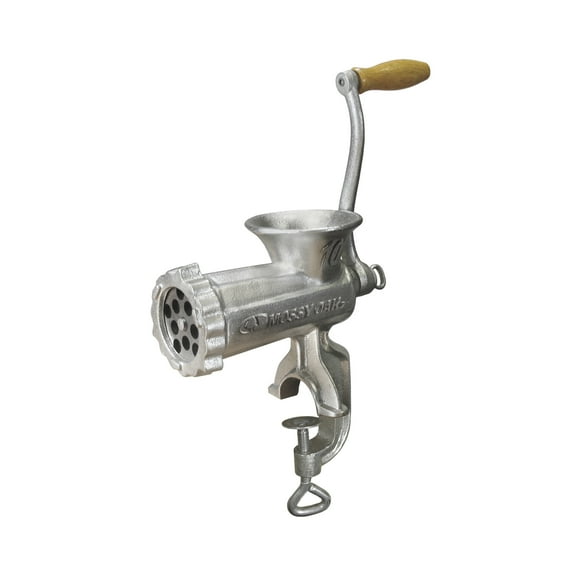
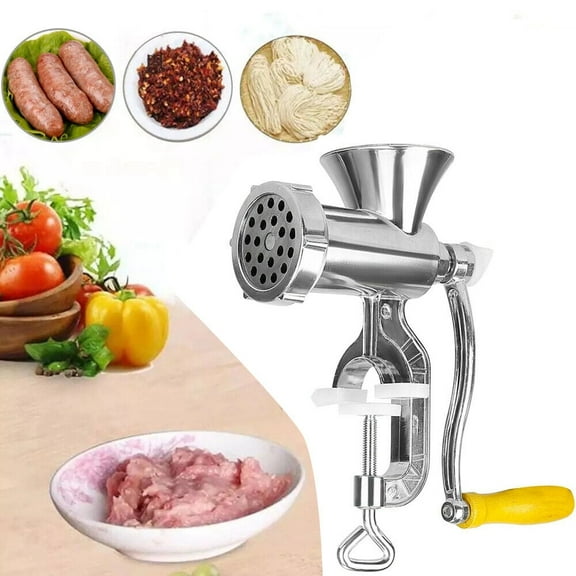
For smaller jobs, you may prefer a manual model that gives you simple operation and easier storage between uses. If you process larger portions, you’ll likely want a home meat grinder with a motor that handles steady feeding.
During busy weekends, you may want a setup that helps you move from trimming to grinding without frequent pauses. That’s why you should check feed tray size, reverse function, and continuous run guidance.
How to compare electric meat grinders and heavy duty meat grinders
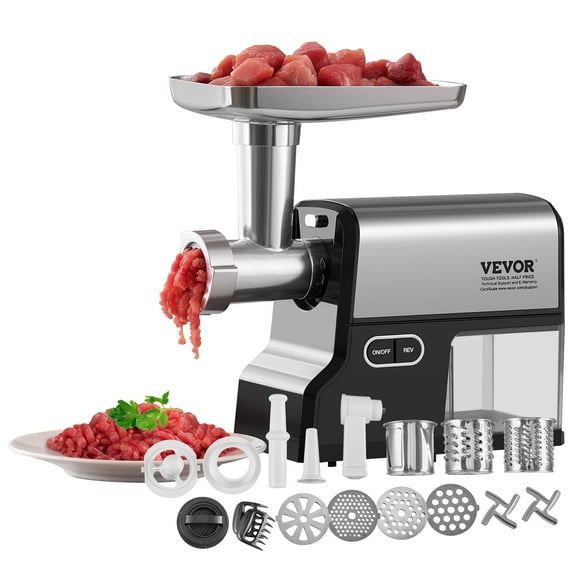
Motor power is one of the clearest decision points, because you need output that matches your usual volume. You can use 300W models for lighter prep, while 500W and 1000W+ options support bigger batches.
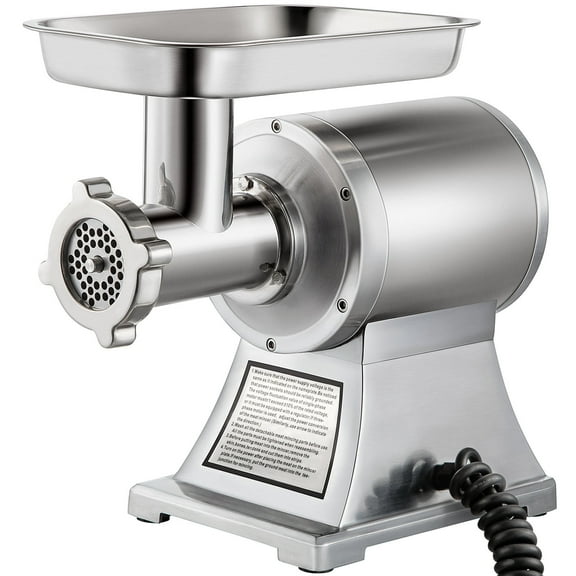
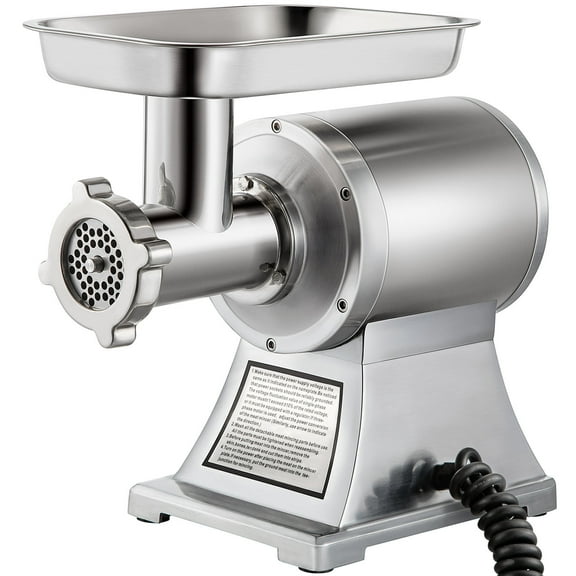
If you process venison or larger cuts, you may look for heavy duty meat grinders with stronger motors and metal drive parts. You should also compare peak horsepower notes, because they help you gauge short-burst grinding strength.
Materials matter too, because you want parts that match how often you grind and clean. A stainless steel meat grinder can give you a sturdy feel, while cast aluminum and plastic can change weight and upkeep.
- You can choose electric models when your routine includes frequent grinding or larger family portions.
- You can compare wattage levels to match occasional burgers, weekly meal prep, or wild game processing.
- You can look for metal gears and housing materials when your batches are dense or more demanding.
- You can check pounds-per-minute output when you want steadier performance for bigger prep sessions.
What to look for in grinding plates and attachments
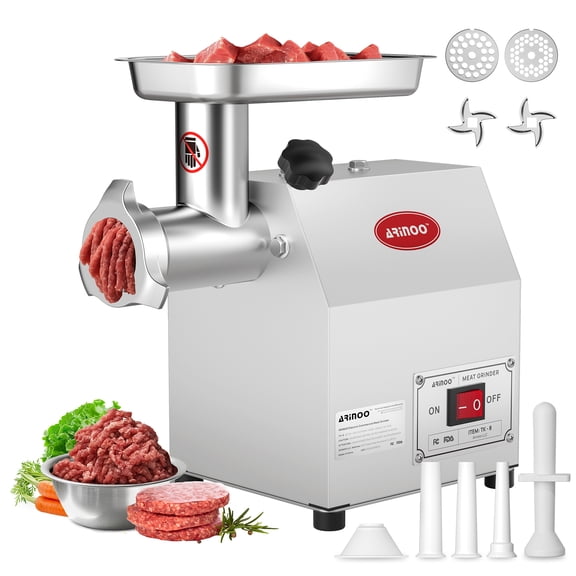
You should compare grinding plate sizes, because texture changes how your recipes turn out. Plates around 3mm create a finer mince, while 5mm and 8mm plates help you shape looser, heartier blends.
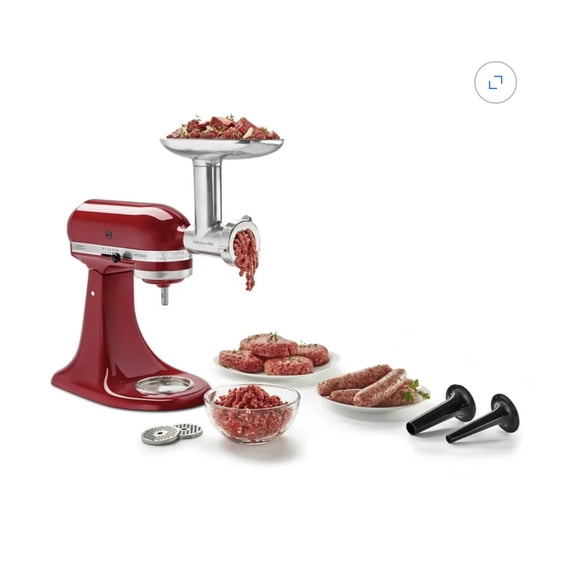
If you make links at home, you may want a sausage stuffer attachment with multiple tube sizes. You can also compare kibbe attachments and extra cutting plates when you want more than basic ground meat.
Blade design and plate fit affect consistency, so you should check whether replacement parts are easy to find. If you like to prep in stages, you’ll appreciate accessories that help you switch textures quickly.
Choosing output capacity and commercial meat grinders
Output capacity tells you how fast you can finish a batch, and you should match it to your usual prep days. If you grind several pounds at once, you’ll want higher lbs per minute for smoother workflow.
Commercial meat grinders can make sense when your routine includes frequent large batches or shared kitchen use. You should compare tray size, throat width, and housing strength when you need more continuous production.
For seasonal processing, you may want a deer meat grinder or wild game grinder that handles trimmed meat efficiently. You can reduce repeated loading when you choose a model built for heavier throughput.
How to choose easier assembly and cleanup
You should check assembly steps before you choose, because quick setup can make repeat use feel simpler. If parts lock into place clearly, you’ll spend less time figuring out the order.
Cleanup is another key decision, and you should compare dishwasher-safe parts with hand-wash guidance for stainless components. If you grind often, you’ll appreciate surfaces and trays that rinse clean with fewer corners.
You can also look for removable plates, accessible augers, and included cleaning tools for tighter spaces. When your cleanup routine is straightforward, you’re more likely to use your grinder for weeknight prep.
Matching meat grinders to your recipes and routine
If you make burgers, meatballs, or meatloaf, you may want flexible plate sizes that help you control texture. You can switch between fine and coarse results instead of settling for one grind style.
For sausage nights, you’ll want attachments that help you fill casings with more control and less guesswork. If you prep game meat, you may prefer stronger motors and larger capacity for longer sessions.
When you build your setup around wattage, materials, output, and accessories, you can choose with more confidence. The right meat grinders help you handle your preferred cuts, textures, and batch sizes with less compromise.