



Matcha Tea in Tea






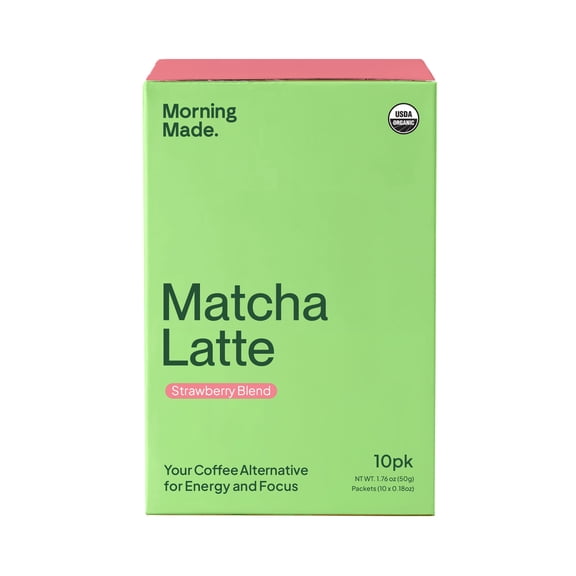
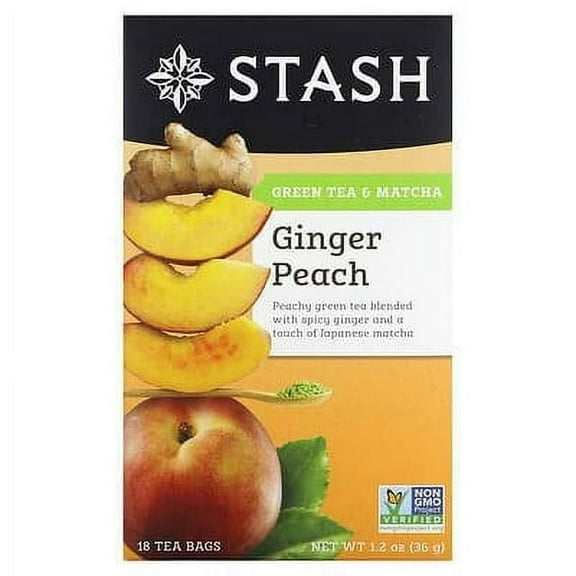


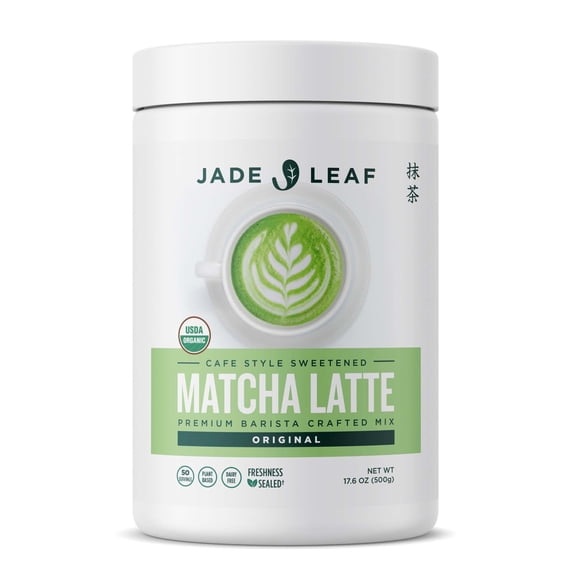
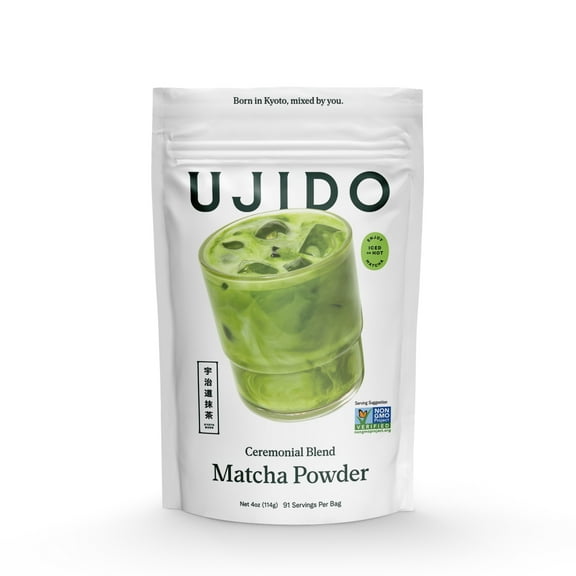











About Matcha Tea in Tea - Walmart.com
Matcha tea helps you choose a finely ground green tea option for sipping, mixing, and daily routines. You can compare grade, form, origin, and packaging to find a smoother fit for your taste.
How to choose matcha tea by grade
You’ll usually start with grade because it shapes how your cup tastes and how you plan to use it. You can look at ceremonial and culinary options as two distinct preparation paths.
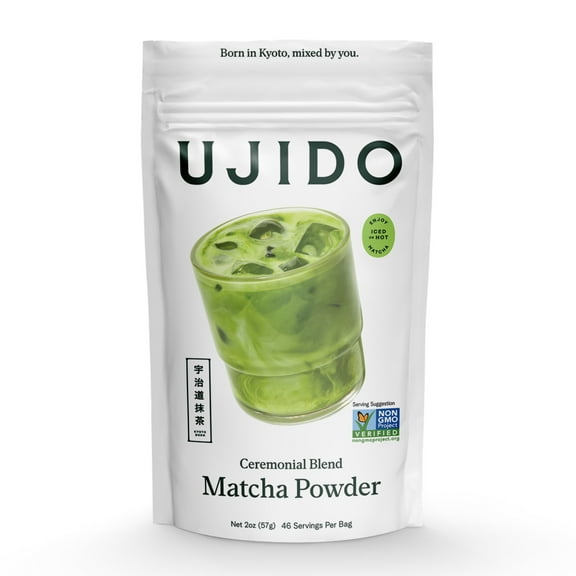
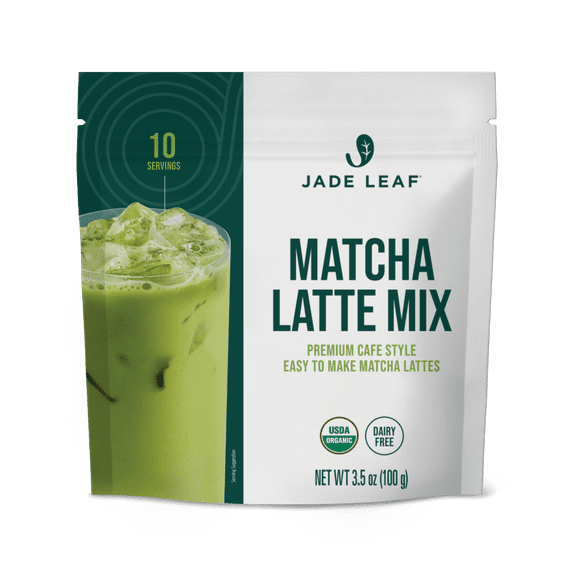
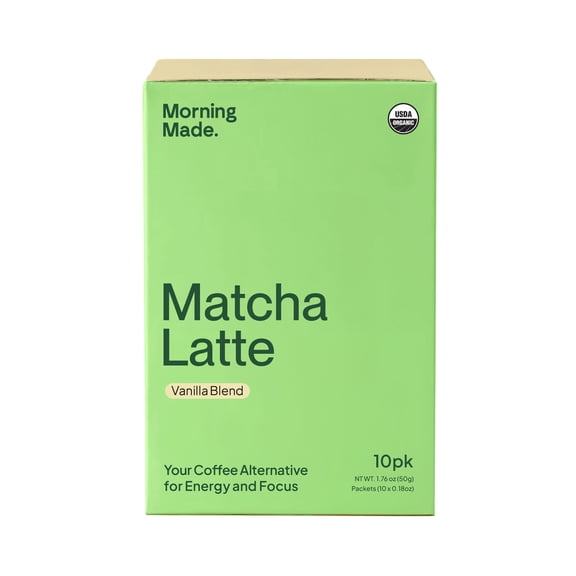
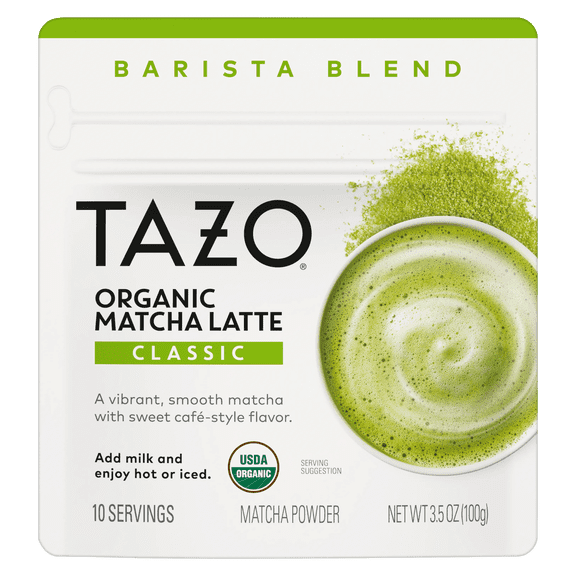
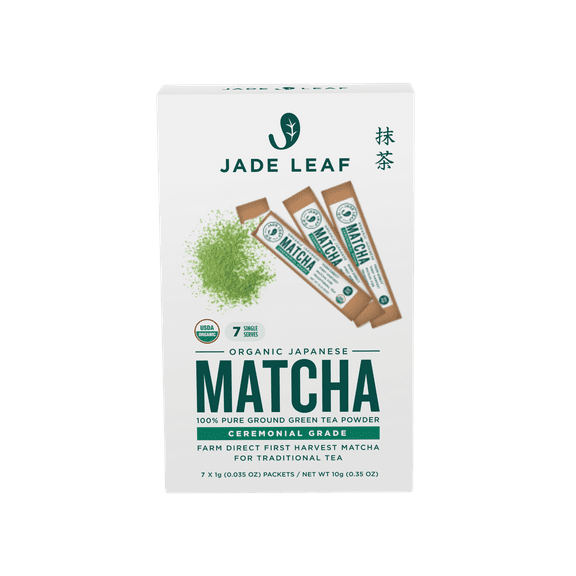
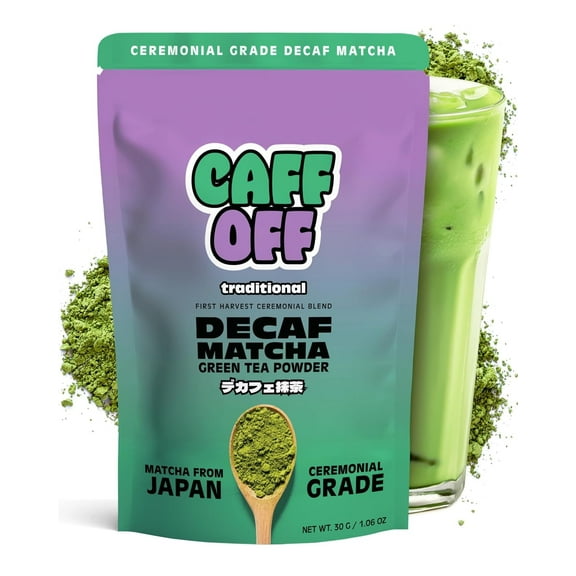
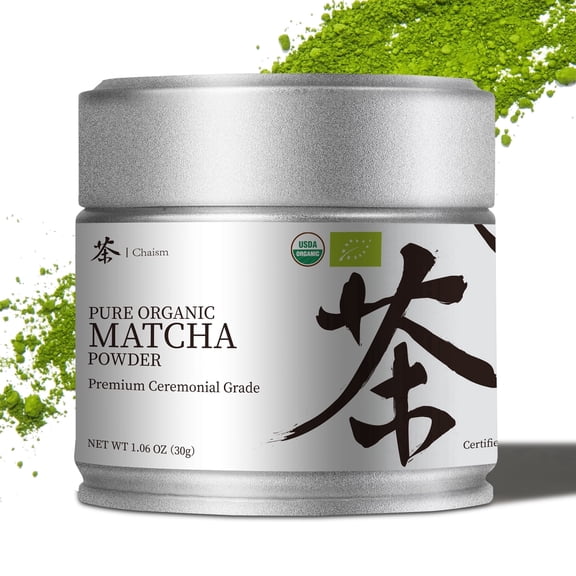
If you want a traditional bowl with water, you may prefer ceremonial grade matcha for a more delicate flavor and finer texture. If you make smoothies, baking mixes, or lattes, you may prefer culinary matcha powder for stronger flavor.
You can narrow your options faster when you compare your routine before you compare labels. Your morning whisked cup, your iced matcha green tea, and your baking projects call for different matcha styles.
- You can use ceremonial grade matcha when your focus is straight preparation with water.
- You can choose culinary matcha powder when your recipes include milk, sweeteners, or baked ingredients.
- You can compare texture and color when you want a smoother drink and easier mixing.
- You can pair your choice with a matcha whisk or matcha tea set for classic preparation.
Choosing matcha green tea powder or tea bags
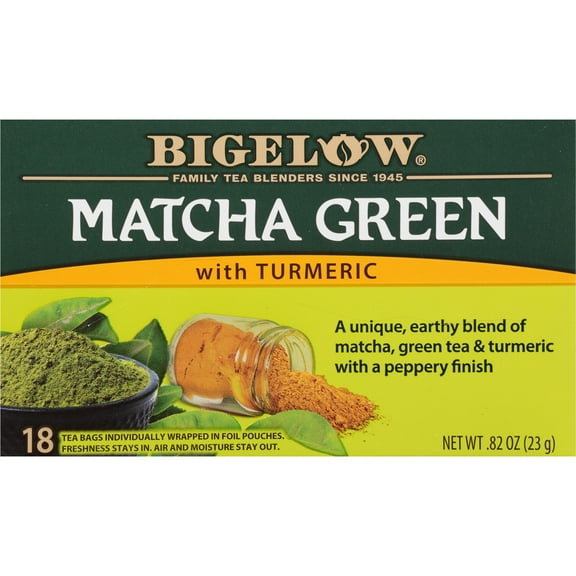
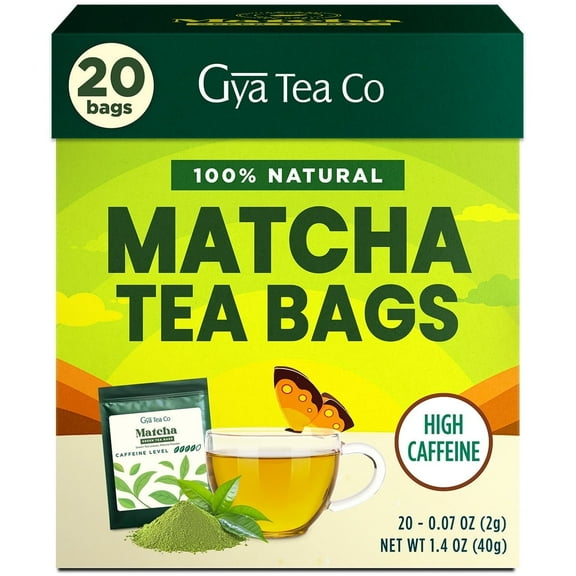
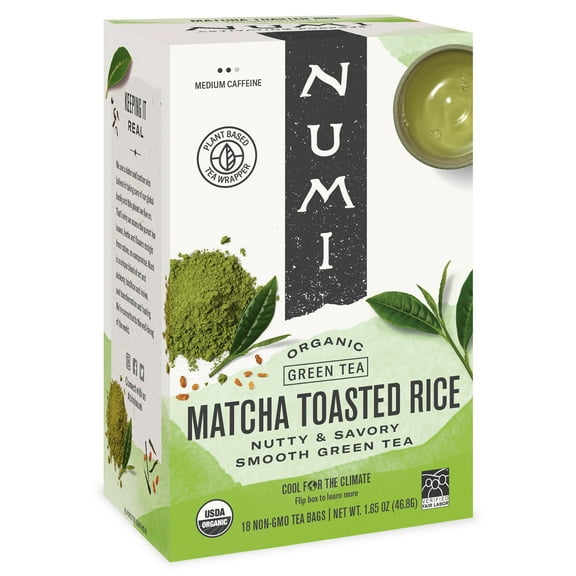
You’ll also want to compare form because powder and tea bags create different experiences. You can whisk matcha green tea powder directly into liquid, while tea bags offer a simpler steeping routine.
If you enjoy frothy drinks, you may want powder because you can control strength, texture, and serving size. If you want fewer steps at work or while traveling, you may like tea bags for easier prep.
You can also think about how often you make lattes, smoothies, or recipes at home. Your kitchen routine may point you toward powder, while your on-the-go schedule may favor bags.
What to look for in organic status and origin
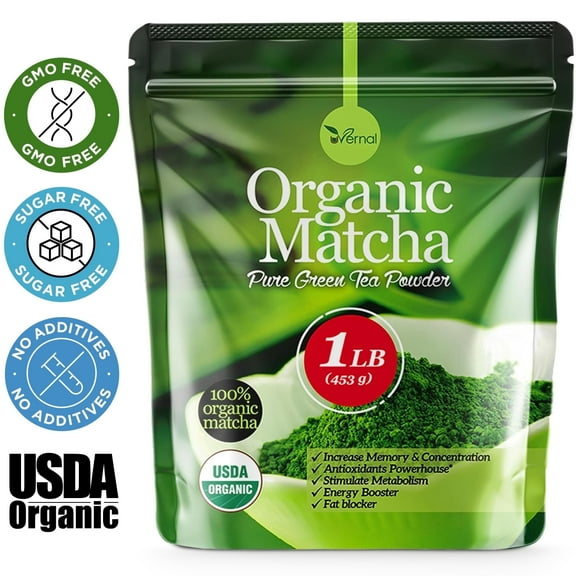
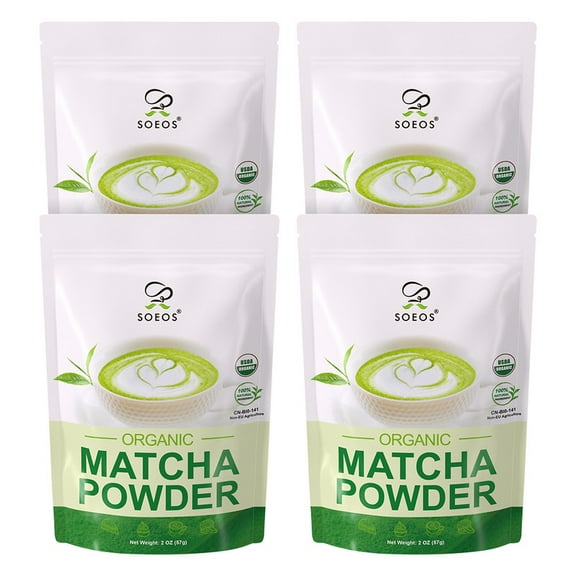
You may compare organic and conventional options when ingredient sourcing matters in your routine. You can look for organic matcha powder when you prefer a certified organic choice.
Origin matters too because you may notice different flavor expectations when you compare matcha green tea from Japan and China. You can look for origin details on the label when taste profile and sourcing guide your decision.
If you want a classic profile, you may focus on Japanese origin because shoppers often associate it with traditional matcha preparation. If you want everyday versatility, you may compare several origins and choose the flavor notes you enjoy.
You can use these details as practical filters while you narrow a large assortment. Your preferred origin, your organic preference, and your planned use often make the shortlist much clearer.
Packaging details that help preserve freshness
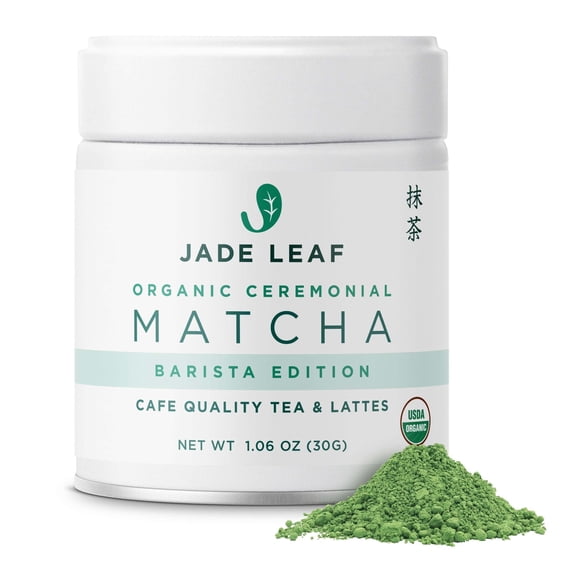
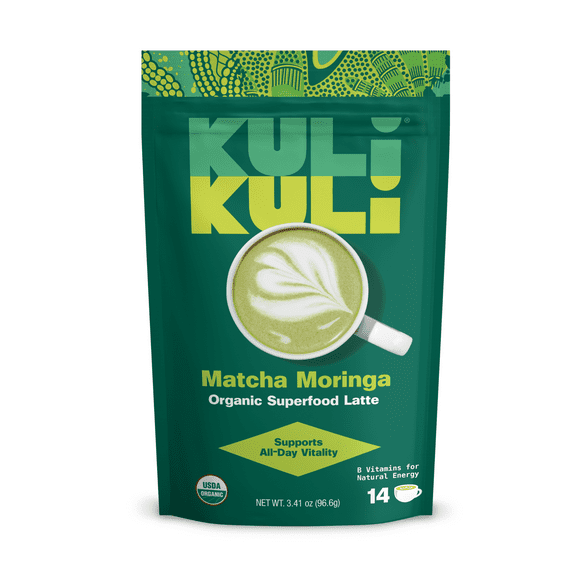
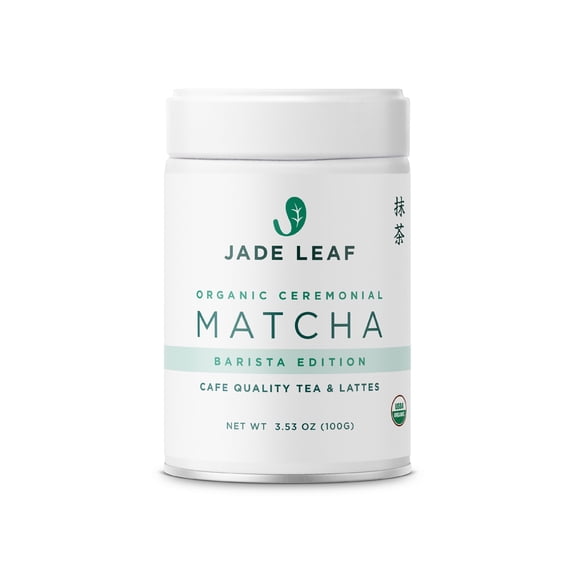
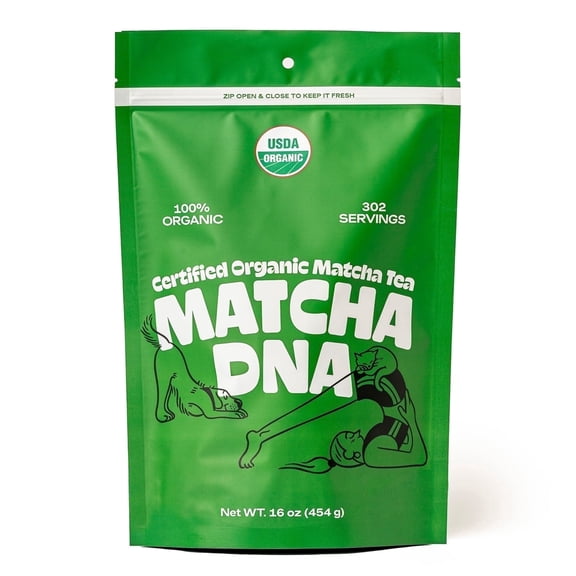
You should check packaging before you choose because matcha’s fine powder needs thoughtful storage. You can compare tins, pouches, and cartons based on how often you open and use them.
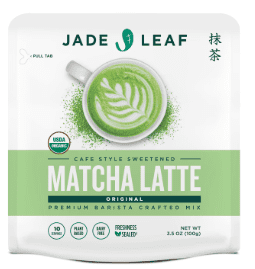
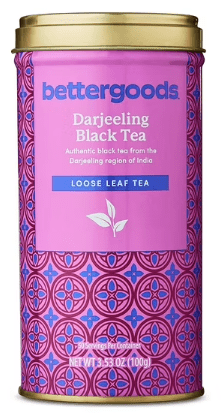
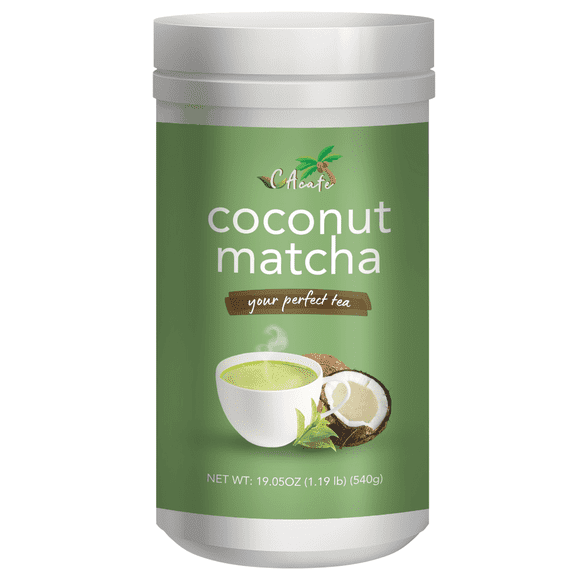
If you use matcha often, you may like tins because they’re easy to open, close, and store on a shelf. If you want flexible storage, you may choose resealable bags that fit neatly in your pantry.
You can also compare package size with your routine so your powder stays fresher during regular use. Your smaller container may suit occasional cups, while your larger pack may fit frequent latte making.
How to use matcha tea in everyday routines
You can prepare matcha in several ways, and your preferred method should guide your choice. You may whisk a bowl with water, blend a latte, or stir powder into recipe ingredients.
If you want a smoother cup, you can sift powder before whisking and add a small amount of liquid first. You can then whisk briskly to create a more even texture and lighter foam.
You may also build a simple setup with a matcha whisk and matcha tea set for a more traditional routine. Your accessories can make preparation feel more consistent and easier to repeat.
For warmer months, you can make iced matcha green tea by mixing powder with a little water first. You can then pour it over ice or combine it with milk for a chilled latte.
If you bake often, you can choose culinary matcha powder for cookies, cakes, pancakes, and frostings. Your recipes can benefit from the distinct color and earthy taste that matcha adds.
You can feel more confident when you compare ceremonial versus culinary grade, powder versus bags, and Japan versus China. Your final choice should match your taste, your prep style, and your storage preferences for a more satisfying cup.