

Wood Cutting Boards - Wooden Chopping Boards | Walmart

















About Wood Cutting Boards - Wooden Chopping Boards | Walmart - Walmart.com
Wood cutting boards give you a durable prep surface and a warm tabletop look. This assortment covers material, shape, size, and handle choices for everyday kitchen tasks.
If you compare triangle boards with rectangular or round styles, layout matters quickly. Different shapes fit corners, counters, serving plans, and storage routines in distinct ways.
How to choose wood cutting boards by material
Material affects how your board looks, how heavy it feels, and how it handles daily use. That decision also shapes whether the board feels more prep focused or presentation friendly.
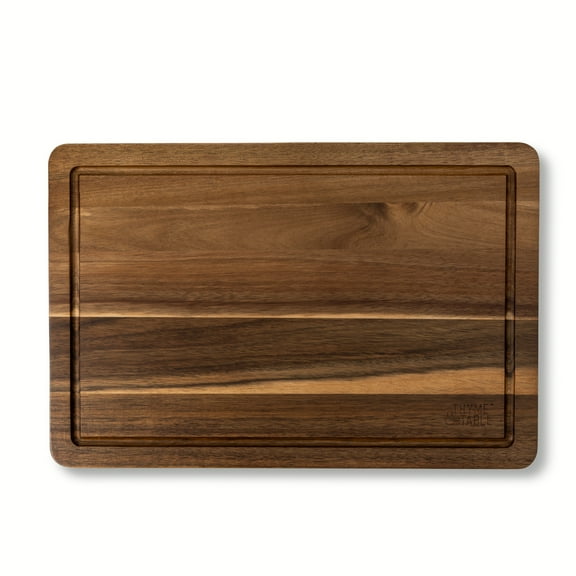
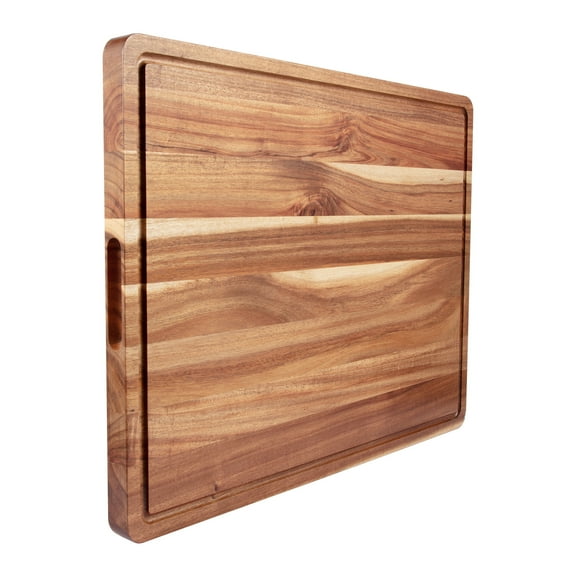
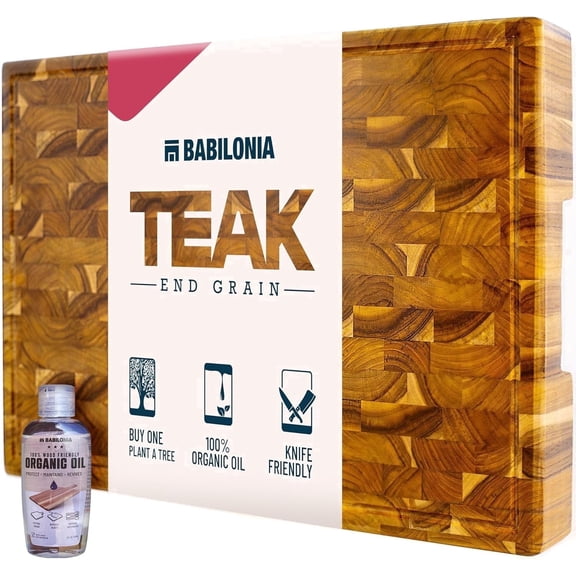
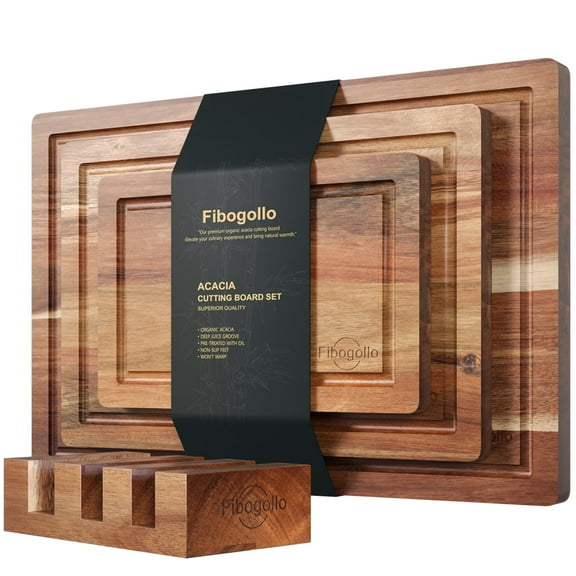
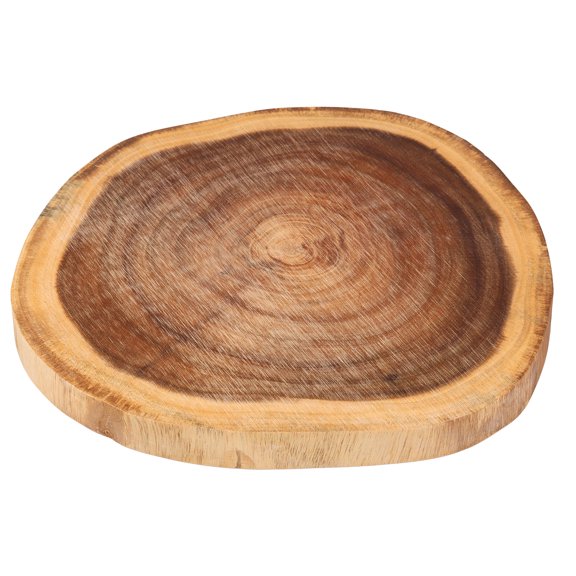
If you like visible grain, choose acacia. If you want a denser, more uniform look, choose teak or other hardwoods.
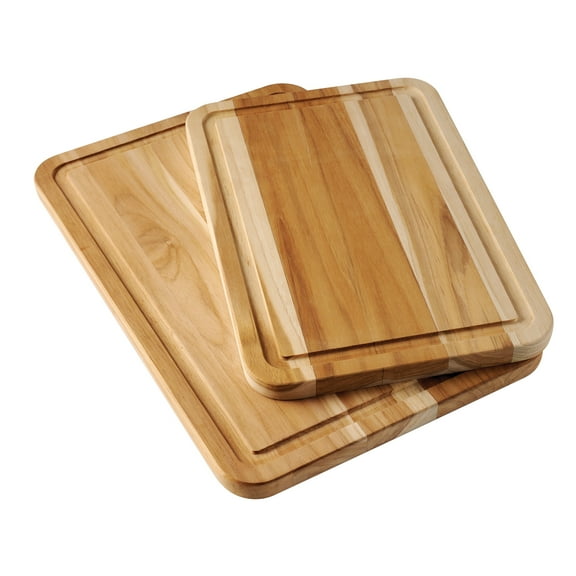
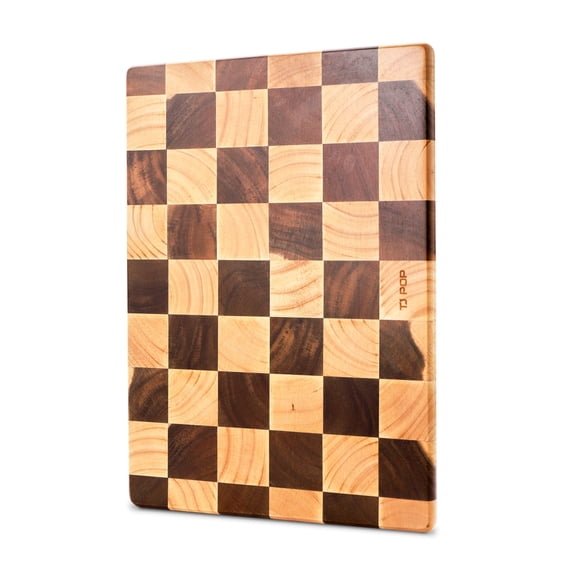
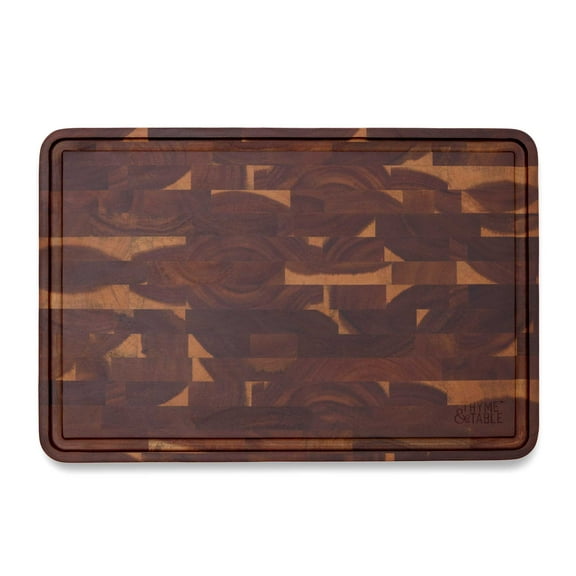
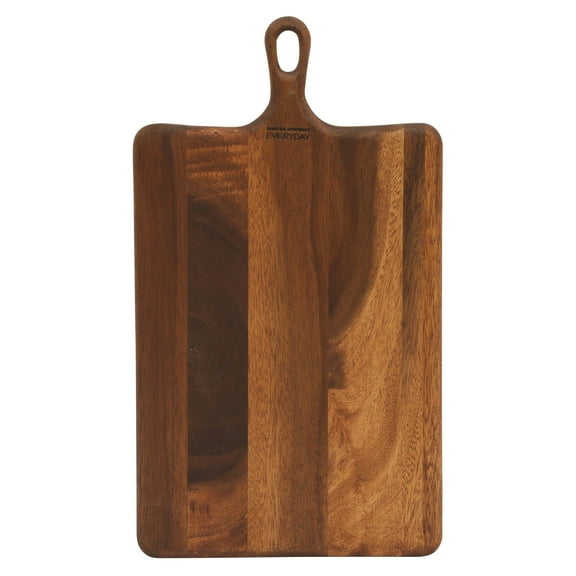
Mixed wood designs create striped patterns that stand out on a counter or table. Bamboo-style wood look options suit shoppers comparing lighter, clean-looking finishes.
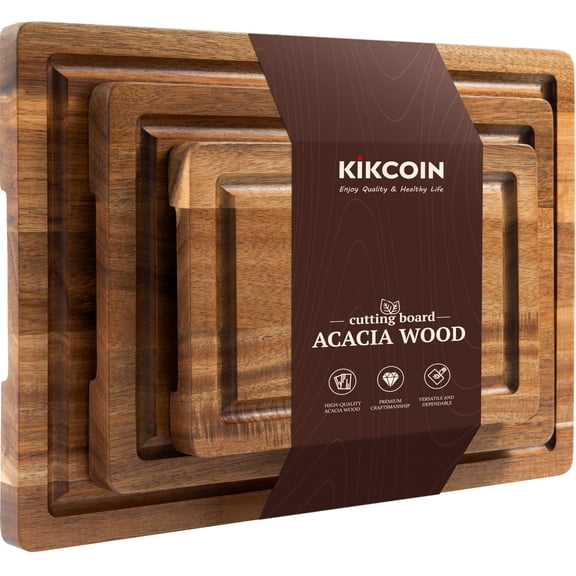
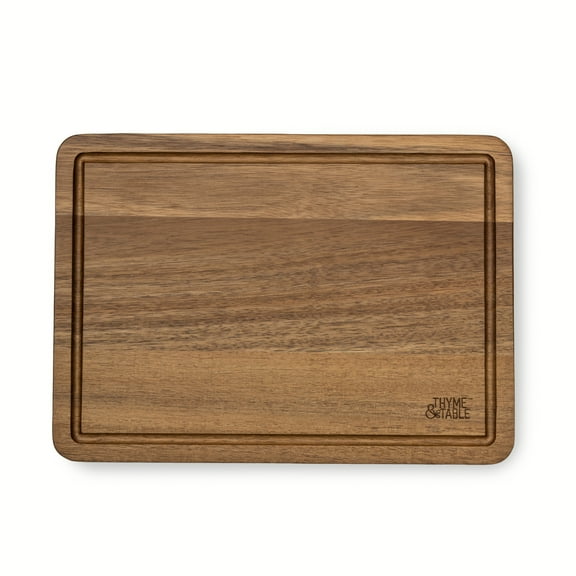
- Acacia works well when you want noticeable grain and a decorative serving appearance.
- Teak and hardwood styles often feel substantial for repeated chopping and carving tasks.
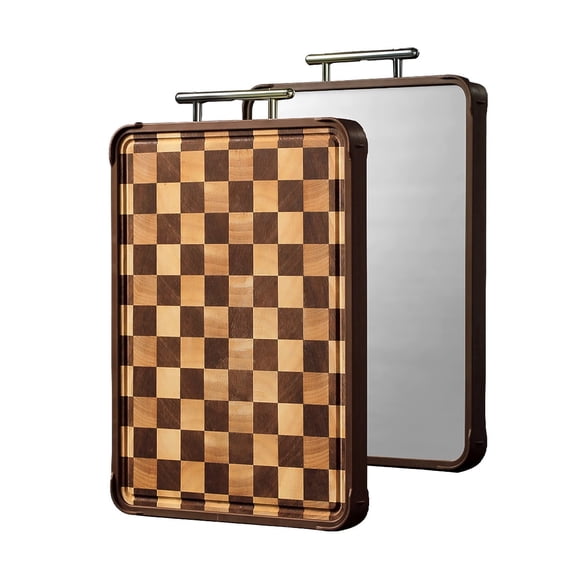
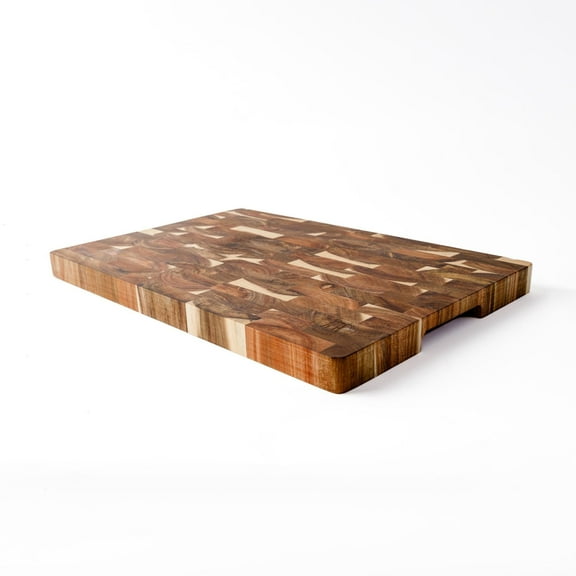
- Mixed wood boards add contrast that fits prep spaces and table presentation.
- Bamboo-style wood look designs bring a natural appearance to everyday kitchen setups.
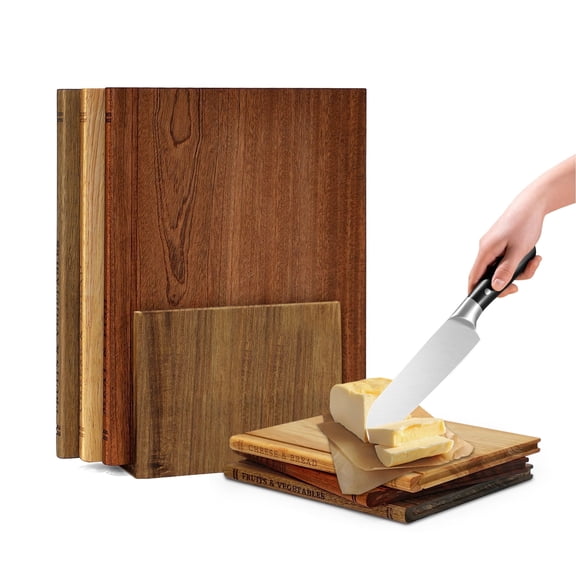
A wood board for food can move from slicing ingredients to presenting bread, fruit, or cheese. That dual-purpose role makes this category especially useful in active kitchens.
Choosing the right wood cutting boards shape and size
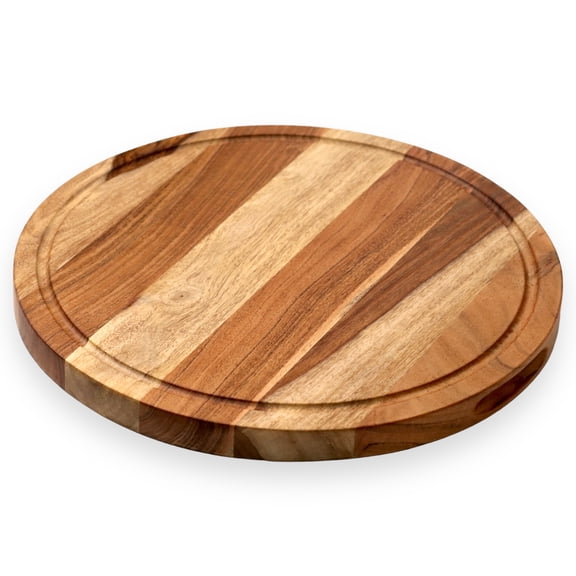
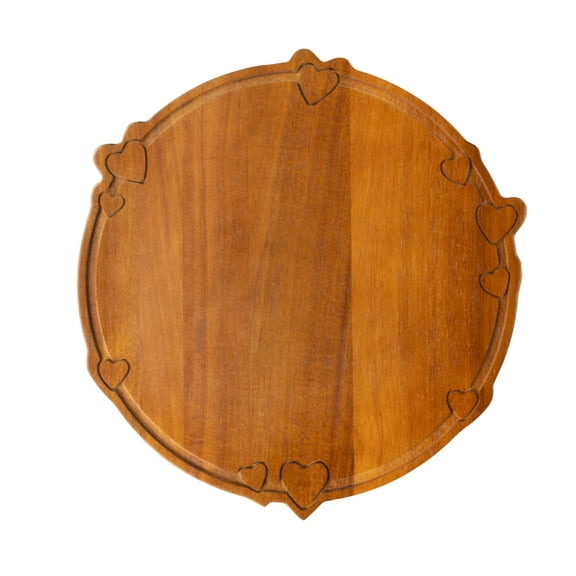
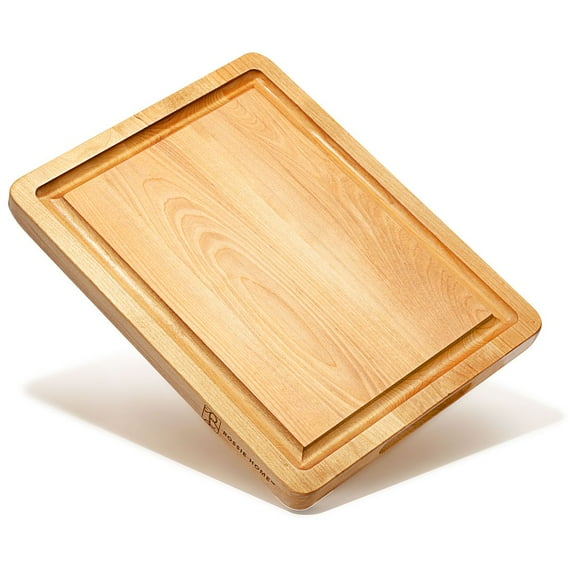
Shape changes how the board fits your counter and supports your prep routine. Rectangular boards handle long ingredient lines, while round boards often suit serving and shared plates.
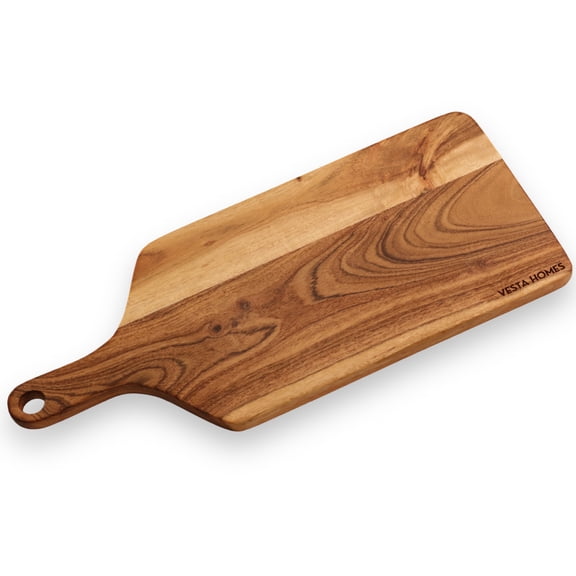
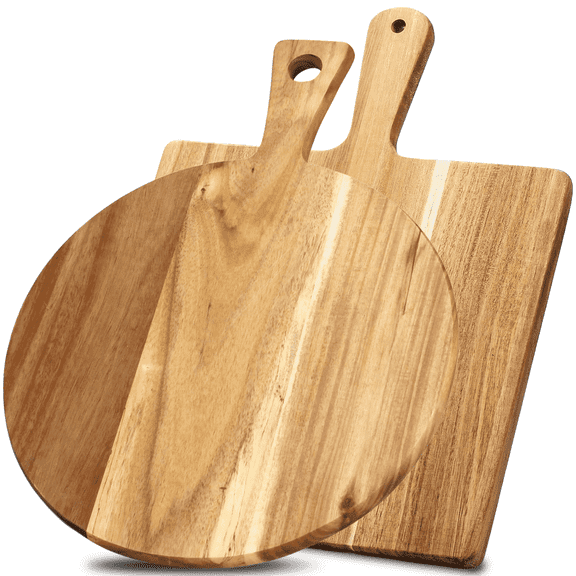
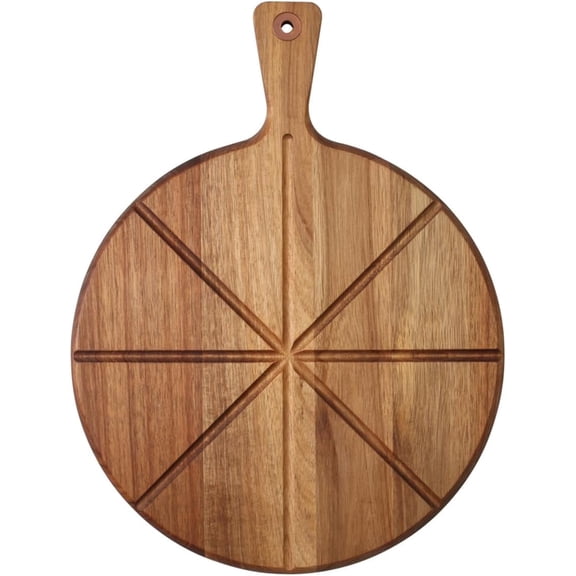
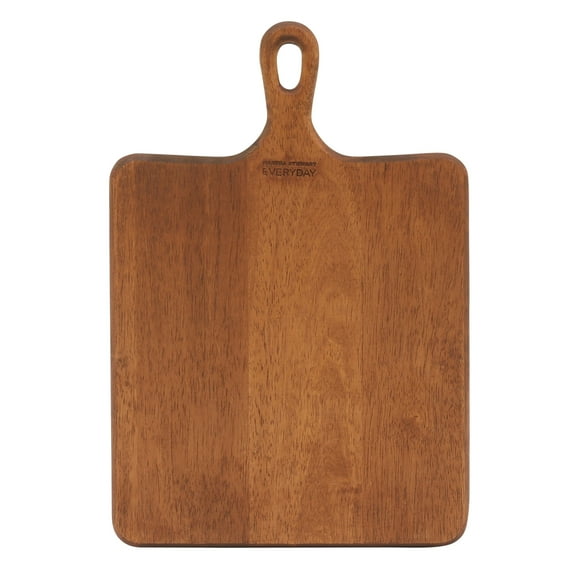
Paddle shapes add a built-in presentation look for appetizers, bread, and cheese. Triangle boards fit corners and compact prep stations in a way other shapes don't.
Size also changes how the board works during daily kitchen tasks. Small boards suit quick garnish prep, while medium boards fit routine slicing and dicing.
Large and extra large options give you more room for batch prep and carving. They also hold several ingredients at once when you stage meals before cooking.
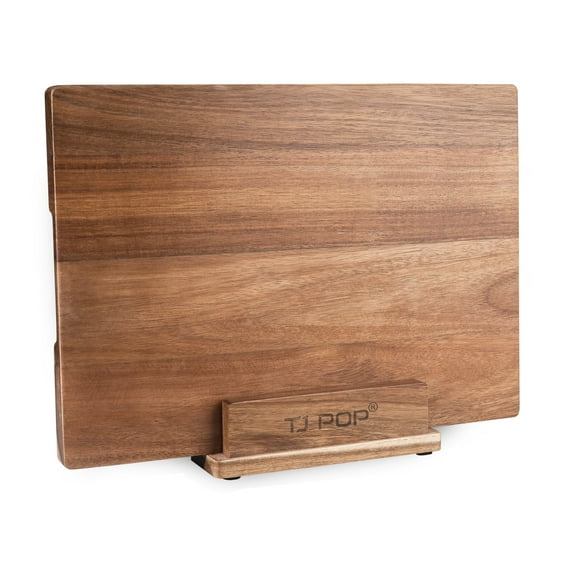
Measure your counter depth before choosing an oversized board. Check drawer, shelf, or vertical storage space if you plan to tuck it away.
Choosing handle styles and wooden chopping boards details
Handle design affects how easily the board moves from counter to table. A wood chopping board with handle can feel easier to lift, carry, and reposition.
Grip handles support steady transport between the kitchen island and dining area. Paddle handles add a serving-board profile that suits cheese, crackers, fruit, and bread.
Boards without handles keep the cutting area more symmetrical across the full surface. That layout can make sense when you want edge-to-edge prep space.
Wood cutting boards with handle also fit homes that use one board for prep and presentation. Compare handle length carefully if cabinet space is limited.
Thickness and edge style also matter when you review product details. Those features affect how substantial the board feels during regular chopping and serving.
How to compare use cases and functional options
Different tasks call for different layouts, sizes, and feature sets. For food prep, many shoppers choose medium or large boards that support repeated chopping sessions.
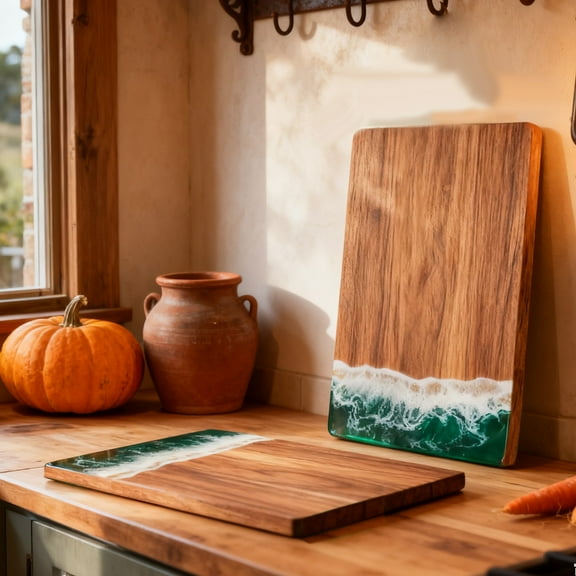
For serving, a wooden cutting board with visible grain can double as tableware. Round and paddle shapes often suit cheese boards, bread service, and fruit displays.
Carving usually works well with larger footprints because they hold bigger items comfortably. Extra surface area also helps when you portion ingredients for batch cooking.
If you want one board for many tasks, compare multi-purpose designs first. They fit kitchens where prep space, storage, and serving needs stay flexible.
Adaptive cutting board options focus on easier handling and supportive layouts. Standard boards suit basic prep needs, while non-slip features help the board stay positioned.
Consider who uses the board most often before choosing a format. A lighter profile, handle cutout, or adaptive style can simplify setup and cleanup.
How to match a wooden cutting board to your kitchen routine
Start with your main task, then compare material, shape, and size together. A small rectangular board suits quick weekday prep, while a large paddle style supports serving and carving.
For compact kitchens, triangle and medium formats use space efficiently on shorter counters. For entertaining, round and handled designs move smoothly from prep area to table.
When you compare wooden chopping boards this way, the choice becomes more practical. The right combination fits your counter, storage plan, and everyday cooking routine.
Wood cutting boards stand out because they can support chopping, carving, and serving in one category. A well-matched board keeps prep organized and presentation looking polished.