




Cat Litter Boxes























About Cat Litter Boxes - Walmart.com
Cat litter boxes help you manage mess, odors, and daily cleanup with designs that match your cat, your space, and your routine. You can compare enclosed, open, and self-cleaning styles to find a setup that fits your home.
How to choose cat litter boxes for your home
You should start with the way your cat enters, turns, and digs inside the box. Your choice affects comfort, litter scatter, and how easily you can place the box in a busy room.
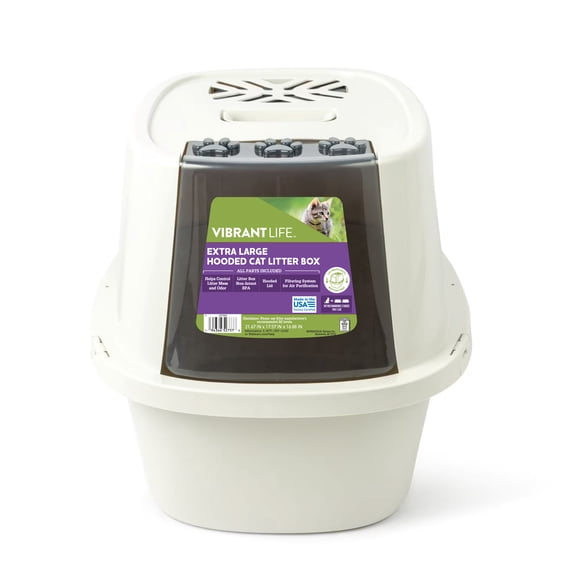
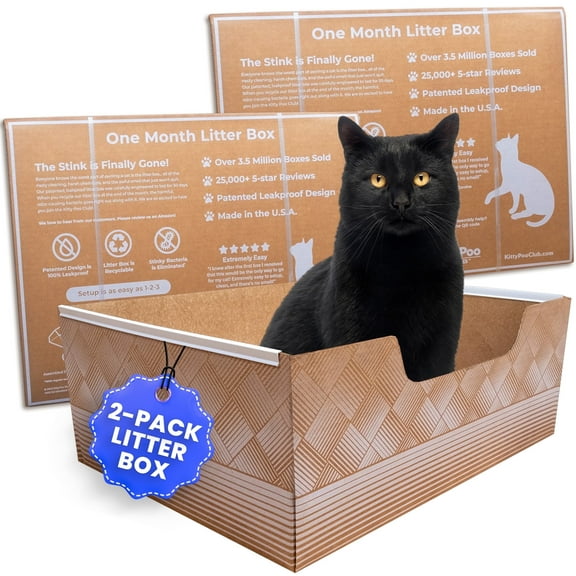
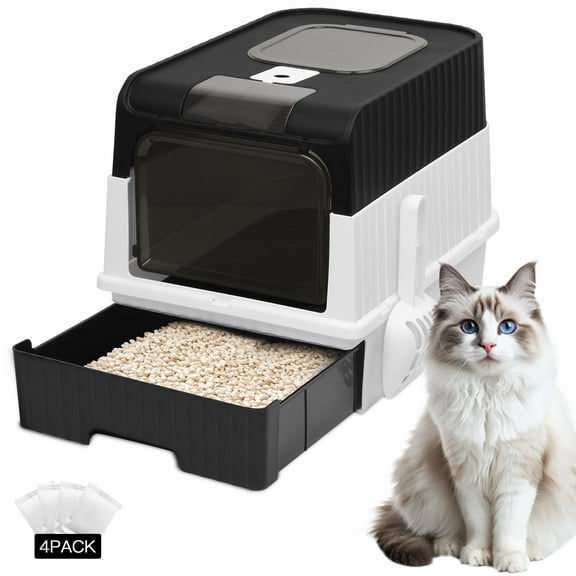
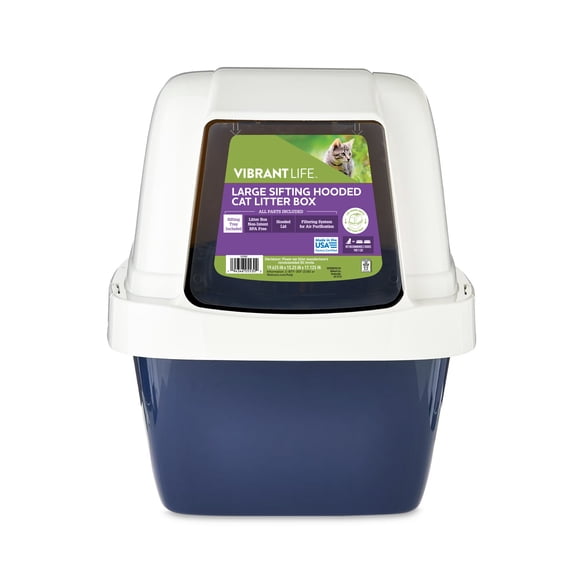
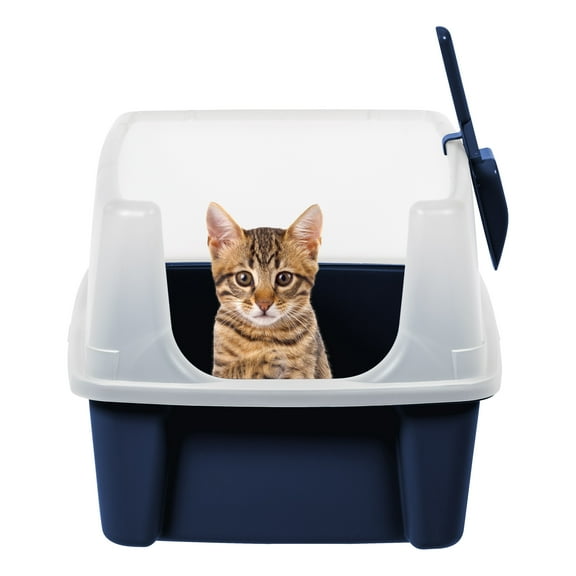
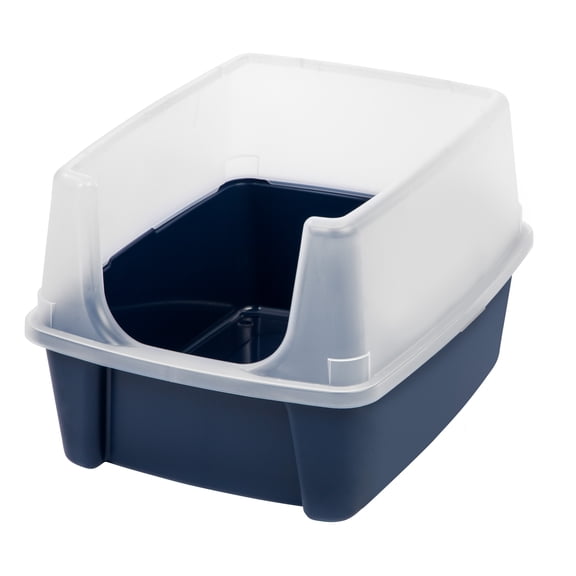
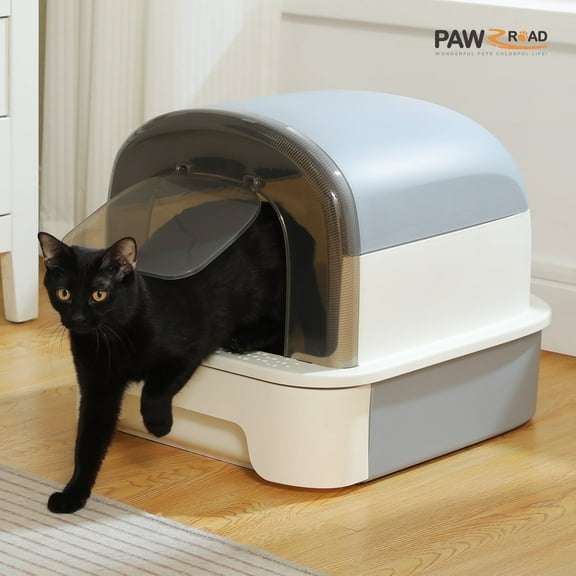
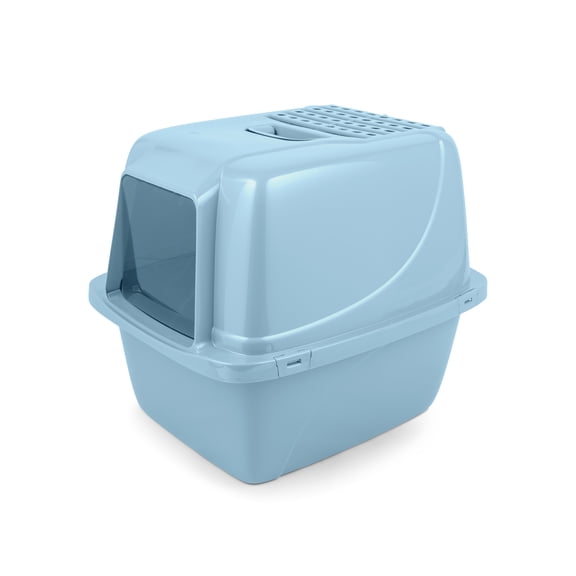
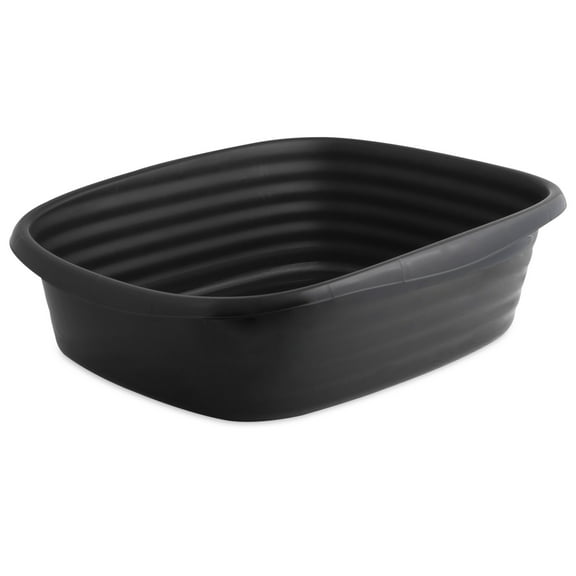
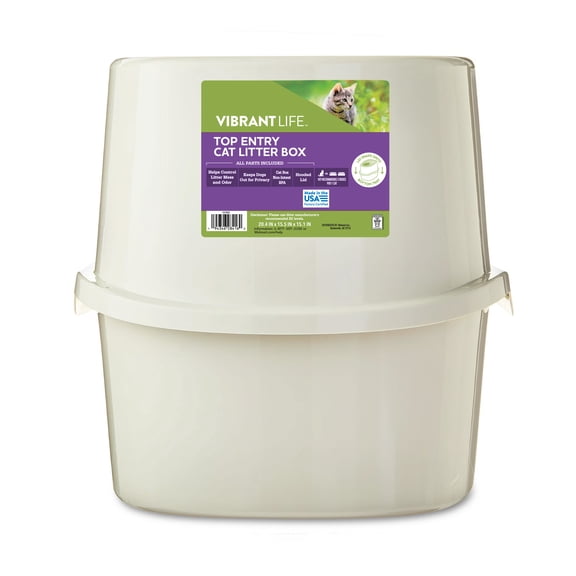
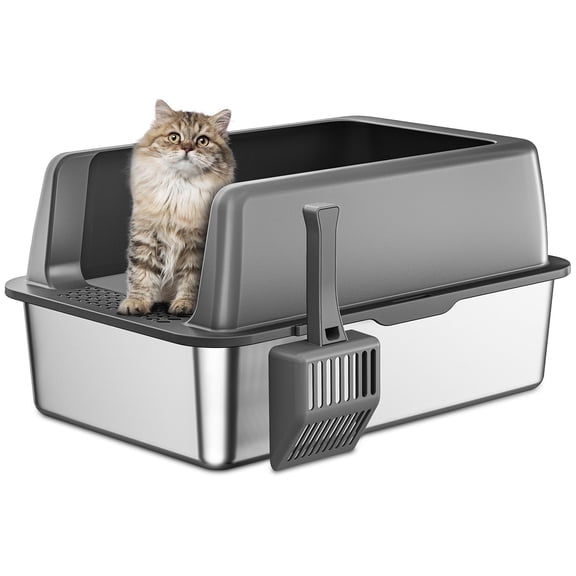
If your cat likes open space, you may prefer an open top design with clear sight lines. If your home needs more containment, you may prefer a hooded layout that keeps litter and odors contained.
You can also compare shape and placement before you choose a style. Your corner cat litter box can help you use tight floor space, while your furniture-style design can blend into visible rooms.
Choosing box type: self cleaning cat litter box, sifting, or open top
You should think about how much hands-on cleanup fits your schedule each day. Your box type changes how often you scoop, how quickly waste separates, and how tidy the area stays.
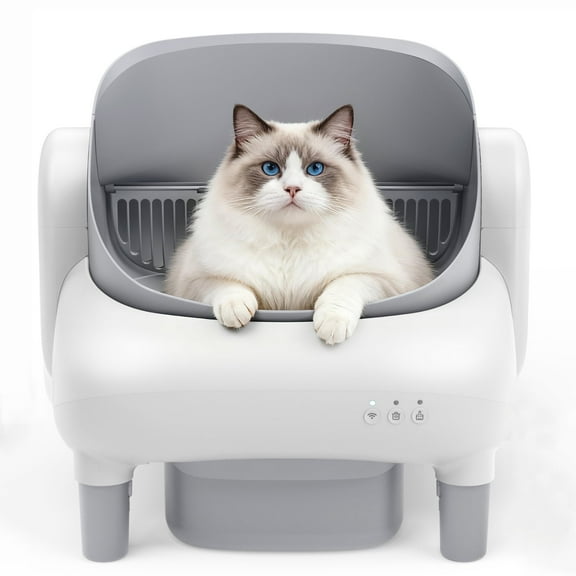
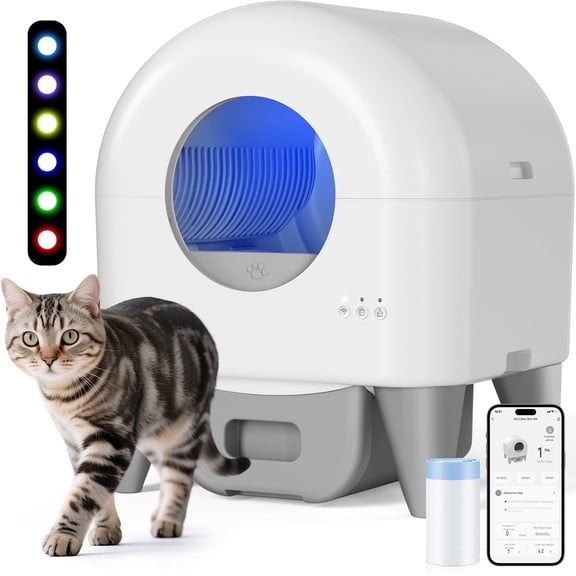
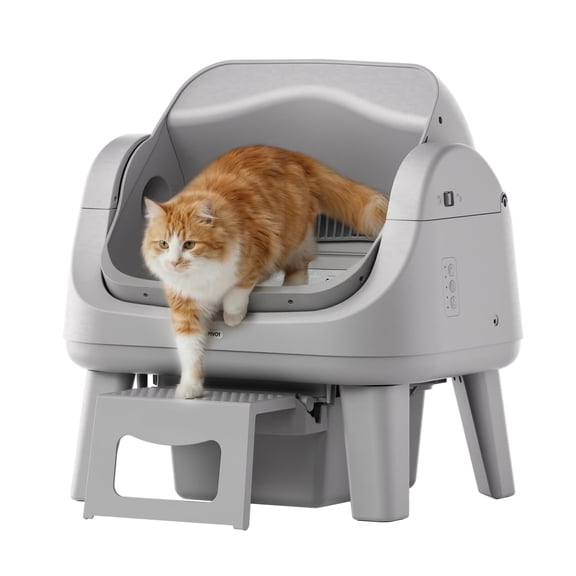
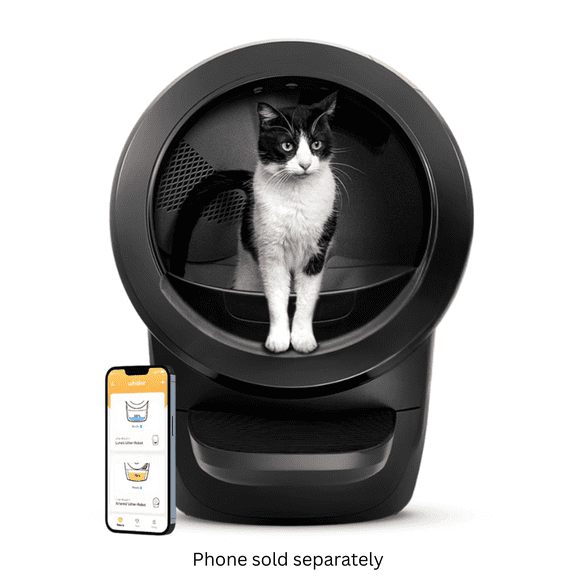
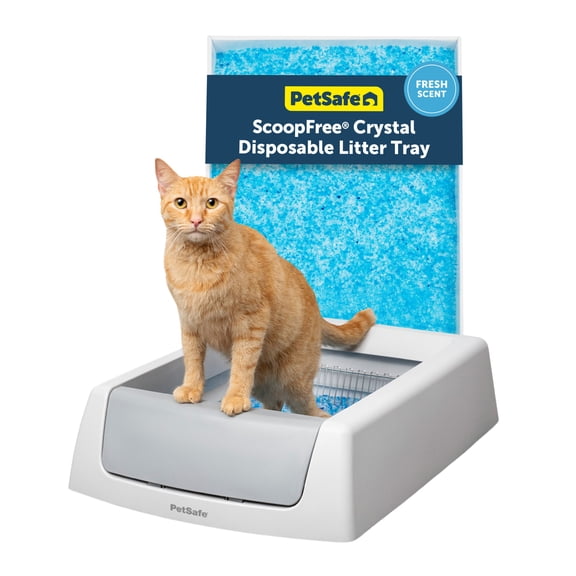
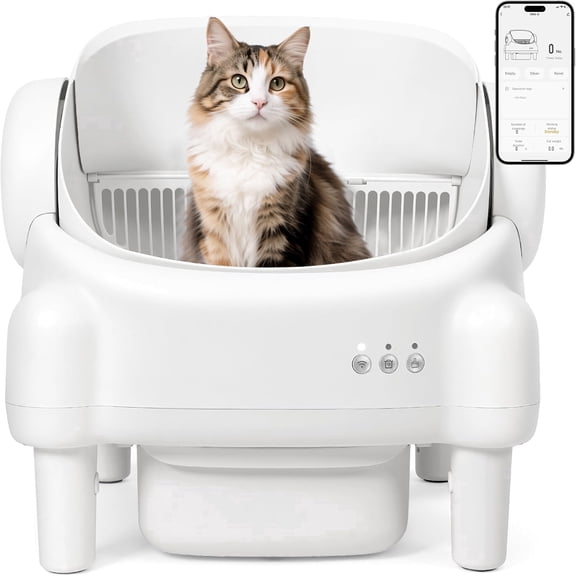
If you want less manual work, a self cleaning cat litter box can automate part of the cleanup cycle. You can look for sensor-based or rake-based systems that move waste into a separate compartment.
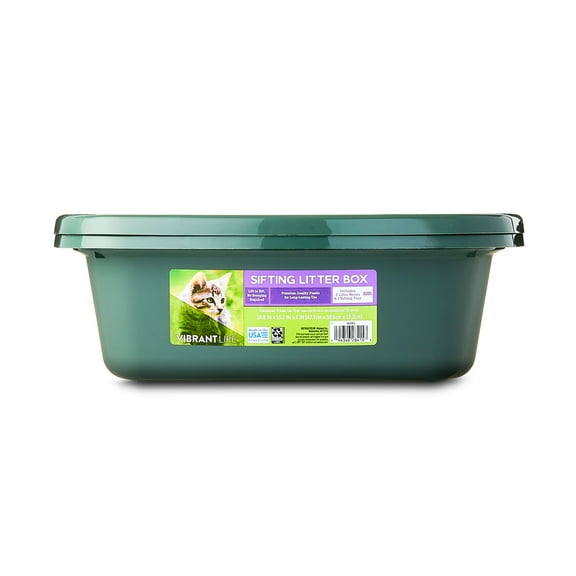
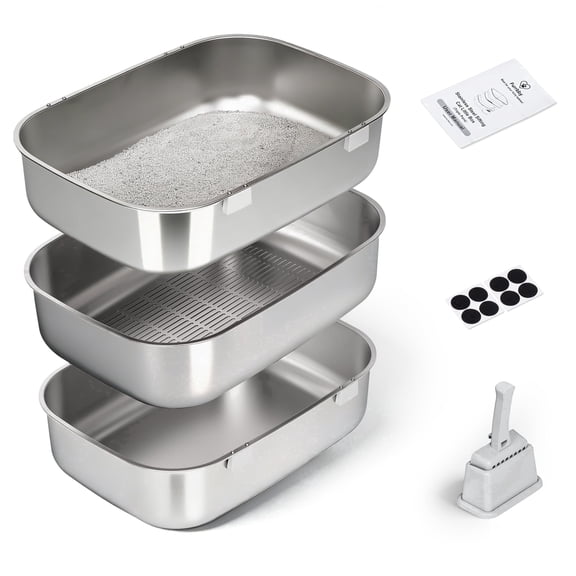
If you want a simpler setup, a sifting litter box can make cleanup more direct without powered parts. You can lift or separate layers, so your clean litter stays in the pan longer.
- You can choose open top boxes when your cat prefers easy entry and wide visibility.
- You can choose enclosed styles when your home needs more privacy and litter containment.
- You can choose automatic or sifting options when your routine calls for quick cleanup.
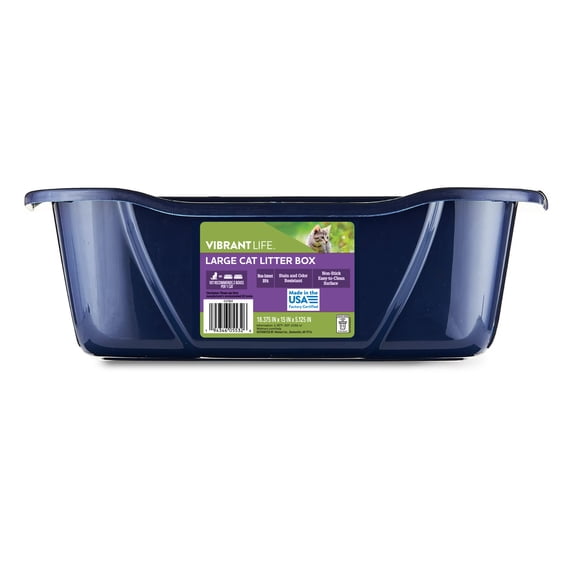
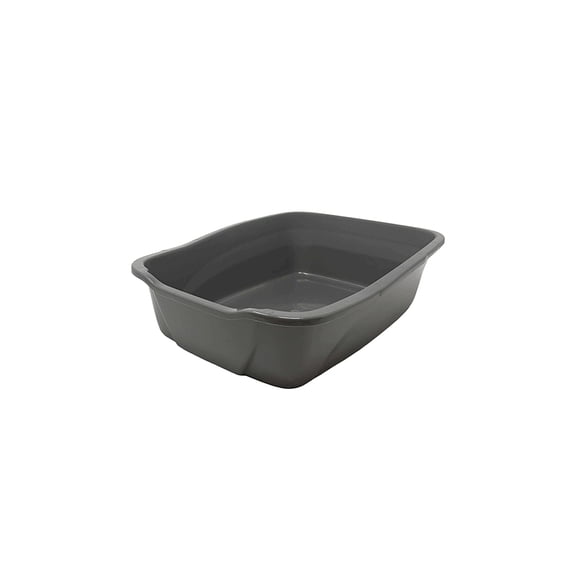
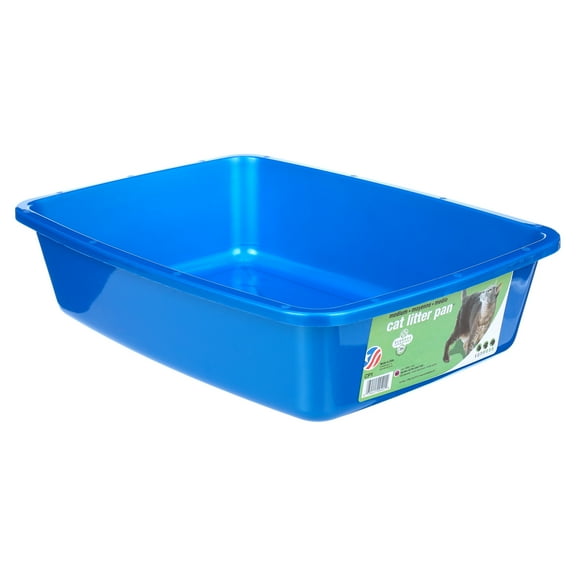
- You can choose standard manual pans when you want a familiar setup with simple upkeep.
Choosing size and entry type for comfort
You should measure your cat and your floor space before selecting a box. Your cat needs enough room to turn around, dig, and settle without touching every side.
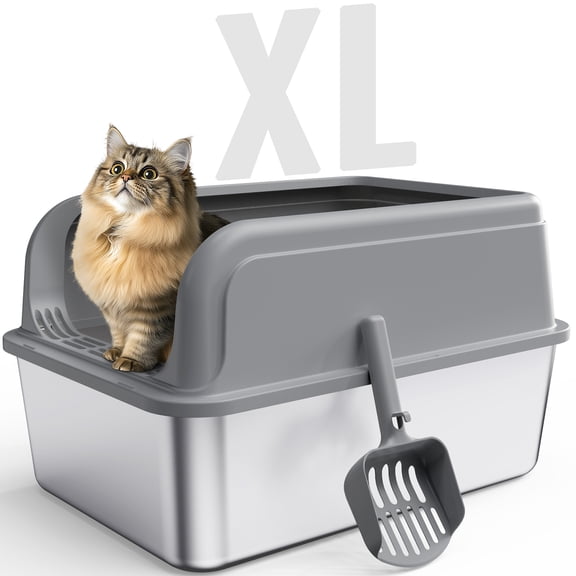
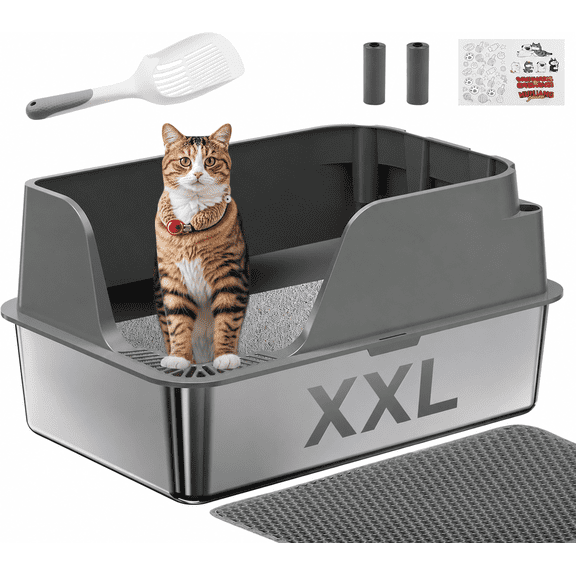
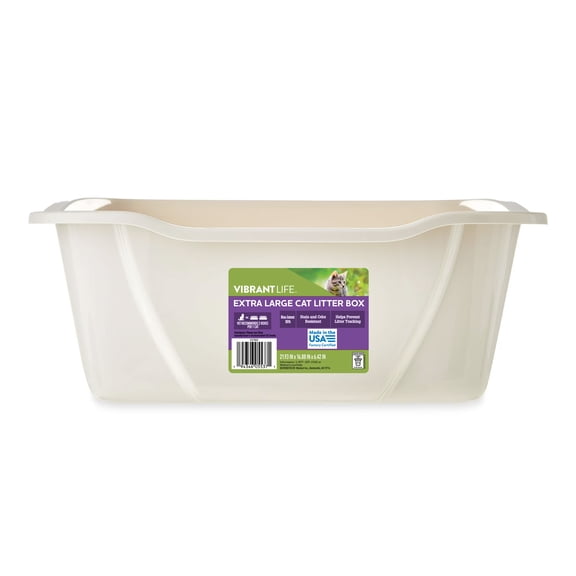
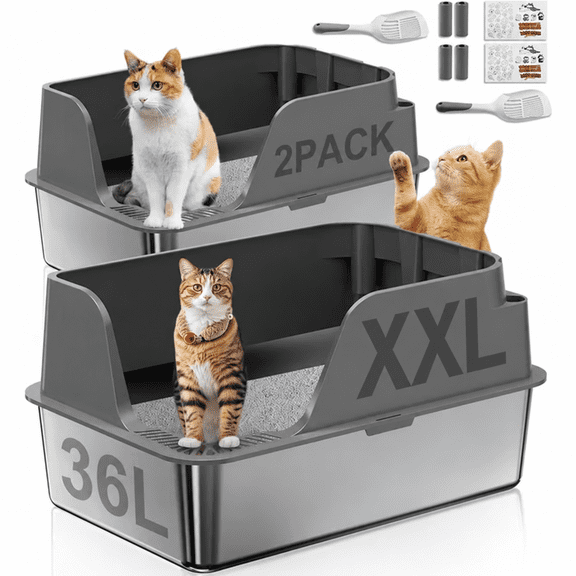
If your cat is long or broad, a large cat litter box can provide more usable interior space. You may also want extra large options when you have a bigger breed or more active digging.
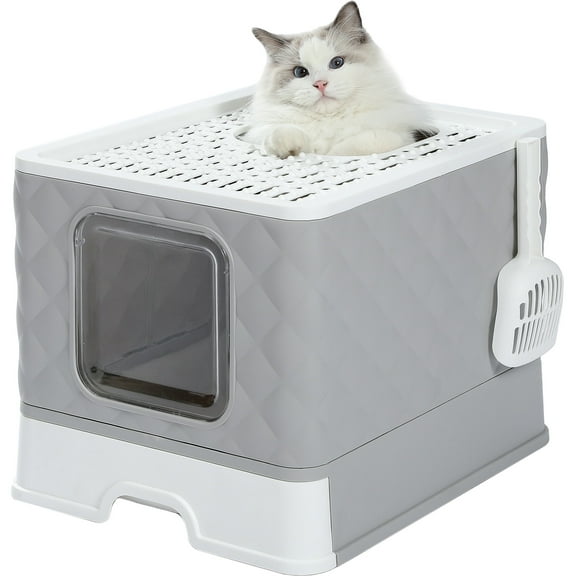
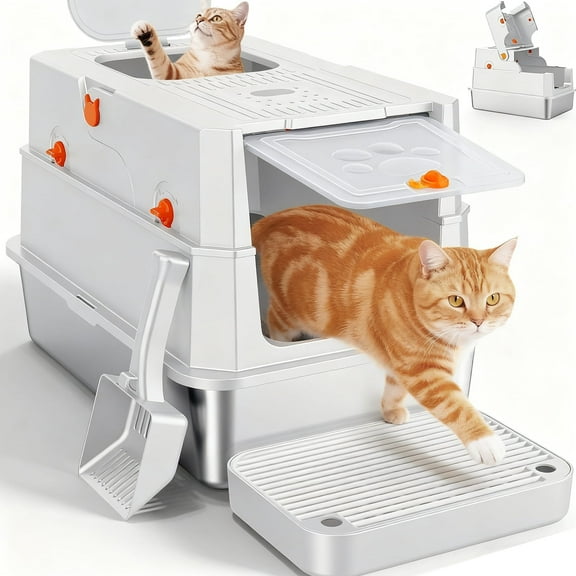
You can compare top entry, front entry, and fully open designs based on mobility and habits. Your top entry litter box can reduce scatter, while your front entry model can feel accessible for many cats.
If your cat prefers a lower step in, you should check entry height before buying. Your senior cat or growing kitten may do well with a lower front opening and wide interior.
Choosing material and odor-control features
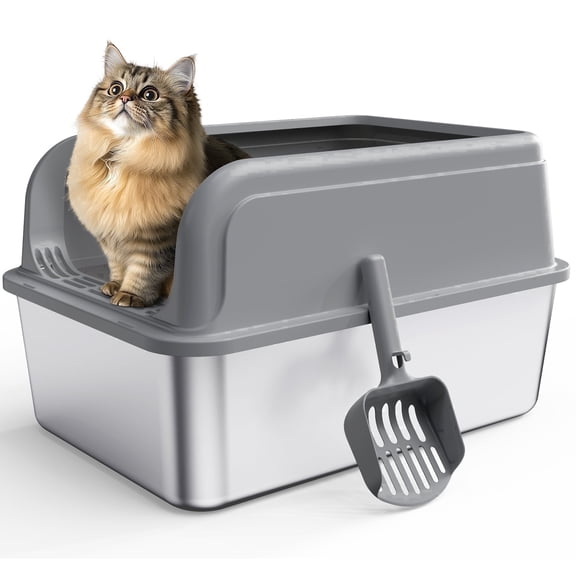
You should compare materials because they affect cleanup time, smell retention, and long-term wear. Your plastic pan often feels familiar, while your stainless steel litter box can offer a different maintenance experience.
If you want a surface that wipes clean quickly, you may consider stainless steel. You may notice less sticking on smooth metal interiors, which can make routine scooping more straightforward.
If odor control is your main priority, you should look at covered designs, higher walls, and waste storage layouts. Your enclosed cat litter box can help keep smells contained within the box area.
You can also pair your box choice with related essentials for a tidier setup. Your litter mats can catch tracked granules, and your litter scoops can support daily maintenance.
Choosing hidden, furniture-style, and corner designs
You should consider where the box will sit before you choose a shape or finish. Your living room, laundry area, or bathroom may call for a different look and footprint.
If the box stays in a visible space, hidden litter box furniture can help it blend into your decor. You can compare cabinet-style forms, side-entry layouts, and surfaces that look more like household furniture.
If your room has an unused angle, a corner cat litter box can make placement easier. You can tuck the box into tighter spaces without giving up the interior area your cat needs.
You may also want to think about traffic flow around the box. Your cat should have a quiet path in and out, especially when you place the box beside walls or inside furniture.
Matching cat litter boxes to everyday routines
You can match your box choice to your cleaning habits, your cat's size, and your home's layout. Your busy schedule may point to automatic cleaning, while your simple routine may fit a standard pan.
If you share your home with multiple cats, you may want larger interiors and odor containment. Your enclosed or extra large setup can help support heavier daily use and more frequent visits.
If your cat kicks litter far beyond the pan, you may prefer higher walls or a top-entry design. Your floors can stay tidier when the box contains more scatter at the source.
If your priority is appearance, you may lean toward hidden or furniture-style designs in shared spaces. Your setup can stay functional without calling attention to itself in the room.
You can feel more confident when you compare box type, entry style, size, material, and placement together. Your ideal setup supports tidy floors, simple upkeep, and a more comfortable daily routine for your cat.