

Light Bulb Cameras in Security Cameras

















About Light Bulb Cameras in Security Cameras - Walmart.com
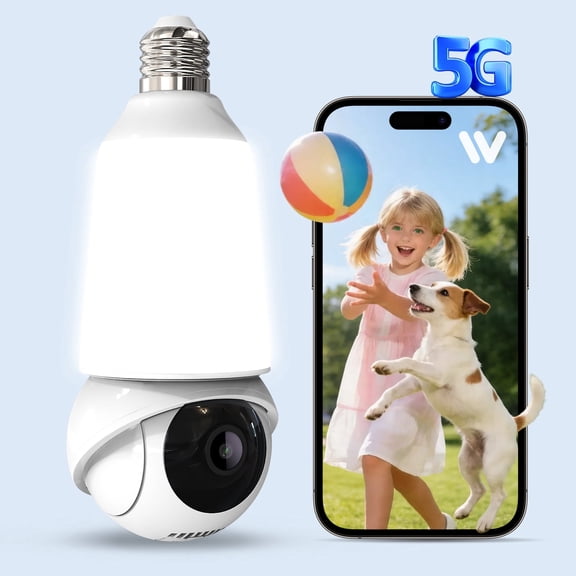
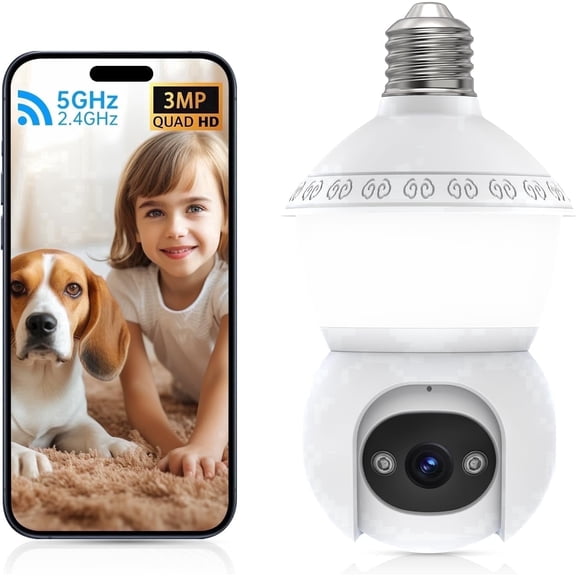
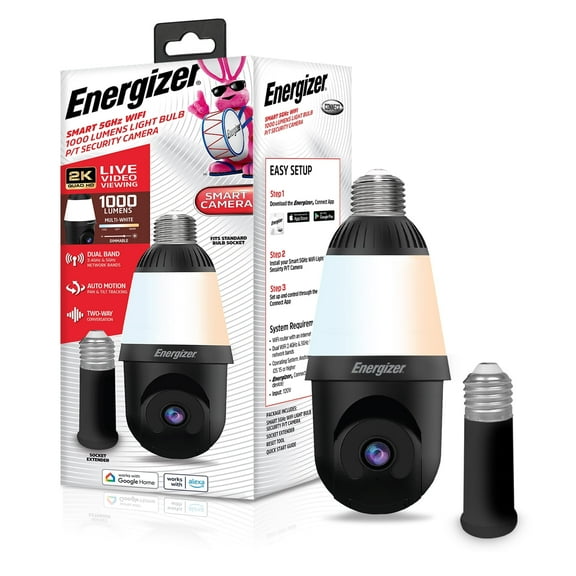
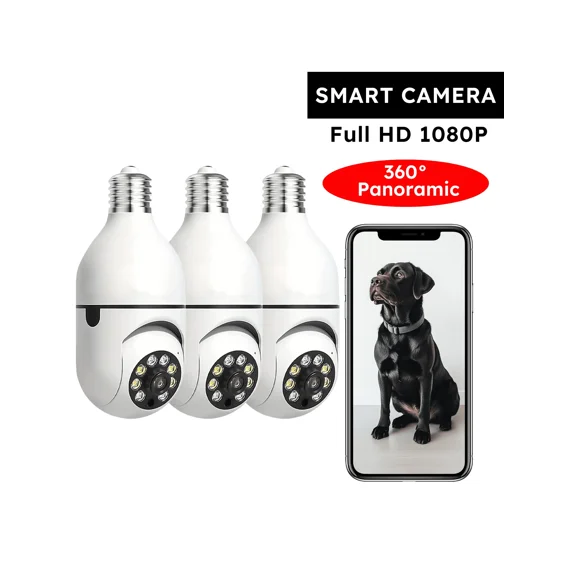
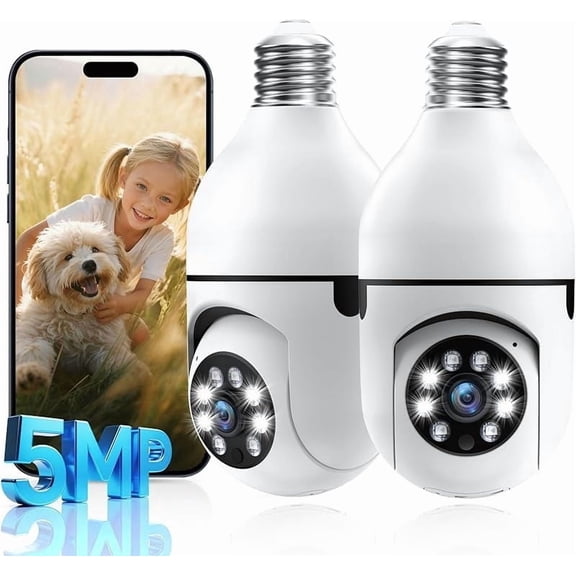
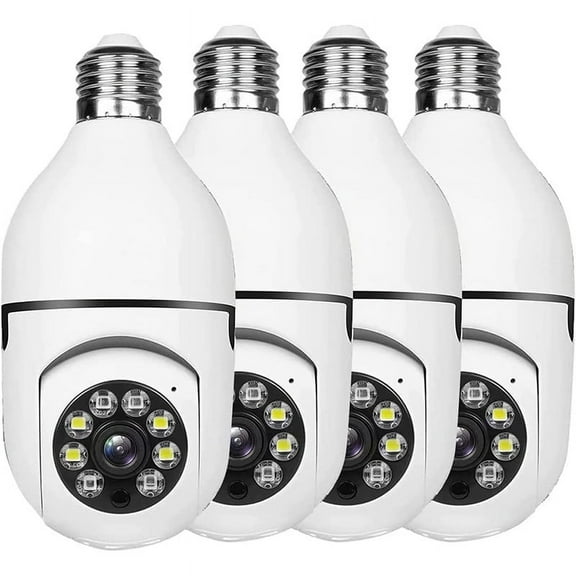
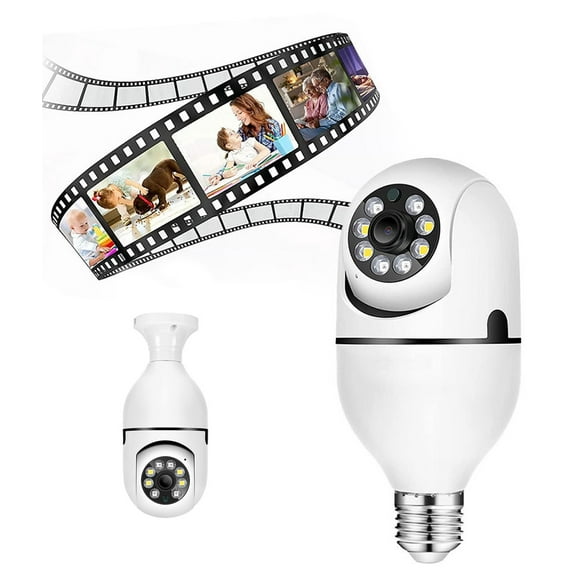
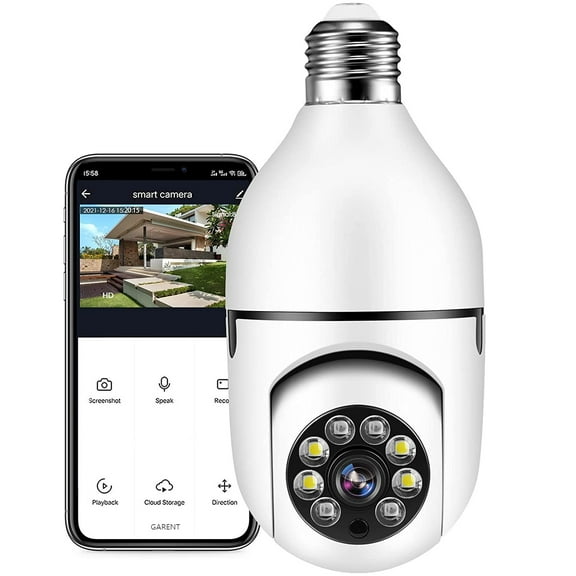
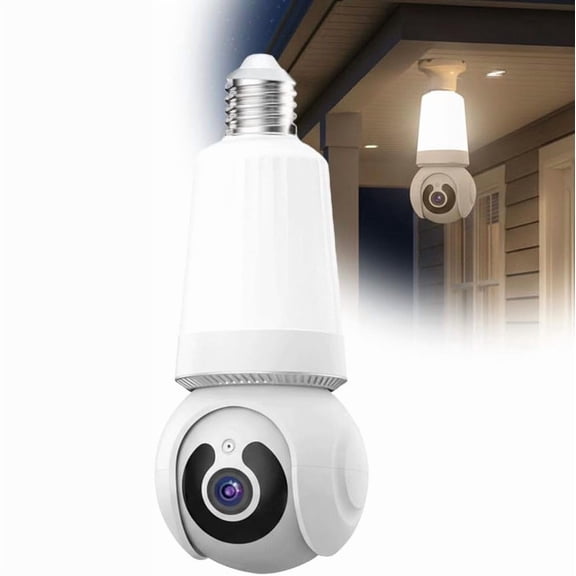
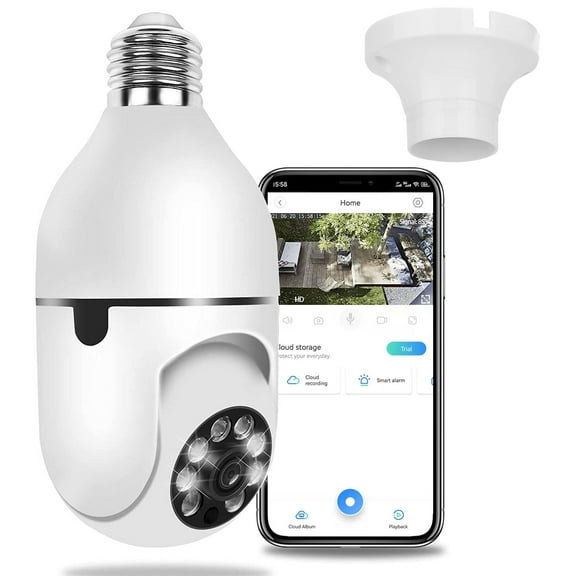
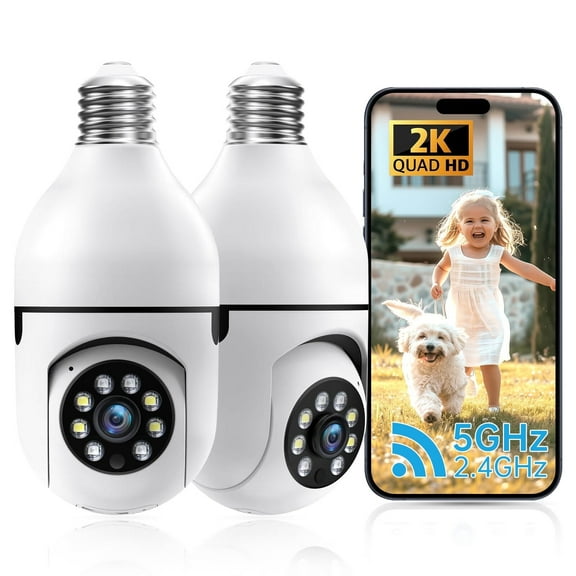
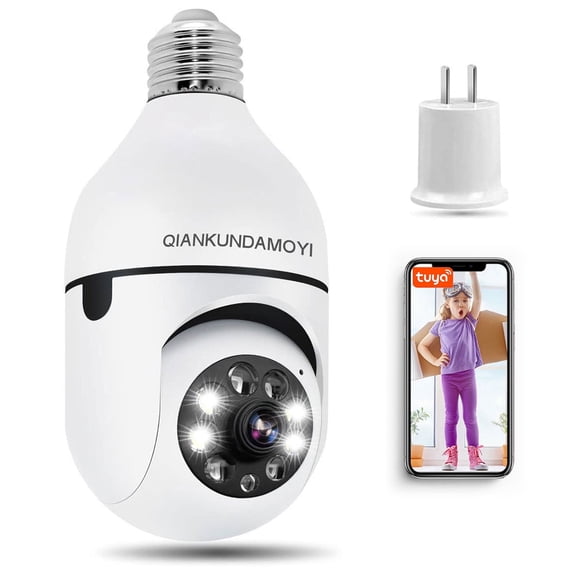
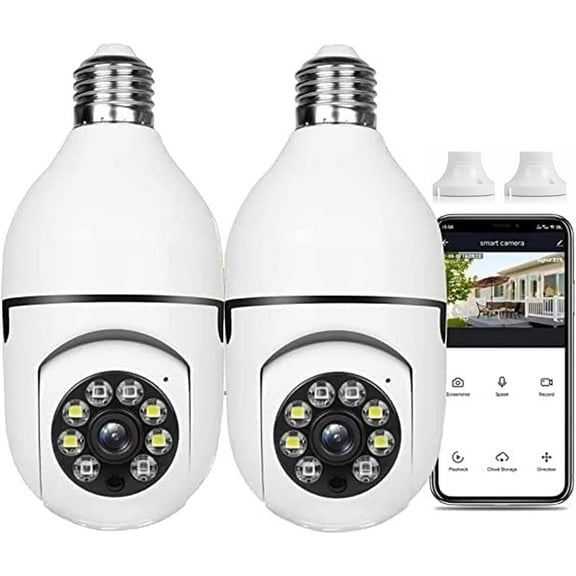
Light bulb cameras add home monitoring through a standard socket, with discreet placement and quick setup for entryways, porches, garages, and halls. These camera lights fit where a regular bulb goes, so you can add visibility and video without brackets, extra wiring, or a large wall unit.
Why light bulb cameras fit everyday security needs
This category stands out because the bulb form factor blends into existing fixtures. It keeps your setup clean while covering spaces that already need overhead light.
Many shoppers choose these models for rentals, apartments, and finished spaces. You can use the existing socket instead of planning a larger installation.
Placement flexibility is another key advantage. A bulb camera can watch a front porch, mudroom, driveway-side fixture, or basement stair landing from an elevated angle.
That higher position often captures a wider view than a tabletop indoor camera. It also keeps cords and adapters out of sight.
- Uses a standard light socket for fast installation.
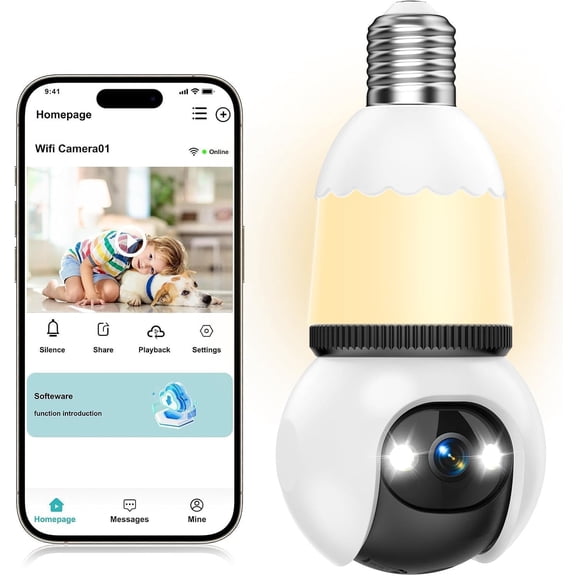
- Combines illumination and camera coverage in one device.
- Works well in entry points, garages, porches, and hallways.
- Offers a discreet look compared with larger security hardware.
- Helps simplify setup for renters and households avoiding wall drilling.
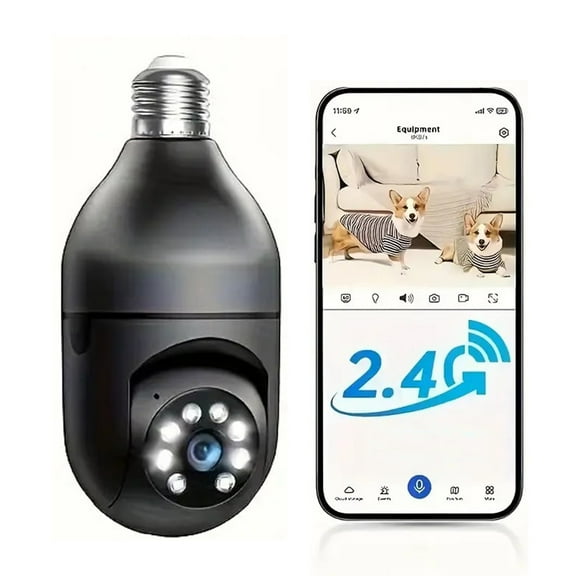
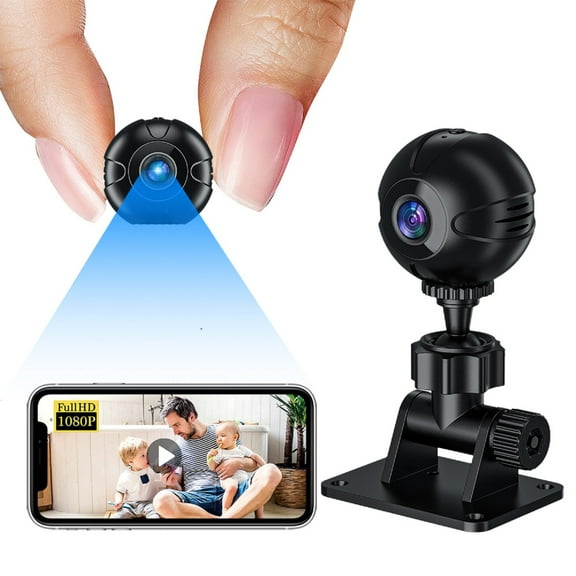
Many light bulb security cameras also connect through an app. That makes it easier to review clips, check live views, and adjust settings from your phone.
When convenience matters, this category offers a practical shortcut. You get camera placement and lighting from one familiar fixture.
What to check before choosing light bulb cameras
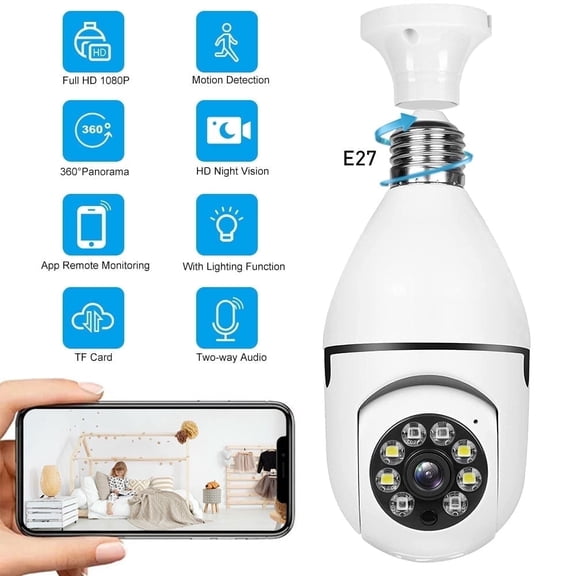
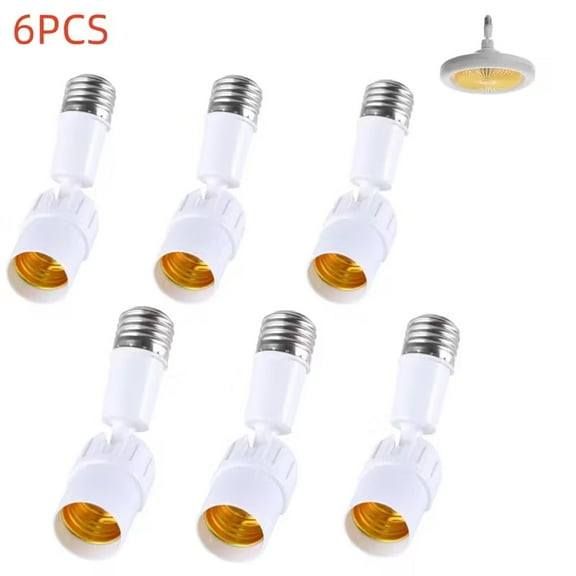
Socket compatibility matters first. Many models fit common E26 or E27 sockets, which appear in many household fixtures.
Checking the socket type helps you avoid returns and setup delays. Fixture shape matters too, since enclosed housings can limit bulb size or camera movement.
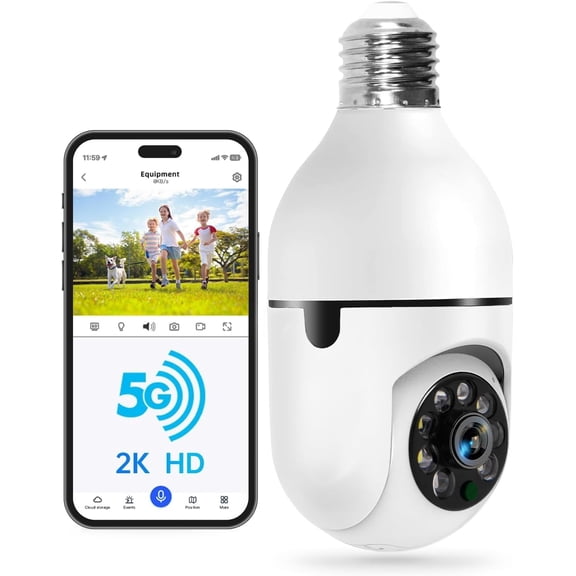
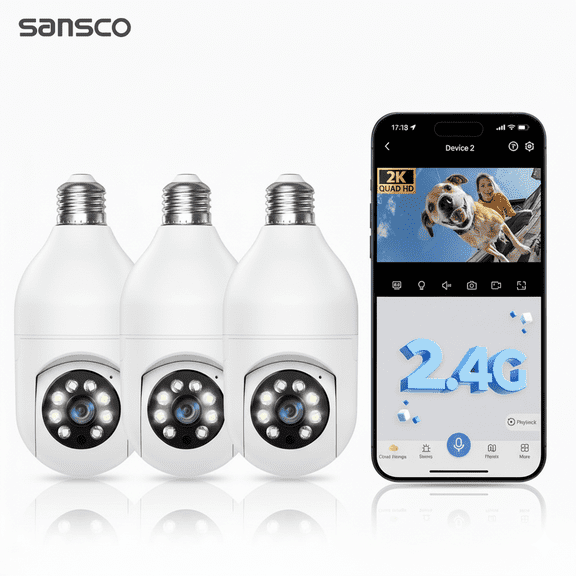
Wi-Fi support is another major decision point. A wifi smart camera light bulb often relies on 2.4GHz networks, while some homes default to 5GHz connections.
If your router uses both bands, confirm the camera supports the band you plan to use. Strong signal strength matters for smooth live viewing and faster alerts.
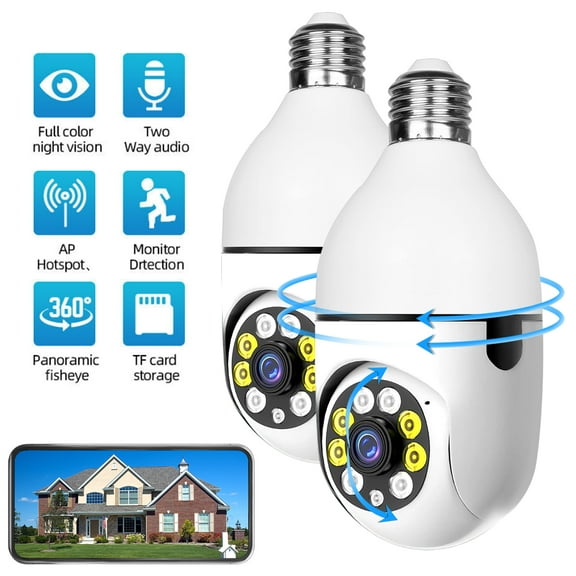
Video features can shape your daily experience. Some units offer pan and tilt controls, while others keep a fixed lens with a wide field of view.
Night vision helps after dark, and two-way audio adds convenience at doors or shared spaces. Motion tracking and app alerts can also improve awareness around active areas.
Storage options deserve attention as well. Some products support local recording through an SD card, while others use cloud-based plans.
Local storage can appeal to shoppers who want footage saved on the device. Cloud access may suit households wanting remote clip review across multiple days.
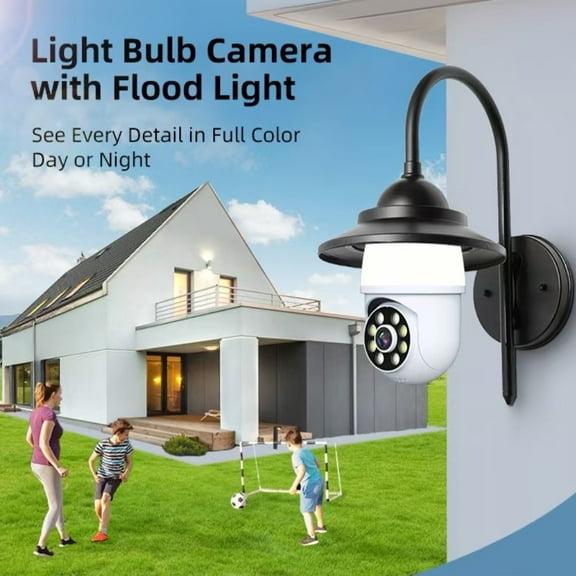
For outdoor placements, weather-focused design matters. A light bulb camera outdoor model should match exposed fixtures like porch lights or garage lamps.
Look at fixture coverage, housing style, and placement notes before choosing one. Those details matter more outdoors than they would for a hallway socket.
Indoor and outdoor ways to use a bulb camera
Indoors, these cameras work well in foyers, stairwells, laundry areas, and garages. Overhead placement can cover doors, shelves, and walkways from one central point.
That makes them useful when you want visibility across a broader section of the room. They also keep counters and side tables free from extra devices.
Outdoor setups often focus on porches, side doors, detached garages, and covered patios. In those spaces, a camera light bulb can combine entry lighting with monitoring near package drop zones.
A higher socket position can help reduce blocked views from railings, furniture, or planters. That placement can also keep the device less noticeable from the curb.
Some shoppers use light bulb cameras in rental homes because installation is straightforward. Others choose them for vacation properties, workshops, or older homes with existing exterior sockets.
The category also suits households that want a simpler starting point before expanding a larger security setup. You can begin with one fixture and learn what coverage works.
If app connectivity is a priority, compare device ecosystems before buying. Some cameras pair with broader smart home routines, while others focus on standalone monitoring.
Storage, motion settings, and user sharing can vary by brand and app design. Those details affect how easy the camera feels every day.
Choose a light bulb camera that matches your fixture
The right light bulb cameras category pick starts with your socket, fixture shape, and Wi-Fi setup. From indoor hallways to covered outdoor entries, this form factor offers practical coverage with less visible hardware.
When those details line up, you get a cleaner installation and dependable monitoring from a familiar light socket.