







Lice Combs in First Aid

















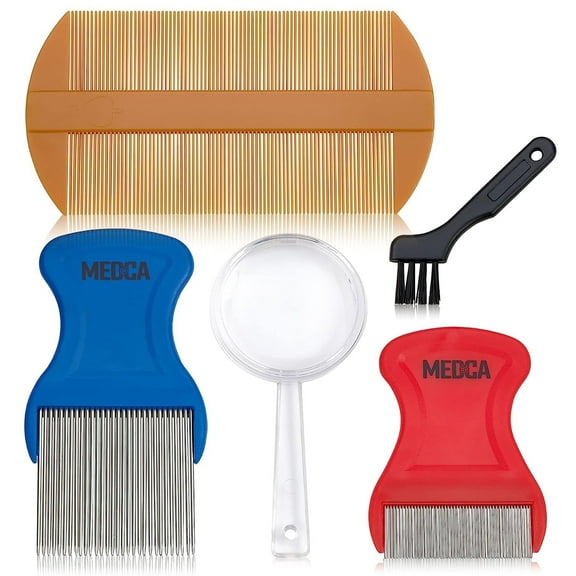
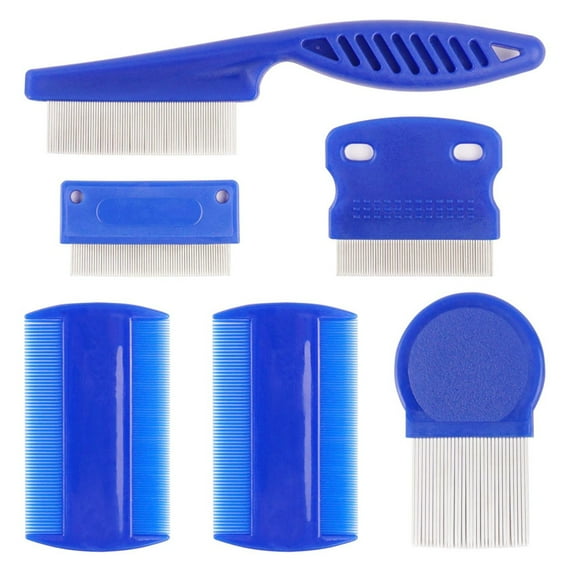
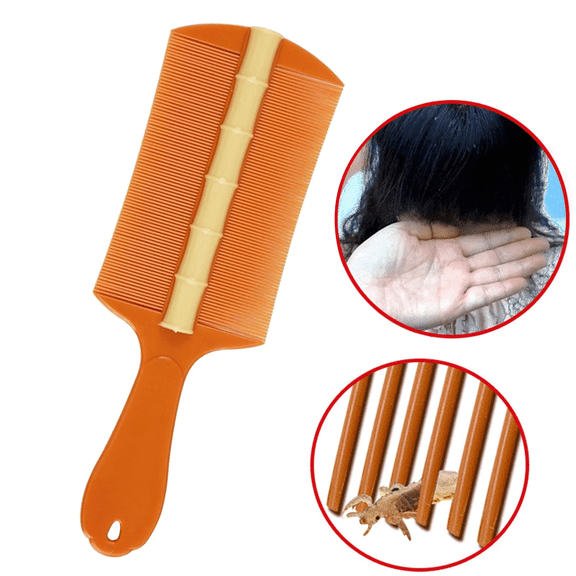


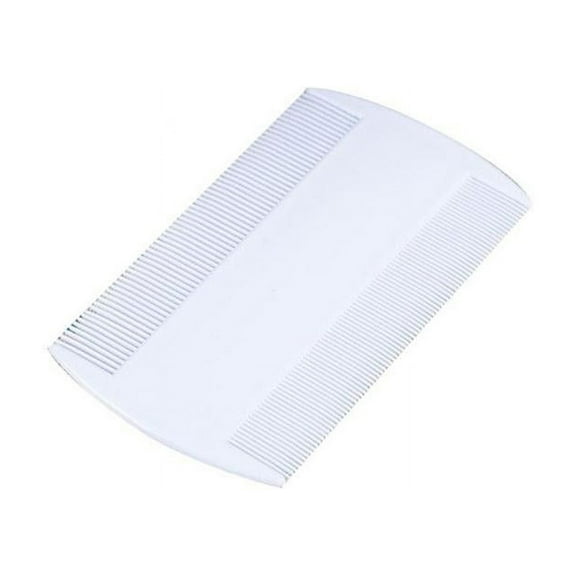


About Lice Combs in First Aid - Walmart.com
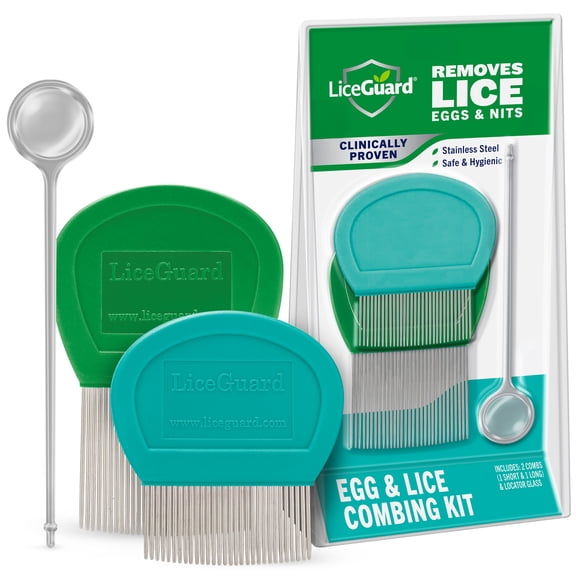
Lice combs help you compare teeth spacing, material, and comfort, so your routine feels more precise and easier to manage. You’ll also find options for nit removal, adult checks, and regular screening in one focused category.
With the right comb, you can move through thick hair, fine hair, or textured hair with more control. Details like micro-grooved teeth, rounded tips, and reusable designs can shape your combing experience.
How to choose lice combs for your routine
Start with the decisions that guide each combing session. You should compare material, teeth density, type, target use, and pack size before narrowing your choice.
For a simpler buying guide, your focus can stay on how often you’ll use the comb and who will use it. You can also check whether a single tool or a comb and gel kit fits your routine.
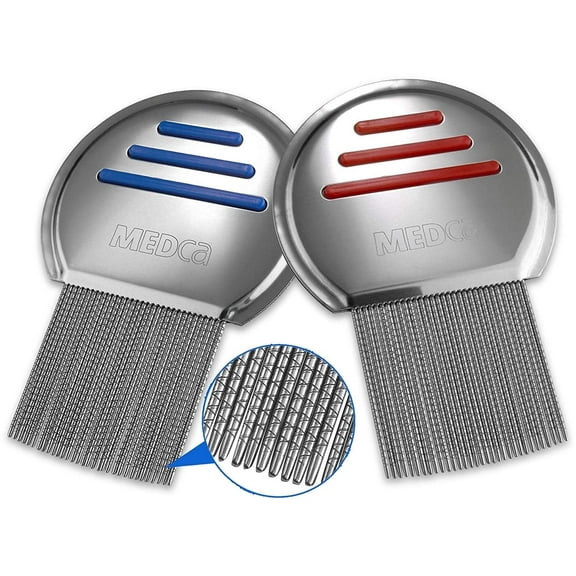
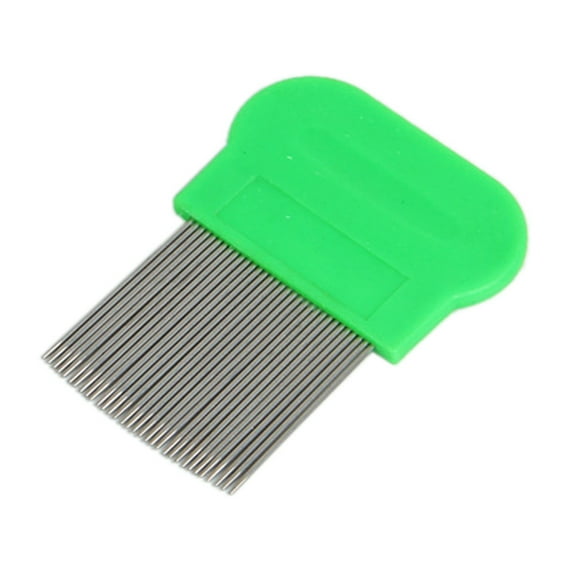
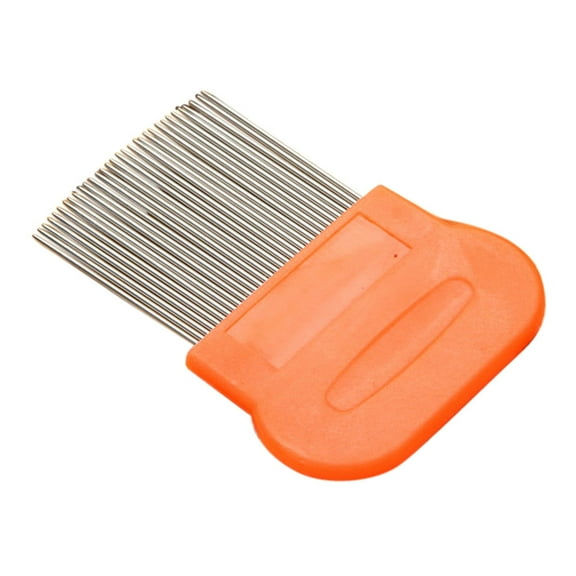
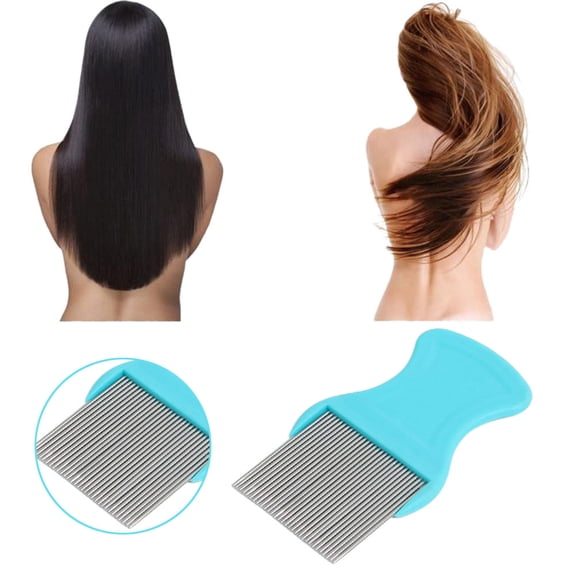
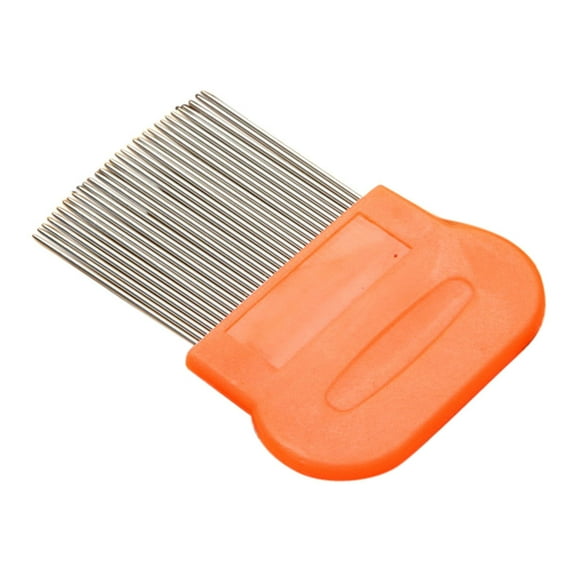
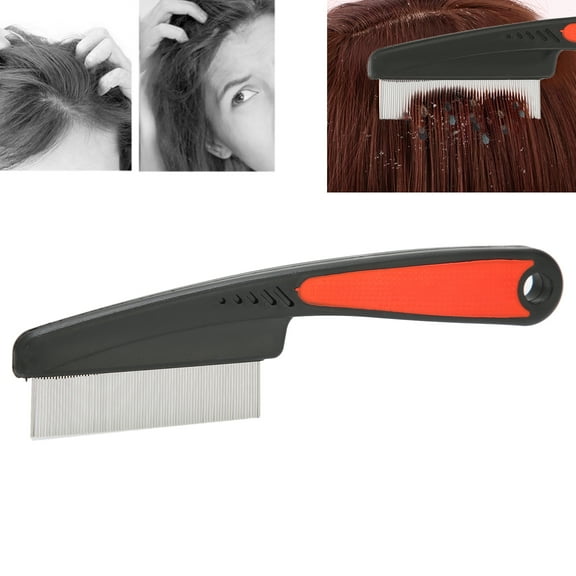
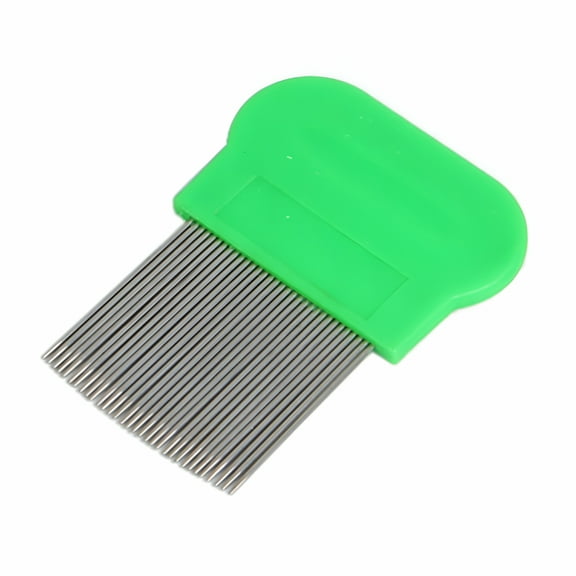
- Your routine may benefit from stainless steel or metal teeth when you want tight spacing and a durable tool.
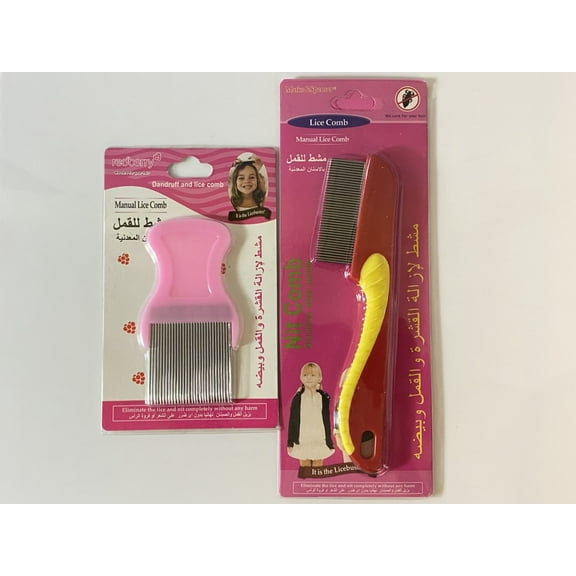
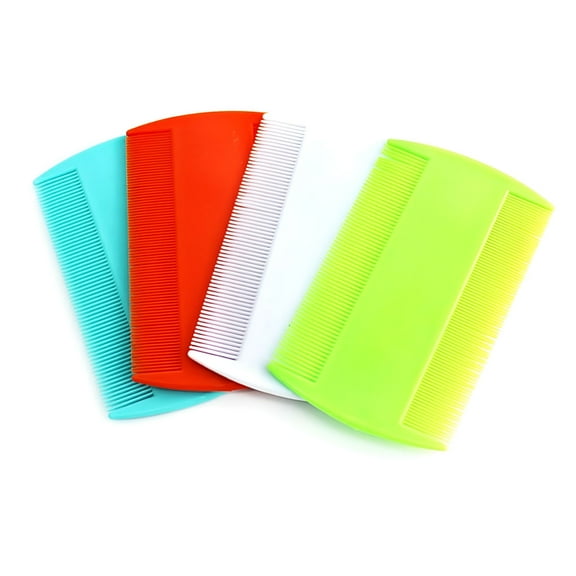
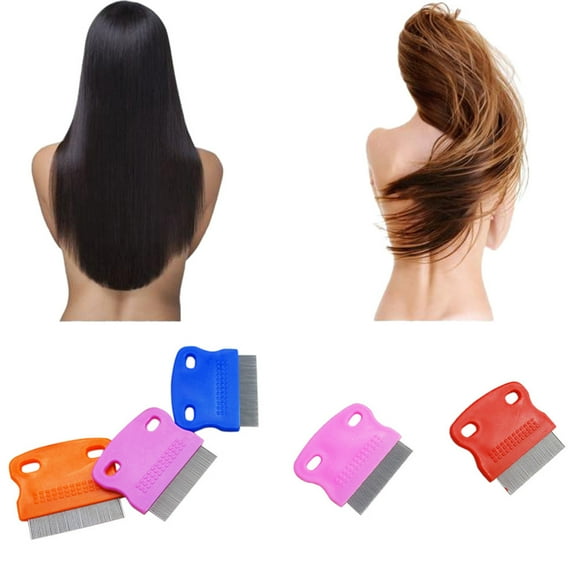
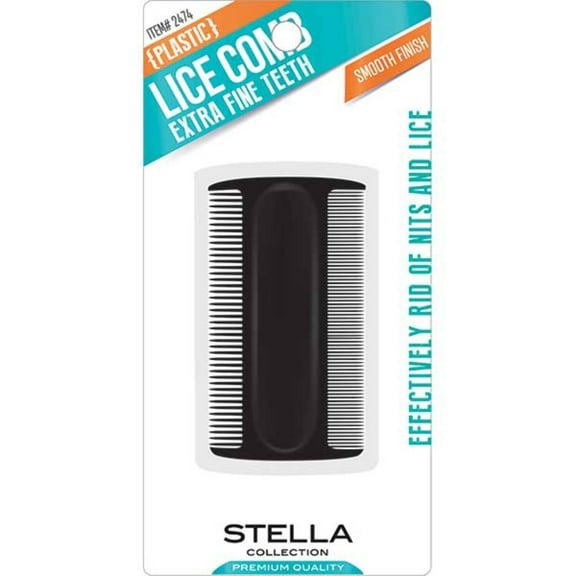
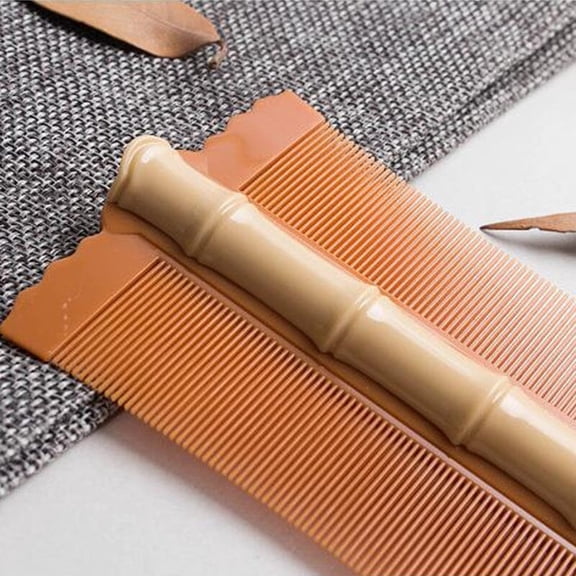
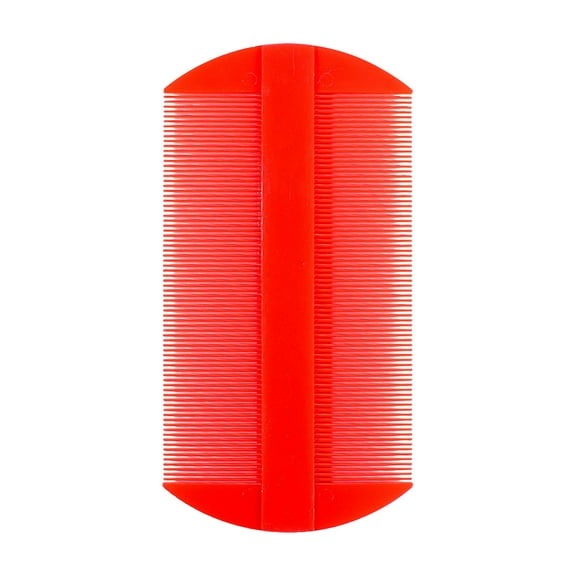
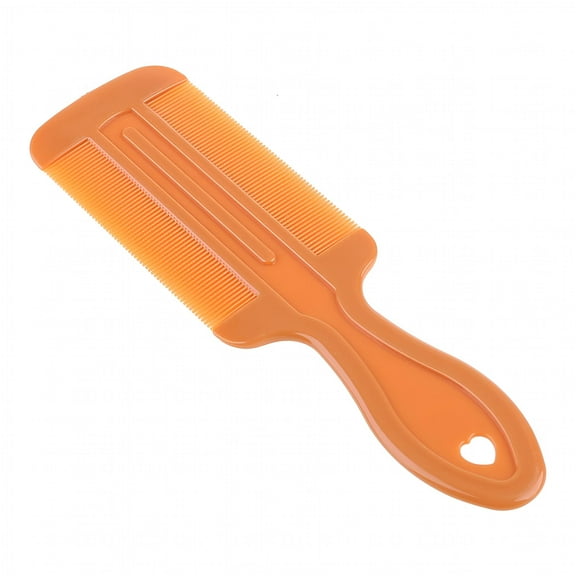
- Your travel kit may feel lighter with plastic when you want a familiar shape and quick handling.
- Your detailed checks may call for fine-tooth or micro-grooved teeth when you want closer passes through small sections.
- Your preference may lean toward manual or electronic styles depending on how much guidance or direct control you want.
- Your household may prefer single packs, multi-packs, or kits when you want extra tools for repeat sessions.
That match becomes easier when your comb fits your hair type and combing plan. A clear understanding of each design helps you choose a tool that supports everyday use.
Choosing between metal lice comb and plastic options
A metal lice comb can give you a steadier feel when you’re working through damp hair in small sections. You can compare that with plastic designs by looking at durability, cleanup, and teeth alignment.
When you review stainless steel teeth, you should check for rust resistance and boiling water compatibility. That detail matters because your cleanup routine can feel simpler after each use.
Plastic options may suit your quick checks, travel bags, or backup kits when you want a lighter tool. You should still review teeth spacing carefully, because wider gaps can change how detailed each pass feels.
Comfort also deserves attention when you’re combing near the hairline, behind the ears, or around the crown. Rounded tooth ends can feel gentler on your scalp than sharper tips during longer sessions.
Understanding fine-tooth and micro-grooved teeth
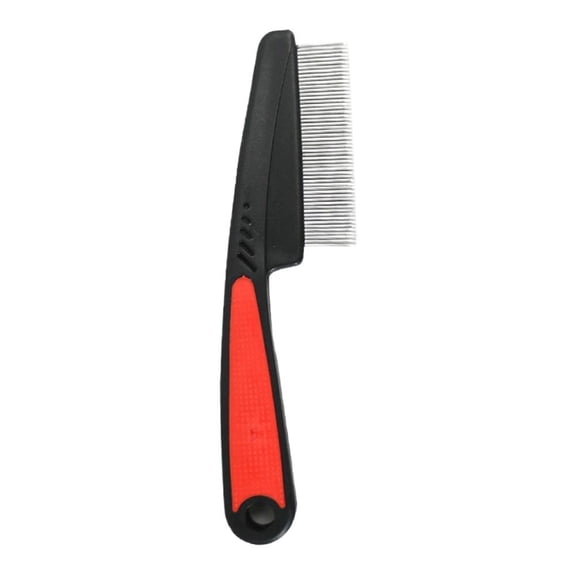
A fine tooth lice comb gives you close spacing when your routine calls for careful section-by-section passes. That spacing can help you work with more detail through smaller sections of hair.
Micro-grooved teeth add light texture along each tooth, which changes how strands move during combing. You can use that texture when your goal is more controlled nit removal in damp or conditioned hair.
Your comparison should also include how evenly the spacing runs from base to tip. Tooth length matters too, because longer teeth may help you reach thicker sections more smoothly.
Standard spacing may suit your quicker checks when you want a fast pass before school or activities. Finer spacing usually fits your more deliberate routine when your priority is detailed combing.
Deciding on manual, electronic, and lice treatment comb kits
Manual styles give you direct control over pressure, angle, and speed during each pass. That hands-on approach may fit your routine if you already section hair carefully.
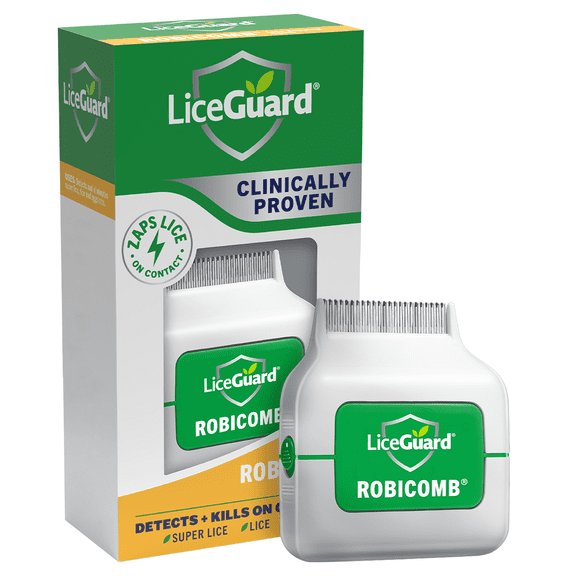
An electronic lice comb deserves a close look at power source, handling, and cleaning steps before you choose. You should also read how the electrical charge feature works, so your routine stays easy to follow.
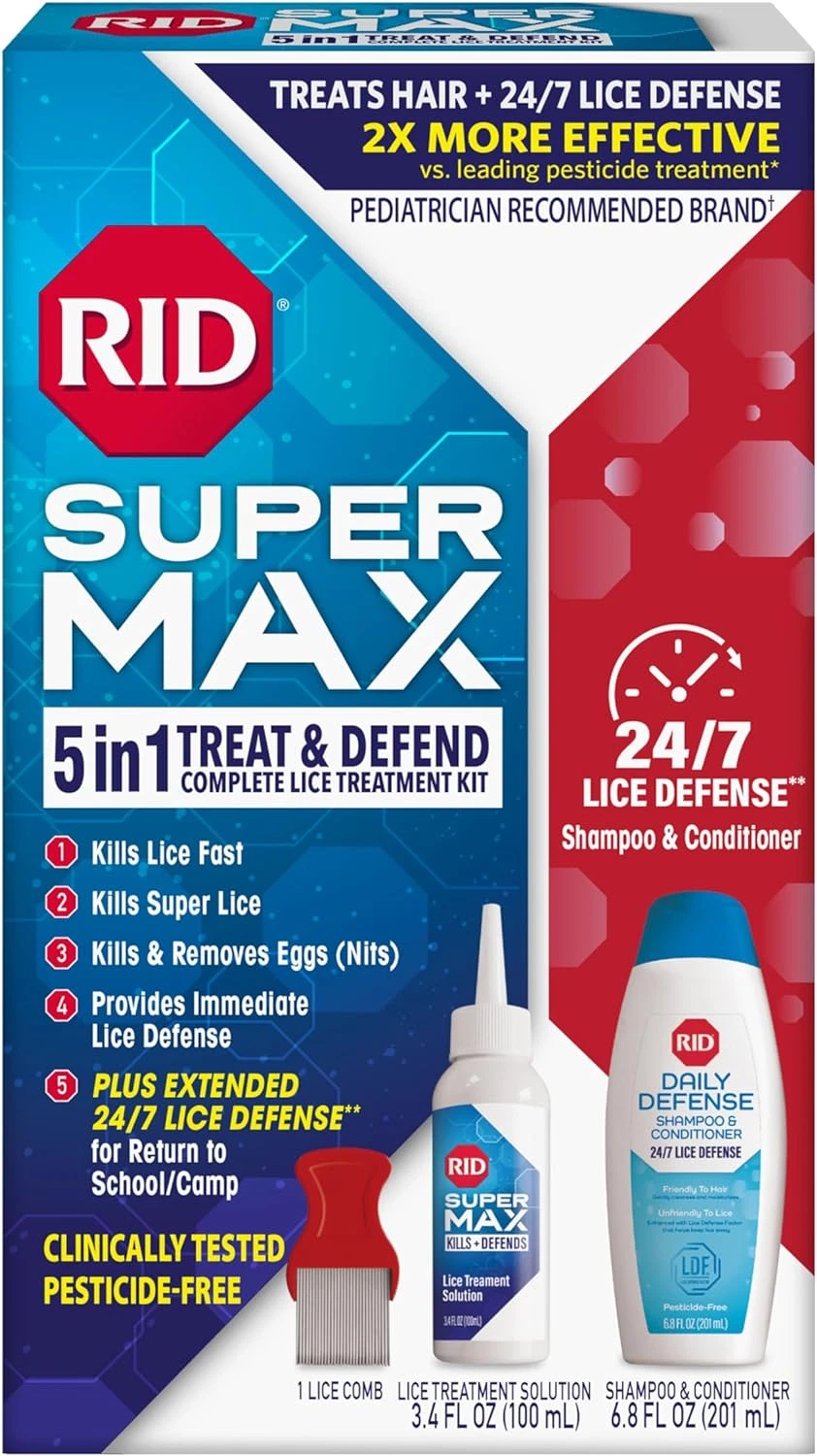
Chemical-free options can appeal to you when you want a tool-focused routine built around repeated combing. A lice treatment comb kit may also pair a comb with gel, which can help you section hair more neatly.
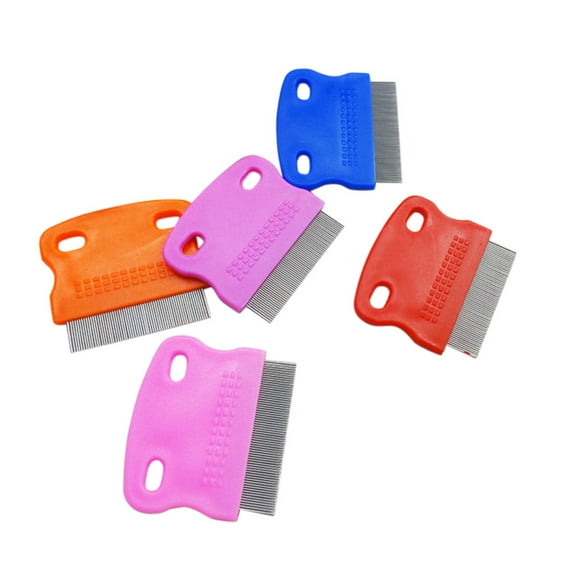
Pack size can shape your daily setup more than you might expect. A multi-pack may suit your household if you want separate combs for travel bags, bathrooms, or backup storage.
Matching target use to your household needs
Your main goal may be nit removal, adult lice checks, or preventative screening during busy weeks. Choosing by target use can make your routine feel more organized from the start.
A nit free lice comb style often points you toward very close teeth spacing and easy-clean construction. That combination can support repeated passes when you’re working through small sections with extra care.
For a lice comb for kids, your focus may shift toward rounded ends and a comfortable grip. Those details can matter when your session lasts longer or when you’re combing around shorter hair.
Adult hair may call for a different balance of handle length, tooth length, and grip texture. You can also compare whether a lice removal comb works smoothly with thick, curly, or long hair.
How to use and clean a lice treatment comb
Smaller sections usually help your routine feel more controlled than larger handfuls of hair. You should start near the scalp and pull to the ends with steady, even strokes.
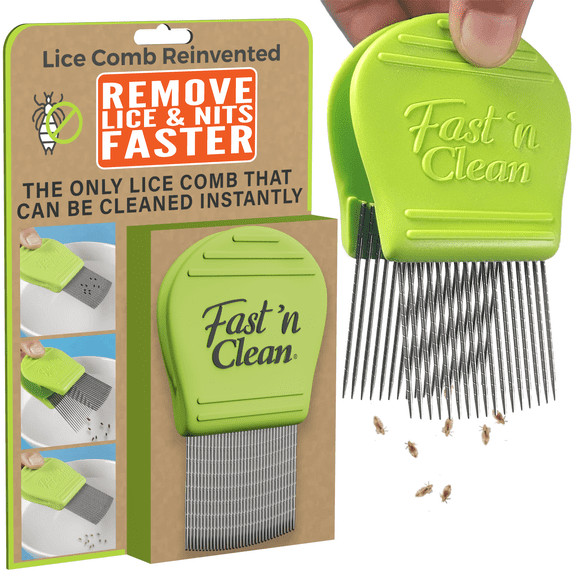
Between passes, your process may include wiping the comb on a paper towel or rinsing it as directed. You should also check whether your comb supports hot water cleaning or boiling water compatibility.
After each session, careful cleaning helps your next use start with clear teeth and easier handling. A storage case or cap may also fit your routine if you keep tools in a travel bag or shared bathroom.
Many reusable styles can stay ready for repeat sessions when you follow the cleaning and drying directions. That upkeep can help your comb stay aligned, clean, and easier to use during detailed checks.
When you understand how material, spacing, type, and target use affect each pass, your choice becomes clearer. You’ll keep your routine more organized with a comb that fits your household, hair texture, and cleanup preferences.