

Heavy Duty Trash Bags in Trash Bags






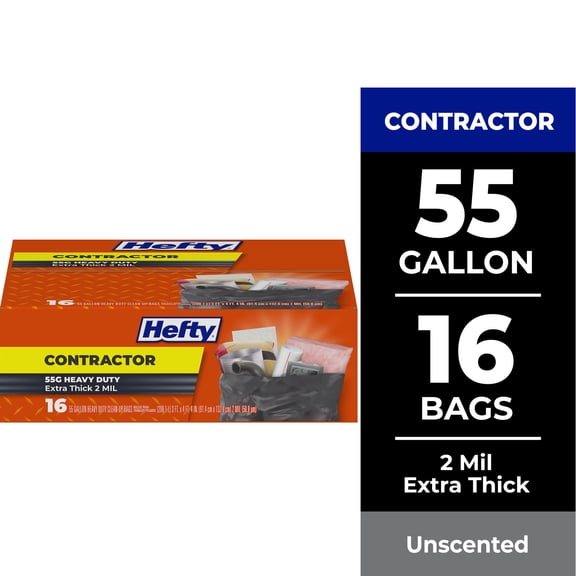

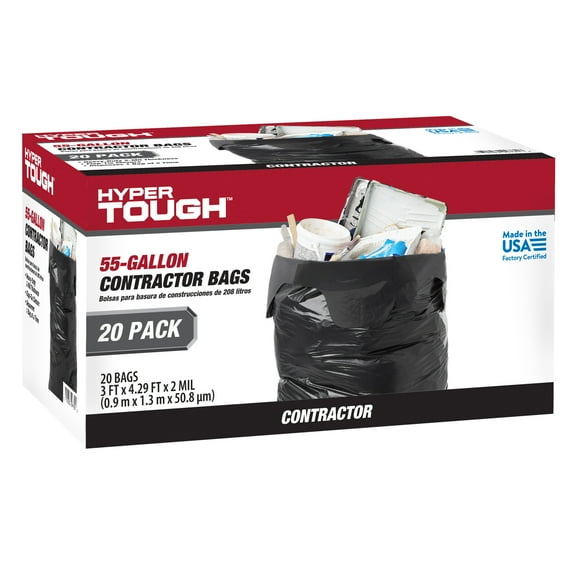
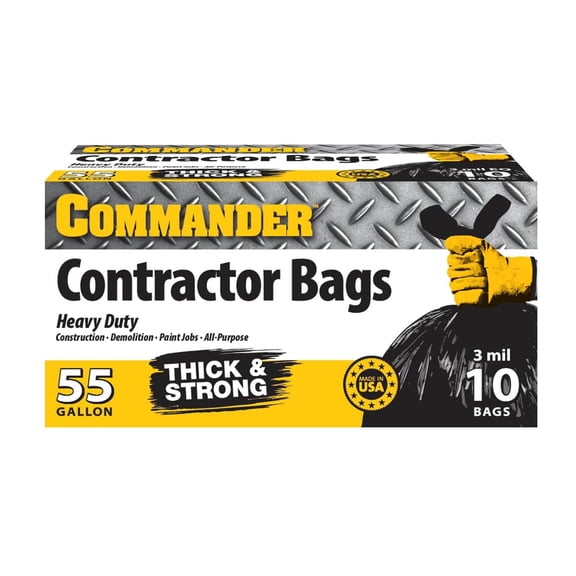
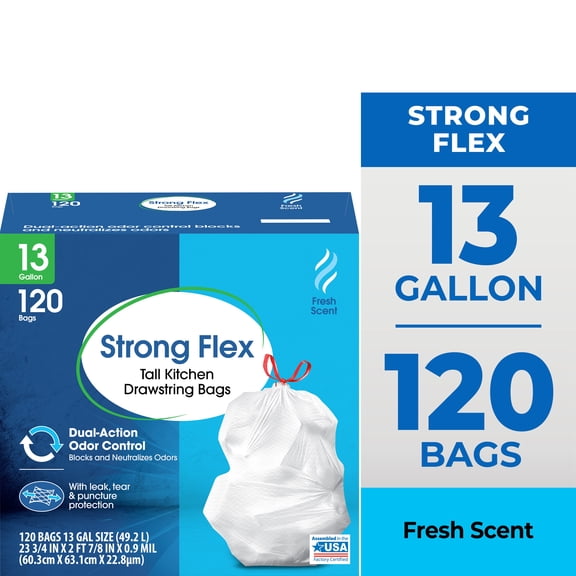





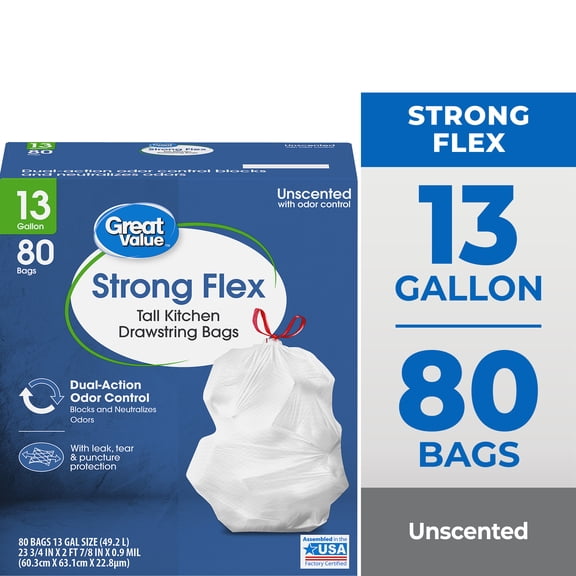


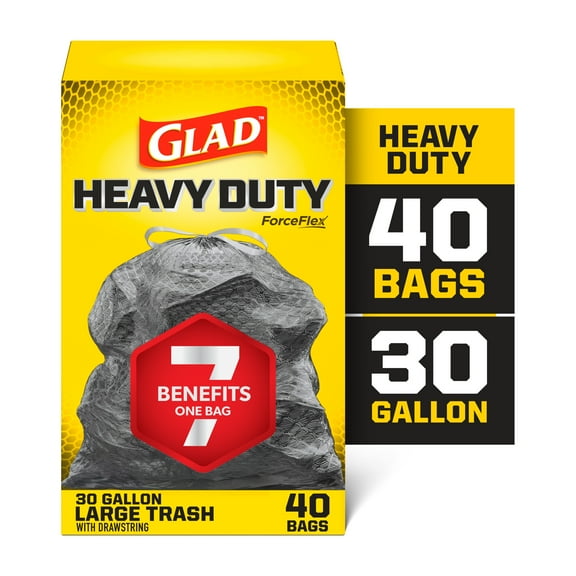
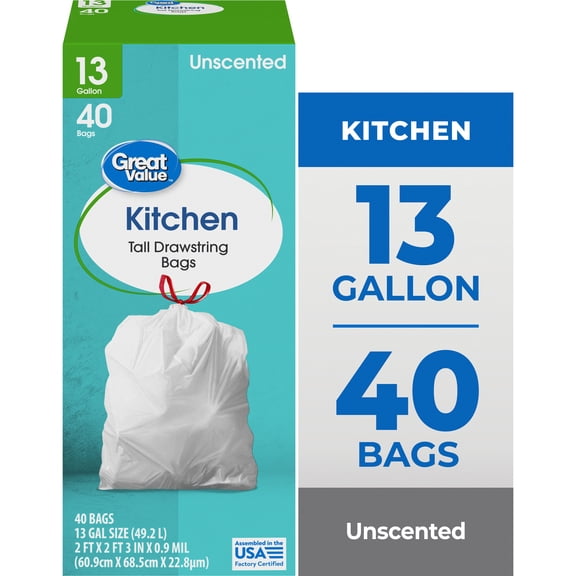
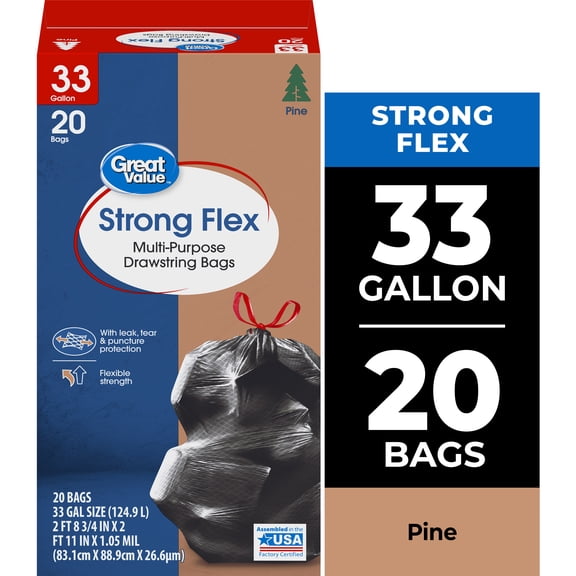





About Heavy Duty Trash Bags in Trash Bags - Walmart.com
Heavy duty trash bags help you handle rough cleanup with fewer splits and easier carryouts. You can compare capacity, mil thickness, and closure type to match yard work, contractor debris, or commercial waste.
If you need bags for sharp edges, bulky loads, or outdoor messes, this category gives you clearer decision points. You can focus on bag strength, gallon size, and tie style instead of guessing which option fits your project.
How to choose heavy duty trash bags
You should start with the kind of mess you need to contain. Your cleanup may involve broken-down boxes, lawn clippings, renovation debris, or bulky garage waste.
When you compare options, you can narrow your choice by four key factors. You should look at capacity, thickness, closure type, and the job setting.
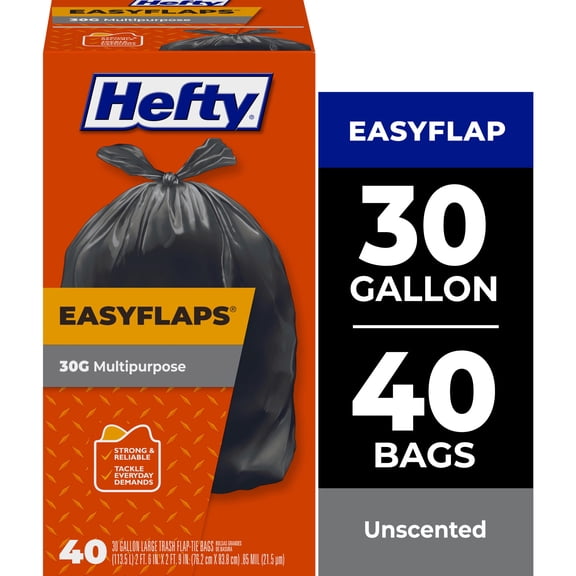
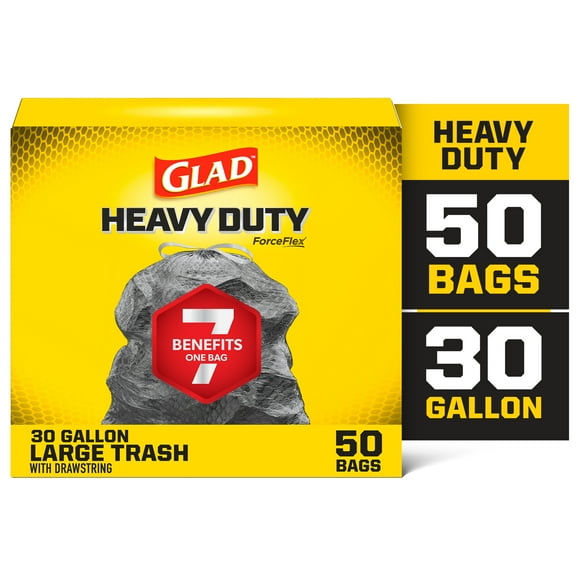
- You can pick 30 gallon sizes for smaller yard piles and routine cleanup.
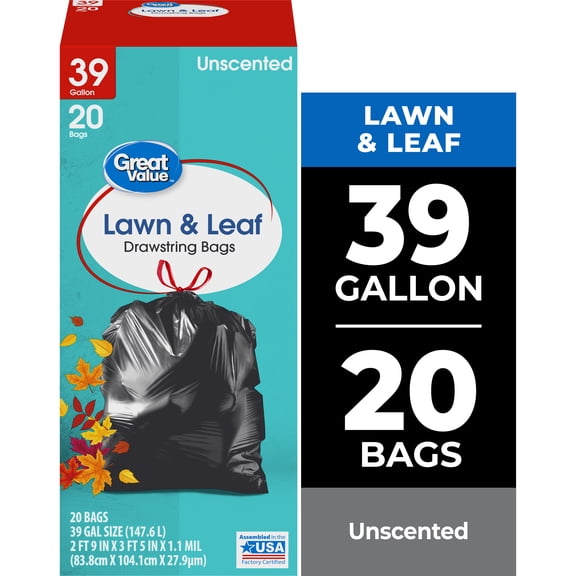
- You can move up to 39 gallon bags for bigger household projects and fuller bins.
- You can choose 55 gallon bags when your debris is bulky, dense, or contractor-sized.
- You can compare 1.5 mil, 2.0 mil, and 3.0 mil thickness for different tear resistance needs.
- You can select drawstring, flap tie, or twist tie closures based on how you carry and secure loads.
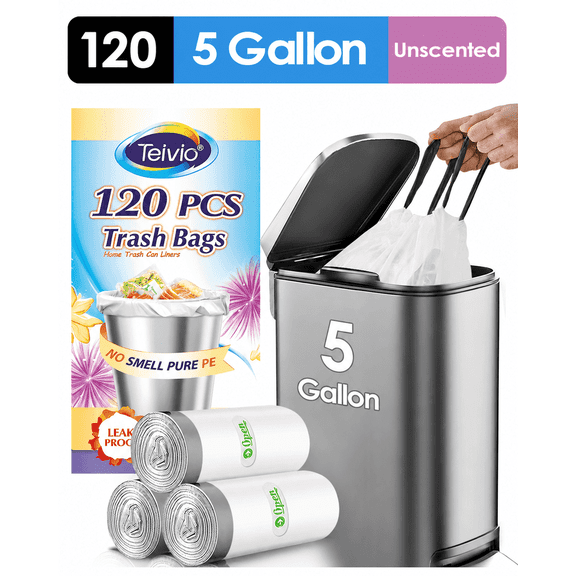
You may also want odor control features when your cleanup sits before pickup day. Your choice can feel more convenient when you match strength and closure to the waste type.
Choosing capacity and thick trash bags
You should match gallon size to the volume of material you expect to lift. Your bag can feel easier to manage when it fits the load without overfilling.
For leaves, grass, and seasonal yard cleanup, you may prefer large heavy duty trash bags in 30 gallon or 39 gallon sizes. Your loads stay more manageable when you avoid stuffing one oversized bag.
If you handle remodeling scraps or commercial cleanup, you may want 55 gallon capacity. Your larger loads can fit better when you need room for bulky materials.
Mil thickness matters because it tells you how thick the plastic feels in use. You can think of 1.5 mil as lighter-duty heavy use, while 3.0 mil suits rougher debris.
When you compare thick trash bags, you should consider what might poke or drag across the liner. Your cleanup may call for higher mil ratings if you handle jagged edges, wood offcuts, or dense mixed waste.
Comparing closure types for secure carryout
You should choose a closure that matches how you lift, tie, and move each load. Your bag can be easier to handle when the tie style fits the job.
Heavy duty drawstring trash bags work well when you want quicker closure and easier cinching. You can tighten the opening faster when your bag is full and ready to move.
Flap tie styles can help you knot the top with extra material from the bag itself. Your closure may feel more secure when you need a simple tie for bulky contents.
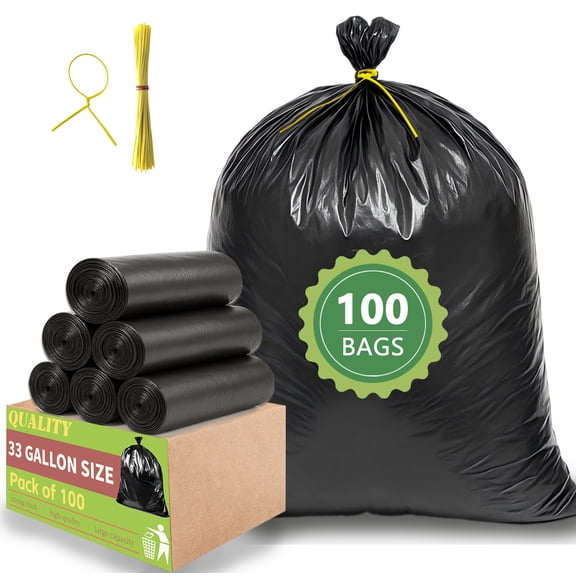
Twist tie options can make sense when you separate cleanup by room, task, or work zone. You can close bags individually without relying on an attached draw cord.
You should also think about where the bag sits before disposal. Your closure choice can help contain loose debris, hold down clippings, and keep contents gathered during transport.
Contractor trash bags for demanding projects
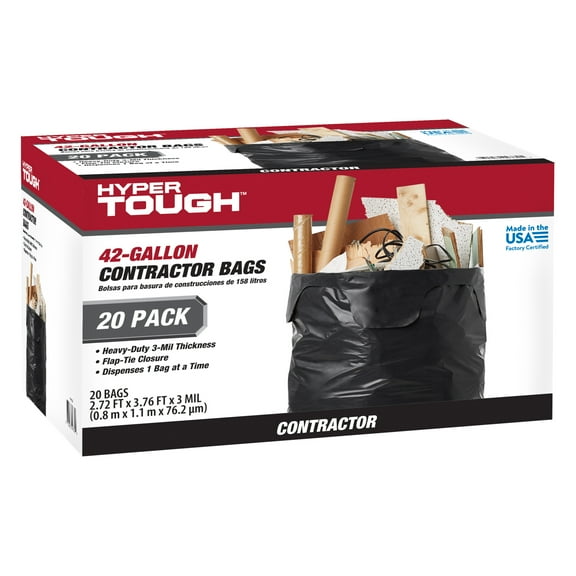
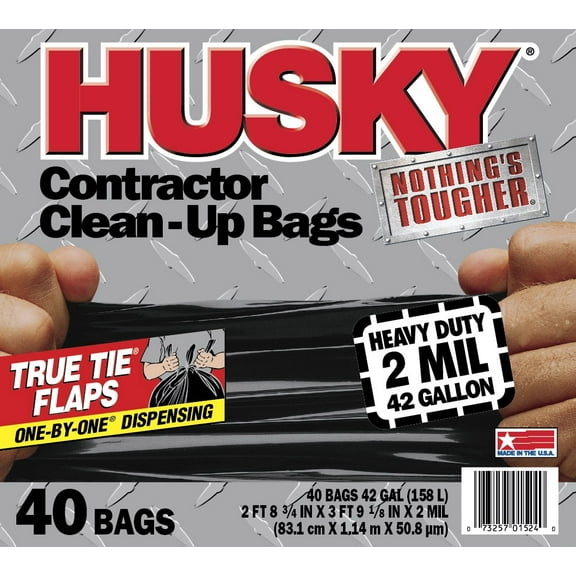
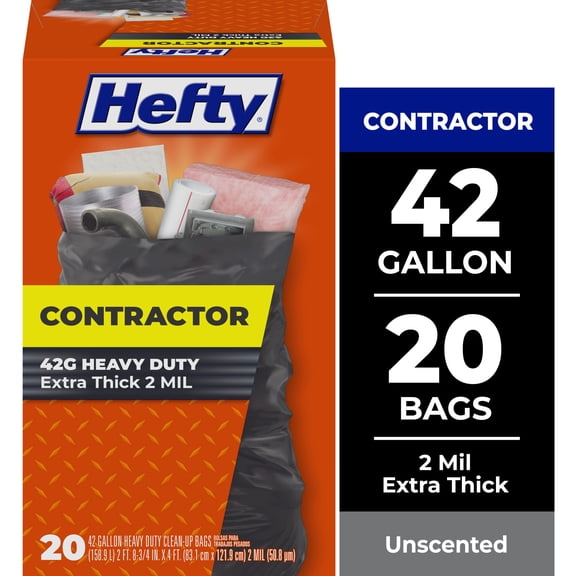
Contractor trash bags make sense when your cleanup includes dense, awkward, or construction-related waste. You can use them for demolition leftovers, workshop debris, and renovation mess.
If you clear drywall scraps, wood pieces, or packaging from a jobsite, you should focus on higher mil thickness. Your bag needs enough structure to handle rough contact and heavier loads.
You may also want larger sizes for fewer bag changes during long projects. Your workflow can feel more efficient when one bag handles more debris at a time.
For garages, basements, and work areas, you can use contractor styles to contain mixed waste in one place. Your cleanup stays more organized when you match bag strength to the mess.
Outdoor trash bags for lawn, leaf, and seasonal cleanup
Outdoor trash bags help you manage leaves, trimmings, weeds, and wet yard debris. You can choose sizes based on whether you clean a small patio or a full yard.
For lawn and leaf tasks, you may prefer bags that hold bulky but lighter materials. Your cleanup can go smoother when the bag has enough room without becoming hard to lift.
When you handle sticks, thorny cuttings, or heavier garden waste, you should compare thicker options. Your bag can hold up better when the plastic matches rough outdoor materials.
You might also want closure styles that keep clippings contained on the walk to the curb. Your outdoor cleanup feels tidier when loose leaves and grass stay inside the bag.
Matching heavy duty trash bags to your routine
You can use these bags for home projects, yard maintenance, moving cleanup, and commercial back-room tasks. Your choice becomes simpler when you match size and thickness to one main job.
If you need a bag for weekly overflow, you may lean toward moderate capacity with a practical tie. Your household cleanup may need flexibility more than extra bulk.
For seasonal yard work, you can prioritize roomy capacity and easy closure. Your bags may need to hold branches, leaves, and damp clippings without constant switching.
When your work involves debris with hard corners or rough surfaces, you should compare heavier mil ratings first. Your decision on thickness often matters more than scent or tie style.
You can shop this category with a clearer plan when you know what your waste looks like and how far you carry it. Your right pick helps you finish cleanup with fewer tears, fewer swaps, and steadier transport.