

Top Soil Amarillo & Landscaping Supplies | Walmart




























About Top Soil Amarillo & Landscaping Supplies | Walmart - Walmart.com
Landscaping helps you shape cleaner beds, steadier paths, and polished borders with materials that match your yard plan. You can compare mulch, stone, gravel, rubber, plastic, and fabric by function, coverage, and lifespan.
How to choose landscaping supplies by material
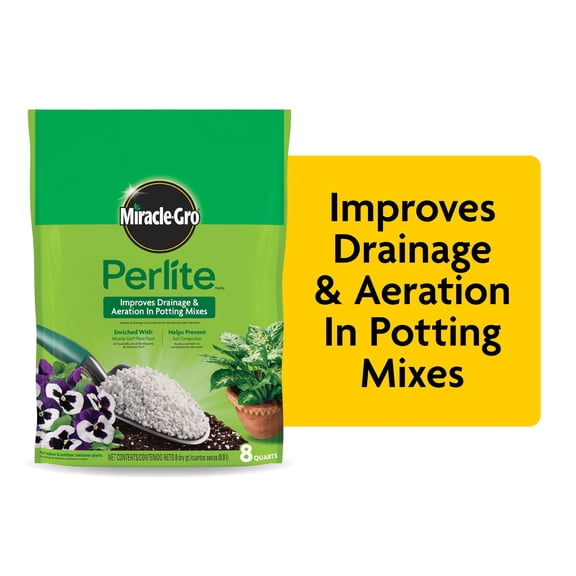
When you compare landscaping supplies, you should start with the surface and look you want. You may choose mulch for garden beds, stone for accents, or gravel for drainage and paths.
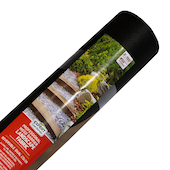
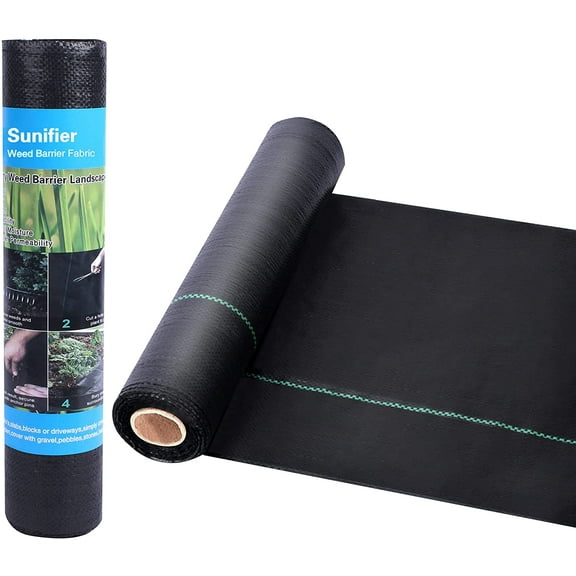
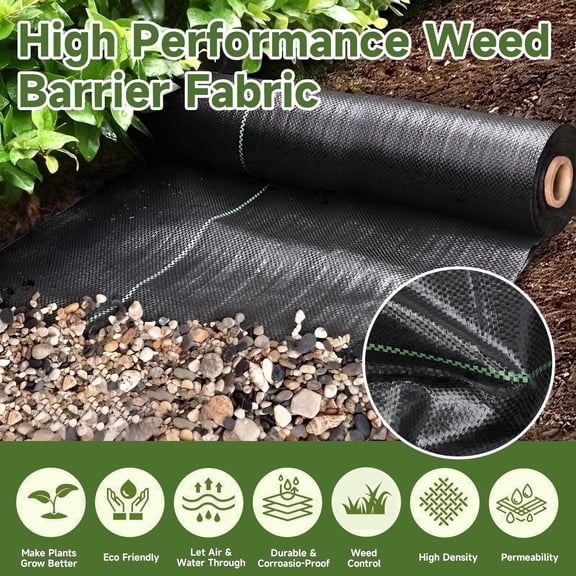
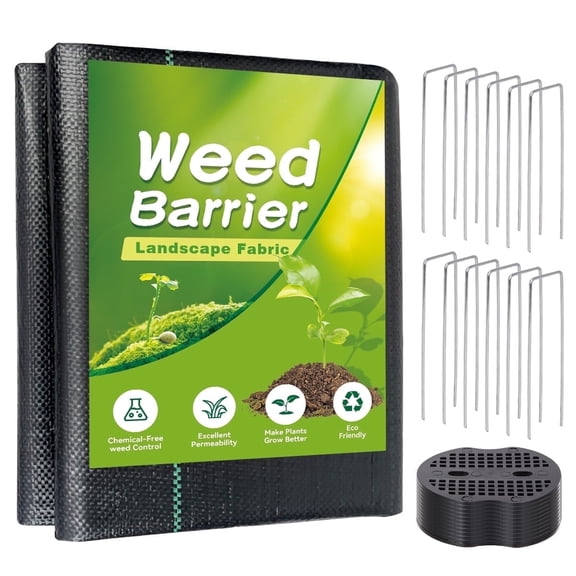
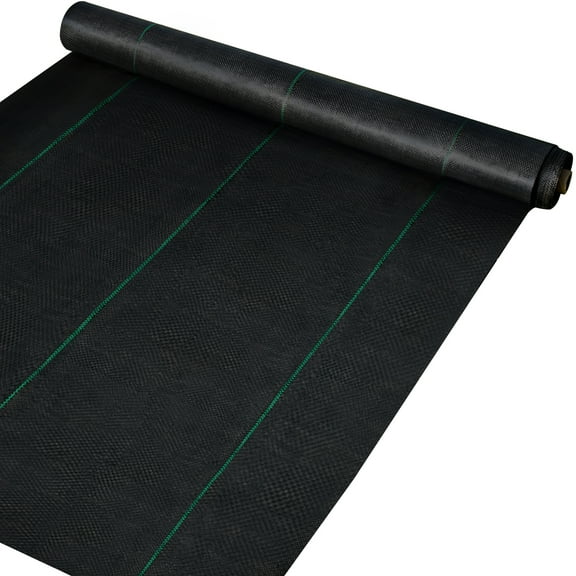
If you need weed control, you should compare landscaping fabric with decorative layers like mulch or rocks. You can place fabric below ground cover to create a barrier that helps limit unwanted growth.
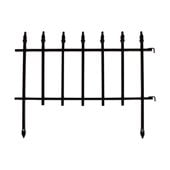
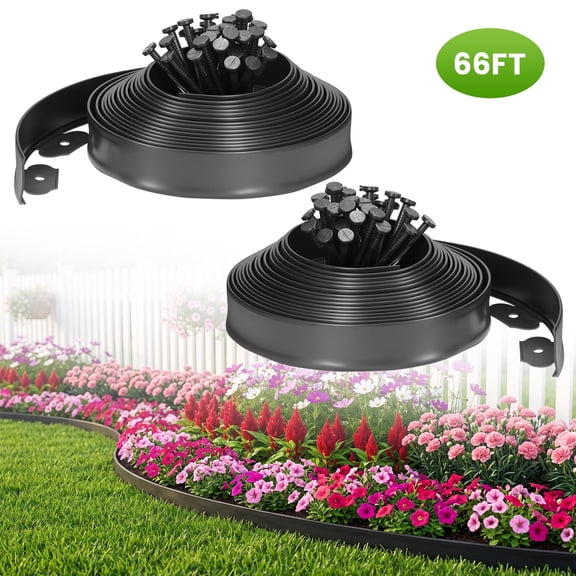
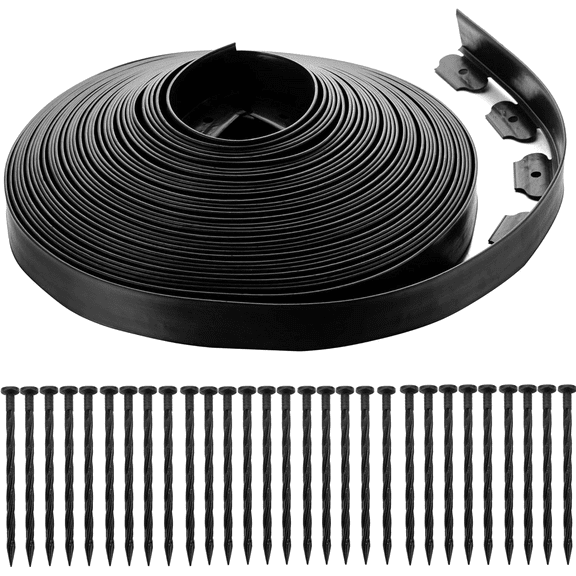
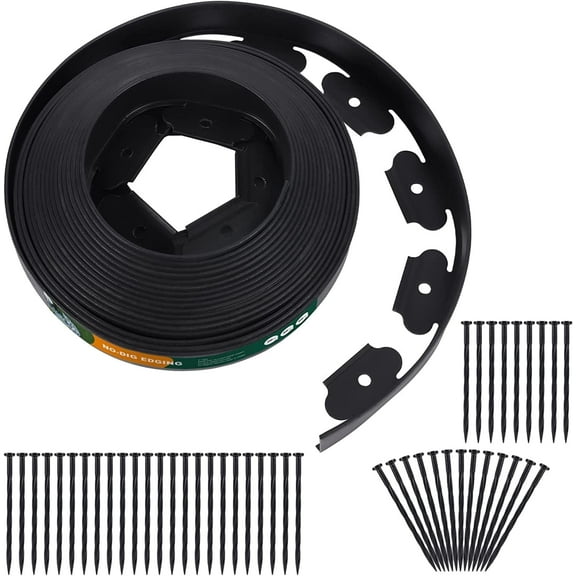
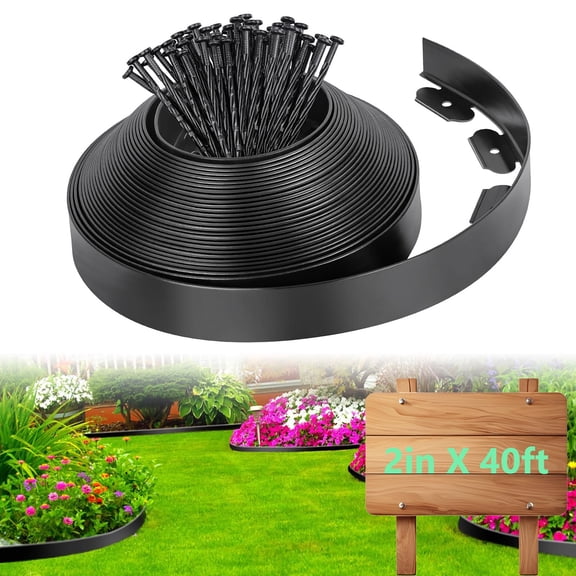
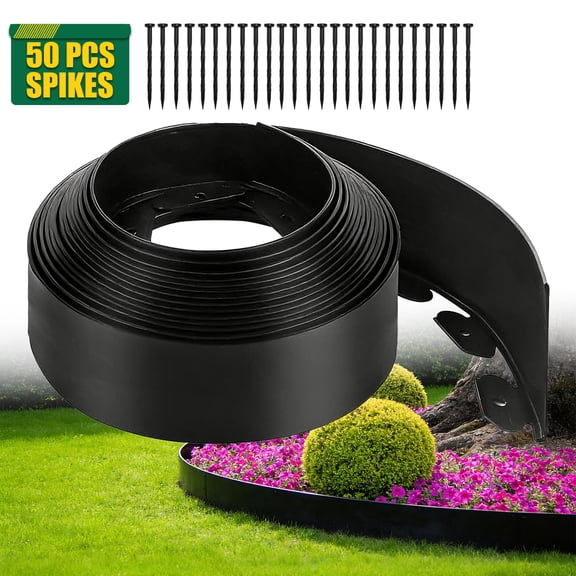
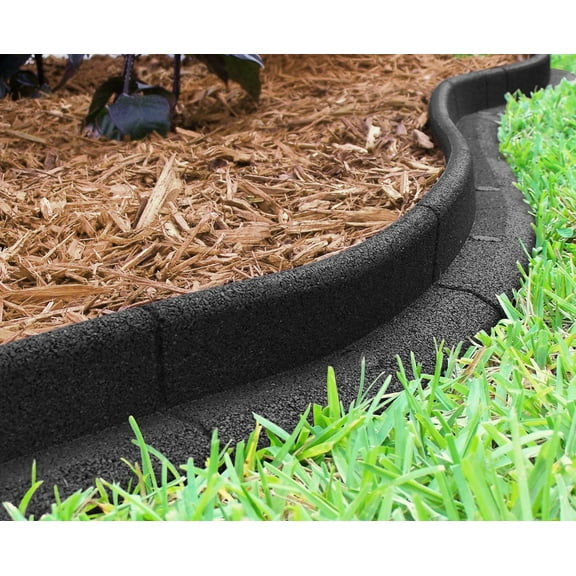
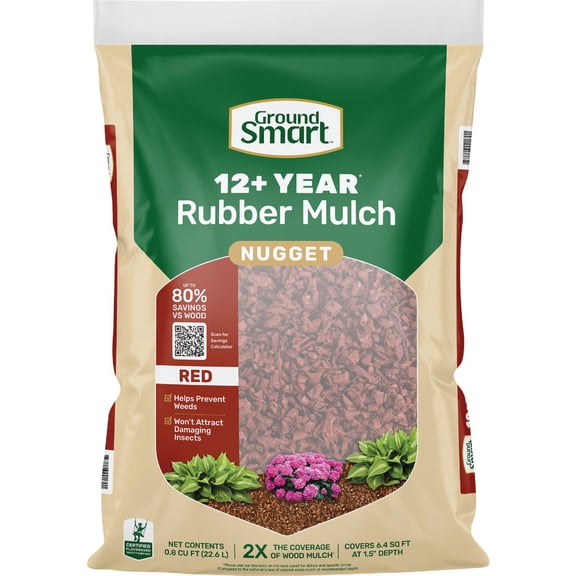
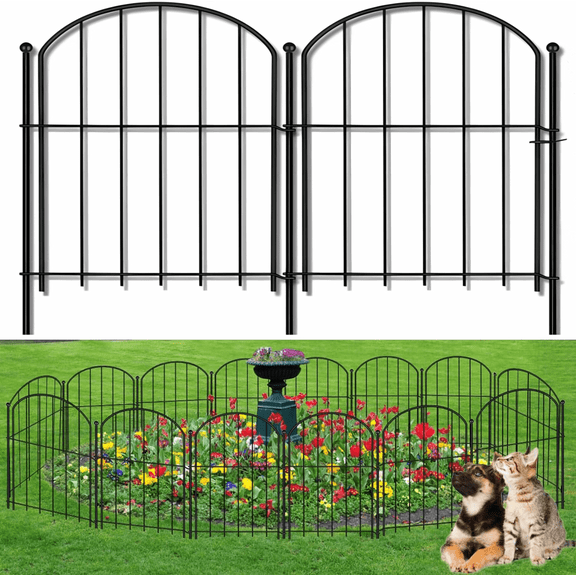
For garden landscaping around play areas or walkways, you may consider rubber or plastic edging materials. You can use them to define lines, separate zones, and keep loose fill contained.
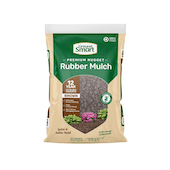
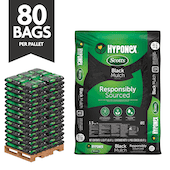
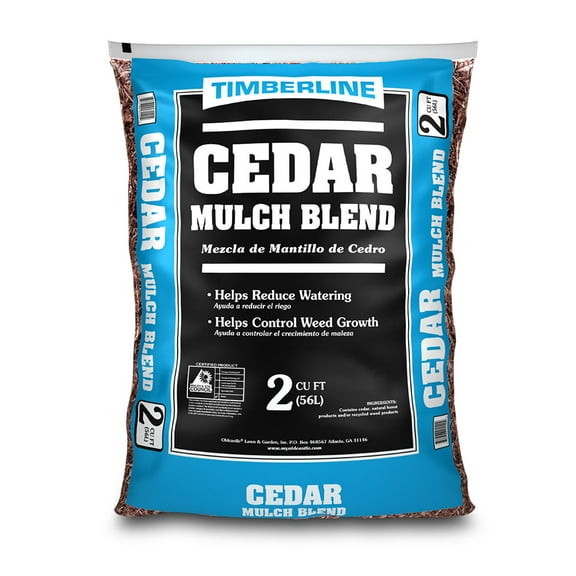
- You can use mulch to cover exposed soil and refresh bed color.
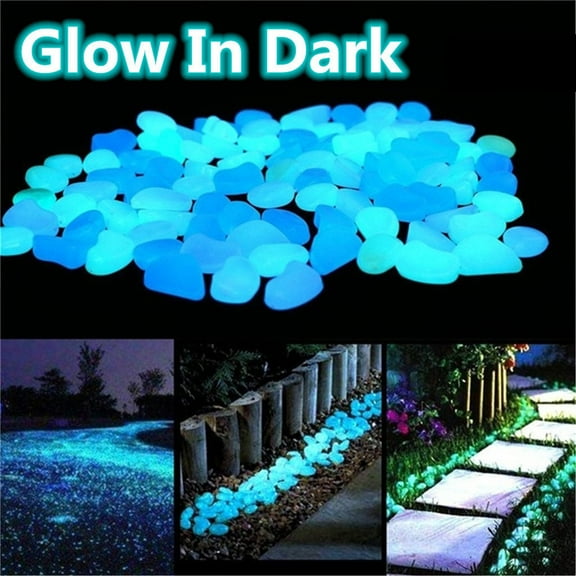
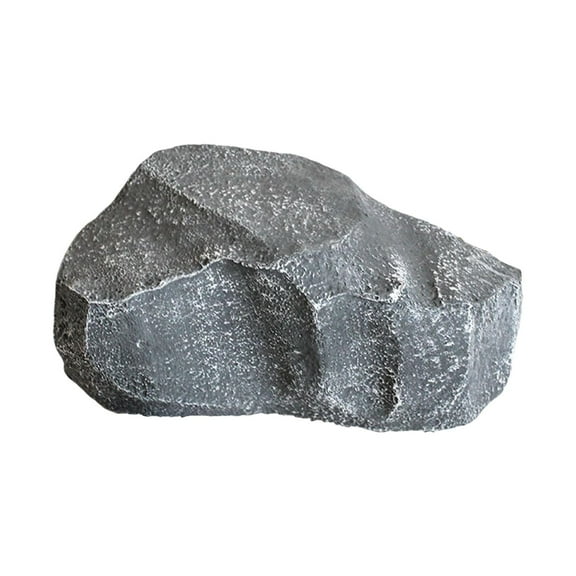
- You can use stone or landscaping rocks for long-lasting accents and drainage.
- You can use gravel when you want a firm path or utility surface.
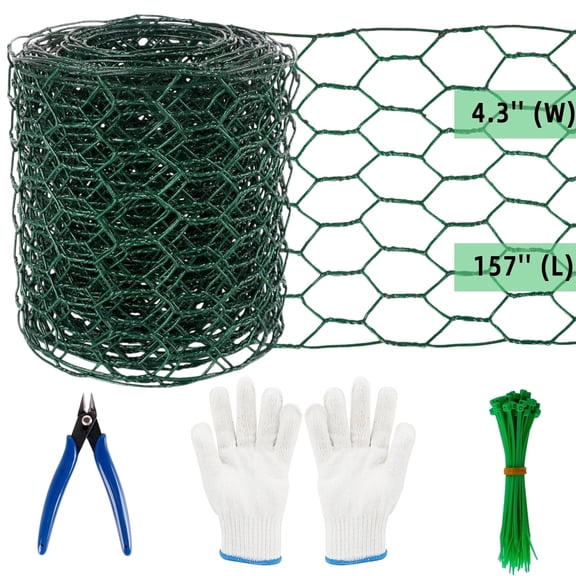
- You can use landscaping fabric under beds, stones, or mulch for added weed control.
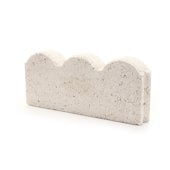
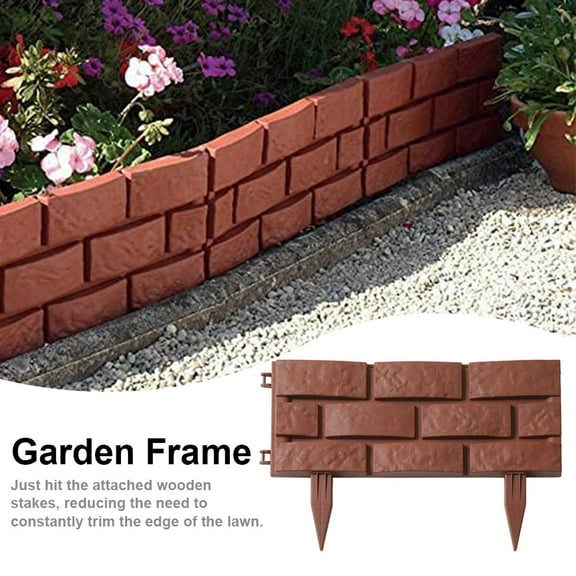
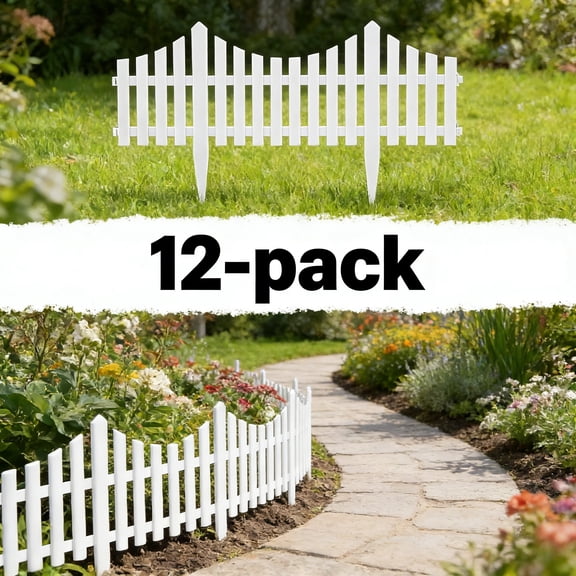
- You can use edging to create cleaner lawn borders and straighter project lines.
Choosing landscaping for your project area
You should match your landscaping materials to the area you’re updating. You may want soft mulch in garden beds, compact gravel on pathways, or larger stone around retaining walls.
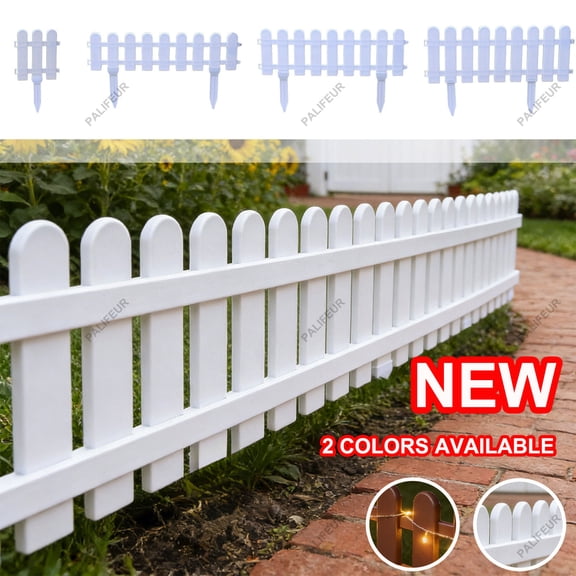
Along patios and lawn borders, you’ll want materials that stay in place and create defined edges. You can use landscaping edging to separate turf from beds and reduce cleanup around curves.
In backyard landscaping projects, you may combine fabric, stone, and edging for a layered build. You can place fabric first, add landscaping rocks or mulch above it, and finish with border control.
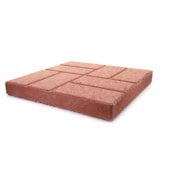
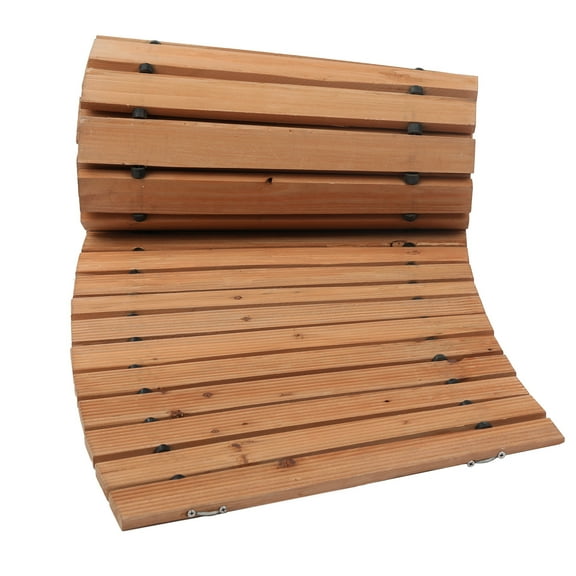
For patios and stepping-stone paths, you should check whether the material supports foot traffic and drainage. You’ll notice gravel and stone often suit these areas because they settle well.
What to look for in durability and function
You should compare seasonal, multi-year, permanent, and heavy-duty options before you choose. You may want a short-term refresh for spring landscaping or a longer-lasting build for fixed borders.
If your area gets strong sun, wind, or frequent rain, you should check weather-focused construction details. You can look for fabric designed for outdoor exposure and stones heavy enough to stay put.
For weed prevention, you should think in layers instead of single materials. You can use landscaping fabric as a physical barrier, then add landscaping mulch or stone for coverage and finish.
If moisture retention matters in beds, you may choose mulch over bare soil surfaces. You’ll also want edging that helps keep material from spreading into grass after watering or mowing.
Comparing package size, coverage, and handling
You should measure your space before you choose bags, rolls, cubic yards, or pallets. You can use square footage for fabric and edging, while mulch and stone often use depth and volume.
For small touch-ups, you may prefer bags or shorter rolls that are easier to carry and place. For larger projects, you may need bulk landscaping supplies that cover more ground with fewer trips.
If you’re planning long borders or several beds, you should compare roll length and material width. You can reduce seams in landscaping fabric when you choose coverage that matches your layout.
For stone, gravel, and mulch, you should calculate depth before ordering volume. You’ll want lighter coverage for a refresh and deeper coverage when you’re building new beds or pathways.
Using landscaping materials for common yard projects
You can refresh garden landscaping by pairing mulch with edging around flowers, shrubs, and small trees. You’ll get cleaner bed lines and a finished look that frames planting areas.
For pathways, you may choose gravel or small stone with edging on both sides. You can create a defined walking surface that guides traffic through the yard.
If you’re covering open soil under shrubs or around borders, you may start with landscaping fabric first. You can then add landscaping rocks for a decorative surface or mulch for a softer finish.
During spring landscaping, you may focus on bed cleanup, border repair, and fresh ground cover. In fall landscaping mulch projects, you can refresh beds and prepare outdoor spaces for colder weather.
When you’re managing sloped spots or wall edges, you should compare heavier materials and secure borders. You can use stone, gravel, or heavy-duty fabric where movement and washout are bigger concerns.
With the right landscaping plan, you can match material type, project area, durability, function, and package size to the job. You’ll finish with cleaner lines, steadier coverage, and a yard that’s easier to maintain.