

Lanolin and Nipple Creams in Feeding
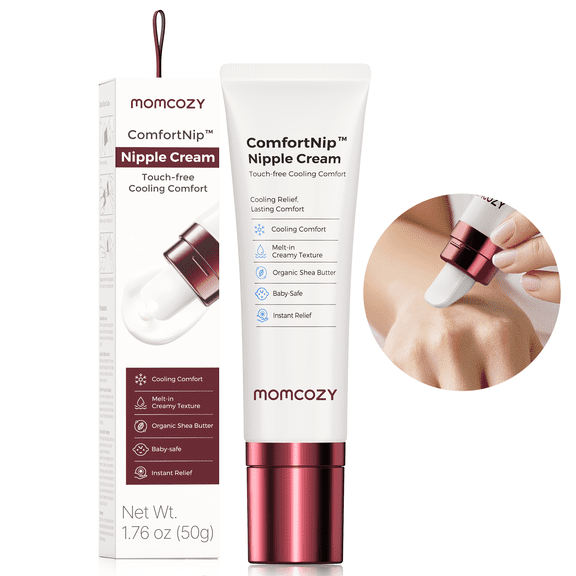

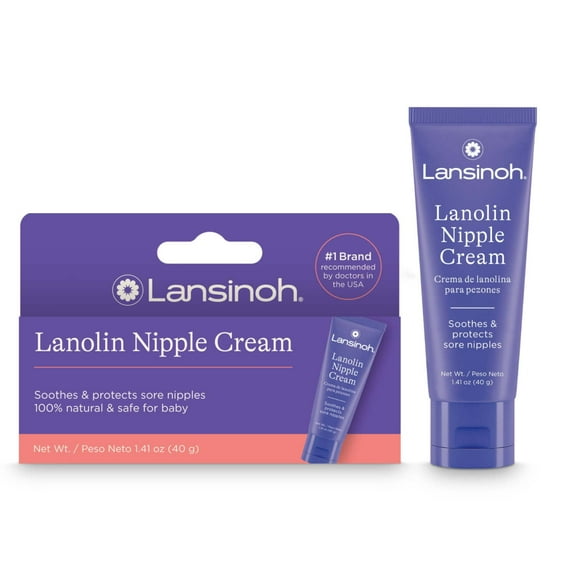
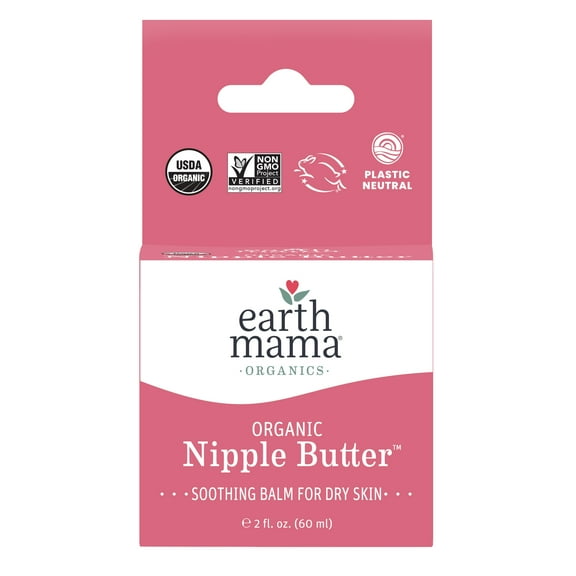
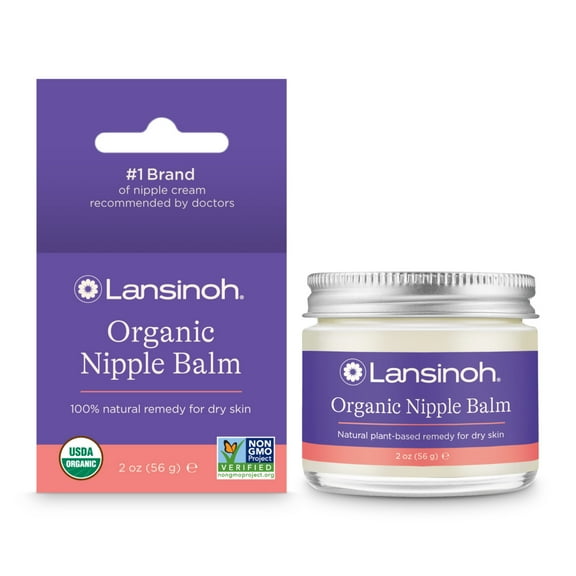







About Lanolin and Nipple Creams in Feeding - Walmart.com
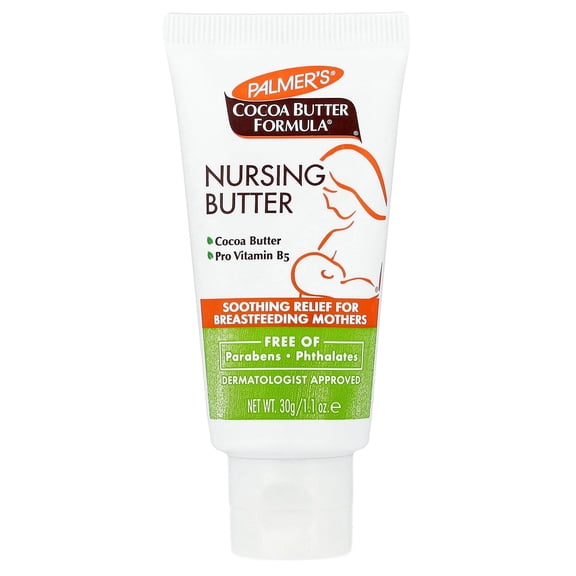
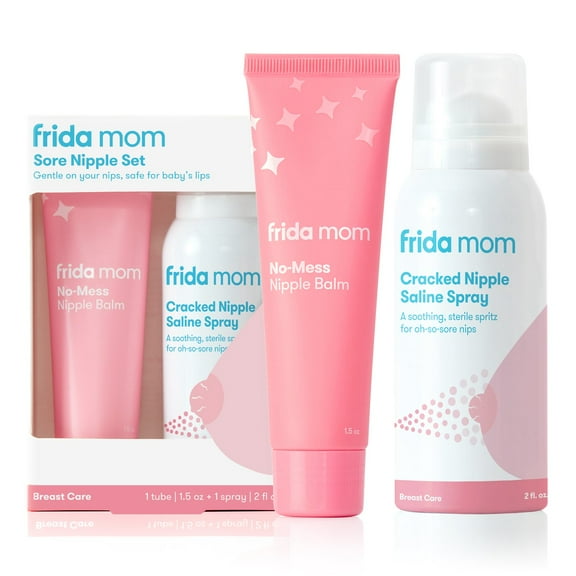
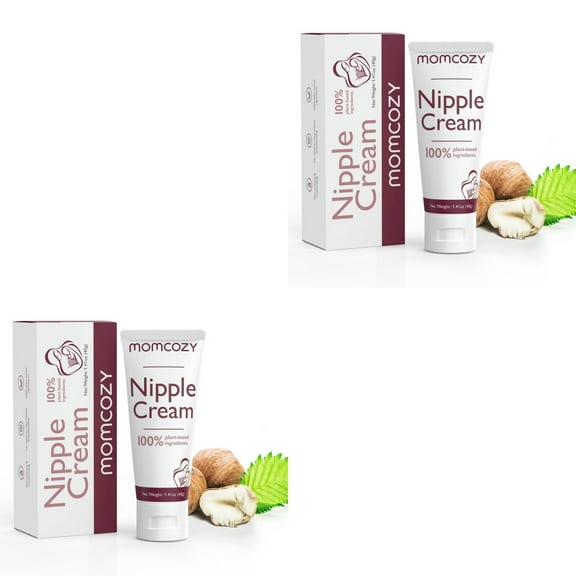
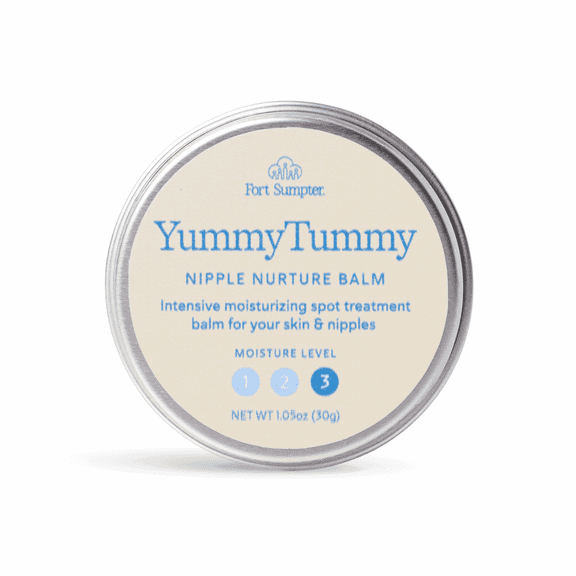
Nipple cream helps you support your feeding routine with less guesswork. You can compare lanolin formulas, plant-based picks, and no-rinse options that fit daily nursing and pumping.
Choosing the right nipple cream for breastfeeding
When you compare nipple cream for breastfeeding, you’ll usually start with ingredient safety and whether you need to wipe it off. You can look for food-grade or no-rinse labeling when you want a simpler routine between feeds.
If you’re deciding between textures, you’ll notice thicker ointments usually stay put longer on skin. You may prefer a softer cream or butter when you want easier spreading and a lighter feel.
You can narrow your options faster by focusing on the details that matter to you. You may want to compare these common factors before choosing a tube, jar, or balm stick.
- You can look for no-rinse formulas when you want fewer steps before breastfeeding.
- You may compare lanolin-based and plant-based ingredients based on your skin preferences.
- You can choose balm, butter, cream, or ointment textures based on how thick you want the layer.
- You may check whether a formula also works as a pumping lubricant or for dry spots.
Lanolin nipple cream and ingredient base differences
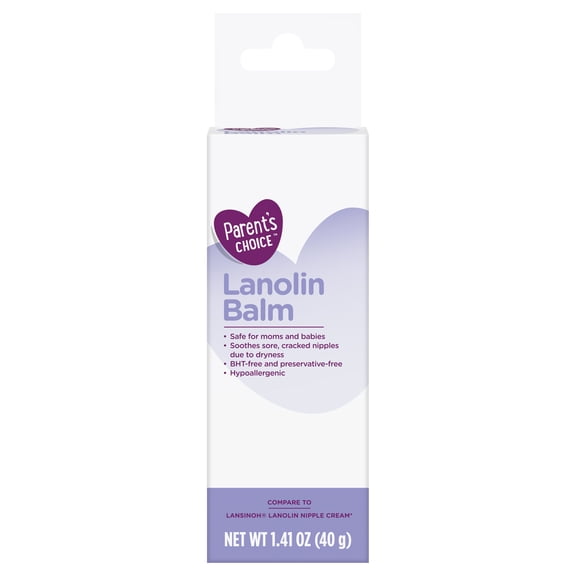
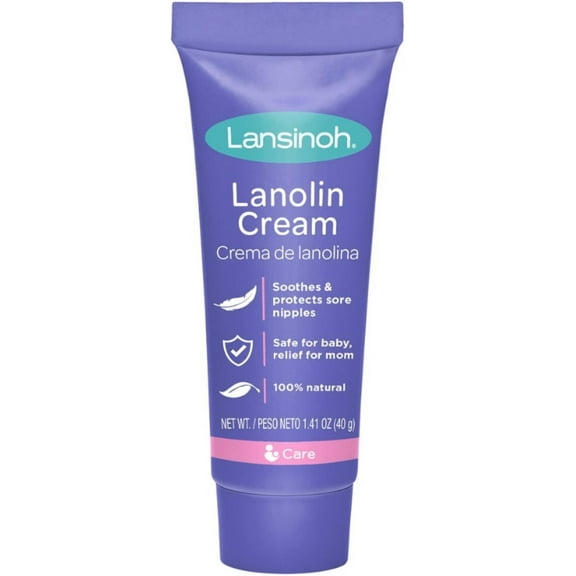
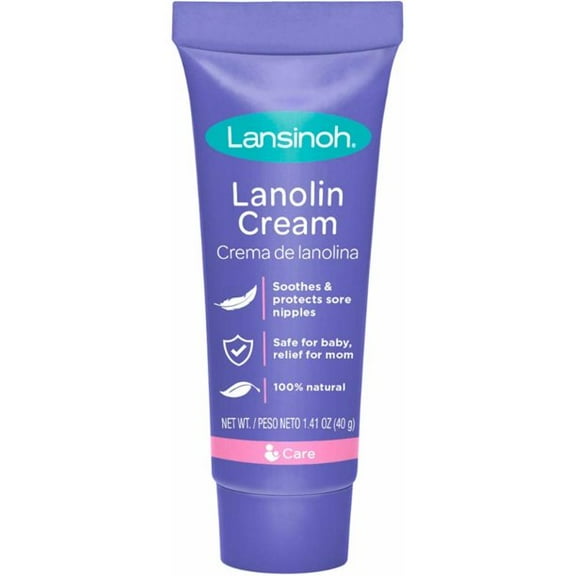
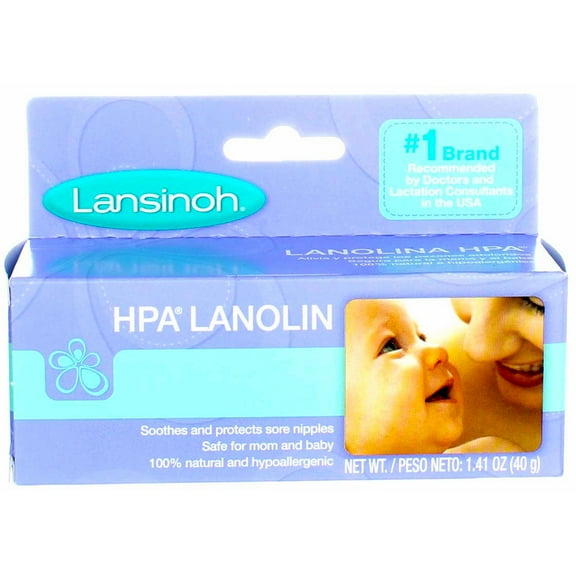
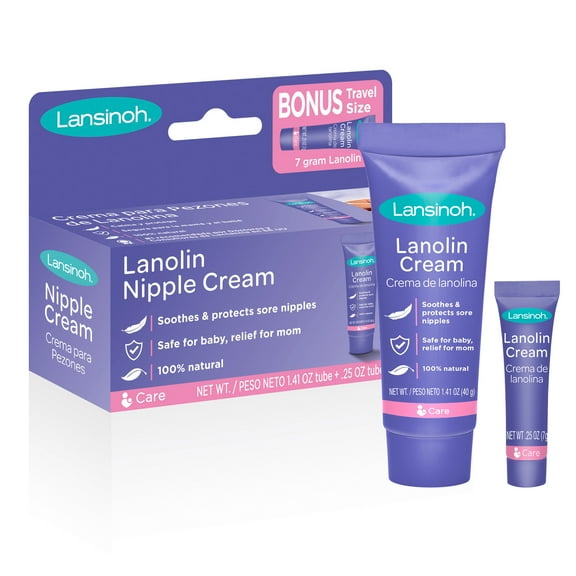
Lanolin nipple cream is often an early option because you get a dense texture that coats skin well. You may like that feel when you want coverage that lasts through frequent feeds.
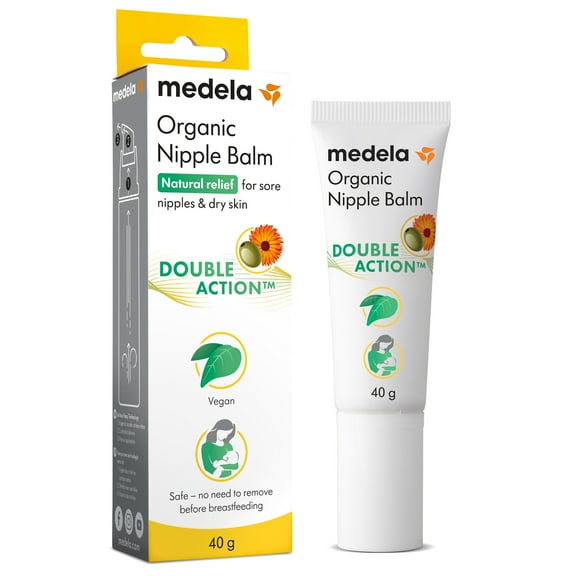
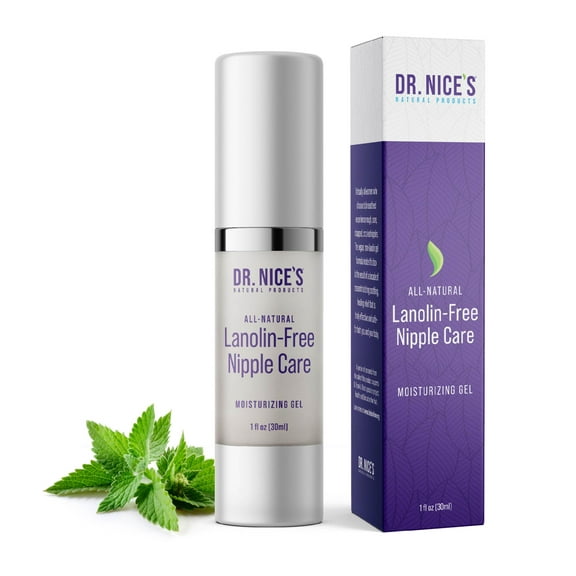
If your skin is sensitive to wool-derived ingredients, you may prefer organic nipple cream or other lanolin-free options. You can compare plant-based blends with coconut oil or shea butter when you want a different ingredient base.
Organic and plant-based formulas often appeal to you when you want simple ingredient lists and recognizable oils or butters. You should still check labels closely, because each blend can vary in texture, scent, and finish.
You’ll also want to compare how each base behaves during repeat use throughout the day. A lanolin-rich ointment may feel thicker, while a shea butter or coconut oil blend may spread with less tugging.
Choosing the right formulation and safe-for-baby details
Formulation changes how the product feels on skin and how easily you can apply it with one hand. You can use ointment when you want dense coverage, or choose a nipple balm when you want a waxier texture.
Creams and butters may feel smoother during application, especially when you’re using small amounts after each session. You may prefer these formats when you want a softer glide and less residue on your fingertips.
Safe-for-baby details matter when you’re feeding often and don’t want extra prep before each latch. You can look for terms like no-rinse, food-grade, or hypoallergenic to match your routine and ingredient preferences.
If organic certification matters to you, you should check product packaging for clear wording and ingredient standards. You can use that detail to compare options when you want an organic-focused pick for everyday use.
How to match use cases to your routine
Your routine can help you choose between a simple cream, a thicker nipple balm, or a multi-use ointment. You may want one formula for breastfeeding use and another texture for pumping sessions.
For pumping lubricant use, you can look for smooth formulas that spread evenly around the flange area. You’ll usually want a texture that reduces drag without feeling overly runny during setup.
Some shoppers also use these products on dry skin or chapped lips, which makes texture a key factor. You can choose a butter or balm when you want a product that stays in place on small dry spots.
If you’re packing a diaper bag, you may prefer a compact tube that fits beside nursing pads and pump parts. You can keep a second container at home when you want quick access during overnight feeds.
Questions to consider before you choose nipple cream
You may ask whether you need to wash a formula off before breastfeeding, and the label should guide that decision. You can simplify your routine by checking for no-rinse and food-grade wording first.
You might also compare lanolin and lanolin-free options based on skin sensitivity and texture preference. You can then narrow your choice by deciding whether you want an ointment, balm, butter, or cream.
When you want a product that works across feeding and pumping, you should compare thickness, spreadability, and ingredient base together. You’ll make a clearer choice when the formula matches your daily rhythm, not just the label.
With the right nipple cream, you can build a simpler breastfeeding routine and keep a versatile staple within reach. You’ll feel confident when the texture, ingredients, and no-rinse details match how you feed and pump.