

Landscape Wallpaper in Wallpaper by Pattern


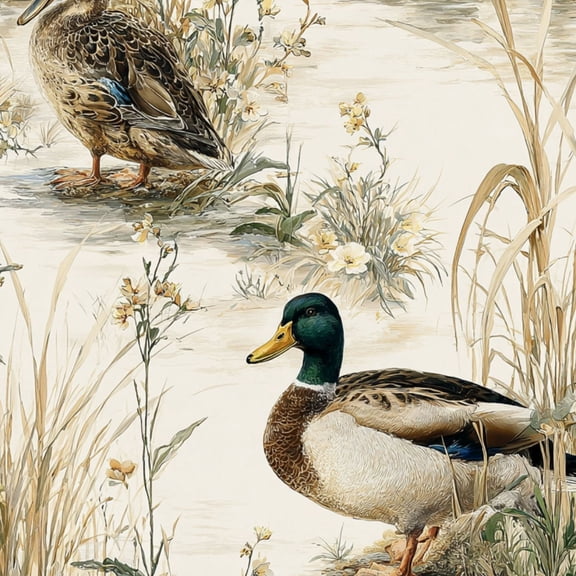


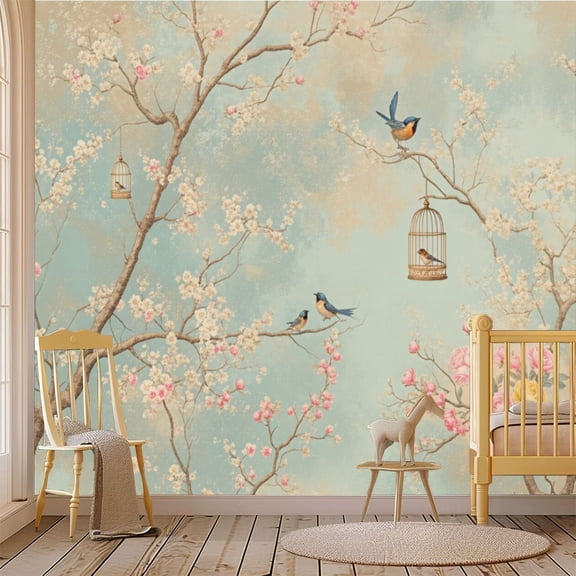


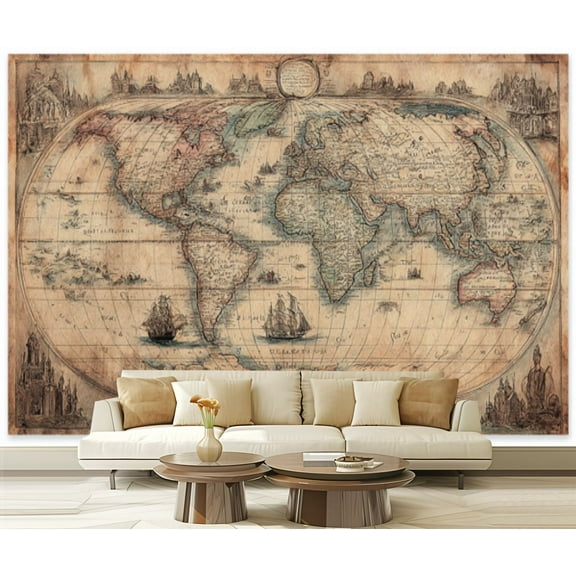


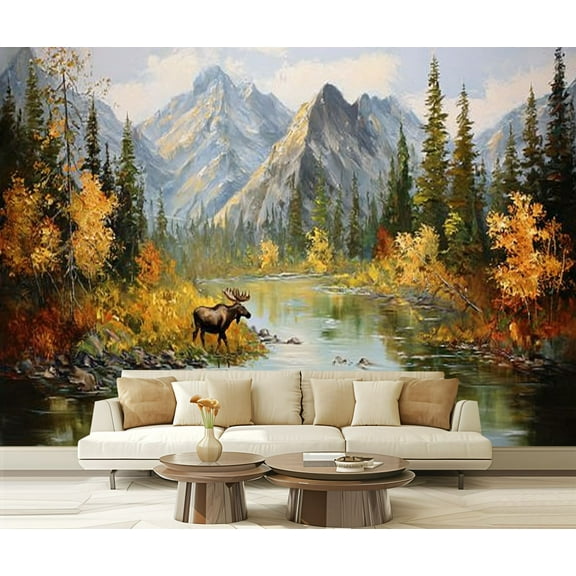


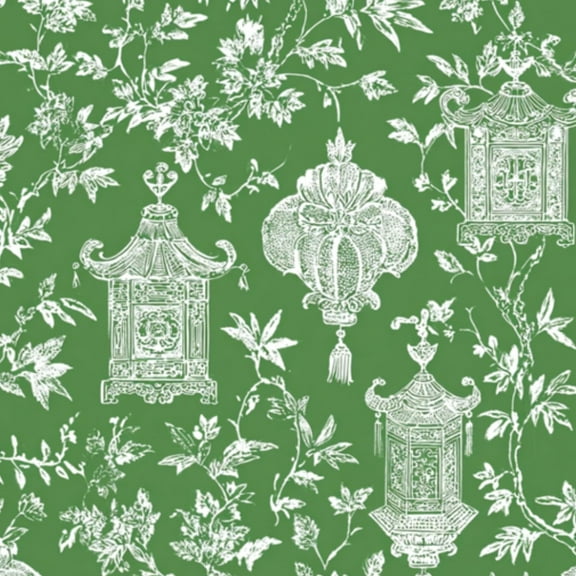


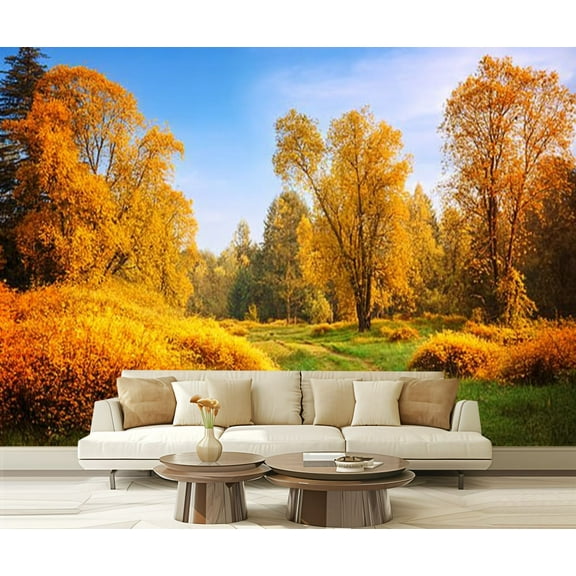


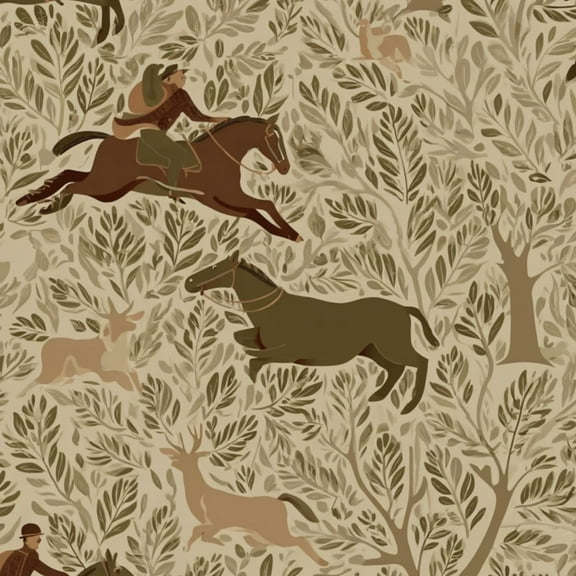


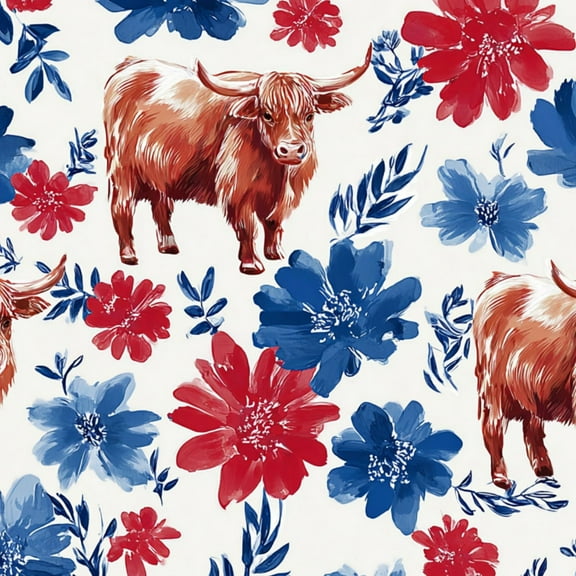




About Landscape Wallpaper in Wallpaper by Pattern - Walmart.com
Outdoor wallpaper helps you bring landscape-inspired style to patios, sunrooms, and covered porches with materials made for moisture, sunlight, and easy upkeep. You can compare outdoor-ready finishes, scenic prints, and installation types that fit your wall surface and your project goals.
How to choose outdoor wallpaper for your space
When you choose outdoor wallpaper, you should first check how exposed your wall will be to sun, rain, and humidity. You’ll want different performance details for a screened porch than for a fully covered patio wall.
Material matters because you need a surface that matches your location and your cleaning routine. You can compare vinyl, non-woven fabric, and paper options based on durability, texture, and how you plan to use them.
Design also shapes the room around you in a very specific way. You can use forest, mountain, ocean, or jungle scenes to create a mural-like backdrop that suits porches, entryways, and garden-facing rooms.
What to look for in outdoor wallpaper materials and weather resistance
Vinyl often gives you a smooth, wipeable surface that works well where moisture shows up often. You may prefer it when your walls need easier cleaning after pollen, dust, or seasonal humidity.
Non-woven fabric can give you a softer, more dimensional look with easier handling during installation. You might choose it when you want a refined finish in a covered outdoor living area.
Paper styles can work for lighter-duty decorating where your walls stay sheltered from direct weather. You should check placement carefully if your space gets frequent splashes or long hours of strong sunlight.
Weather resistance is a key decision if your walls face changing conditions. You should compare waterproof, UV-resistant, and moisture-resistant options based on whether your space is open-air, covered, or enclosed.
- You can use waterproof options where your walls may face direct moisture or routine wipe-downs.
- You should look for UV-resistant finishes when your wallpaper will sit in bright sun for long stretches.
- You may want moisture-resistant construction for patios, sunrooms, or poolside areas with damp air.
- You can keep scenic colors looking clearer longer when you match the finish to your light exposure.
Fade resistance matters because your landscape wallpaper should keep its visual depth over time. You’ll notice that UV-focused construction is especially important for ocean scenes, forest greens, and detailed mountain prints.
Choosing the right application type
You should compare application type before you choose a pattern, because installation affects your project from the first step. You can find peel and stick, prepasted, and non-pasted styles for different surfaces and skill levels.
Peel and stick wallpaper can work well when you want a simpler setup and cleaner repositioning. You may like it for accent walls, seasonal refreshes, or smoother painted surfaces in covered outdoor spaces.
Prepasted options can reduce separate adhesive steps, which may help you move through installation with less setup. You should still check the wall texture, because rough surfaces can affect how evenly the design sits.
Non-pasted wallpaper gives you more control over adhesive choice and placement. You might prefer it when your wall needs a specific paste for outdoor conditions or a more permanent finish.
Textured walls need extra attention before you begin. You should measure surface roughness, check corners, and compare whether a smoother material or stronger adhesive method fits your project.
Comparing landscape wallpaper themes and room goals
Landscape wallpaper gives you more than color, because the scene changes how your space feels throughout the day. You can use a mountain design to add depth, or choose ocean imagery for a lighter, open look.
Forest themes can bring rich greens and layered detail that pair well with wood furniture and natural accents. You may prefer jungle styles when you want denser foliage, bold leaves, and a more dramatic wall statement.
Ocean scenes can brighten enclosed patios, breakfast nooks, and sunrooms with airy blues and horizon lines. You might choose them when your room needs a calmer visual flow and a less crowded pattern.
Mountain murals can help narrow walls feel deeper by drawing your eye outward. You can use them behind seating areas, dining corners, or reading spots where a scenic focal point matters.
Matching outdoor wallpaper to real-life use
If your wall sits on a covered porch, you should focus on moisture resistance, UV protection, and easy cleaning. You can pair vinyl construction with forest or mountain artwork for a grounded, natural look.
For a sunroom, you may want outdoor wallpaper that handles bright light while keeping colors steady. You should compare UV-resistant finishes with ocean or jungle scenes if your windows bring in long hours of sun.
If you’re decorating near a patio dining area, you’ll want a finish that wipes clean and keeps its pattern crisp. You can look at waterproof or moisture-resistant styles that support everyday outdoor entertaining.
For entryways that connect indoor and outdoor spaces, you may want a scenic print that bridges both settings. You can use landscape wallpaper to create a mural effect without committing to hand-painted wall art.
When your surface has light texture, you should compare thicker materials and application methods carefully. You’ll get a clearer fit by checking wall prep needs, measuring accurately, and choosing a format that suits your wall condition.
Outdoor wallpaper performs well when you match material, application type, weather resistance, and design theme to your specific space. You’ll feel more confident when your wallpaper fits your sunlight, moisture, and surface needs from the start.