



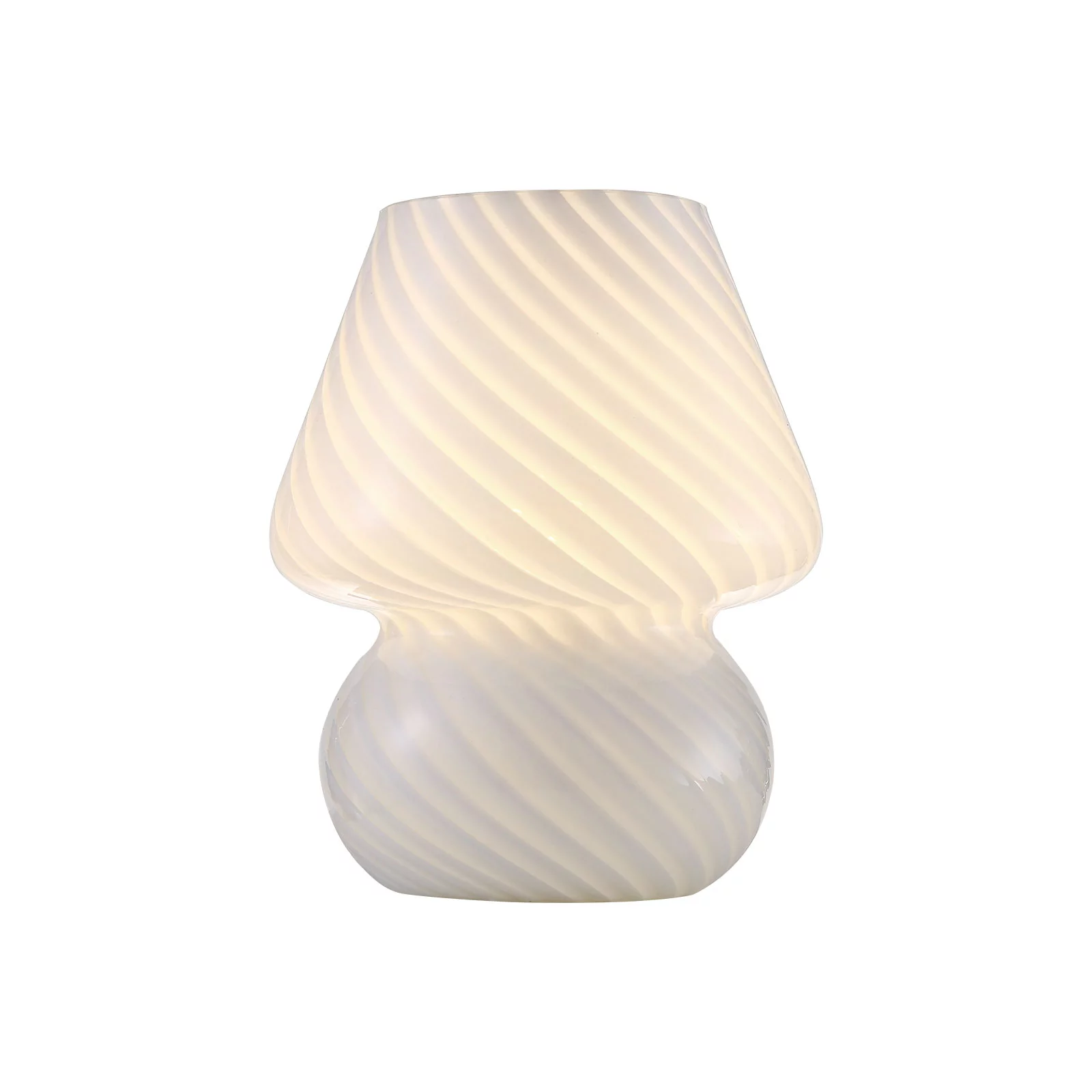
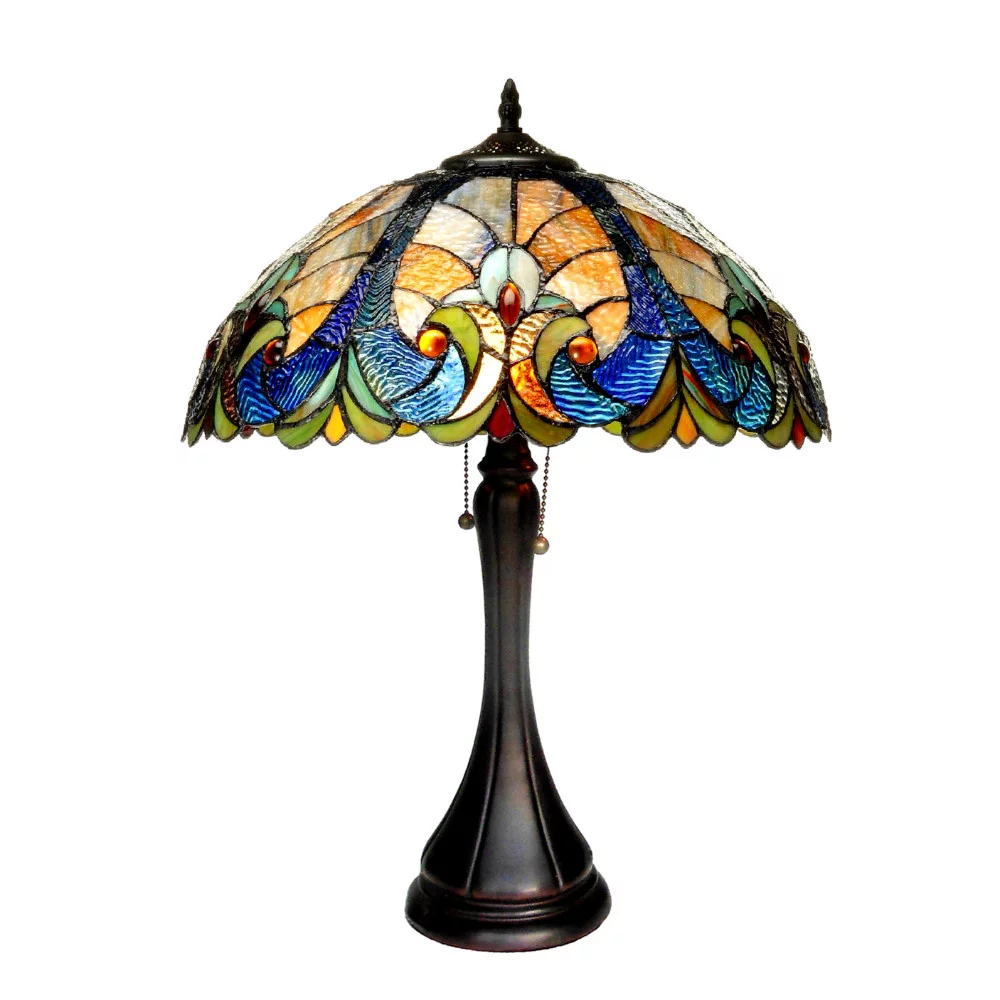

Table Lamp Bases Only (No Shade) | Lamp Stands



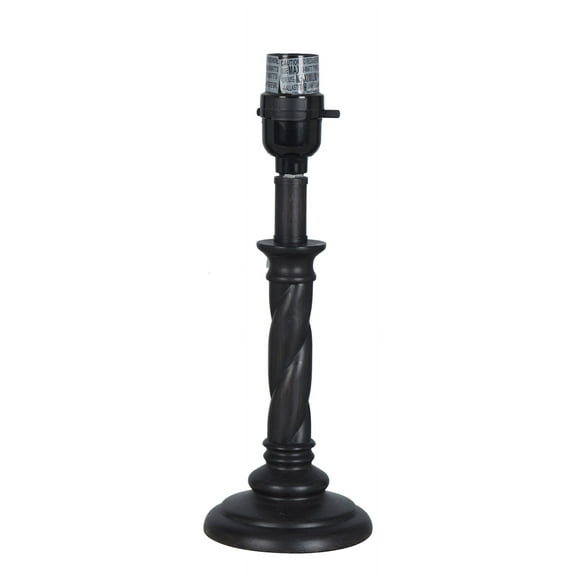
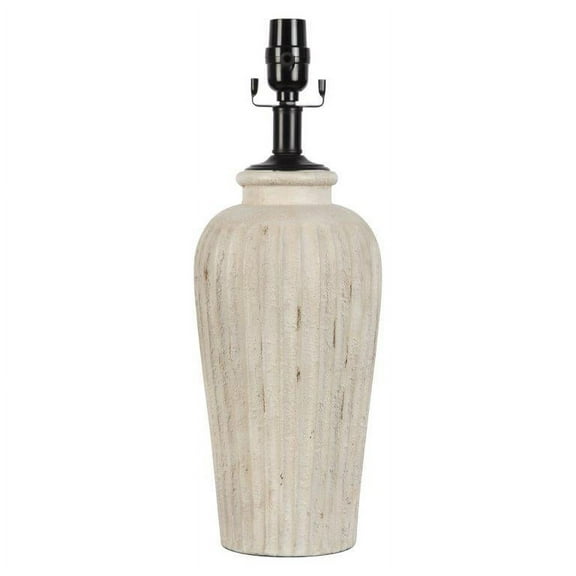


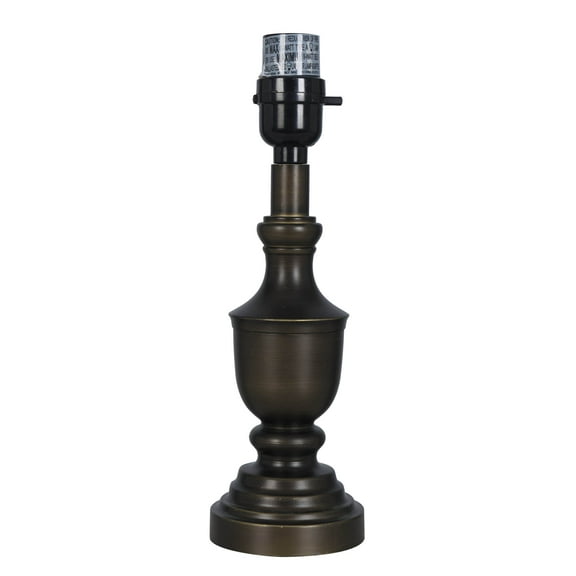
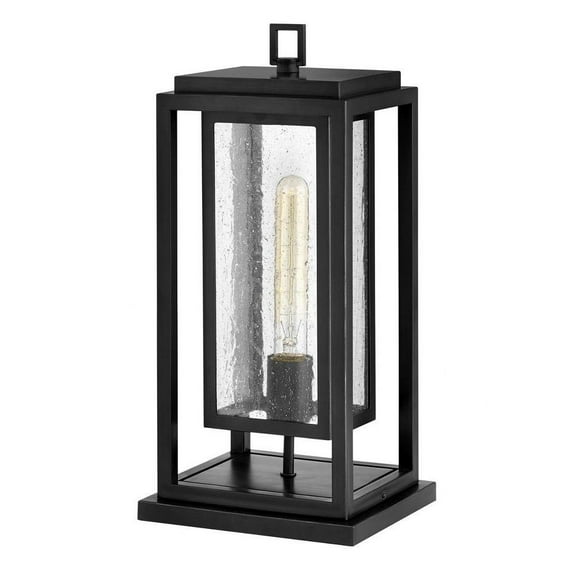
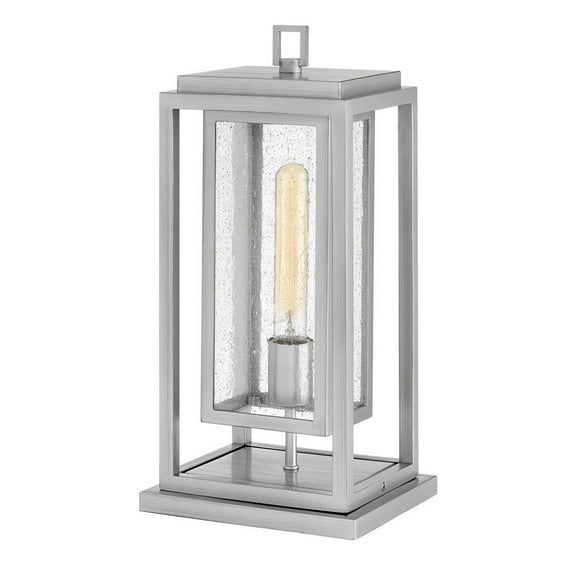


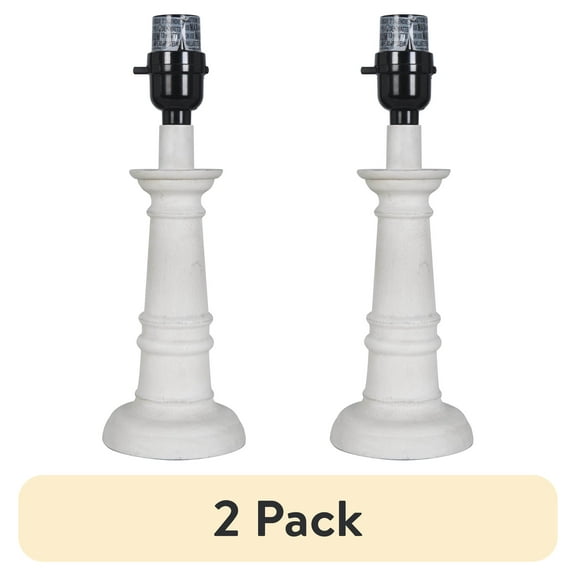

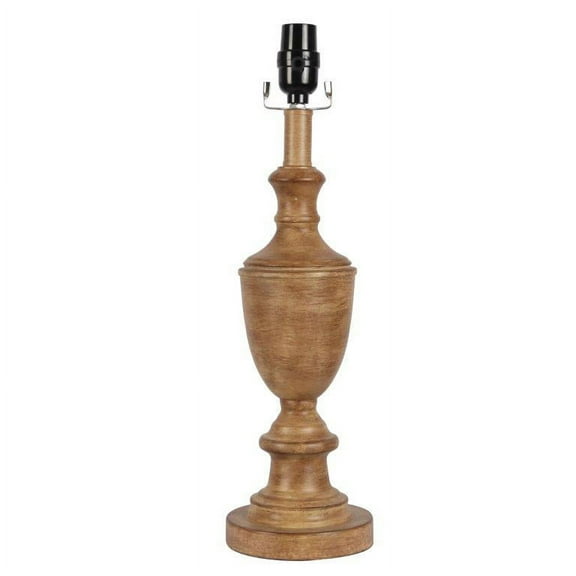

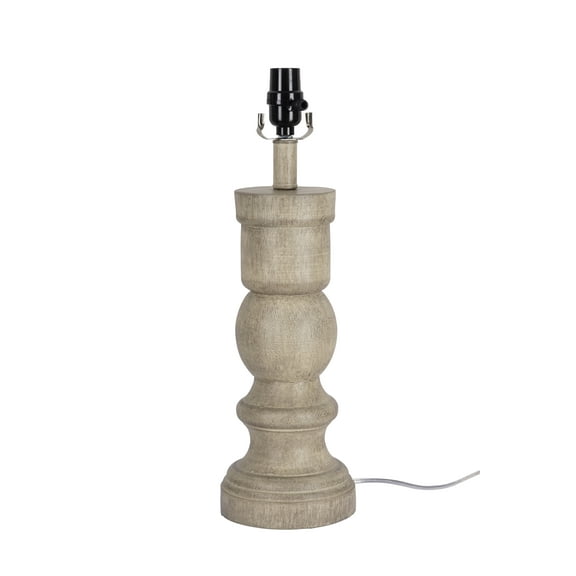
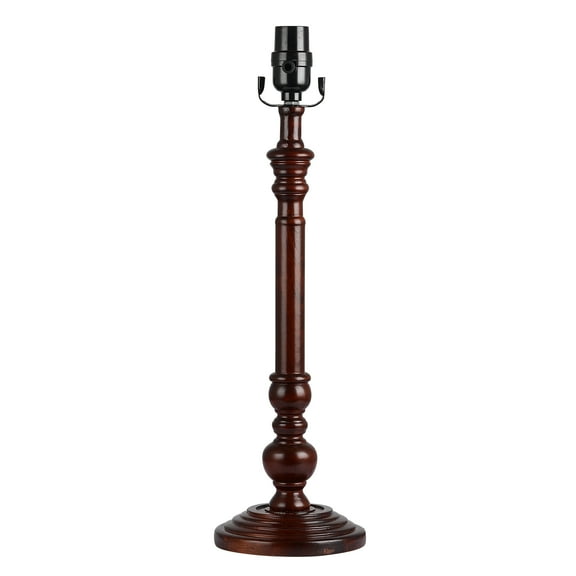
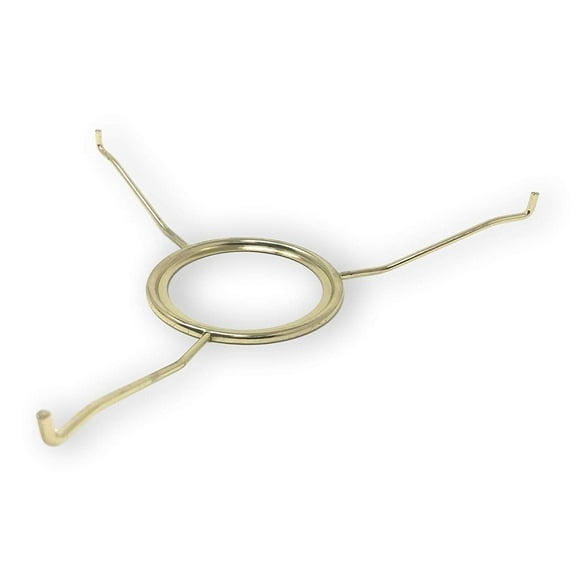








About Table Lamp Bases Only (No Shade) | Lamp Stands - Walmart.com
You can refresh your lighting with lamp bases that support custom style, flexible shade pairing, and practical replacement needs across many rooms. You’ll find category options that help you compare height, material, and socket details before you commit to a new look.
How to choose lamp bases by base type
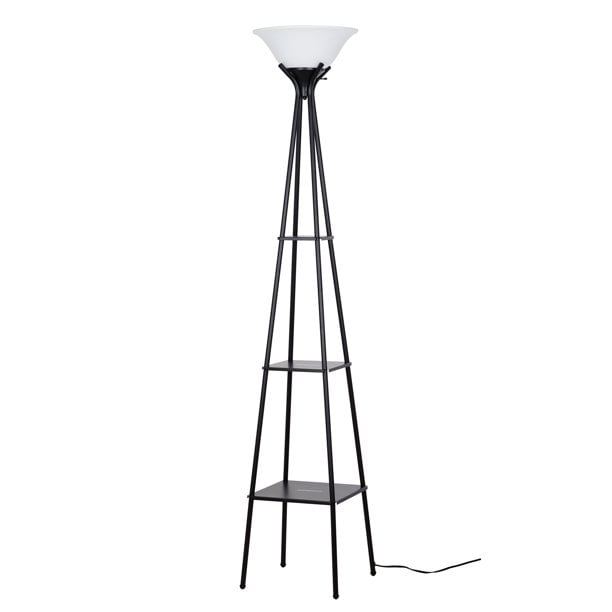
You should start with the base type because scale and placement change how your lamp works in your space. You may prefer table lamp bases for desks and nightstands, while floor lamp bases suit reading corners and open living areas.
If you’re styling a sideboard or entry table, buffet lamp base options can give you a taller, narrower profile. You’ll want to compare height with your furniture so your lamp looks balanced instead of crowded.
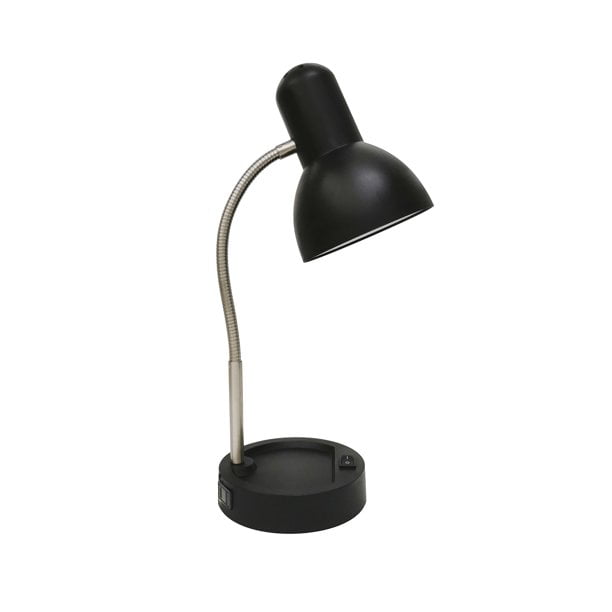
You can also narrow your choice by how you’ll use the lamp each day. You may want a compact table option for task lighting, or you may choose a floor design for ambient light beside seating.
What to look for in table lamp bases and floor lamp bases
You’ll get a cleaner fit when you match your base with the right shade shape, harp size, and fitter type. You should measure before you buy so your shade sits proportionally and your lamp looks finished.
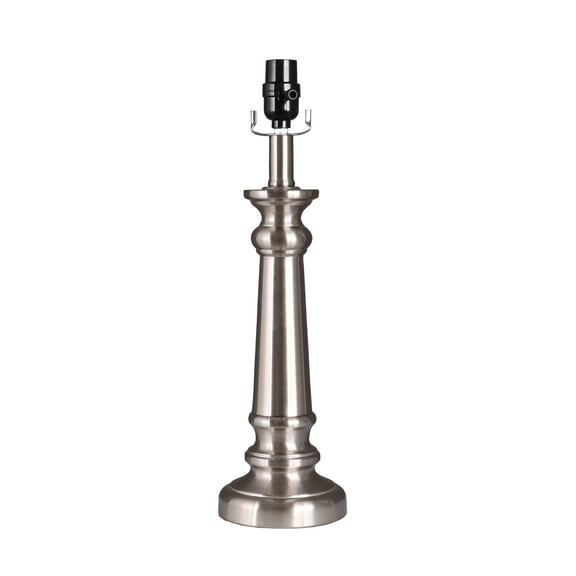
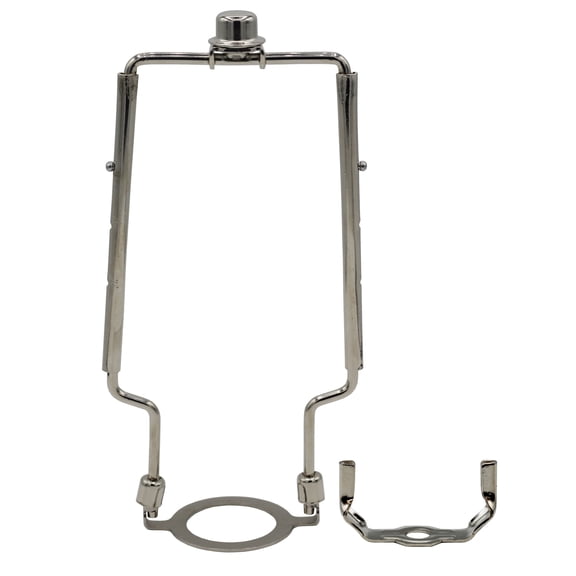
When you compare harp size, you’re checking the frame that holds many shades above the socket. You’ll want enough height for visual balance and enough clearance for the shade to sit correctly.
You should also check the shade fitter type because not every shade connects the same way. You may see spider, uno, or clip-on styles, and your base needs the right setup.
- You can use harp size to help your shade sit at the right height.
- You should compare fitter type so your shade attaches correctly.
- You’ll want the base height to match your table, console, or floor placement.
- You can choose a wider or heavier base when your shade has a broader silhouette.
You may also want to review cord length before placing a lamp behind seating or on a long console. You’ll get easier setup when the cord reaches your outlet without awkward stretching.
Choosing materials and styles for your decor
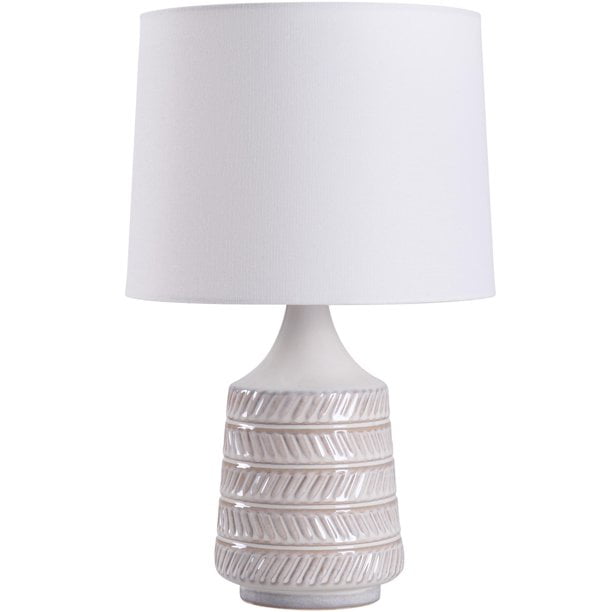
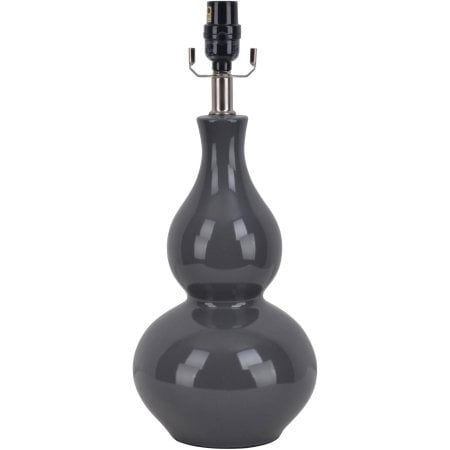
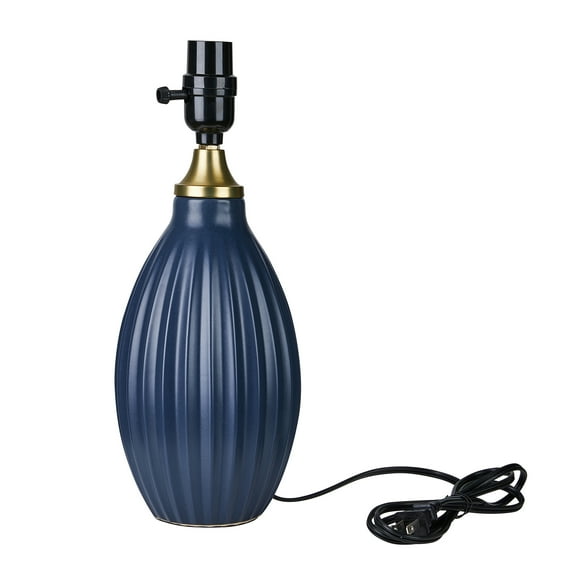
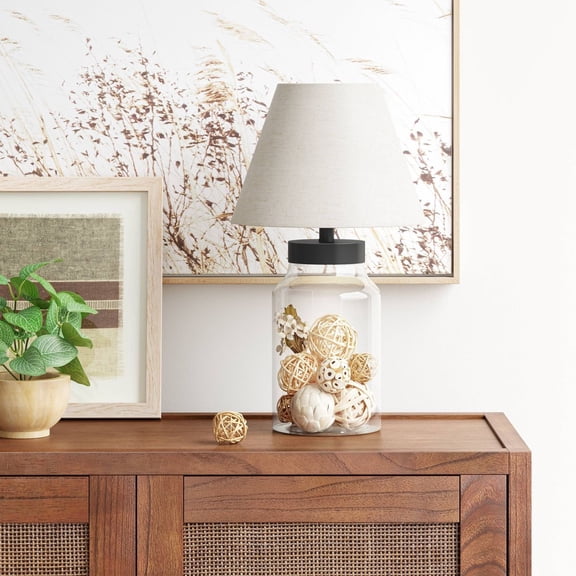
You can shape the whole mood of your room by choosing the right material and finish. You may lean toward ceramic lamp bases for color and texture, or glass lamp bases for a lighter visual feel.
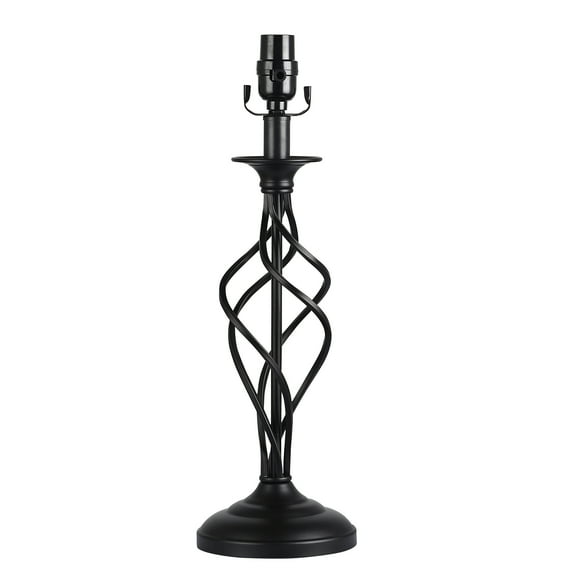
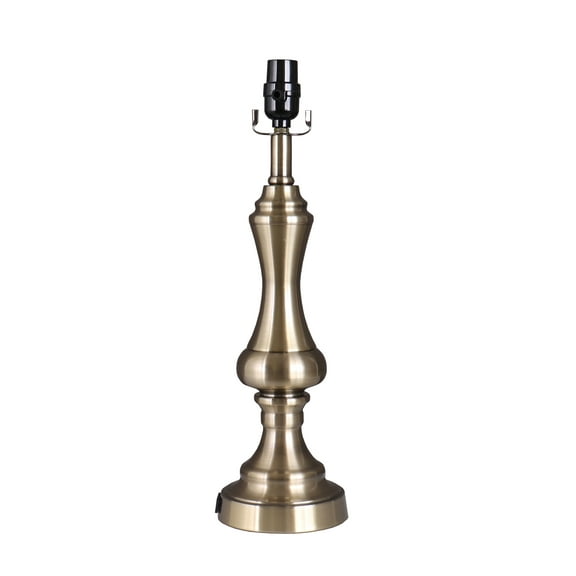
If you want warmer detail, you can compare wood looks with brass lamp bases or other metal finishes. You’ll notice that material choice changes both the appearance and the visual weight of the lamp.
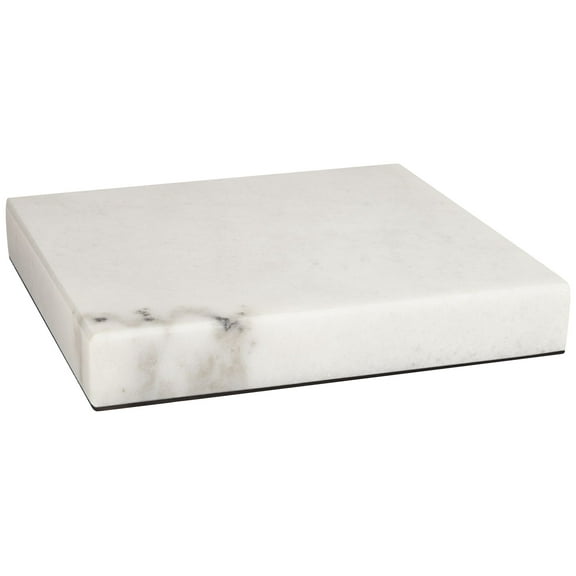
You should also think about stability when you compare materials, especially if you plan to pair a larger shade. You’ll often want a base with enough weight to feel grounded on the surface.
For style, you can match modern spaces with cleaner lines and simpler shapes. You may prefer traditional, farmhouse, industrial, or vintage looks when your room already has distinct furniture details.
You’ll get a more cohesive result when you repeat finishes already used in your room. You can echo brass hardware, wood tones, or glass accents so your lighting feels intentionally selected.
Checking socket type and switch compatibility
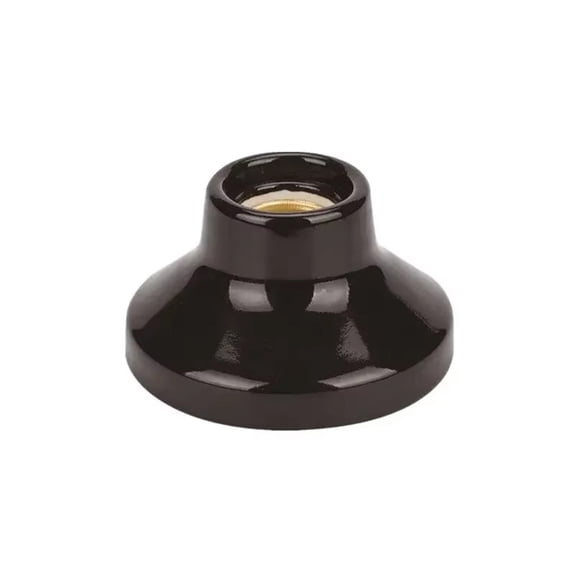
You should confirm socket details early because they affect bulb choices and everyday convenience. You may want a standard E26 socket if you already use common household bulb shapes.
If you like adjustable brightness, you can look for 3-way compatibility instead of a simple on and off setup. You’ll need a matching bulb to use all brightness levels as intended.
You should also review whether the base uses a medium base socket, since that detail affects bulb fit. You can avoid returns when you compare your current bulb type before ordering.
Switch placement matters too when you use a lamp beside a bed, sofa, or reading chair. You’ll appreciate easy access when the control sits where your hand naturally reaches.
How lamp bases fit DIY updates and replacement projects
You can use diy lamp bases when you’re updating an older lamp or building a custom accent piece. You may swap in a new base to refresh the style without replacing the entire setup.
If you’re replacing a worn base, you should compare height, socket type, and shade support hardware first. You’ll get a smoother project when your new piece aligns with your existing shade and bulb needs.
You can also mix materials to create a more personal look in guest rooms, offices, and entryways. You may pair a simple drum shade with ceramic, glass, or brass finishes for a tailored result.
For small-space projects, you should consider footprint as much as height. You’ll keep surfaces usable when the base leaves room for books, trays, or bedside essentials.
You can feel more confident when you compare lamp bases through the choices that matter most, from harp size to socket compatibility. You’ll end up with lighting that fits your shade, your space, and your everyday routine.