


Knitting Looms in Knitting



















About Knitting Looms in Knitting - Walmart.com
With knitting looms, you can start hats, scarves, and blankets with clear stitch paths and easy-to-follow setup. You’ll find round, long, and board styles that match different projects and skill levels.
If you’re comparing crochet looms and knitting options, you can use this guide to sort shapes, peg layouts, and kit contents. You’ll get a clearer path to the loom style that fits your yarn, pattern, and pace.
How to choose knitting looms by shape
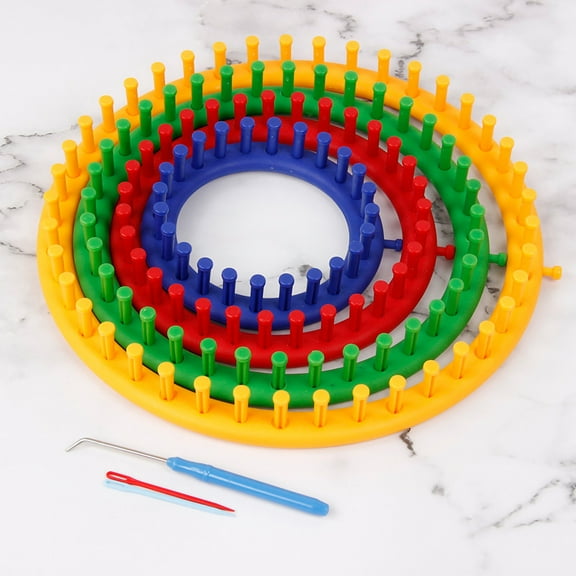
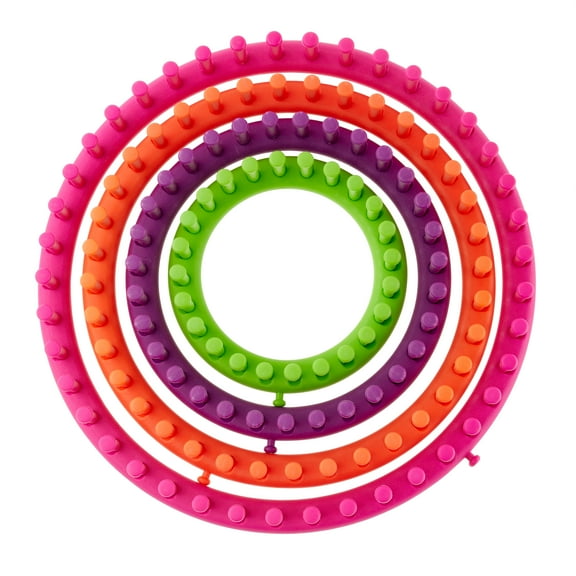
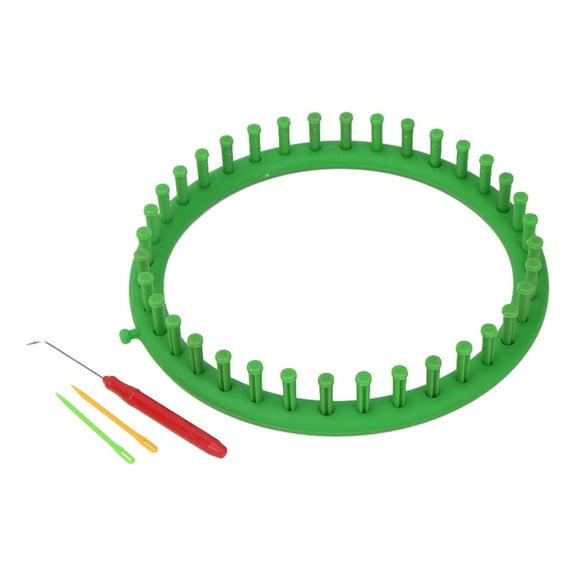
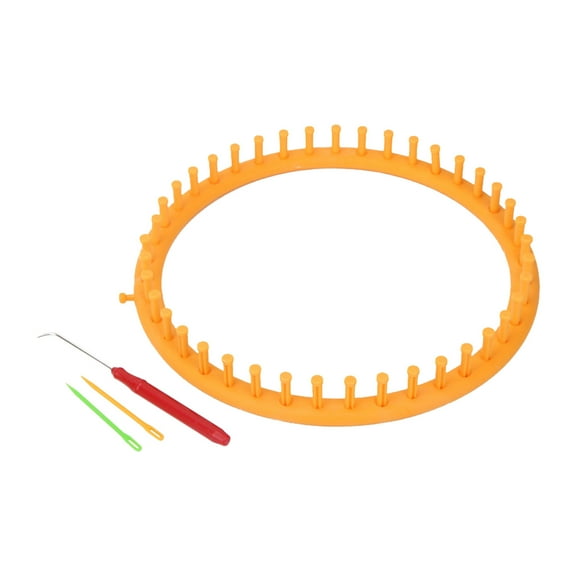
You should start with loom shape because it changes what you can make and how your rows form. You’ll usually pick round looms for hats, socks, and other tube-shaped projects.
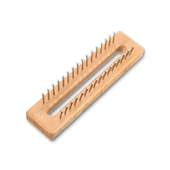
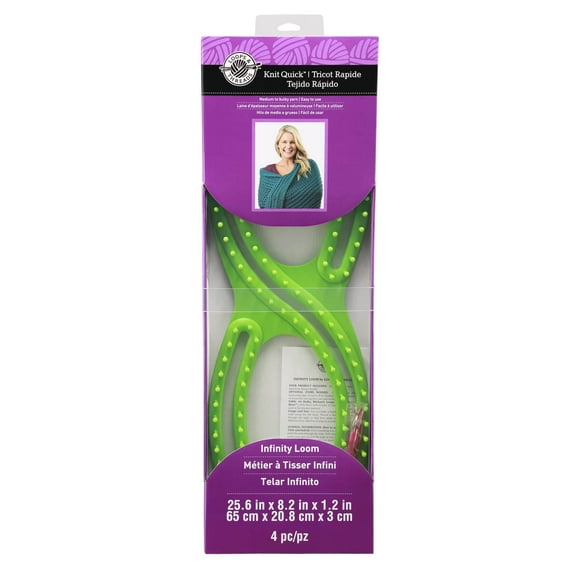
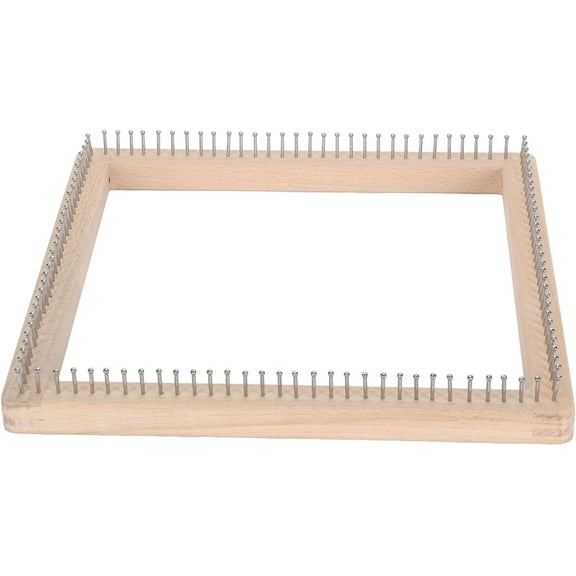
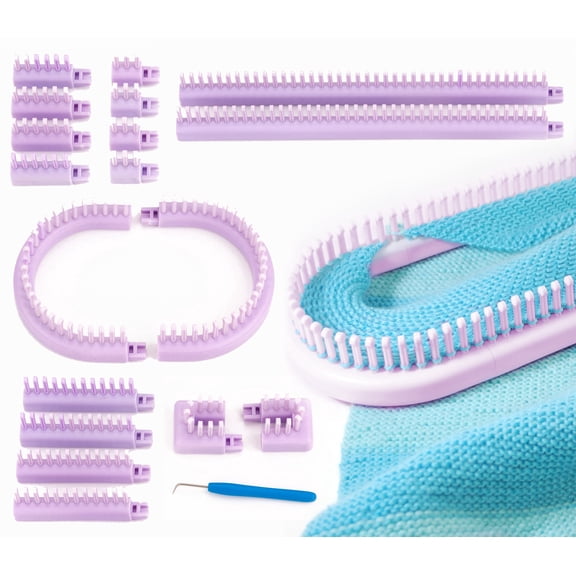
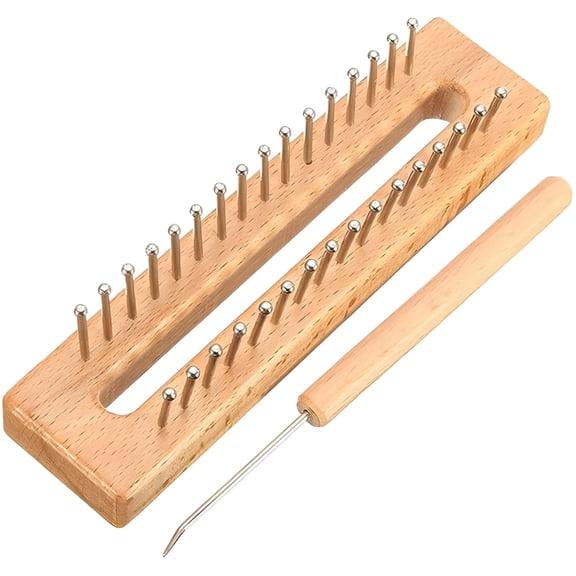
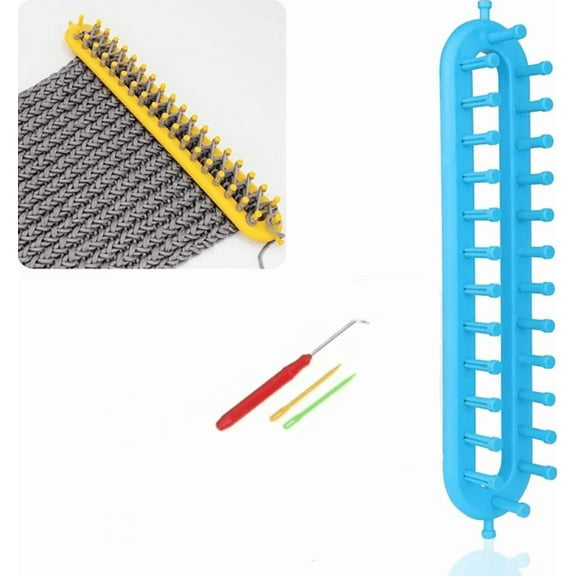
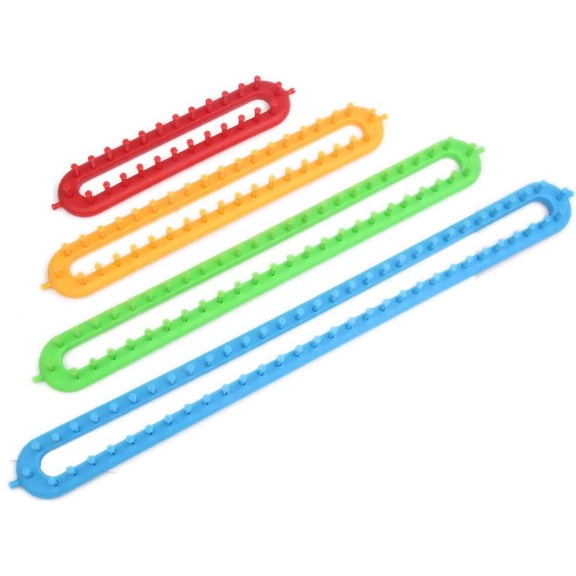
When you want flat panels, you can compare long knitting looms and rectangular frames for scarves, wraps, and blanket sections. You may also prefer oval looms when your pattern needs a softer curve or a different fit.
If you’re considering a knitting frame or knitting board loom, you should check how the shape supports row length and turning. You’ll notice board styles often suit repeat rows and wider projects.
- You can use round looms for hats, cowls, and tube projects.
- You can choose long looms for scarves, panels, and blanket strips.
- You can compare rectangular and oval options for different shaping needs.
- You can use board-style frames when you want steady row spacing.
How to compare craft type and kit style
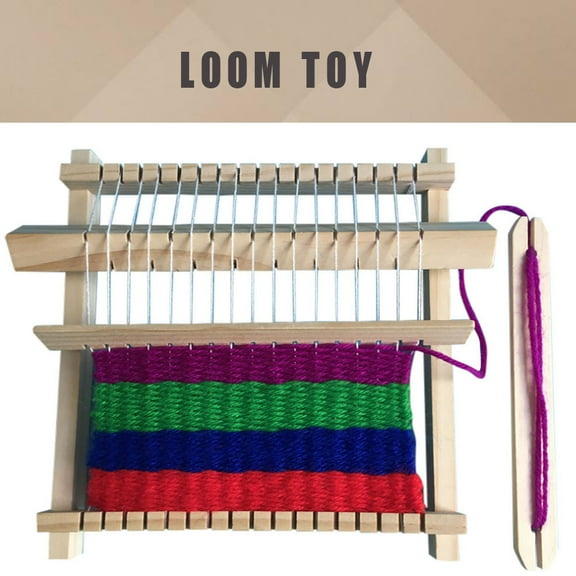
You may shop across knitting, crochet, and weaving tools, so you should check the craft type before choosing. You’ll want a crochet loom or crochet loom kit when your project calls for that format and included tools.
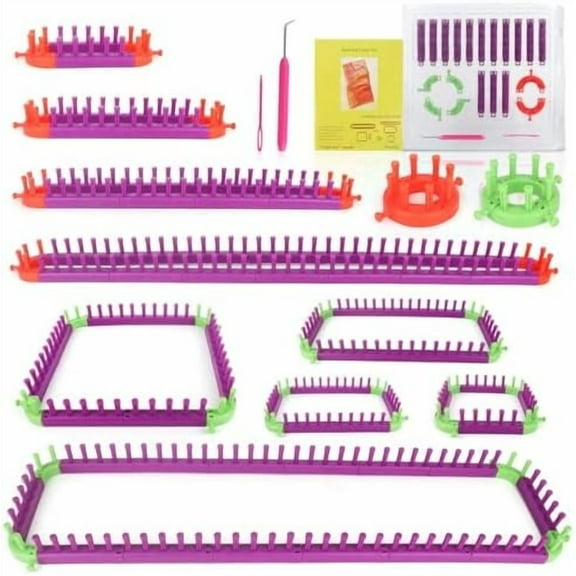
If you’re new to the category, you can narrow choices by kit type first. You’ll often see starter kits, loom-only sets, and multi-packs for trying several sizes.
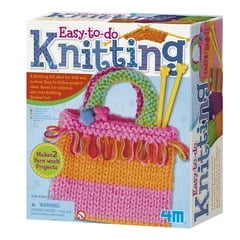
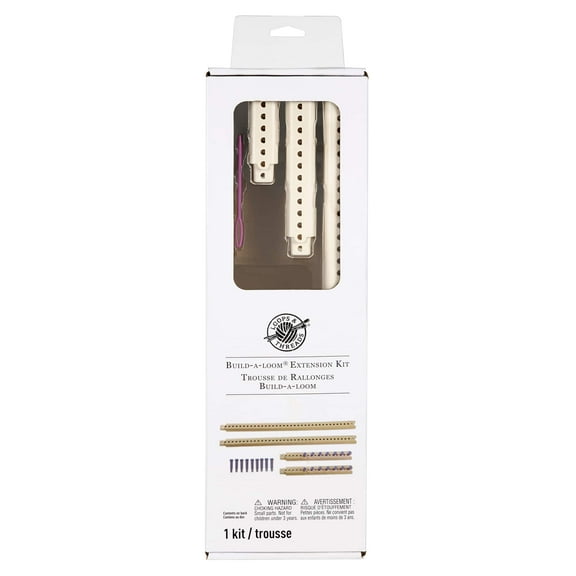
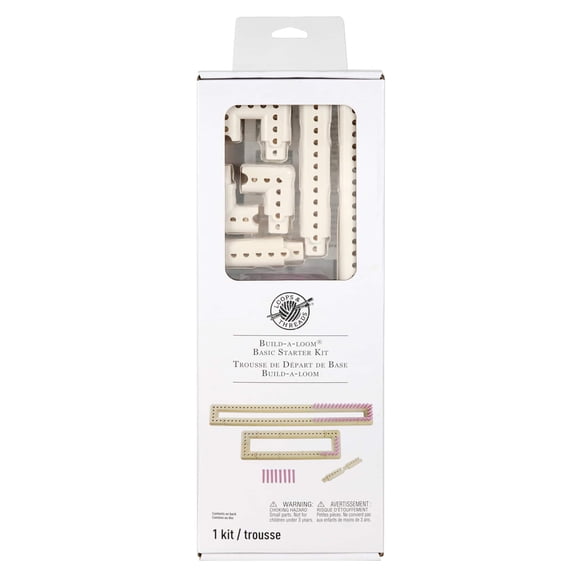
When you choose knitting loom kits, you should check whether hooks, needles, yarn, or instructions are included. You’ll save setup time when your kit covers the basics for your first project.
If you’re buying for a class, gift, or shared craft space, you may prefer multi-packs with several loom sizes. You can test different shapes without switching categories later.
Choosing peg spacing, gauge, and materials
You should compare peg spacing because gauge affects stitch size, yarn feel, and pattern results. You’ll usually see fine gauge for lighter yarns and tighter stitches.
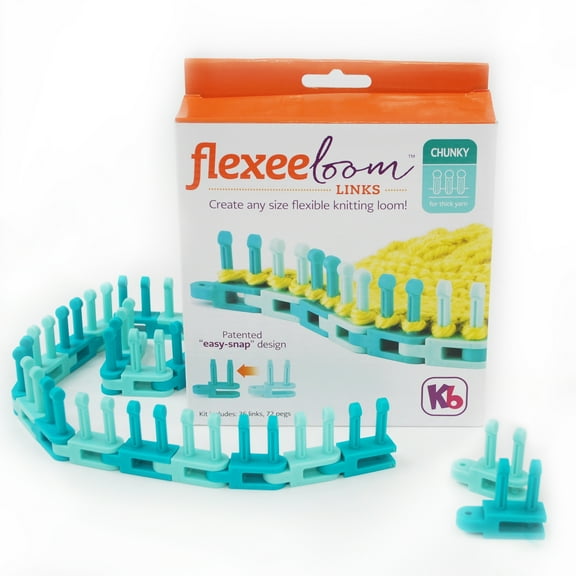
If you want chunkier texture, you can look for wider peg spacing that works with bulkier yarn. You’ll get a different fabric look, so you should match gauge to your pattern.
When you review a yarn loom or knitting frame, you should also check peg count and row capacity. You can make planning easier when your loom size matches your project width.
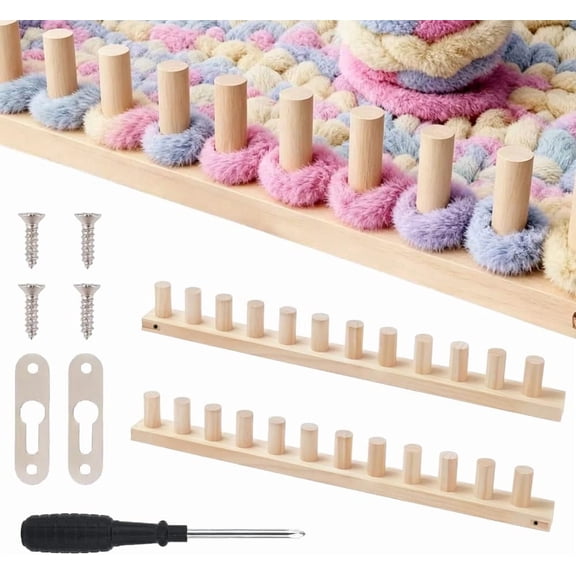
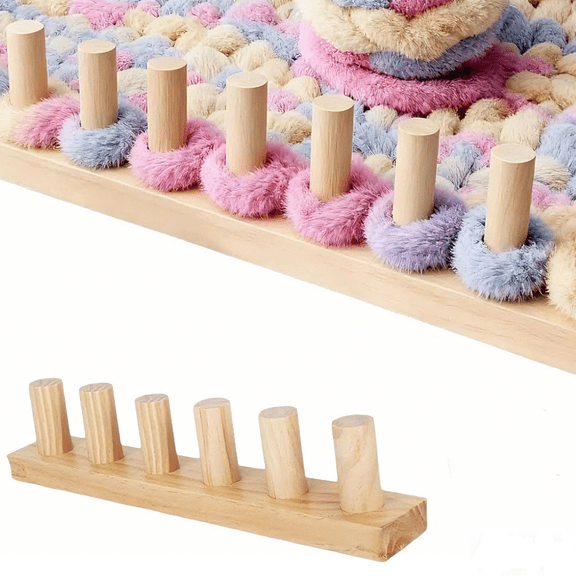
You may also compare materials like plastic pegs, wooden boards, and metal frames. You’ll often choose sturdy plastic for easy handling, or wooden board styles for adjustable setups.
If durability matters in frequent crafting, you should check how secure the pegs feel and how stable the frame sits. You’ll appreciate a structure that stays consistent through repeated rows.
Loom knitting kit for beginners and growing skills
If you’re just starting, a loom knitting kit for beginners can simplify your first setup and shorten your learning curve. You’ll benefit from clear instructions, common sizes, and a basic hook.
As your skills grow, you can move from a starter kit to loom-only replacements or expanded sets. You may want more sizes when you begin making scarves, hats, and home accents.
If you’re at an intermediate or advanced level, you should compare gauge options and frame length more closely. You’ll have more control when your loom matches your yarn weight and pattern style.
You can also look for sets that help you practice both flat and round work. You’ll build flexibility when your collection supports hats one day and blanket panels the next.
How to match knitting looms to real projects
You can use knitting looms for quick weekend projects or longer seasonal makes, depending on the shape and gauge you choose. You’ll often start with hats because round looms keep circular stitching simple.
When you’re planning scarves, you should compare long knitting loom options with enough length for your desired width. You’ll get smoother planning when the frame supports your stitch count.
If you want blankets or wider panels, you can consider a knitting board loom or larger rectangular frame. You may piece sections together or work broader rows with more confidence.
You can also use a crochet loom kit when you want a bundled entry point with tools and instructions. You’ll have an easier time beginning if your set includes the small accessories you need.
For gift making, you can pick multi-size kits that support hats for kids, scarves for adults, or mixed project lists. You’ll stay more organized when one set covers several project types.
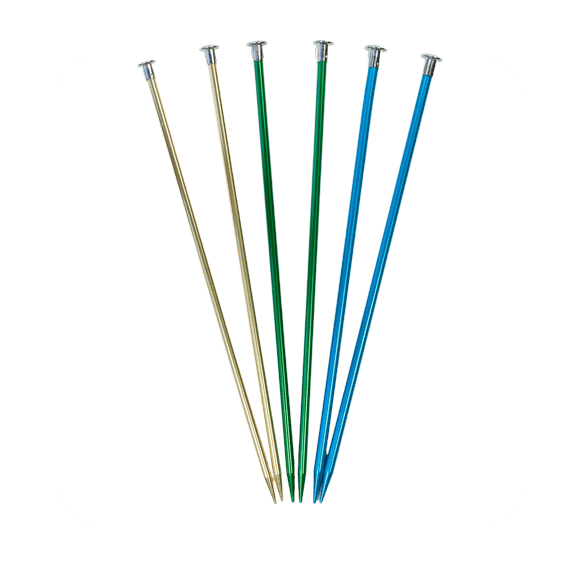
If you’re building a full craft setup, you can pair your loom choice with yarn, crochet hooks, or knitting needles. You’ll create a smoother project flow from cast-on through finishing.
What to look for before you choose
You should measure your project goals first, then compare shape, gauge, kit contents, and material structure. You’ll make a cleaner choice when those details match your yarn and pattern.
With the right knitting looms, you can move from first practice rows to finished hats, scarves, and blankets with less guesswork. You’ll feel more confident when your loom fits the project from the start.