



Volleyball Knee Pads in Volleyball Equipment

























About Volleyball Knee Pads in Volleyball Equipment - Walmart.com
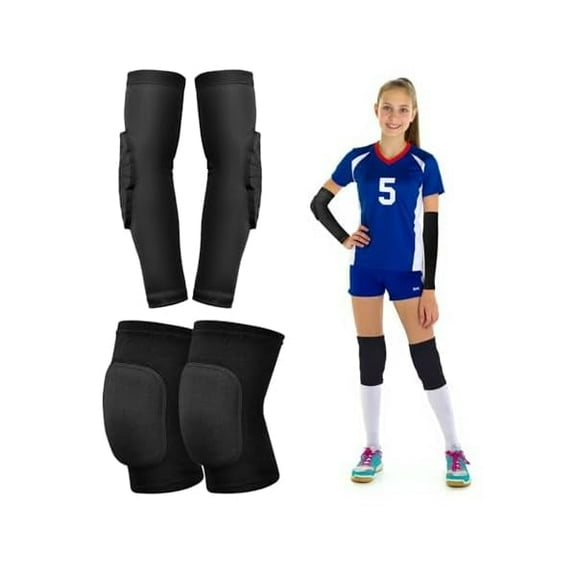
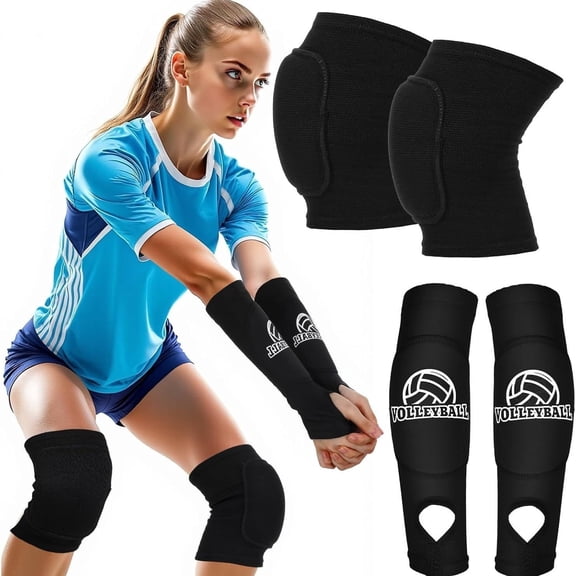
You can compare volleyball protective pads gear by fit, padding, and coverage, so your dives, slides, and quick turns feel more controlled on the court. You’ll also find options for knees, elbows, arms, and wrists, which helps you match your gear to practice, matches, and position.
How to choose volleyball protective pads gear
When you choose protective gear for volleyball, you’ll want to start with the contact points you use frequently during play. If your game includes frequent floor contact, you may focus first on knee pads, elbow pads, or compression sleeves.
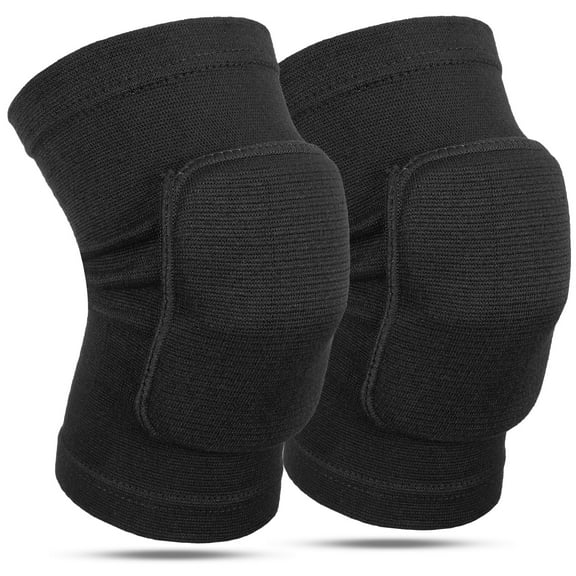
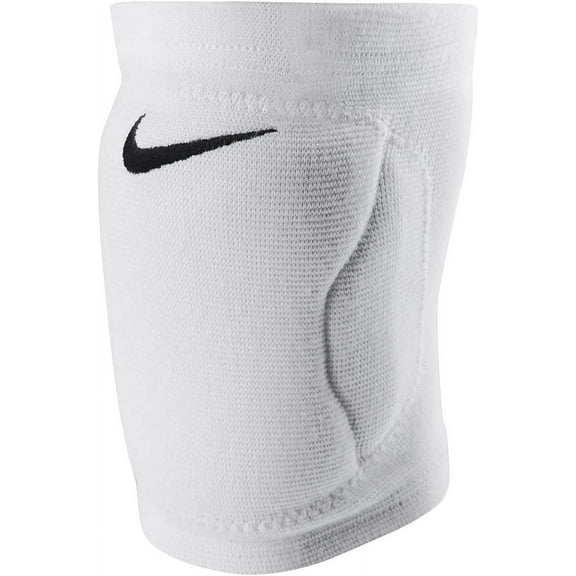
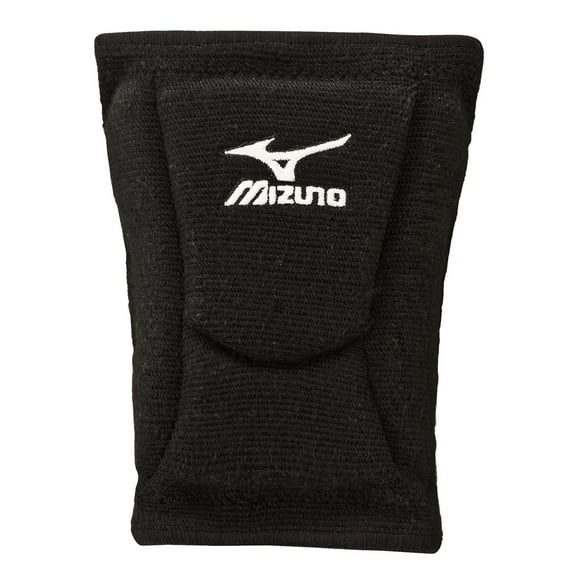
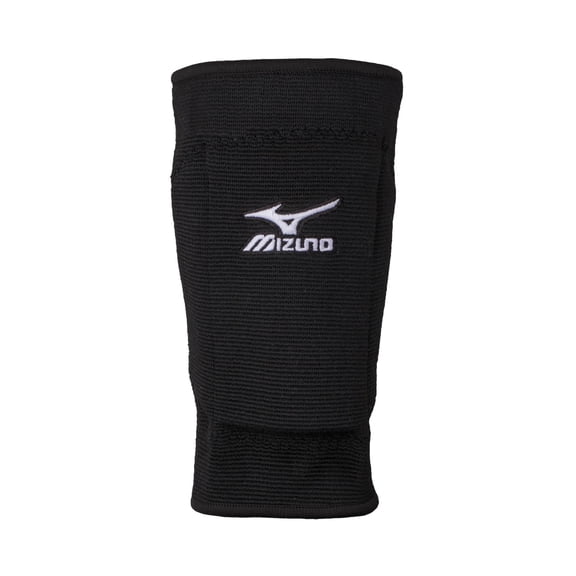
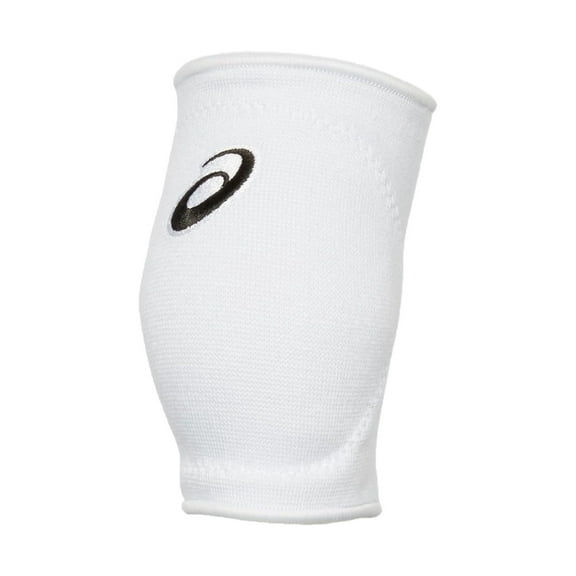
You can use protection type as your first filter because each style supports a different movement pattern. Knee pads cushion dives and low passes, while wrist guards and sleeves help you keep coverage streamlined.
As you compare materials, you should look for EVA foam, gel cushion, neoprene, or breathable mesh. Each option changes how your gear feels during long rallies, repeated drills, and multi-set matches.
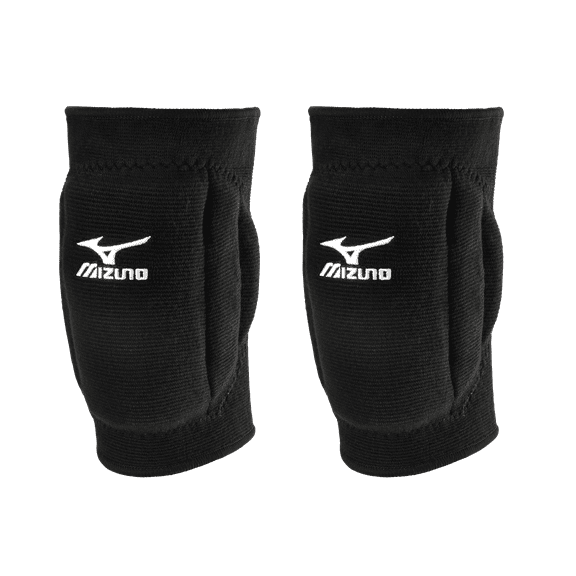
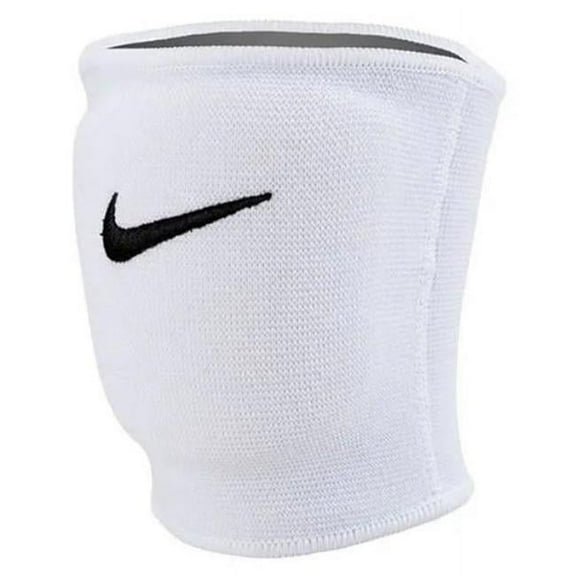
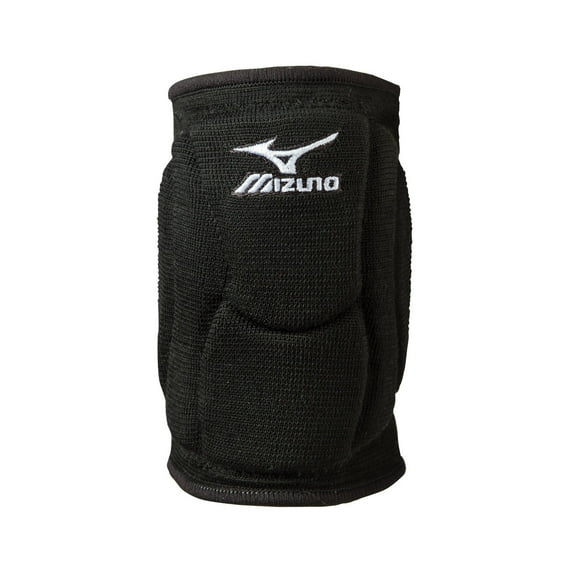
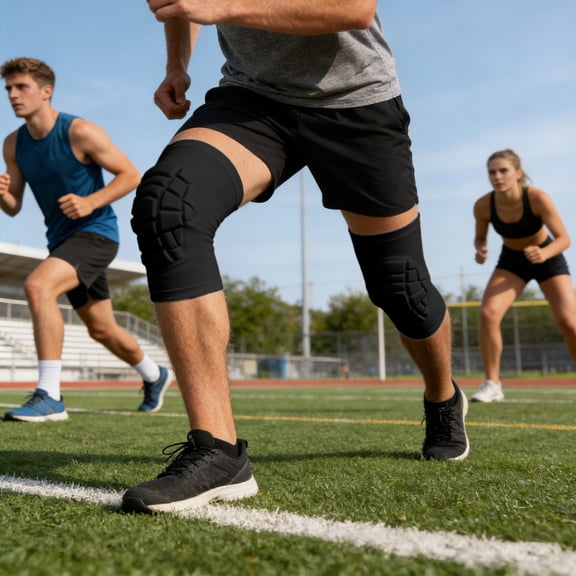
- You can choose knee-focused coverage when your game includes frequent drops, digs, and slides.
- You can compare lighter sleeves when your priority is flexible movement and smooth court contact.
- You can look for breathable panels if your practices run long and your gear stays on for hours.
- You can check closure style to decide whether you want slip-on simplicity or adjustable support.
Choosing the right volleyball knee pads and elbow pads
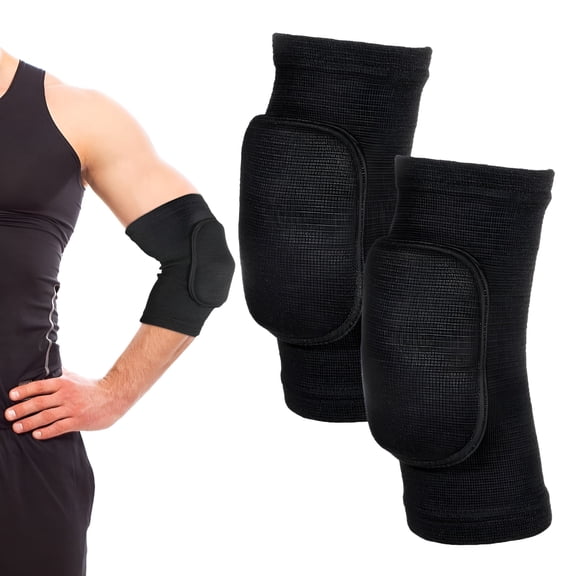
If you’re deciding between volleyball knee pads and volleyball elbow pads, you should think about where your body meets the floor frequently. Your position, technique, and training volume can guide how much padding you want.
You may prefer thicker padding when your sessions include repeated digging drills or hard gym floors. You may prefer a slimmer profile when your priority is quicker bends, lower bulk, and freer movement.
When you compare padding thickness, you should balance impact coverage with flexibility. A bulkier pad can feel more cushioned, while a lower-profile pad can feel easier to move in.
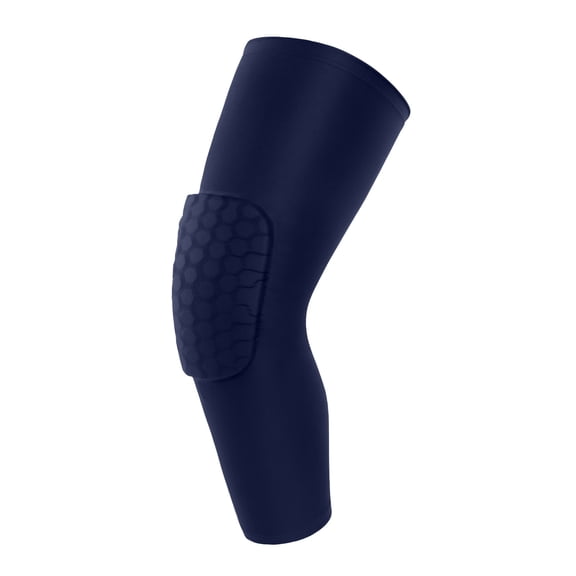
You’ll also want to compare sleeve shape and panel placement because coverage zones vary by style. A well-placed pad helps you keep your range of motion while covering the areas you contact frequently.
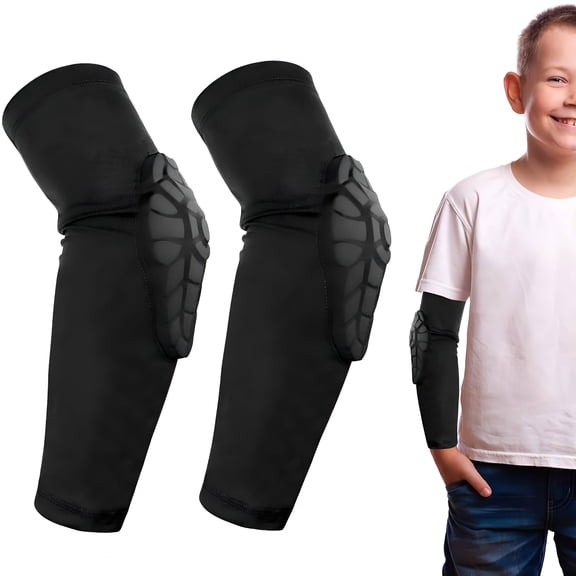
For youth volleyball knee pads, you should pay close attention to proportions instead of choosing by age alone. Your player can get a steadier fit when you check knee circumference and follow the size chart.
If you’re shopping for adult sizes, you can narrow choices by women’s, men’s, or adult unisex fits. That approach helps you compare length, stretch, and overall shape with fewer sizing surprises.
What to look for in materials, breathability, and fit
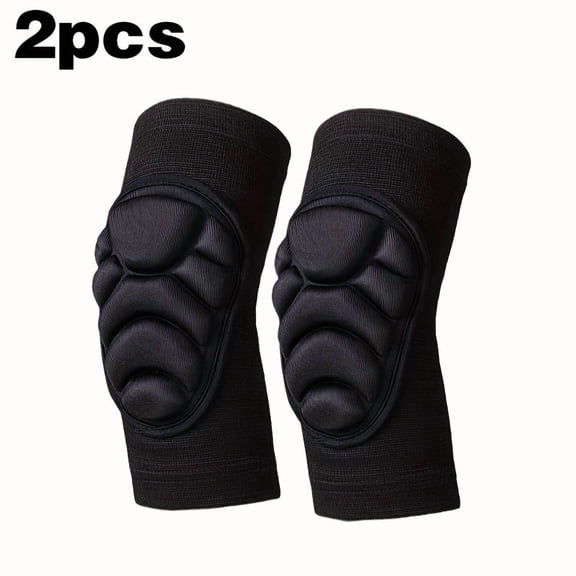
You should compare material and padding together because they affect comfort through every set and practice. EVA foam often feels light, gel cushion can feel denser, and neoprene can offer a close, secure feel.
Breathable mesh matters when your matches get fast and your gym gets warm. You’ll notice that airflow panels and moisture-wicking liners can help your gear feel drier during extended play.
If you’re choosing volleyball arm sleeves, you should check whether you want compression fit or a looser feel. Your preference can affect how stable the sleeve feels during serves, passes, and quick defensive moves.
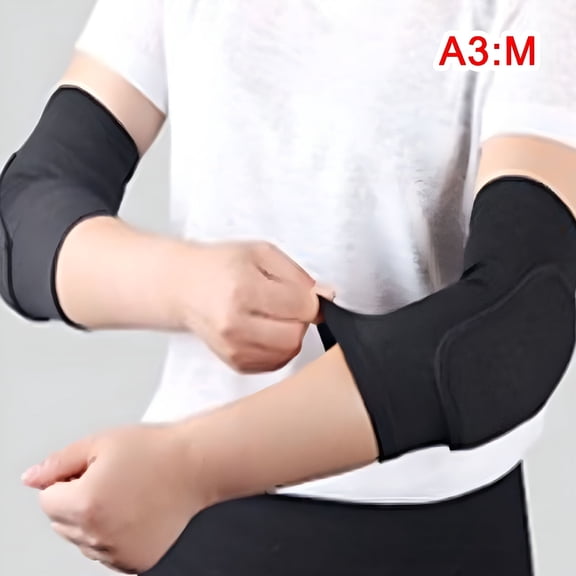
Slip-on styles can work well when you want fast changes before practice or between matches. Adjustable strap designs can help if you want to fine-tune tension around your knee, elbow, or wrist.
You should measure carefully before you choose, especially when you check listed sleeve length and knee circumference. Those measurements help your pads stay in place without feeling overly tight or shifting mid-rally.
Washability can also shape your decision if your gear sees frequent court time each week. You can compare machine-washable options with hand-wash styles based on your routine and care preferences.
Matching your gear to practice, tournaments, and player needs
You can match lighter gear to serving practice, warmups, and fast movement drills when you want minimal bulk. You can match thicker pads to defensive sessions when your floor contact increases.
If your player rotates through long tournaments, you may want breathable fabrics and stable compression fit. That combination can help your gear feel consistent from early matches to late-day sets.
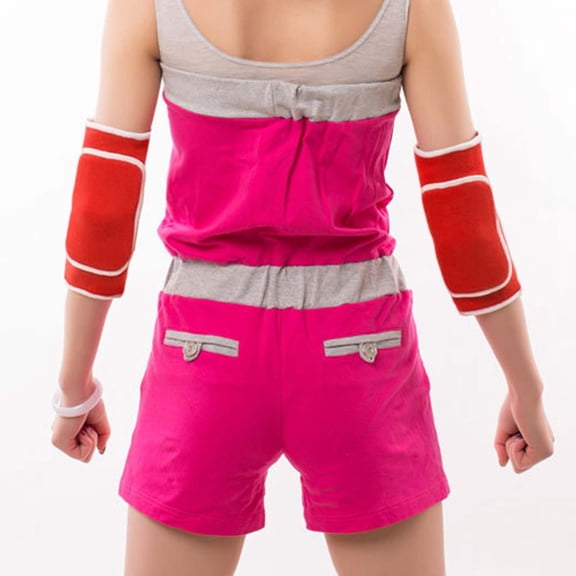
You might choose volleyball elbow pads when your training includes repeated sprawls and floor saves. You might add wrist guards when your preference is extra structure during active court movement.
For school teams, club play, and rec leagues, you should look for gear that balances comfort with repeat wear. Durable stitching and easy-care materials can make frequent practices simpler to manage.
If you’re outfitting a younger player, you can focus on youth sizing, soft seams, and secure placement. Those details can help your gear feel easier to wear through drills, scrimmages, and matches.
You can also build a more complete setup by pairing pads with sleeves based on your role and court habits. That way, your coverage can reflect how you move, dive, and recover during play.
Why sizing guidance matters for volleyball protective pads gear
You’ll get a more dependable fit when you compare measurements, materials, and closure styles before you choose. Volleyball protective pads gear works effectively when your padding stays aligned through every serve receive and defensive slide.
With the right combination of coverage, breathability, and mobility, you can stay focused on your footwork and ball control. Your gear should support your movement without adding distractions during play.