





Kitchen Clocks in Clocks


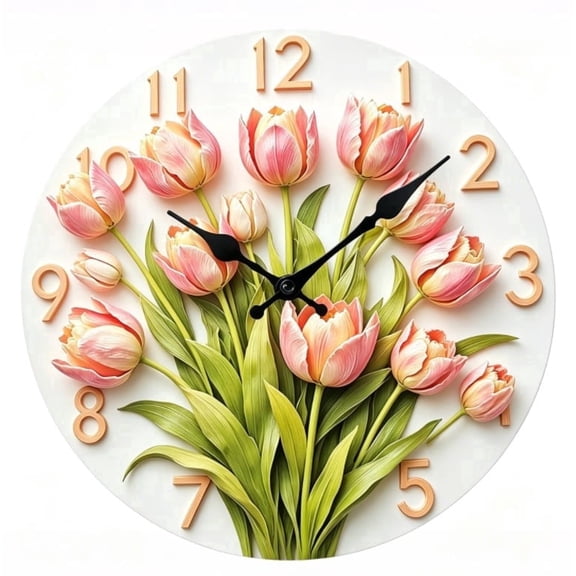


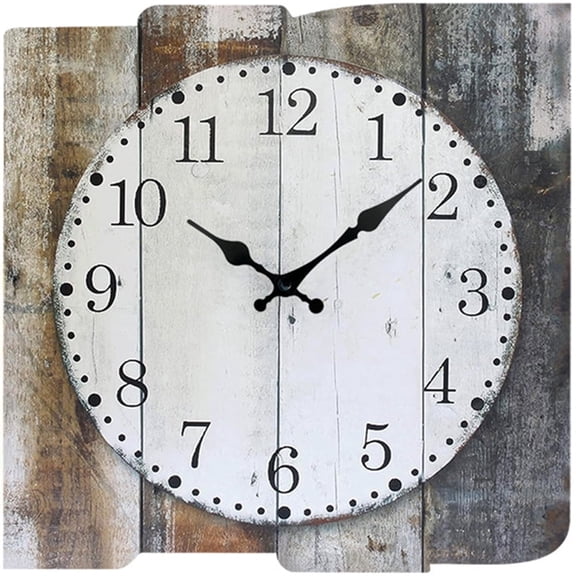


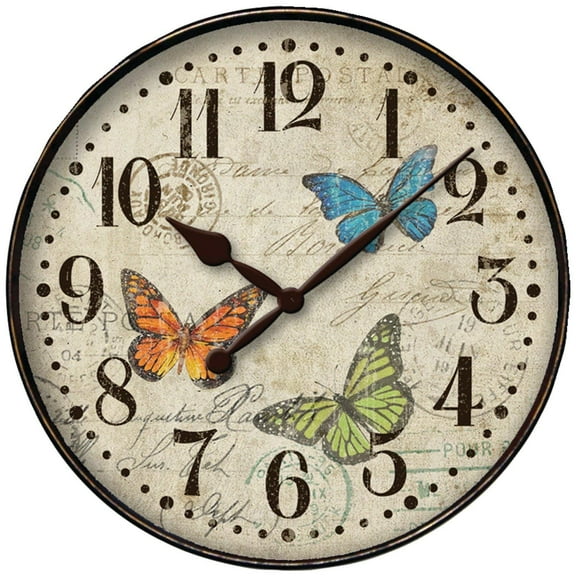


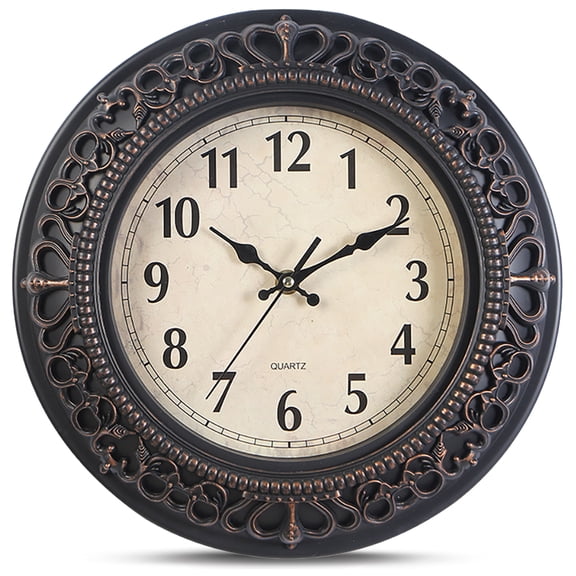








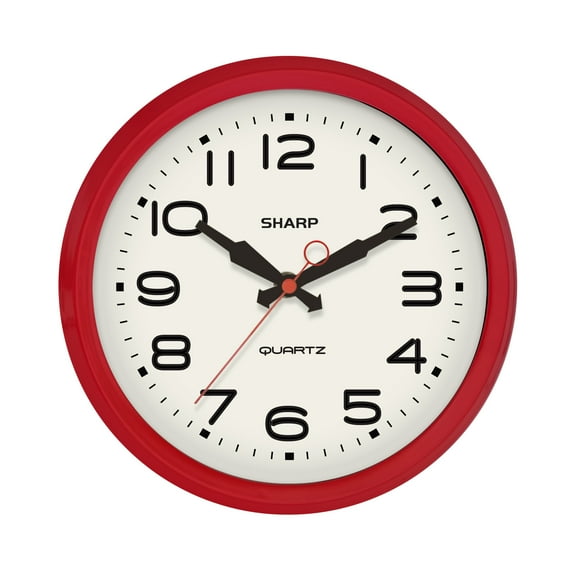


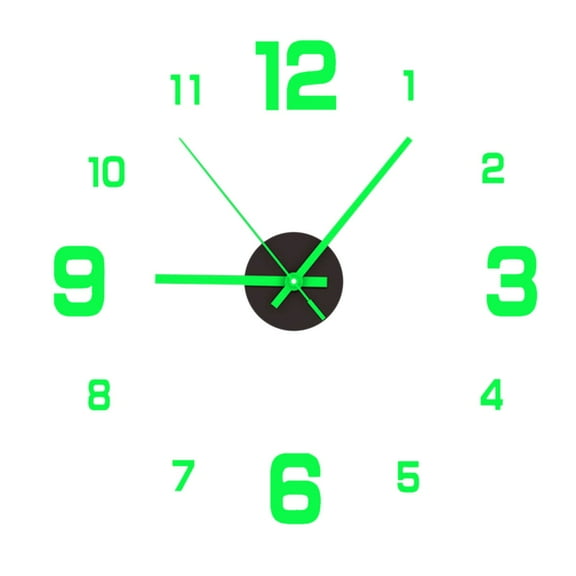


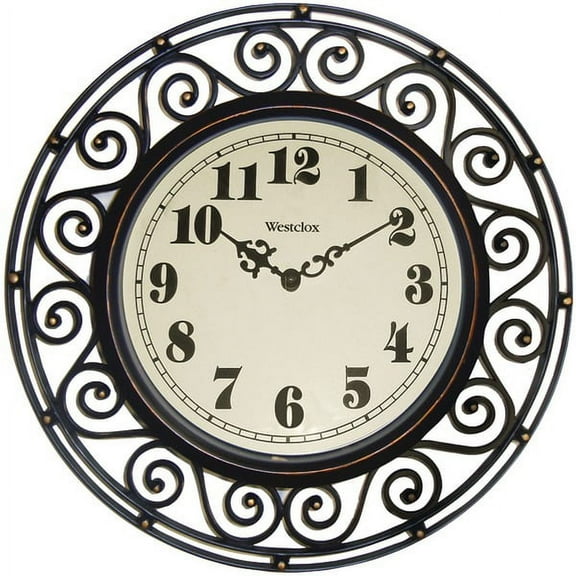


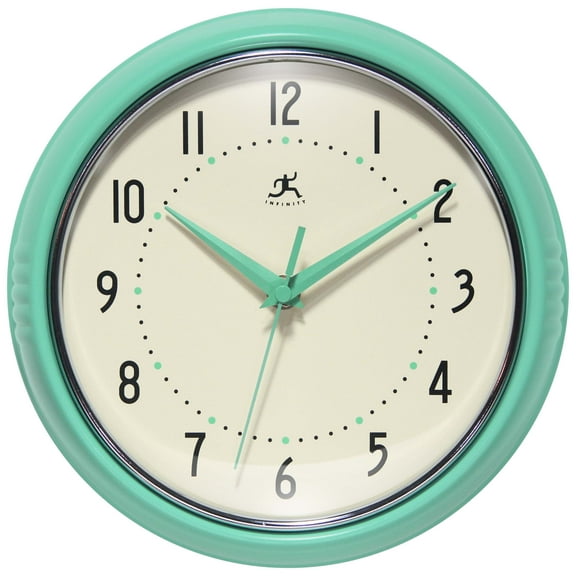


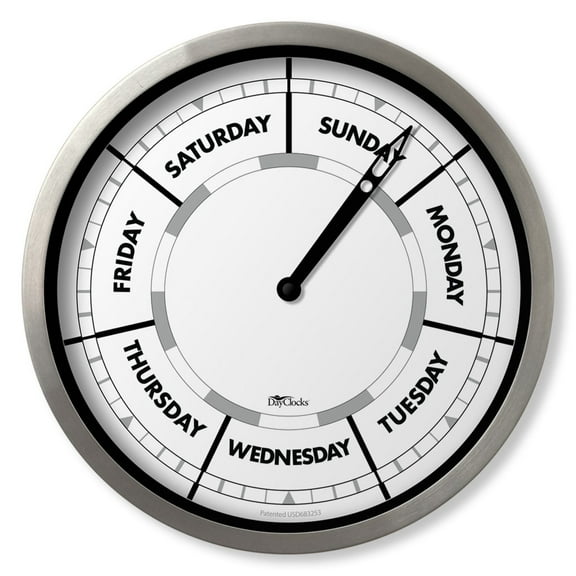


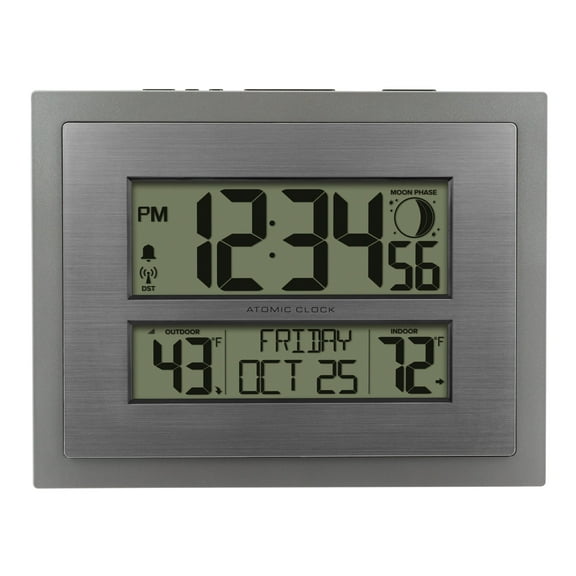
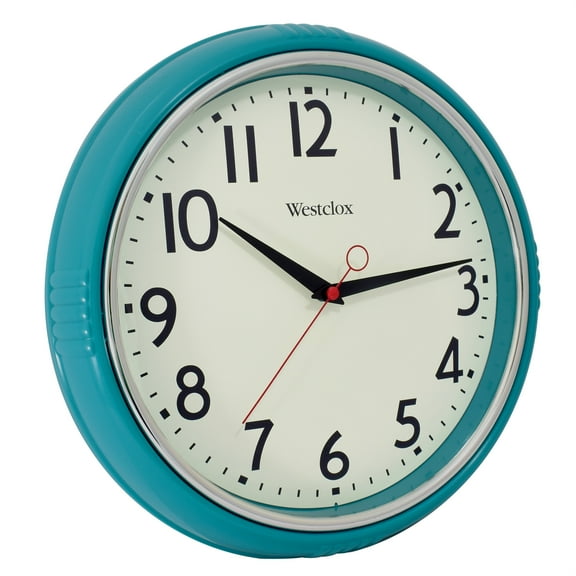


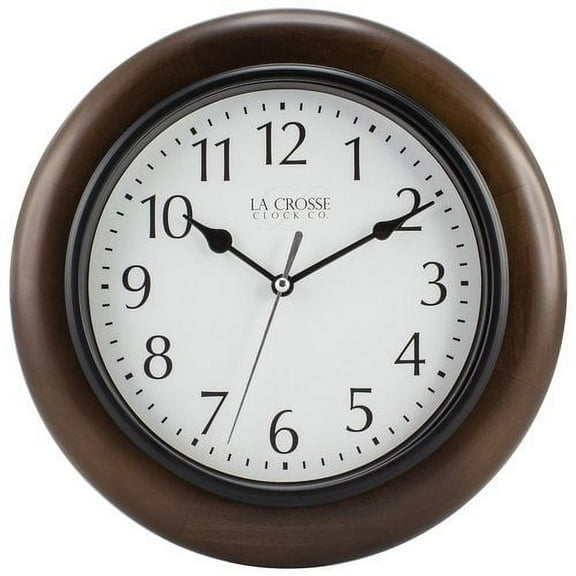


About Kitchen Clocks in Clocks - Walmart.com
Kitchen clocks help you track prep, baking, and family routines while adding personality to one of your active rooms. You can choose styles, sizes, and displays that fit your wall space and match your cabinets, counters, and daily kitchen habits.
How to choose kitchen clocks for your space
You should start with wall space, because size changes how a clock looks and reads in a kitchen. You can use small kitchen wall clocks under 10 inches for narrow spots, coffee bars, or walls between shelves.
You may prefer medium sizes for balanced visibility above a pantry door or breakfast nook. You can use large clocks over 14 inches when you want the time visible from the sink, stove, and island.
You should also check the mounting area before you choose a frame depth or diameter. You can measure around tile, cabinets, and open shelving so your clock doesn’t crowd switches, art, or spice racks.
Choosing wall clocks for kitchen visibility
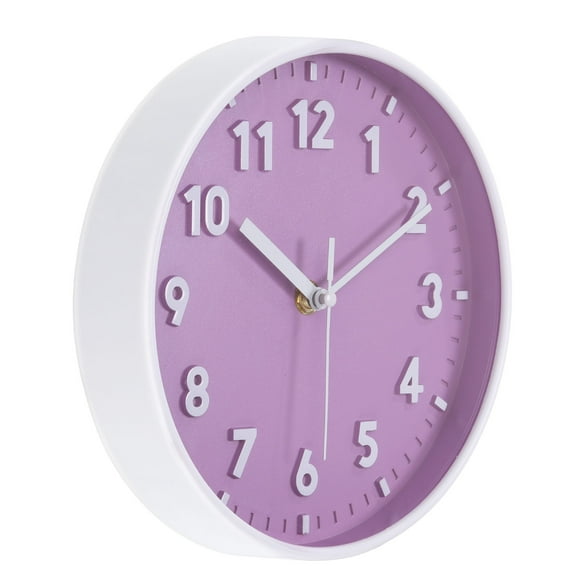
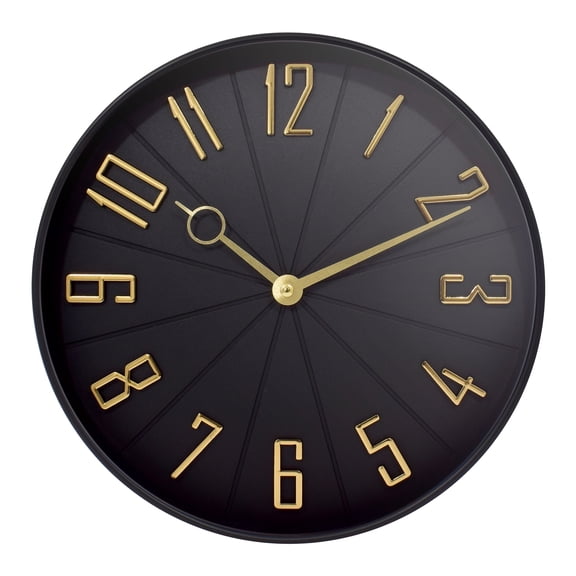
You’ll notice that easy reading matters when your hands are full or your timer is already running. You should look for bold numerals, strong contrast, and clean hands that stand out from across the room.
You may prefer analog faces when you want a classic look with quick time checks. You can choose a digital kitchen clock or LED display when you want large numerals that stay easy to read in dim light.
- You can spot the time quickly with high-contrast dials and clear markers.
- You can keep your wall layout balanced by matching the clock size to open wall space.
- You can support your kitchen style with finishes that echo hardware, wood tones, or appliances.
- You can simplify upkeep by choosing a battery operated kitchen clock for flexible placement.
Key differences in style, material, and sound
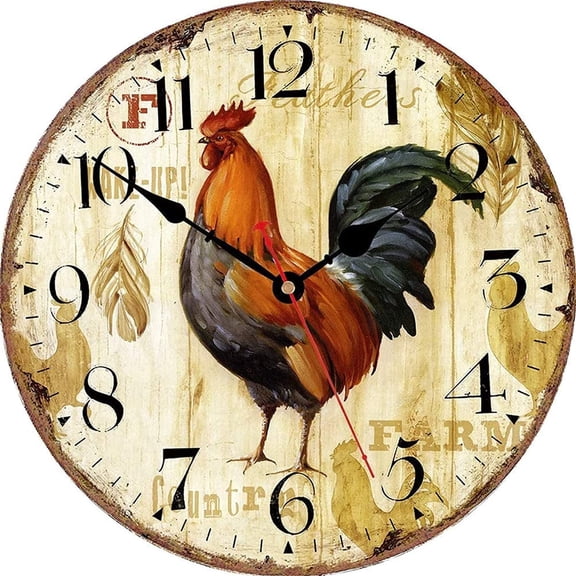
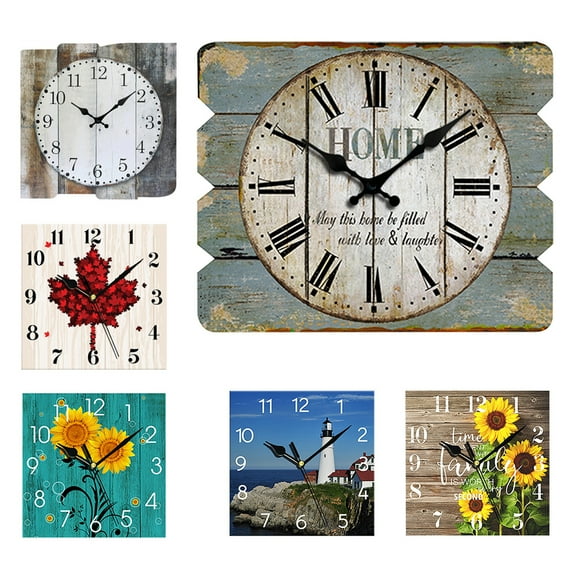
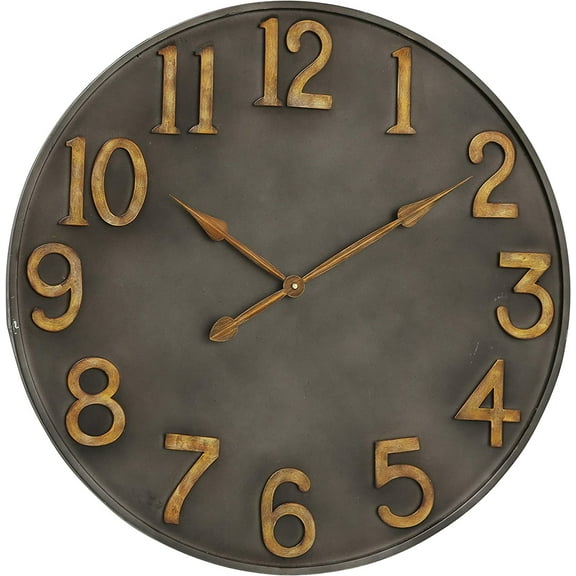
You can shape the room’s look by comparing modern, farmhouse, retro, vintage, and rustic designs. You may lean toward farmhouse kitchen clocks with wood tones and distressed finishes for cozy, casual kitchens.
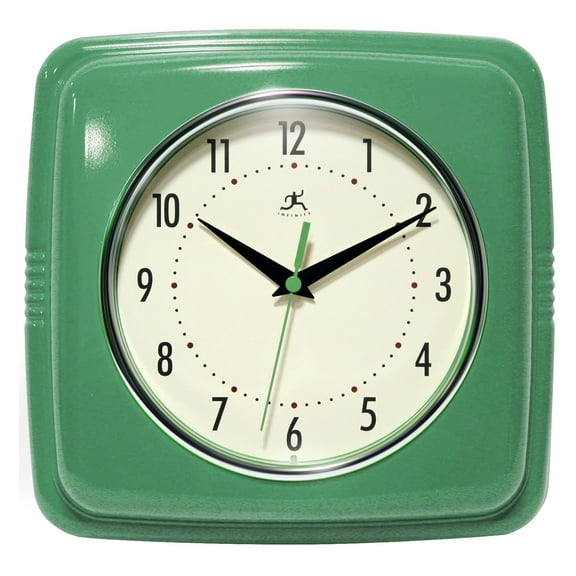
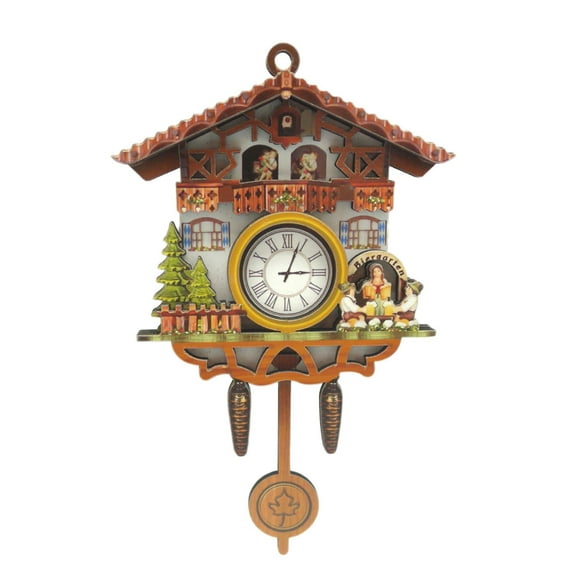
You can choose modern styles with simple markers and clean lines for streamlined spaces. You may like retro or vintage looks when your kitchen uses checkerboard floors, colored appliances, or nostalgic accents.
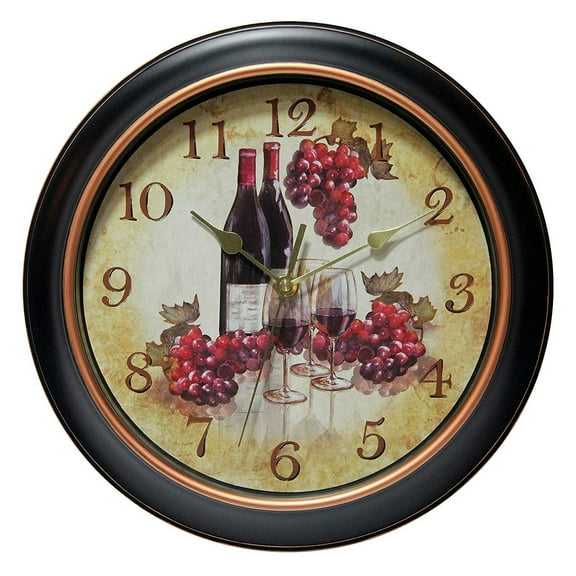
You should compare materials because each one changes the mood and maintenance of the room. You can bring warmth with a wooden kitchen clock, add shine with metal, or keep things light with plastic and glass.
You may also care about sound, especially in eat-in kitchens or open layouts. You should look for silent quartz movement when you want a smooth second hand and minimal ticking.
You can still choose traditional ticking if you like a classic clock feel and audible timekeeping. You should check product details for movement type, because quiet operation often matters near homework tables and morning coffee spots.
Comparing display type and power source
You should compare analog, digital, and LED displays based on how you use your kitchen each day. You can pick analog faces for decorative appeal, or choose digital readouts for quick glances during cooking.
You may prefer LED when you want bright numerals that stay visible from a distance. You should balance brightness with placement so the display fits your kitchen lighting and doesn’t dominate a small wall.
You can narrow options by power source before you choose a finish or frame. You may want a battery operated kitchen clock when you need clean placement without a nearby outlet.
You can choose plug-in styles when your wall sits close to a counter outlet or appliance hub. You may like USB rechargeable designs when you want less frequent battery changes and flexible charging between uses.
You should also think about upkeep, because power choice affects daily convenience. You can reduce interruptions by checking battery life expectations and choosing efficient movements built for steady kitchen use.
Matching kitchen clocks to real rooms and routines
You can use small kitchen wall clocks in apartments, galley kitchens, and compact breakfast corners. You may place them above a coffee station, beside a recipe board, or between windows where every inch counts.
You can use medium clocks in family kitchens where you want visibility without overwhelming the wall. You may pair wood or metal frames with open shelving, pantry doors, or a dining nook transition.
You can choose large kitchen clocks for wide walls, open-concept layouts, and homes with central islands. You’ll appreciate large numerals when you check time from the sink, range, or meal prep station.
You may want farmhouse kitchen clocks for shiplap walls, warm wood finishes, and black hardware. You can choose modern or digital styles when stainless appliances, flat-front cabinets, and simple decor shape your space.
You should compare display and power combinations for the way your kitchen actually works. You can pair a digital display with battery power for easy placement, or choose analog wood styles for a softer decorative look.
What to look for before you decide
You should measure first, compare movement type, and check whether the dial stays readable from across the room. You can then narrow your choice by style, material, and power source for a clock that fits daily kitchen routines.
You’ll feel more confident when your kitchen clocks match your wall space, visual style, and timekeeping needs. You can end up with a clock that looks right, reads clearly, and suits the pace of your kitchen.