

Ketone Test Strips in Diabetes Support


About Ketone Test Strips in Diabetes Support - Walmart.com
Ketone test strips help you compare tracking options for keto routines and diabetic monitoring with clear formats, readable results, and practical pack sizes. You can use this guide to understand urine strips, blood-compatible strips, and breath-focused choices before you pick a format.
If you're comparing ketone test strips for daily use, you'll want clear reading steps and packaging that fits your routine. You may also want guidance on color charts, count sizes, and how long opened containers stay dependable.
How to choose ketone test strips by test type
You should start with test type, because your routine changes how you collect and read results. You can compare urine, blood, and breath options by convenience, reading style, and device needs.
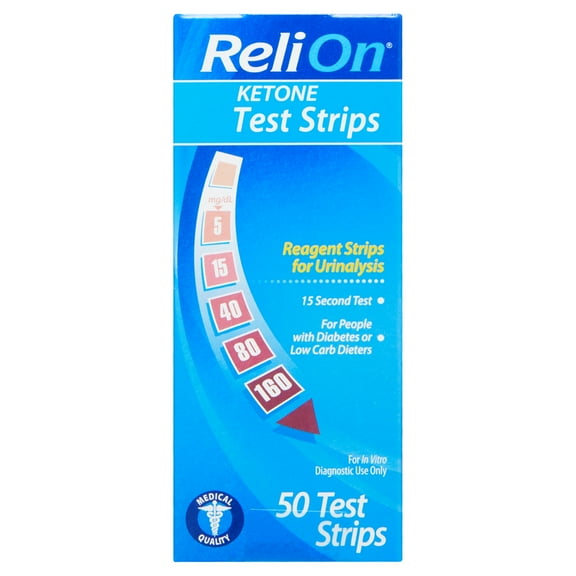
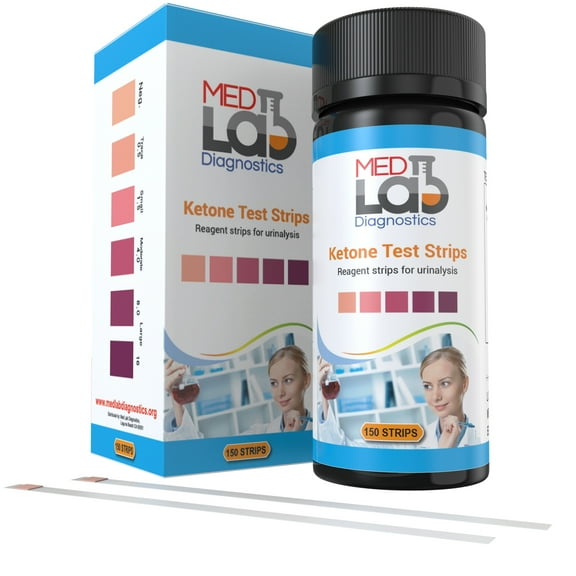
With urine ketone strips, you usually get a simple dip-and-compare process with a printed color chart. You may prefer this format when your goal is quick keto diet tracking at home or while traveling.
For blood-compatible ketone measurement strips, you need to check meter compatibility before you choose a pack. You can use these strips with supported blood glucose and ketone monitoring systems for digital readings.
Breath-focused options fit shoppers who want a reusable testing approach instead of a strip-based routine. You should still confirm whether a page listing includes actual strips, because breath systems use a different format.
- You can choose urine strips when you want a fast visual color comparison.
- You can choose blood-compatible strips when you want meter-based numeric readings.
- You can compare breath systems separately when you want a non-strip testing method.
- You should match your format to your routine, reading preference, and device setup.
Choosing pack size and storage for keto test strips
You should compare pack sizes based on how often you test during the week. You may like a 50 count pack for occasional checks, while a 100 count pack fits more frequent tracking.
If you test often, ketone test strips 100 count packs can help you maintain a steady routine without frequent reordering. You can also compare 150 count options when your household uses strips regularly.
Storage matters because opened bottles may lose consistency over time if you expose them to heat or moisture. You should check the label for post-opening guidance, then close the cap promptly after each use.
You may also want bottles with easy-to-read dates and compact designs for drawers, travel kits, or bathroom storage. You can keep your process simpler when your strips are organized and easy to reach.
Matching application goals and measurement parameters
You should choose based on your reason for testing, because keto diet tracking and diabetic monitoring call for different formats. You can narrow options faster when you compare your goal before you compare counts.
For keto diet tracking, you may want keto test strips that show whether nutritional ketosis is present through color changes. You can use that quick visual check to follow routine changes in meals and timing.
For diabetic monitoring, you may look for diabetic ketone strips or combo formats that track ketone plus glucose information. You should verify whether your chosen strip works with your meter and intended measurement system.
Some blood-based systems report numeric levels in millimolar concentration, which gives you a digital result instead of a color block. You can use that format when you prefer exact numbers and meter-supported tracking.
If you want broader data, ketone plus glucose options can reduce the need to compare separate tools. You should review compatible systems carefully, because strip design and meter fit can vary by product line.
Understanding results and reading confidence
You should look for a clear color chart when you compare urine ketone strips, because readability affects your daily routine. You can often compare shades that indicate trace, small, moderate, or large ketone ranges.
Good readability matters when lighting changes or when you test away from home. You may prefer larger print, stronger color contrast, or simpler chart layouts that speed up result checks.
If you don't want to interpret color shades, you may prefer a digital meter setup with compatible blood strips. You can read a number on the screen instead of matching a pad to a chart.
You should also check product details for timing directions, because many strips require a brief wait before reading. You can get a smoother routine when the instructions are clear and easy to repeat.
Using ketone test strips in real routines
You may use ketone strips for ketosis during a low-carb meal plan, after exercise changes, or during routine progress checks. You can choose urine strips when you want a simple, portable format for regular tracking.
If your household already uses a compatible meter, you may prefer blood-compatible strips for one organized testing setup. You can keep your process streamlined when ketone and glucose tracking live in the same system.
For travel or office storage, you may want compact bottles that fit neatly into a small bag or drawer. You should compare count size with your schedule so you don't carry more than you need.
You may also compare labels when you want diabetic ketone strips, urine ketone strips, or keto test strips for different goals. You can shop with more confidence when the test type, count, and measurement style match your routine.
When you compare ketone test strips by format, pack size, application, and reading style, you can narrow choices quickly. You end up with a testing routine that feels easier to follow and easier to interpret.