







Kayak Storage Racks in Paddling Accessories


















About Kayak Storage Racks in Paddling Accessories - Walmart.com
Kayak storage racks help you clear floor space and protect your boat between trips. You can compare wall, ceiling, floor, and outdoor setups that fit your space and your kayak size.
How to choose kayak storage racks for your space
Start with where you plan to store your kayak and how often you move it. You should measure your wall width, ceiling height, and garage clearance before you compare rack styles.
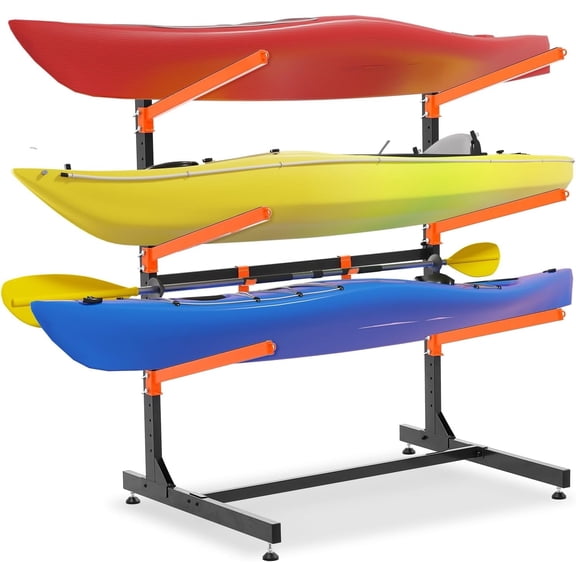
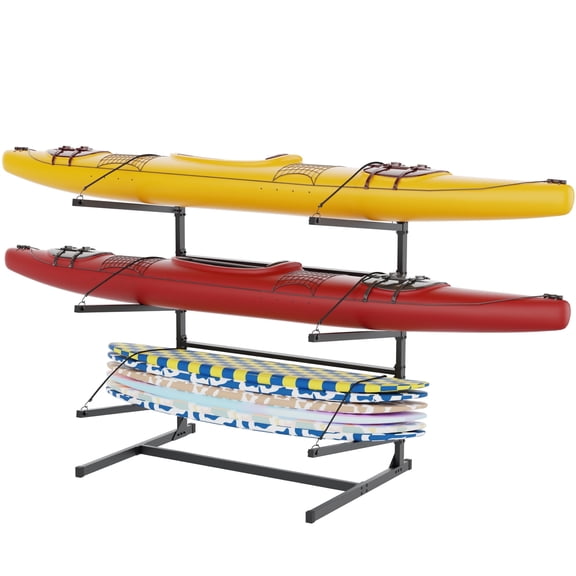
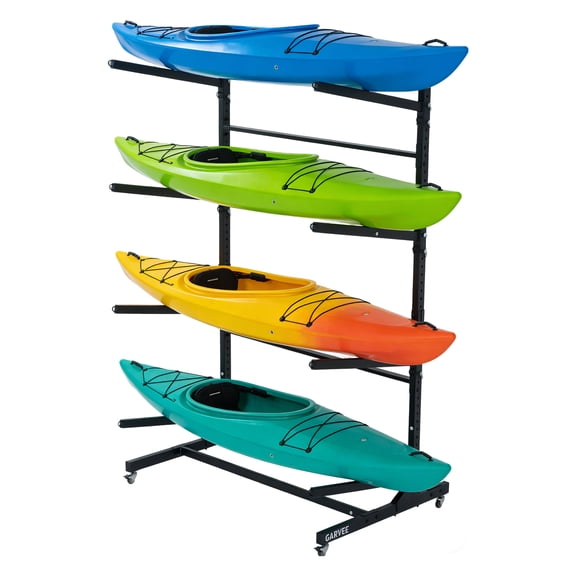
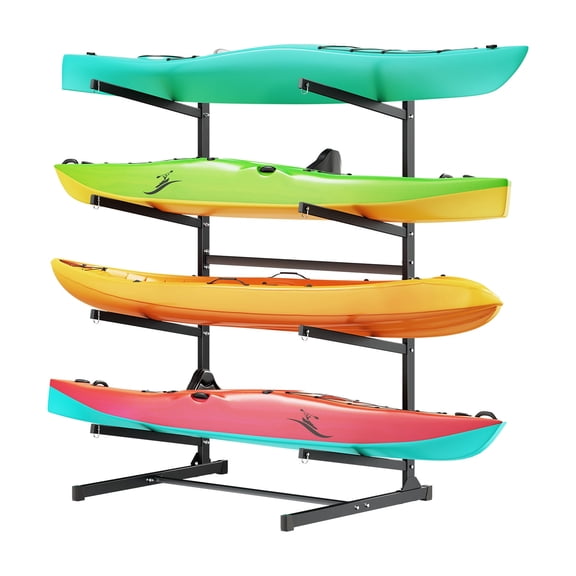
If you store one boat in a tight garage, you may prefer a kayak wall mount. If you manage several boats at once, you may need a freestanding kayak rack or multi-kayak layout.
You should also check your kayak length, width, and loaded weight. Those details help you compare maximum weight limits in pounds and choose support points that match your hull shape.
- You can free up garage floor space with wall-mounted and ceiling-mounted storage.
- You can keep boats organized by choosing single, double, or multi-kayak capacity.
- You can protect hull finishes by looking for padded contact points and secure cradles.
- You can match your storage location with indoor, garage, dock, or outdoor-ready designs.
Choosing a kayak wall mount or ceiling system
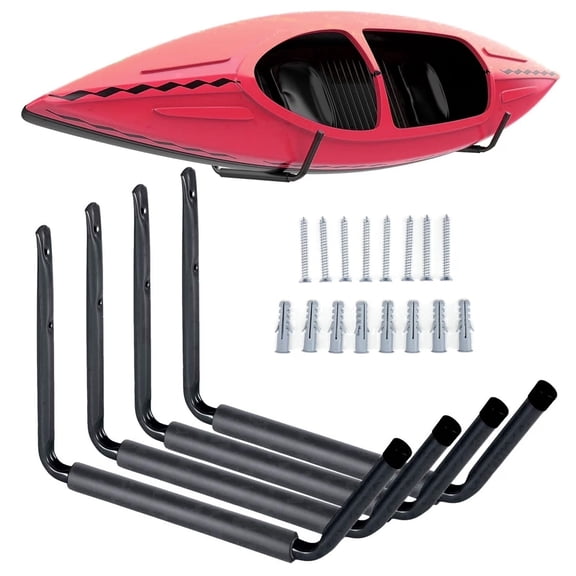
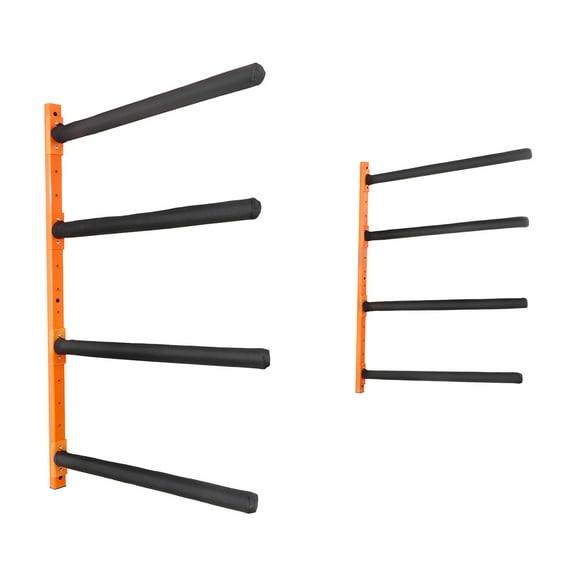
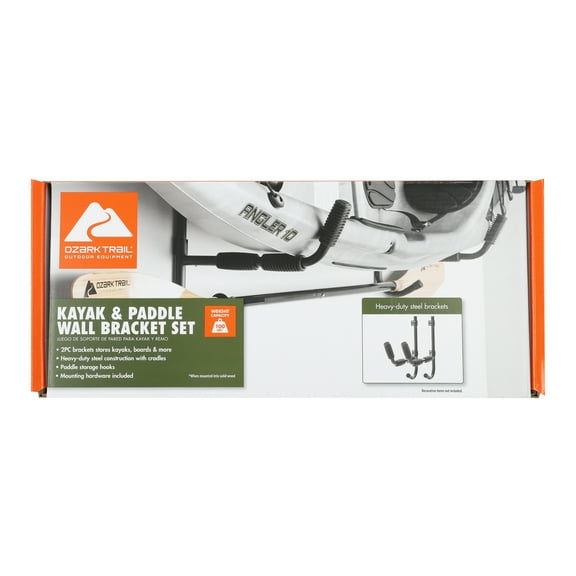
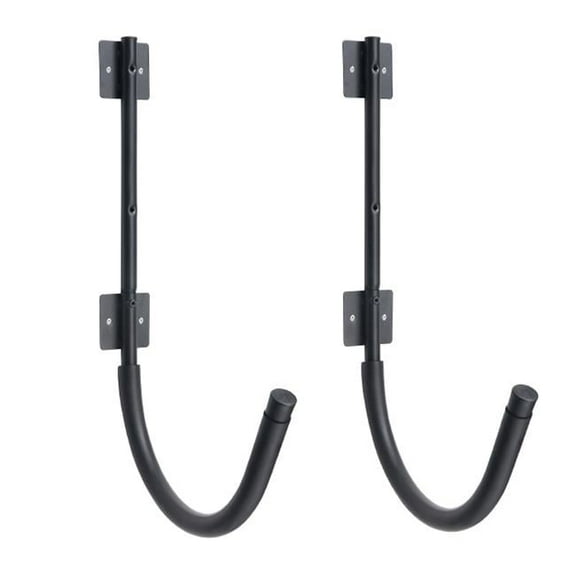
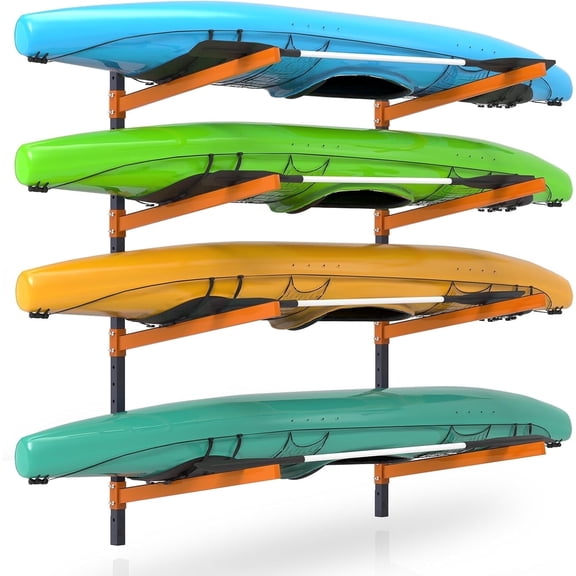
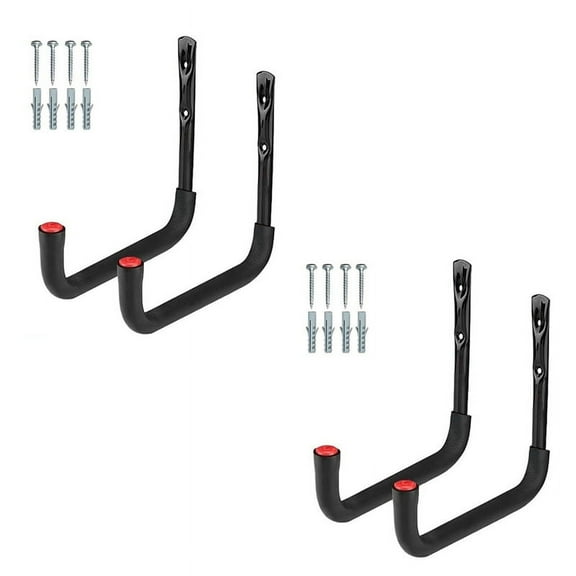
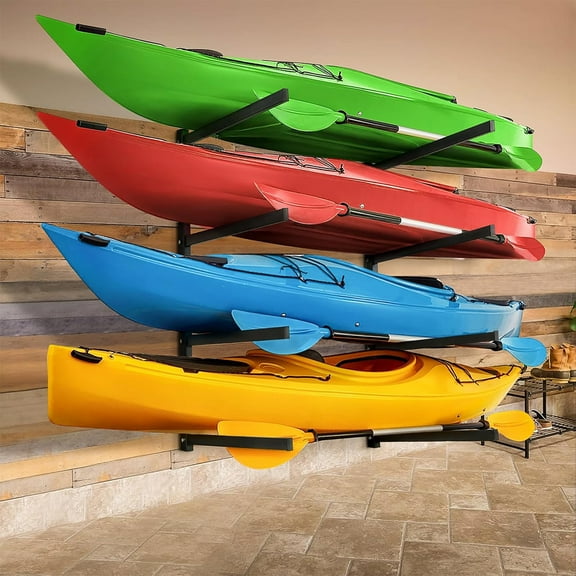
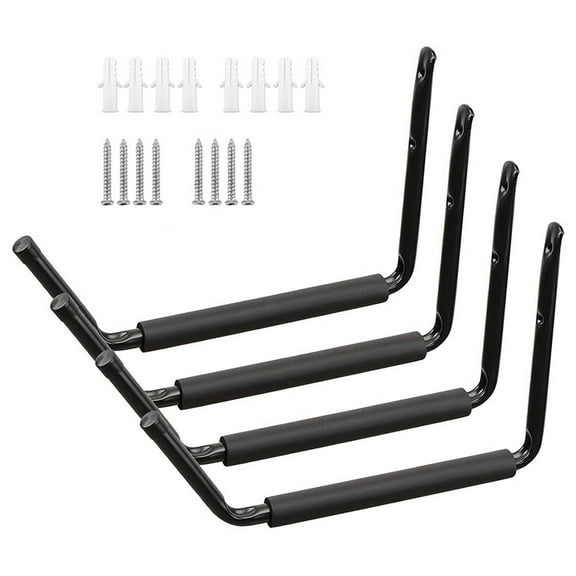
A kayak wall mount works well when you want your boat off the floor and within easy reach. You should check stud spacing, mounting hardware needs, and arm width before installation.
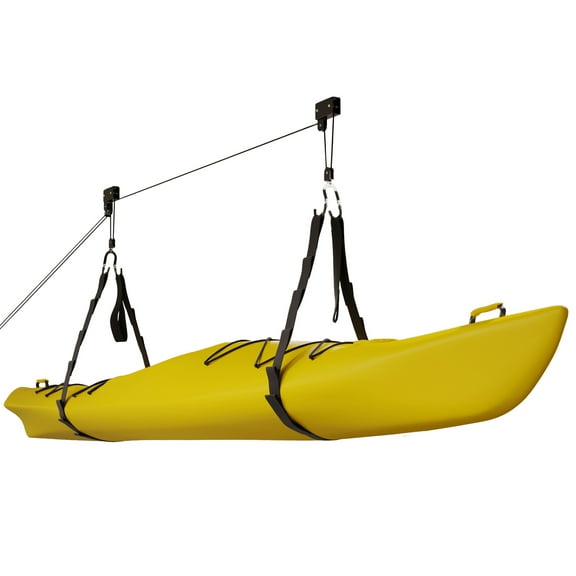
If your garage has overhead room, a kayak ceiling hoist can use space above vehicles or workbenches. You should compare pulley operation, lift range, and weight ratings before you commit.
Wall systems often make sense when you load and unload your kayak often. Ceiling systems can suit longer storage periods when you want open walking space below.
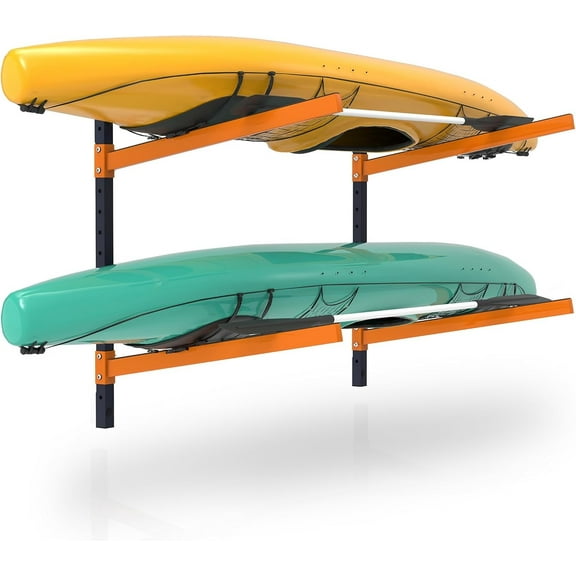
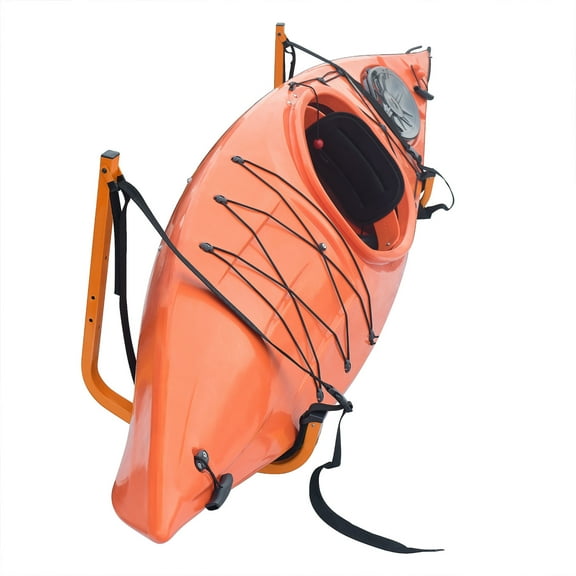
You may also compare horizontal wall arms with vertical storage styles. Horizontal arms can support the hull across two points, while vertical styles can reduce wall footprint.
What to look for in outdoor kayak storage
Outdoor kayak storage requires materials and finishes that handle changing weather. You should look for heavy-duty steel or aluminum frames with hardware suited for outdoor exposure.
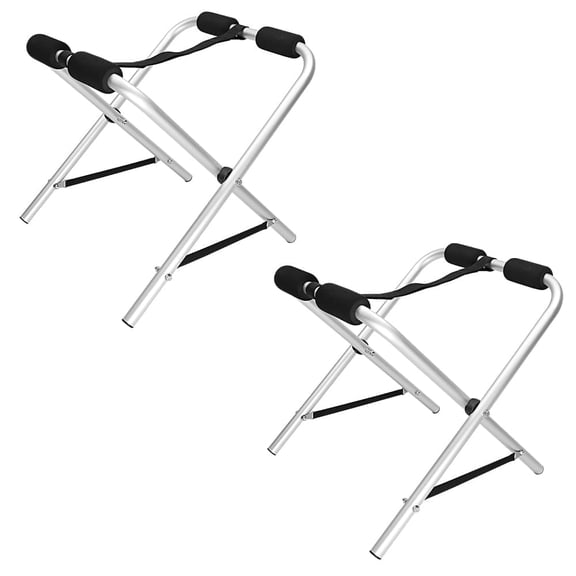
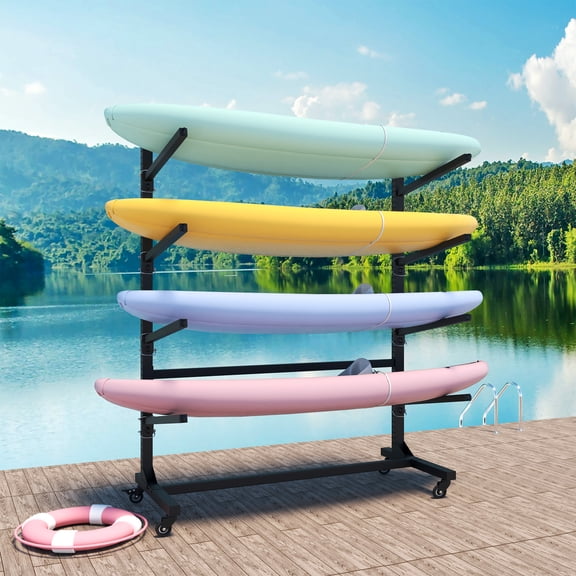
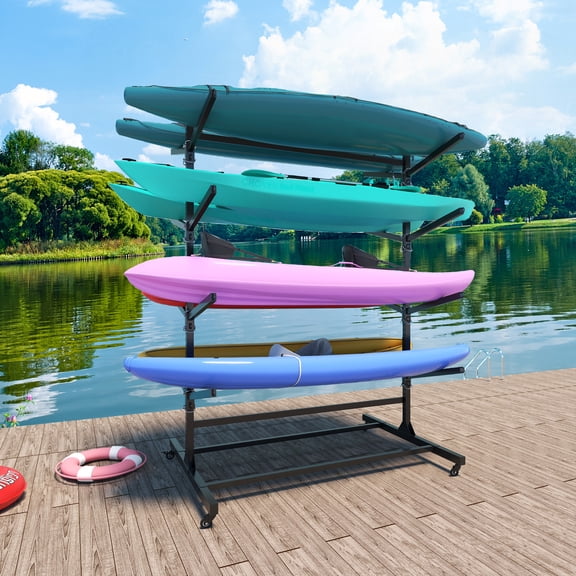
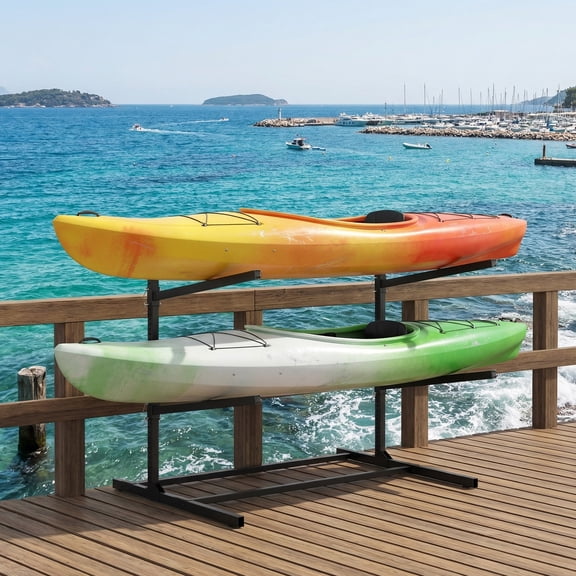
If your rack sits near a dock or backyard launch area, you should compare ground racks and open-frame stands. Those designs can make loading easier when you carry wet gear and larger sit-on-top kayaks.
You should also check whether padding covers the contact points where your kayak rests. Padded foam can help reduce scuffs on composite, plastic, and fishing kayak hulls.
For long-term placement outside, you should compare frame stability and anchoring options. A wider base or ground-ready layout can help your setup stay organized in changing conditions.
Comparing capacity, materials, and protection details
Capacity affects how your rack performs in daily use and during off-season storage. You should choose single kayak, double kayak, or multi-kayak capacity based on how many boats you store.
Weight capacity matters just as much as the number of boats. You should confirm the maximum weight limit in pounds and compare it with your kayak, seat, and accessory load.
Material choice changes where and how you store your gear. Heavy-duty steel can feel sturdy in garages, while aluminum can make sense when you want a lighter frame.
You should also compare padded arms, foam sleeves, and cradle shapes. Those details help your rack contact the hull more gently and support it during long storage periods.
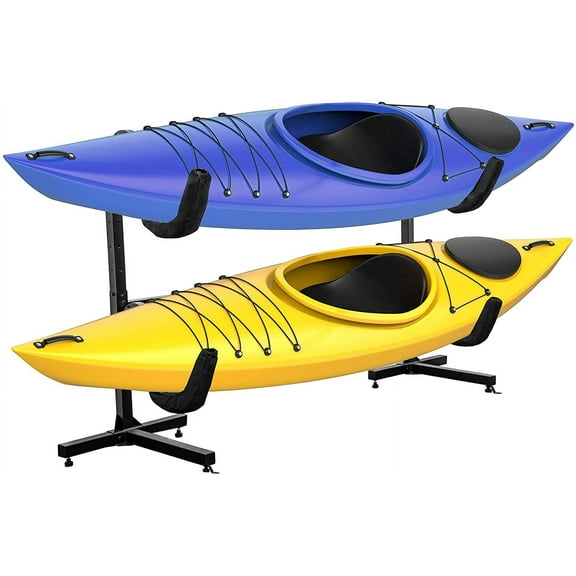
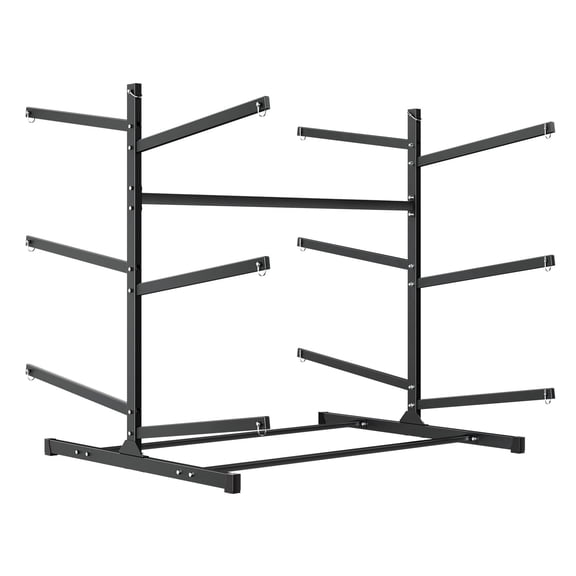
A freestanding kayak rack can work well when you can't drill into walls or ceilings. You may prefer that option if you rearrange your garage kayak storage during the season.
Matching rack types to real storage setups
If you store a recreational kayak beside bikes and bins, you may want a wall-mounted design. You can keep aisles clearer while still reaching your boat before a weekend paddle.
If your ceiling stays open above a vehicle bay, you may consider a kayak ceiling hoist. You can lift one boat overhead and keep floor space available for carts or coolers.
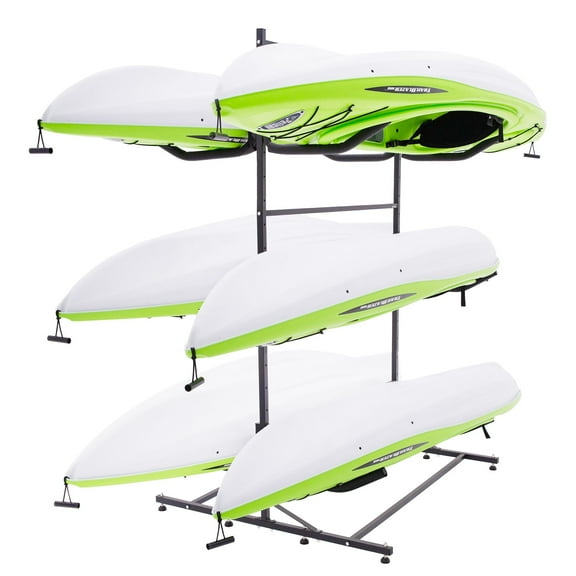
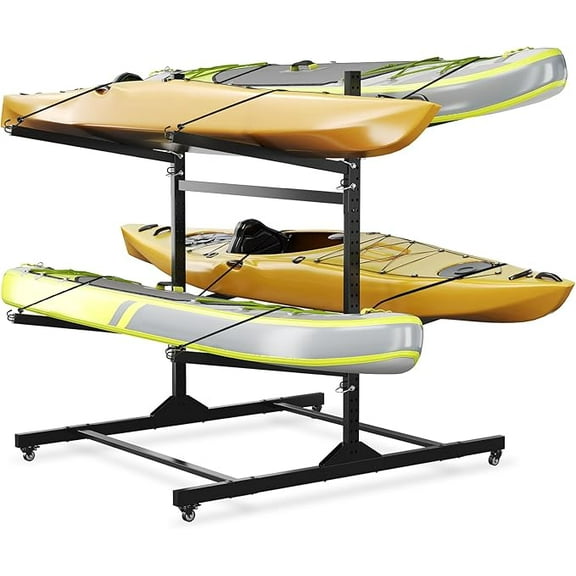
When you store several boats for a family or group, a freestanding kayak rack can simplify access. You can separate different hull sizes without relying on wall stud placement.
If you keep kayaks near a dock, you may need outdoor kayak storage with quick loading access. You should compare weather-ready frames and stable feet that suit uneven surfaces.
For garages with limited wall length, you may compare vertical and horizontal layouts carefully. You can often fit a longer kayak more efficiently when you measure turning space first.
If your kayak has accessories like seats, rod holders, or deck rigging, you should allow extra clearance. You can avoid tight fit issues by checking rack depth and arm spacing early.
Choose with installation and fit in mind
You’ll get more from kayak storage racks when you match mounting type, capacity, and materials to your space. You can create cleaner storage, easier access, and steadier support for every trip.