

All Juices in Juices


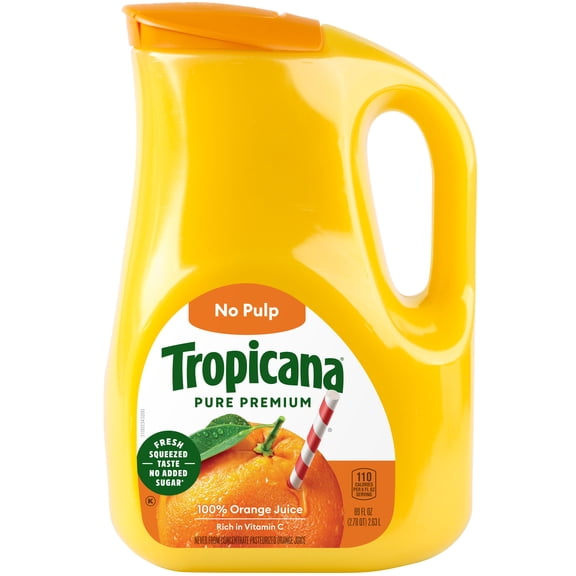


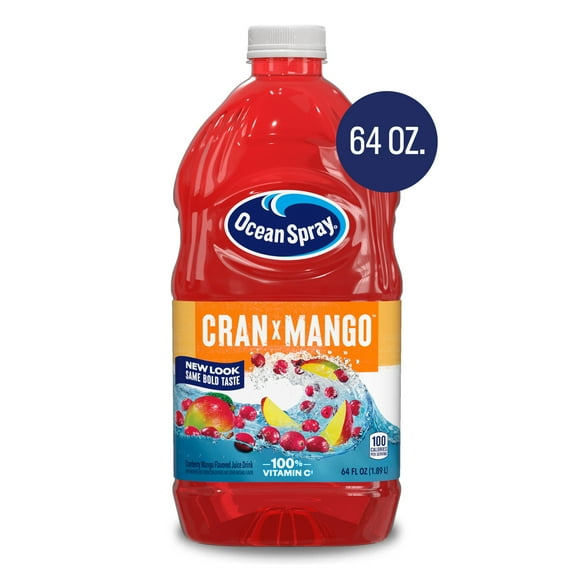

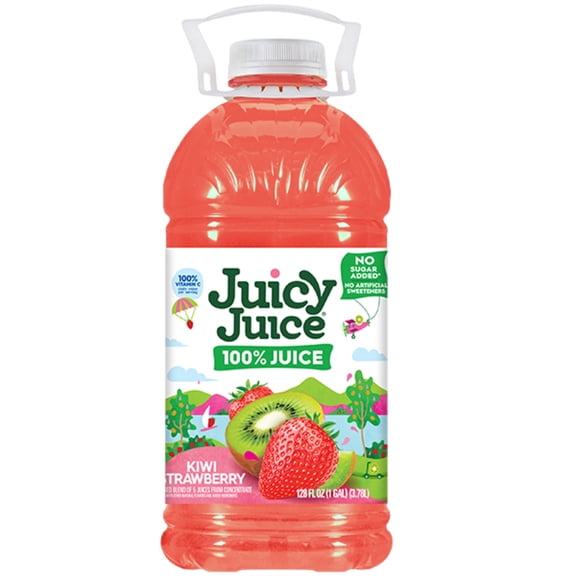
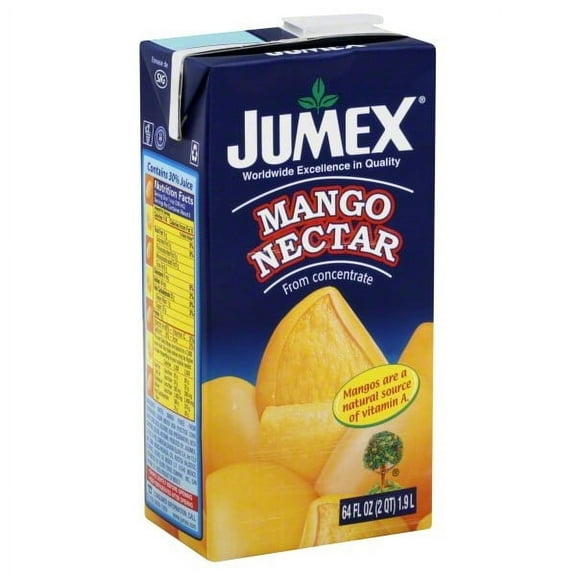
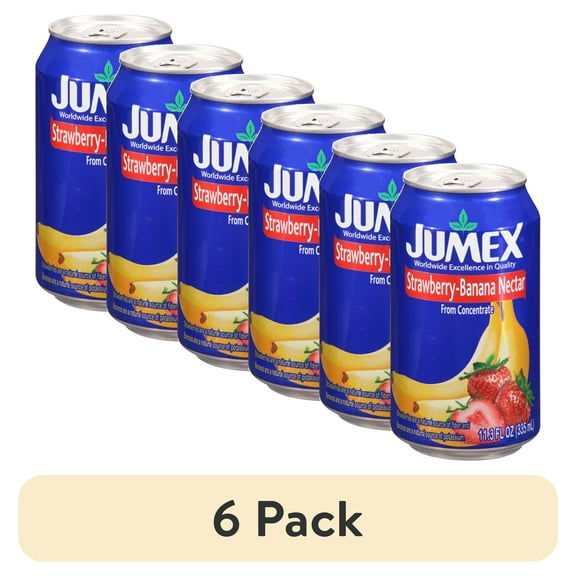
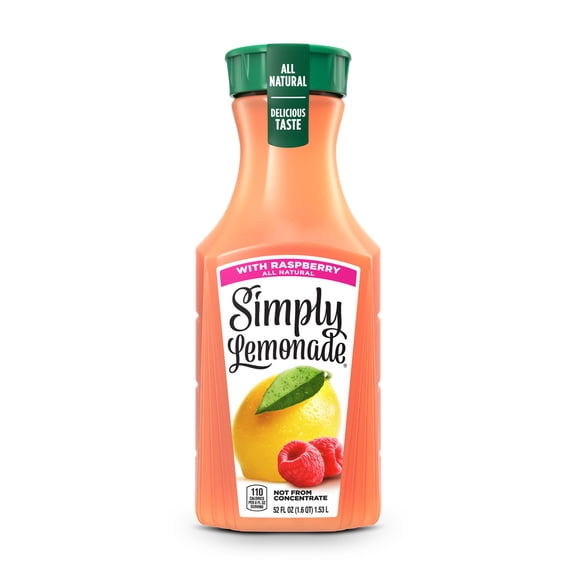

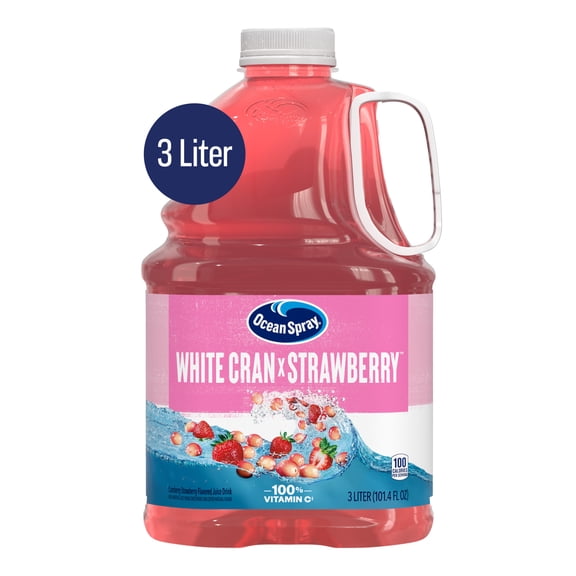
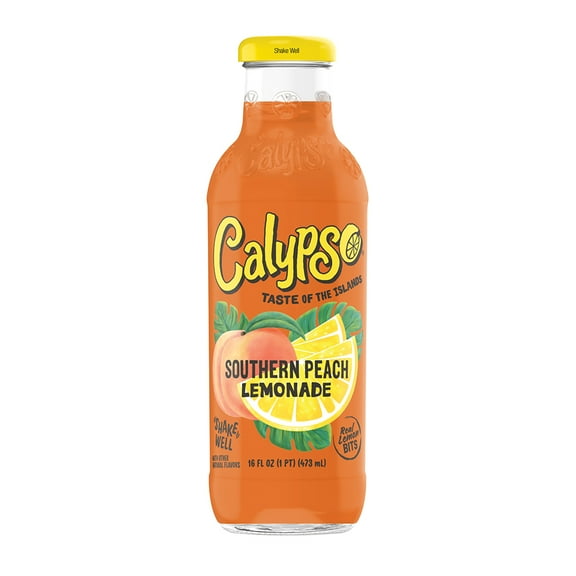

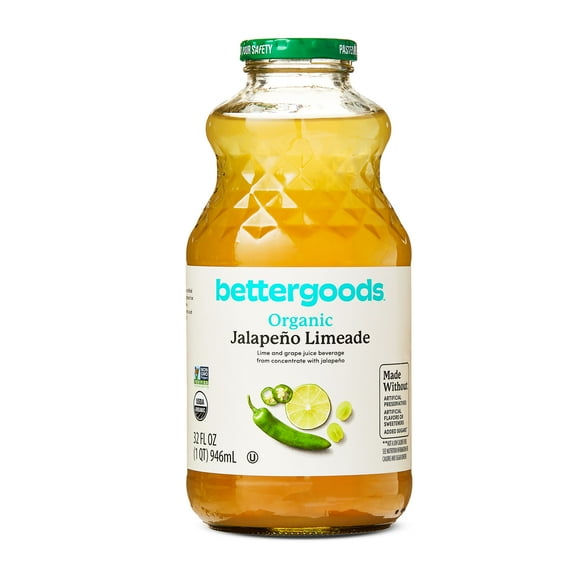

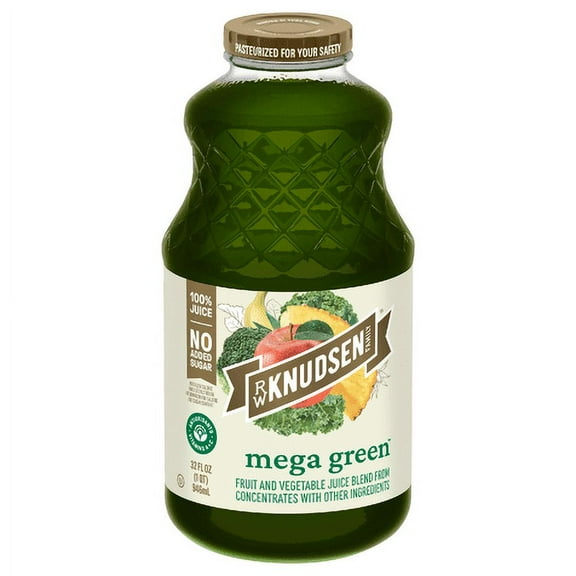
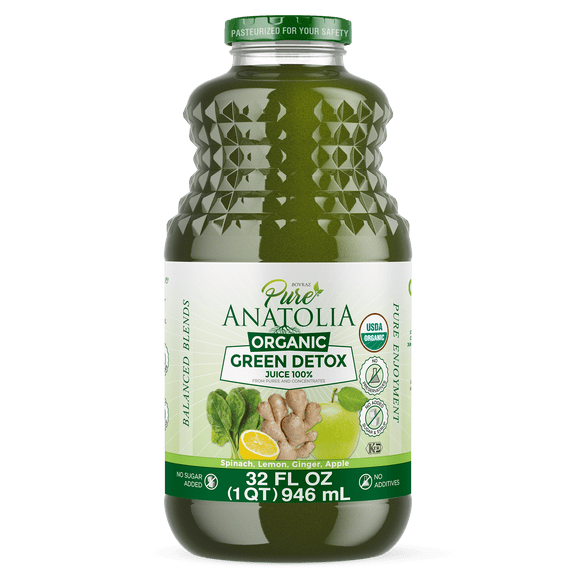
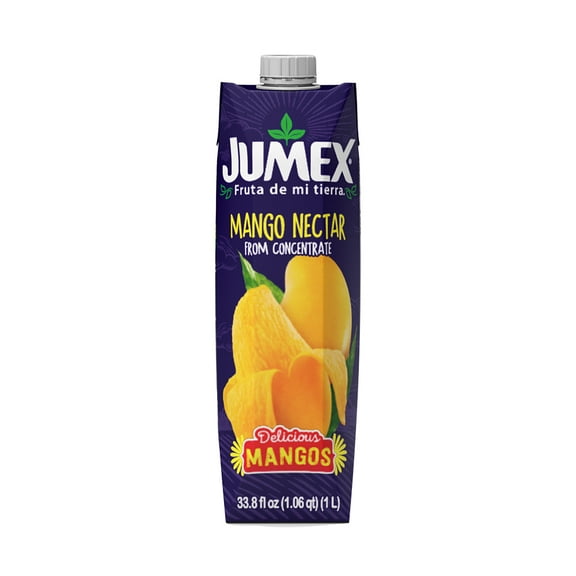
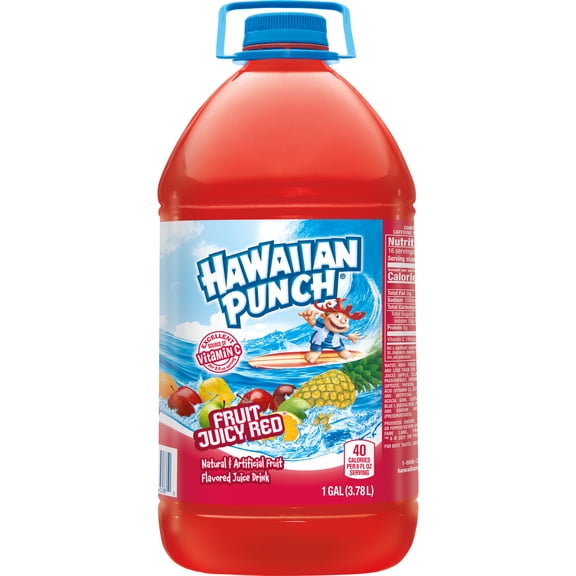
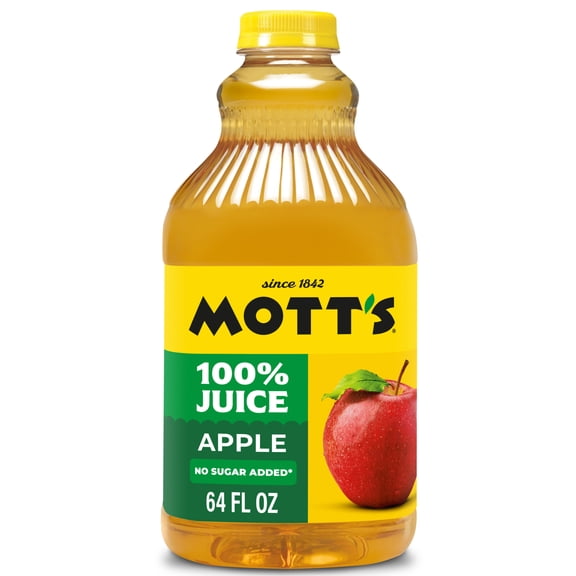


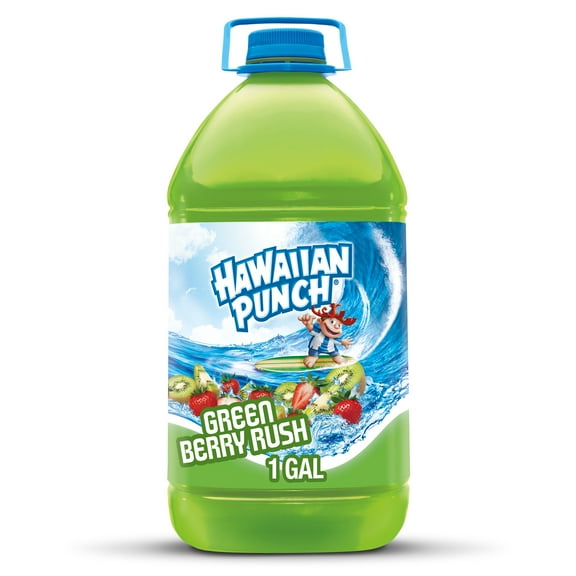

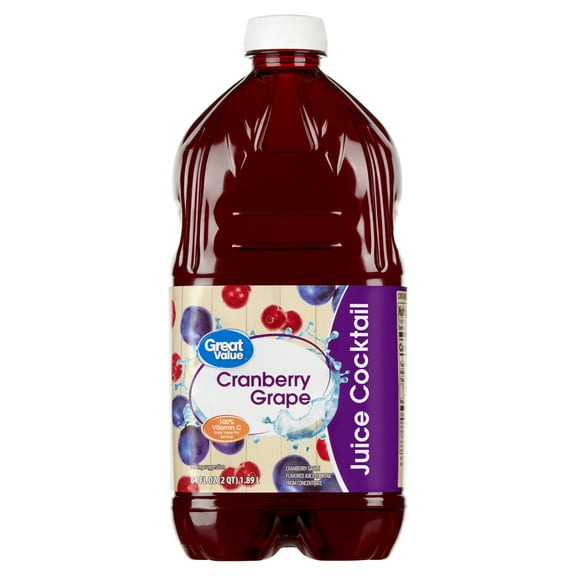






About All Juices in Juices - Walmart.com
When you shop all juice, you can compare fruit juice, vegetable juice, and blended options in one place. You can sort by ingredients, package style, and serving size for breakfasts, lunches, and everyday sipping.
If you want a category guide that helps, you should start with the choices that shape your routine. You can focus on juice type, packaging, dietary claims, and size before you narrow flavors like apple, orange, or grape.
How to choose all juice for your household
You should first compare juice type, because that choice shapes flavor, texture, and ingredient lists. You can look at 100 percent juice, organic juice, vegetable juice, and fruit blends based on how you plan to serve them.
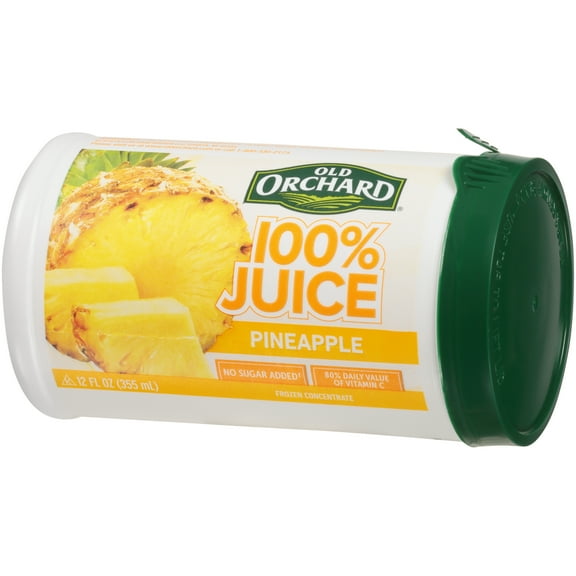
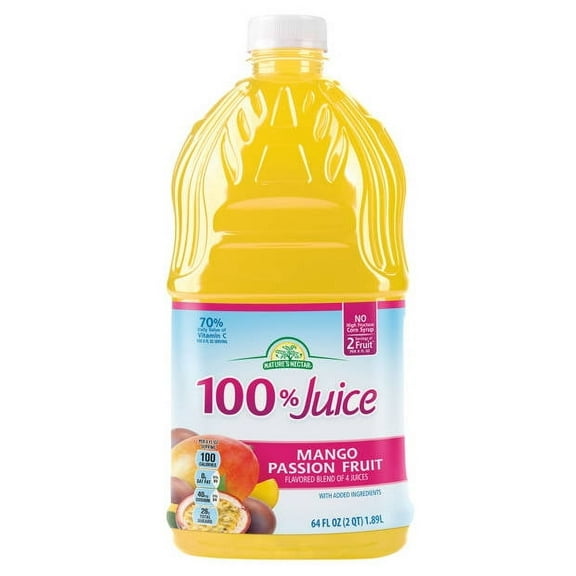
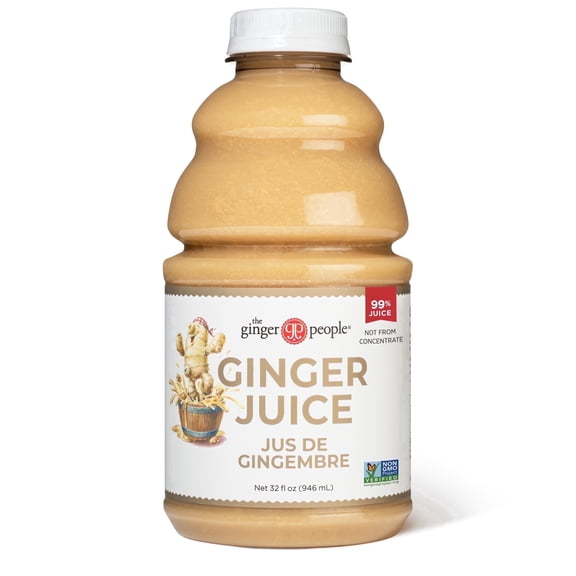
When you choose 100 percent juice, you get juice from fruit juice content instead of a cocktail style drink. You can use that label to compare ingredient lists and decide what fits your pantry.
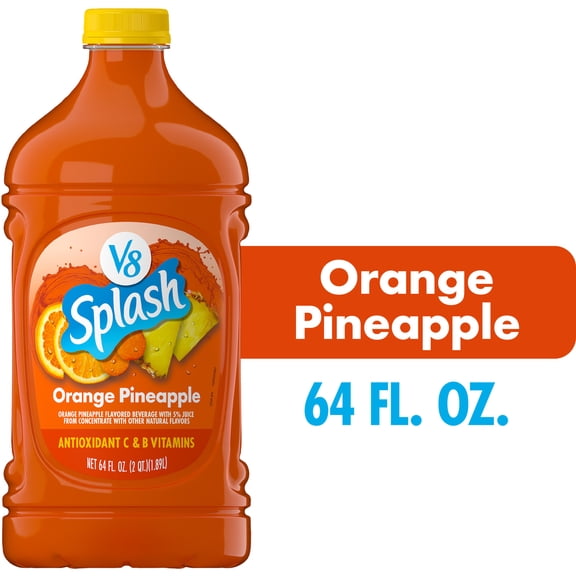
If you prefer light or mixed flavors, you may like fruit blends with apple, berry, mango, or tropical ingredients. You can also choose vegetable juice when you want a savory option with meals.
- You can choose 100 percent juice when you want straightforward fruit juice ingredients.
- You can pick organic juice when organic sourcing matters in your routine.
- You can select vegetable juice for a savory drink option with lunch or dinner.
- You can use fruit blends when you want mixed flavors for family choice.
Choosing between fruit juice and 100 percent juice
You should read the front label and ingredient panel together when juice purity matters to your decision. You can often spot 100 percent juice clearly, which helps you compare it with juice drinks or cocktails.
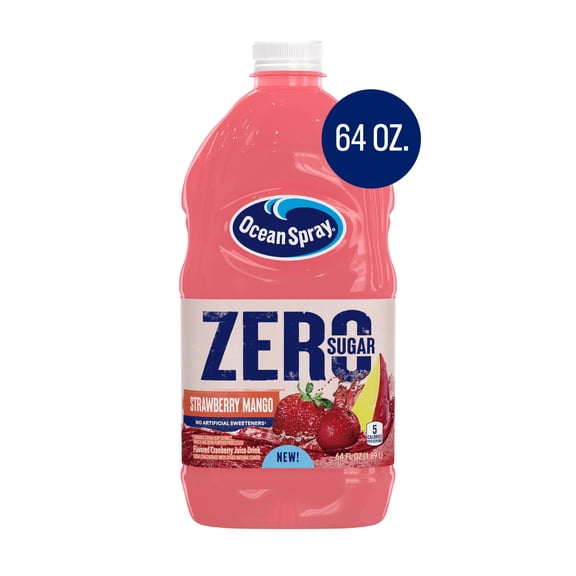
If you want fewer extras, you can check whether sugar is naturally present or added separately. You can also compare labels that say no added sugar when you want a direct ingredient profile.
For everyday breakfasts, you may prefer orange juice, apple juice, or grape juice in familiar family flavors. For added variety, you can explore fruit juice blends that bring several fruits into one bottle or box.
When organic sourcing matters to you, organic juice gives you another clear filter while you shop. You can compare organic and conventional options side by side without guessing which products fit your preferences.
Choosing packaging for juice boxes, bottles, cans, and pouches
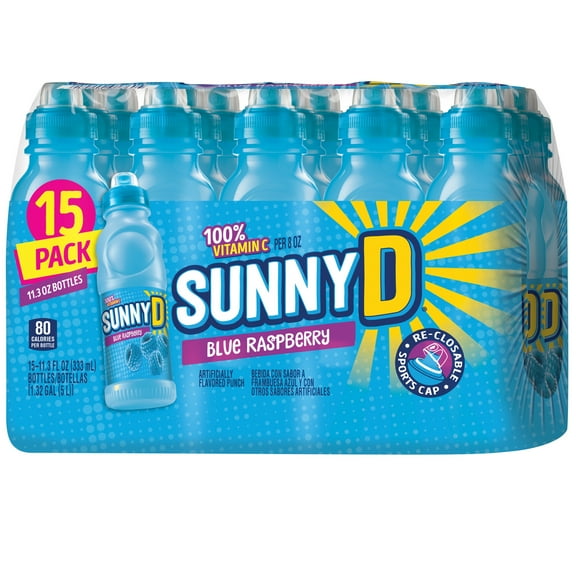
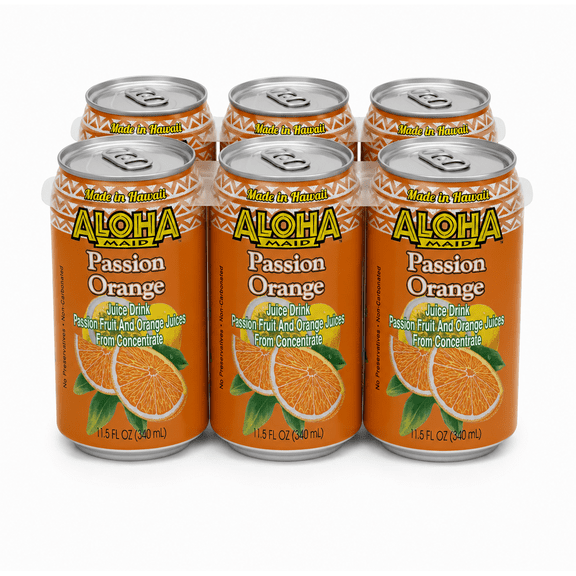
You should match packaging to where and when you plan to serve juice. You can use juice boxes and pouches for lunch packing, while bottles and cans often fit home storage.
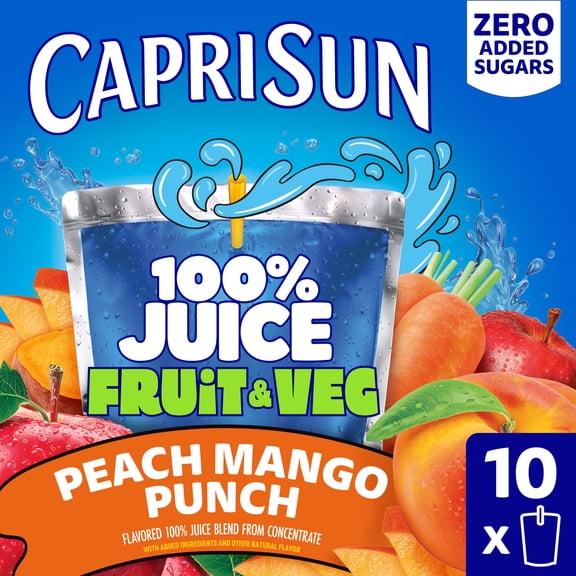
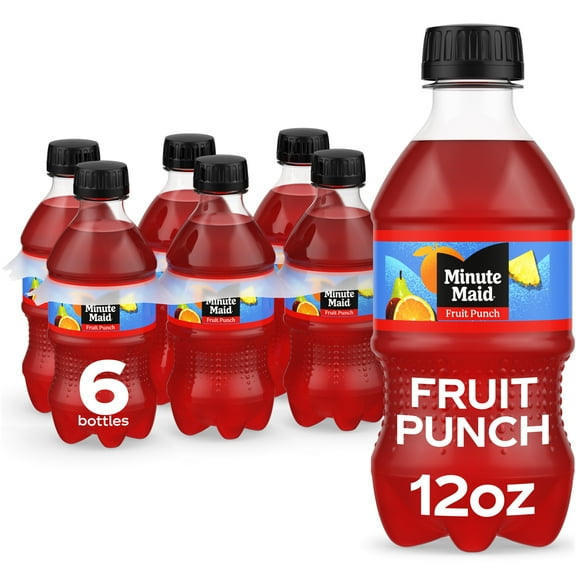
If you pack school or work lunches, juice boxes help you portion drinks quickly. You can also grab pouches when you want compact servings that travel easily in bags or coolers.
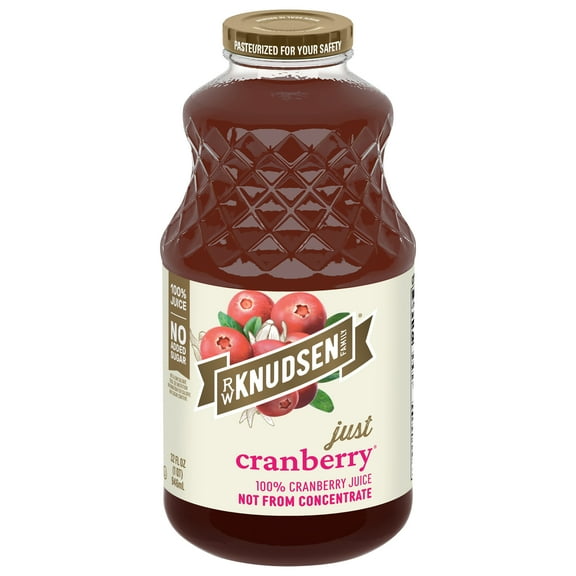
For breakfast tables or shared meals, you may want bottles that pour easily into cups. You can also choose cans when you prefer a ready-to-drink size for one person.
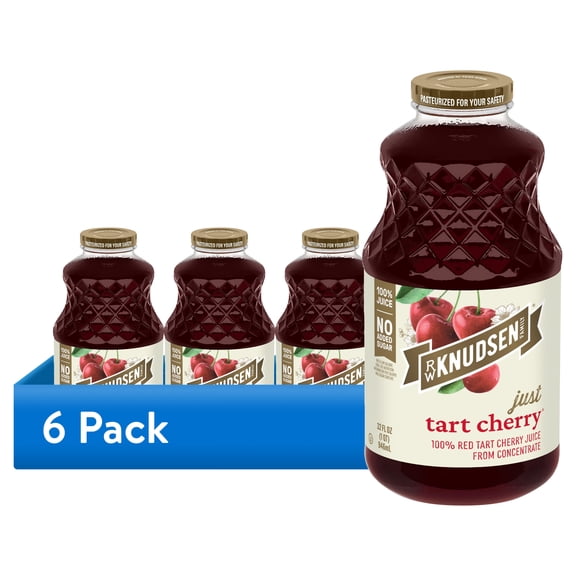
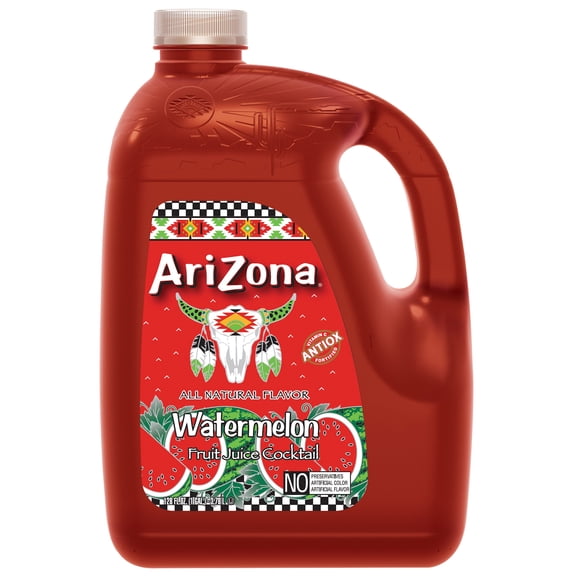
When you buy for gatherings or weekly routines, package count matters as much as flavor. You should compare single-serve, family size, and bulk packs based on how many people you serve.
What dietary claims and ingredients mean for you
You should use dietary claims as shopping shortcuts, but you still need the ingredient list for context. You can compare no added sugar, organic, low calorie, and non-GMO labels with your usual preferences.
If you want a direct fruit option, 100 percent juice can be an easy starting point. You can then check serving size and flavor to make sure the carton or bottle fits your routine.
When you shop for kids and adults together, you may want several claim types in one order. You can pair no added sugar options for breakfast with organic juice or fruit blends for variety.
You should also think about taste when you compare claims, because labels do not tell the whole flavor story. You can balance tart citrus, sweet apple, bold grape, or mixed berry with the foods you serve.
Using all juice for breakfast, lunches, and family stock-ups
You can build a practical juice lineup by matching size and packaging to each part of your week. You might keep family size bottles for breakfast, then add juice boxes for lunch bags.
If you host brunch or feed a busy household, large formats can simplify serving. You can pour several glasses from one container instead of opening many single drinks.
For road trips, after-school snacks, or office fridges, single-serve packs simplify planning. You can choose bottles, cans, or pouches based on how much space you have.
When you want wide variety, you can mix fruit juice, vegetable juice, and organic juice in one order. You get flexible options for morning meals, packed lunches, and quick refrigerator restocks.
With all juice organized by type, packaging, claims, and size, you can compare the details that affect daily use. You end up with options that fit your routine, your serving style, and your preferred ingredients.