








Fishing Jigs & Jig Heads for Bass | Walmart
























About Fishing Jigs & Jig Heads for Bass | Walmart - Walmart.com
Fishing jigs help you cover weeds, rocks, docks, and open water with one versatile lure style. You can compare head shapes, weights, skirts, and target species to match your next cast.
How to choose fishing jigs
You can get more control when you start with the depth, cover, and fish you plan to target. You can narrow your options faster when you compare jig heads by shape and weight.
For shallow water, you may prefer lighter sizes like 1/16 oz or 1/8 oz for a slower fall. For deeper water, you can step up to 1/4 oz or 1/2 oz to keep contact.
When you fish around grass, brush, or wood, you should check whether a weedless guard fits your presentation. When you fish rocky bottoms, you can compare heads that help your lure stay upright.
- You can use lighter jig weights when you want a slower sink and a subtle presentation.
- You can use heavier options when you need bottom contact in deeper water or current.
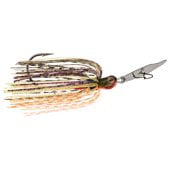
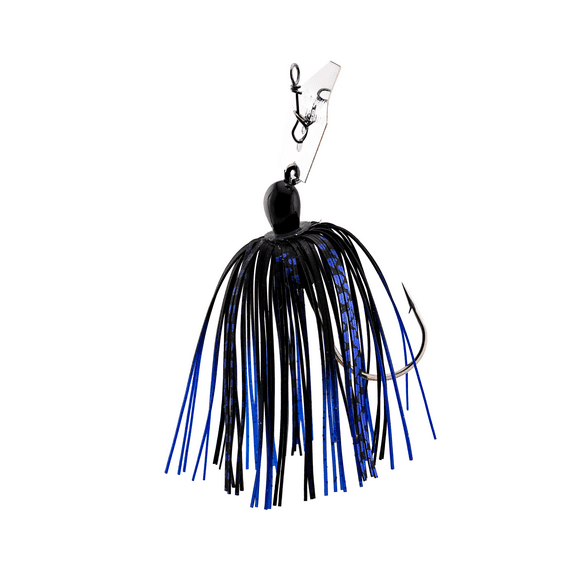
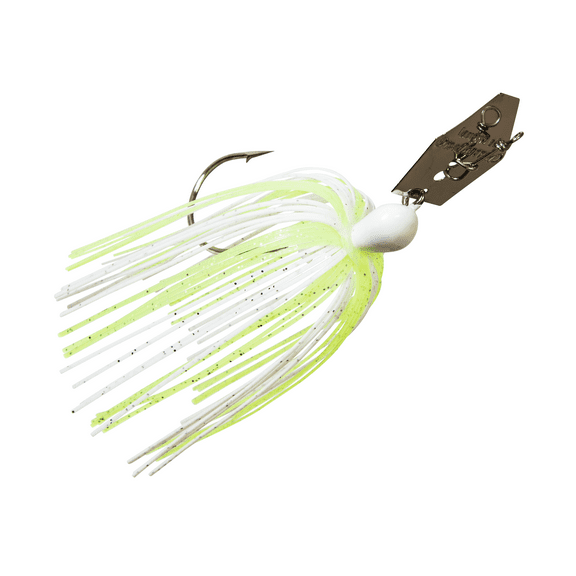
- You can compare skirt materials to adjust movement, bulk, and profile.
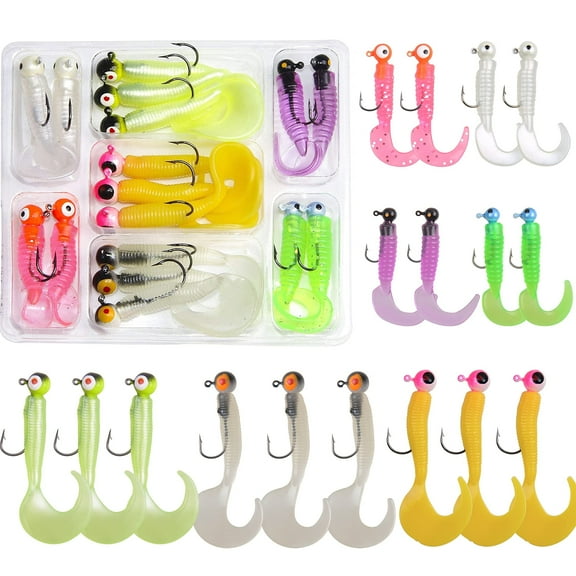
- You can pair jig heads with soft plastic trailers for extra action and shape.
Choosing jig heads by shape and cover
You should compare football, round, flipping, and swim styles because each one moves differently underwater. You can make a sharper choice when you match the head shape to your cover.
Football jig heads work well when you want steady bottom contact around rock and hard structure. You may often notice that the wider shape helps you crawl and hop with control.
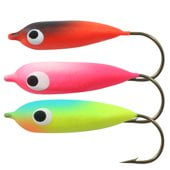
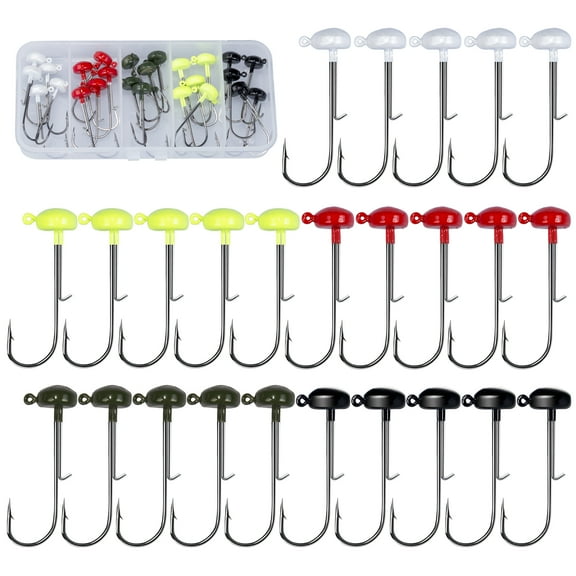
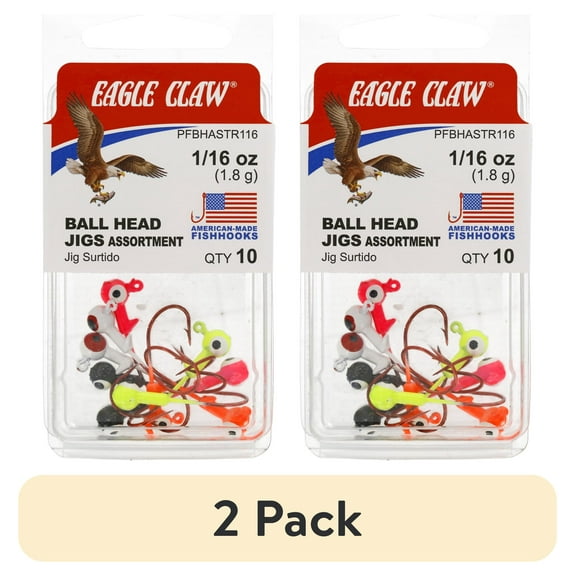
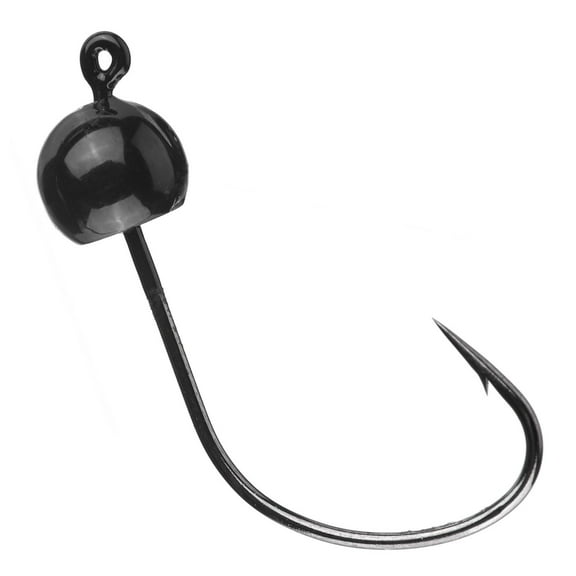
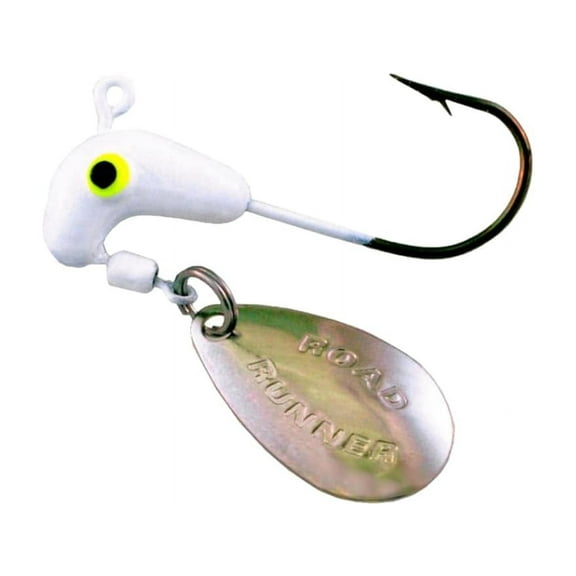
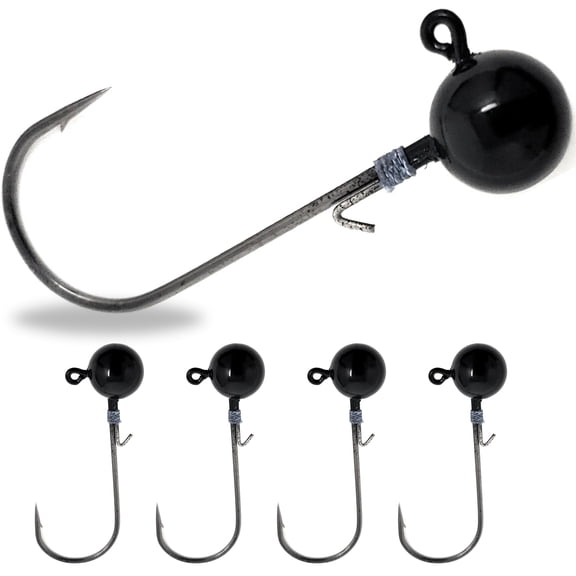
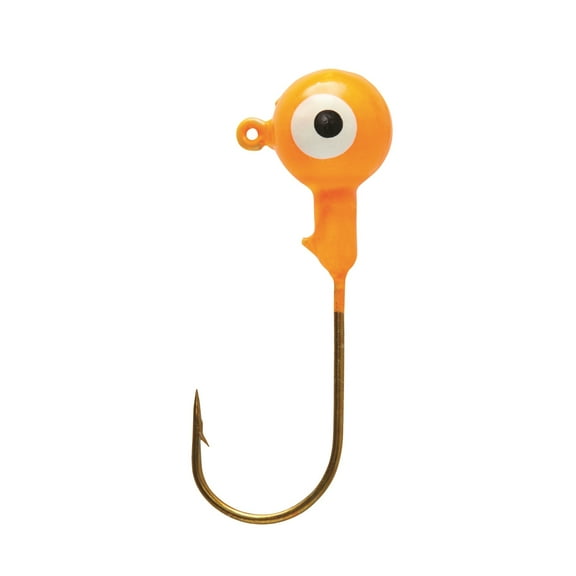
Round jig heads give you a simple option for many lure styles and retrieves. You can use them for panfish, trout, walleye, and general fishing lures setups.
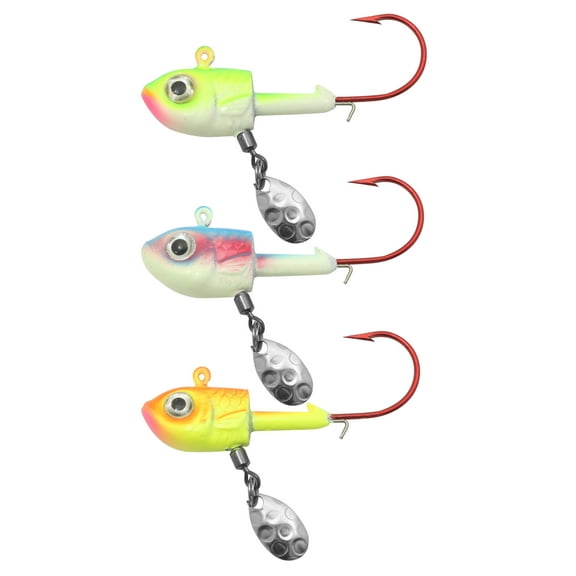
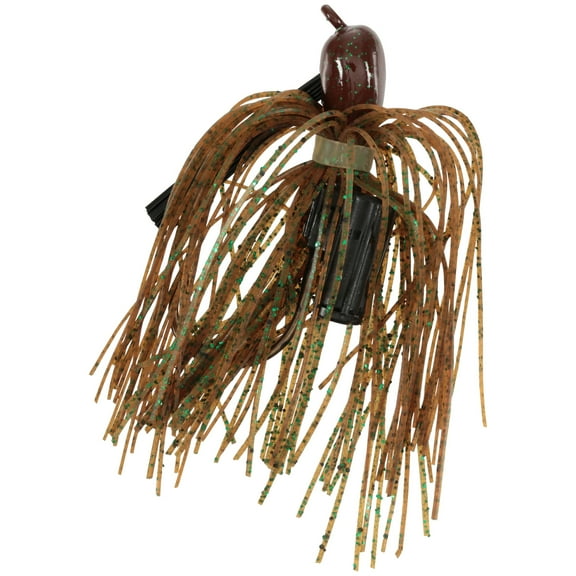
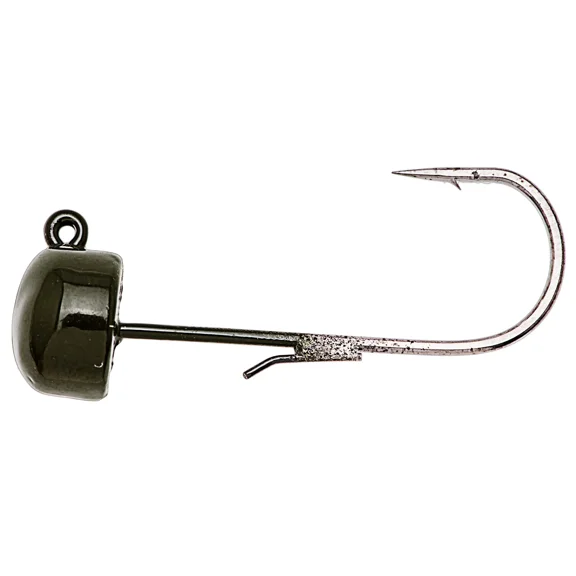
Flipping shapes help you pitch into thicker cover with a more direct entry. You can look for a weedless guard when you need cleaner movement through grass or brush.
Swim styles let you move through the water column with a steady retrieve. You can pair them with paddle-tail trailers when you want a baitfish profile.
Choosing bass fishing jigs by species and weight
Bass fishing jigs often start with your cover, your depth, and your trailer choice. You can compare compact flipping styles for docks and grass, or swim shapes for moving water.
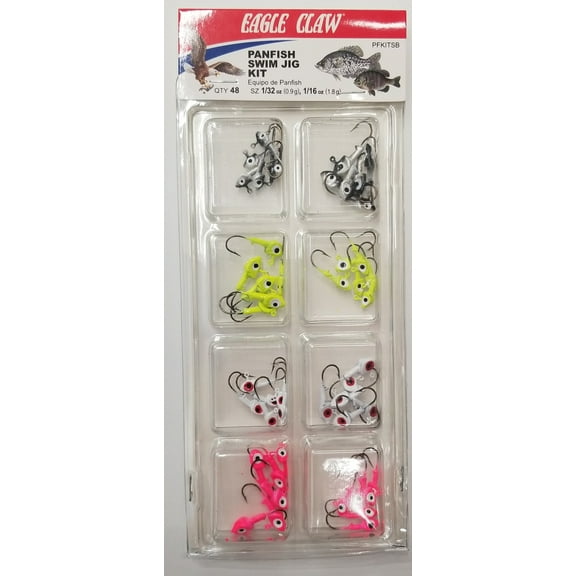
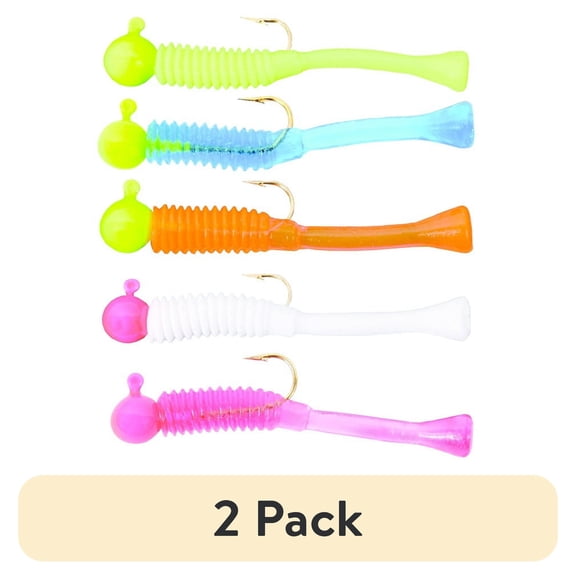
For crappie jigs, you may want 1/16 oz or 1/8 oz sizes for smaller profiles and gentle falls. You can keep your presentation precise when fish hold near brush piles or docks.
For trout and walleye, you can compare round or hair styles that track cleanly with subtle motion. You can measure depth and current before choosing a heavier head.
Ice fishing jigs deserve a close look when you want small profiles and controlled drops in winter. You can use compact weights and shapes that respond to short rod movements.
When you fish deeper water, you should increase weight so your lure reaches the strike zone. When you fish shallow flats, you can scale down for a softer landing.
Comparing skirts, trailers, and color choices
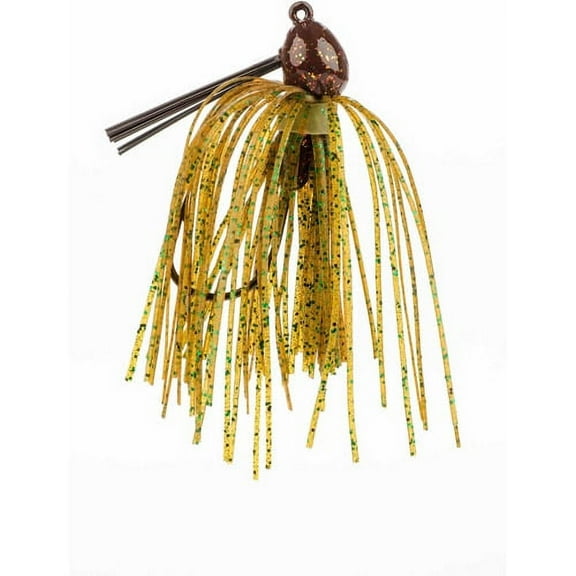
You should compare silicone, rubber, and hair skirts because each material changes how your lure pulses. You can use that difference to match water movement and fish mood.
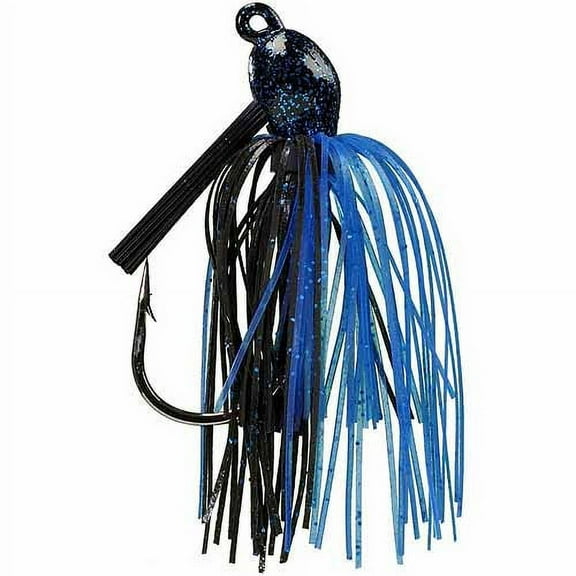
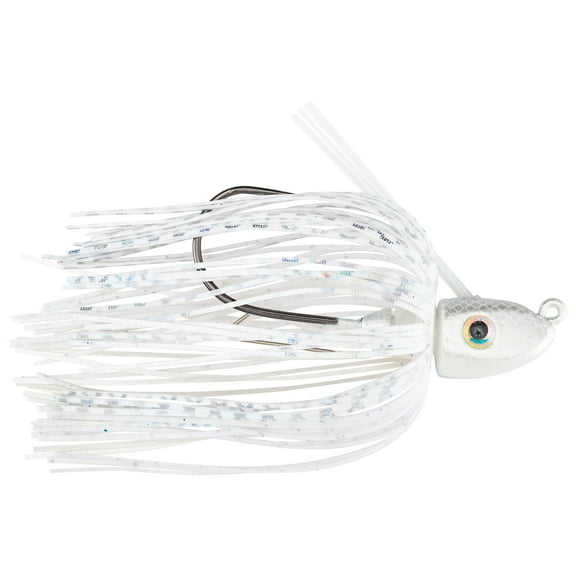
Silicone skirts usually give you crisp strands and bold color patterns. You can choose them when you want defined contrast and steady shape in the water.
Rubber skirts offer a fuller look with flexible movement at slower speeds. You may prefer them when you want extra flare during pauses and short hops.
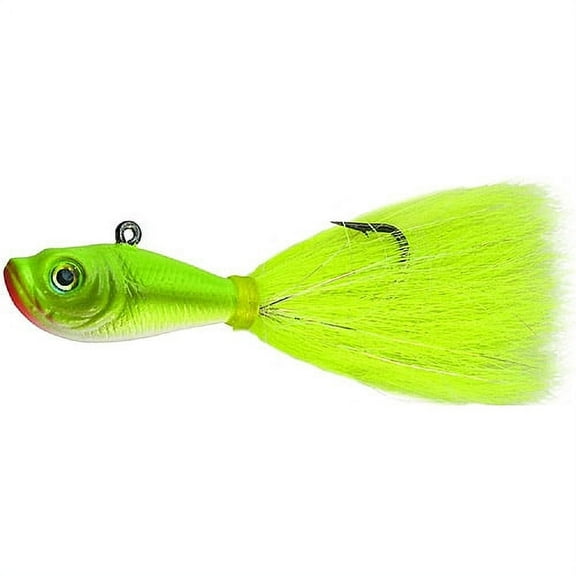
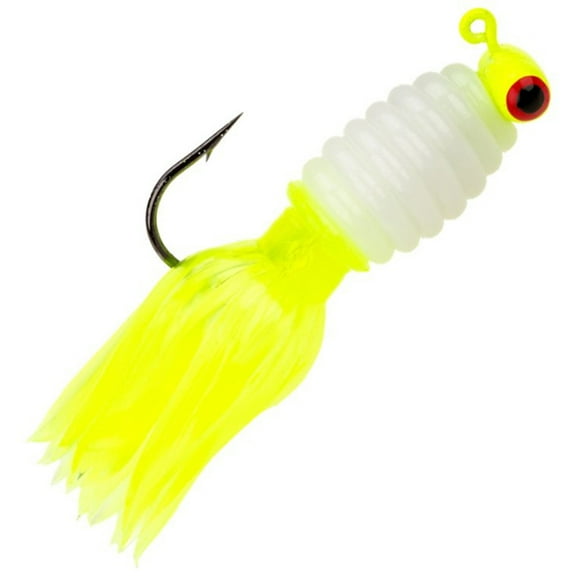
Hair jigs give you a slimmer profile with natural flow in cool water. You can consider hair jigs when you want a subtle look for crappie, trout, or walleye.
Trailer compatibility matters because your soft plastic changes bulk, action, and fall rate. You can pair craw trailers with flipping styles, or swimbait trailers with swim heads.
Color selection also helps you fine-tune your setup for changing water clarity. You can try natural colors in clear water, then use darker or brighter shades in murky water.
Using fishing jigs in real conditions
You can skip a compact jig under docks when bass hold tight to shade and posts. You may prefer a shape that enters cleanly and stays manageable around cover.
On rocky points, you can drag a football head to follow bottom changes and feel structure. You can keep contact easier when your weight matches the depth and wind.
Along weed edges, you can swim a jig with a soft plastic trailer for steady movement. You should check whether your weedless guard matches the thickness of the cover.
For brush piles and standing timber, you can pitch a flipping style with a compact trailer. You can work it slowly when you want a controlled fall near tight targets.
When panfish school around docks or brush, you can use crappie jigs with lighter heads and smaller bodies. This helps you get a balanced presentation that suits short casts and vertical drops.
During colder months, you can compare ice fishing jigs and hair styles for finesse presentations. You can keep your movements short and deliberate when fish respond to subtle action.
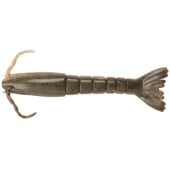
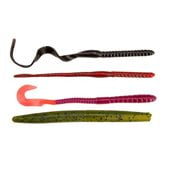
You can also build a more complete setup by pairing your lure choice with fishing rods, fishing reels, and soft plastic baits. You can make faster tackle decisions when your setup works together.
You can shop fishing jigs with a clearer plan when you compare species, depth, cover, and trailer style first. This helps you land on the right shape and weight for cleaner presentations and more confident casts.