

Jensen Car Subwoofers in Car Subwoofer Brands



About Jensen Car Subwoofers in Car Subwoofer Brands - Walmart.com
If you’re comparing a Jensen sub for your vehicle, you likely want robust bass without guesswork during installation. You can narrow your choice quickly by comparing size, enclosure style, and system compatibility before you buy.
You may also want a setup that fits your trunk, hatch, or under-seat space without crowding other gear. You can find Jensen car audio options often centered on practical sizes, powered designs, and enclosure formats.
How to choose a Jensen subwoofer for your car
When you choose a Jensen subwoofer, you should start with the space you actually have in your vehicle. You can measure width, height, mounting depth, and enclosure volume before you compare specs.
You should also check enclosure volume, because subwoofer size alone doesn’t tell you how the setup will fit. You can create a cleaner shortlist when you match the box dimensions to your available cargo space.
As you compare options, you can focus on a few decisions that shape daily use and sound. You can usually narrow your choice faster with these points in mind.
- You can choose 8 inch models when your vehicle has tighter installation space.
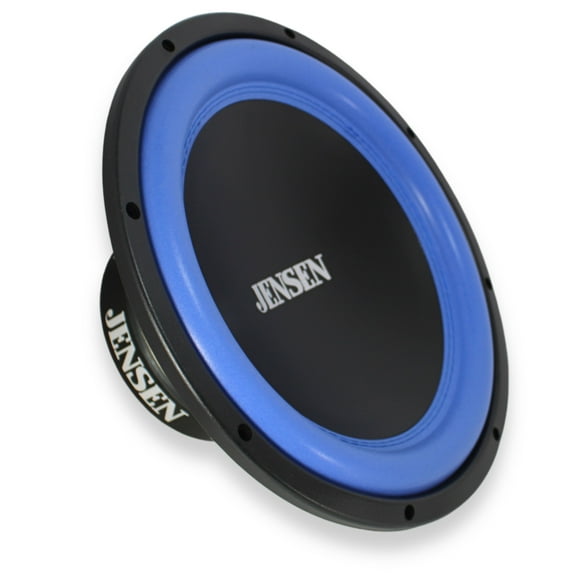
- You can look at a Jensen 10 inch subwoofer when you want balanced bass and easier fitment.
- You can consider a Jensen 12 inch subwoofer when your vehicle allows a larger enclosure.
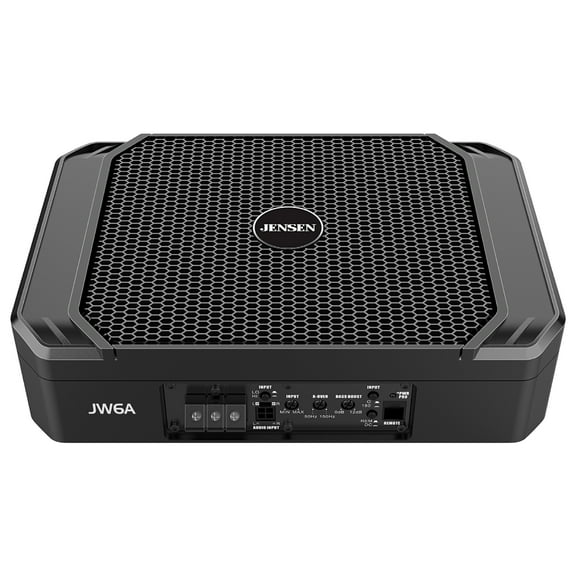
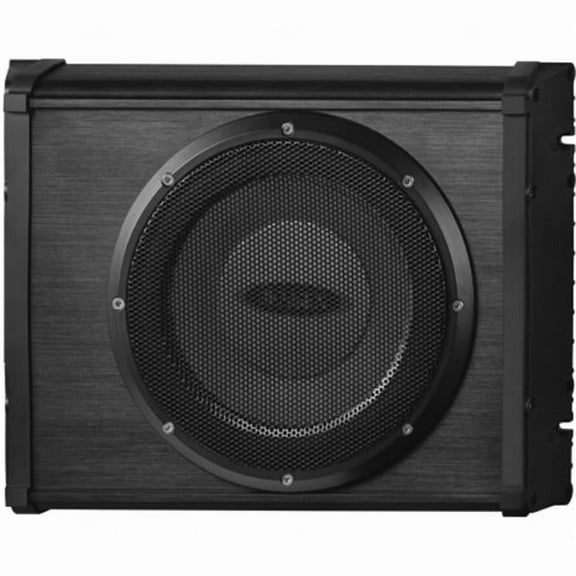
- You can pick a Jensen powered subwoofer if you want a built-in amplifier in one unit.
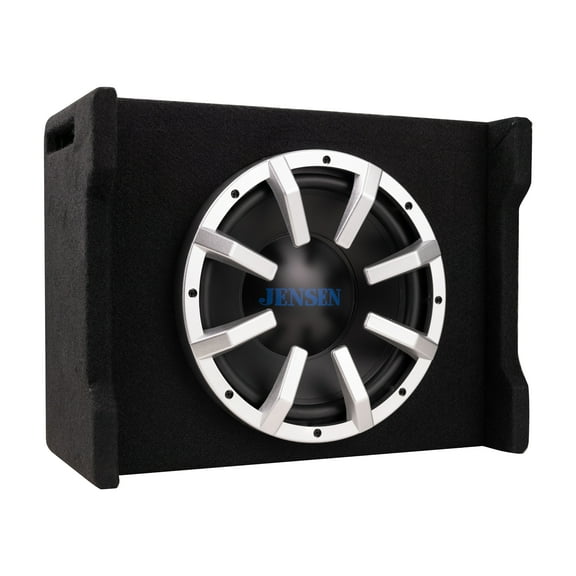
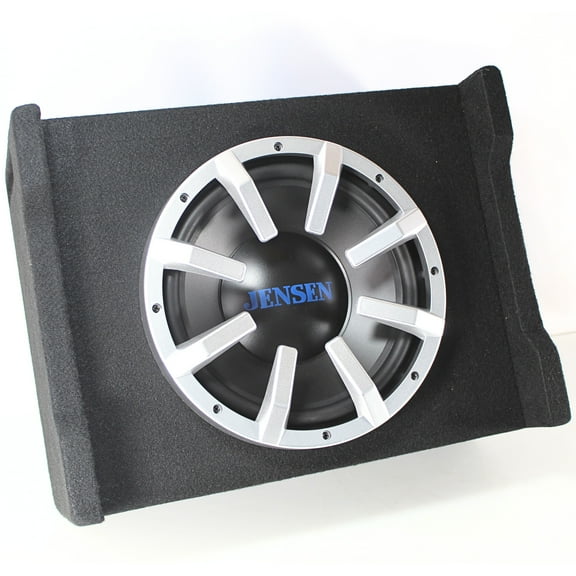
- You can compare a Jensen subwoofer box with passive designs if you already have an external amp.
Choosing the right Jensen sub size
If your space is limited, you may prefer an 8 inch or 10 inch setup that fits more easily. You can often place these sizes in compact trunks or behind-seat areas.
When you compare a Jensen 10 inch subwoofer with a 12 inch option, you should think about balance. You may notice 10 inch models suit drivers who want bass impact without using as much enclosure volume.
If you have more room, a Jensen 12 inch subwoofer can make sense for fuller low-end presence. You should still confirm mounting depth and outside box dimensions before finalizing your choice.
You should also match the enclosure to your sound goals, not only to available space. You may prefer sealed boxes for tighter bass response and ported boxes for a boomier feel.
Comparing powered and passive Jensen subwoofers
When you compare Jensen subwoofers, one major decision is powered versus passive design. You can choose a powered model when you want the amplifier built into the enclosure.
If you want fewer separate components, a Jensen powered subwoofer can simplify your setup. You can have a more direct path when you don’t want to match a separate amp on your own.
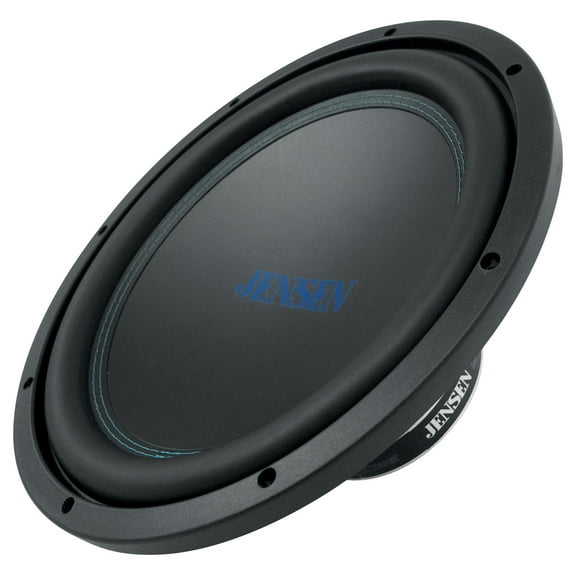
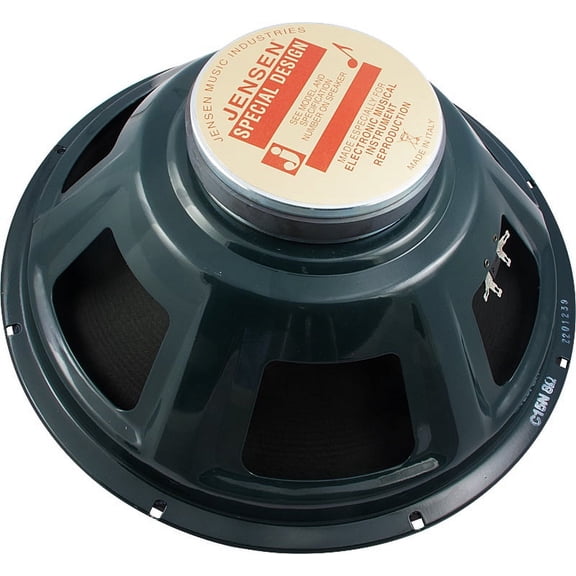
If you already own an amplifier, you may prefer a passive enclosure or standalone woofer. You can build a more customized system when you pair your sub with your chosen external amp.
You should also think about wiring space and installation planning before you choose between these formats. You may appreciate a one-box solution when your vehicle has limited room for extra gear.
Checking power compatibility and enclosure type
Before you choose Jensen subs, you should compare RMS wattage with your amplifier’s real output. You can get more reliable results when those numbers align for everyday listening.
You should also check impedance matching, because your system needs a compatible electrical load. You can avoid fitment confusion when you confirm whether your setup uses the same ohm rating.
If you’re selecting a Jensen subwoofer box, you should compare sealed and ported enclosure styles carefully. You can usually choose sealed designs for more controlled bass and ported designs for deep rumble.
You may also want to think about how your music habits affect that choice. You may prefer sealed enclosures for detailed bass lines, while ported boxes suit increased low-end output.
Matching Jensen sub options to real driving setups
If you drive a compact car, you may need a smaller enclosure that leaves room for groceries or gear. You can start with 8 inch or 10 inch formats when trunk space matters every day.
If your SUV or larger sedan gives you more room, you may be able to step up in size. You can often have more flexibility for a Jensen 12 inch subwoofer or a larger subwoofer box.
When you want a straightforward audio upgrade, you can look at a powered enclosure with built-in amplification. You can spend less time piecing together separate components when you prefer a straightforward install path.
If you already run an aftermarket amplifier, you may want a passive design that fits your current system. You can focus on impedance, RMS handling, and enclosure style to keep your setup consistent.
You may also be building around factory head units, line output converters, or aftermarket stereos. You should confirm signal compatibility and available space so your bass upgrade fits your vehicle cleanly.
As you compare a Jensen sub, you’re making a practical choice about fit, wiring, and bass character. You can feel more confident when your size, power, and enclosure decisions match your car audio plan.