

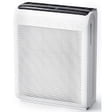
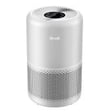
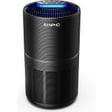

Air Ionizers for Cleaner Home Air Quality
























About Air Ionizers for Cleaner Home Air Quality - Walmart.com
Air ionizers help you refresh indoor spaces with compact air care options that fit your room size, noise preferences, and maintenance routine. You can compare ionic air purifiers, plug in models, and combo units with HEPA filtration for bedrooms, offices, and shared spaces.
How to choose air ionizers for your space
You should start with coverage area, because a room air ionizer works differently in a small office than in a large living room. You can look for square footage ratings that match your space, so your unit fits your layout.
If you’re comparing CADR details, you can use them as a quick guide to airflow and particle movement. You’ll usually want stronger coverage for open rooms and lighter coverage for desktops or bedside use.
You can narrow your options faster by matching common room sizes to everyday setups. You’ll also avoid choosing a unit that feels oversized for a compact space.
- You can use small models for desks, dorm rooms, bathrooms, and bedside tables.
- You can choose medium coverage for bedrooms, nurseries, and home offices.
- You can pick large coverage for family rooms, open layouts, and larger shared areas.
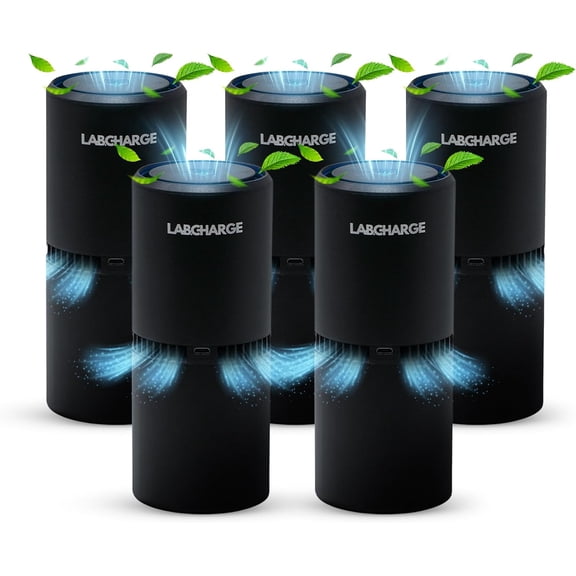
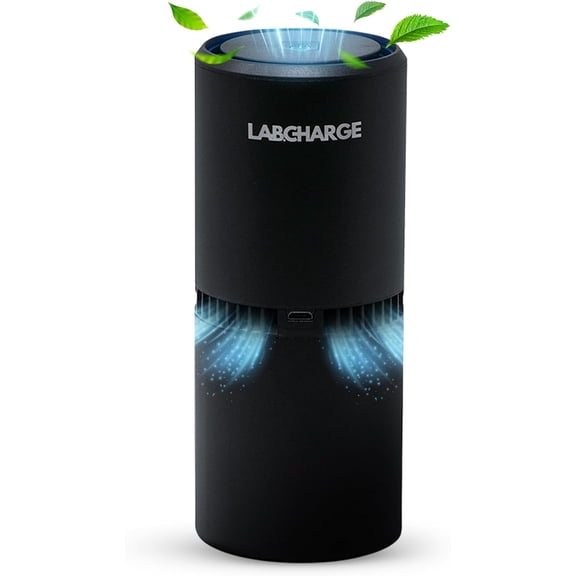
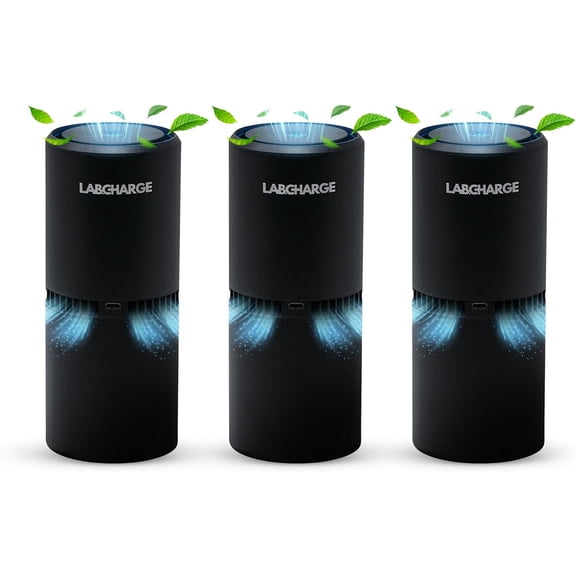
- You can compare portable styles for travel, workstations, or car interiors.
Choosing between ionic air purifiers and filter combinations
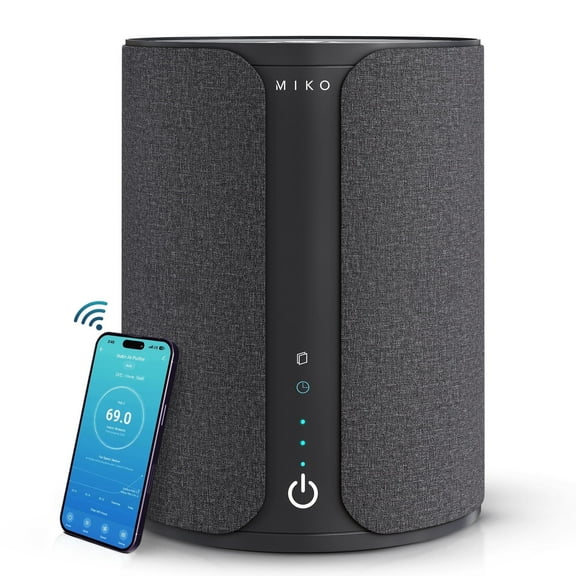
You’ll find ionic only models when you want a simpler setup with fewer parts to manage. You can also compare an ionic air purifier with HEPA filter options when you want added particle capture.
If you prefer less routine upkeep, you may like a negative ion generator design with minimal filter changes. If you want layered filtration, you can look for HEPA plus ionizer combinations or carbon filter support.
You can use carbon filters when you want help managing everyday household smells from cooking, pets, or closed rooms. You’ll usually see combo units take more space, but they can offer broader air care.
Maintenance matters when you’re choosing a home air ionizer for daily use. You can compare washable components, replacement schedules, and filter access, so your routine stays simple.
What to look for in power source and portability
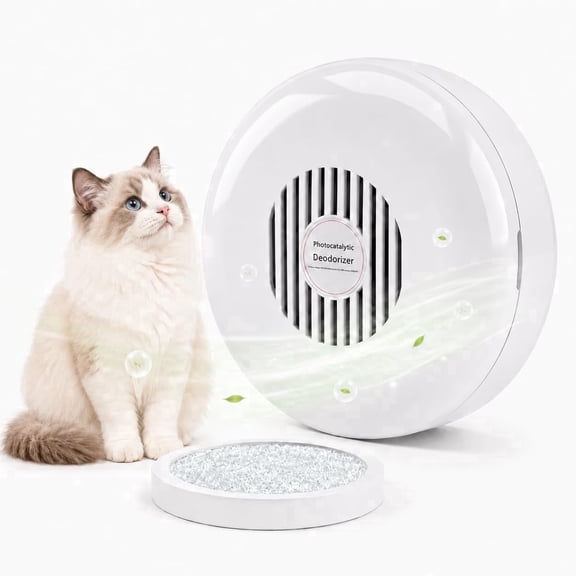
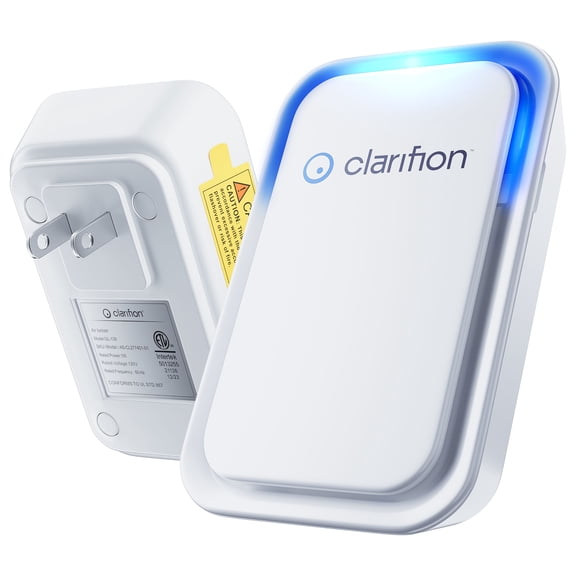
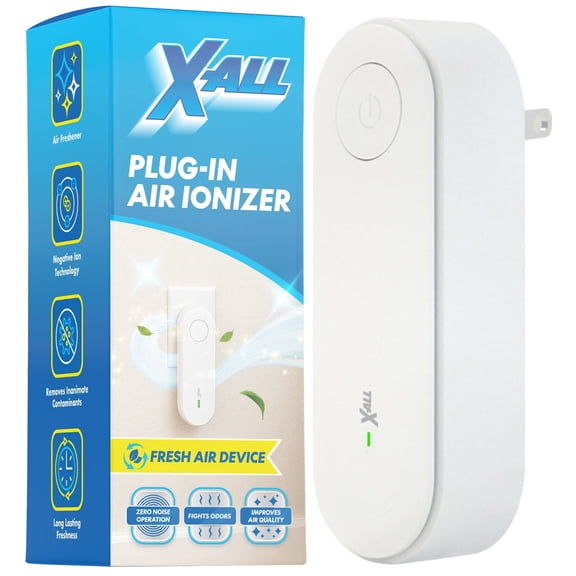
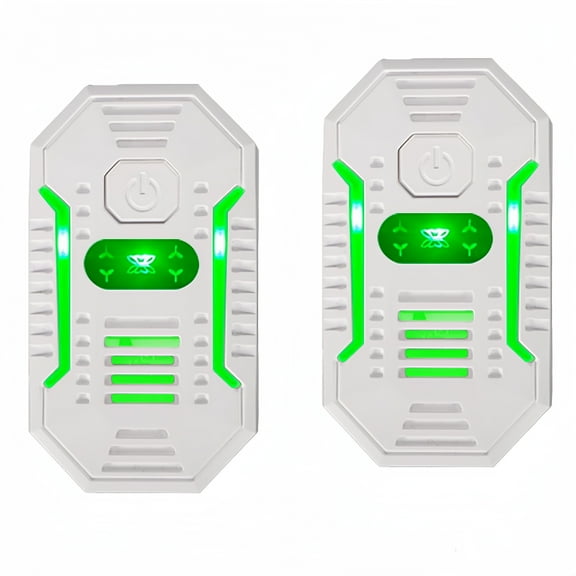
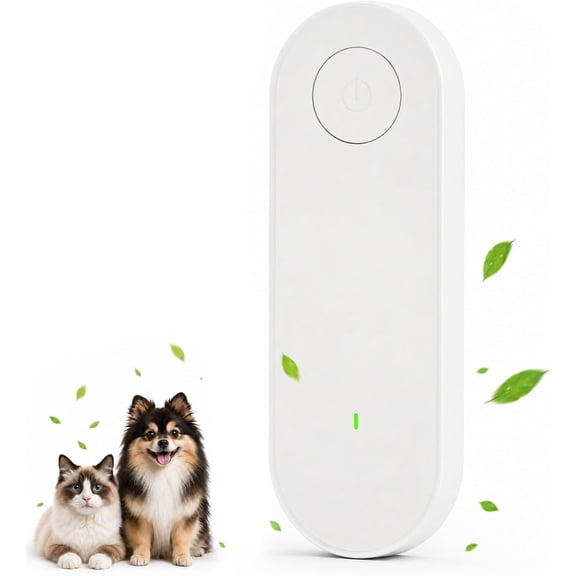
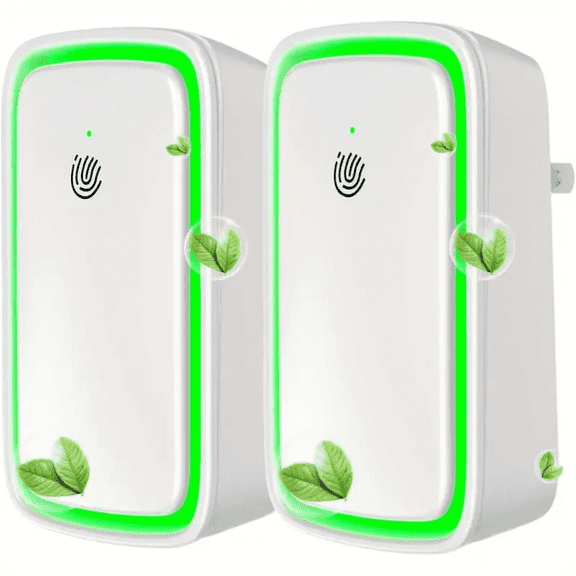
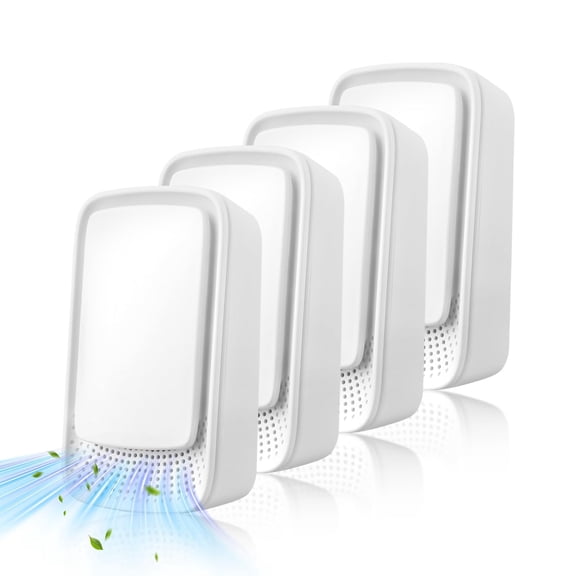
You can choose plug in air ionizers when you want steady use in a bedroom, hallway, or office. You may prefer USB or desktop styles when you need flexible placement around laptops, nightstands, or small work areas.
Car ionizer options can fit your commute, rideshare setup, or family vehicle with a compact footprint. You can move portable air ionizer styles between rooms without dedicating a full-size machine to each space.
Noise level can shape your experience just as much as size or filtration. You’ll want whisper-quiet operation for sleep spaces, while a light library hum can work well in daytime offices.
If you’re reviewing specs, you can compare decibel information to understand daily comfort. You’ll often notice lower-noise models work well for reading corners, desks, and overnight use.
Checking safe air ionizer details
You should compare ozone emission information before choosing a safe air ionizer for your home. You can look for ozone-free designs, low-ozone options, or California Air Resources Board certification details.
If you want clearer decision points, you can treat CARB certification as a useful shopping filter. You’ll also want to read product details closely, because emission language can differ across models.
You can use these labels to sort options by your comfort level and intended room. You may prefer certified choices for bedrooms, nurseries, offices, or other spaces where your unit runs often.
When you compare certification, coverage, and noise together, you can make a more informed pick. You’ll get a model that matches your space instead of relying on size alone.
Matching air ionizers to everyday use
You can use a plug-in model in an entryway, office, or guest room where you want compact placement and simple controls. You may choose a desktop unit when your workspace needs air care without taking much surface area.
If you’re outfitting a bedroom, you can prioritize quiet operation, medium coverage, and straightforward maintenance. You’ll often want a design that fits on a dresser or nightstand without dominating the room.
You can consider an allergy air ionizer during high-pollen seasons when you’re focused on indoor air routines. You may also compare ionic air purifiers with HEPA support for households that want layered filtration.
For shared family spaces, you can look for larger coverage, stronger airflow, and accessible controls. You’ll usually benefit from checking filter replacement needs before choosing a model for daily operation.
You can also match a car ionizer or USB unit to travel, commuting, or small personal spaces. You’ll appreciate lighter designs when you move between vehicles, offices, and temporary setups.
With room-size guidance, filtration choices, portability options, and certification details, you can compare air ionizers with more confidence. You’ll end up with an air care setup that fits your space, routine, and preferred upkeep.