



Baby Jumpers





















About Baby Jumpers - Walmart.com
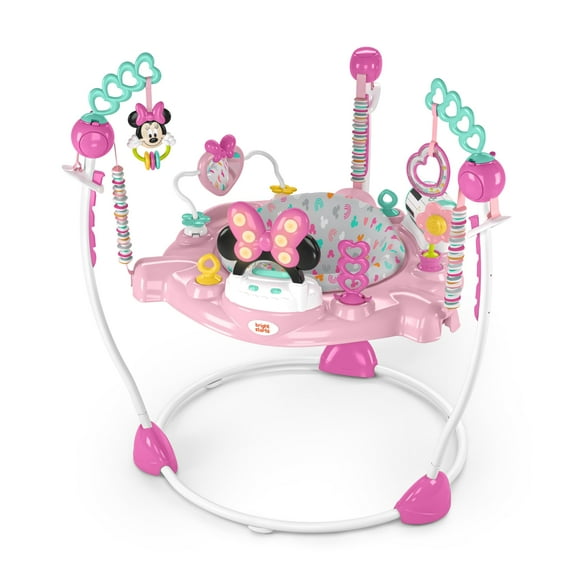
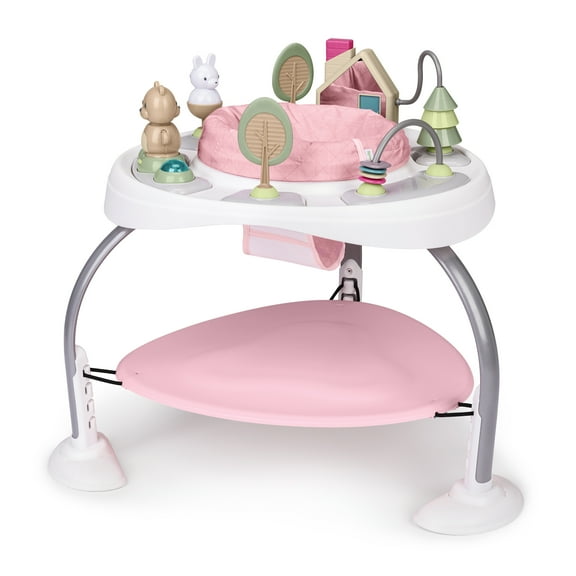
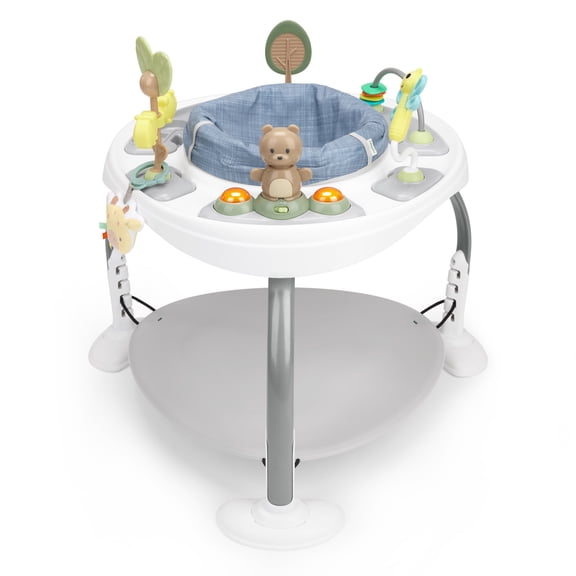
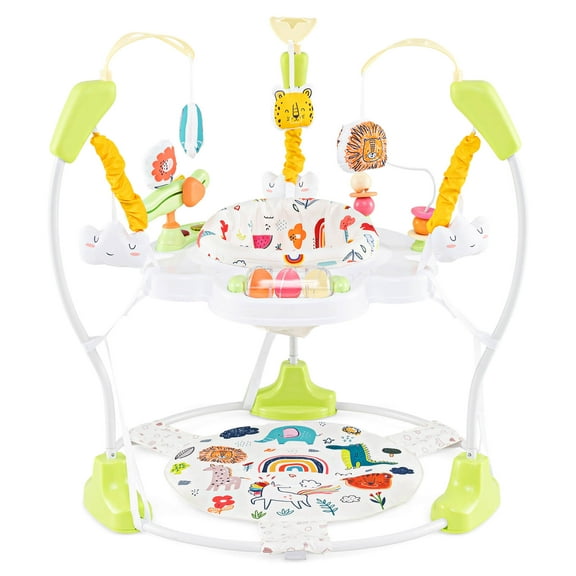
A baby jumper boy setup gives active little ones a place to bounce, turn, and explore with attached toys and sturdy support. This category includes stationary activity centers, jumperoos, and select baby jumper with stand designs that fit everyday play spaces. You can compare seat styles, toy layouts, and frames without guessing which format matches your routine. That matters when you want motion, engagement, and easy placement in one spot.
Baby jumper options for active play
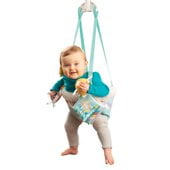
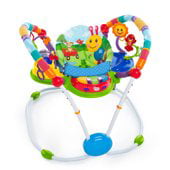
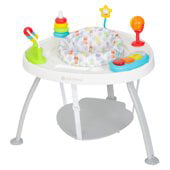
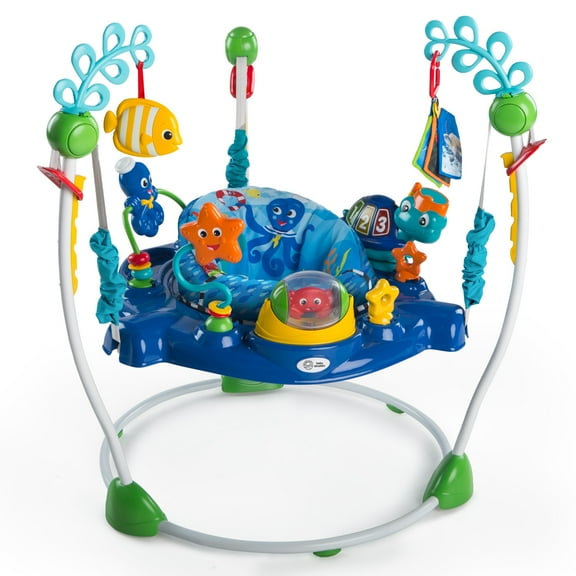
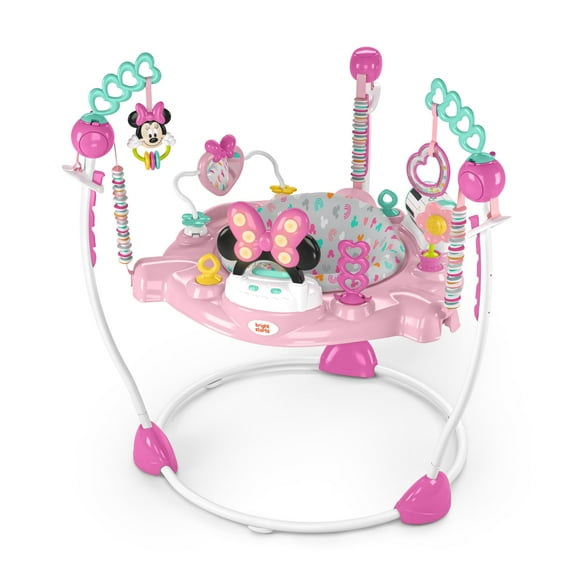
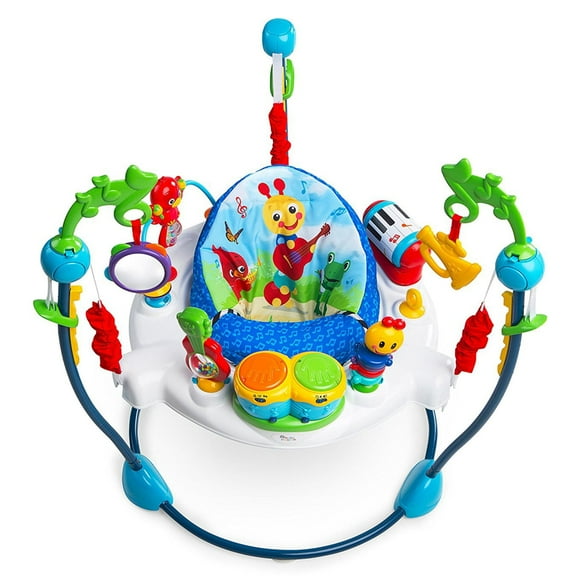
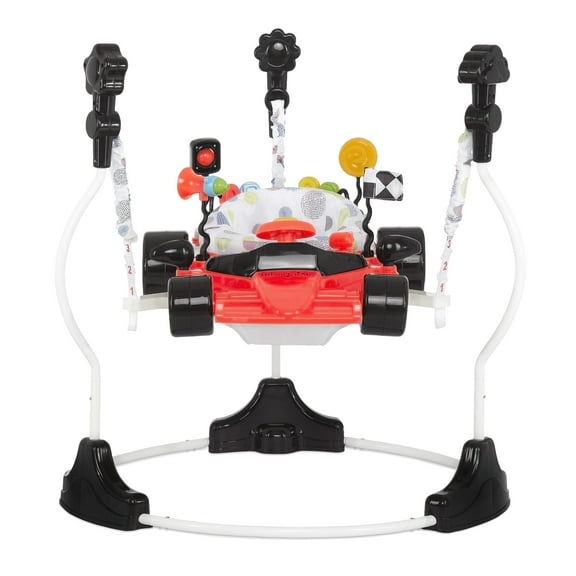
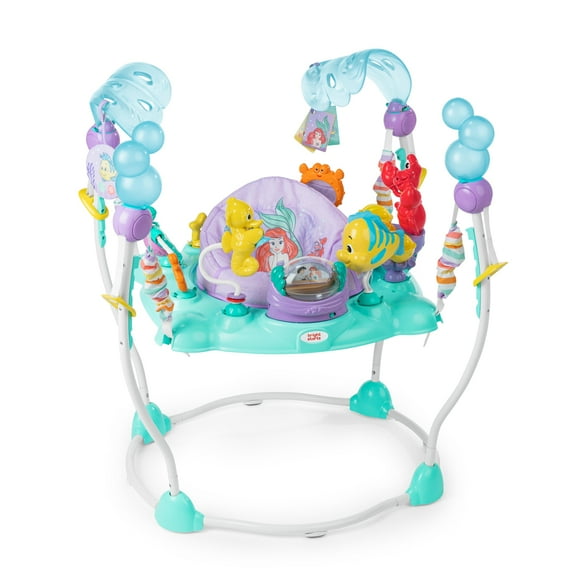
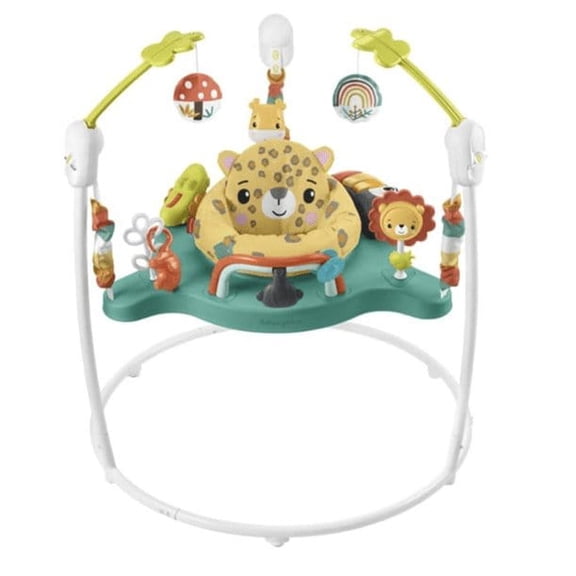
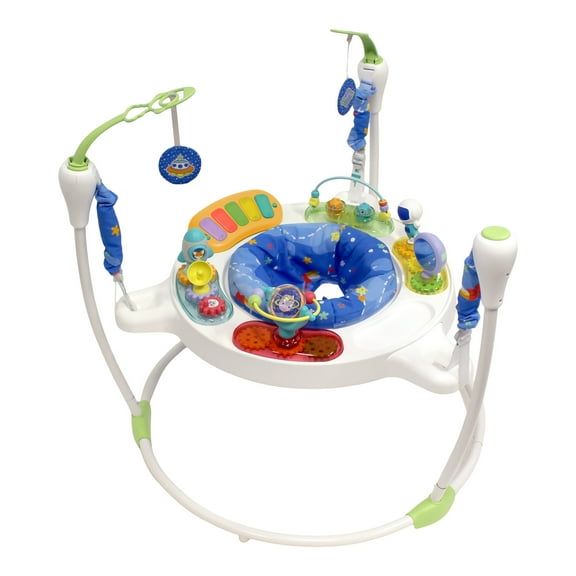
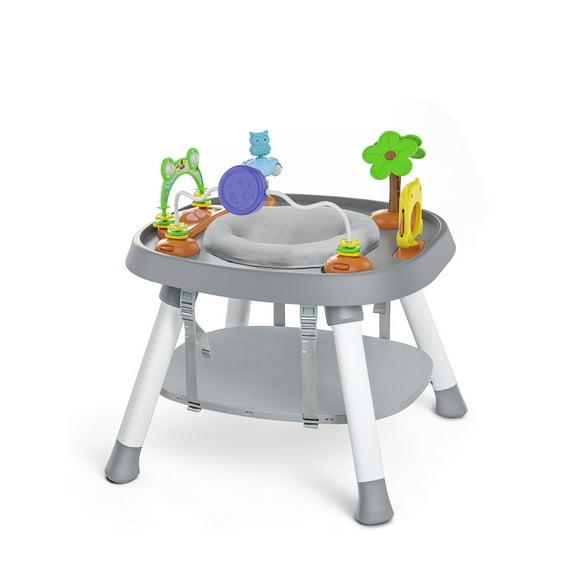
Baby jumper styles differ in how they support movement and how much room they use. Stationary activity centers keep the frame in place while the seat rotates for toy access. Jumperoos often combine springy motion with wraparound play stations and hanging toys. A baby bouncer jumper may focus on bounce response, tray toys, and compact footprints for smaller rooms.
These designs bring specific advantages that donu't apply to other baby gear. A rotating seat lets your child reach toys from several angles. Elevated seats keep the play area off the floor and separate from loose blankets or playmat edges. Attached toy bars, spinner toys, and textured pieces create hands-on activity without extra setup.
- Rotating seats help little ones interact with toys around the frame.
- Springy support adds bounce and movement during seated play.
- Built-in toy stations reduce clutter from separate play pieces.
- Stationary frames stay in one area for simple room placement.
For many households, the appeal is convenience during short wake windows. You can place a jumper for baby in a family room, nursery corner, or open kitchen area. Many frames wipe clean quickly, and removable seat pads simplify regular upkeep. That mix of motion and contained play makes this category distinct from swings, play gyms, and floor seats.
How to choose a baby bouncer jumper
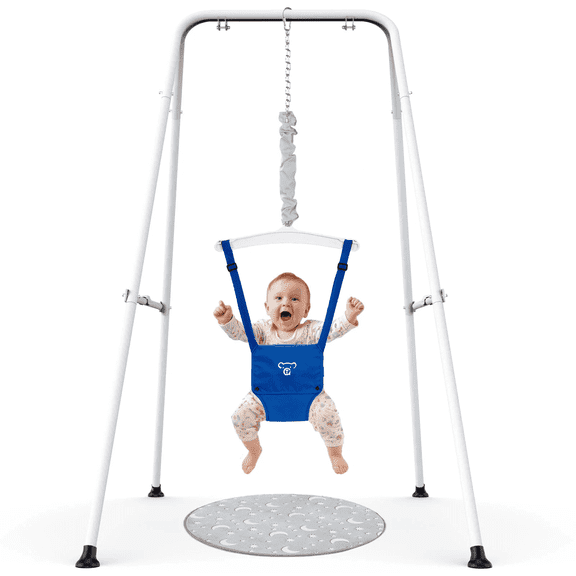
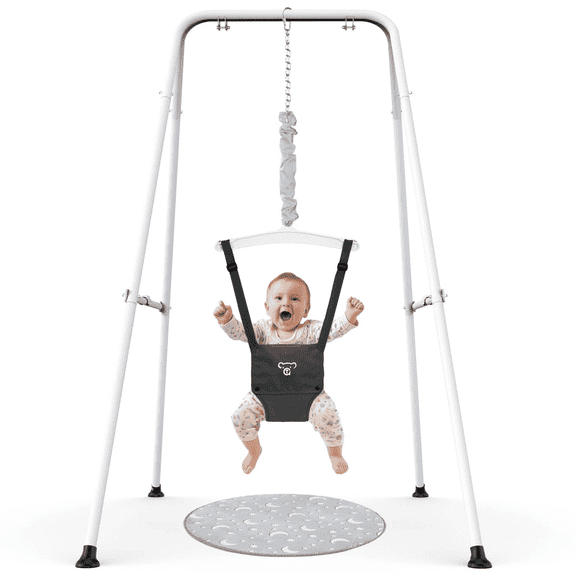
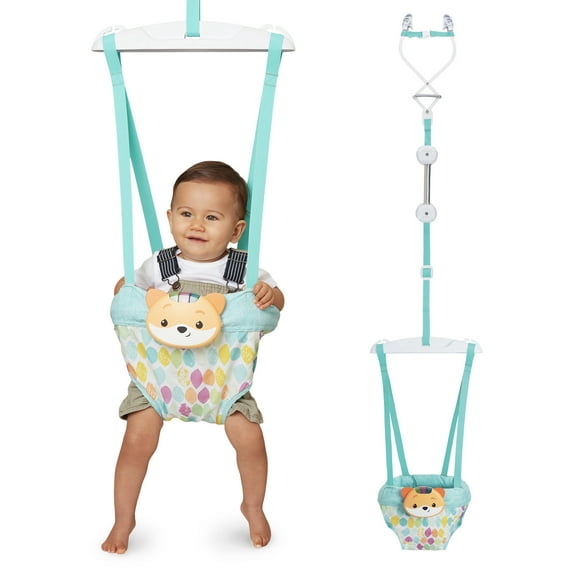
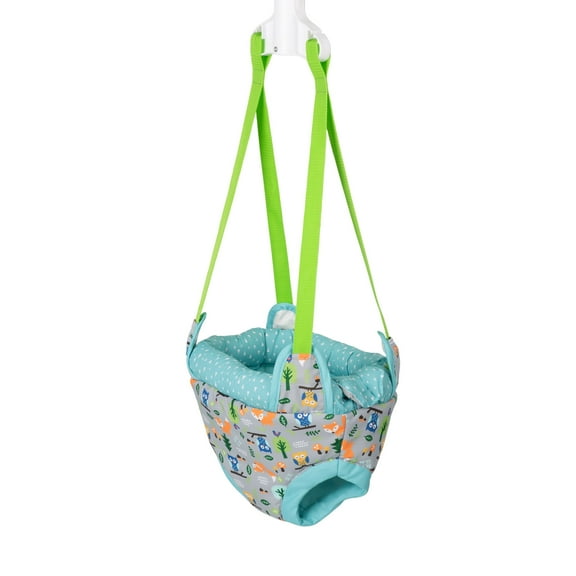
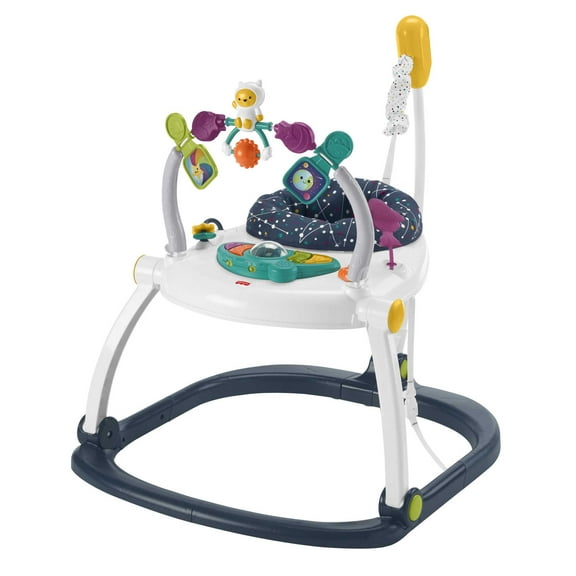
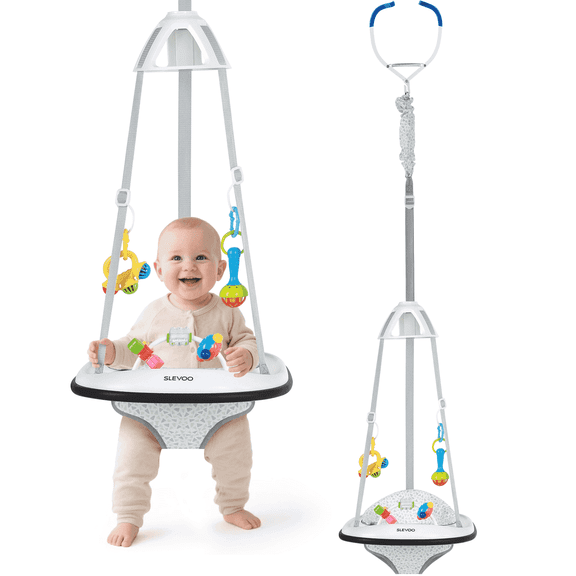
Start with the frame style because it shapes daily use. A baby jumper with stand sits on the floor and doesnu't rely on a doorway. That makes placement more flexible and keeps toys, seat, and support in one unit. Doorway styles use hanging support and need a compatible trim shape. Stationary centers create a dedicated activity zone with a wider base.
Next, check adjustability and seat design. Height settings matter because they help the jumper grow with your child over time. A seat that turns smoothly can keep toys within reach without shifting the whole frame. Padded seat rings and washable fabrics also matter when youu're using the unit often.
Toy variety can change how the jumper feels from day to day. Some baby jumpers include bead tracks, mirror toys, crinkle accents, or light-up panels. Others focus on simple sensory pieces with fewer attachments and a cleaner look. If you want one item to hold attention longer, look for multiple textures and interactive touch points.
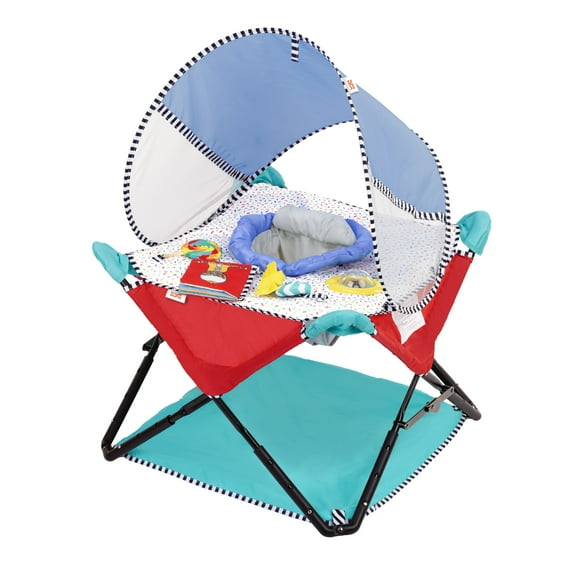
Footprint is another important detail. Compact frames fit apartment living and tighter layouts more easily. Wider activity centers can offer more toy space and a stable base for a bigger play zone. Foldable or lower-profile designs can also make storage simpler between uses. Those details help narrow the field fast.
Choosing the right jumper for baby
The right jumper depends on where you plan to use it and how your child likes to play. Some little ones enjoy spinning between toys and pressing buttons. Others respond more to bounce action and dangling toys above the tray. Matching the toy setup to play style can make the experience feel more engaging.
If your room layout changes often, a lighter frame may fit your routine. If you want a dedicated play station, a larger activity center can stay set up in one spot. A baby standing bouncer format can also appeal to shoppers looking for upright, supported movement in a contained seat. That makes it useful for homes that want one central activity piece.
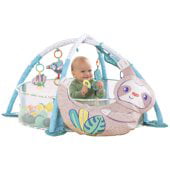
You might also compare this category with nearby baby gear needs. Swings focus on soothing motion, while jumpers center on active seated play. Playmats support floor exploration, but they donu't offer the same springy response or wraparound toy access. That difference helps when youu're building a mix of gear for different parts of the day.
Shoppers often look for details that affect everyday cleanup and setup. Smooth plastic trays wipe down quickly after snacks or drool. Machine-washable seat pads can simplify care when messes happen. Tool-free assembly on some models also helps you get the jumper ready with less effort.
Baby jumper boy picks that fit your space
When youu're comparing a baby jumper boy model, think about color story, toy theme, and room fit. Some designs use playful animal accents, while others keep the frame more neutral. That gives you options for a nursery, shared living space, or gift list. The structure matters just as much as the look, especially if the jumper stays visible every day.
Weight limits, age ranges, and dimensions help narrow choices with confidence. Those product details show how long a unit may fit into your routine. They also help you compare compact jumpers against wider jumperoos with larger toy stations. A clear match between size, support, and floor space leads to smoother daily use.
Finding the right baby jumper means balancing motion, toy interaction, and a frame that fits your home. With the right setup, you get a contained play station that supports active, hands-on exploration.