


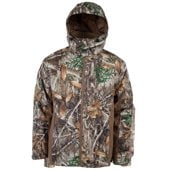
Men’s Hunting Jackets in Men’s Hunting Clothing











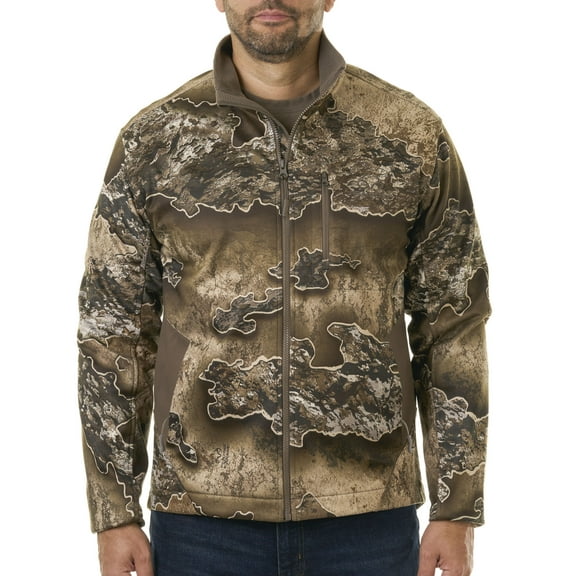


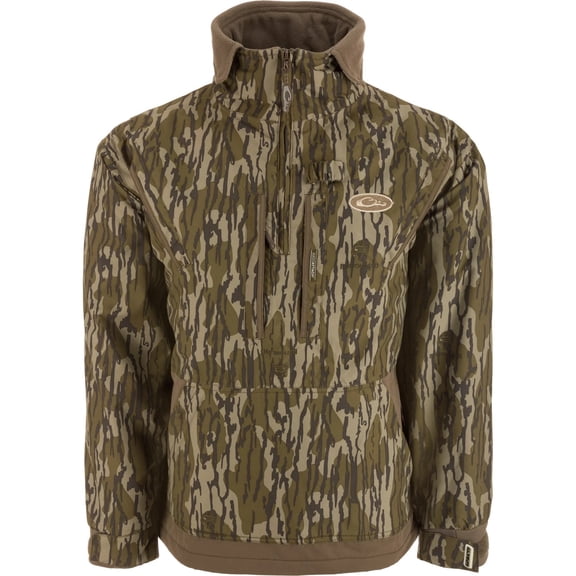


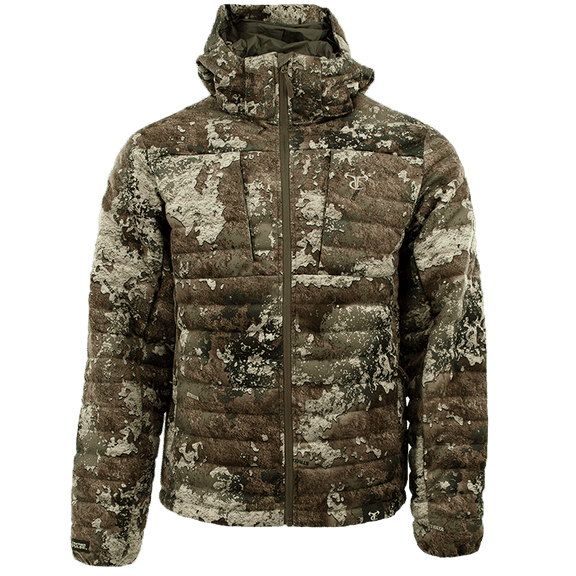


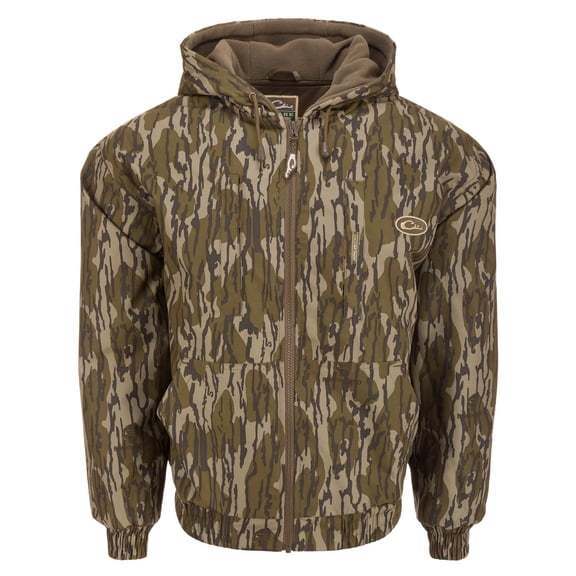


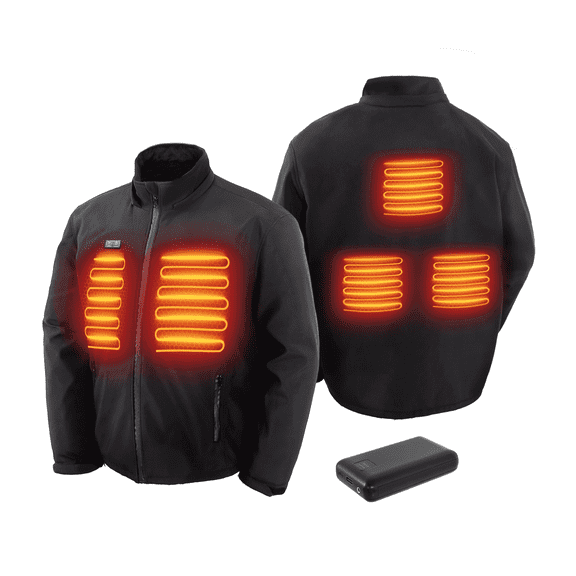


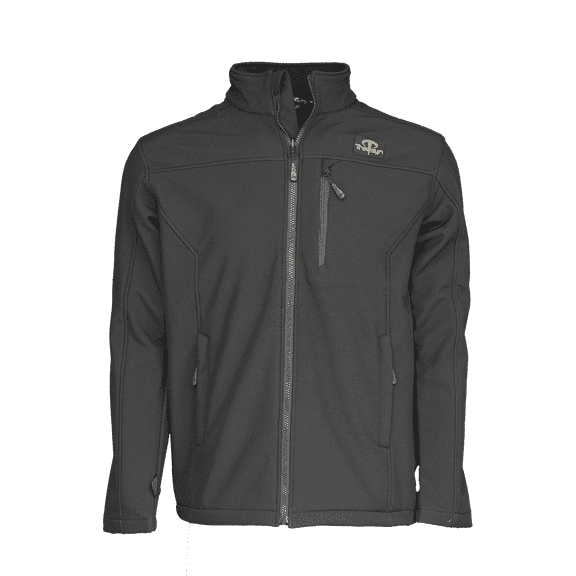


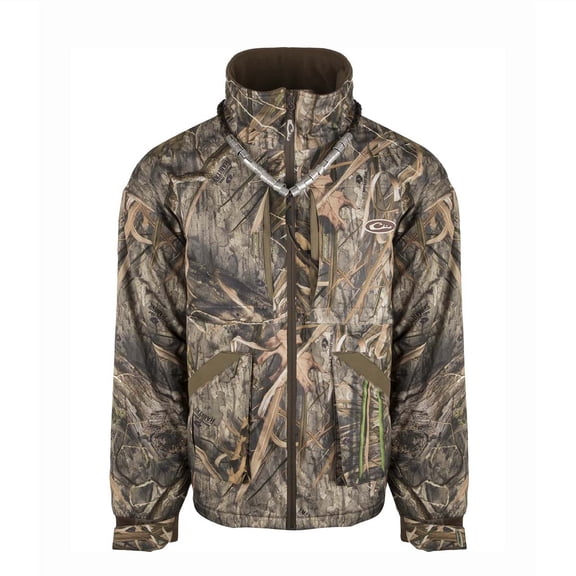


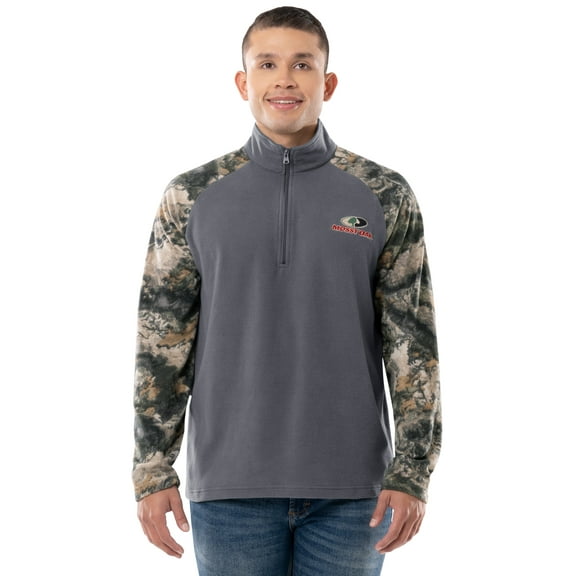








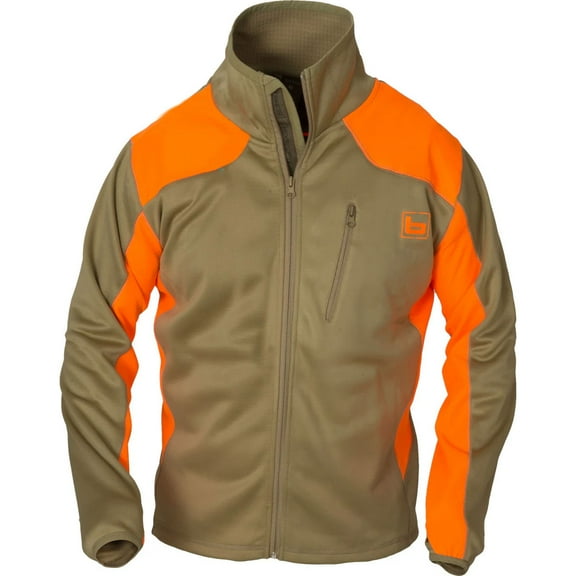


About Men’s Hunting Jackets in Men’s Hunting Clothing - Walmart.com
Men's hunting jackets help you stay concealed, dry, and ready when conditions shift quickly. You can compare camo patterns, insulation, and weather protection in one place before your next hunt.
How to choose men's hunting jackets
You should start with the terrain, season, and layers you plan to wear underneath. You can narrow your options quickly when you compare garment type, camo pattern, and shell feel together.
Some outings call for a light jacket that moves easily through brush and changing temperatures. Other trips are well-suited to a longer coat or parka for added coverage in blinds.
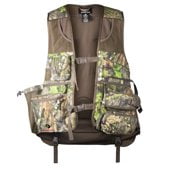
You may also prefer a vest when you want core warmth with less bulk at the shoulders. You can use that option for active movement, early mornings, or layering over a hoodie.
Choosing camo patterns and hunting camo jacket styles
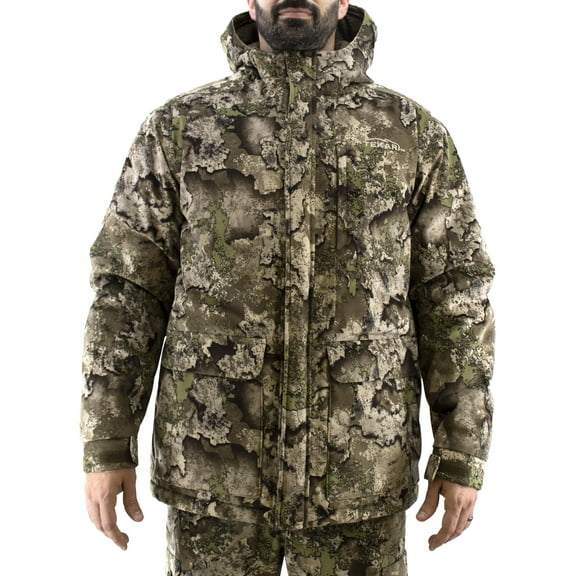
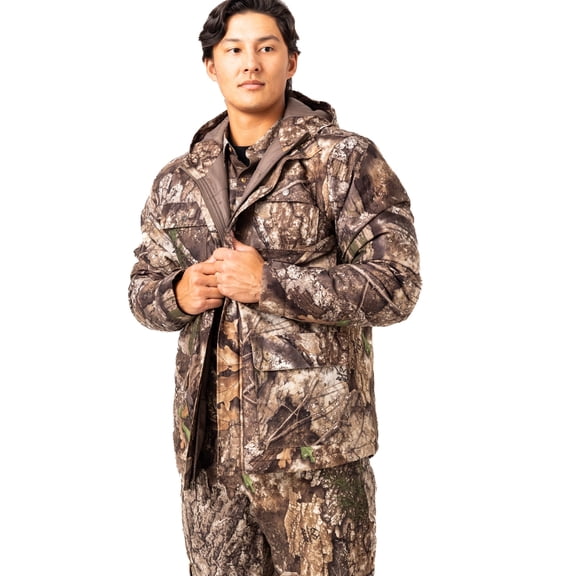
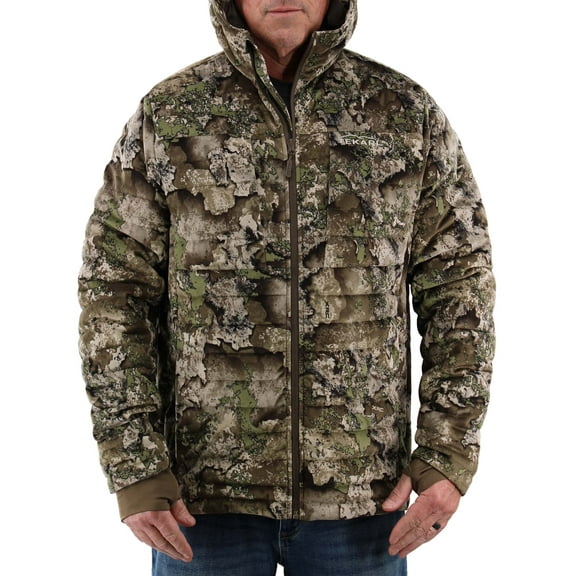
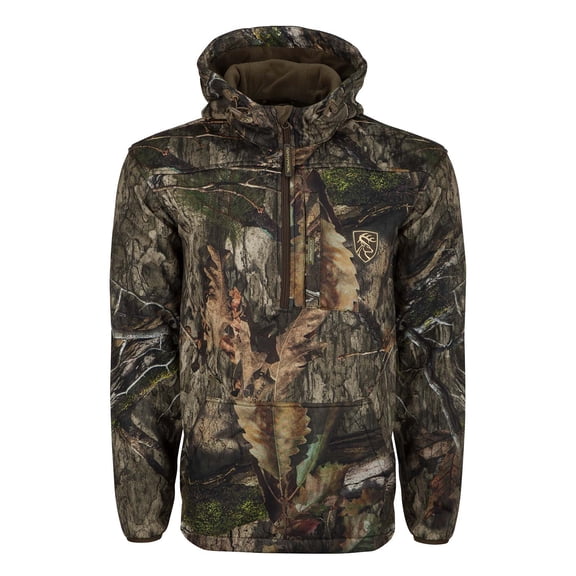
You should match your camouflage hunting jacket to the ground cover and visibility rules in your area. You can compare Mossy Oak, Realtree, blaze orange, and solid green based on where you hunt.
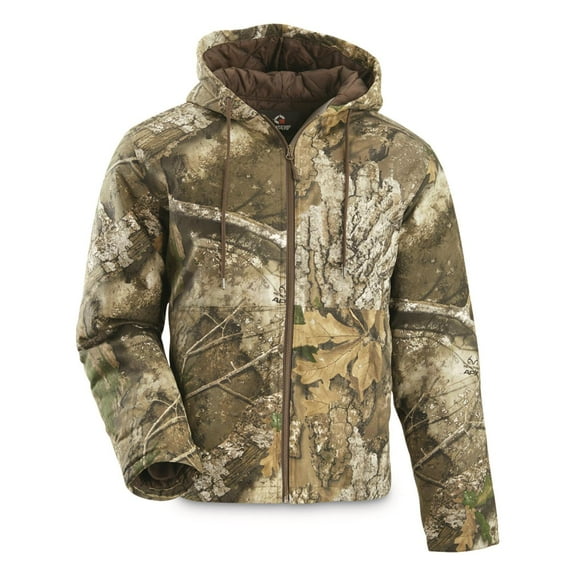
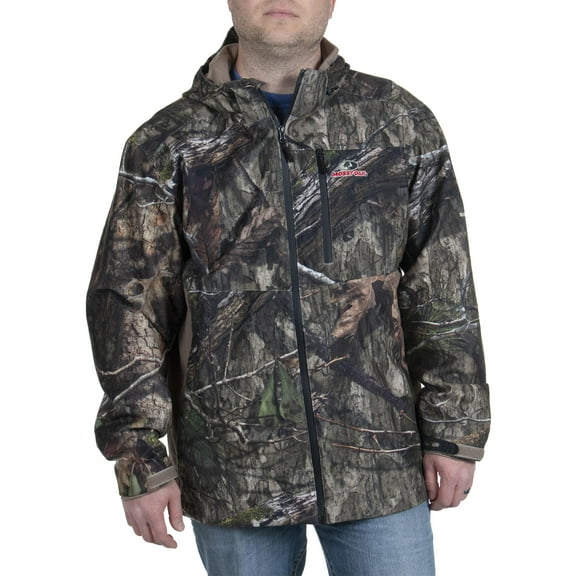
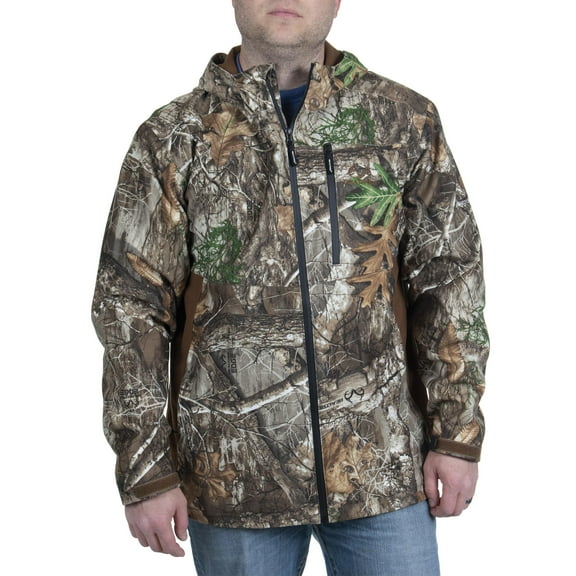
Mossy Oak patterns often suit wooded settings with bark, leaves, and mixed shadows. Realtree patterns can help you blend into brush, branches, and open timber transitions.
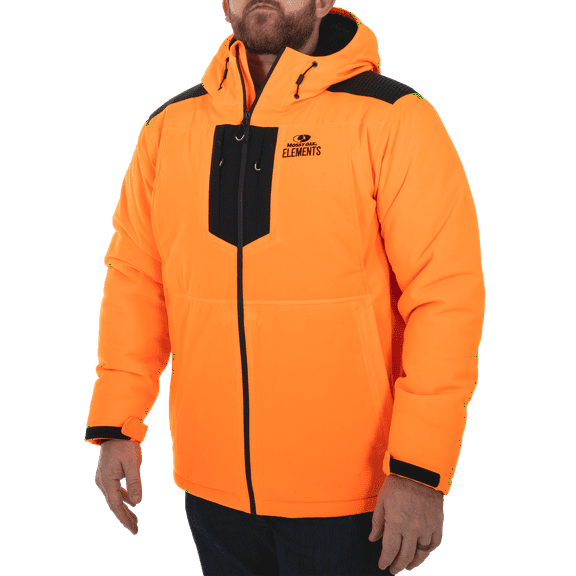
Blaze orange matters when you need strong visibility during firearm seasons or group hunts. You can also choose solid green when you want a simple field look for scouting.
If you're comparing camo jackets for hunting, you should think about season and distance too. A hunting camo jacket with sharp contrast may suit dense cover, while softer patterns can fit mixed terrain.
- You can choose Mossy Oak for bark-heavy woods and leaf cover.
- You can choose Realtree for brush lines, timber edges, and mixed terrain.
- You can choose blaze orange when your hunt calls for visible outer layers.
- You can choose solid green for scouting, camp use, or simpler field wear.
Comparing mens hunting coats by weather resistance
You should check whether you need waterproof, water-resistant, windproof, or breathable construction. You can stay comfortable when your outer layer matches rain, wind, and activity level.
Waterproof shells help you handle steady rain, wet brush, and long sits in rough weather. Water-resistant options can work well when you expect light moisture and want easier movement.
Windproof layers help you keep warmth in exposed fields, stands, and ridgelines. Breathable fabrics help you release heat during hikes, setup, and dragging gear across changing ground.
You should also consider fabric noise when you move, kneel, or raise your arms. Quiet shells, including brushed tricot styles, can help you move with less rustle in close-range situations.
Picking insulation for hunting coats for men
You can choose lightweight, midweight, heavyweight, or fleece-lined options based on season and exertion. Your comfort often depends on how long you sit still and how hard you move.
Lightweight layers work well for early season mornings, active walks, and flexible layering systems. Midweight choices can suit cool weather when you want warmth without a bulky feel.
Heavyweight and fleece-lined styles fit cold blinds, late-season hunts, and long waits in low temperatures. You can pair them with base layers when you need added warmth through sunrise and dusk.
If you're between sizes, you should leave room for thermal tops or hoodies underneath. Your jacket should let you shoulder gear, reach pockets, and sit comfortably without pulling tight.
What to look for in pockets, fit, and movement
You should compare pocket layout before you choose a jacket for longer days outdoors. Your gear feels easier to manage when calls, gloves, and small essentials stay within easy reach.
Chest pockets can help you access small items quickly while seated or wearing a harness. Hand pockets can give you a natural place for warming your hands between movements.
You may also want larger cargo storage for shells, tags, or compact field tools. Your choice should support your setup without creating extra bulk at the waist.
Look for room through the shoulders and elbows if you plan to layer heavily. You can move naturally when cuffs, hems, and closures adjust to your gloves and sleeves.
How men's hunting jackets fit different hunting situations
You can wear lightweight mens camo hunting jackets for scouting, early season walks, and changing afternoon temperatures. Your setup stays flexible when you need less insulation and more breathability.
For wet mornings or drizzly forecasts, you may want a waterproof shell with quiet fabric. You can stay focused when your jacket sheds moisture and keeps movement less noticeable.
Cold stand hunts often call for mens hunting coats with more insulation and longer coverage. Your comfort holds steady when a parka or fleece-lined coat blocks wind around your core.
If your season requires visible outerwear, you should choose blaze orange over your regular camouflage layers. You can still look for storage, weather resistance, and mobility that fit your hunting style.
You may also coordinate your outerwear with men's hunting pants, hunting boots, and other camo gear. Your full setup works together when color, warmth, and weather protection match the conditions.
Men's hunting jackets give you a practical way to match concealment, weather coverage, and storage to the hunt ahead. You can choose with confidence when you compare pattern, insulation, shell noise, and fit together.