


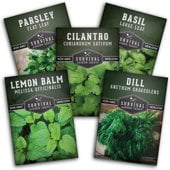
Grow Kits in Hydroponics
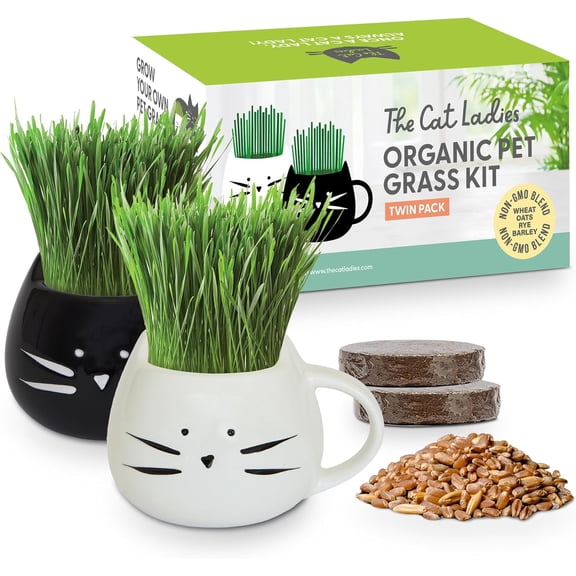

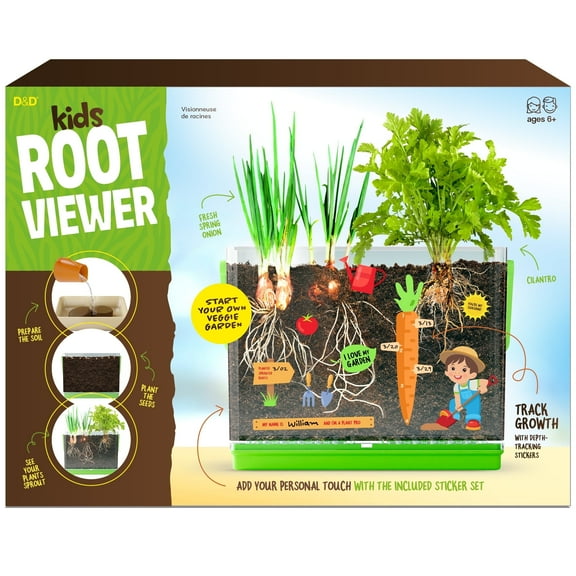
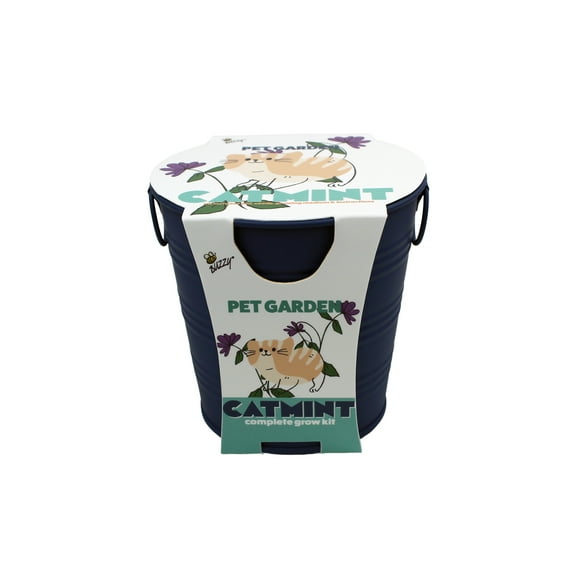















About Grow Kits in Hydroponics - Walmart.com
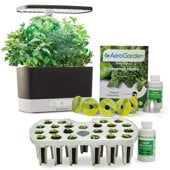
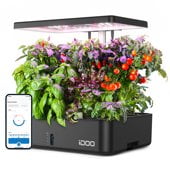
Hydroponics grow kits help you start indoor gardening with a clean, soil-free setup and more control over your growing environment. You can compare system types, lighting, capacity, and plant compatibility to match your space and routine.
If you're exploring hydroponics for beginners, you may find these kits simplify watering, feeding, and placement indoors. You can grow herbs, leafy greens, and select vegetables on a countertop, shelf, or floor area.
How to choose hydroponics grow kits for your space
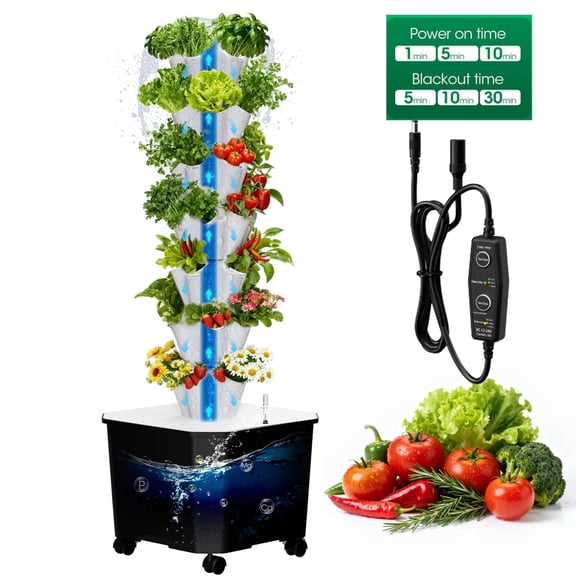
Space is often your first decision, because you need a kit that fits where you'll use it daily. You can choose a compact hydroponic planter for a kitchen counter or a multi-tier setup for a larger room.
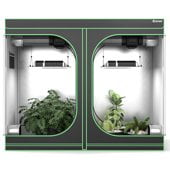
Countertop systems work well when you want fresh herbs within reach during cooking and meal prep. Floor models give you more pod sites, so you can grow several plant types at once.
Automation also matters when you want a simpler routine through the week. You can look for timers that manage lighting cycles and pumps that keep water moving with less hands-on upkeep.
Why indoor grow kits work for year-round growing
With indoor grow kits, you can keep your planting routine steady across seasons and weather changes. You can also keep your growing area tidier because you do not have to manage loose potting soil indoors.
A built-in light can help you place your setup beyond a sunny window or sill. You may notice that flexibility matters when your kitchen, office, or apartment has limited natural light.
Pod-based layouts also help you organize herbs, greens, and seedlings in a smaller footprint. You can start with a starter grow kit, then move to a larger indoor vegetable grow kit later.
- You can keep indoor gardening tidier with enclosed reservoirs and soil-free growing.
- You can support year-round planting when your setup includes built-in lights.
- You can choose pod counts that fit herbs, greens, or a broader indoor vegetable grow kit.
- You can compare seeds, sponges, baskets, and nutrients before you begin.
Choosing the right hydroponic system kit
System type shapes how your roots receive water, oxygen, and nutrients each day. You should compare Deep Water Culture, Ebb and Flow, drip systems, and aeroponics before choosing a hydroponic system kit.
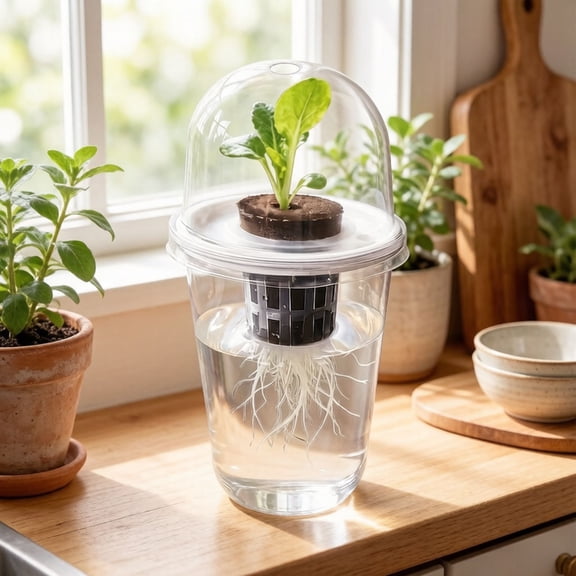
With Deep Water Culture, you place roots above nutrient solution and use airflow to keep water oxygenated. You may prefer DWC when you want a straightforward starter grow kit for herbs and leafy greens.
With Ebb and Flow, you use timed flooding and draining to wet roots at intervals. You can consider this style when you want flexibility across herbs, greens, and some flowering plants.
With drip systems, you direct nutrient solution to each plant site in measured amounts. You may like this option when you want more control across mixed plant sizes and feeding needs.
With aeroponics, you suspend roots and deliver moisture as a fine spray. You can look at this style when you want an advanced setup with strong oxygen exposure around roots.
Nutrients are another key decision, because your plants rely on the water you prepare. You should check whether your kit supports simple pH balancing, easy EC reading, and liquid nutrient use.
When you monitor pH, you help your plants access nutrients more consistently during growth. When you check EC levels, you can gauge solution strength in a practical, repeatable way.
Comparing indoor herb garden kit options by lights and parts
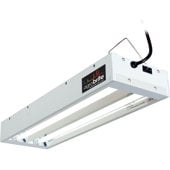
Lighting type affects where you place your setup and how independently it runs from nearby windows. You can compare LED grow lights, fluorescent options, and natural-light designs based on your room.
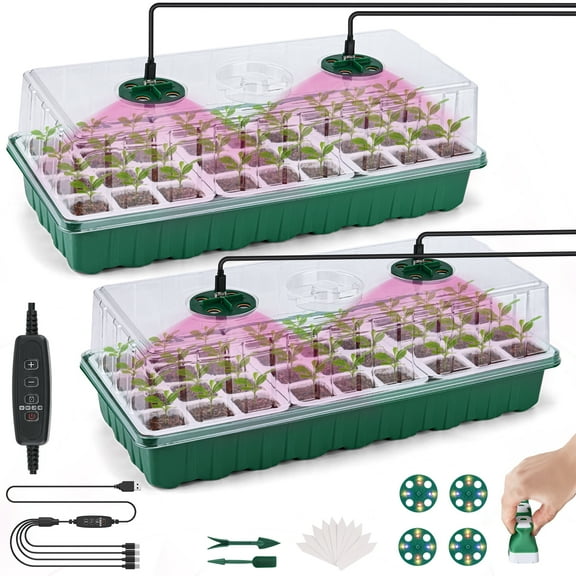
LED grow lights fit many indoor grow kits because they support steady daily light cycles. You may prefer LED-integrated systems when you want a setup away from direct sun.
Fluorescent lighting can suit starter setups when you want a familiar format for seedlings and greens. Natural-light systems work when you already have a bright window and want a simpler footprint.
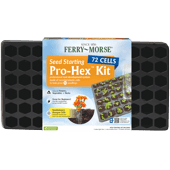
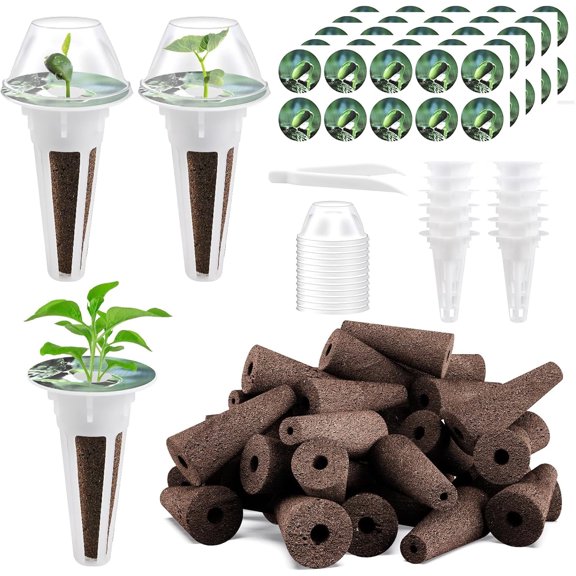
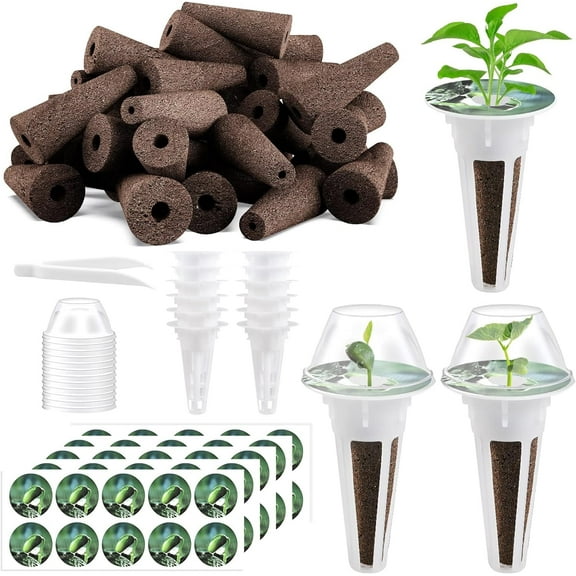
Included components can shape your first setup experience just as much as system style. You should look for grow sponges, seed pods, baskets, domes, nutrients, and clear setup instructions.
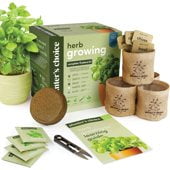
Some kits include seeds, which helps you begin quickly with herbs or salad greens. Other systems focus on hardware, so you can choose your own varieties and planting schedule.
Capacity is another practical filter that changes your harvest goals and placement options. You can select a four-pod or six-pod indoor herb garden kit for small spaces, or move up to 12-pod and multi-tier systems.
Matching plant types and routines to your setup
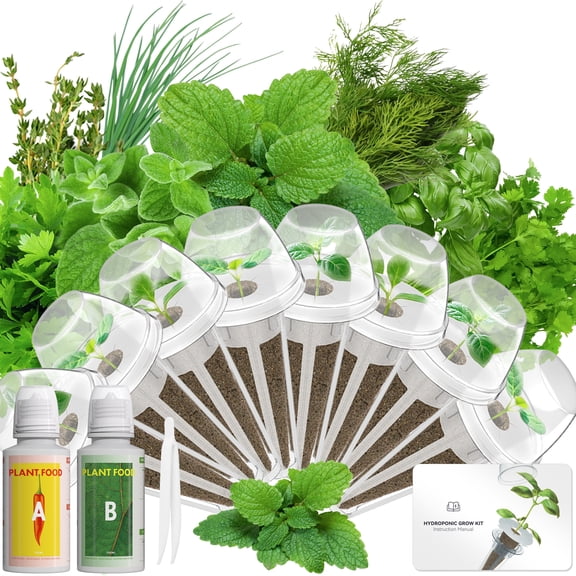
Plant compatibility helps you narrow choices based on what you actually want to grow indoors. You can use smaller kits for basil, mint, parsley, and lettuce, while larger setups support broader planting plans.
Herbs usually fit compact systems because you harvest small amounts often and keep plants nearby. Leafy greens also work well when you want quick turnover and easy trimming through the week.
An indoor vegetable grow kit may suit you when you want more pod space and stronger lighting support. You should check mature plant size, because larger vegetables can crowd smaller reservoirs and tight layouts.
Flowers can also fit hydroponic setups when you want color in a kitchen, office, or hobby room. You can compare plant height, root spread, and pod spacing before choosing a layout.
If your routine is busy, you may prefer automated lights and a larger reservoir for fewer check-ins. If you enjoy hands-on growing, you might choose a system that lets you fine-tune nutrients and planting mixes.
When you're choosing hydroponics grow kits, you can focus on space, automation, system type, and included parts first. That approach helps you pick a setup that fits your room, your planting goals, and your daily routine.