



Where to Get HotHands Hand Warmers Near Me | Walmart
















About Where to Get HotHands Hand Warmers Near Me | Walmart - Walmart.com
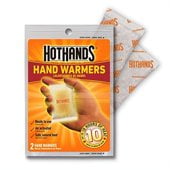
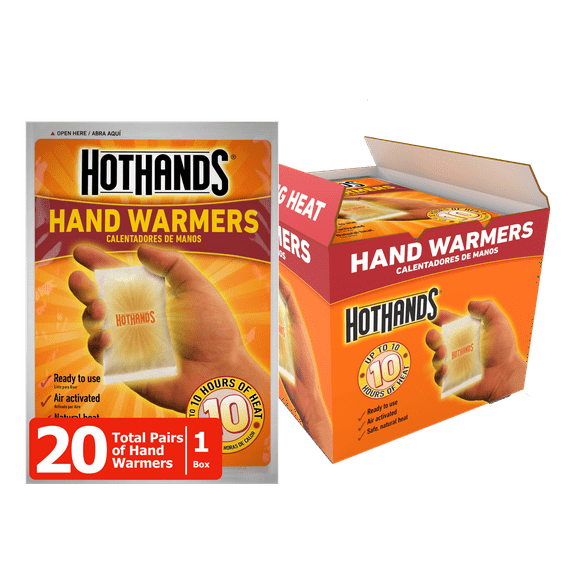
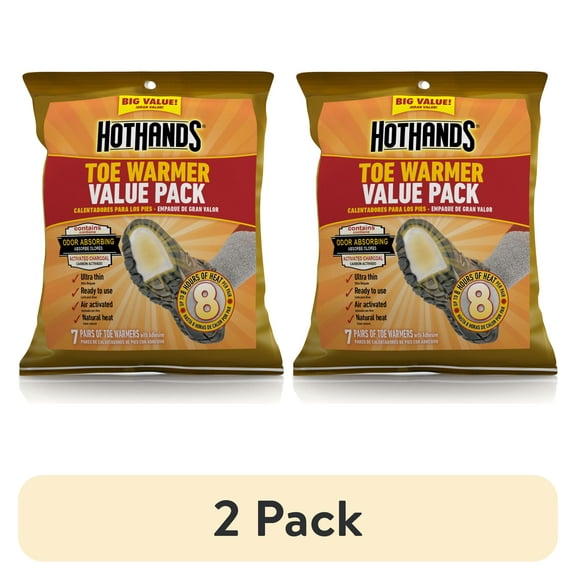
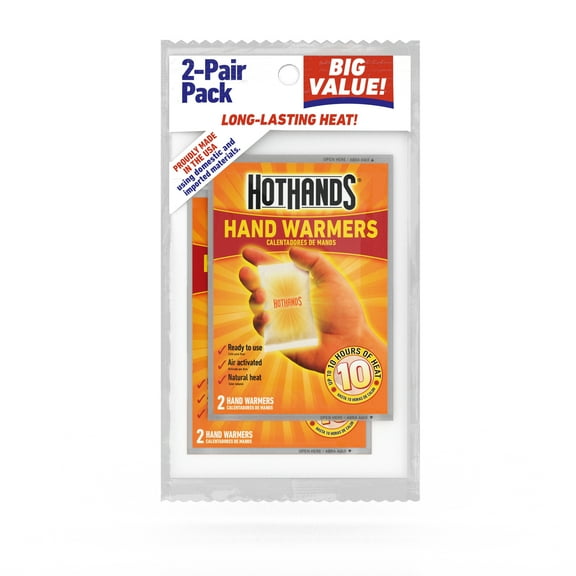
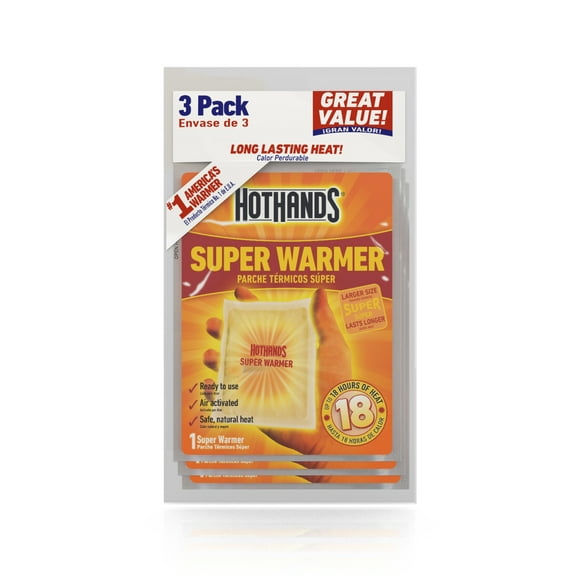
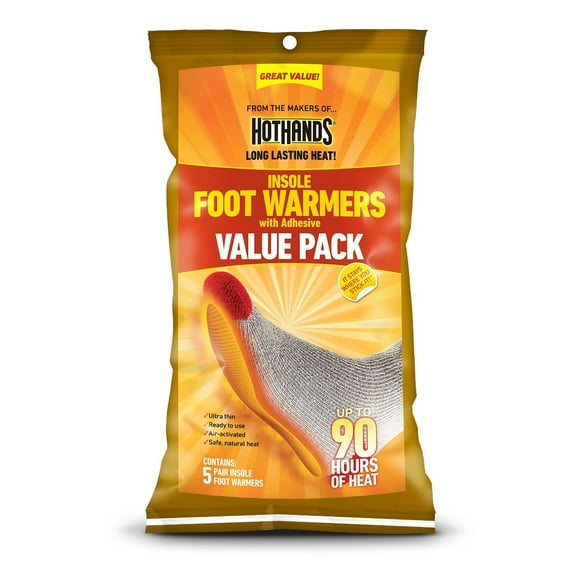
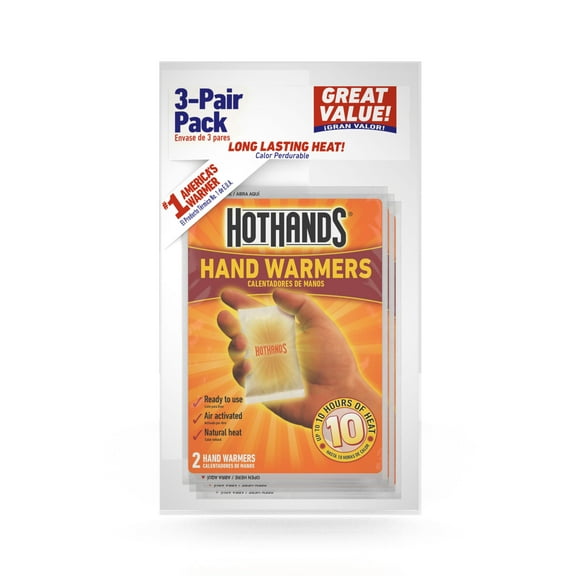
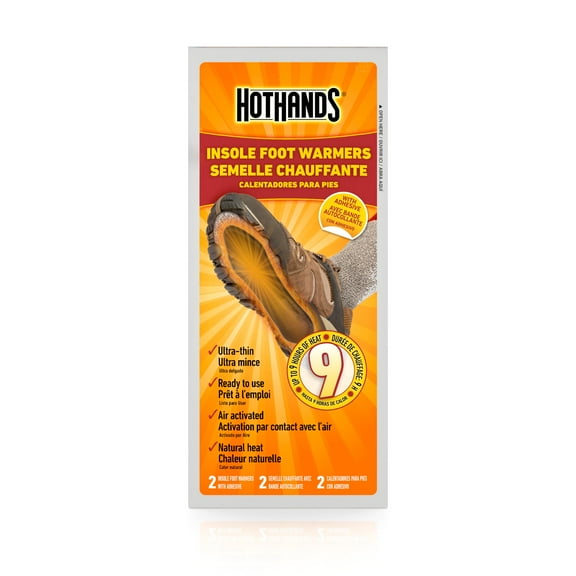
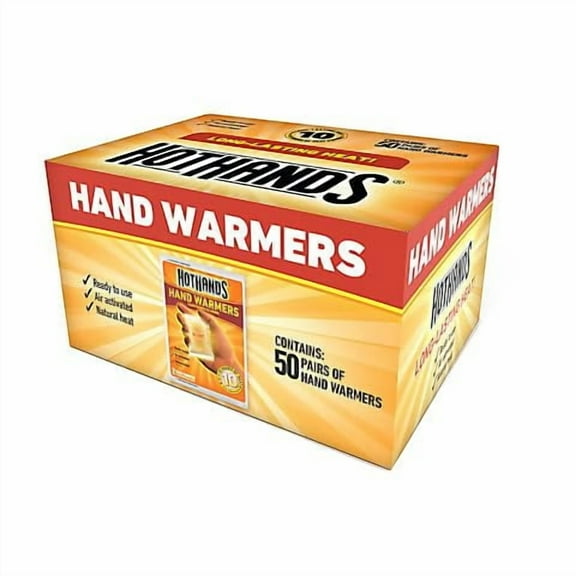
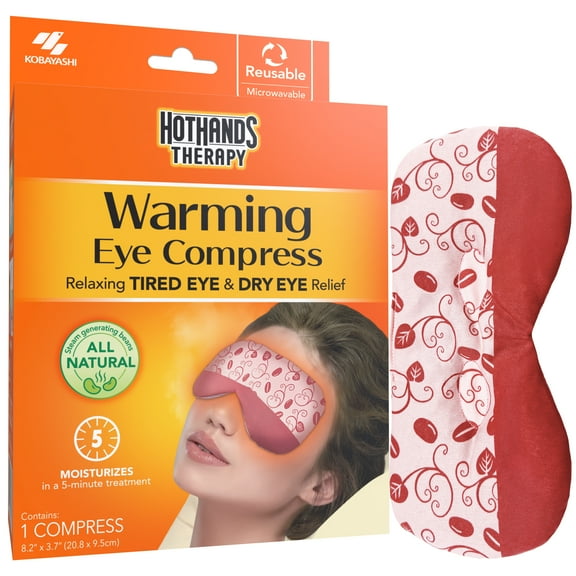
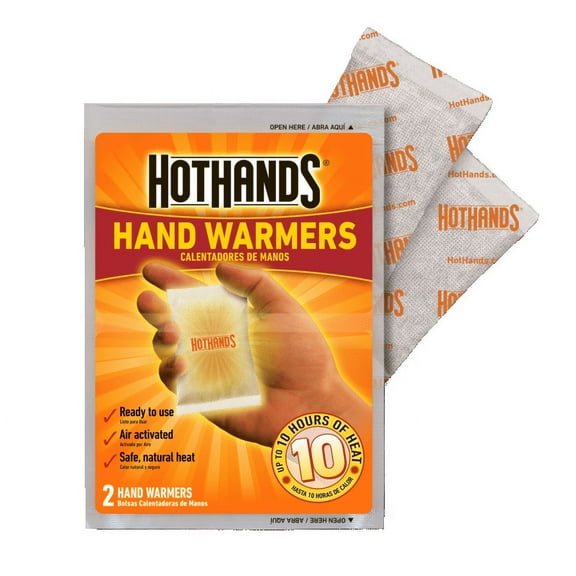
Hothands helps you plan cold-weather comfort with hand warmers, toe warmers, body warmers, and insole warmers for different routines. You can compare placement, heat duration, pack size, and activation style before you choose the right fit.
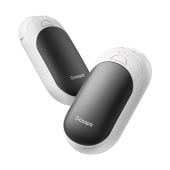
If you want warmth without charging cables, you can use air-activated warmers that start after opening. You can also compare smaller packs for occasional outings and larger counts for frequent winter use.
How to choose hothands by product type
You should start with where you want warmth during your activity. Your choice between hand warmers, toe warmers, body warmers, and insole warmers changes how the heat fits your setup. You can narrow options faster when you match placement to your gloves, boots, or layers.
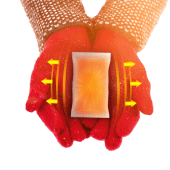
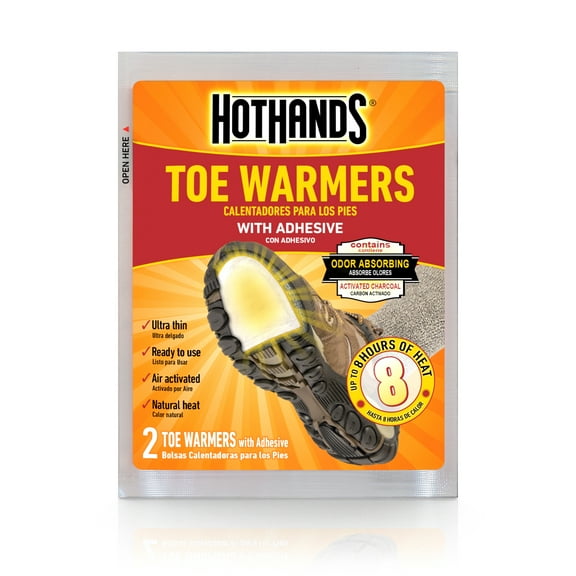
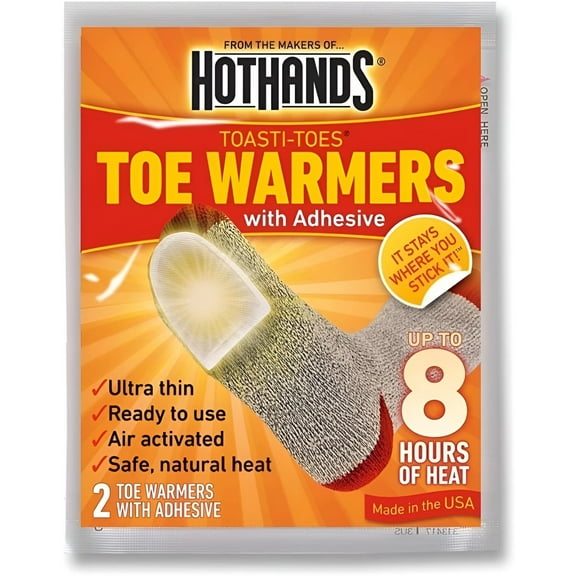
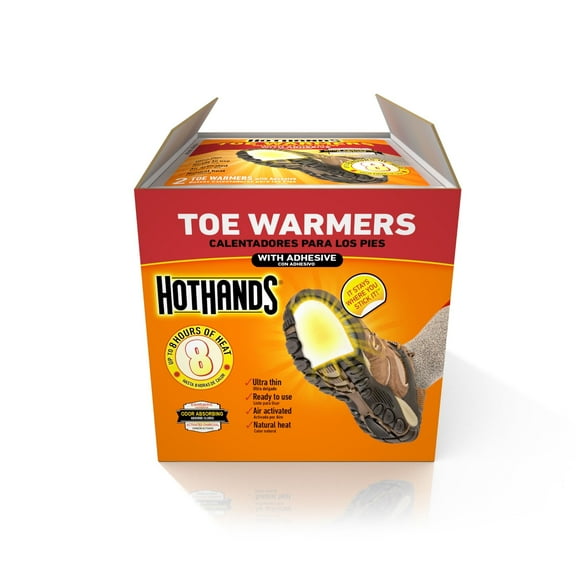
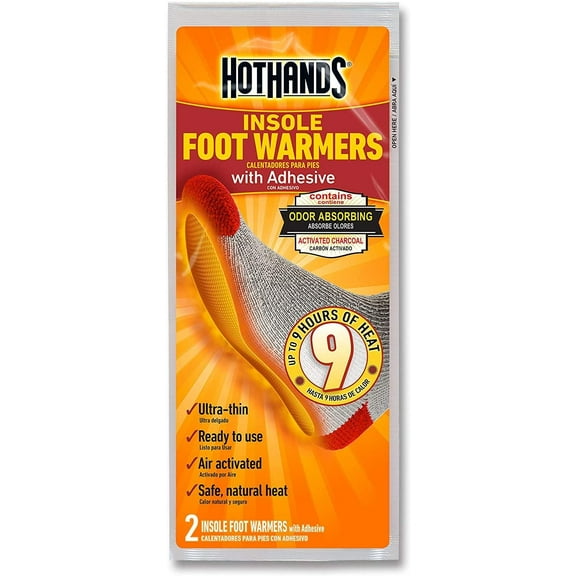
For pocket use, you may prefer hand warmers that slip into gloves, coat pockets, or hand muffs. For boot comfort, you can choose toe warmers or insoles that stay close to your feet.
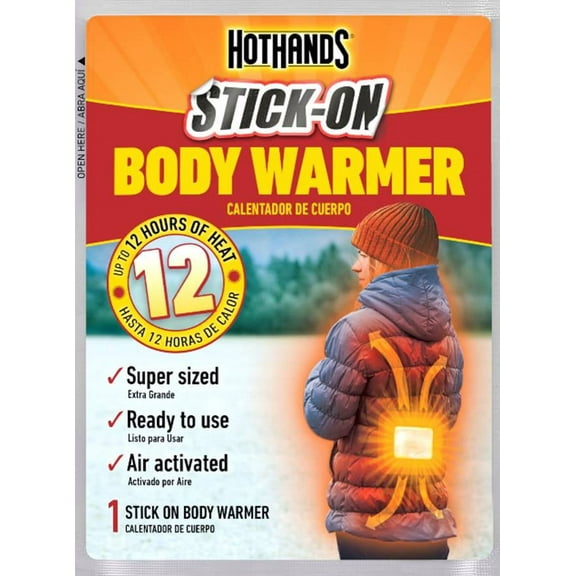
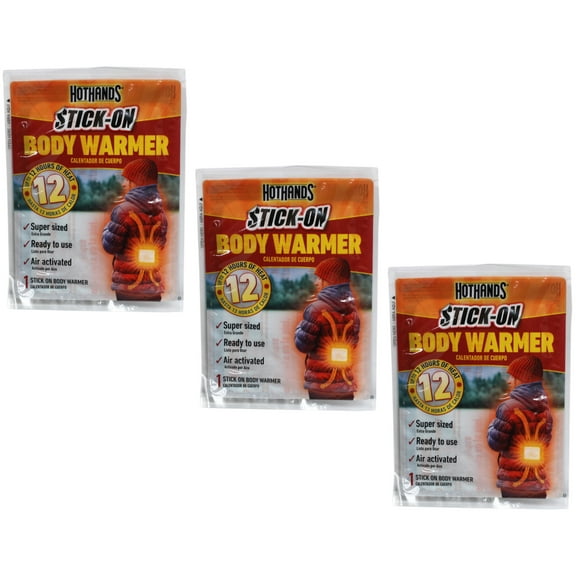
When you want warmth across a larger area, you can look at body warmers made for placement under layers. If your plan includes long hours outside, you should match the warmer type to your clothing setup.
- You can use hand warmers for sideline watching, morning commutes, and cold bleachers.
- You can pick toe warmers when your boots feel cold during hikes, hunts, or outdoor chores.
- You can choose body warmers when your jacket layers leave your core wanting steady heat.
- You can consider insole warmers when your activity keeps you standing on frozen ground.
Choosing hothands hand warmers and toe warmers by duration
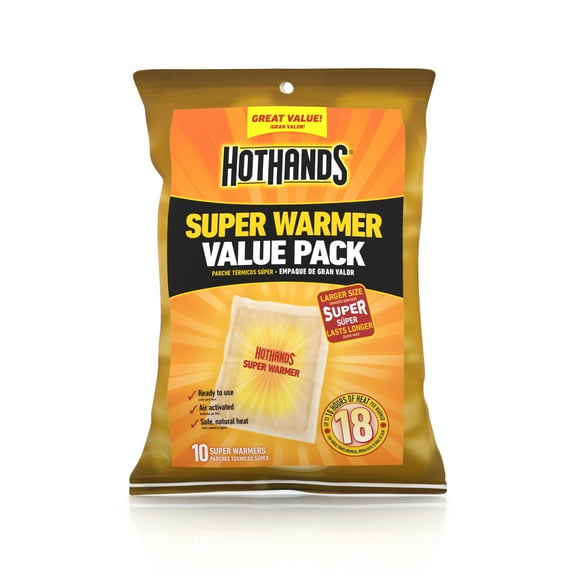
You should compare heat duration before you choose a pack for your day. Your plans may call for up to eight hours, up to 10 hours, or up to 18 hours. You can use that number to match warmth to your schedule instead of guessing.
For a school event or short errand, you may only need a shorter duration. For all-day fishing, hunting, or tournament watching, you’ll likely want longer-lasting warmth.
When you compare duration, you can avoid carrying extra packs you may not need. You can also keep your setup lighter when your outing lasts only part of the day. If you leave before sunrise, you should check whether your hours outside need extended coverage.
What to look for in pack size and quantity
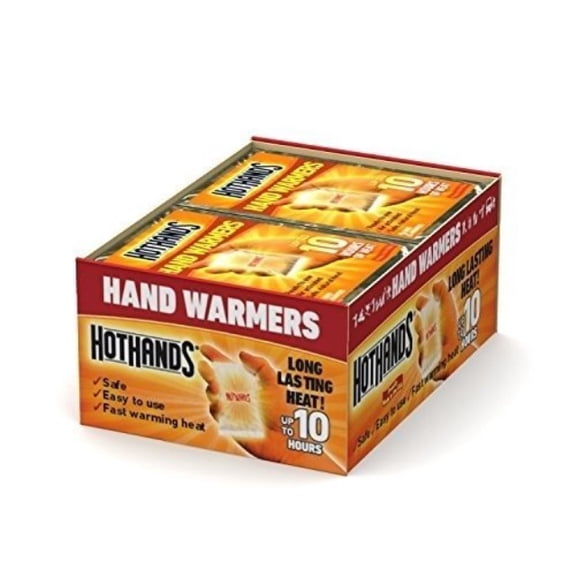
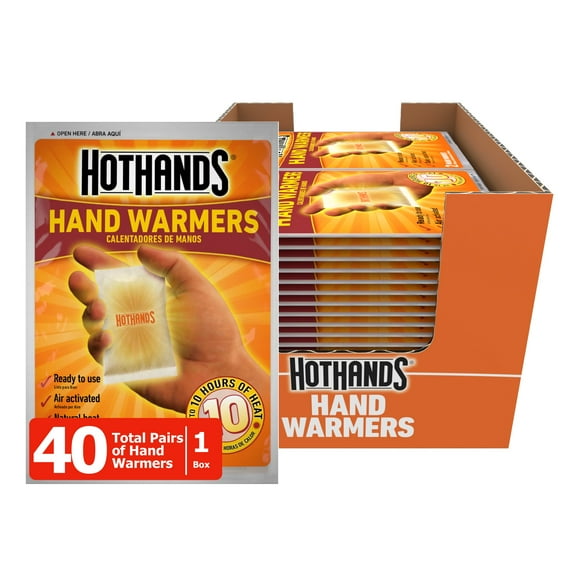
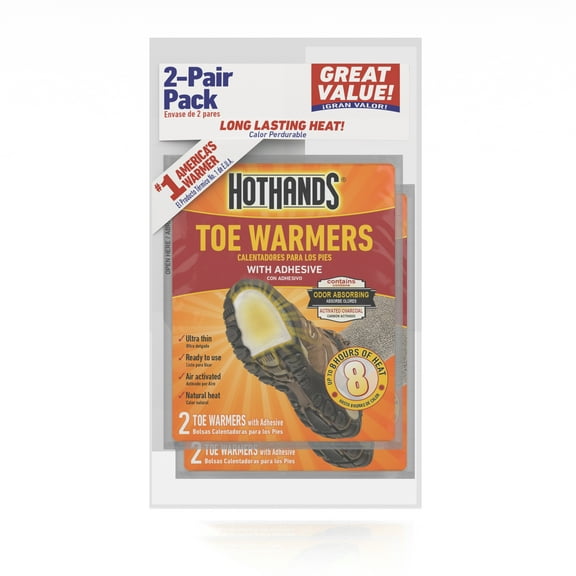
You can make pack size your next decision after choosing placement and duration. Your options may include a single pair, a 10-pack, or a 40-pack bulk format.
For occasional winter walks or one weekend trip, you may like a smaller count. If you head outside often, you can keep extras ready with larger multipacks. You should also compare how often you restock seasonal gear.
You should think about how many people use them in your household or group. Your family game days, ski weekends, or jobsite mornings may call for more pairs on hand.
When you compare quantity, you can match your purchase to your calendar instead of guessing. You can keep spare packs in your car, gear bin, or coat closet for quick access.
Understanding air-activated warmers and adhesive-backed options
You can choose air-activated warmers more confidently when you understand how activation works. Your warmers begin warming after you open the package and expose them to air.
You’ll usually shake them gently and give them time to warm up. Your setup stays simple because you don’t need cords, batteries, or charging between uses. You can keep your routine straightforward during early starts, outdoor events, and travel days.
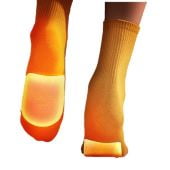
For foot placement, you may want adhesive-backed toe warmers that stay in place inside your footwear. If you want flexible placement in pockets or gloves, you can choose non-adhesive hand warmers.
You should check whether your activity needs movement-friendly placement or quick grab-and-go use. Your adhesive option can help when you don’t want the warmer shifting inside boots.
Using hand warmers, toe warmers, and body warmers for winter plans
You can match these warmers to specific cold-weather situations instead of guessing at checkout. Your commute, stadium visit, campsite, or tree stand may need different sizes and placements. You can also compare durations based on how long you expect to stay outside.
For commuting, you may keep hand warmers in your coat pocket or bag. When you head to a game, you can tuck them into gloves for steady comfort in the stands.
During hunting or fishing trips, you can compare longer duration options that support extended time outdoors. If your feet get cold first, you should look at toe warmers or insole styles. If your layers leave open space at your core, you may prefer body warmers.
For work outside, you can choose packs that fit your shift length and clothing layers. Your landscaping, delivery, or early-morning setup may call for body warmers under outerwear.
You may also want larger pack counts for cabins, camp kits, or winter travel bags. Your backup supplies can stay organized when you keep extra pairs with gloves, socks, and other cold-weather gear.
Simple guidance for choosing the right warmer
You can narrow your choice by asking four practical questions before you buy. Your decision should cover placement, duration, adhesive needs, and how many pairs you’ll use. You’ll feel more prepared when your warmer type matches your activity, footwear, and time outside.
If you compare those points first, you can choose hothands with less guesswork. Your cold-weather routine feels easier when your warmth matches your schedule and gear.