


Barbells Near Me & Barbell Weights | Walmart































About Barbells Near Me & Barbell Weights | Walmart - Walmart.com
Barbell near me searches often mean you want the right bar fast, with pickup, delivery, or in-store options that match your training plan. Find barbells organized by bar type, length, plate compatibility, and lifting use to compare what fits your home gym or garage.
Choosing barbells for your setup
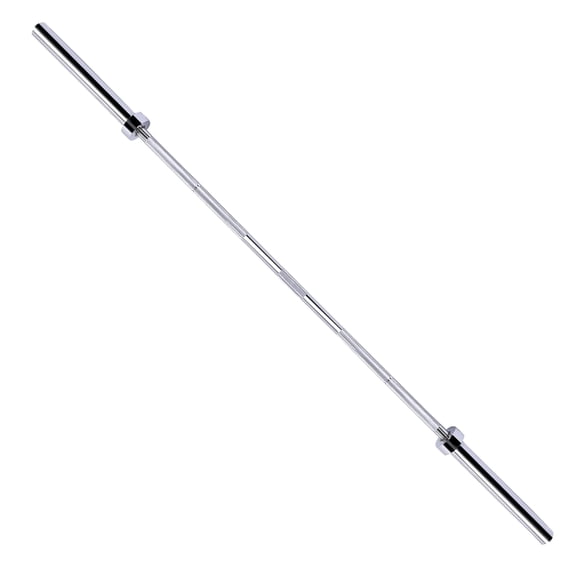
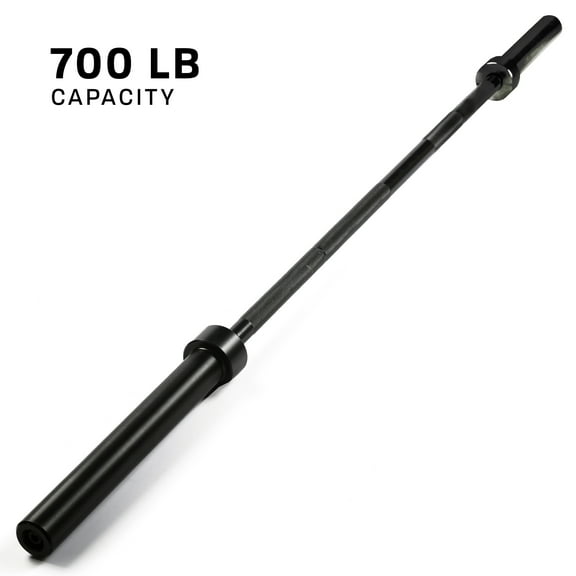
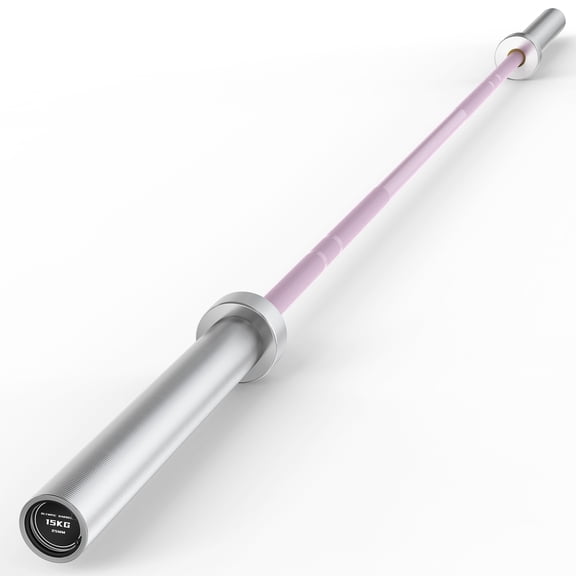
Start with bar type because it affects feel, plate fit, and storage. Compare olympic, standard, compact, and training options based on your current equipment.
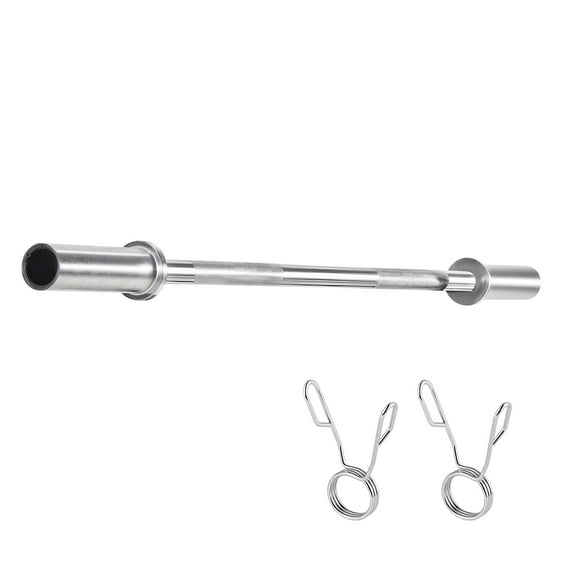
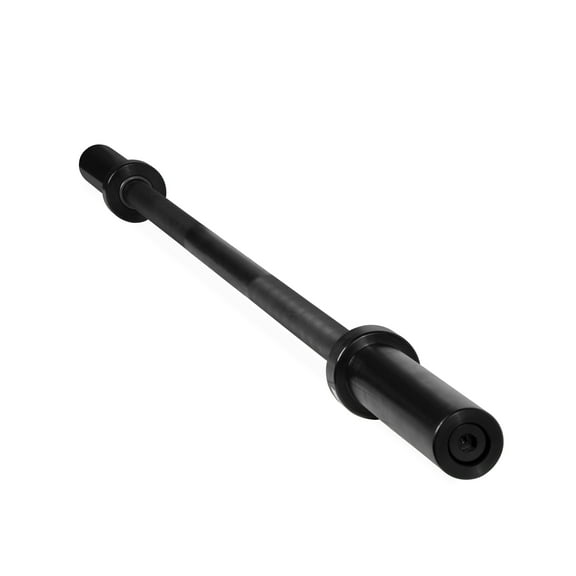
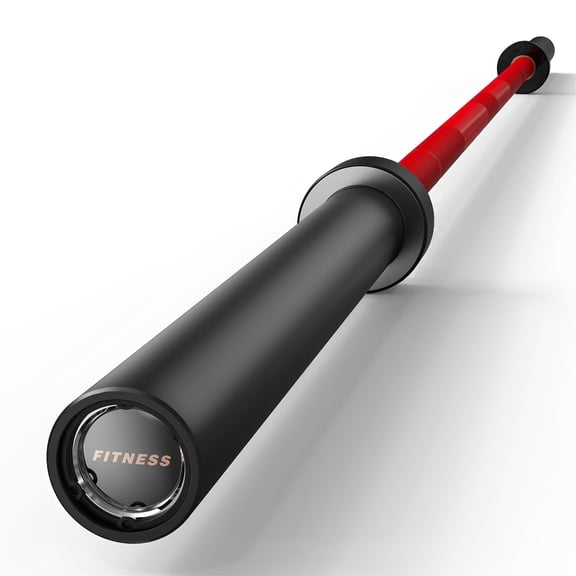
Choose an olympic bar when your setup uses olympic plates and you need plate-ready sleeves. Pick a standard bar when your plate collection uses standard sizing and lighter stations.
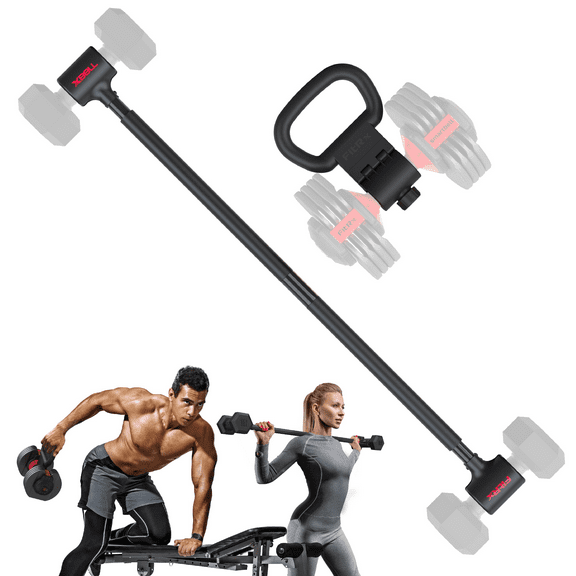
Compact bars fit smaller workout areas and tighter storage spots. Training bars support form practice, warmups, and controlled repetition work before heavier loading.
- Choose olympic bars for plate-ready sleeves and common rack-based strength setups.
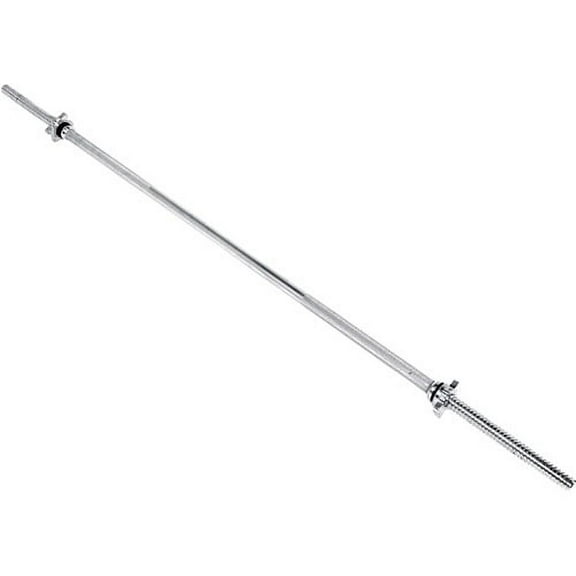
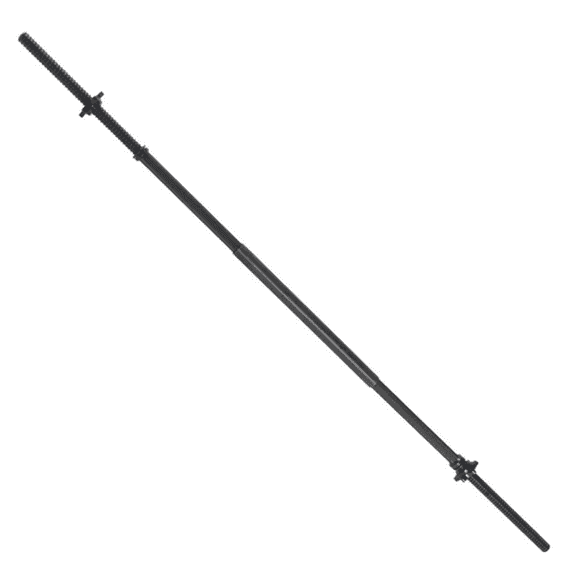
- Pick standard bars when you use standard plates and simpler lifting stations.
- Consider compact bars when floor space, ceiling clearance, or storage width is limited.
- Use training bars when technique sessions and movement practice guide your routine.
These choices shape daily use in clear ways. The right format helps plates fit correctly, keeps movement balanced, and makes storage easier between sessions.
How to compare barbell near me options by length
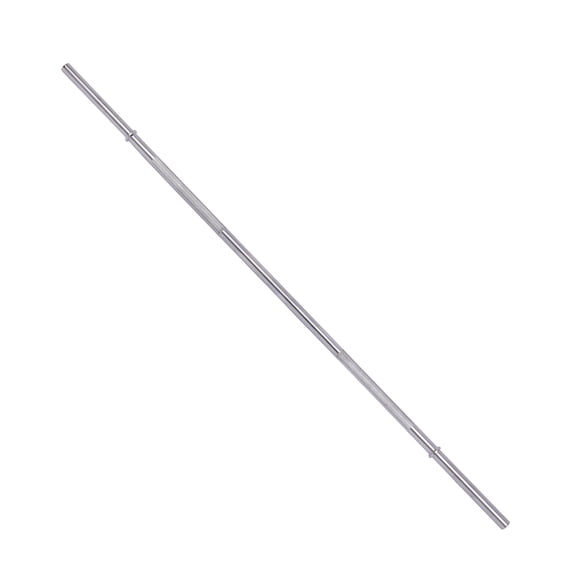
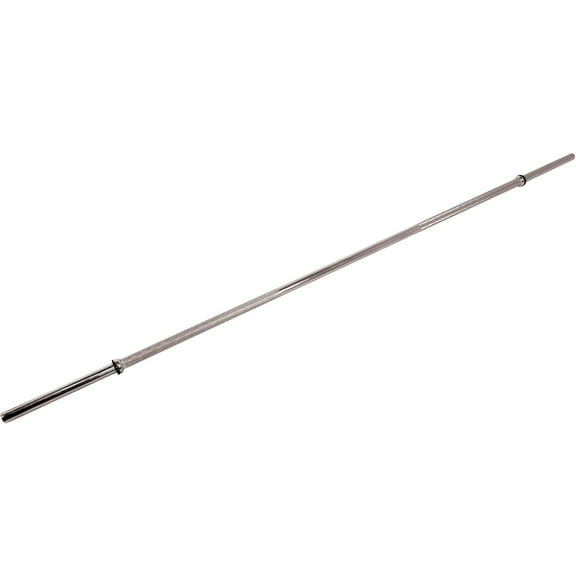
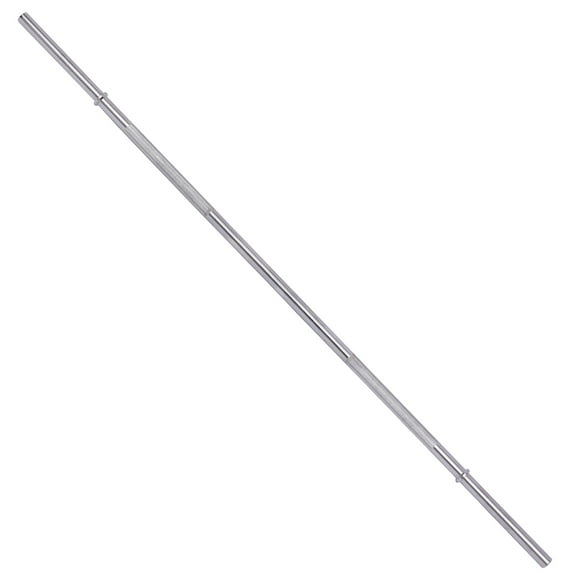
Length affects clearance, rack fit, and how the bar moves in your room. Compare a 4 foot barbell with 5 foot, 6 foot, and 7 foot options.
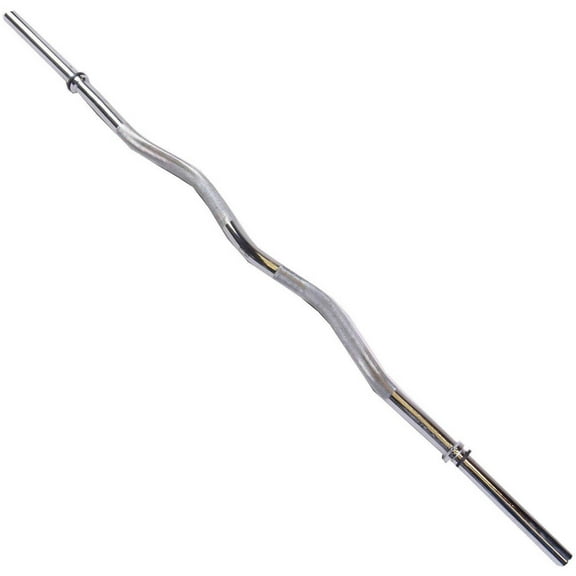
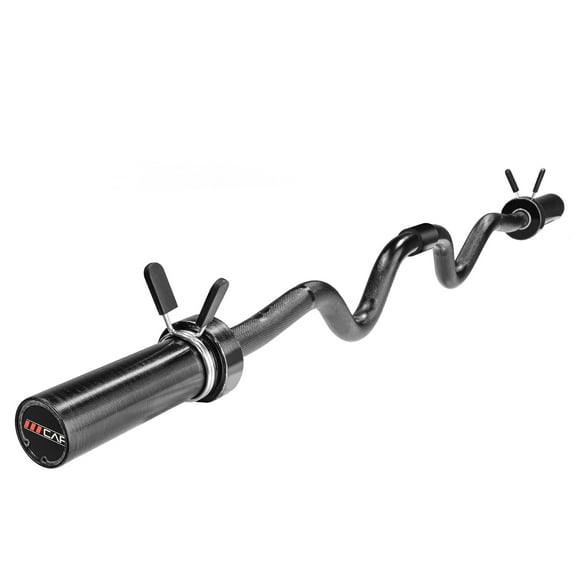
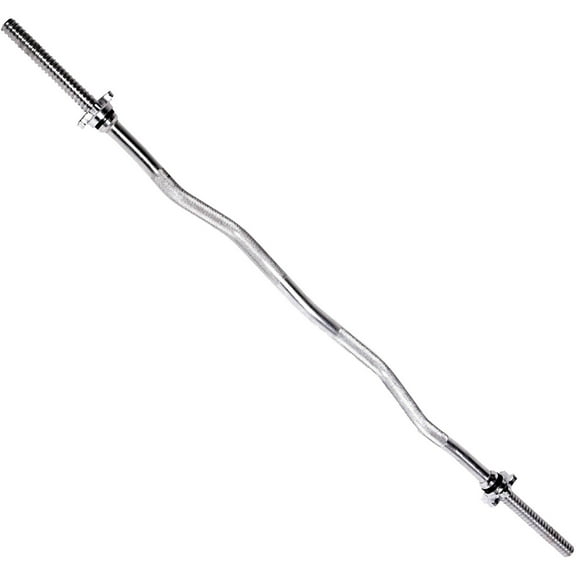
A 4 foot barbell suits compact rooms, curl work, and focused accessory lifts. Longer bars usually fit bench stations, squat racks, and deadlift setups more naturally.
Measure your workout area before choosing a bar length. Check rack width, storage orientation, and loading space on each side of the bar.
Shorter bars can feel easier to manage in apartments and spare rooms. Full-length bars give you wider hand spacing and more sleeve room for plates.
Choosing plate fit and barbell weights compatibility
Check weight compatibility early because it guides the rest of your decision. Choose bars that fit standard plates if you use lighter plate systems.
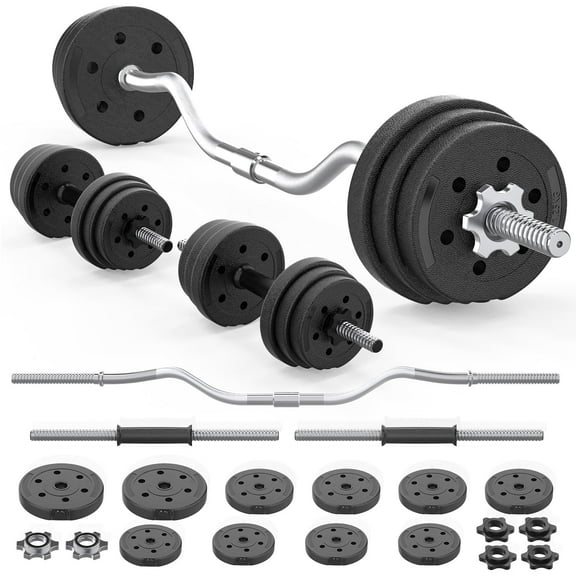
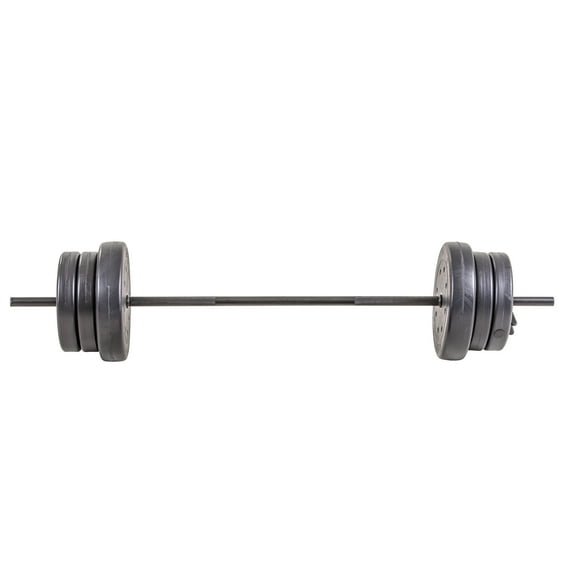
Pick bars built for olympic plates if your setup uses olympic plates. Compare sleeve style and loading length when you review barbell weights and bar combinations.
This step keeps your setup consistent and easier to use. It also helps you use your current plates, clips, and storage without changing systems.
Look for shaft length, grip area, and sleeve design when comparing barbells. Those details affect hand placement, plate loading space, and how the bar feels during lifts.
Plate-ready bars make sense when progressive loading is part of your routine. They also help when your bench, rack, and plate collection already follow olympic sizing.
What to look for in olympic barbell and standard styles
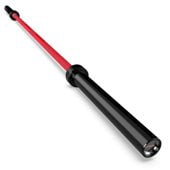
An olympic barbell usually fits compound lifts, rack work, and plate-heavy sessions. Check overall length and sleeve format so the bar matches your station.
Standard styles can suit lighter training zones and simpler storage plans. They also fit plate collections already built around standard sizing and casual strength routines.
Training bars support setup practice, bar path work, and repetition control. Compact styles fit corner gyms, under-bench storage, and rooms where every foot matters.
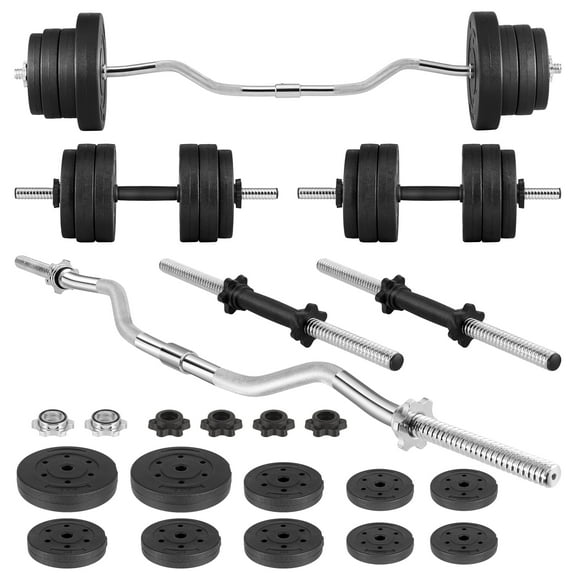
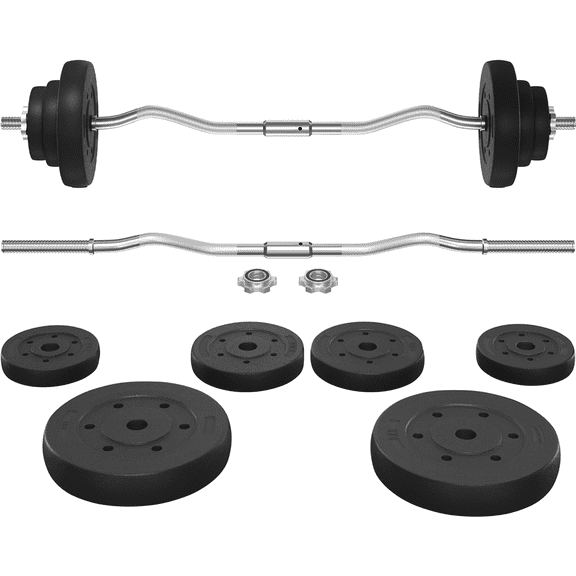
Compare entry level, mid-range, and heavy-duty options by intended use. A bar used for regular squats and deadlifts needs different support than a curl bar setup.
Matching barbells to bench press, squats, and deadlifts
Use case should guide your final pick because each lift uses the bar differently. Bench press setups need rack fit, sleeve room, and balanced hand spacing.
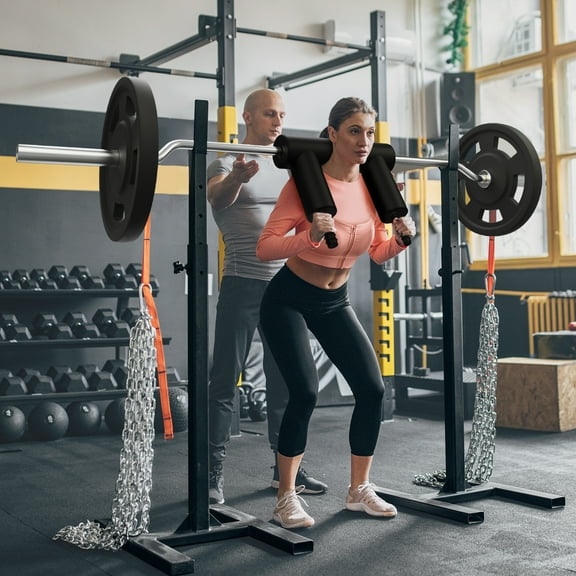
For squats, compare bar length with rack width and hand position. For deadlifts, check sleeve length if you plan to add more plates over time.
General strength training often calls for an all-around design. If your routine mixes rows, presses, curls, and floor work, a compact or mid-length bar may fit.
Home gym shoppers should also measure storage before ordering. Vertical holders, wall racks, and under-bench spaces can favor shorter or mid-length bars.
Comparing barbell nearby pickup and delivery options
Barbell nearby intent usually centers on convenience and availability. Compare pickup, delivery, and in-store shopping options when timing matters for your setup.
Pickup works well when you want to finish a rack or bench station quickly. Delivery can make more sense for longer bars that take extra room in a vehicle.
In-store shopping helps with size checks and planning around your space. It also supports side-by-side comparison between compact, standard, training, and olympic formats.
Barbell price can help narrow your list, but fit matters first. When the bar matches your plates, room, and lifts, your setup comes together with fewer compromises.