



Hedge & Privacy Shrubs in Garden Bushes










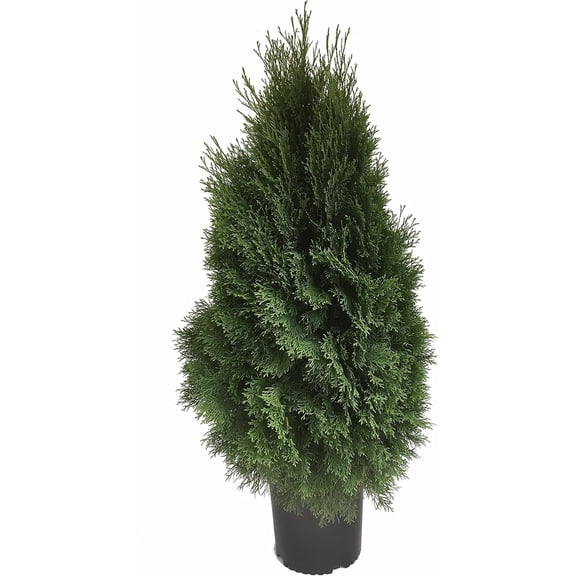
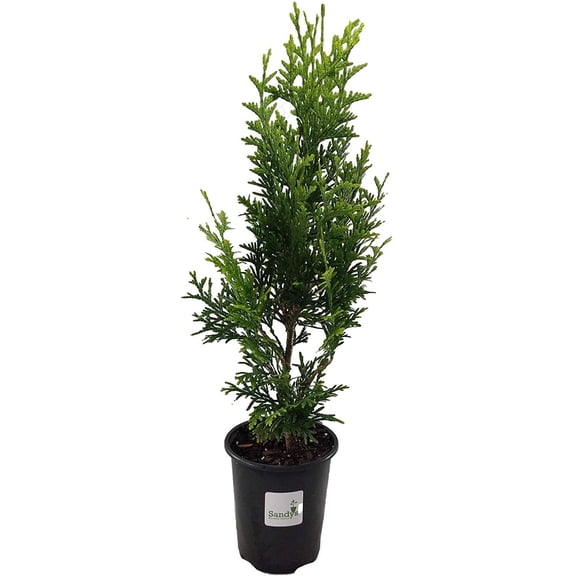
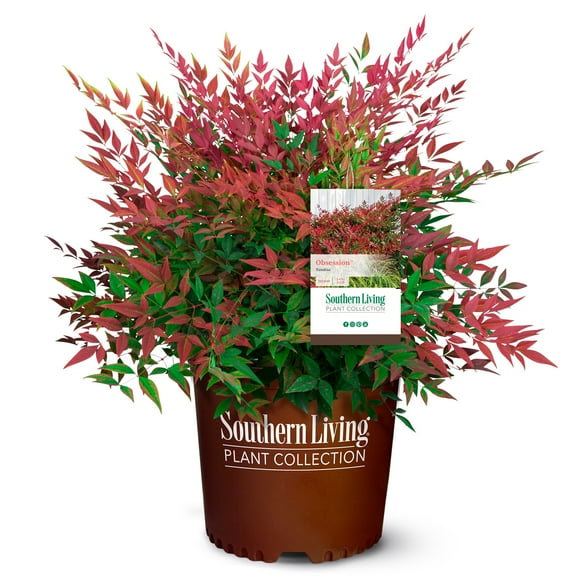


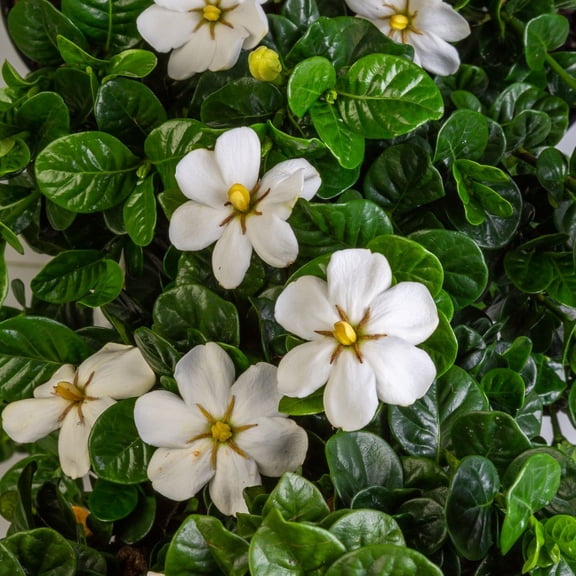
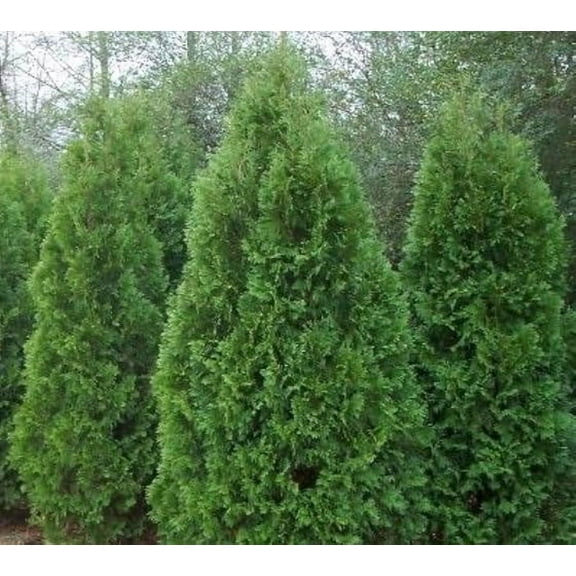


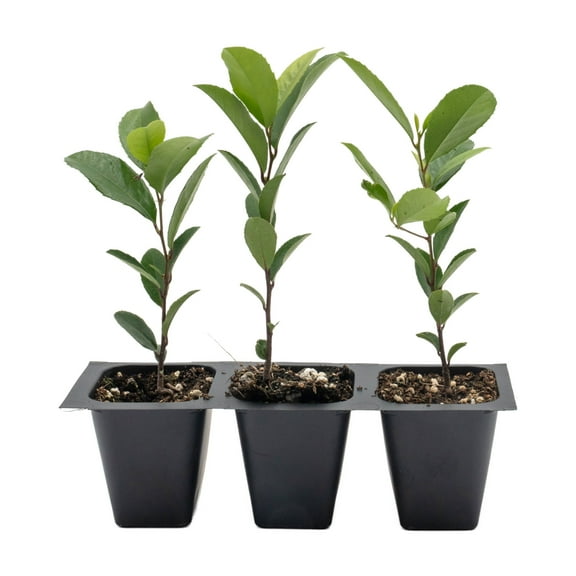
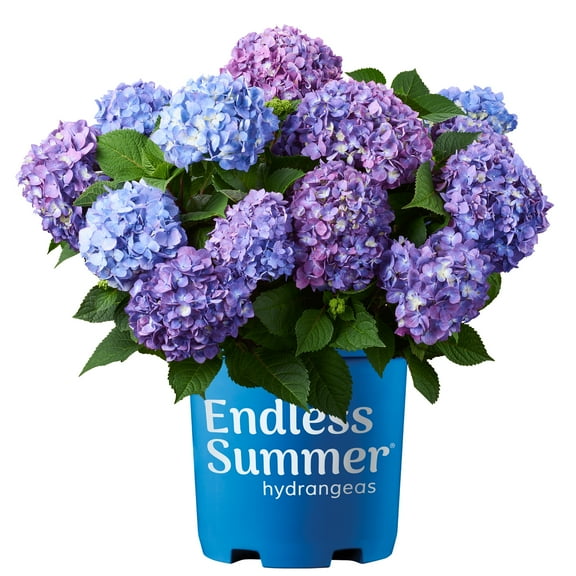
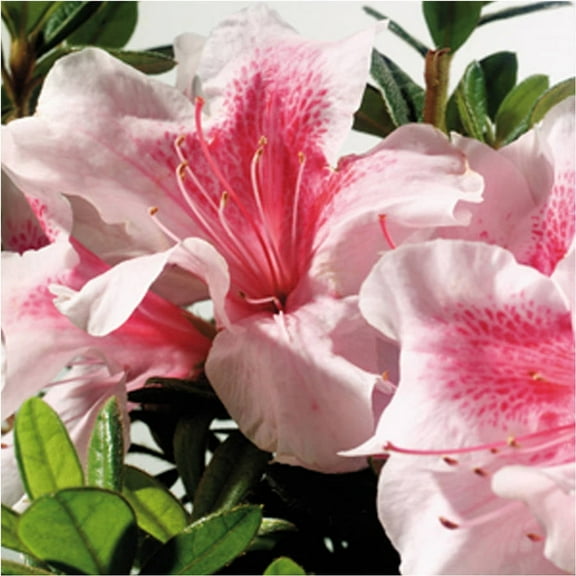







About Hedge & Privacy Shrubs in Garden Bushes - Walmart.com
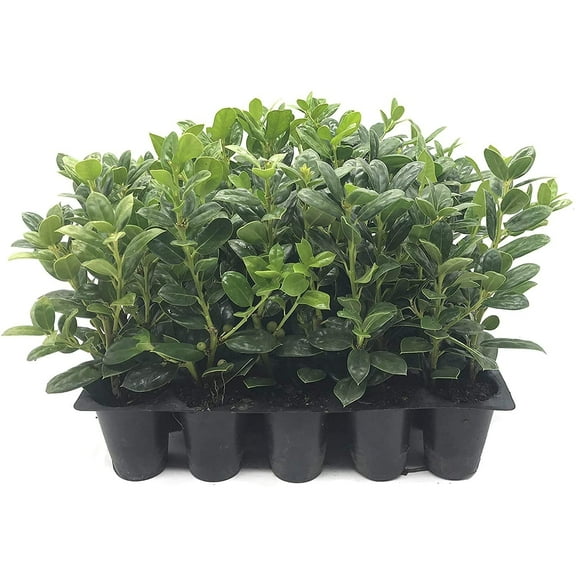
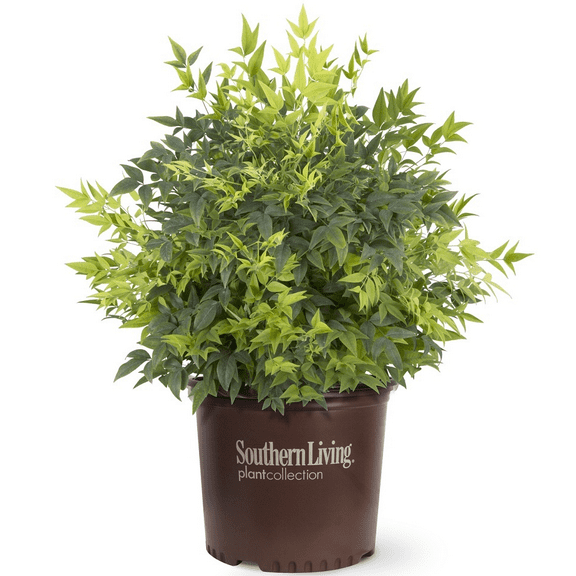
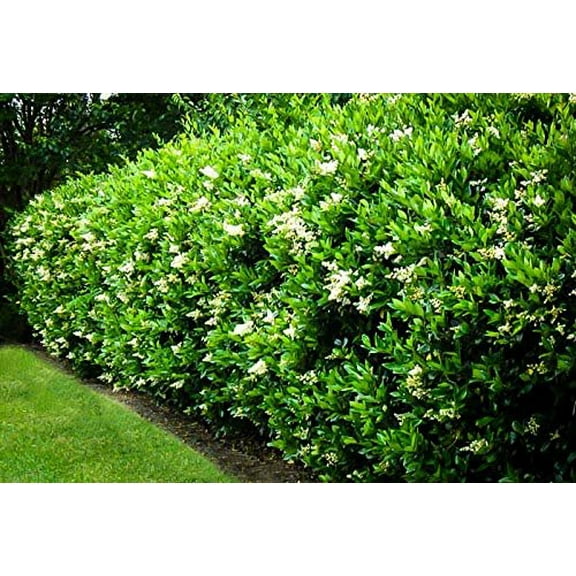
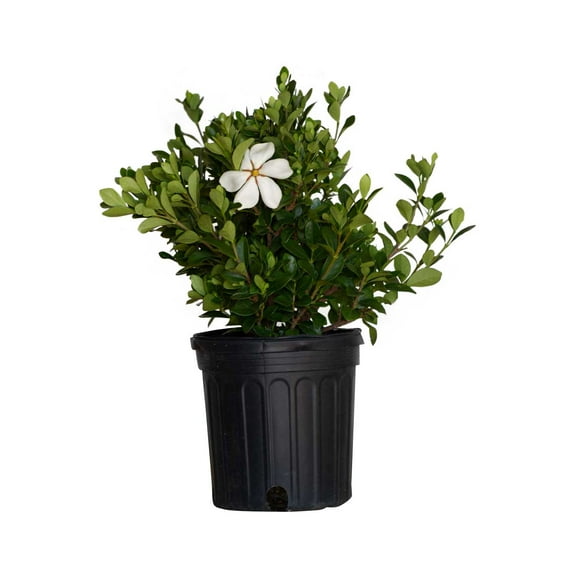
You can create a fuller yard boundary with privacy shrubs that fit your space, sunlight, and upkeep routine. You can also find options for formal lines, natural screening, and decorative planting around outdoor living areas.
If you’re comparing hedge shrubs for a backyard project, you’ll want clear guidance before you plant. You can narrow choices faster when you compare height, water tolerance, style, and placement together.
Choosing privacy shrubs for your backyard
When you choose shrubs for backyard layouts, you should start with mature height and spread, not the starter pot size. You can get a more complete screen when your spacing matches the plant’s full width.
If you need a lower border, you may prefer shrubs that grow 3 to 4 feet tall along patios, fences, or walkways. You can use taller picks for deeper screening where you want more visual separation.
You should also compare growth rate per year before you plant a hedge bush row. You may notice faster growers fill gaps sooner, while slower growers can support a more controlled outline.
- You can shape a backyard border with height options from 3 to 4 feet to 7+ feet.
- You can match spacing to mature spread for a fuller look with fewer empty gaps.
- You can compare growth habits for a formal hedge or a softer natural screen.
- You can select placement-friendly shrubs for backyard edges, foundations, or entry areas.
How to compare height, zones, and sunlight
You should check USDA hardiness zones before you focus on leaf color or shape. This helps you make an informed pick when your shrub matches the winter lows and seasonal pattern in your area.
If your planting area gets full sun, you can compare varieties that hold color and structure through long bright hours. If your yard gets partial shade, you should look for shrubs that keep steady coverage with less direct light.
You’ll also want to measure width as carefully as height when you plan foundation planting. You can avoid crowding windows, paths, and siding when you leave room for mature spread.
For narrow beds, you may need upright forms that stay tidy near walls or fences. For open yards, you can use wider growers that soften property lines and frame outdoor seating areas.
Choosing low-maintenance drought-tolerant shrubs
If you want easier upkeep, you should compare watering needs and pruning frequency early in your search. You can often narrow the list quickly when you know how much attention your landscape can handle.
Low-maintenance drought-tolerant shrubs can suit sunny spots where you want consistent structure with less frequent watering. You can also compare average water choices if your yard gets regular irrigation or rainfall.
If your soil stays evenly damp, you may prefer moisture-loving types for planted borders or lower areas. You should match water tolerance to site conditions so your hedge keeps a more even appearance.
You’ll also want to consider how often you plan to trim. If you like crisp edges, you can choose forms that respond well to routine shaping, while looser growers fit a more relaxed screen.
Choosing decorative bushes or a formal hedge
Your design style should guide whether you choose decorative bushes, a formal hedge, or a natural screen. You can create very different results even when plants share similar mature heights.
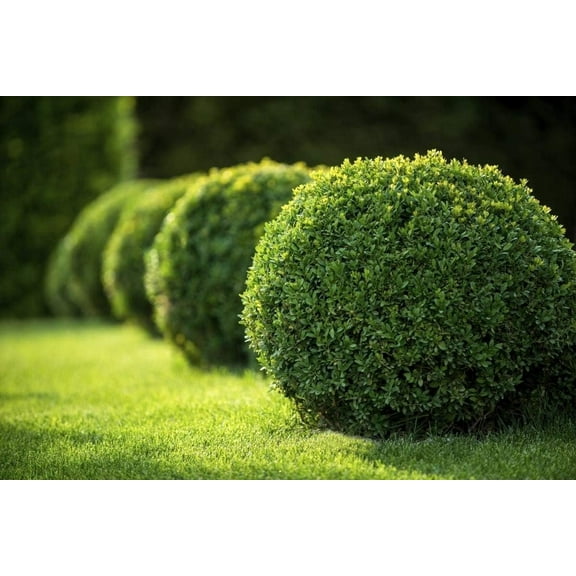
If you want a polished border, you should compare dense branching and a shape that handles regular pruning. This usually helps you get a more defined edge along driveways, fences, and front yard beds.
If you want softer coverage, you may prefer natural screen types with a looser outline. You can use them to break up sightlines behind seating areas, pools, or backyard gathering spaces.
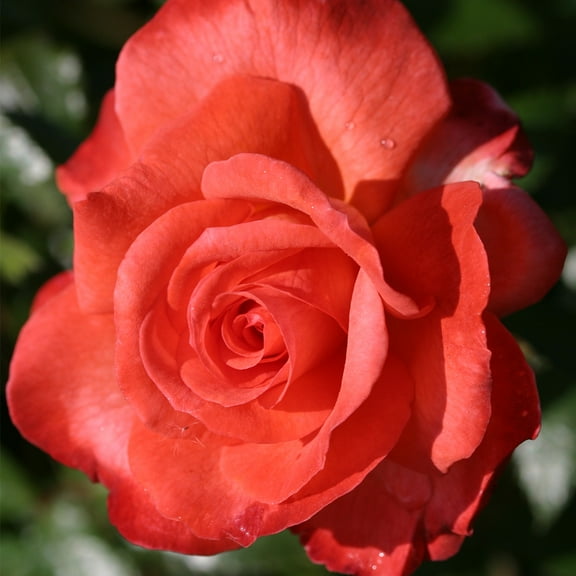
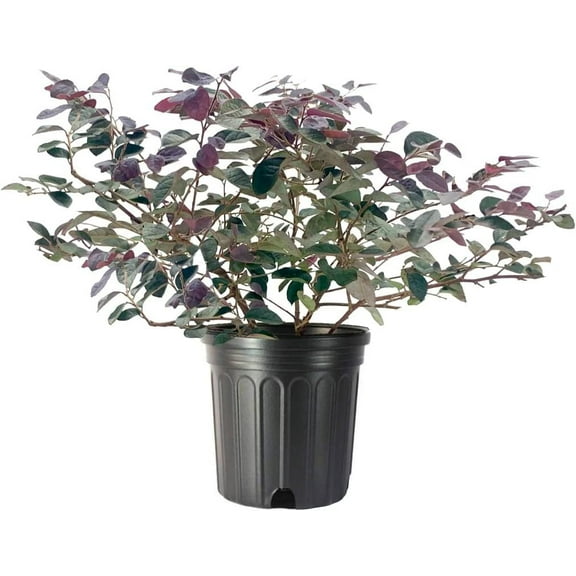
Decorative bushes can add texture, leaf contrast, or seasonal color while still supporting privacy goals. This approach can work well when your screen also needs to look intentional from patios and curbside views.
Matching placement to real landscaping needs
If you’re planting along a backyard fence, you should compare mature height with the line of sight from decks and neighboring windows. This can provide more useful coverage when the screen matches where privacy matters.
For front yard use, you may want lower or mid-height shrubs that define space without closing off the entry. You can keep sightlines cleaner while still adding structure near porches and walkways.
If you’re planning foundation planting, you should check width, sunlight, and pruning needs before planting close to the home. This helps keep the layout easier to manage when the shrub fits the bed from the start.
You may also be comparing low maintenance bushes for landscaping around property edges or outdoor rooms. You can build a more cohesive plan when your shrub choices align with spacing, sun exposure, and watering habits.
If you’re searching with local availability in mind, you’ll still want to begin with climate fit and mature size. You can plant with more confidence when your privacy shrubs match your yard’s real conditions.
You can also plan related supplies before planting day so your project stays organized. You may want mulch and soil, gardening tools, and plant food that match your site and spacing plan.
When you compare privacy shrubs with mature size, water tolerance, and style in mind, you can choose a screen that fits your yard. You can create clearer boundaries, steadier coverage, and a landscape that feels intentional season after season.