

Heat Tape for Pipes & Heating Cables - Walmart


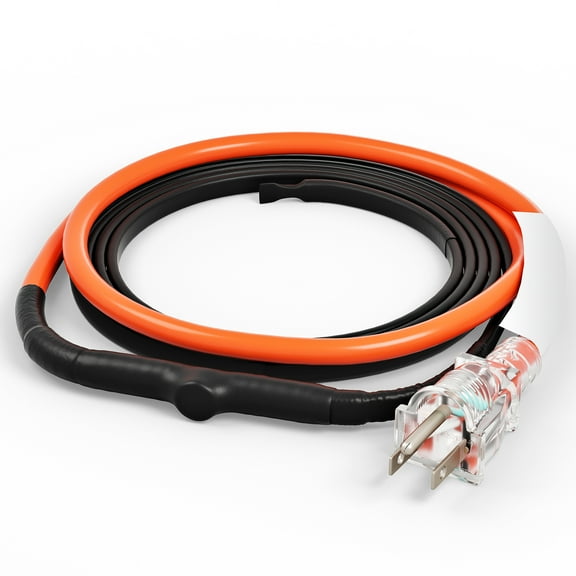

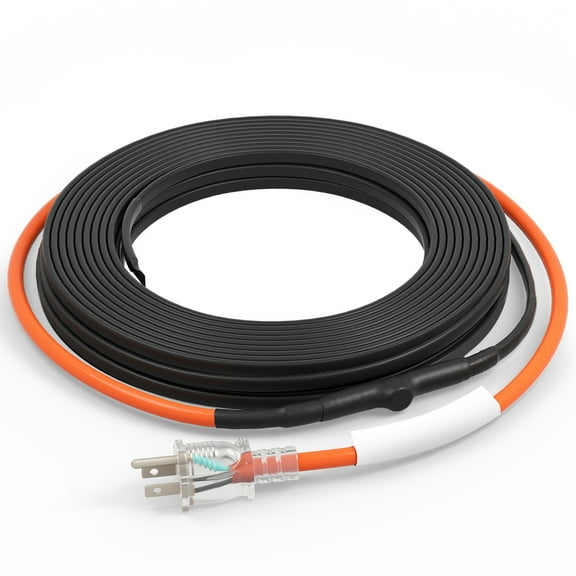


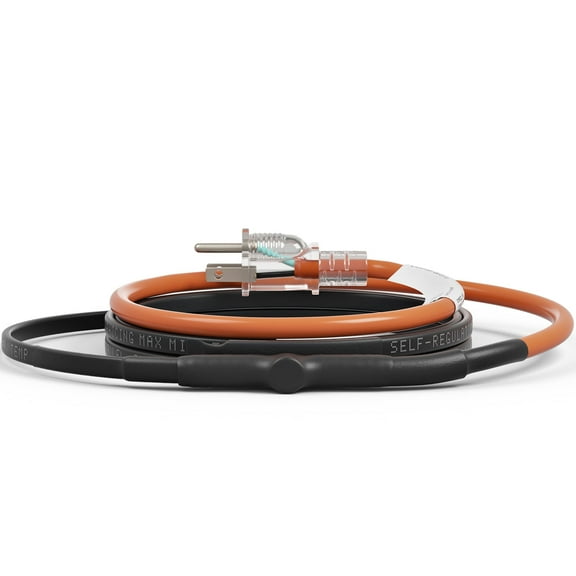

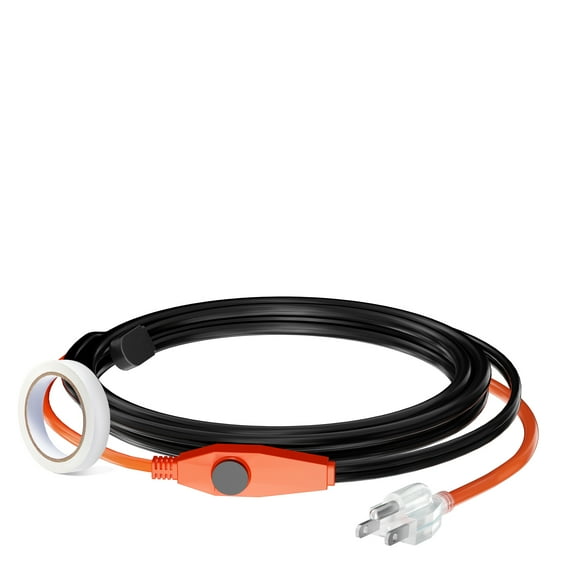
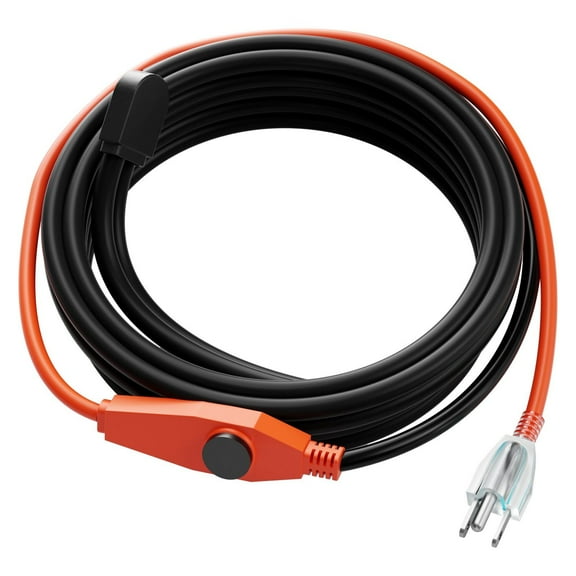
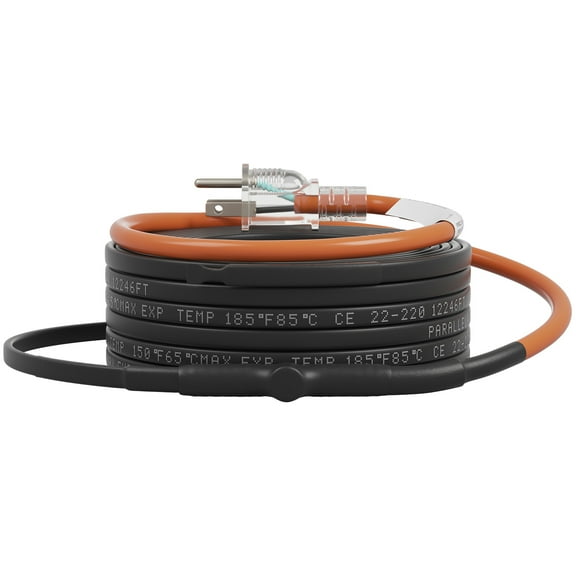


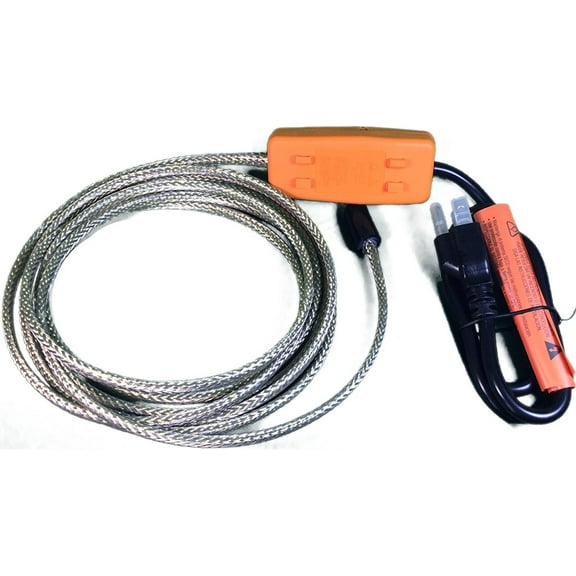
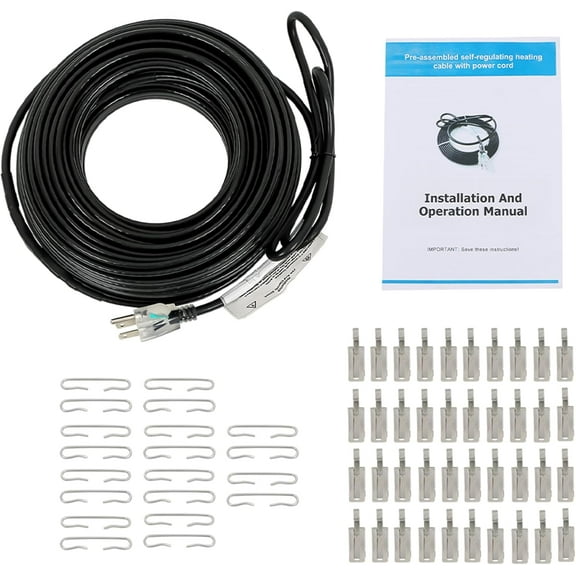
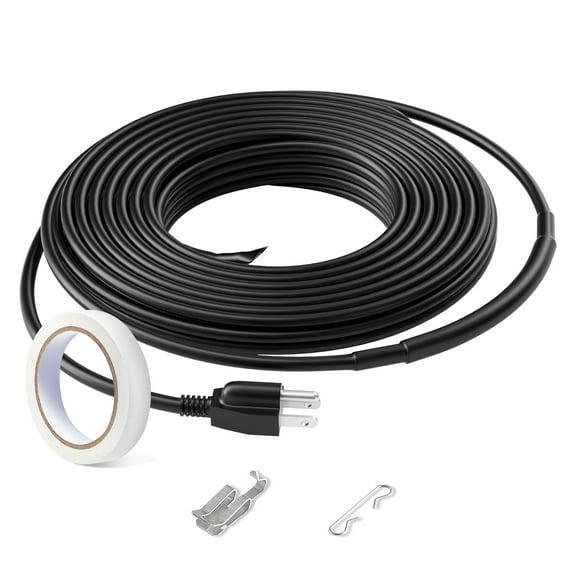
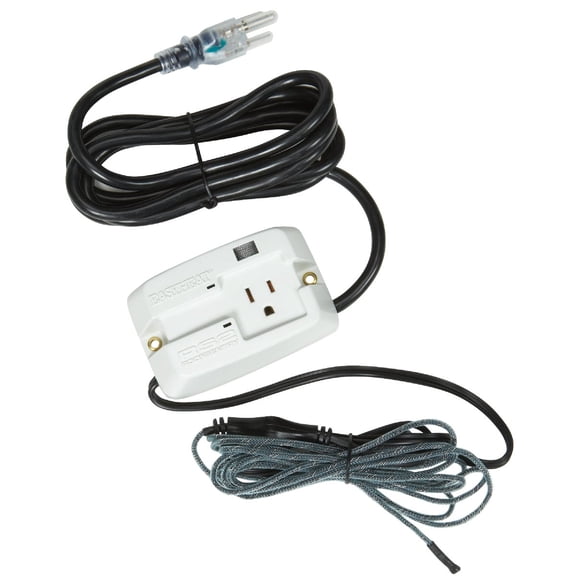


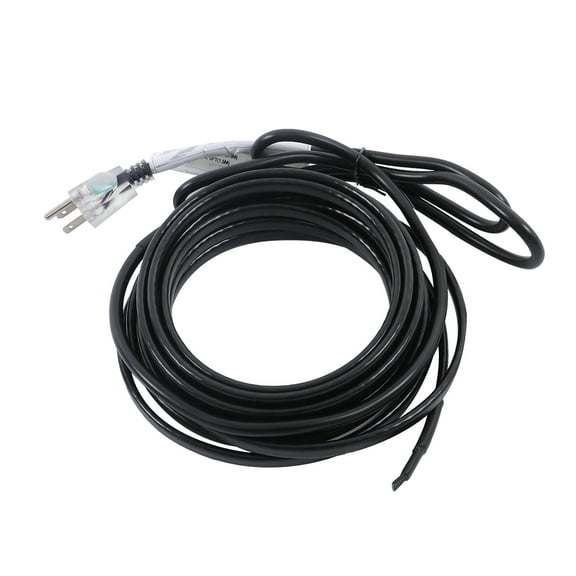


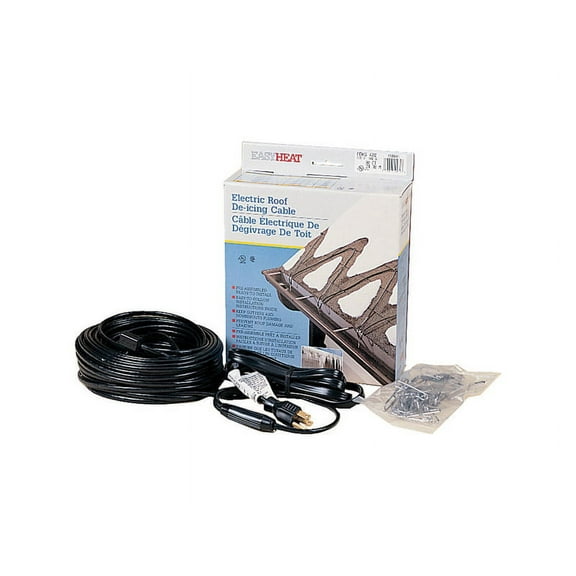
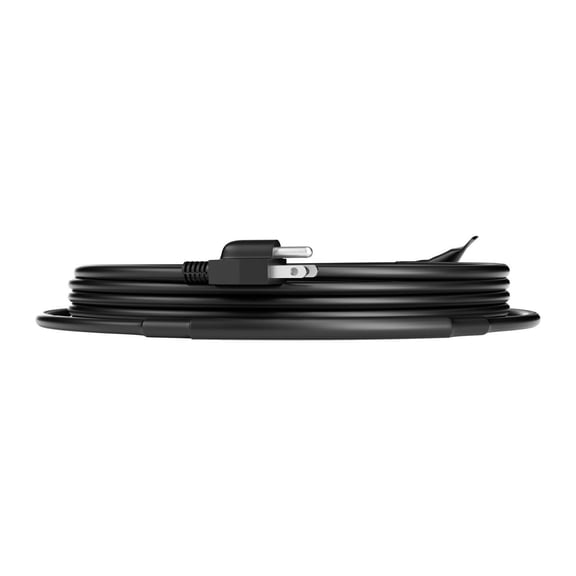

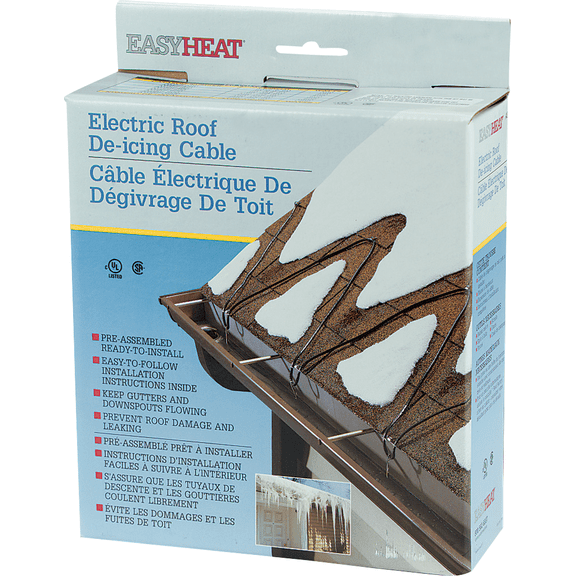
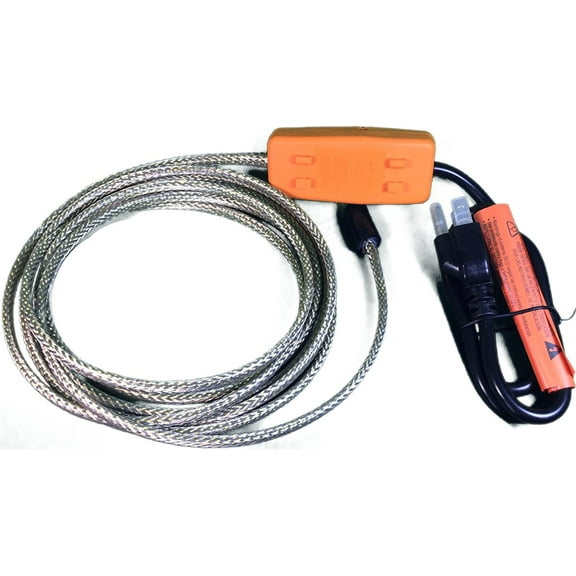

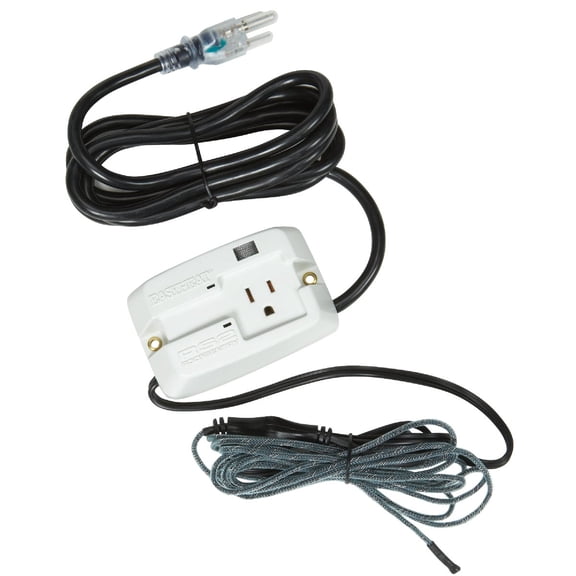


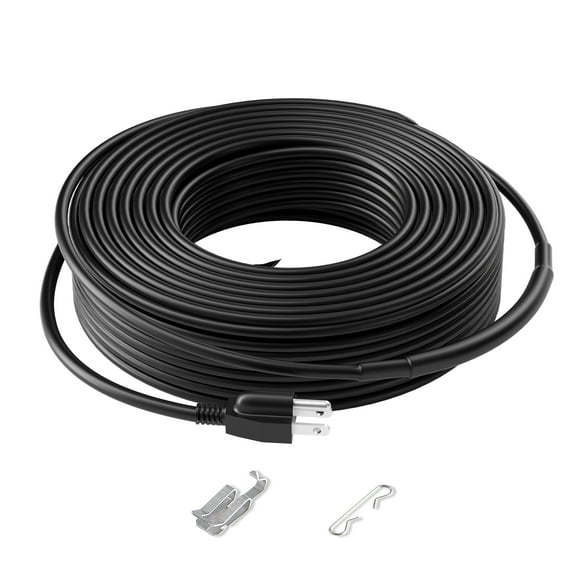
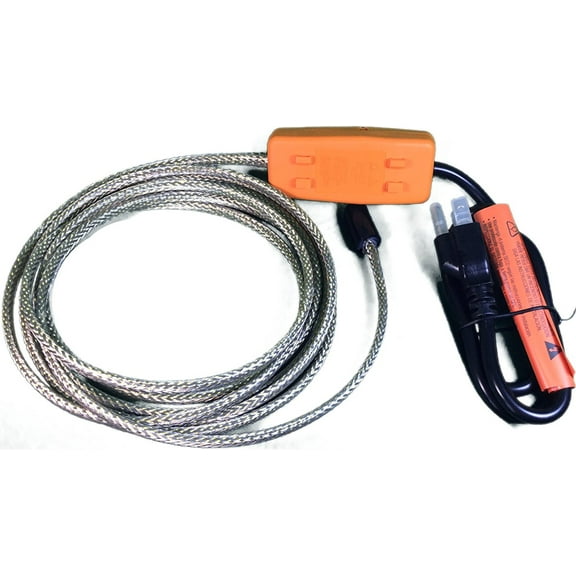
About Heat Tape for Pipes & Heating Cables - Walmart - Walmart.com
You can choose heat tape for pipes with clearer guidance when you compare cable type, voltage, and installation style for your winterizing project. You’ll also find category-specific options for water lines, valves, and roof edges that need steady cold-weather protection.
When you’re planning around exposed plumbing, you need more than a generic cord or wrap. You should look for products designed for pipe contact, outdoor conditions, and thermostat-controlled operation where listed.
Choosing the right heat tape for pipes
You should start with your application, because water pipes, roof and gutter runs, and valves need different layouts. You’ll usually want water heat tape for straight pipe runs, while roof edges often need longer cable routing.
If you’re covering a valve, elbow, or spigot area, you should check whether the cable can handle tighter routing. You may also need extra length when your pipe layout includes turns, risers, or vertical sections.
You can narrow your options faster when you compare these buying points before installation. You’ll avoid mismatches when you confirm the cable type, voltage, thermostat style, and material compatibility.
- You can use self-regulating styles when you want output that adjusts along the cable.
- You can choose constant wattage styles when you want a consistent heat level across the run.
- You should match 120V or 240V options to your available power source.
- You can compare spiral wrap and vertical run layouts based on pipe shape and coverage needs.
How to compare heating tapes and cords
You should compare self-regulating and constant wattage designs first, because they behave differently in changing outdoor temperatures. You’ll often prefer self-regulating cables when different parts of your line face different cold exposure.
If you want a simpler fixed-output setup, you may lean toward constant wattage heating tapes and cords. You should still confirm the product’s intended application, because pipe runs and roof lines don’t use the same layout.
You also need to check thermostatic control type before you install anything. You may prefer automatic freeze protection when you want the cable to switch on as temperatures drop.
If you’re comparing manual operation, you should think about how often you’ll monitor weather changes. You’ll usually get more hands-off use from an automatic control style during colder months.
What to look for in water heat tape features
You should measure your pipe run carefully before you pick a cable length. You’ll want to account for the full linear distance, plus added coverage around valves, elbows, and fittings.
If you’re wrapping a larger pipe diameter, you may need more cable for a spiral installation. You should compare manufacturer guidance, because straight runs and spiral wraps use different length calculations.
You also need to confirm pipe material compatibility before installation. You should check whether your line is copper or PVC, because product listings may set contact limits by material type.
If your project uses plastic piping, you should look closely at temperature guidance and approved use notes. You’ll want a product that matches the pipe material without guesswork.
You should also review voltage and plug style before checkout. You’ll find 120V options suit many household circuits, while 240V options may fit larger or dedicated electrical setups.
For electrical setup, you should check for grounding and GFCI requirements in the product details. You’ll make a cleaner choice when you match the cable to your outlet and installation location.
Matching vertical heating wire and wrap style to your project
You should think about installation style as a practical choice, not just a mounting detail. You’ll often use a vertical heating wire layout on straight drops, risers, or tall exposed sections.
If your pipe layout is simple, you may prefer a straight run along the pipe length. You can choose spiral wrap when you want broader surface contact around larger diameters.
You should also match the cable to where you’re using it around the home. You may need pipe warmer tape for crawl spaces, utility rooms, garages, or exterior wall runs.
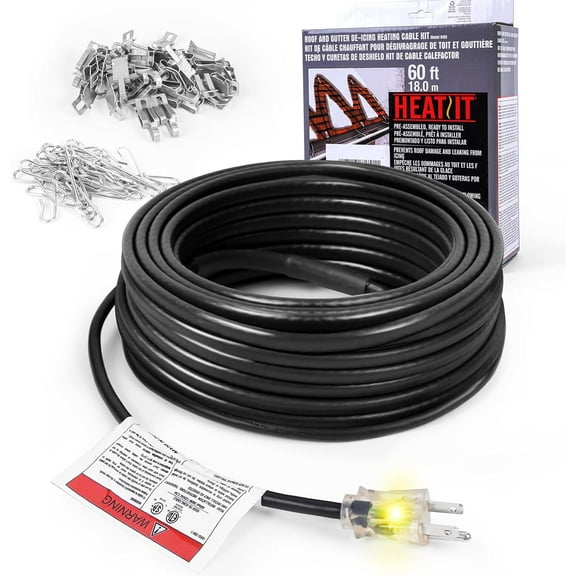
When you’re protecting a roof edge or gutter path, you should compare cable routing flexibility and run length. You’ll want enough coverage for downspouts, edges, and transition points.
If you’re winterizing seasonal plumbing, you should measure every exposed segment before choosing a product. You can plan more accurately when you include faucet connections, valves, and vertical sections.
You may also pair your setup with pipe insulation or outdoor faucet covers for a more complete project. You’ll create a neater installation when related winterizing supplies fit the same plan.
Why these decisions matter for your setup
You’ll make a smarter choice when you compare cable type, application, voltage, and installation style before you buy. You can get a setup that fits your pipe material, power source, and measured run length.
With the right heat tape for pipes, you can plan a cleaner winterization project and reduce last-minute guesswork. You’ll feel more confident when your cable matches your layout from outlet to endpoint.