


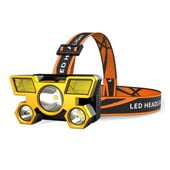
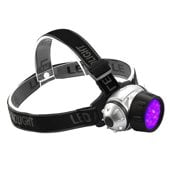
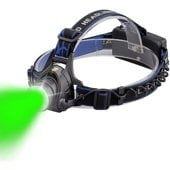


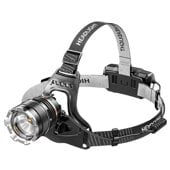
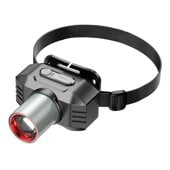
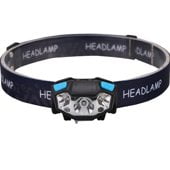
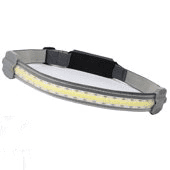
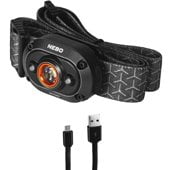
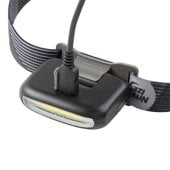
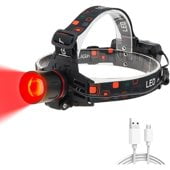
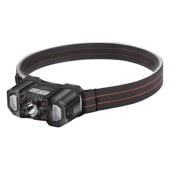
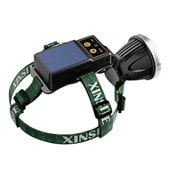
Headlamps in Flashlights & Lanterns





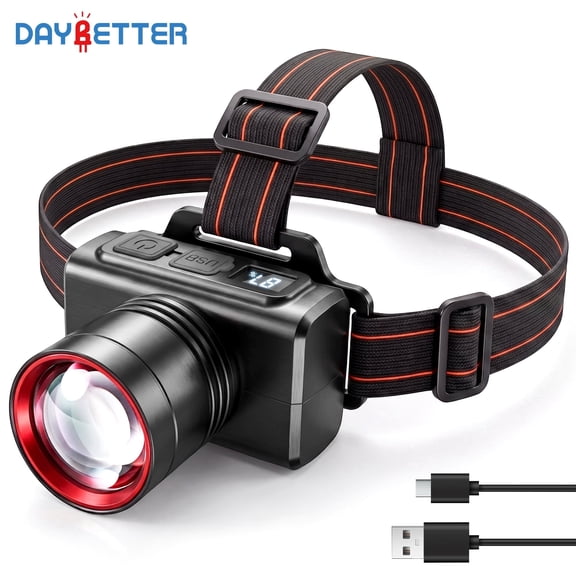

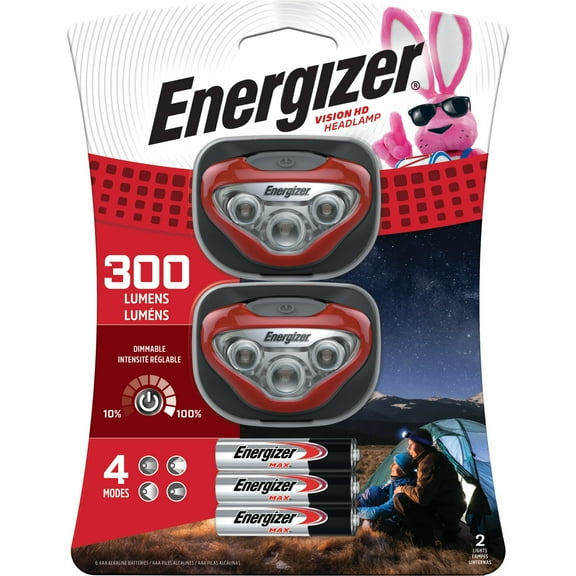
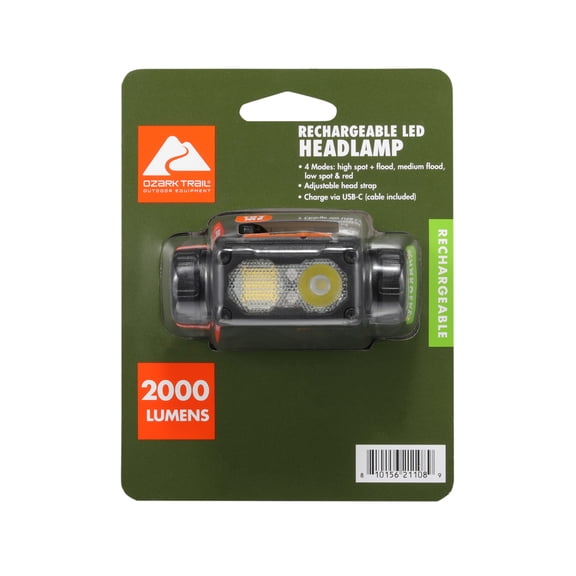

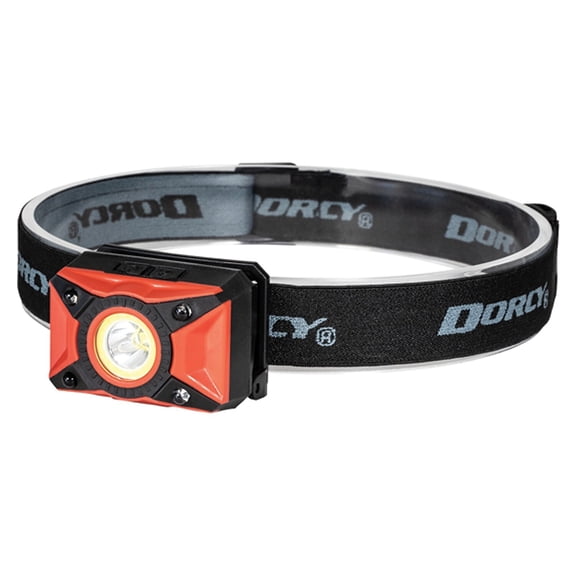
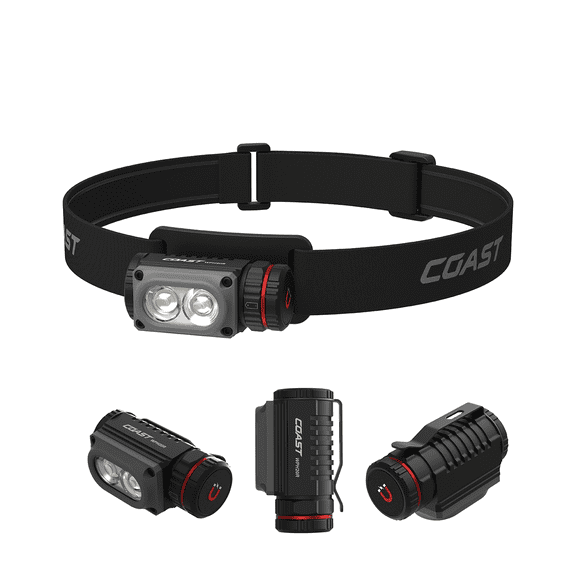
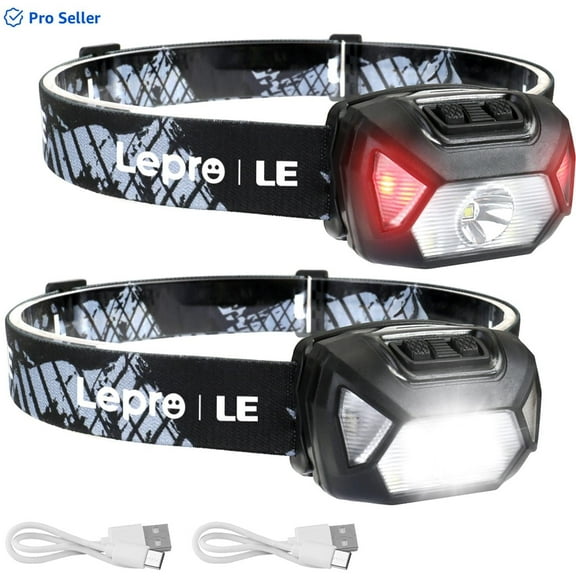


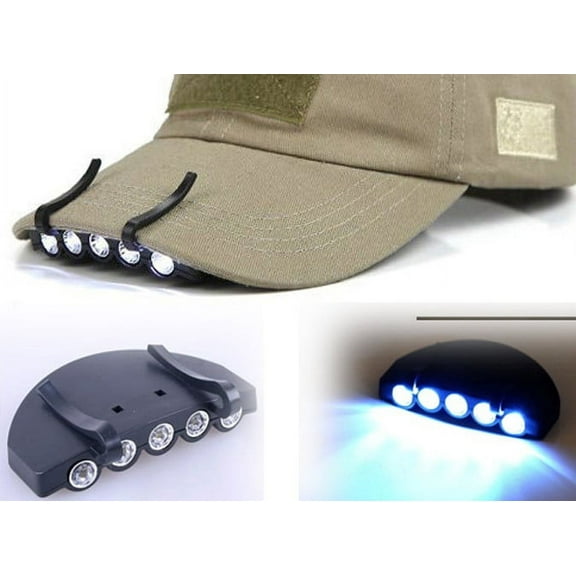
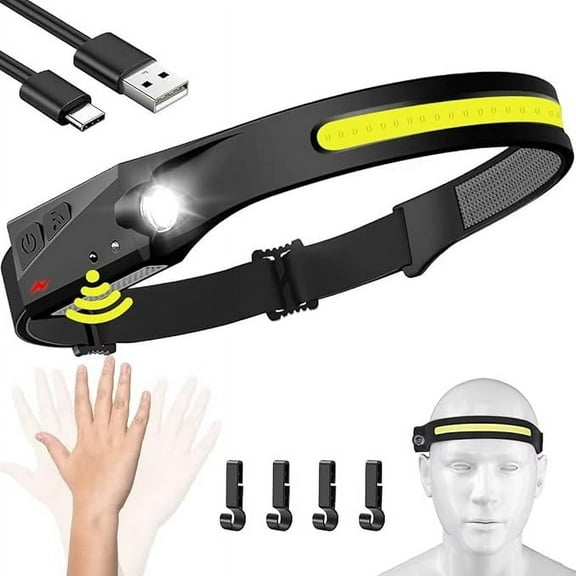
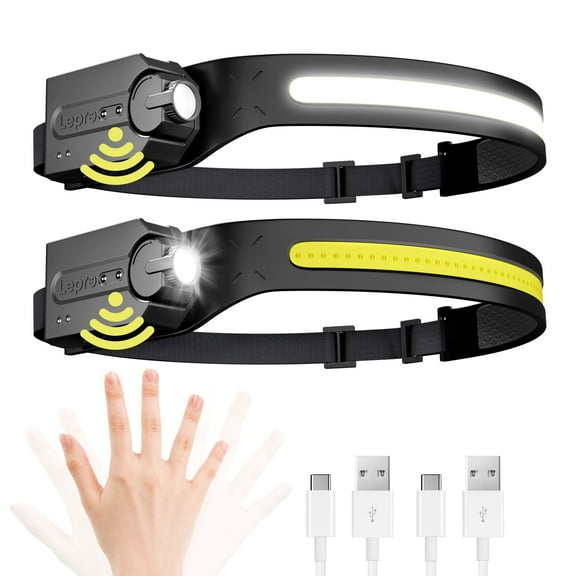

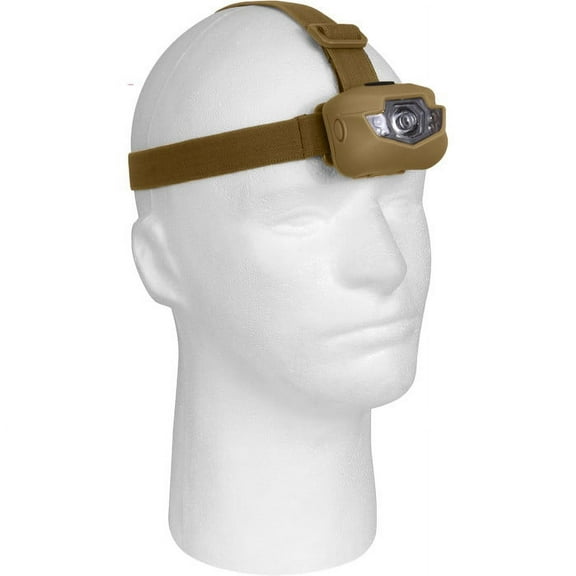
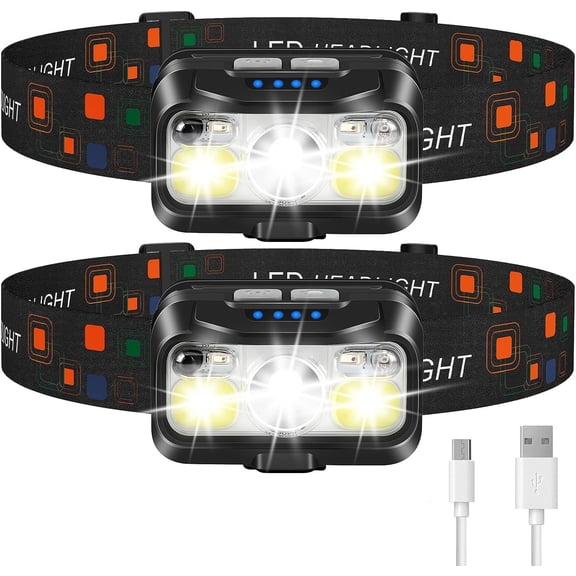

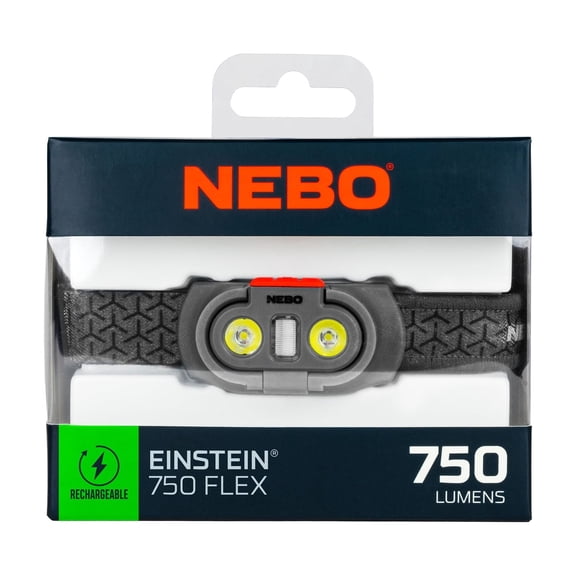
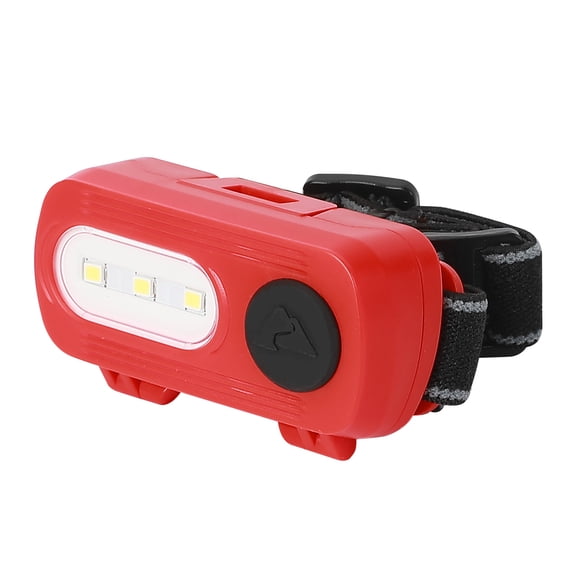


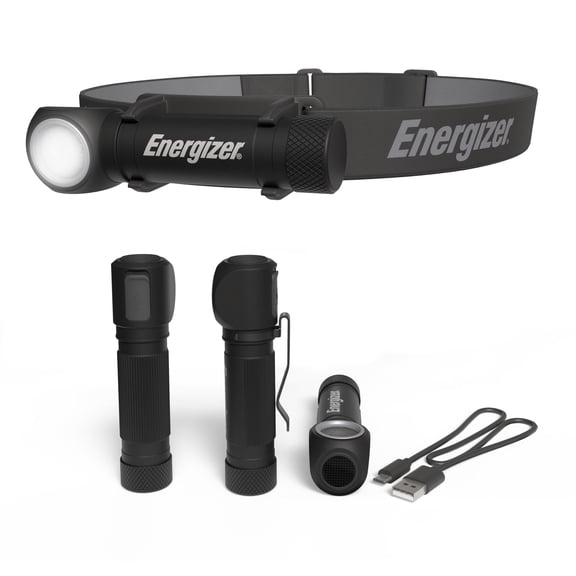

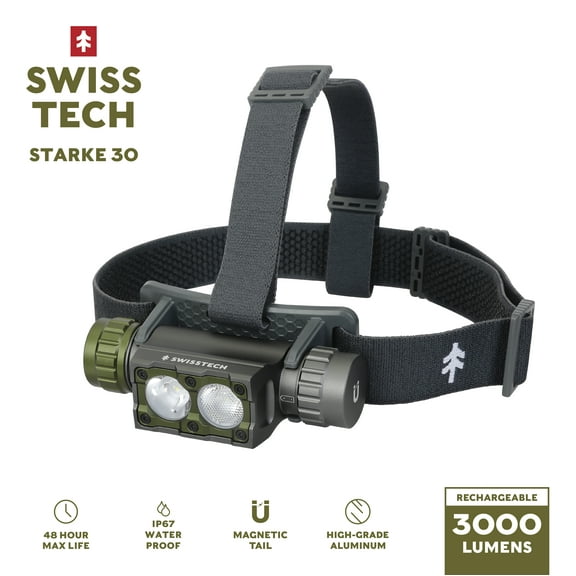
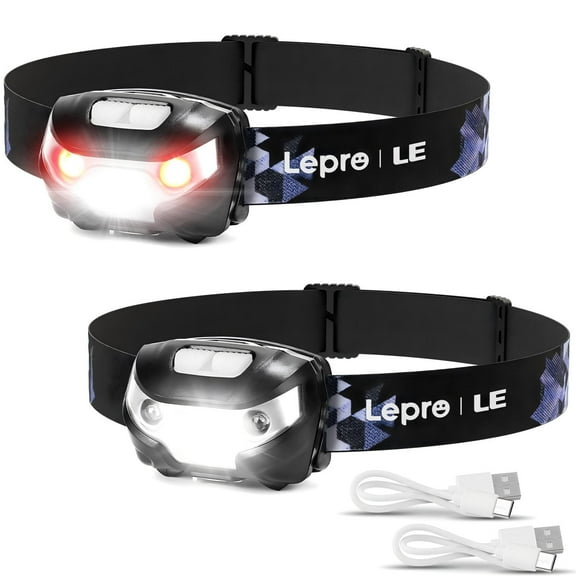
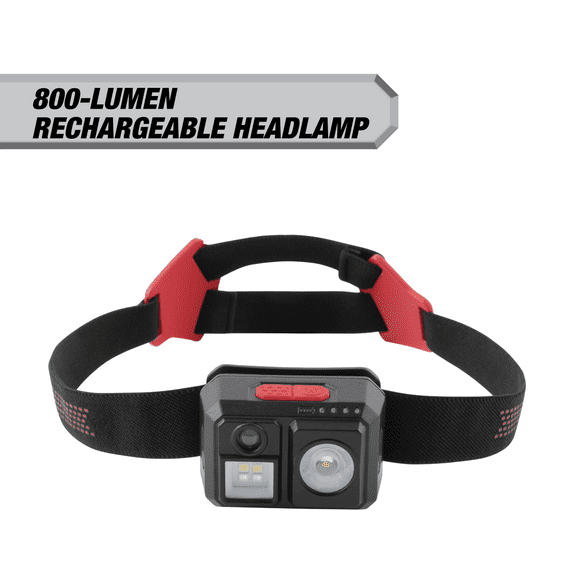


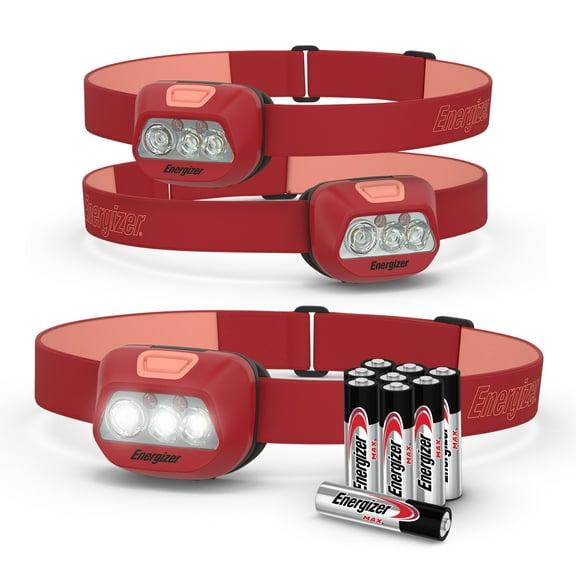
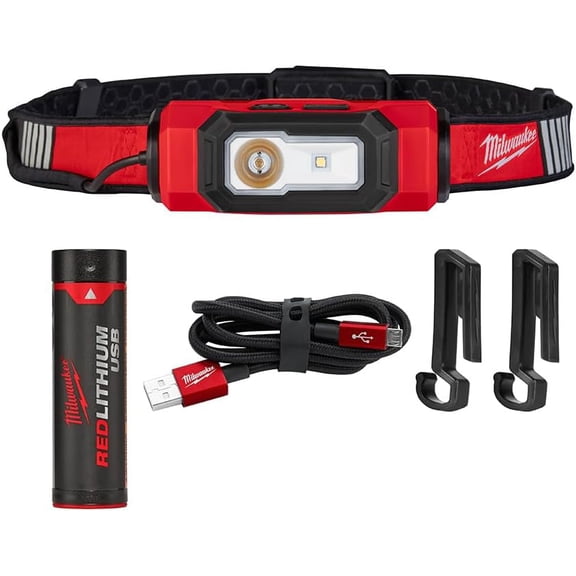

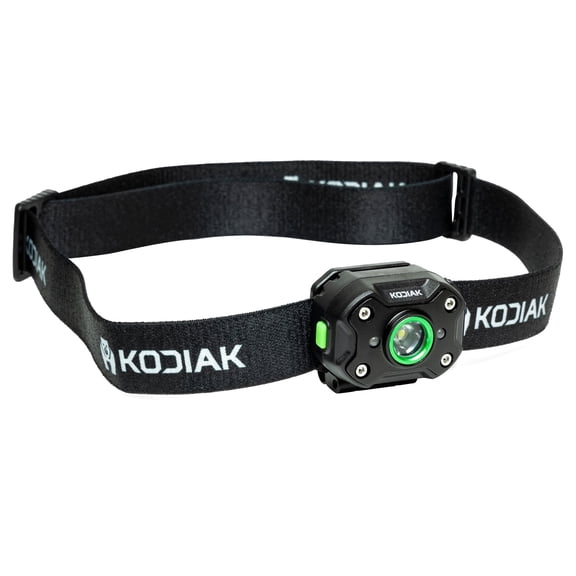


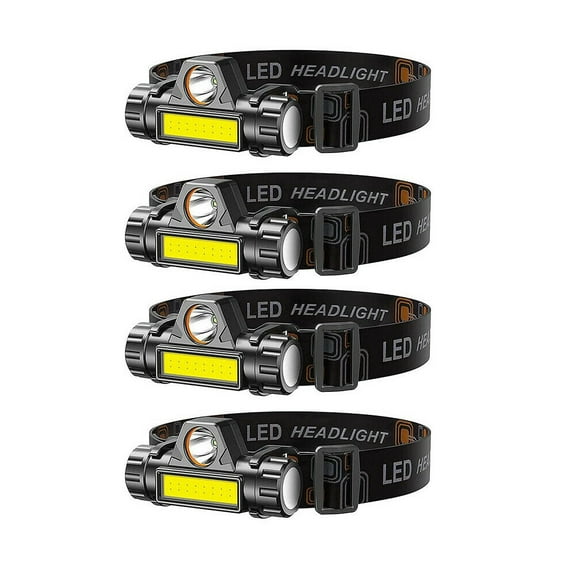
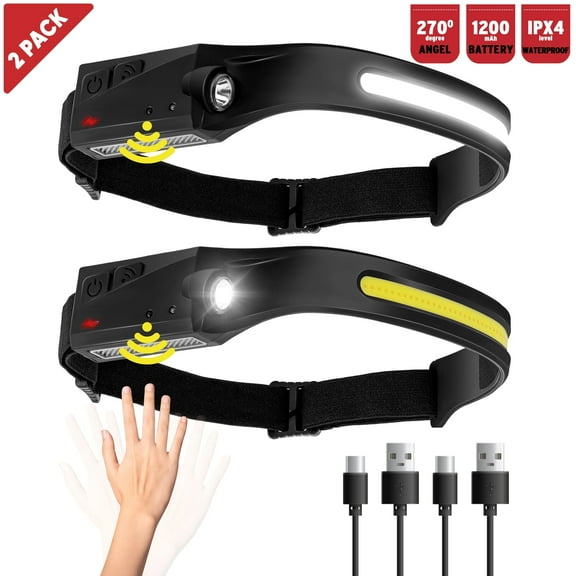
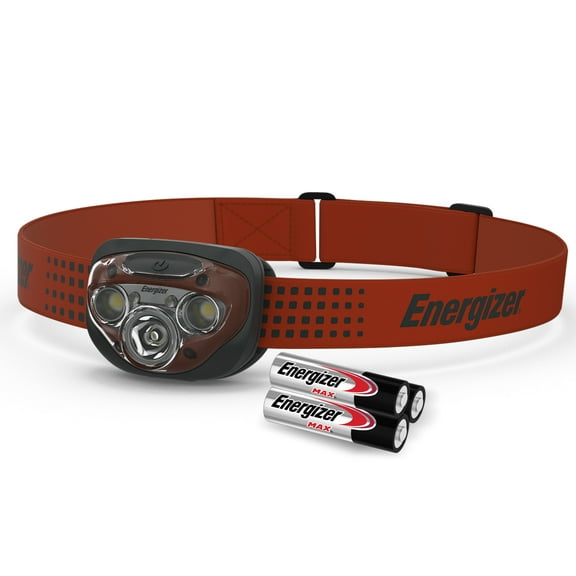
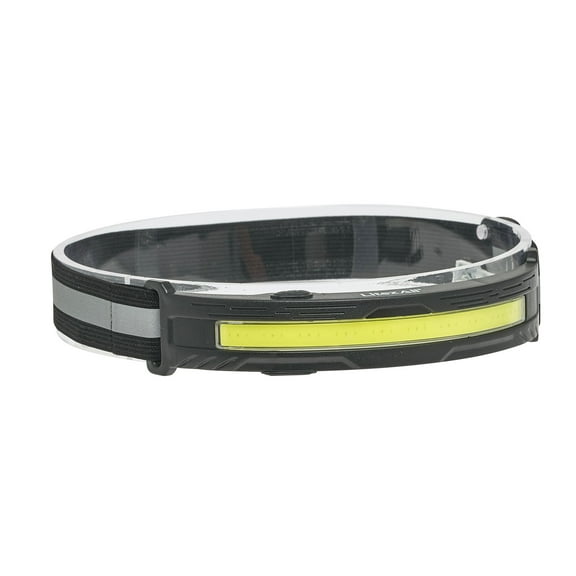
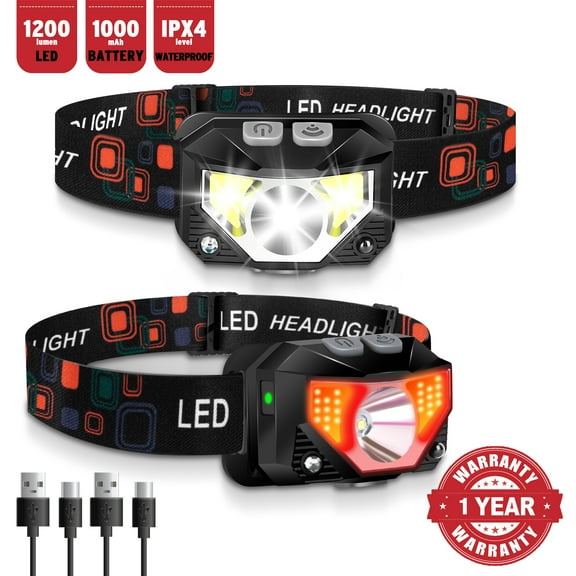


About Headlamps in Flashlights & Lanterns - Walmart.com
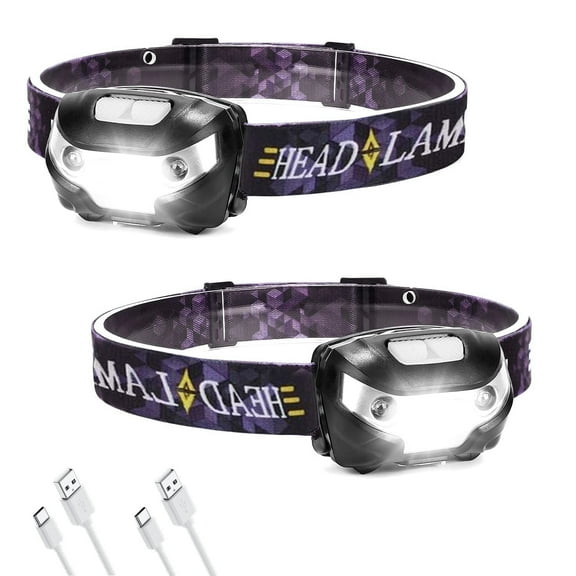
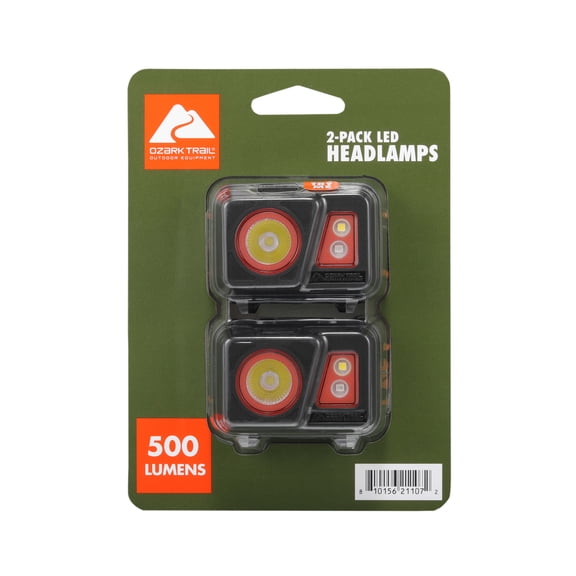
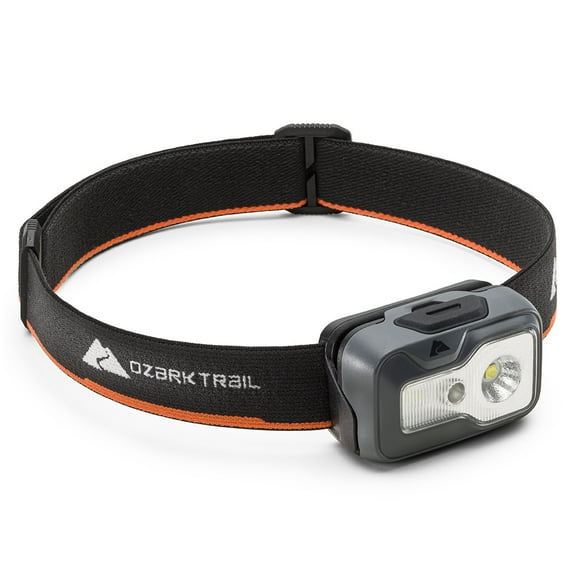
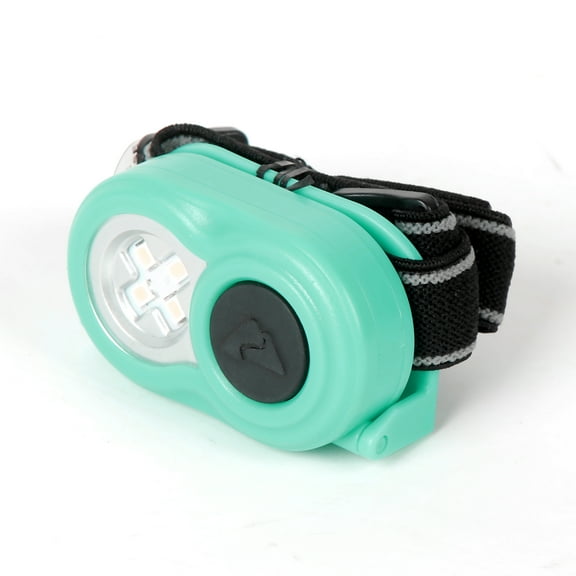
Headlamps give you hands-free light for trails, campsites, garages, and power outages. You can compare brightness, fit, battery type, and water resistance to match the way you move and work.
You may want a beam that stays steady while you run, climb, or repair gear. You’ll also notice headlamps keep both hands free when a flashlight would slow you down.
How to choose headlamps for your routine
You can narrow headlamps faster when you start with your main use case. Your camping setup, early run, hunting trip, or mechanic task calls for a different mix of beam strength and comfort.
When you compare headlights for forehead use, you should check how the lamp sits across your brow. Your fit matters because a loose light can bounce, slip, or feel distracting over time.
- You get hands-free light for pitching tents, reading maps, and carrying gear.
- You can keep your path visible during runs without holding a flashlight.
- You’ll have directed light for close-up tasks like wiring, repairs, and tool work.
- You can choose red light modes when your campsite needs softer nighttime lighting.
You may also want different beam patterns for different jobs. Your focused spot beam helps with distance, while your flood beam lights wider spaces at camp or under a hood.
If you spend time outdoors, you should also consider weather exposure and run-time needs. Your planned activity often determines whether light weight or longer power matters more.
Choosing rechargeable headlamps or AAA power
You can start with power source because it affects charging habits and backup planning. Your choice usually comes down to rechargeable battery options, AAA batteries, or USB rechargeable designs.
Rechargeable headlamps can make repeat use simpler when you use your light often. You can plug in many USB rechargeable models between runs, hikes, or work sessions.
AAA battery models can suit you when you want easy battery swaps away from outlets. You may prefer that option for emergency kits, long camping weekends, or glove box storage.
You should compare run-time hours with brightness levels before deciding. Your lamp may last longer on lower settings, while higher lumen output usually shortens total run time.
If you use your light every week, you may prefer a charging cable over storing spare cells. If you build an outage kit, you may like replaceable batteries ready in a drawer.
Comparing led headlamps by lumens and beam control
You should use lumens as a quick guide to brightness, not the only deciding factor. Your needs under 100 lumens differ from tasks that call for 100 to 300 lumens.
Under 100 lumens can work for reading in a tent, walking a short path, or checking gear. You may find that softer output feels easier for close tasks.
Between 100 and 300 lumens can fit many camping and household uses. You get enough light for trails, campsite setup, and general outdoor headlamps use without extra bulk.
If you need 300+ lumens, you’re likely lighting darker trails or wider work areas. You should pair that output with run-time details so your brightness matches how long you’ll be out.
Many led headlamps also give you low, high, strobe, or red light settings. You can switch modes to stretch battery life, reduce glare, or preserve your night-adjusted vision.
You should also check whether the beam tilts downward for closer tasks. Your angled light can help when you tie lines, cook at camp, or inspect parts on a bench.
Picking the right fit for running headlamps and work use
You’ll want a secure fit when movement is part of your routine. Your running headlamps should feel lightweight, balanced, and adjustable across your head or hat.
Look for straps you can tighten quickly without pressure points. You may notice that a lower-weight design feels steadier during long runs or fast hikes.
If you wear your lamp for work, you should think about comfort over several hours. Your forehead light should stay in place while you bend, reach, or look downward.
You may also compare compact housings with larger battery packs. Your lighter setup can feel easier for active wear, while your bigger housing may support longer run times.
For camping, you might want a flexible fit that layers over a beanie or cap. For mechanic work, you may prefer a stable band that doesn’t shift during close inspection.
Understanding water resistance for outdoor headlamps
You should match water resistance to the weather and terrain you expect. Your label may show IPX4 water-resistant, IPX8 waterproof, or general weatherproof construction.
IPX4 water-resistant designs can suit you for light rain, splashes, and damp campsites. You may choose that level when your light sees occasional wet conditions.
IPX8 waterproof options can fit you when your adventures involve heavier rain or sustained wet conditions. You should still compare the product details for the exact depth or duration rating.
Weatherproof models can work well when you want everyday outdoor readiness. Your dog walks, backyard tasks, and camp packing sessions may not need a higher IPX rating.
If you camp often, you may also want sealed buttons and durable housings. Your outdoor headlamps should handle changing conditions without adding guesswork to your gear list.
Matching headlamps to camping, running, hunting, and mechanic work
You can choose headlamps faster when you match features to the task first. Your camping setup may need red light, moderate lumens, and dependable run time for evenings outdoors.
If you run before sunrise, you may want a lighter unit with a stable strap. Your route often benefits from a forward beam that helps you read pavement and trail changes.
For hunting, you may look for red light options and weather-ready construction. Your gear list may also favor longer run time for early starts and low-light movement.
If you work on vehicles or equipment, you may need a tilting beam and clear close-range light. Your mechanic tasks often call for both hands free while you inspect tight spaces.
You can also keep one model in your emergency supplies for outages and quick repairs. Your household is easier to navigate when your light goes where your eyes turn.
With the right mix of lumens, power source, fit, and IPX rating, you can choose headlamps that support real tasks. Your light works harder when it matches how you actually use it.