

Bidet Sprayer for Toilet & Handheld Bidets

























About Bidet Sprayer for Toilet & Handheld Bidets - Walmart.com
Bidet sprayers give you a direct way to add handheld rinsing to your bathroom routine. You can compare connection sizes, spray control, and mounting styles before you choose your setup.
If you’re considering a handheld bidet sprayer, you’ll want clear guidance that fits real bathroom layouts. You can use this guide to compare materials, installation types, pressure options, and everyday tasks.
How to choose bidet sprayers
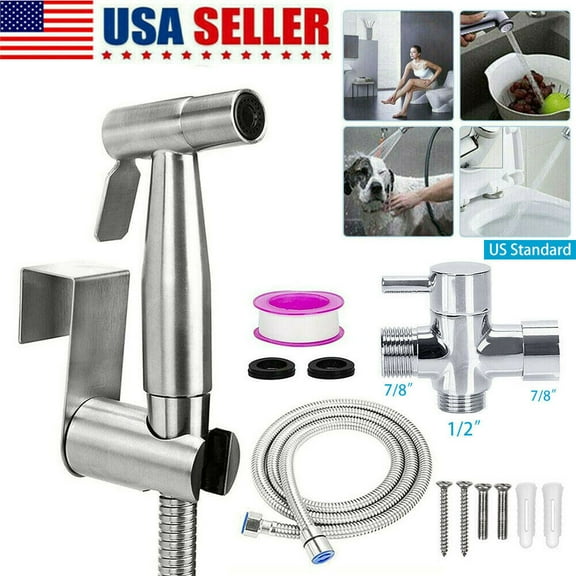
You should start with toilet compatibility before you compare finishes or storage brackets. You’ll want to check whether your toilet uses a 7/8-inch tank connection or a 1/2-inch wall connection.
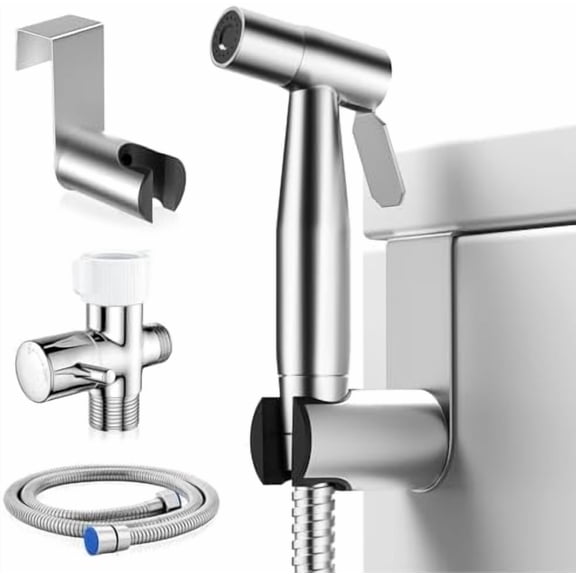
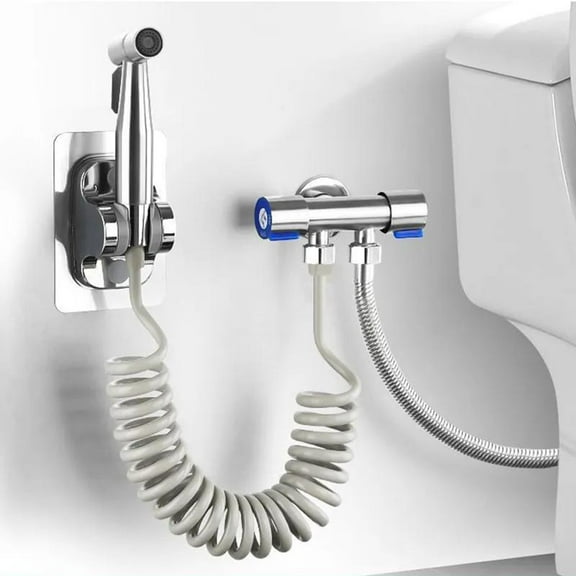
If your setup connects at the tank, you may prefer a toilet tank mount with a T-valve shutoff. If your plumbing comes from the wall, you may need a wall mount bidet sprayer instead.
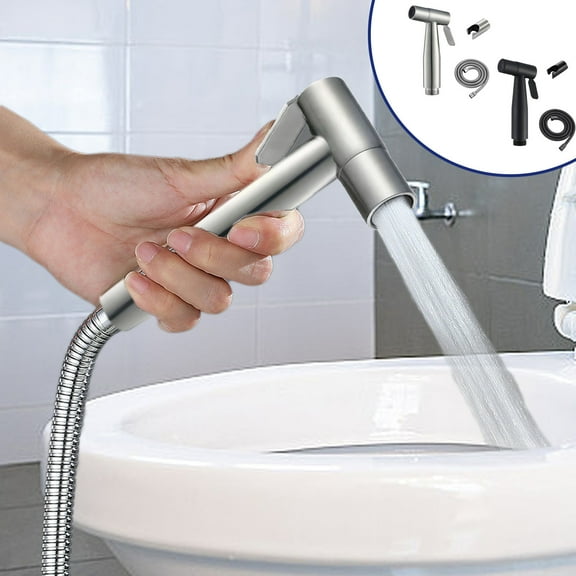
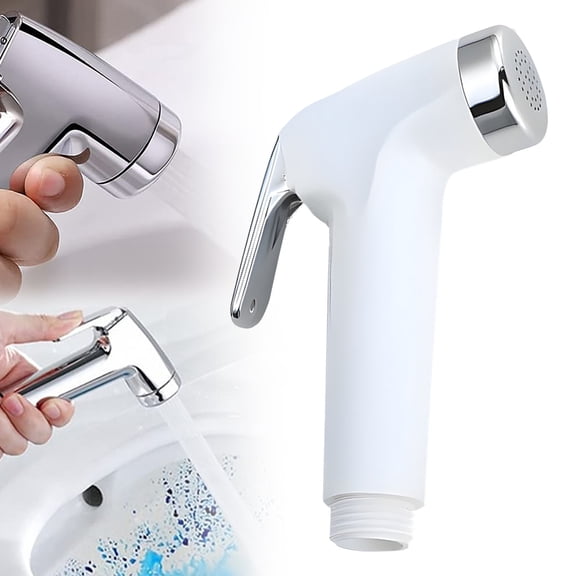
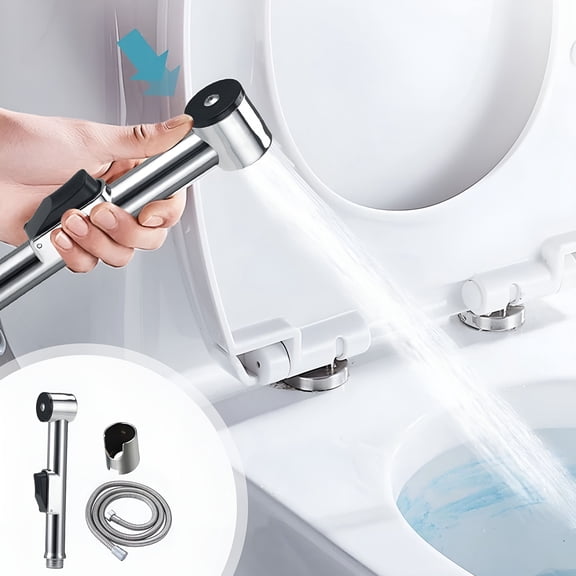
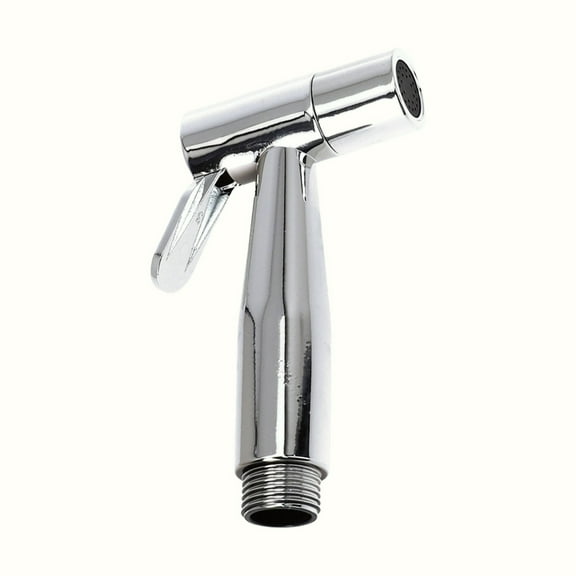
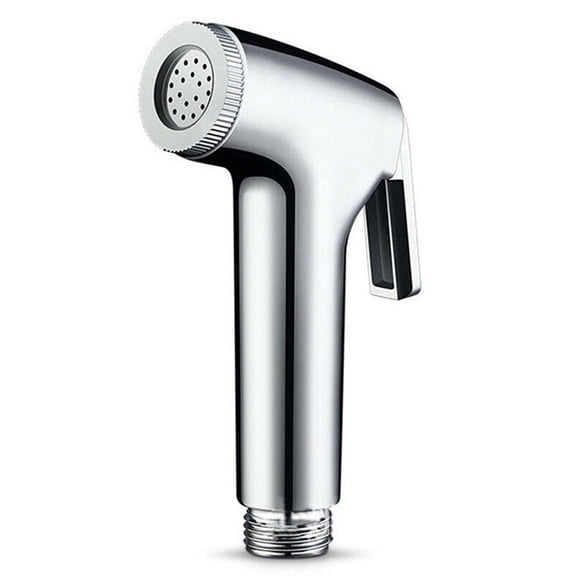
You can also compare how your sprayer stores between uses and how it feels in your hand. You may like a handheld design with an easy-grip handle when you want direct control during rinsing.
Choosing a handheld bidet sprayer for daily use
You can use a handheld bidet sprayer with precise control compared to a fixed rinse option. You’ll direct water where you want it, which can make cleanup feel exact.
A bidet hose kit can also support several bathroom tasks in one setup. You can switch from personal hygiene to toilet cleaning, pet washing, or cloth diaper cleanup with one sprayer.
You may also appreciate a compact upgrade that doesn’t require a full seat replacement. You can add many bidet sprayers beside your toilet without changing your bathroom layout.
- You can guide the spray angle by hand for targeted rinsing.
- You can use one sprayer for hygiene, diaper cleanup, and toilet cleaning.
- You can choose pressure controls that feel easy to manage.
- You can fit many kits into small bathrooms with limited space.
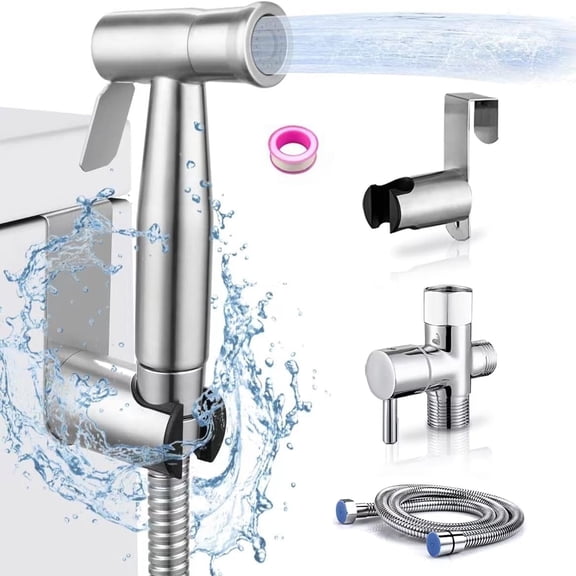
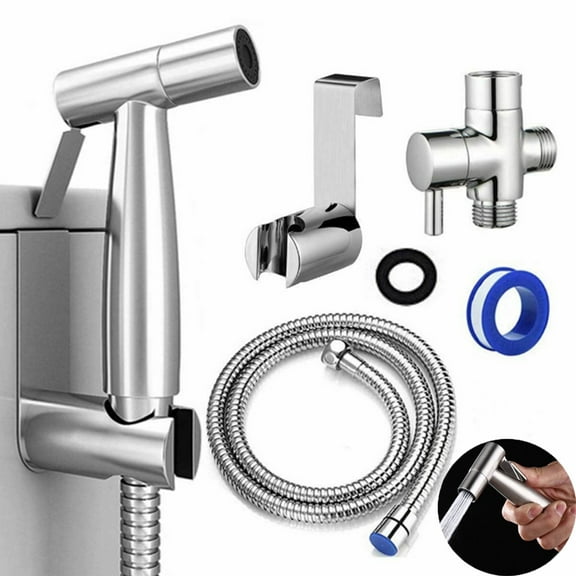
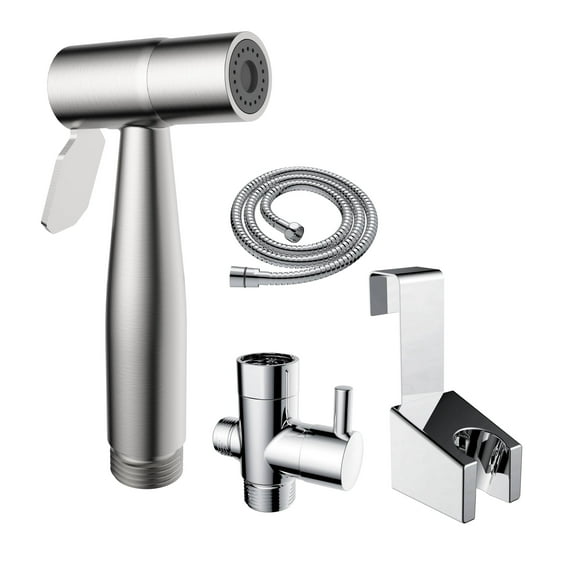
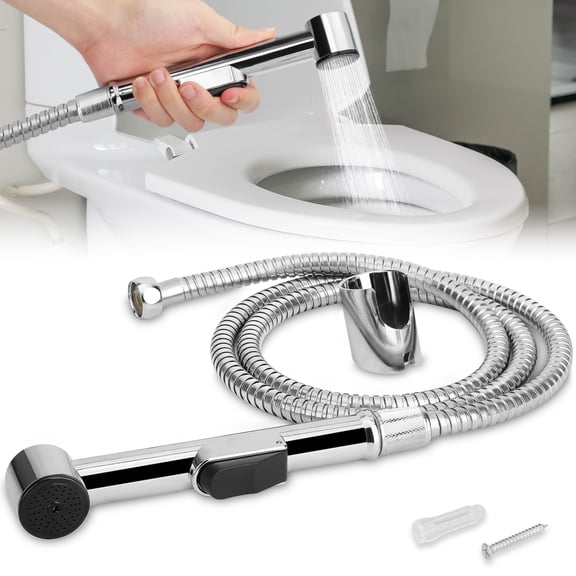
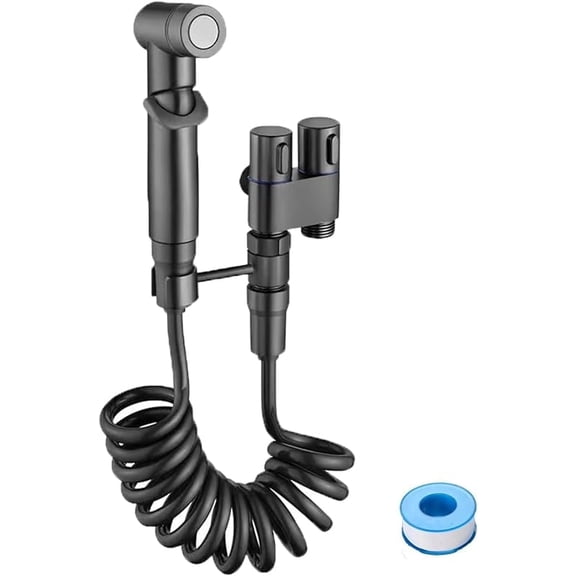
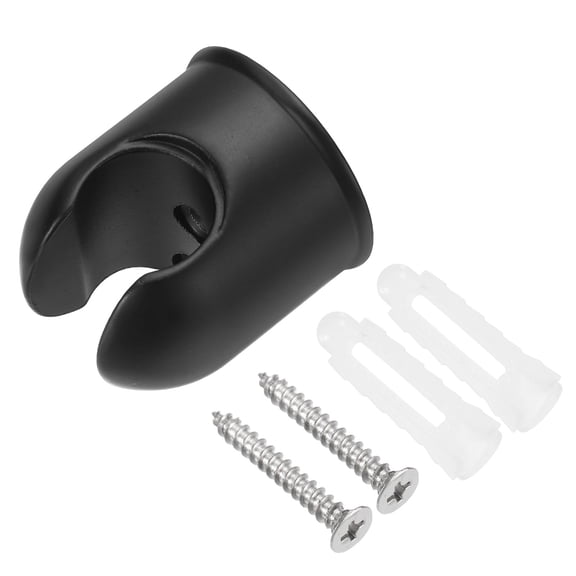
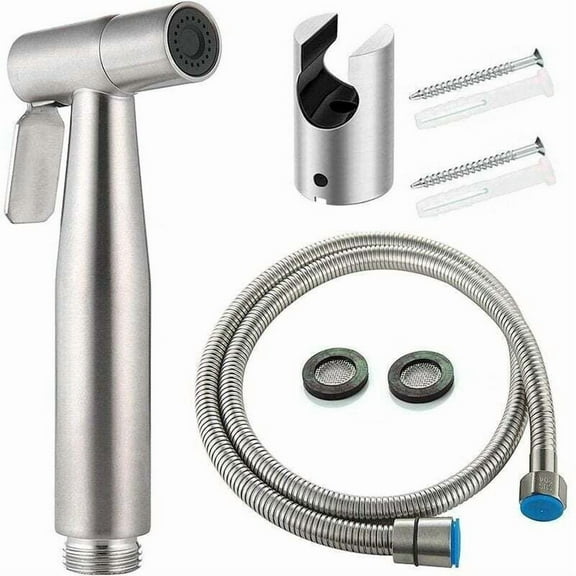
If you want flexible use, a shattaf bidet sprayer can feel familiar and straightforward. You’ll often get a hose, holder, and shutoff parts that support daily convenience.
Choosing material and finish
You should compare material first when you want durability and steady performance over time. You’ll often see stainless steel, solid brass, chrome finish, and brushed nickel options.
A stainless steel bidet sprayer may suit you if you want a sleek look and a metal wand. You may also like solid brass parts when you want sturdy valve components.
You should check whether your connection pieces use brass instead of plastic. You’ll often feel confident with solid metal valves when you want a secure fit.
Finish also matters when you want your sprayer to match nearby fixtures. You can coordinate chrome or brushed nickel with your faucet, flush lever, or towel hardware.
Comparing installation type and connections
You’ll want to measure your connection point before you pick a kit. You can avoid guesswork when you confirm whether your toilet uses a 7/8-inch or 1/2-inch thread.
A toilet tank mount usually connects under your tank with a T-valve. You may prefer this style when you want a common DIY path with familiar toilet supply access.
A wall mount option can work for bathrooms with a wall-fed water line. You should look for a holder style that keeps your sprayer easy to reach beside your toilet.
You may also compare hose length when you want easier movement during use. You’ll notice that an extended hose can give you deep reach for diaper rinsing or pet cleanup.
If you want a simple project, you should look for kits with clear hardware and basic steps. You can often install many options with common household tools and no plumber.
Understanding water pressure control
You should compare trigger feel and shutoff design before you decide. You can get different levels of control from adjustable trigger styles, T-valve shutoffs, and dual spray modes.
An adjustable bidet sprayer can help you fine-tune flow for different tasks. You may want a gentle rinse for personal hygiene and a firm stream for toilet cleaning.
A T-valve shutoff gives you another control point at the water source. You can use it to manage flow between your toilet fill line and the sprayer hose.
Dual spray modes may appeal to you when you want one tool for several jobs. You can switch patterns when you move from a quick rinse to a broader cleanup task.
Matching your use case to the right setup
You should choose your setup based on how you plan to use it most often. You can narrow your options quickly when you match features to your routine.
If your focus is personal hygiene, you may prefer a handheld sprayer with an easy trigger and comfortable grip. You’ll likely want balanced pressure control and a holder within easy reach.
If you need a diaper sprayer for toilet use, you may want extra hose reach and steady control. You can pair a tank mount with an adjustable trigger for cloth diaper rinsing.
If you’re cleaning around pets, you may want a sprayer that moves easily and stores neatly. You can use a handheld design for muddy paws, litter-area cleanup, or quick rinsing tasks.
If your goal is toilet cleaning, you may prefer firm spray options and durable metal parts. You’ll benefit from a setup that handles frequent use and wipes down easily.
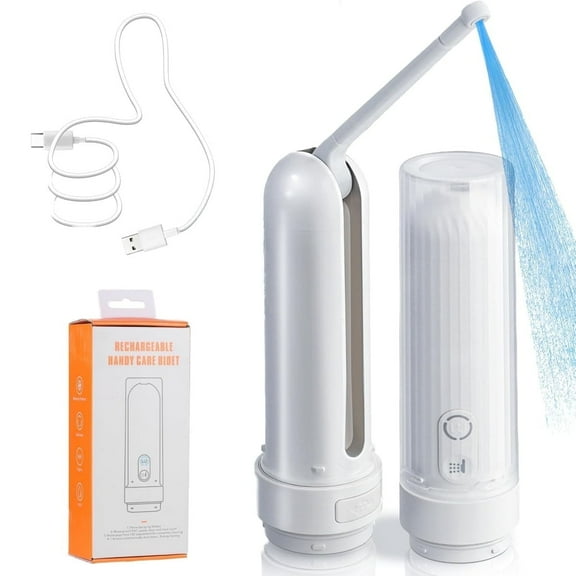
A toilet bidet attachment may suit you if you want a fixed seat-based option, but bidet sprayers give you handheld flexibility. You can direct the stream exactly where your task needs it.
When you compare bidet sprayers by connection size, material, and pressure control, you can choose with confidence. You’ll end up with a bathroom upgrade that fits your toilet, your routine, and your cleanup needs.