

Halogen Replacement Bulbs & Halogen Light Bulbs



















About Halogen Replacement Bulbs & Halogen Light Bulbs - Walmart.com
Halogen light bulbs help you match brightness, beam spread, and base fit across many fixtures. You can compare pin bases, flood shapes, and voltage options to replace the exact bulb your lamp, track head, or landscape fixture uses.
How to choose halogen light bulbs by base type
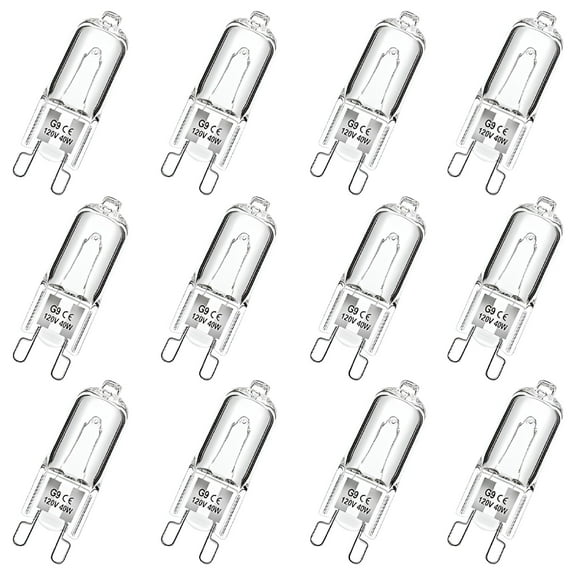
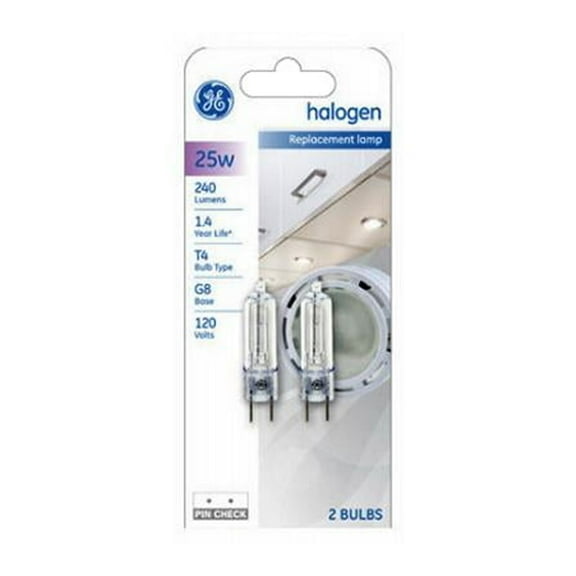
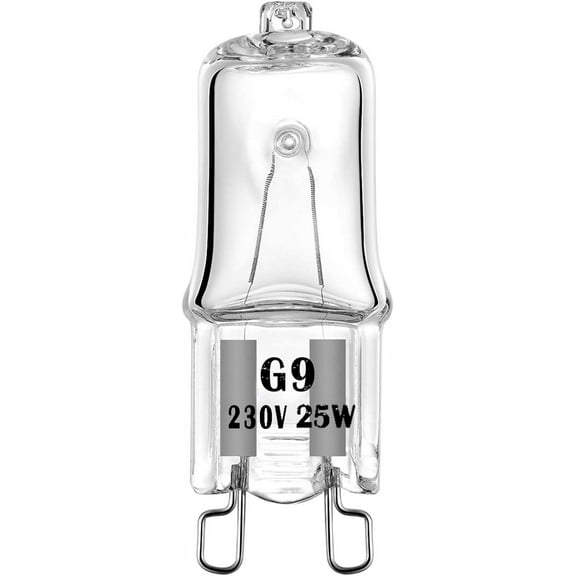
You should start with base compatibility, because your fixture only accepts a specific connection style. You can compare a g9 halogen bulb, gu10 halogen bulb, MR16 pin base, E26 medium base, or G4 capsule before anything else.
When you check base details, you should look at pin spacing, twist-lock ends, or screw threads. You can avoid a mismatch by matching the old bulb code printed on the bulb or fixture.
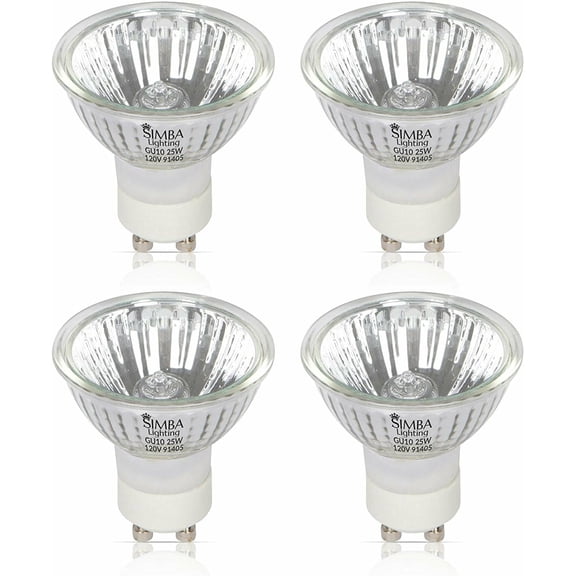
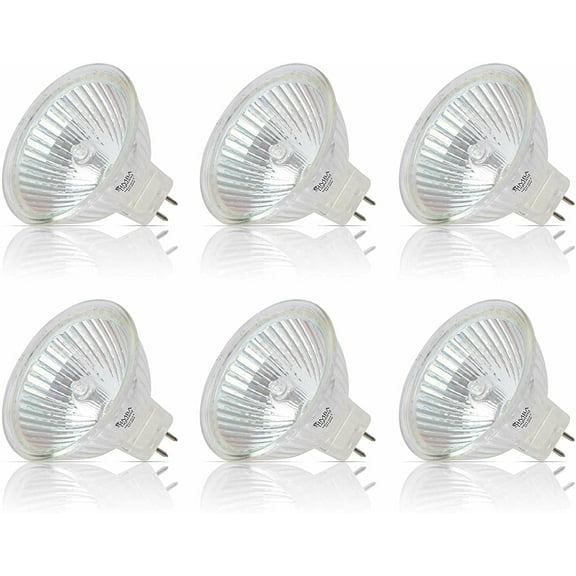
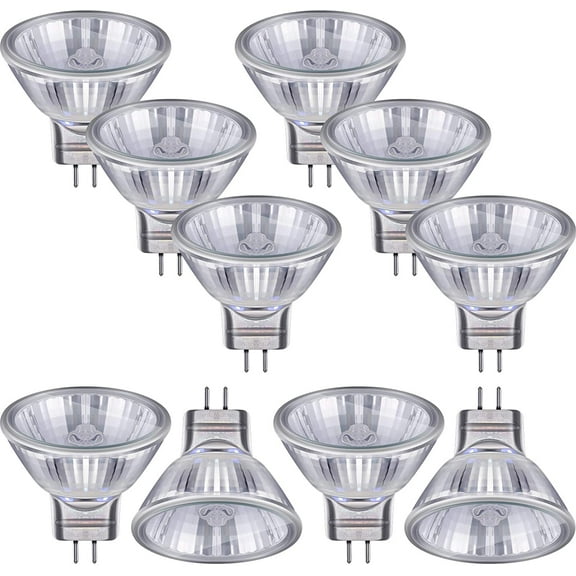
A G9 bulb usually fits compact decorative fixtures, while a GU10 bulb uses a twist-and-lock base in many spotlights. An MR16 halogen bulb often appears in track heads, recessed trims, and low-voltage accent lighting.
- You can use G9 capsules in compact sconces and small decorative fixtures.
- You can choose GU10 bulbs when your fixture needs a twist-lock spotlight base.
- You can select MR16 shapes for focused accent lighting and directional beams.
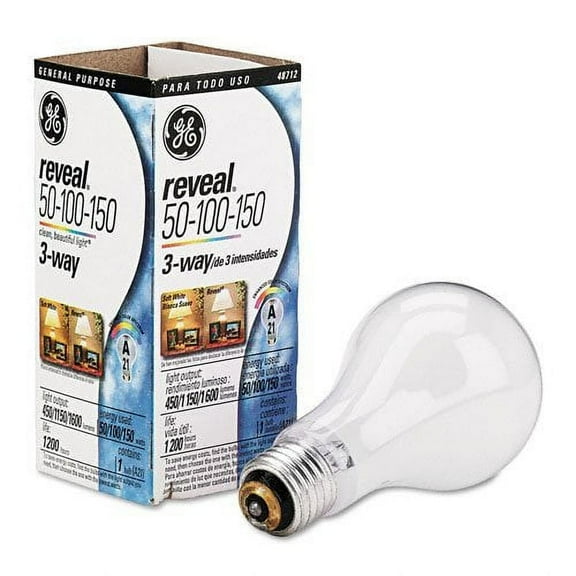
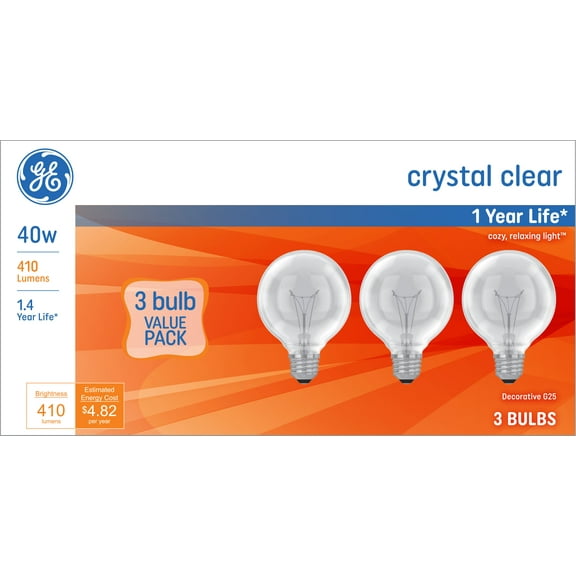
- You can use E26 medium bases in standard household sockets and many lamps.
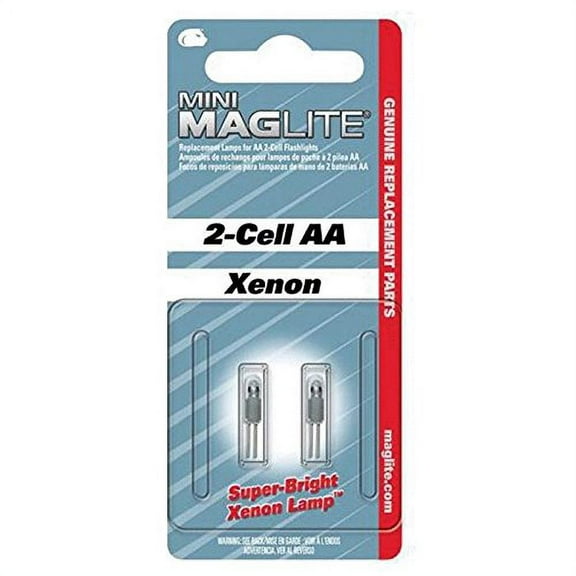
- You can check G4 capsules for small landscape and specialty low-voltage fixtures.
What to look for in voltage and dimmability
You should confirm voltage before installation, because 12V and 120V bulbs are not interchangeable. You can use a 12v halogen bulb in low-voltage systems, while line-voltage fixtures usually need 120V bulbs.
If your fixture uses a transformer, you should verify the bulb rating on the housing or manual. You can keep replacement shopping simple by matching the exact voltage printed on your current bulb.
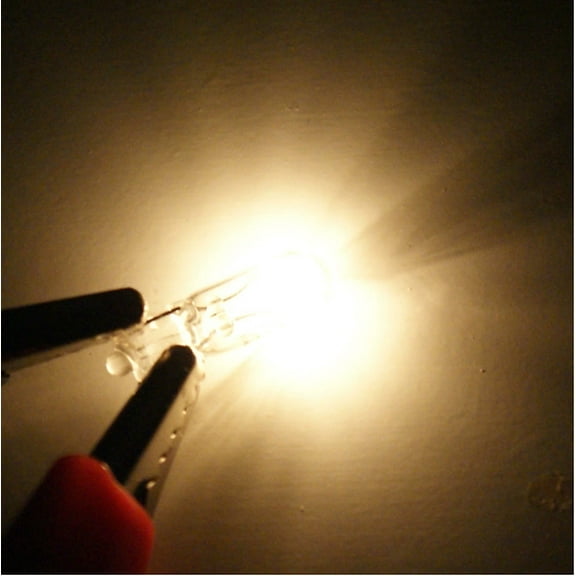
You may also want dimmable halogen bulbs when your room uses a dimmer switch. You can check bulb packaging and fixture guidance, because dimmer compatibility affects light control and everyday performance.
When you dim halogen lighting, you can create softer accent light for dining rooms, media spaces, or wall washing. You can also keep brighter output available when tasks need clear, direct illumination.
Choosing shape, beam, and light output
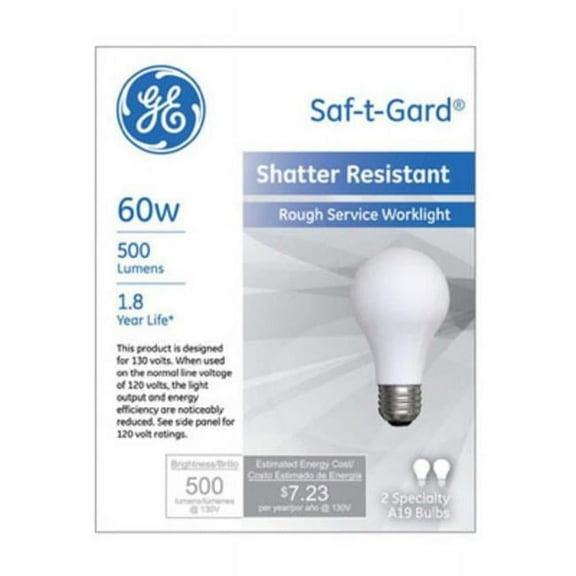
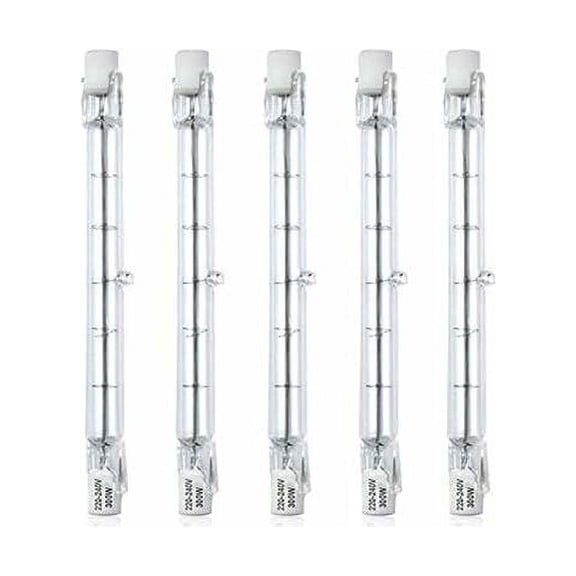
You should compare bulb shape next, because shape affects where light goes and how the fixture looks. You can choose A19 bulbs for general household use, T3 or JC capsules for compact fixtures, and PAR38 or MR16 options for directional light.
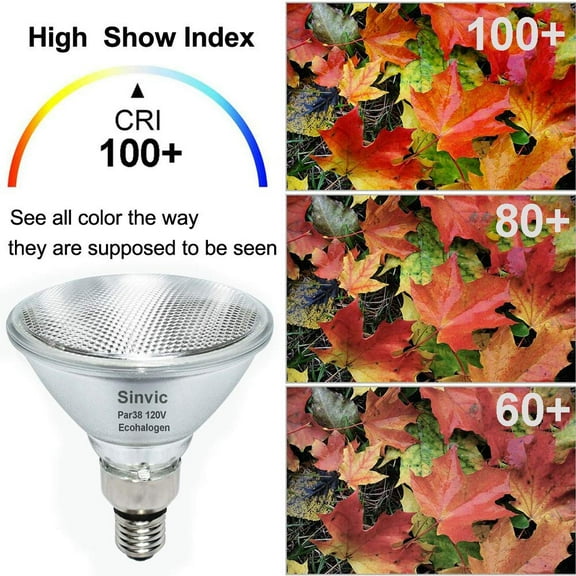
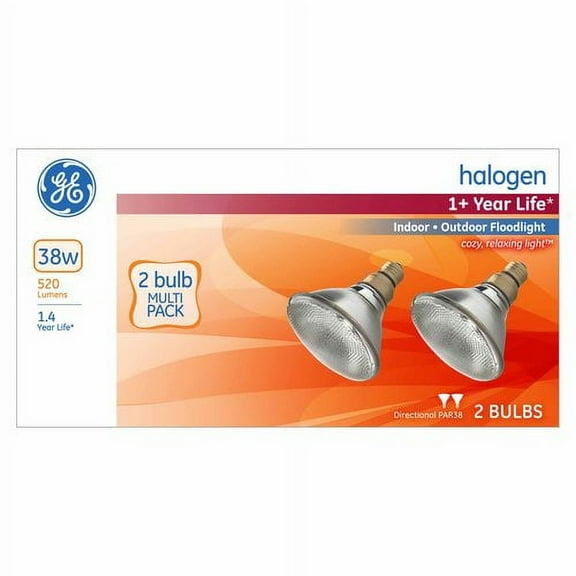
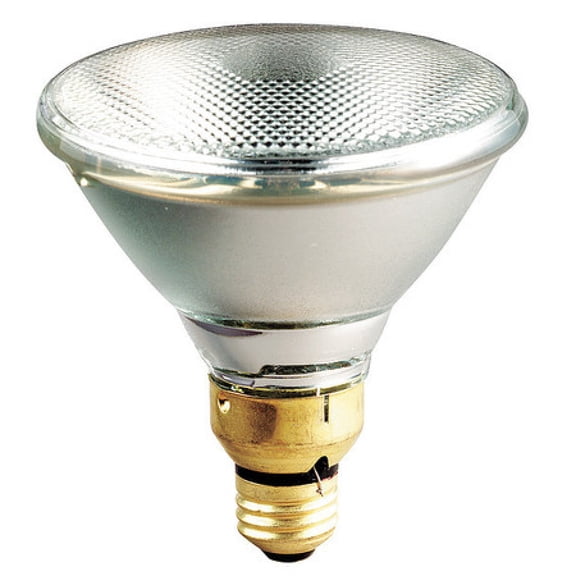
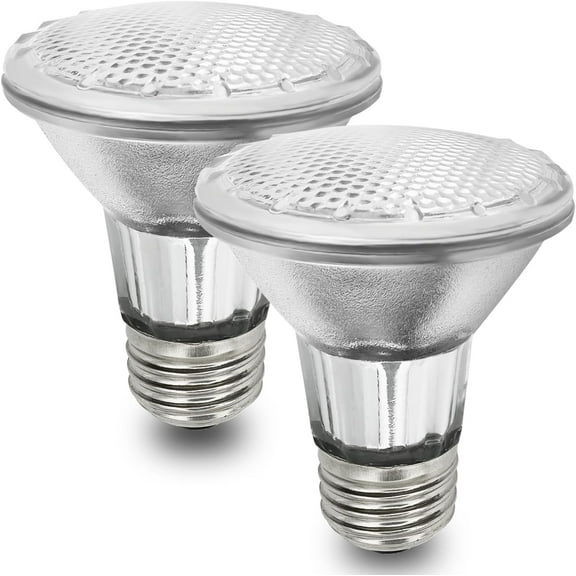
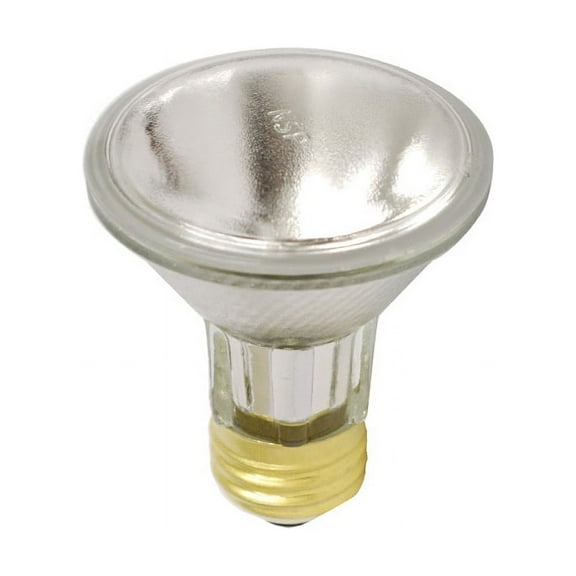
A par38 halogen flood light works well when you want a broader beam over driveways, patios, or large indoor areas. An MR16 shape usually gives you tighter directional light for artwork, shelving, or display lighting.
You can also compare flood and spot patterns before replacing halogen flood light bulbs. Flood beams spread light across wider areas, while narrower beams help you highlight objects, textures, and architectural details.
When you review wattage and lumens, you should think about how bright you want the space to feel. You can use wattage as a power reference, but lumens tell you how much visible light you’ll get.
Matching halogen replacement bulbs to real spaces
You can narrow halogen replacement bulbs by use case, which makes the category easier to shop. Indoor accent setups often need small capsules or directional spots, while outdoor flood fixtures usually need wider beams and weather-suitable shapes.
For landscape systems, you should check low-voltage requirements, compact base types, and focused beam patterns. You can light paths, stone borders, and garden features with small bulbs that fit tight housings.
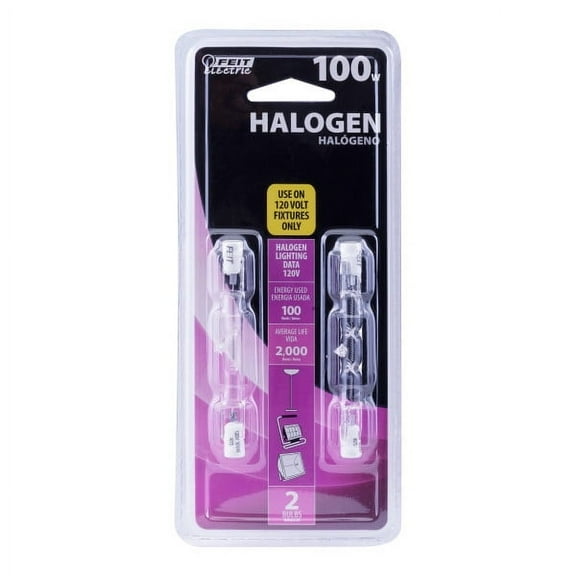
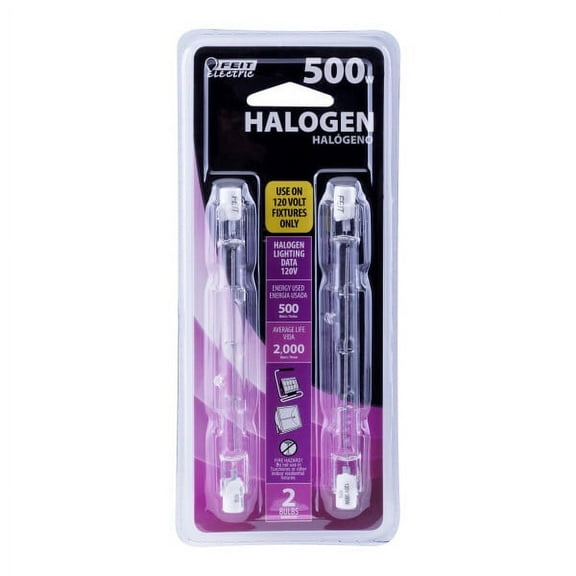
In appliance lighting, you should measure the old bulb and match both the base and shape exactly. You can use compact T3 or JC styles in fixtures where standard household bulbs won’t fit.
If your track lighting feels uneven, you can compare several beam spreads within the same base family. You can brighten a countertop with a wider flood, then highlight art with a narrower spotlight.
For covered outdoor fixtures, you should check whether your housing is built for flood shapes like PAR38. You can get broader coverage at entrances, patios, and work areas without changing the fixture itself.
How you can compare details before replacing a bulb
You should bring the old bulb details into your search, including base code, shape, wattage, and voltage. You can also check fixture labels for dimmer notes, transformer requirements, and size limits inside the housing.
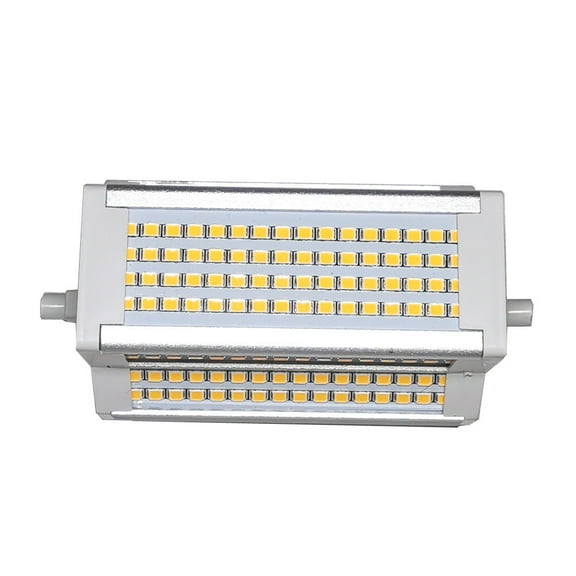
Because halogen formats vary widely, you should compare length, reflector shape, and connection style before you reorder. You can make a confident choice when the replacement matches your fixture’s exact specifications.
With halogen light bulbs, you can keep existing fixtures working as intended without guessing on fit. You can choose the right base, voltage, and beam pattern for steady, fixture-ready light.