








Graph Paper in Paper


















About Graph Paper in Paper - Walmart.com
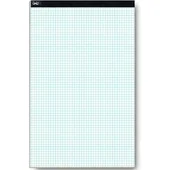
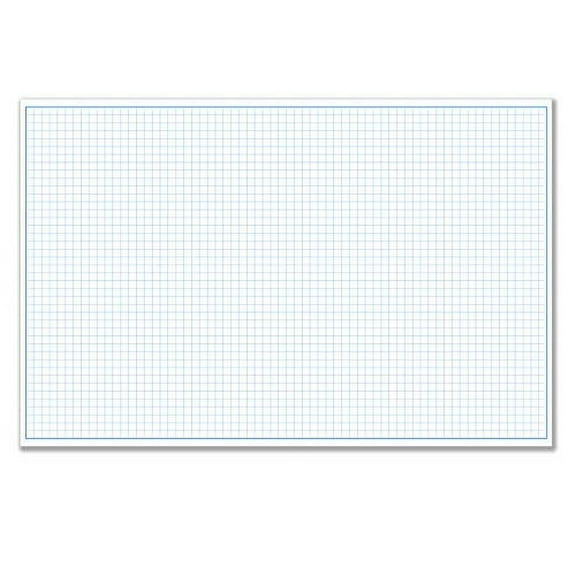
Graph paper helps you organize math, drafting, and sketching with clear squares that keep your work neat and easy to follow. You can compare grid sizes, formats, and page layouts at Walmart to match classwork, technical drawings, or journal pages.
If you need steady lines for charts or precise boxes for equations, you can choose graph paper that fits how you write and measure. You can also find options that support binders, notebooks, and pads for school, office, or home projects.
How to choose graph paper by grid size
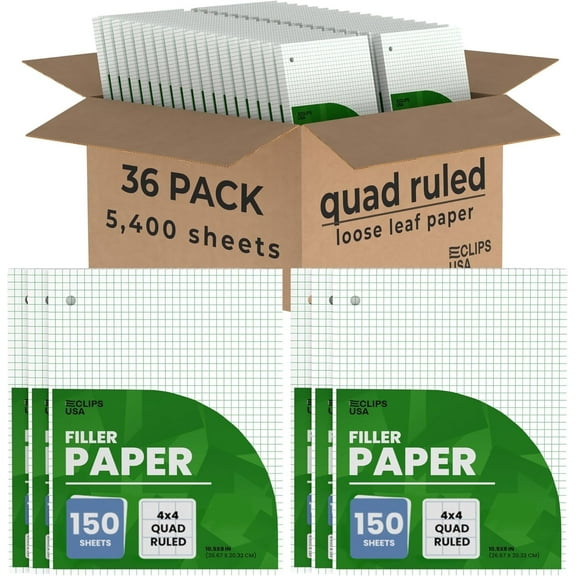
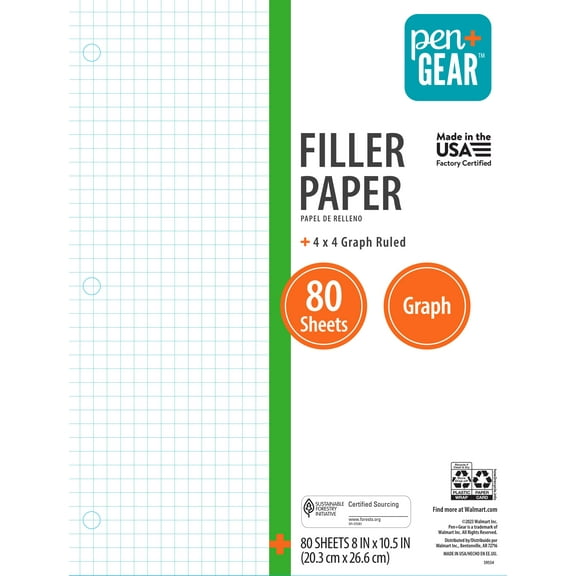
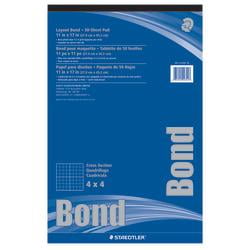
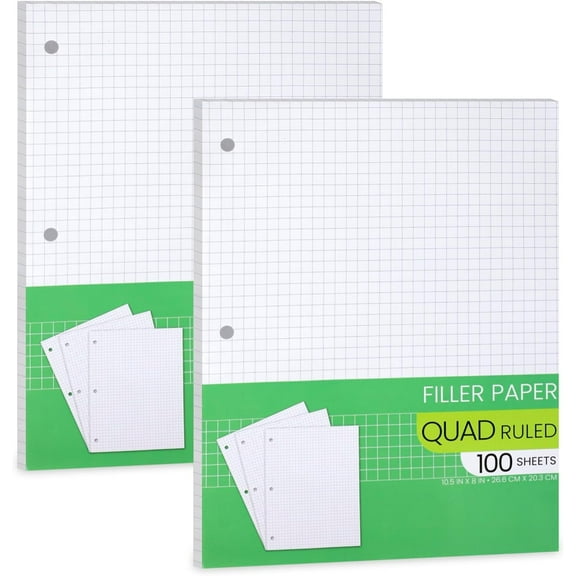
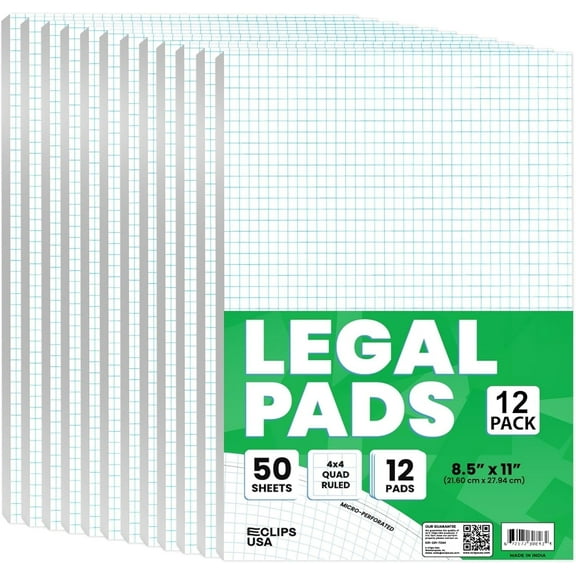
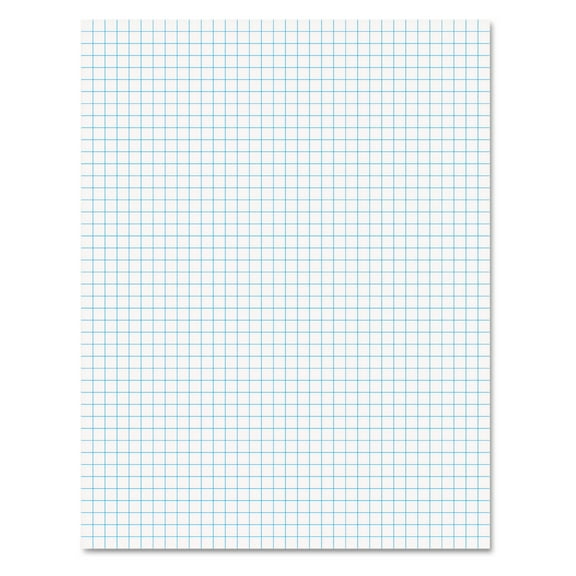
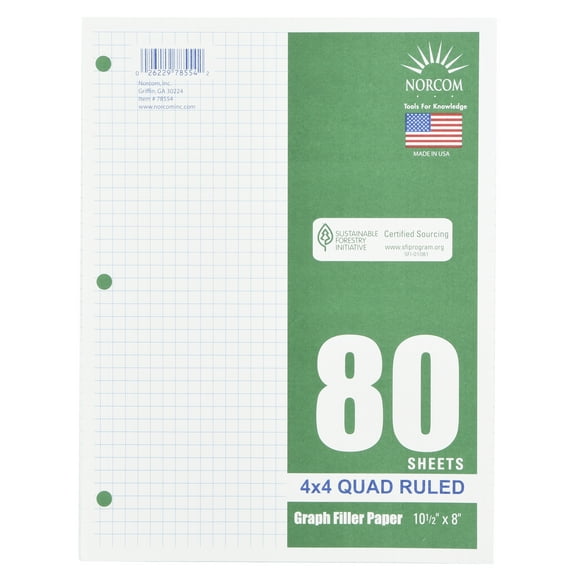
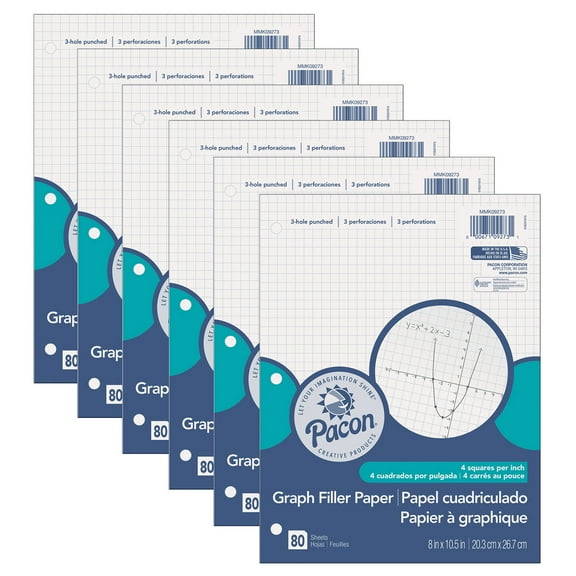
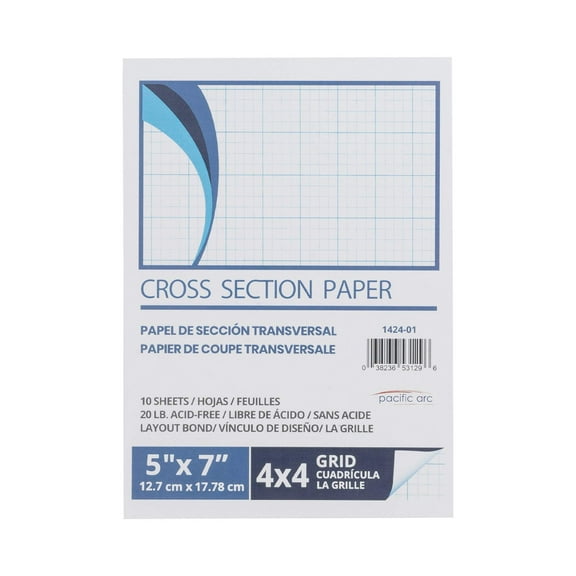
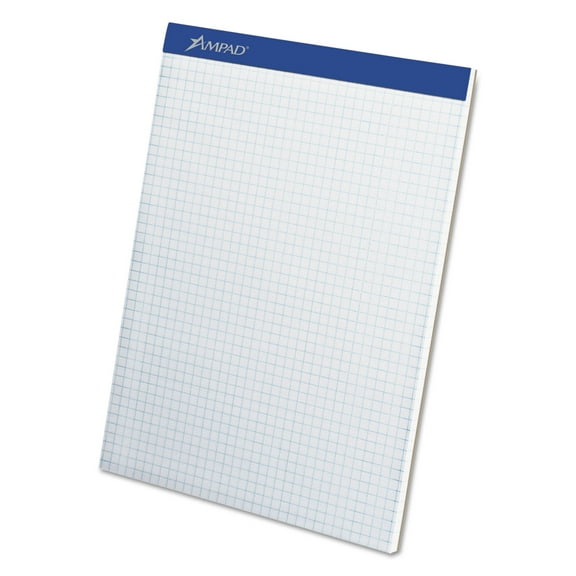
When you compare graph paper, you should start with grid spacing because it changes how much detail you can place on each page. You may prefer 4x4 quad ruled sheets for larger graphs and easy labeling.
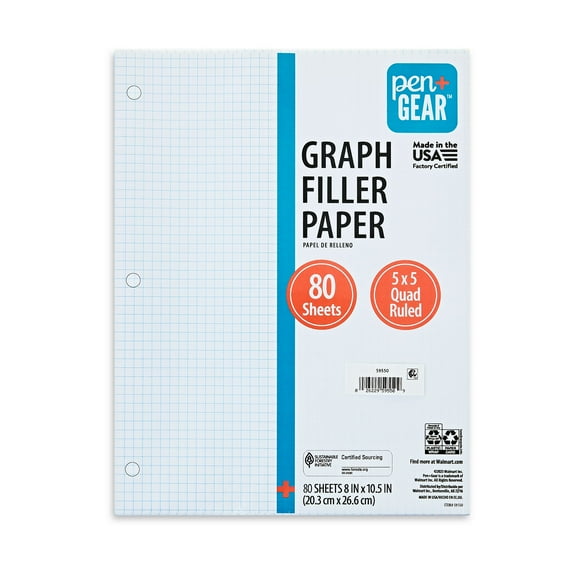
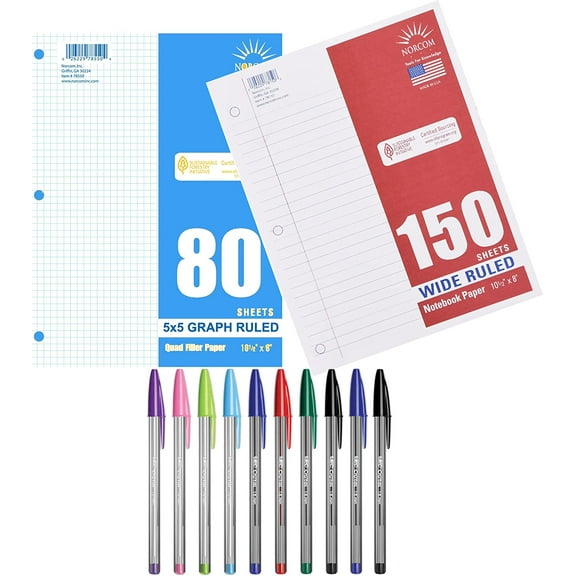
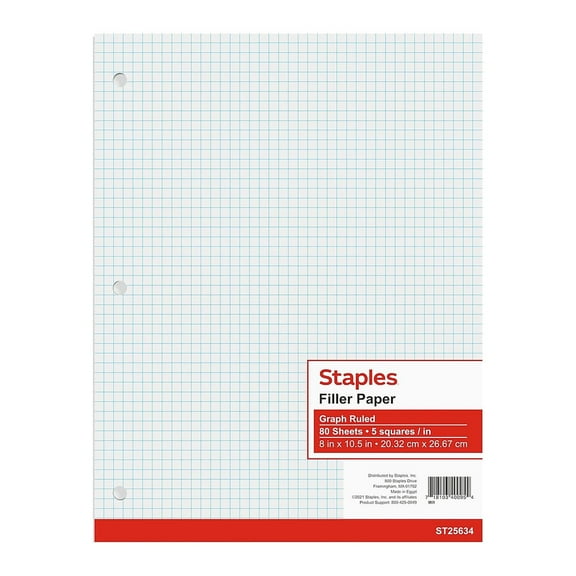
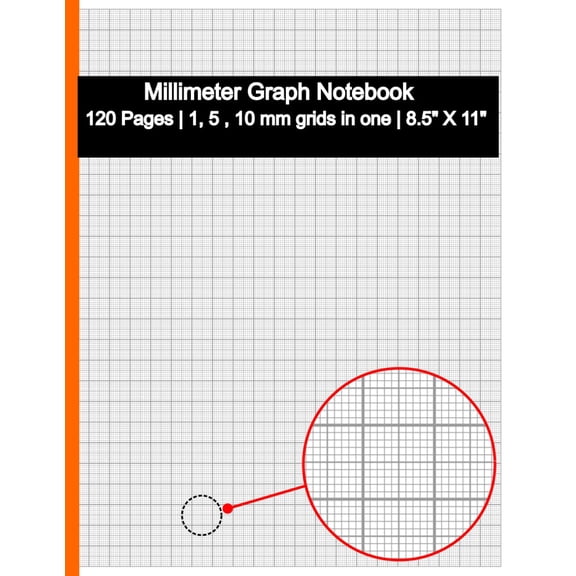
If you write smaller numbers or pack more detail into each section, you may want 5x5 quad ruled paper instead. You can also choose 10x10 metric layouts when your classwork or drafting uses centimeter graph paper.
For technical layouts, you should check whether engineering graph paper matches the scale and precision your assignment requires. You may also consider isometric graph paper when your sketches need angled lines instead of standard square grids.
What you gain from the right grid paper format
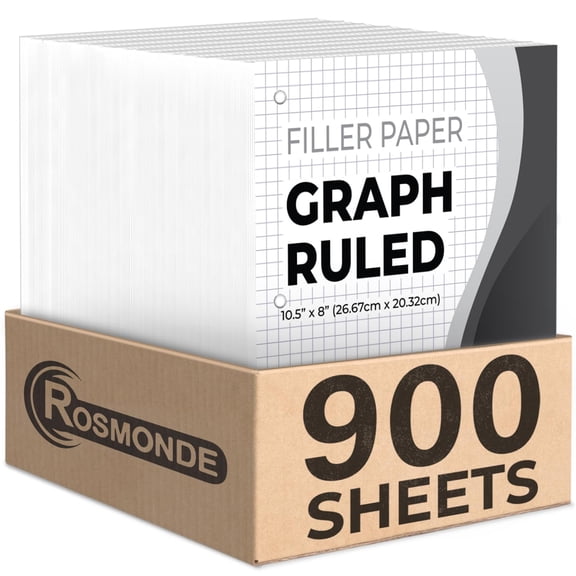
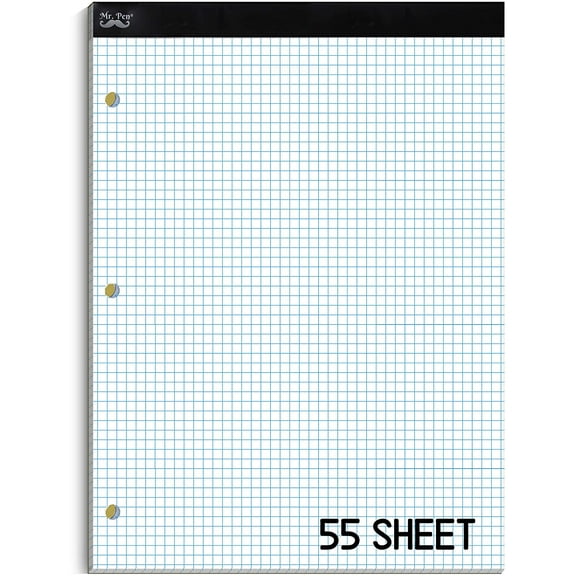
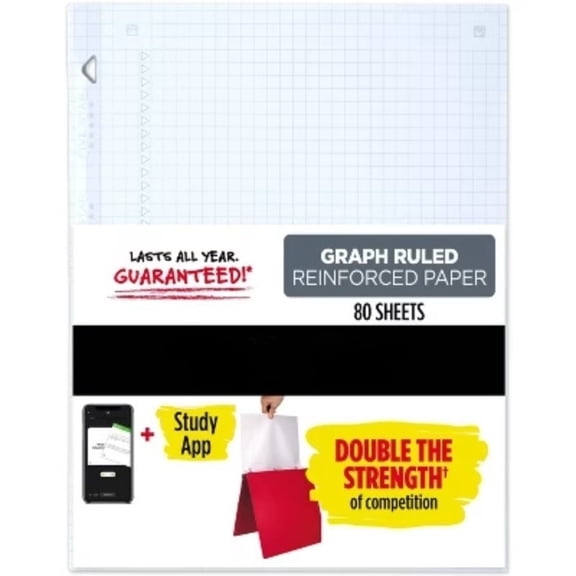
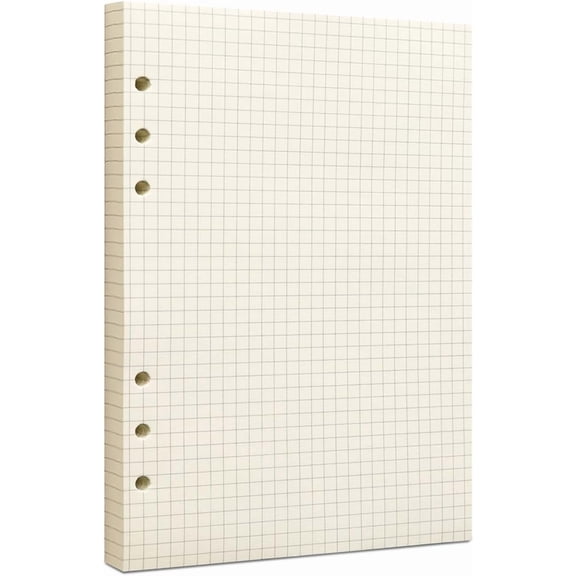
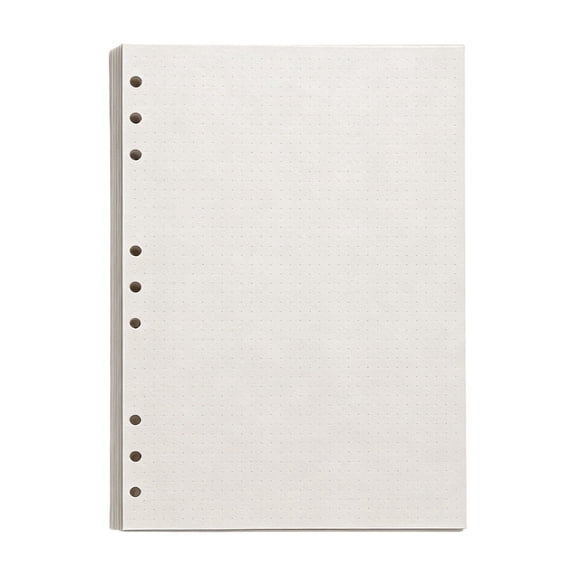
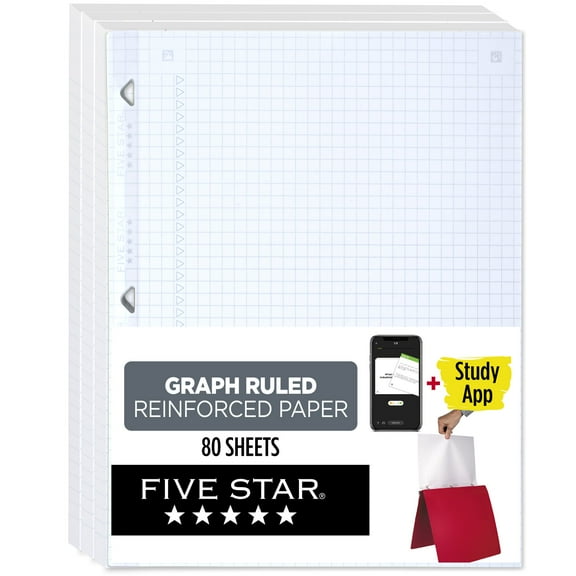
Your format choice affects how you carry, file, and use your pages during class or project work. You might want loose leaf graph paper if you store notes in binders or sort pages by subject.
- You can move loose sheets between folders, binders, and lab notebooks with less hassle.
- You can use a graph paper notebook for class notes, homework steps, and quick charts in one place.
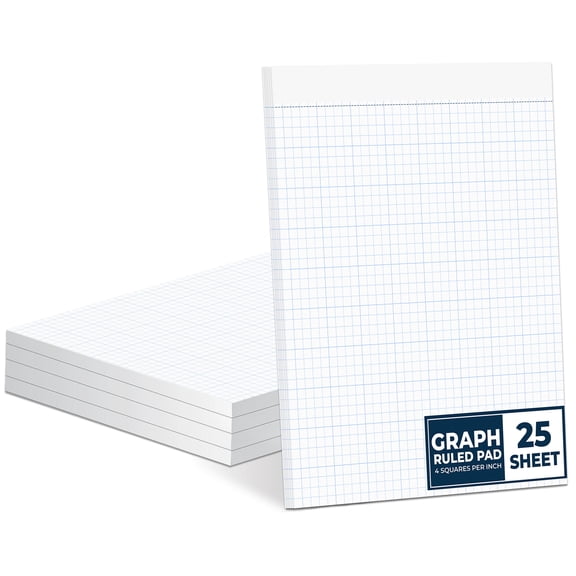
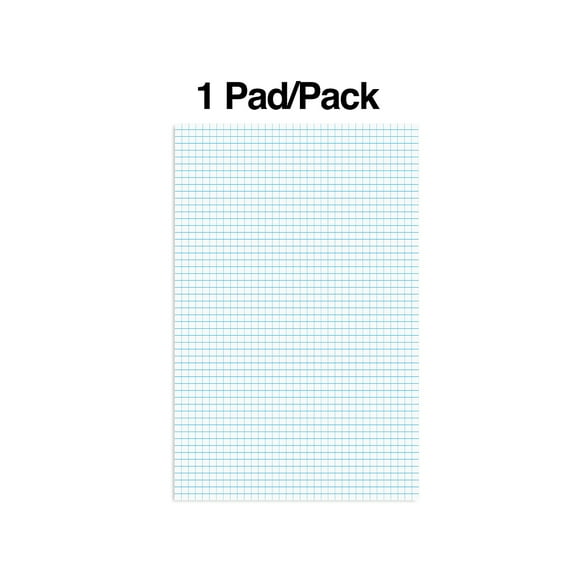
- You can keep a pad on your desk when you need tear-out pages for calculations or sketches.
- You can choose a composition book when you want bound pages that stay together through the semester.
Spiral notebook formats can help you flip pages quickly during lectures, tutoring sessions, or study groups. Bound formats can also help you keep ongoing equations, graphing practice, and reference notes in order.
During back to school graph paper shopping, you may want mixed pack sizes for different classes and assignments. You can keep a notebook in your backpack and extra loose sheets in a binder for daily use.
What to look for in paper size and page details
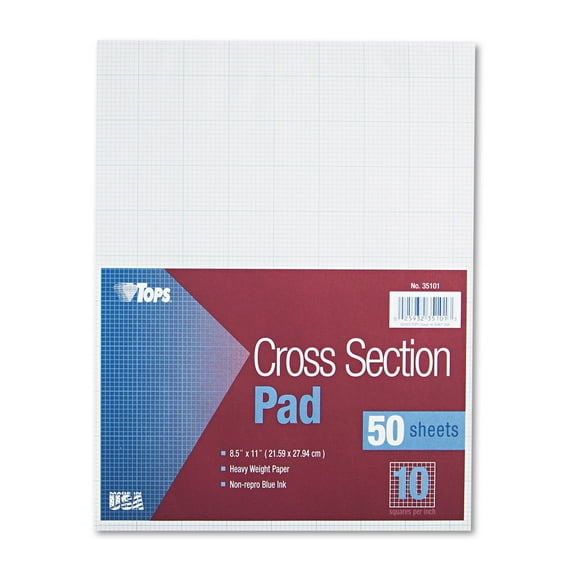
Paper size matters because you need pages that fit your binder, folder, printer, or desk setup. You may choose letter 8.5 x 11 sheets for standard school supplies and common classroom handouts.
If you need extra room for equations, layouts, or tables, you might compare legal-size pages with standard sheets. You can also select A4 paper when your coursework, templates, or filing system uses that format.
Paper thickness is another decision point because you may want clean writing with less show-through from ink. You should check product details for paper weight or thickness when you use pens, markers, or mechanical pencils.
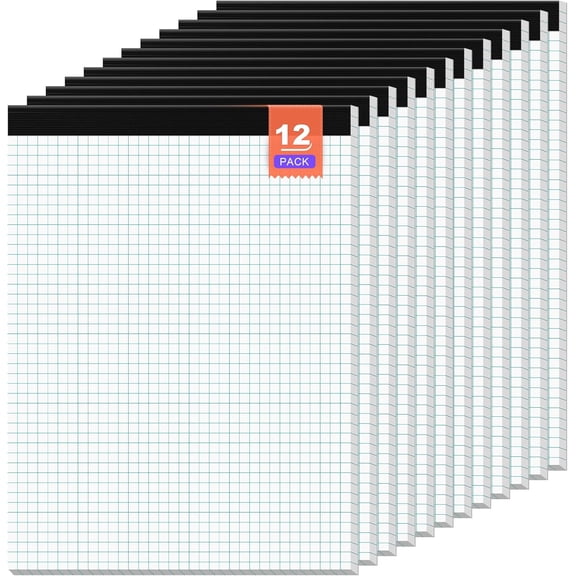
Page count and pack size also shape your choice, especially when you use graph paper often. You may want larger packs for frequent graphing, while smaller counts can suit occasional homework or planning pages.
Choosing graph paper for engineering, math, and journaling
Your application should guide the paper you choose because each layout supports a different kind of work. You may want engineering graph paper for diagrams, scale drawings, and technical notes that need consistent spacing.
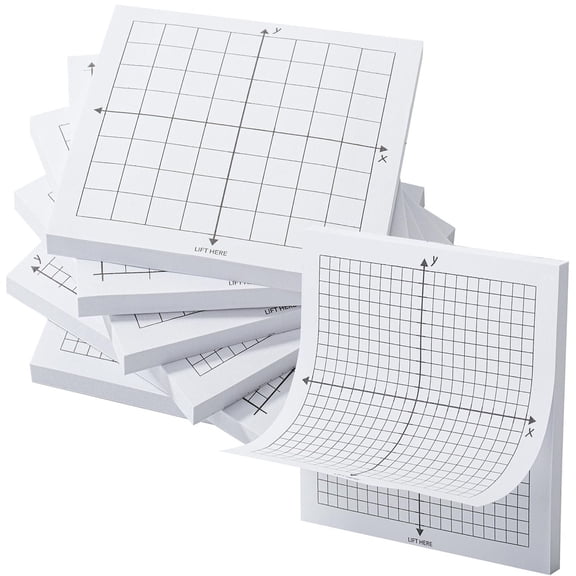
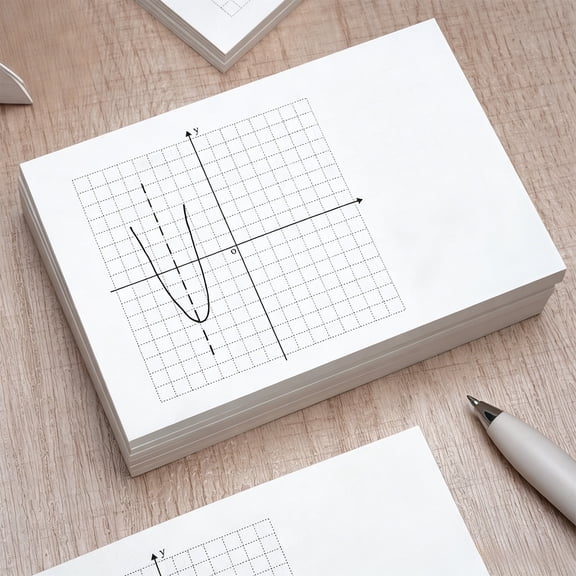
For mathematics, you can use grid paper to line up equations, plot coordinates, and keep tables readable. You might prefer 5x5 spacing for dense calculations, while 4x4 layouts can feel easy for young students.
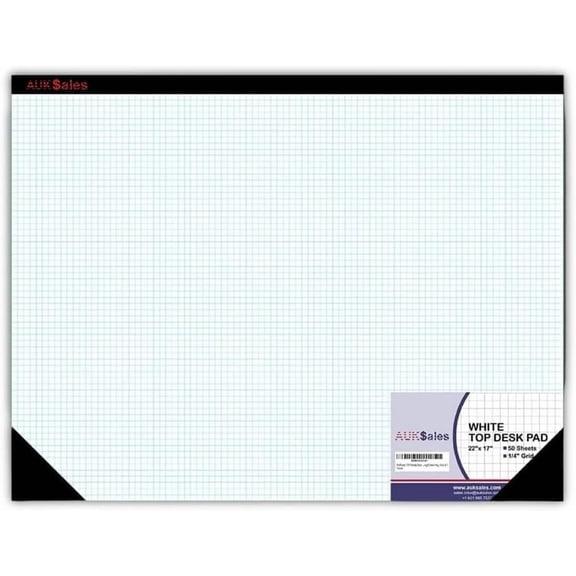
If you draw floor plans, product concepts, or classroom diagrams, you should compare paper size with your project scale. You can use larger sheets for broad layouts and compact notebooks for field notes or quick revisions.
For bullet journaling, you may like graph paper notebook styles that support trackers, habit logs, and weekly spreads. You can use square grids to keep lettering, boxes, and decorative sections aligned without blank guessing.
Creative work may also call for isometric graph paper when you sketch shapes with depth and angled edges. You can switch between square grids and isometric layouts depending on how structured your page needs to be.
How to compare paper weight and pack options
When you review paper weight, you should look for pages that match your writing tools and daily routine. You may want thicker sheets when your pens or markers stay in regular rotation.
If you write mostly with pencils, you may prefer a lighter sheet that still keeps grids crisp and visible. You should also compare page counts when your classes, projects, or planning habits use many pages each week.
Students may want multi-pack options for repeated assignments, lab work, and homework sets across several subjects. You may want a smaller pack when your graphing needs stay occasional or project-specific.
You can pair graph paper with binders, mechanical pencils, ruler sets, and scientific calculators for smooth study sessions. Your setup feels easy to manage when your paper format matches how you store notes.
If you move between class, office, and home, you may want portable pads or notebooks that fit a backpack. You can keep loose sheets ready for handouts, graphing exercises, and practice problems without extra prep.
When your projects repeat each week, consistent grid sizing helps you keep charts and notes uniform over time. You can build clean notebooks, tidy drafts, and readable diagrams with the right page structure.
With the right graph paper, you can keep measurements, notes, and layouts clear from the first line to the final page. You can get a format that supports precise work and smooth organization every time you write.