

Green Grape Plants & Grapevines | Walmart








About Green Grape Plants & Grapevines | Walmart - Walmart.com
You'll find green grape plants here for home gardens that need edible vines, climbing structure, and season-specific variety choices. You'll also get a practical guide to grape plants, from plant form to hardiness zones, so your yard setup makes sense.
Choosing green grape plants by variety
When you compare grape plants, you should start with how you'll use the harvest. You may want table grapes for fresh snacking, wine grapes for pressing, or juice grapes for cooking projects.
If you want easy eating, you should look for table types with a pleasant texture and balanced sweetness. If you plan to process grapes fruit, you should compare flavor depth, skin character, and seeded or seedless options.
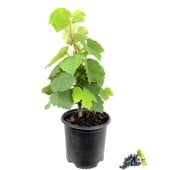
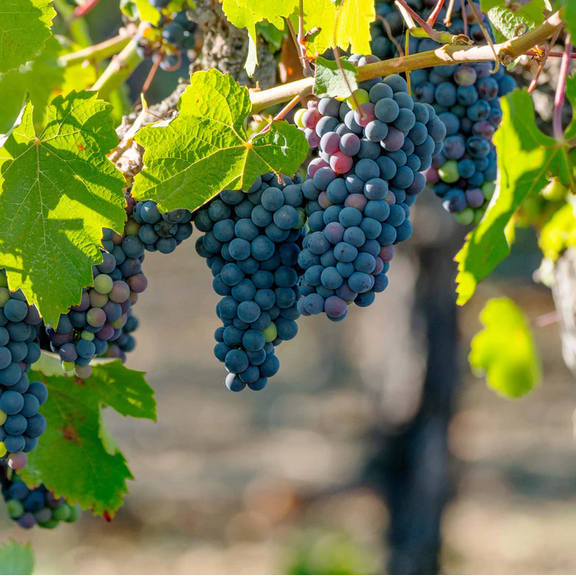
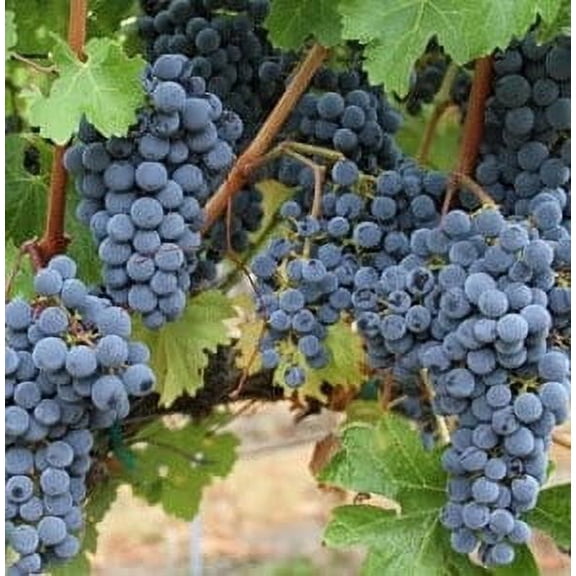
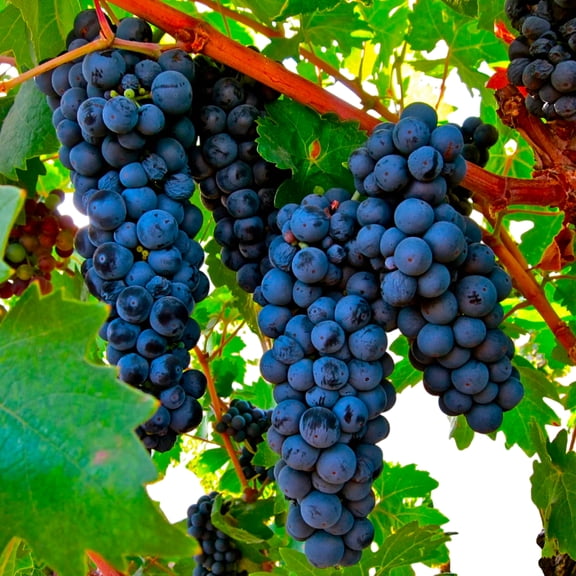
You may also search for a mars grape because it suits many home growers who want a dark, hardy option. When you compare it with green grapes plant choices, you can match color, taste, and harvest goals.
- You can choose table grapes when your household wants fresh clusters for lunches and platters.
- You can choose wine grapes when your planting plan focuses on pressing, fermenting, or recipe projects.
- You can choose juice grapes when your kitchen use calls for stronger flavor and deeper color.
- You should compare seeded and seedless fruit based on how you'll serve and prepare your harvest.
How to compare plant form and setup needs
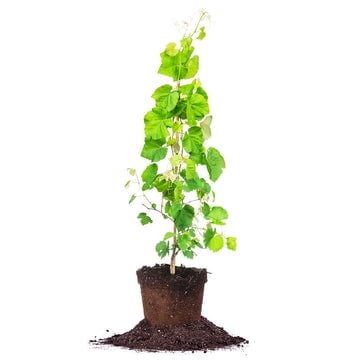
Before you plant, you should compare bare-root, potted, and grape seedlings by timing and planting conditions. Bare-root options usually arrive dormant, while potted vines give you a rooted start in a container.
If you want a simpler transplant process, you may prefer potted plants because you can place them with less root handling. If you like planning around dormant-season planting, you may choose bare-root vines for a traditional start.
You might notice grape seedlings in the category when you're starting small or filling a larger planting plan. When you compare these forms, you should check maturity stage, planting season, and the support you'll build.
Your grape plants will also need space to climb, so you should plan for a trellis, arbor, fence, or wire system. If your space is narrow, you can train vines vertically and keep pathways more usable.
You should measure row length, post spacing, and sun exposure before you choose vigorous vines. When you match growth habit to your support system, you can guide canes and make pruning more manageable.
Choosing grape plants for sun and hardiness zones
You should check USDA hardiness zones first because grapevines respond differently to winter lows and summer heat. When you compare Zone 4-9, Zone 5-8, and Zone 7-10 options, you can narrow choices quickly.
If your area gets colder winters, you should focus on hardy selections that can handle shorter growing seasons. If your garden stays warmer longer, you can consider types that need extended heat for fruit ripening.
You should also compare full sun and partial shade needs before planting. Most grape plants perform more predictably when you give them strong daily sun and good air movement.
If you're trying to answer where to buy grape plants with pickup or delivery convenience, you should still start with zone fit. When you choose for your climate first, you reduce guesswork and get vines suited to your region.
You may think of that same need as finding a grape plant near me, but your real goal is local growing compatibility. When you use zone ranges and sunlight requirements, you can choose with more confidence.
What to look for in fruit color and harvest goals
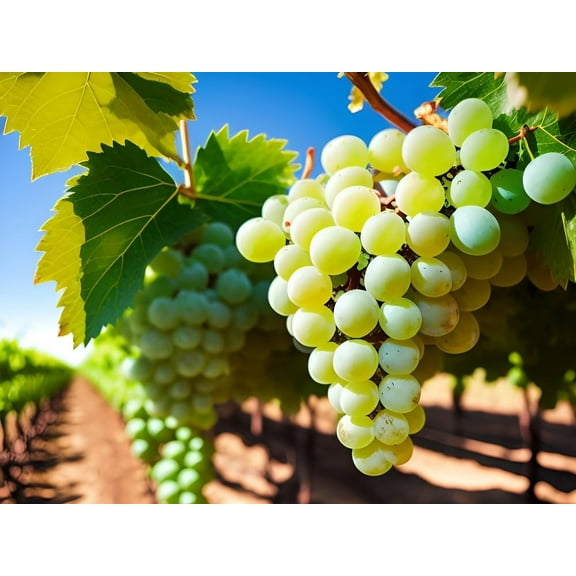
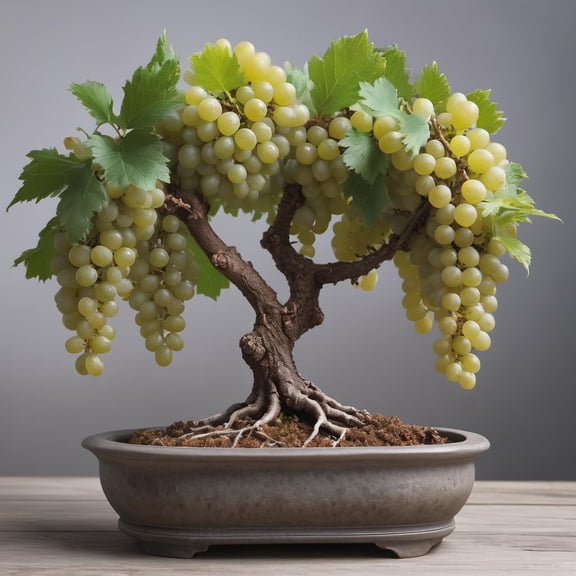
You should use fruit color as a planning tool because green, red, and black or purple grapes each fit different kitchen uses. Green grape plants often appeal to growers who want a classic fresh-eating look.
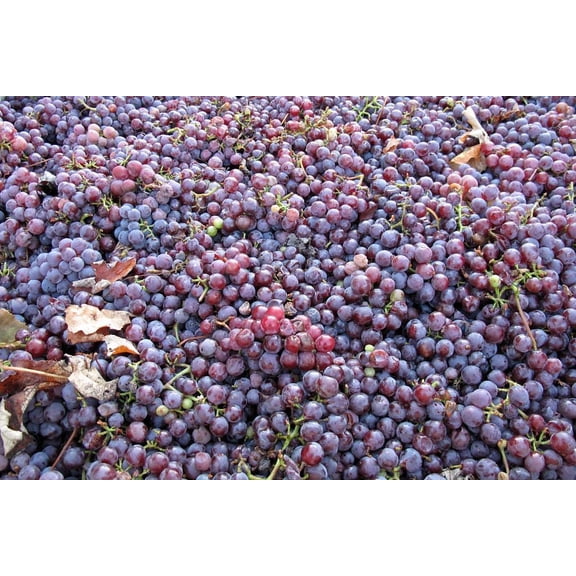
If your goal is snacking, you may prefer lighter-colored fruit with crisp texture and a clean finish. If your goal is juice or preserves, you might compare darker grapes for richer color in recipes.
You should also think about harvest timing, because different grape plants mature on different schedules. When you mix colors or varieties, you can spread out picking and make backyard harvests easier to manage.
Your family may also care about cluster size, skin thickness, and whether you plan to eat grapes straight from the vine. Those details help you choose vines that fit serving style, storage plans, and daily use.
Using grape plants in real garden layouts
If you have a sunny fence line, you can use grape plants to create an edible screen with structure and seasonal interest. When you train vines along wires, you can keep growth organized and harvesting simpler.
You can place a potted vine beside a pergola when you want a guided start on a permanent support. If you have a larger yard, you can line up several rows and compare table, wine, and juice grapes side by side.
If your region has colder winters, you should look closely at hardy zone ranges before planting a mars grape or other varieties. When your climate runs warm, you can compare longer-season options that need more summer heat.
You can also pair grape plants with fruit garden essentials like trellises, arbors, hand pruners, and soil amendments. When your setup matches your vine type, you get a cleaner planting plan and easier seasonal care.
Your choice becomes clearer when you match variety, plant form, sunlight, and zone range before planting day. With that approach, you can choose vines that fit your space, your structure, and your harvest plans.