


Hamster Cages in Stock Near Me: Large & Dwarf
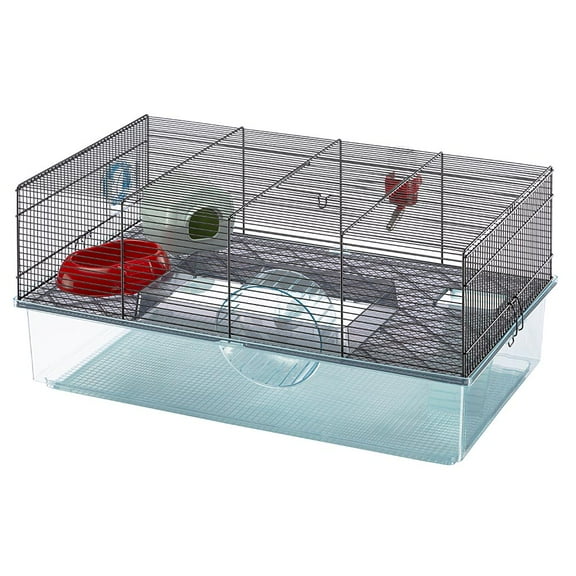

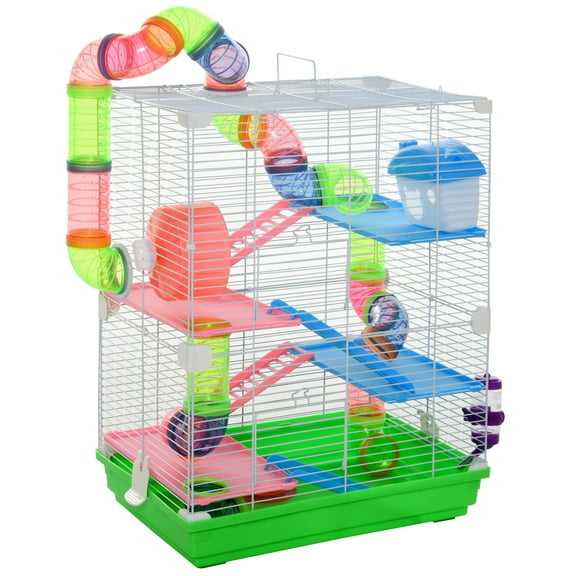


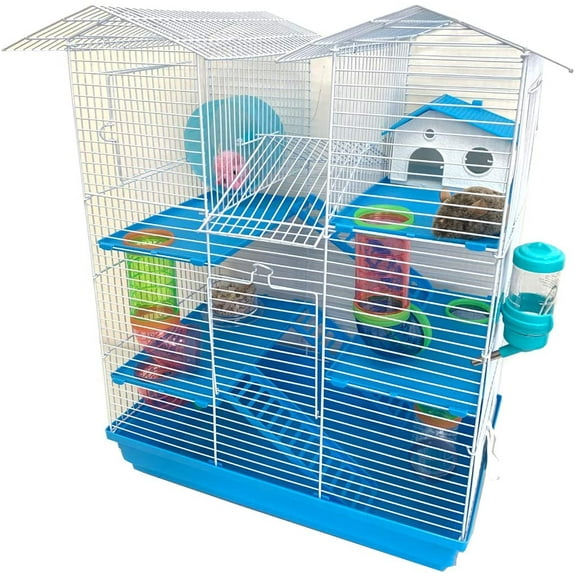


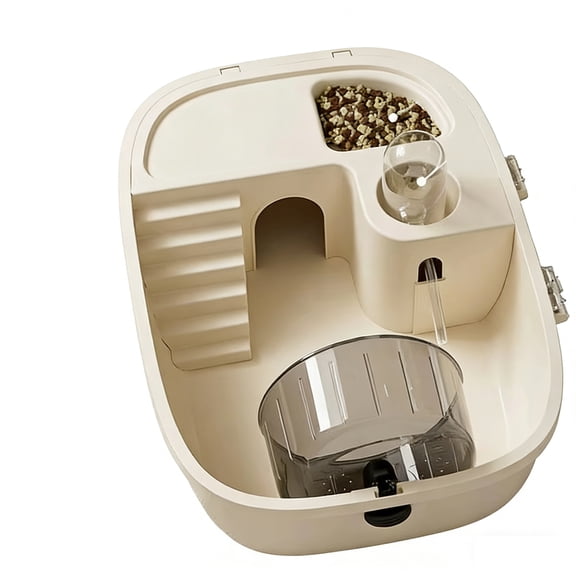


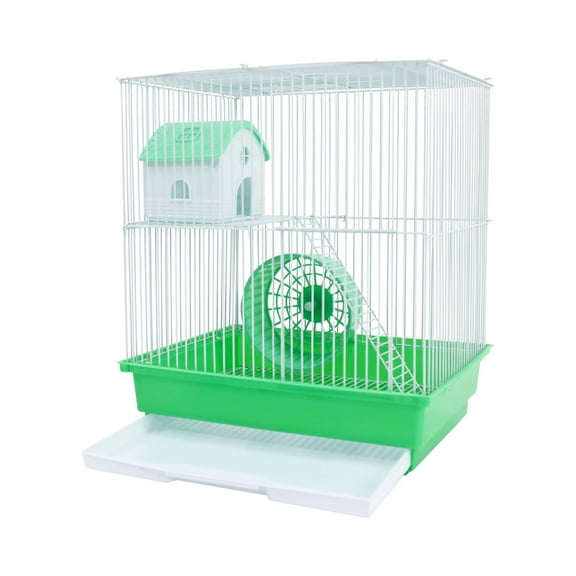


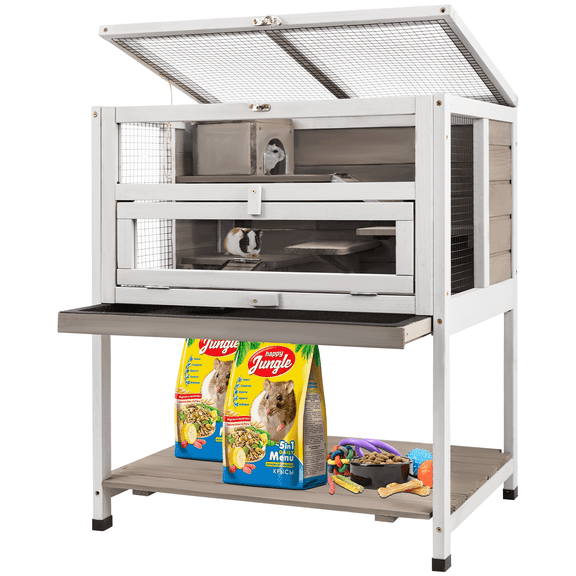
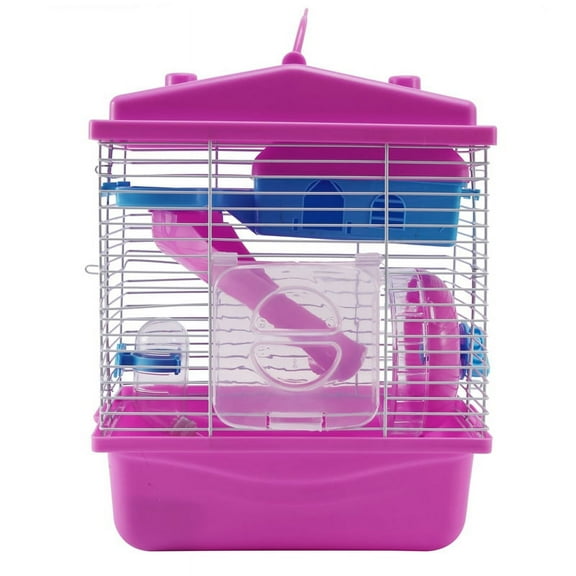


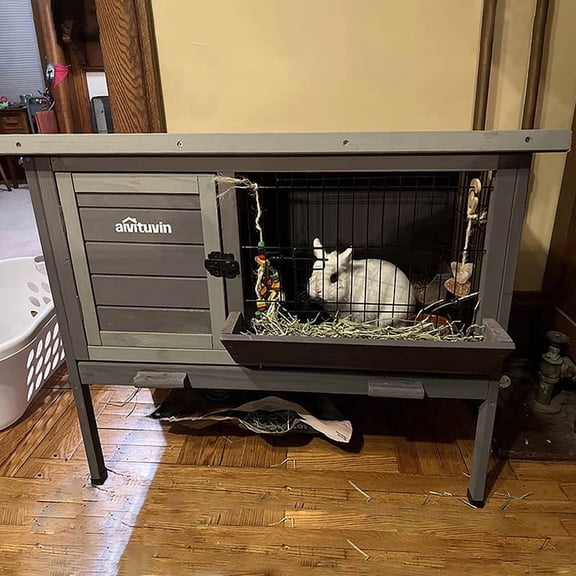















About Hamster Cages in Stock Near Me: Large & Dwarf - Walmart.com
Hamster cages help you create a roomy, secure setup for daily burrowing, climbing, and nesting. When you compare floor space, bar spacing, and ventilation, you can choose a habitat that fits your pet and your home.
If you're weighing a hamster cage near me result, you likely want fast pickup or delivery without guessing on size. You can use this guide to compare large habitats, compact starter options, and species-friendly layouts.
Choosing hamster cages by size and floor space
Size is your first decision, because your hamster needs open floor area for tunnels, bedding depth, and wheel placement. You should look for at least 450 square inches of unbroken floor space when you compare everyday habitats.
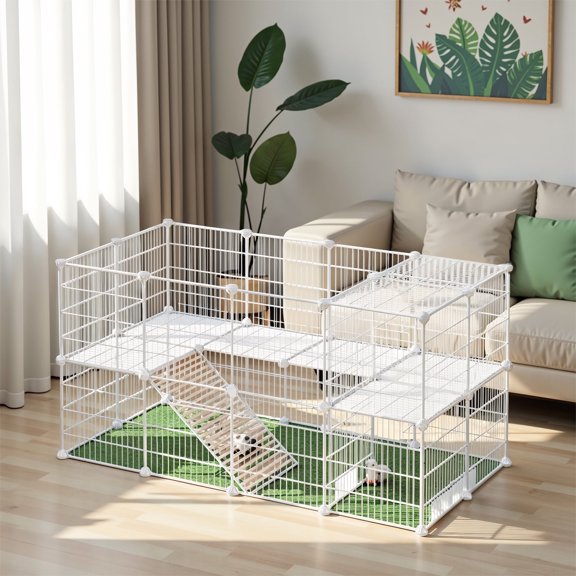
A 100x50 hamster cage gives you a wide footprint that suits larger setups with hides, sand baths, and forage toys. If your pet is active at night, you'll notice extra floor space makes layout planning much easier.
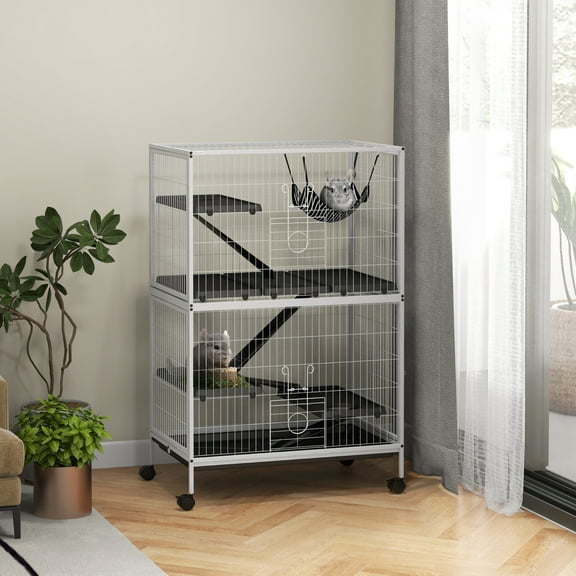
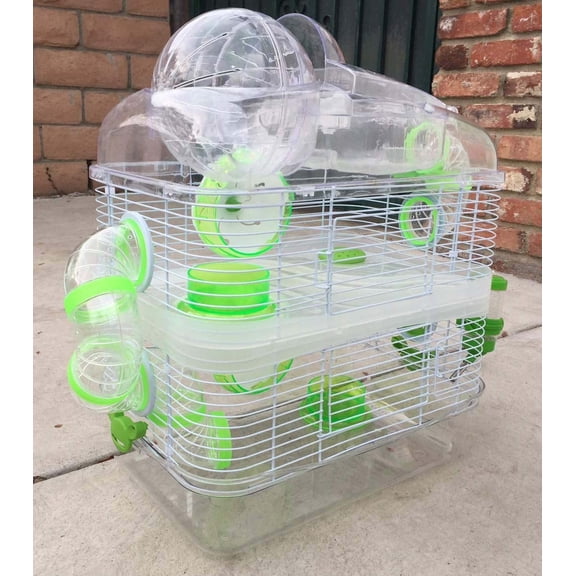
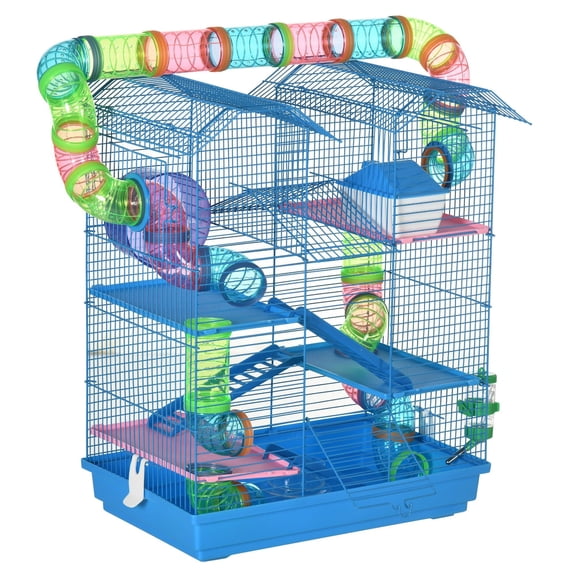
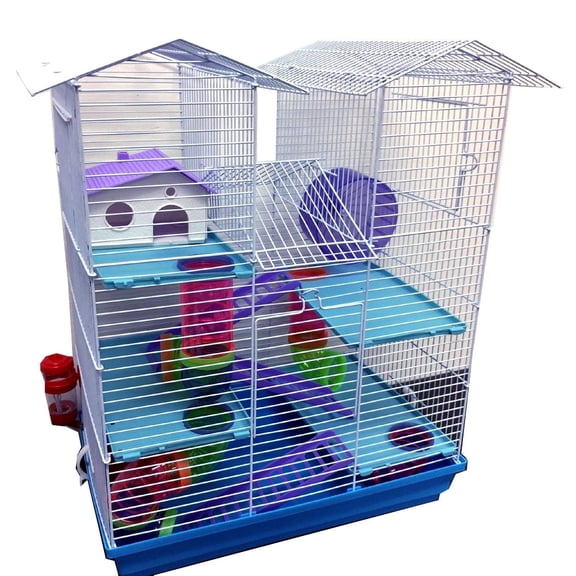
Large cages can help you separate zones for sleeping, eating, and digging without crowding accessories together. Multi-level designs add interest, but you should still prioritize continuous base space over stacked platforms.
- You can fit a larger wheel, deeper bedding, and more hideouts in a spacious habitat.
- You can create clear zones for nesting, feeding, and enrichment with less clutter.
- You can compare compact cages, large cages, and multi-level layouts by usable floor area.
- You can choose a cage for hamster routines that supports digging, climbing, and exploring.
How to compare a dwarf hamster cage and Syrian habitat
Your hamster's breed changes what you should measure first. If you have a dwarf hamster cage in mind, you should check narrower bar spacing and escape-resistant access points.
For dwarf breeds, you should compare bar spacing under 0.5 inches, because small bodies can slip through wider gaps. If you have a Syrian hamster, you may focus more on broad floor space and wheel clearance.
If you're housing multiple hamsters, you should check product guidance carefully before you compare shared habitats. You may prefer a larger footprint and clearer interior zones when a setup needs more separation.
Breed fit also affects accessory planning inside your habitat. You should measure wheel diameter, hide size, and tunnel width so your layout matches your hamster's body size.
What to look for in wire, plastic, wooden, and glass tank designs
Material changes how your hamster cage handles airflow, visibility, and bedding mess. You should compare wire mesh, plastic, wooden, and glass tank designs based on your room setup.
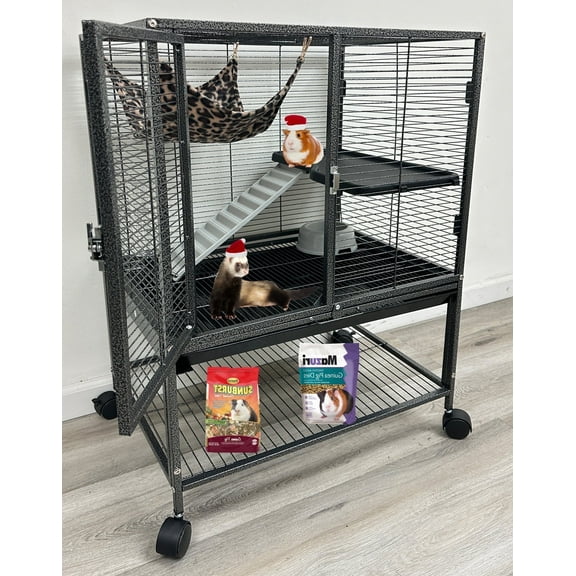
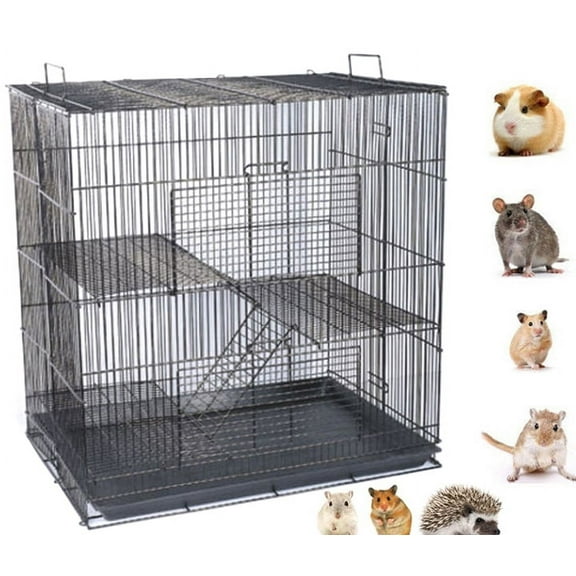
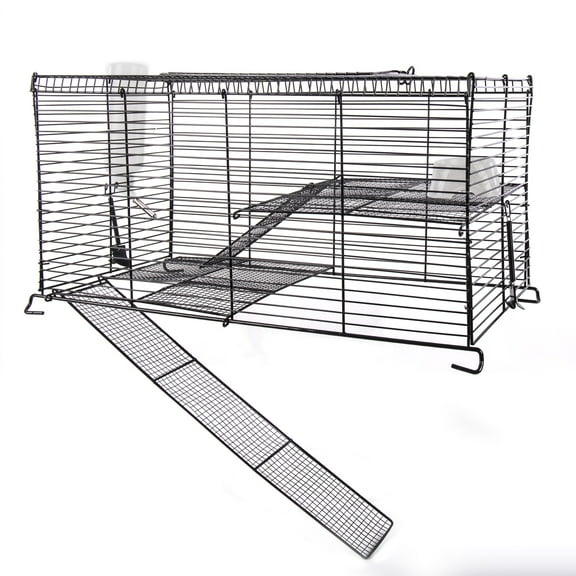
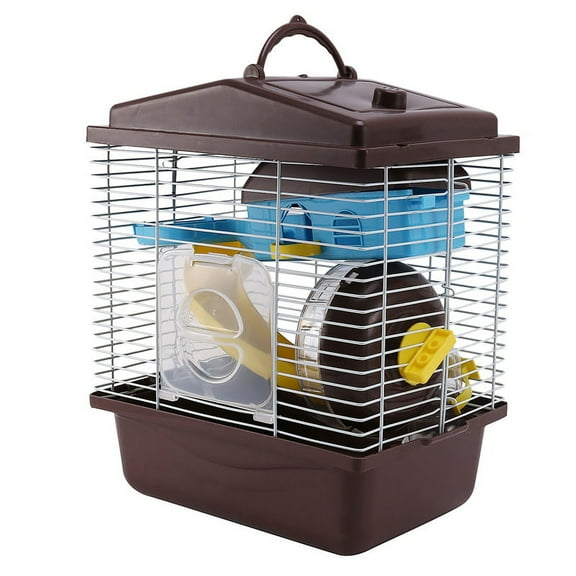
Wire cages give you strong airflow and easy clip-on placement for water bottles and some accessories. If your room feels drafty, you may prefer more enclosed sides and a deeper base.
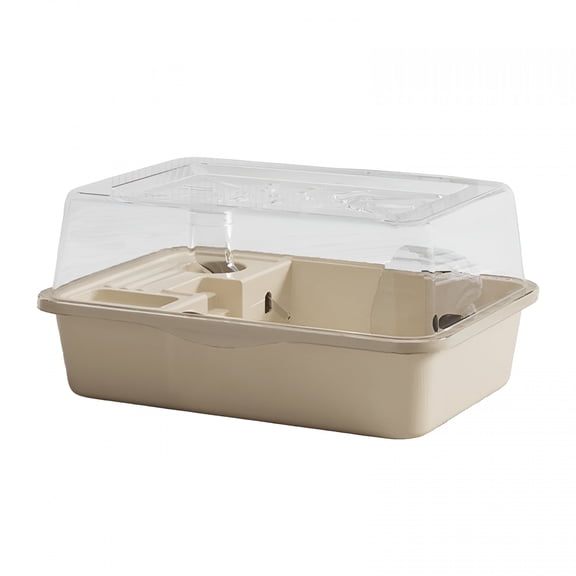
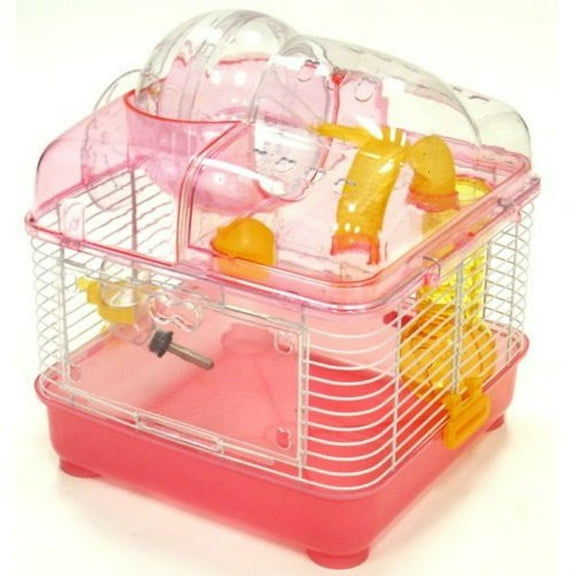
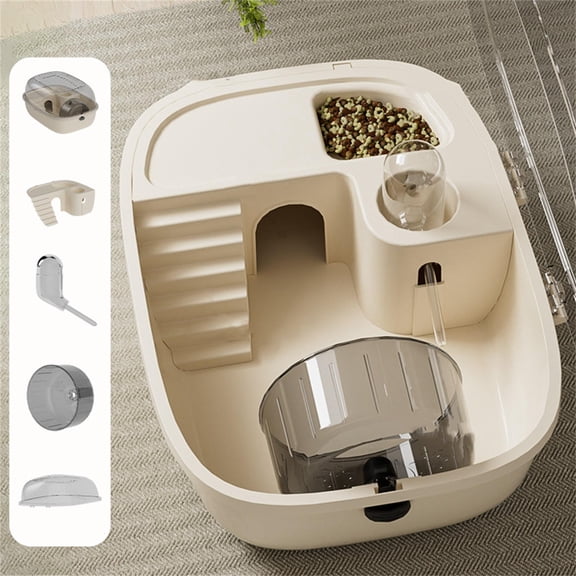
Plastic habitats can help you contain bedding scatter and support deeper digging areas. You should check whether the design includes clear panels, secure latches, and accessible top openings.
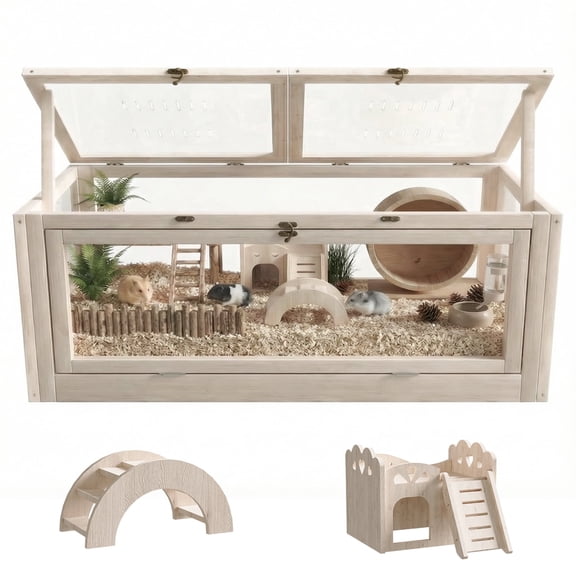
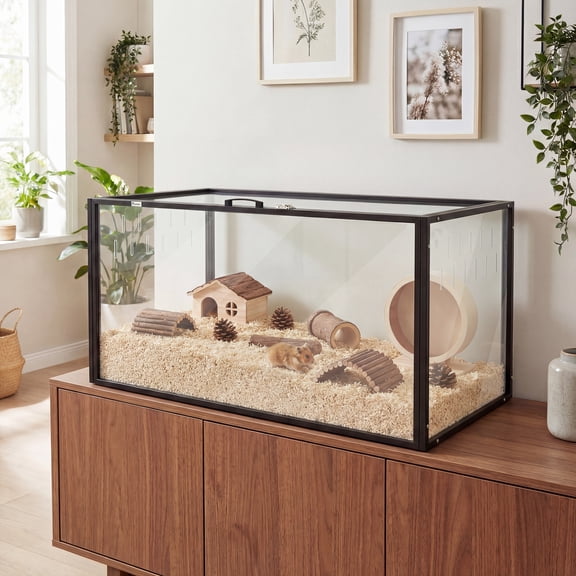
A wooden habitat can give you furniture-style appeal, while a glass tank setup can reduce scattered bedding around the base. You should confirm ventilation panels and cleaning access before choosing either style.
If you're comparing a hamster crate for travel or temporary setup, you should focus on secure doors and simple cleaning. For everyday living, you should prioritize full-time space, airflow, and enrichment room.
Checking bar spacing, doors, and cleaning access
Construction details shape your daily routine as much as cage size does. You should compare latch style, door placement, and base depth before you commit to one enclosure.
Narrow bar spacing matters when you want a secure setup for smaller breeds. You should look for under 0.5 inches for dwarfs, especially if your habitat has upper doors or corner gaps.
Deep plastic bases help you hold more bedding for burrowing and can make cleanup less messy around the cage. If you prefer faster spot cleaning, you may like wide front doors or lift-off tops.
Some shoppers compare pull-out trays, but you should check whether the tray design reduces usable bedding depth. A deeper fixed base often gives you more room for tunnels and nesting material.
Matching hamster cages to your space, pickup needs, and routine
If you're searching hampster cages or a humster cage by mistake, you still need the same practical details. You should compare measurements first, then match the habitat to your stand, tabletop, or shelf.
For apartments or smaller rooms, you may want a low, wide cage that uses horizontal space efficiently. If you have a dedicated pet area, a large habitat can support a fuller enrichment layout.
When you need a hamster cage near me for quick pickup, you may also want easy assembly and clear dimensions. You should check door swing, overall width, and base height before bringing it home.
If you want one habitat that feels easier to live with each day, you should focus on floor space, secure spacing, and cleaning access. That combination helps you set up a cage that supports activity, nesting, and simpler upkeep.