


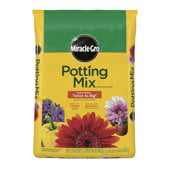
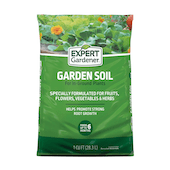
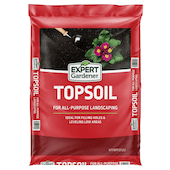
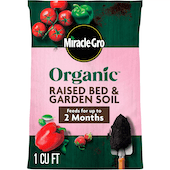

Garden Soil in Soil












About Garden Soil in Soil - Walmart.com
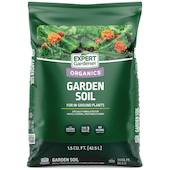
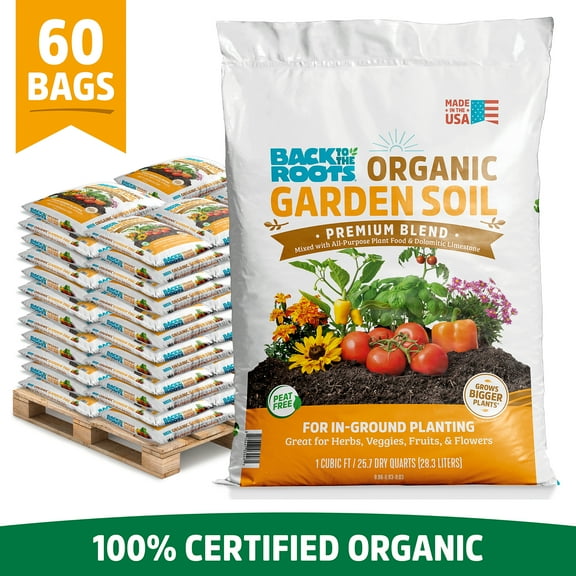
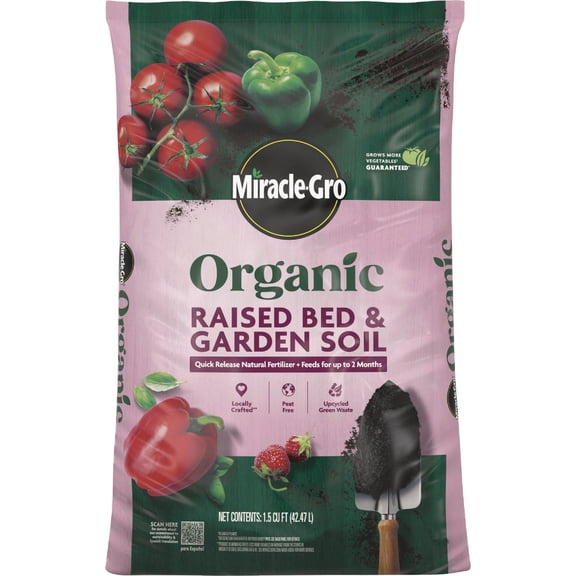
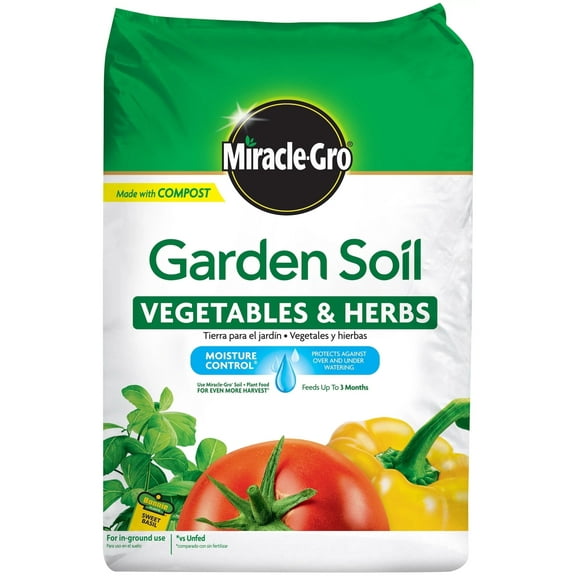
Garden soil helps you prep in-ground beds, raised boxes, and outdoor planting areas with less guesswork. You can compare soil type, organic options, target plants, and bag size before you start planting.
If you're planning flowers, vegetables, shrubs, or patio containers, you need the right base first. You can use this guide to compare garden soil, potting mix, topsoil, and raised bed soil.
Choosing the right garden soil
You should match your soil type to where your plants will grow. You need garden soil for in-ground spaces, while potting mix suits containers and planters.
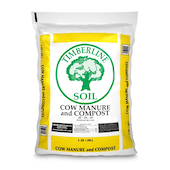
When you compare topsoil, you may use it to level spots or add fill before planting. When you choose raised bed soil, you get a blend for deeper beds and easier root spread.
You can narrow your options faster by starting with your setup. You may want these common matches before you choose your bag size.
- You can use garden soil to enrich in-ground flower beds and landscape borders.
- You can choose potting soil for outdoor plants when you're filling patio pots, window boxes, and porch containers.
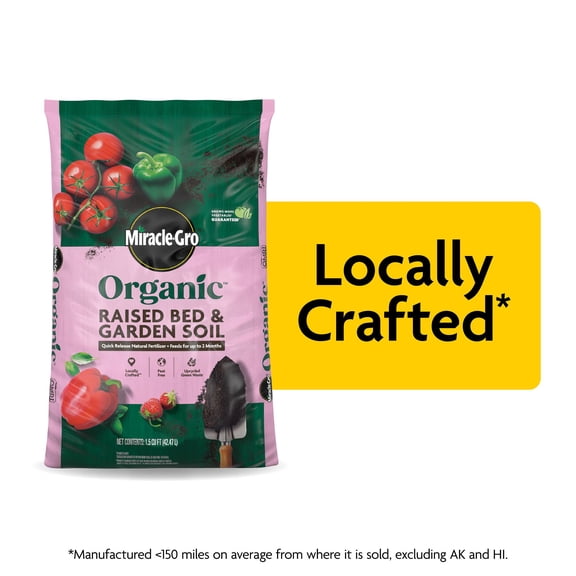
- You can pick raised bed soil when your vegetables grow in framed beds above ground.
- You can use topsoil when you need basic coverage, grading, or a starting layer.
You get a smoother planting process when your soil matches your space. You also avoid using dense in-ground blends in containers that need lighter texture.
Choosing between organic garden soil and conventional blends
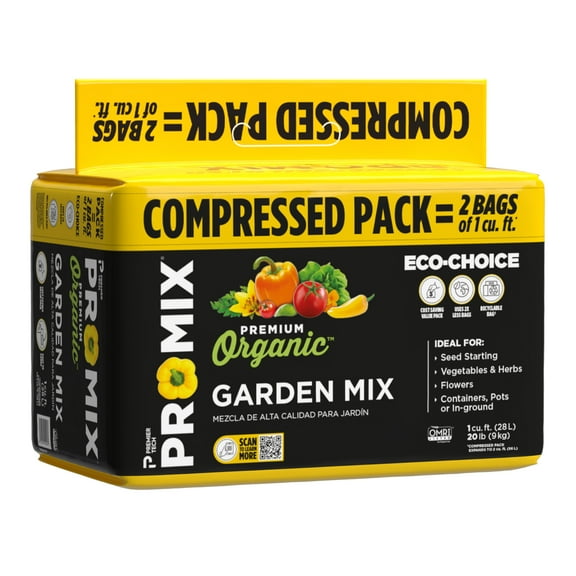
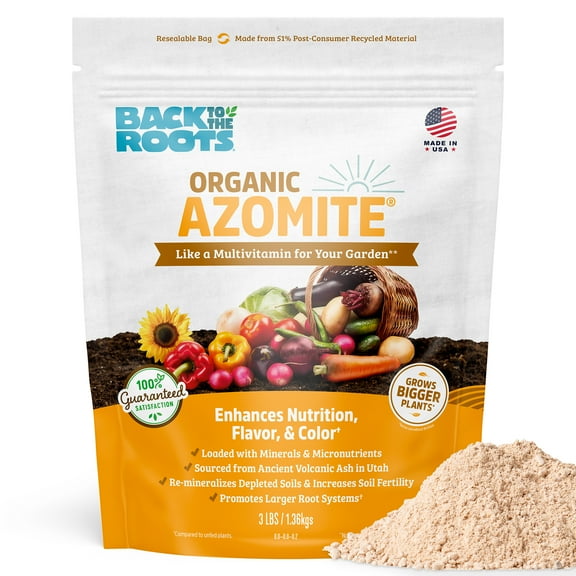
You may prefer organic garden soil for edible spaces like herb patches and vegetable rows. You can also compare conventional and natural blends based on your planting goals and label preferences.
When you grow food, you should check package details for intended use around vegetables. You can keep your choice simple by matching the soil label to your crop type.
You don't need the same blend for every yard project. You might use vegetable garden soil for tomatoes and peppers, while another mix suits flowering annuals.
If you're refreshing older beds, you can blend new soil into existing ground for a more even texture. You can also layer fresh mix in raised spaces where roots need loose structure.
You may also compare organic status with your garden routine. You can choose the label that fits how you plant, feed, and maintain your beds.
What to look for in drainage, texture, and moisture control
You should look for a texture that fits your climate and watering habits. You can compare lighter mixes for airflow and denser blends for in-ground support.
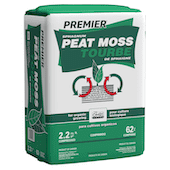
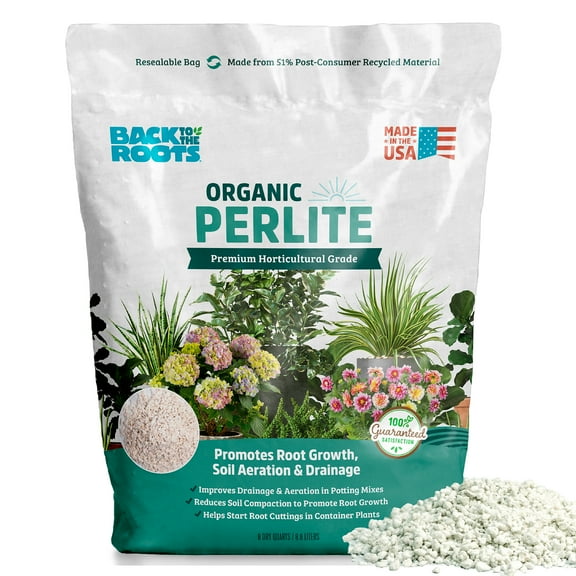
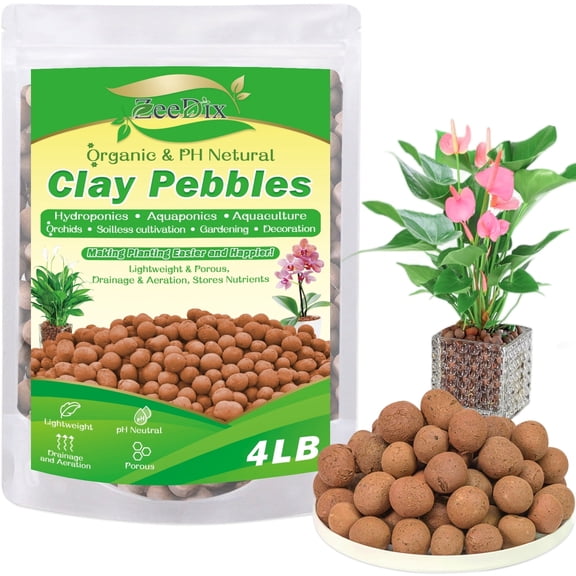
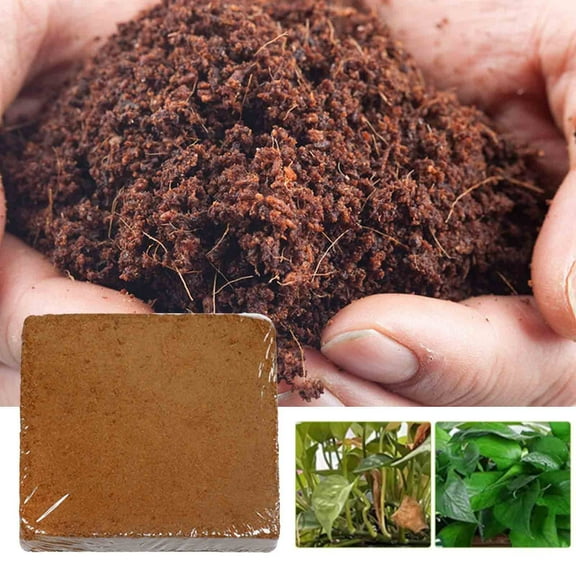
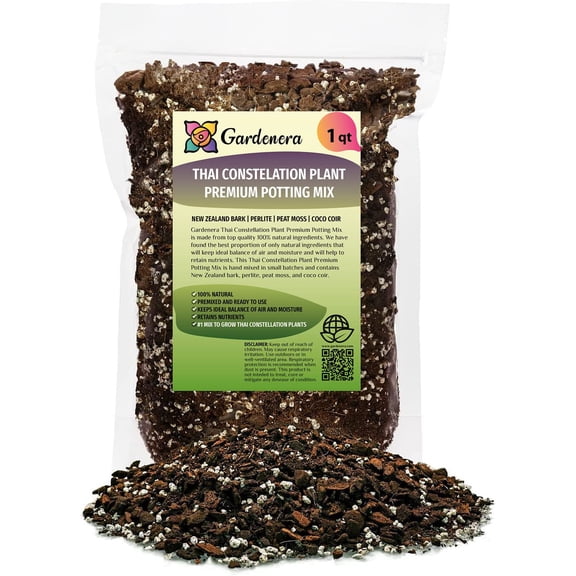
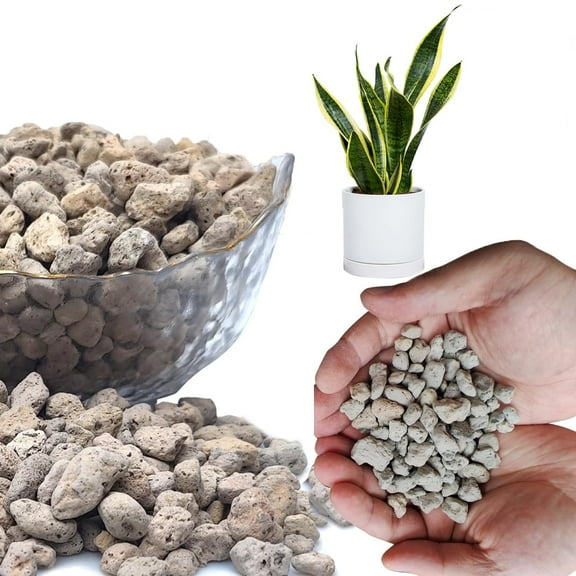
If you see perlite on the label, you can expect small white particles that help air move through the mix. If you see peat moss, you can expect a material that helps hold moisture longer.
You want enough drainage so water moves through without pooling in containers. You also want enough moisture retention so your soil doesn't dry too quickly in sun and wind.
For succulents, you may lean toward a faster-draining mix with a lighter feel. For shrubs, flowers, and larger beds, you may want a richer blend that stays evenly workable.
You can also check whether the mix feels screened and easy to spread. You'll notice smoother texture helps when you fill beds, level rows, or top off planters.
How target plants change your soil choice
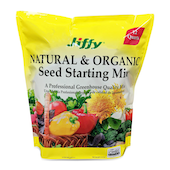
You should choose soil with your plant type in mind. You can often get cleaner planting results when your mix matches vegetables, flowers, succulents, or shrubs.
For vegetables, you may want vegetable garden soil or raised bed soil that supports root space and even moisture. You can use it for peppers, lettuce, cucumbers, and other edible garden staples.
For flowers, you may prefer a versatile mix that spreads easily through borders and front-yard beds. You can refresh seasonal color plantings without using the same blend for every container.
For shrubs, you may need more volume around larger planting areas. You can compare bag sizes and bulk garden soil options when you're filling wider spaces.
For outdoor pots, you should focus on potting soil for outdoor plants instead of standard in-ground blends. You can help container roots stay looser because potting mix suits that setting.
How to estimate coverage and package size
You should measure your space before choosing 0.75 cu ft, 1.5 cu ft, 2 cu ft, or bulk sizes. You can avoid extra trips when you estimate coverage early.
You can use a simple formula for beds and boxes. You multiply length by width by depth in feet to get cubic feet needed.
If your bed is eight feet long, four feet wide, and 0.5 feet deep, you need 16 cubic feet. You can divide that total by the bag size to estimate how many bags fit your project.
For small planters, you may only need one compact bag. For new raised beds or larger landscape jobs, you may want several larger bags or bulk garden soil.
You can make faster decisions when you compare soil type, organic status, target plants, and package size together. You'll end with a garden soil choice that fits your space and makes planting easier.