


Plastic Landscape Edging in Landscape Edging





























About Plastic Landscape Edging in Landscape Edging - Walmart.com
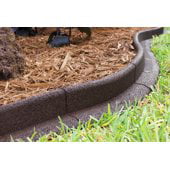
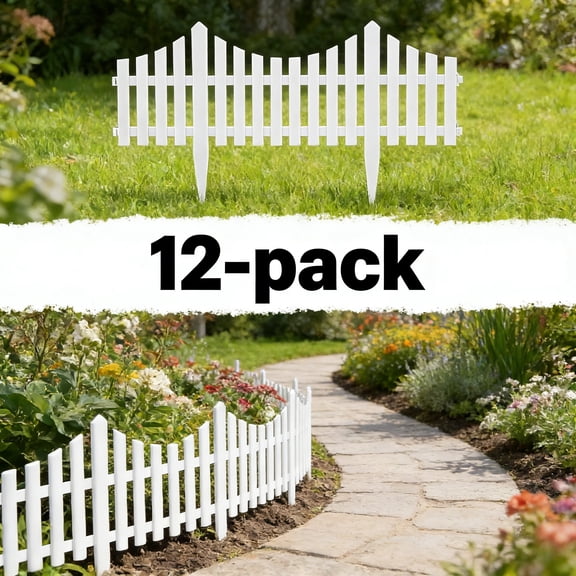
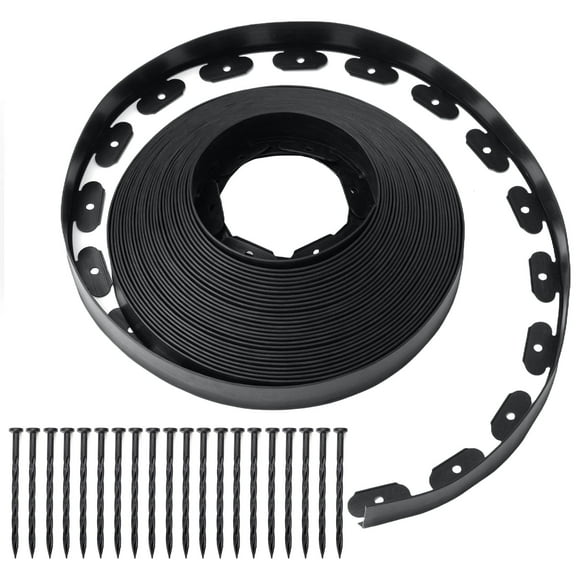
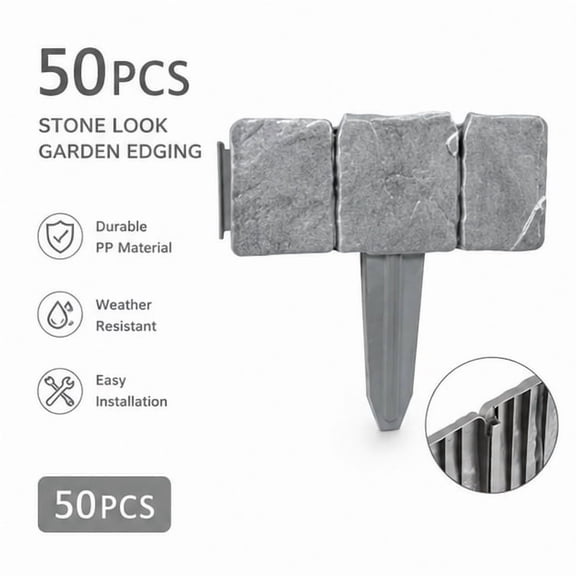
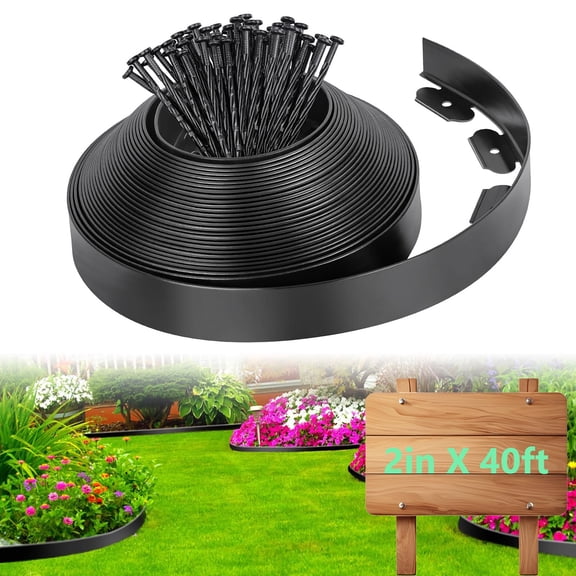
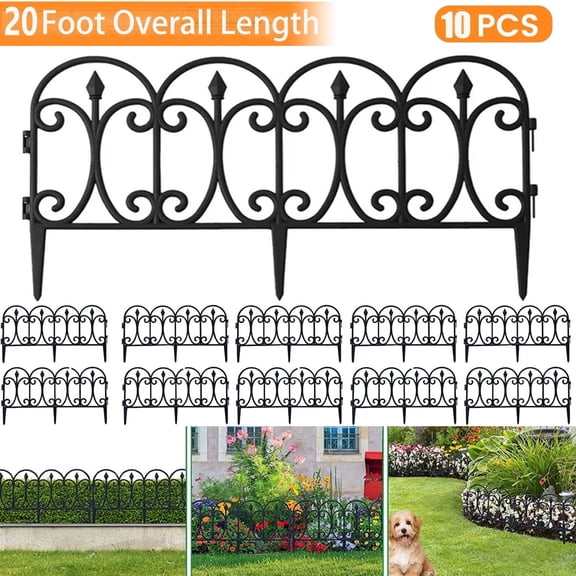
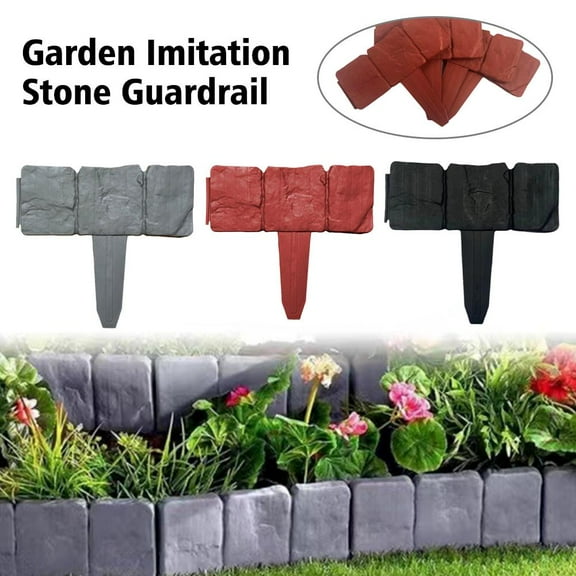
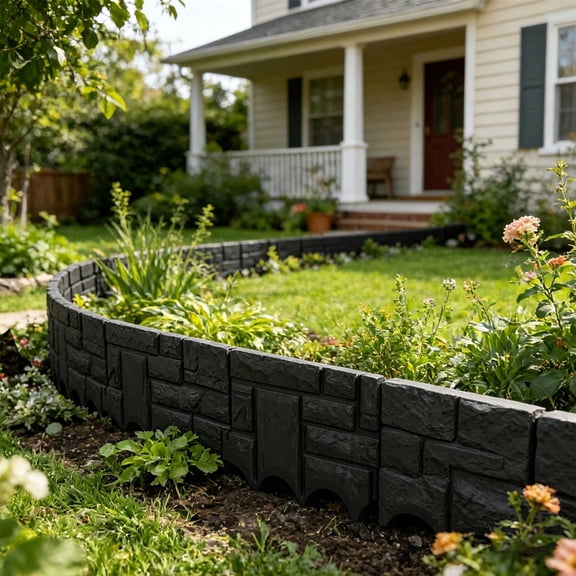
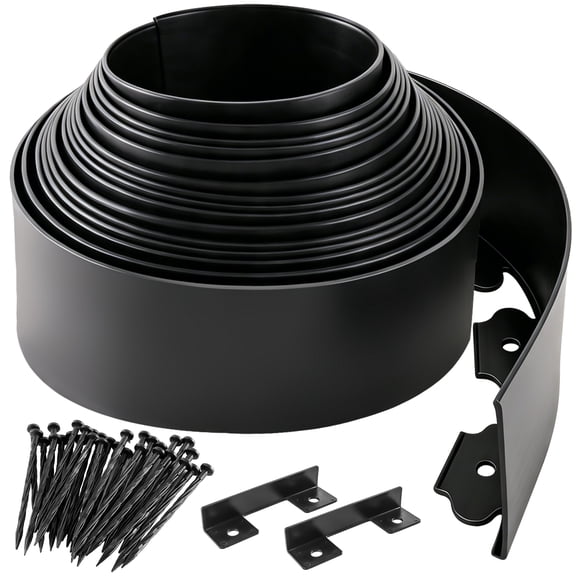
Plastic landscape edging gives your beds a clean line that stays put through watering and mowing. At Walmart, you’ll find flexible rolls and rigid sections that contour easily.
Use plastic garden edging to separate mulch from grass and keep rock paths from drifting. Many options stake in securely, so your border looks intentional all season.
Why plastic landscape edging works for real yards
A crisp edge changes how your whole yard looks from the curb. Plastic edging for landscaping creates a clear boundary that guides mulch, stone, and soil.
It’s also easier on tools than concrete or metal borders. When you trim along a plastic border edging line, you can keep a consistent mowing path.
Most yards shift with rain, freeze, and foot traffic. A well-anchored plastic garden barrier helps your bed line hold its shape longer.
Defines flower beds, tree rings, and walkways with a consistent edge height.
Helps keep mulch and decorative rock in place during storms and sprinklers.
Reduces grass creep into beds when the lip stays above the soil line.
Makes re-mulching faster because your bed edge stays easy to find.
Supports tidy curves and corners without cutting heavy materials.
Key features to compare before you buy
Start with edging height, because it affects containment and visibility. Short profiles sit subtle, while taller garden border edging holds deeper mulch.
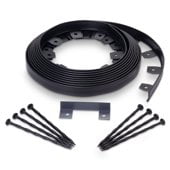
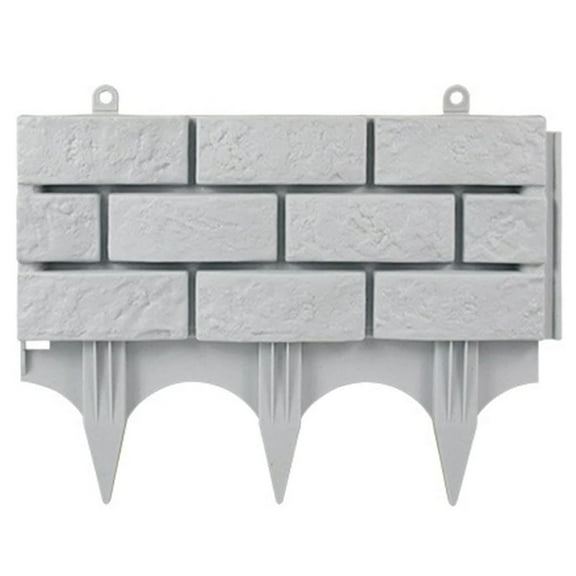
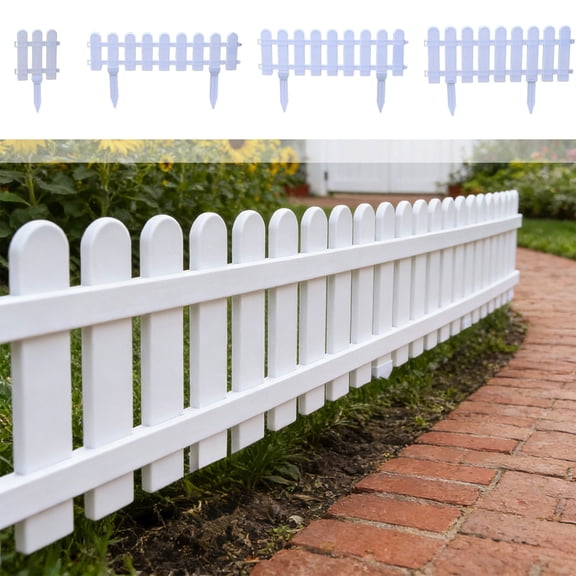
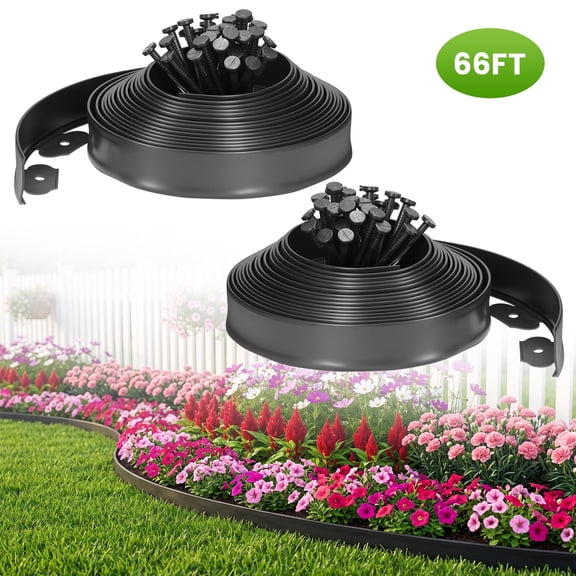
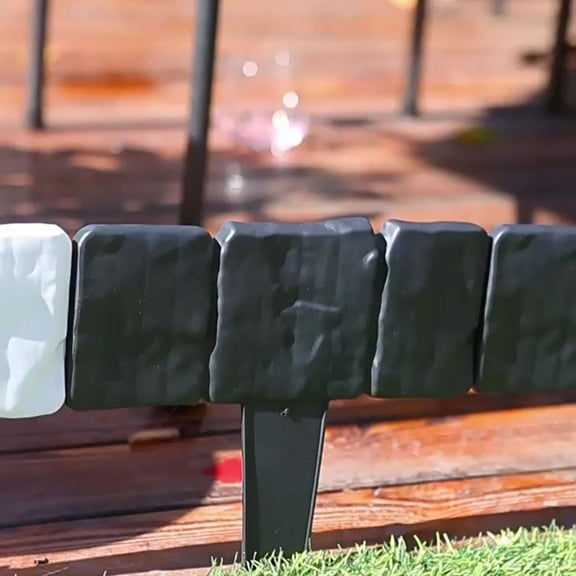
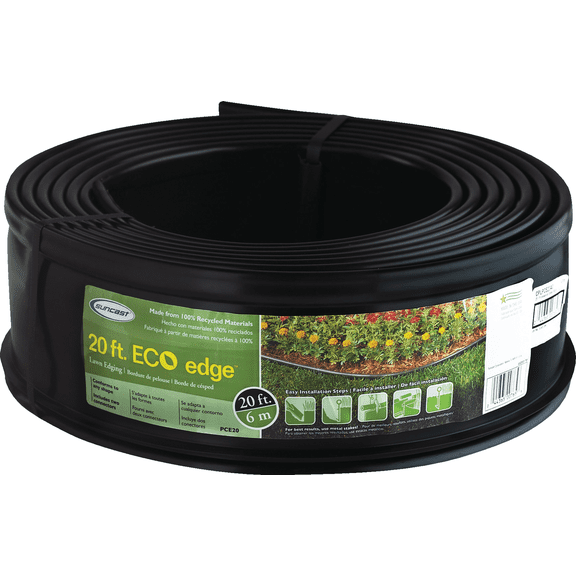
Look at thickness and stiffness, since that controls how well it resists bowing. Rigid sections create straighter lines, while coil rolls bend into smooth arcs.
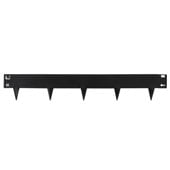
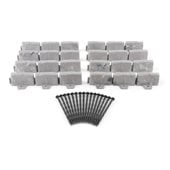
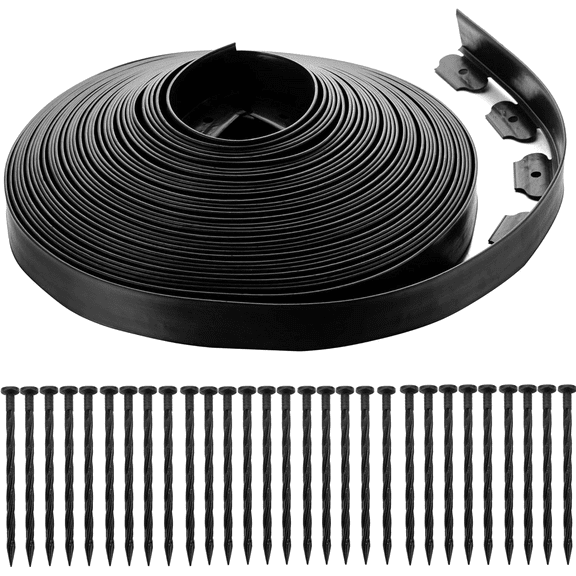
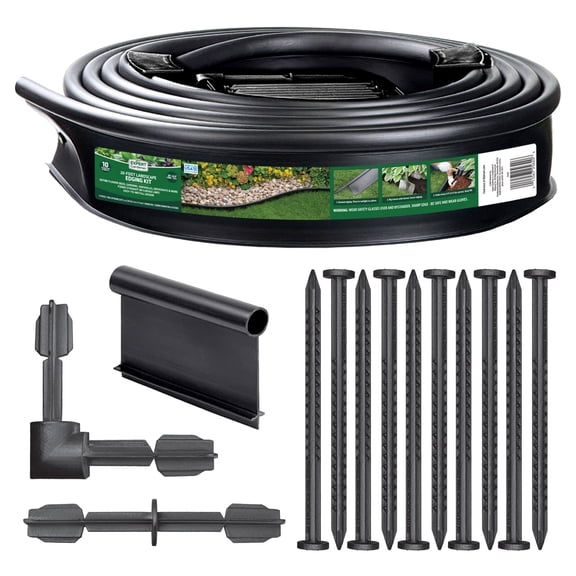
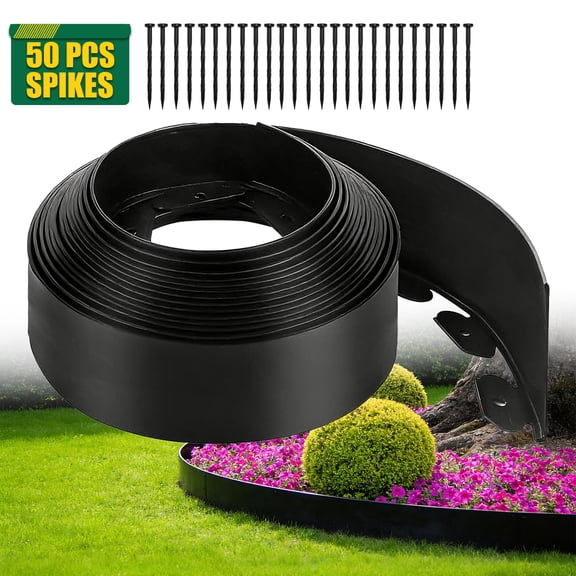
Pay attention to stake style and count for your total run length. Longer spikes grip better in loose soil, and more anchors reduce waves.
Material matters when you want long-term shape retention. Many plastic garden edging options use HDPE, which handles sun exposure and flexing.
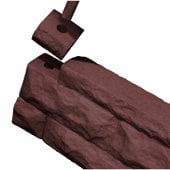
Check how sections connect, because seams affect the finished look. Interlocking ends can hide joints, while overlap connections are easier for quick repairs.
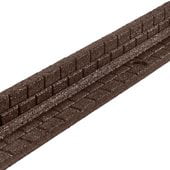
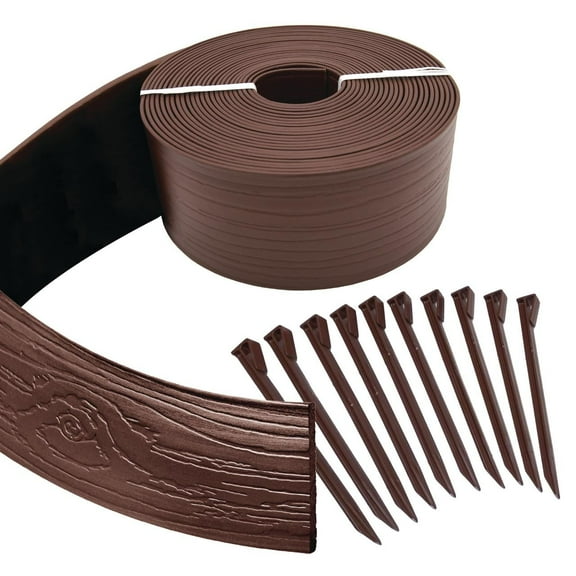
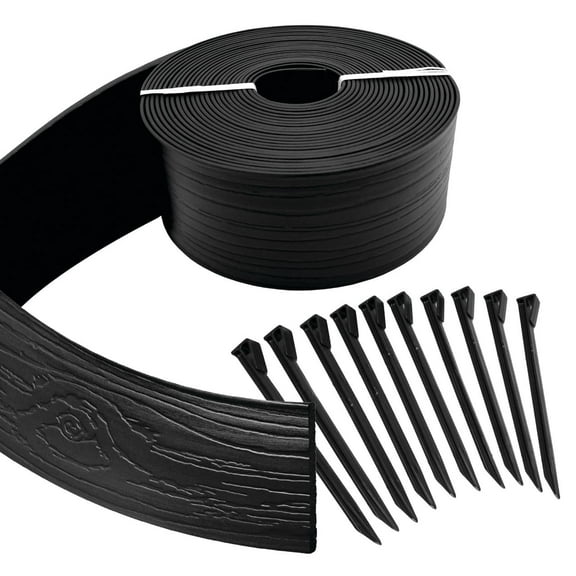
Color choices influence how visible your border stays after mulch settles. Black often blends into soil, while brown can match bark mulch tones.
If you’re edging around irrigation, consider a design that routes around emitters. A slotted or flexible plastic edging for landscaping line helps you avoid pinching tubing.
Easy installation tips for plastic edging for landscaping
A clean trench is the difference between a straight line and a wavy edge. Cut a shallow channel, then set the plastic border edging so it sits level.
In clay soil, pre-wetting the trench can help you seat stakes without cracking. In sandy soil, use more anchors and tamp the backfill firmly.
For curves, warm the roll in the sun before shaping it around beds. That makes plastic landscape edging easier to form without springing back.
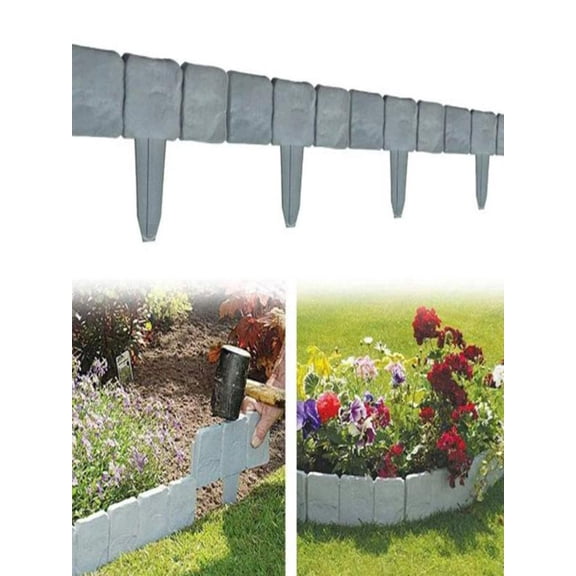
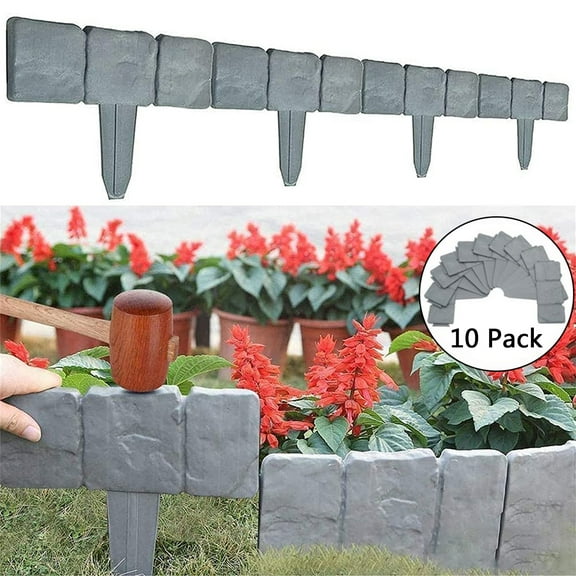
Drive stakes with a rubber mallet to avoid mushroomed heads and splits. Keep the top lip slightly above grade to block creeping grass.
After placement, backfill and compact both sides to lock it in place. Add mulch last, so the line stays visible while you fine-tune spacing.
Where plastic garden edging makes the biggest difference
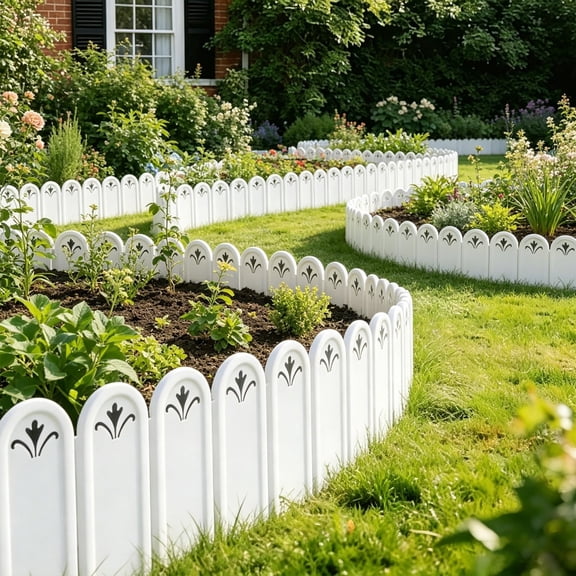
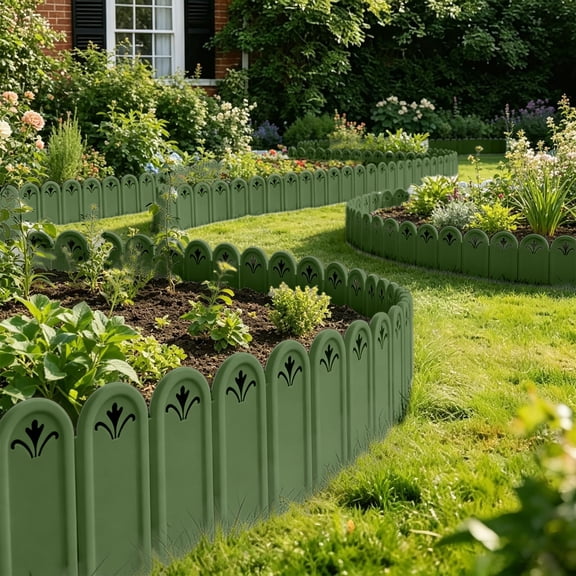
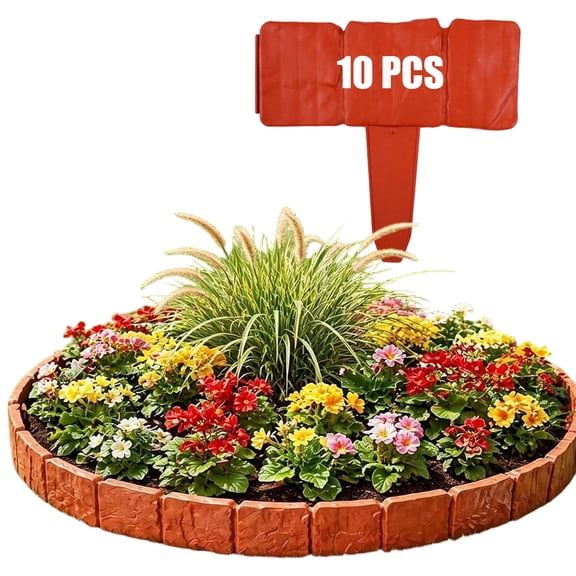
Use it to frame flower beds so blooms look intentional, not scattered. A steady garden border edging line also helps you place plants in neat rows.
For tree rings, plastic landscape edging helps keep mulch off trunks and roots. A defined circle also makes string trimming faster and more controlled.
Along driveways and sidewalks, a plastic garden barrier helps stop gravel creep. It can guide rock back into place after rain runoff.
In vegetable plots, edging can separate soil from paths and stepping stones. That boundary helps keep compost and topsoil from washing into walkways.
Around patios, it can mark a clean transition from lawn to decorative stone. Plastic edging for landscaping also helps you keep pavers free of grass runners.
Finish your border with the right extras
Edging looks sharper when the bed fill is consistent and tidy. Pair plastic garden edging with mulch for moisture control and a uniform surface.
Landscaping rocks can add weight and texture inside the border. Garden tools like edging spades, mallets, and gloves help you get a cleaner install.
If you’re refreshing the whole bed, define the line first and fill second. That order keeps your plastic landscape edging visible and easier to adjust.
Plastic landscape edging you can count on
When your border line stays straight, the whole yard looks more maintained. With the right height and anchors, plastic landscape edging keeps beds defined and cleanup simpler.