


Futsal Ball & Indoor Soccer Balls










About Futsal Ball & Indoor Soccer Balls - Walmart.com
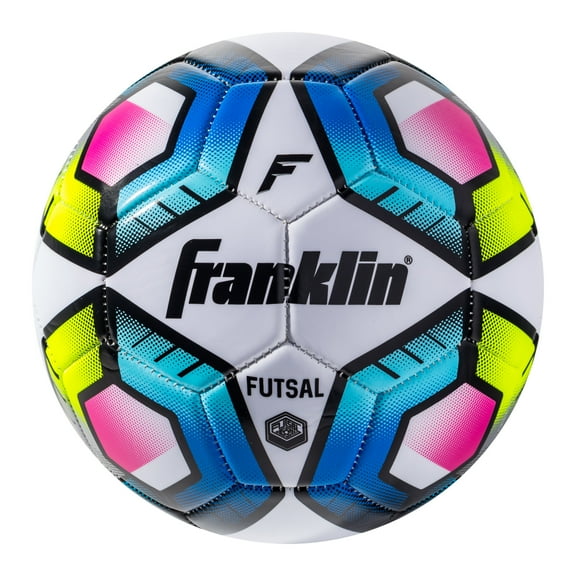
Your futsal ball choice shapes how cleanly you pass, trap, and strike on indoor courts. You can compare size, bounce, shell material, and surface fit here, so your next match feels more controlled.
How to choose the right futsal ball size
You should start with ball size because futsal uses different standards than outdoor soccer. You’ll usually want a size 4 ball for ages 13 and up, since that’s the standard match size.
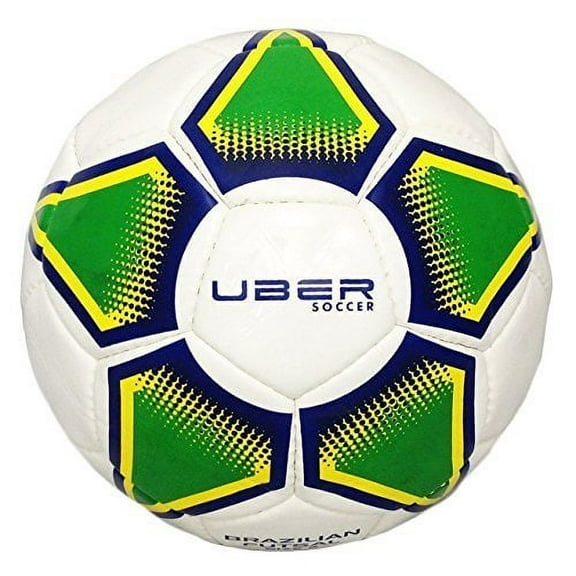
If you’re buying for younger players, you may prefer a size 3 option for junior training. You can use that smaller format to support touch work, quick passing, and age-appropriate control.
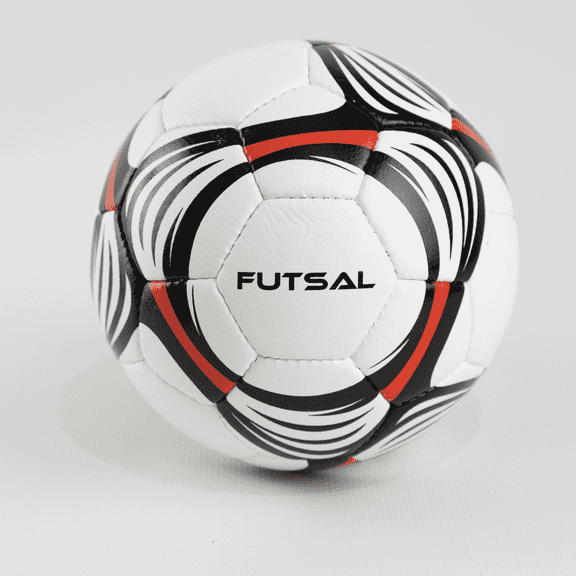
You may also compare a futsal ball with a standard soccer ball before you choose. You’ll notice futsal balls size 4 are smaller and feel more compact during fast indoor play.
Choosing futsal ball bounce and touch
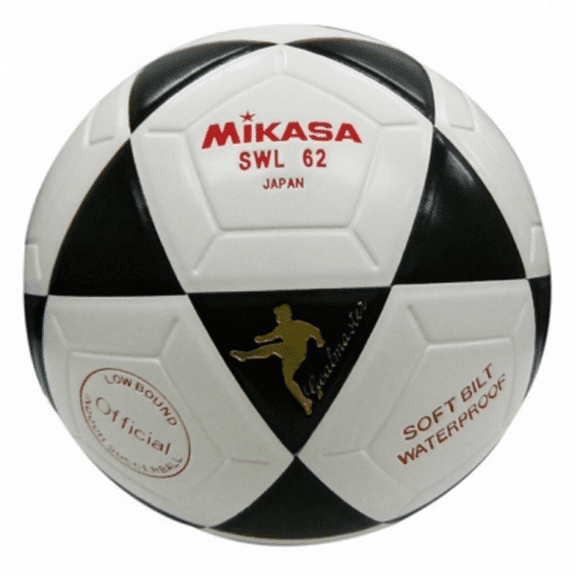
You should pay close attention to bladder type because bounce changes how the game feels. You’ll typically see butyl bladders and stuffed low-bounce bladders across this category.
If you want tighter control, you can look for a stuffed low-bounce bladder. You’ll get a more predictable rebound on hardwood courts, which helps with passing, receiving, and sole control.
You may prefer a butyl bladder when you want steady air retention between sessions. You’ll spend less time re-inflating and more time practicing on gym floors or indoor turf.
You can also use this difference to separate a futsal soccer ball from an outdoor match ball. You’ll notice an indoor futsal ball stays lower after contact, which suits quick court play.
- You’ll get lower bounce that suits indoor passing patterns.
- You can expect tighter control during traps, rolls, and quick touches.
- You’ll find the smaller size supports fast footwork in compact spaces.
- You can match bladder style to training rhythm and court feel.
What to look for in shell material and construction
You should compare outer shell materials because they affect touch and wear over time. You’ll often see TPU, PU leather, and synthetic leather across sala balls and indoor models.
If you want a balanced feel, you can consider TPU for everyday training use. You’ll usually get a smooth touch and dependable structure for repeated passing drills.
You may choose PU leather when you want a softer contact feel on the foot. You’ll often notice cleaner cushioning during first touches and short-range combinations.
If you need broad versatility, you can compare synthetic leather options across the category. You’ll often get a practical blend of touch, shape retention, and regular court use.
You should also check panel finish and seam quality while comparing any futsal ball. You’ll want a ball that keeps its shape through wall passes, toe pokes, and fast rotation.
Matching your futsal ball to the playing surface
You should match surface compatibility to where you play most often. You’ll see options built for hardwood courts, gym floors, concrete, and turf.
If you play indoor league matches, you can focus on hardwood courts and gym floors first. You’ll want an indoor football ball feel that stays controlled during quick stops and sharp turns.
You may need tougher outer materials if you train on concrete. You’ll want to check for abrasion-ready construction, since rough surfaces wear covers faster than sealed courts.
If your sessions move between gym space and turf, you can compare multi-surface options carefully. You’ll get more flexibility when your schedule includes school gyms, rec centers, and indoor turf fields.
Using futsal balls for training and match play
You can use these balls for team practice, technical sessions, and organized indoor matches. You’ll get the intended futsal feel when your drills rely on quick passing and close control.
If you coach older players, you’ll usually want a futsal ball size 4 for standard training. You can use that format for rondos, possession drills, and small-sided court games.
You may choose size 3 models when younger players are learning touch and movement patterns. You’ll make the ball easier to manage during passing lanes, receiving drills, and footwork circuits.
You can also compare a futsal soccer ball for school gyms, church leagues, and rec play. You’ll appreciate the low rebound when your court space is tight and your tempo is fast.
If you’re searching for convenient pickup or delivery, you can narrow by size and surface needs first. You’ll reach the right fit faster when you know your court type and player age.
You should choose with the game’s specific demands in mind, not outdoor habits. You’ll play with steadier control, cleaner passes, and a court-ready feel that matches futsal rules.