


Find auto parts that fit
Let’s search for parts that fit your vehicle.Fuel Wheels and Rims in Shop Wheels and Rims by Brand








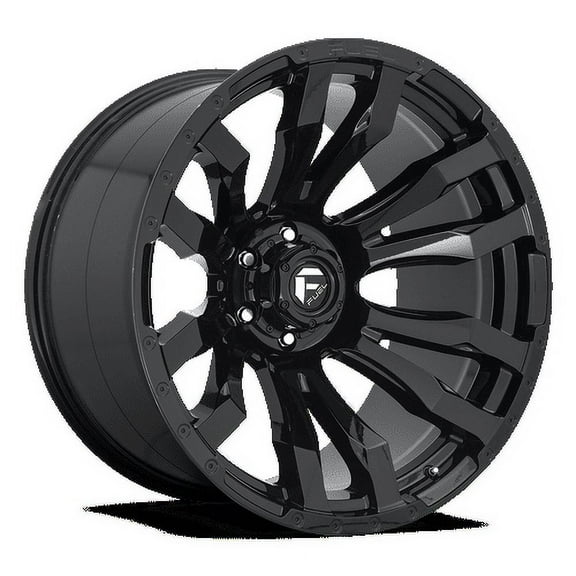
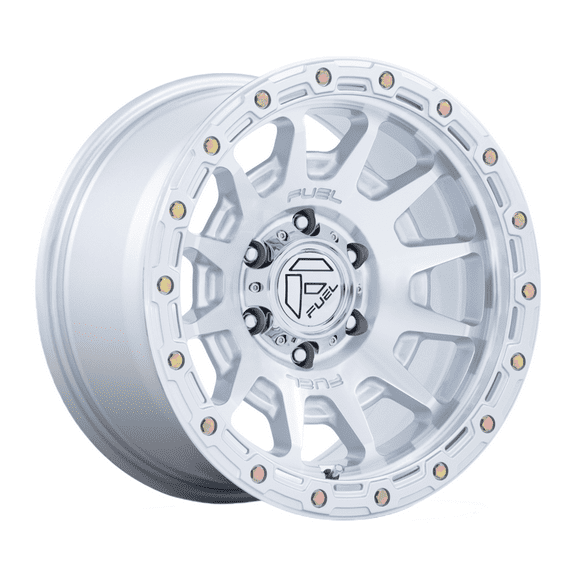
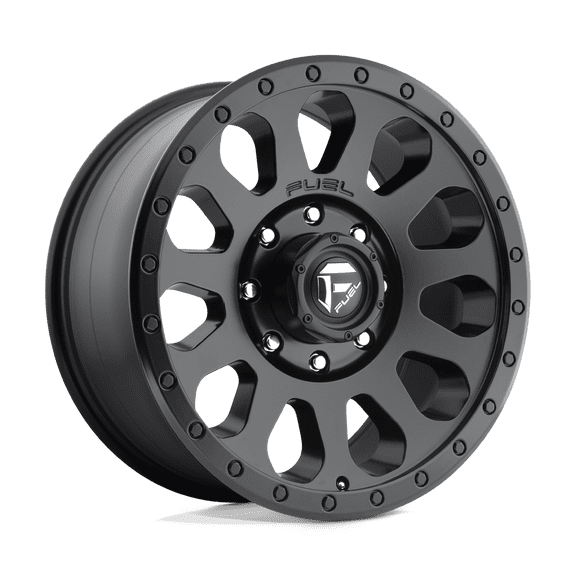
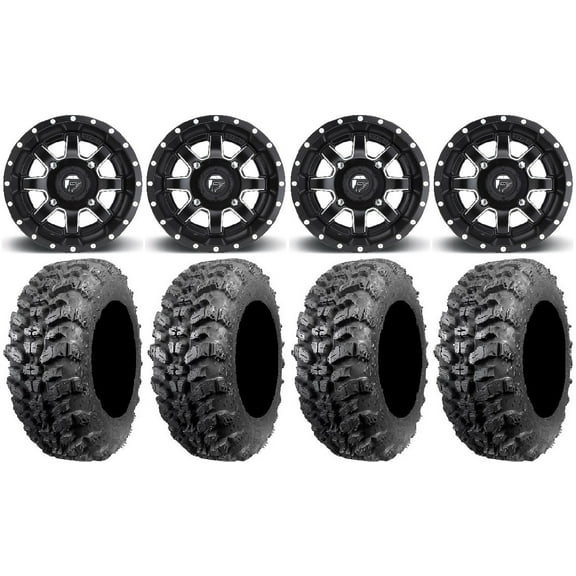
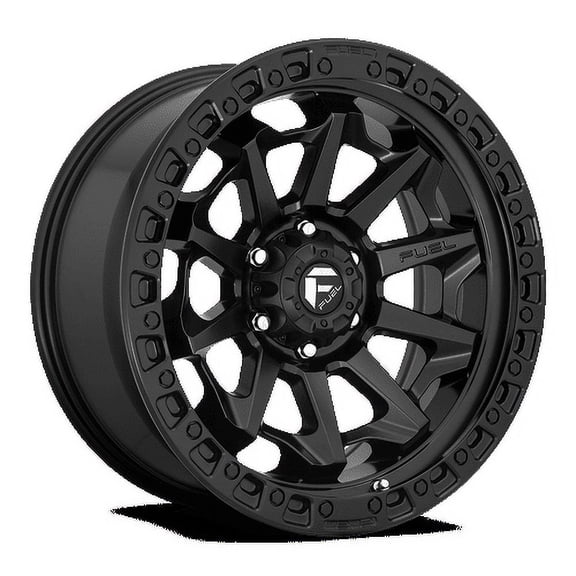
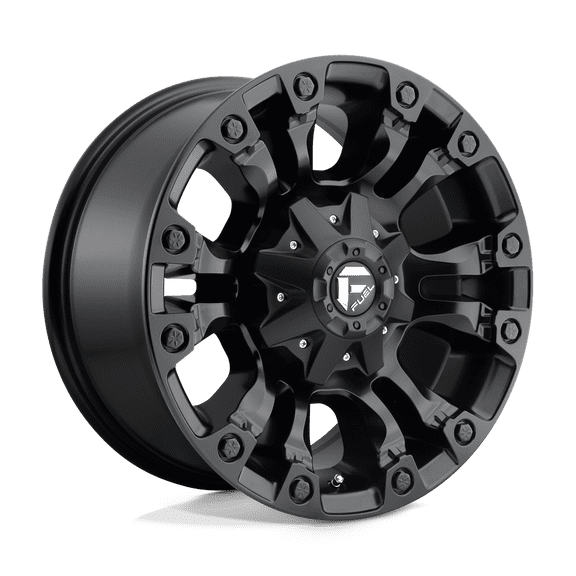
About Fuel Wheels and Rims in Shop Wheels and Rims by Brand - Walmart.com
With the right fuel rim, you can give your truck or SUV a tougher stance and match key fitment details. You’ll also compare bolt pattern, offset, width, and finish choices that matter for daily driving and trail use.
Choosing the right fuel rim for your vehicle
Before you choose a wheel style, you should confirm your vehicle’s bolt pattern, diameter, and load rating. You’ll want those basics first, because appearance alone won’t confirm proper fitment.
When you compare 5-lug, 6-lug, and 8-lug options, you’re matching the wheel to your hub setup. You’ll often see 6-lug and 8-lug patterns on trucks that need a strong, planted look.
Offset and backspacing also shape how your wheels sit inside or outside the fender. If you choose negative offset, you’ll usually get a wider stance and a more aggressive profile.
Width matters too, because your tire pairing changes with 9-inch and 10-inch wheel widths. You should check your tire size range so your setup looks right and fits cleanly.
What to look for in fuel wheels and rims
You’ll notice wheel diameter changes both appearance and driving feel. If you compare 17 inch, 18 inch, 20 inch, and 22 inch sizes, you can balance sidewall height with visual impact.
Smaller diameters usually leave you more tire sidewall for rugged roads and uneven surfaces. Larger diameters often give your truck or SUV a bold custom look with a lower-profile tire.
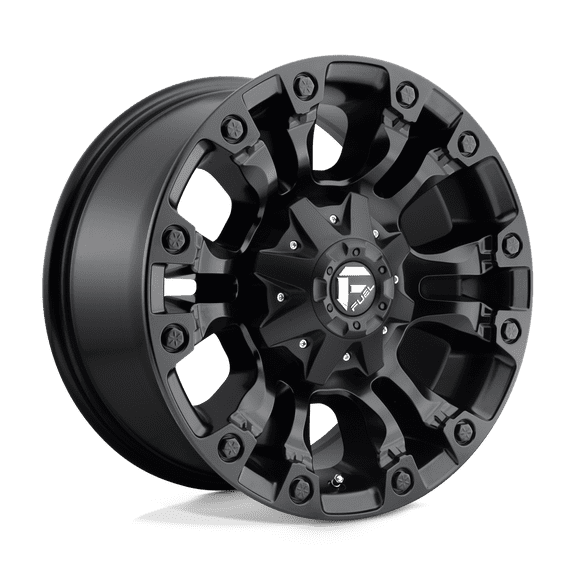
Finish is another practical decision, especially if you drive through mud, rain, or road salt. You should compare matte black, gloss black, chrome, and bronze based on your style and upkeep routine.
- You can use 17 inch or 18 inch wheels when you want more sidewall for trail-ready tire setups.
- You may prefer 20 inch or 22 inch wheels when your build focuses on visual presence and street style.
- You should match 5-lug, 6-lug, or 8-lug patterns to your vehicle before comparing finishes or spoke designs.
- You can choose matte black, gloss black, chrome, or bronze based on the look you want and how often you clean.
Load rating deserves close attention if you drive a heavy truck or tow gear on weekends. You should compare the maximum load capacity per wheel so your setup matches your vehicle’s demands.
Comparing size, offset, and finish choices
If you’re narrowing down fuel wheels, you should think about how each specification changes real-world use. A 20 inch wheel can sharpen your truck’s look, while a 17 inch wheel can leave more cushioning tire sidewall.
When you compare positive offset and negative offset, you’re deciding how far the wheel face sits from the hub. You’ll often use that measurement to fine-tune clearance, stance, and fender appearance.
Backspacing helps you understand inner clearance around suspension parts and brake components. You should review it with offset, because both measurements affect fit on lifted or leveled trucks.
Finish choices also affect how your build comes together visually. If you want a stealthy style, you may lean toward matte black or gloss black instead of chrome.
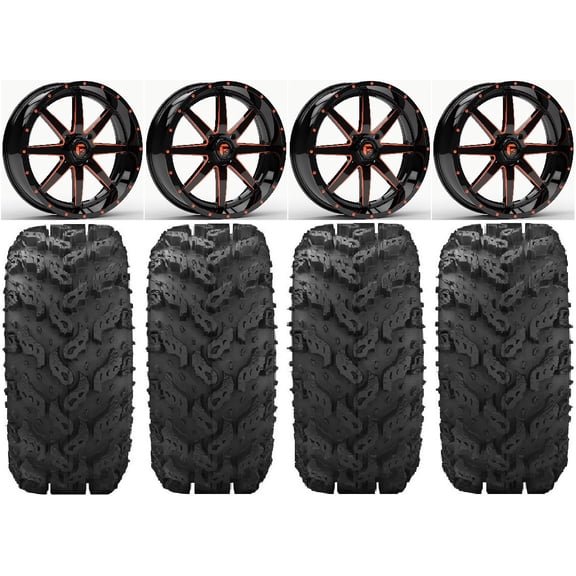
Bronze can add contrast on dark paint colors and stand out on off-road builds. Chrome can create a bright, reflective look that pairs well with polished trim and clean street setups.
Fuel wheels near me options and fitment planning
If you search for fuel wheels near me, you’re usually trying to confirm availability, delivery speed, and pickup convenience. You can use Walmart.com to compare options while checking the fitment details that matter first.
That same local-intent search often means you want fuel rims near me for a specific truck project. You should start with your vehicle year, make, and model so diameter and bolt pattern choices make sense.
If you drive a Silverado, you’ll want to verify the exact lug pattern and wheel specs before choosing a finish. You can then compare whether a black, bronze, or chrome look fits your build theme.
You may want one setup for off-road weekends and another for a clean daily-driver style. In both cases, you should compare wheel diameter, width, offset, and load rating before you commit.
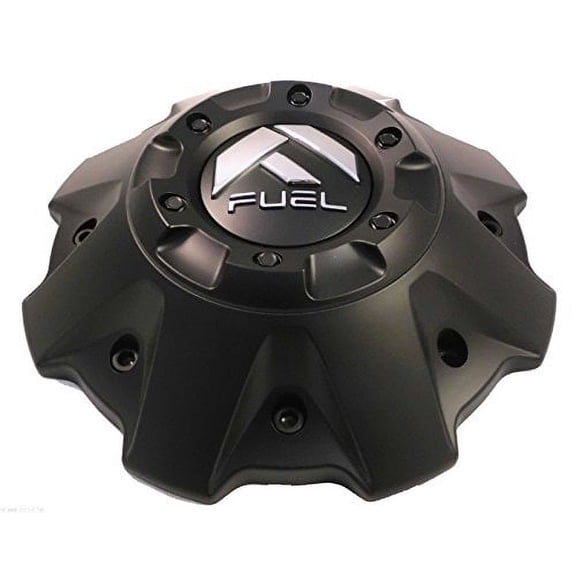
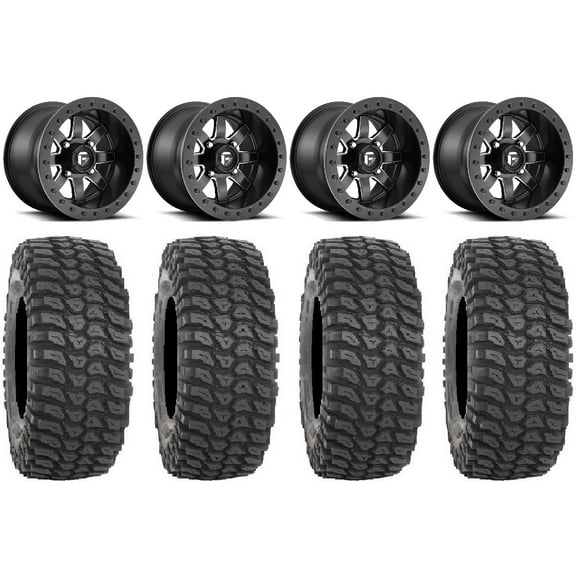
Wheel accessories also matter when you finalize your setup. You can pair your selection with lug nuts, center caps, and matching tires to complete a clean install.
If you’re replacing factory wheels, you should think about brake clearance and overall tire diameter too. Those details help you build a setup that looks intentional and fits your truck or SUV correctly.
How to match fuel rim specs to your driving style
If you spend time on dirt roads or rocky paths, you may prefer a smaller diameter and more tire sidewall. That combination can support a rugged look and a more trail-focused setup.
If your truck stays mostly on paved roads, you may want a larger wheel diameter for stronger visual impact. You can pair that choice with a finish that matches trim, grille accents, or body color.
For lifted trucks, you’ll often compare negative offset and wider wheel sizes for a broader stance. You should still confirm clearance around fenders, suspension parts, and tire width before choosing.
For towing or heavier builds, you should keep load rating near the top of your checklist. That spec helps you narrow choices that suit work trucks, gear hauling, or larger SUV applications.
When your specs line up, your fuel rim choice can support the look you want and the fit you need. You’ll end with a wheel setup that feels tailored to your truck, not guessed.