


Find auto parts that fit
Let’s search for parts that fit your vehicle.Fox Shocks for Auto & Tires Performance

















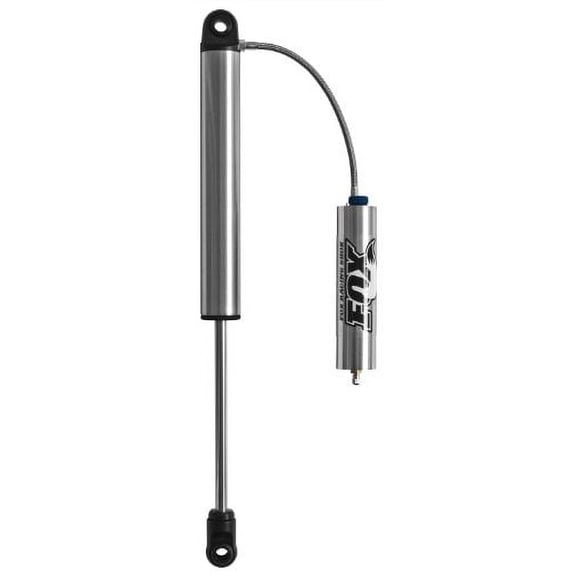
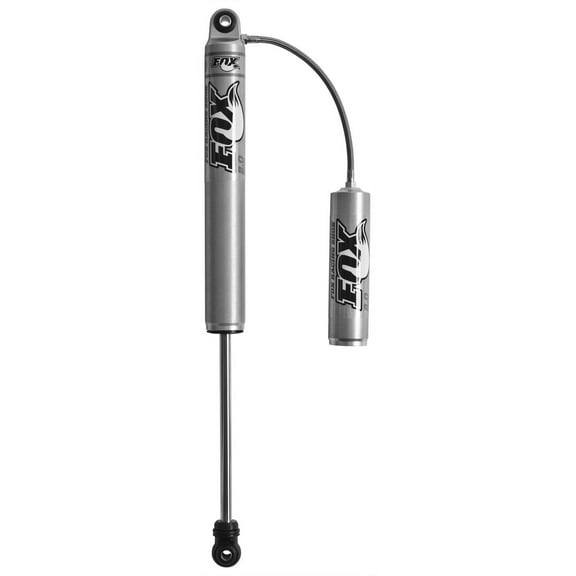
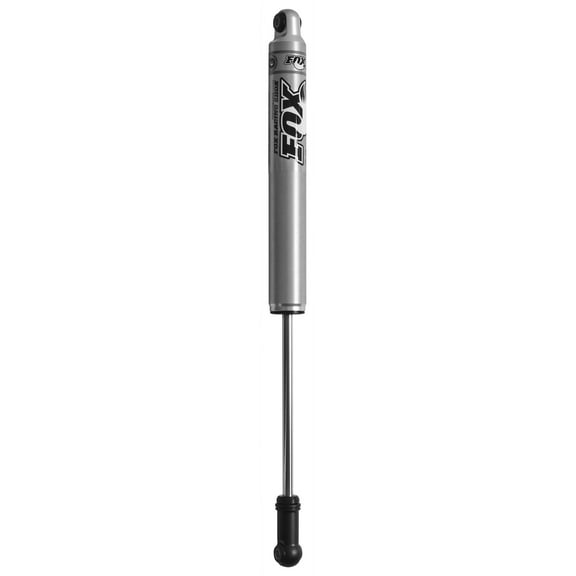
About Fox Shocks for Auto & Tires Performance - Walmart.com
Fox shocks help you match your truck, Jeep, SUV, or off-road vehicle to your terrain and fitment needs. You can compare shock type, position, and series before you choose suspension components for your setup.
If you drive through rocky trails, washboard roads, or uneven pavement, you may want steadier control and clearer steering feel. You can also compare front, rear, and dual positions to match your suspension layout and driving style.
How to choose fox shocks for your vehicle
You should start with vehicle compatibility, because lift height, mounting type, and bolt dimensions all shape fitment. You can check whether your vehicle matches the listed application before you narrow your options.
When you compare front and rear positions, you can match damping where your vehicle needs it. You may also consider dual applications if your setup calls for paired support in demanding terrain.
Your ride goals matter just as much as fitment details when you compare fox suspension components. You can look for firmer off-road control, or you can favor a smoother highway feel for daily driving.
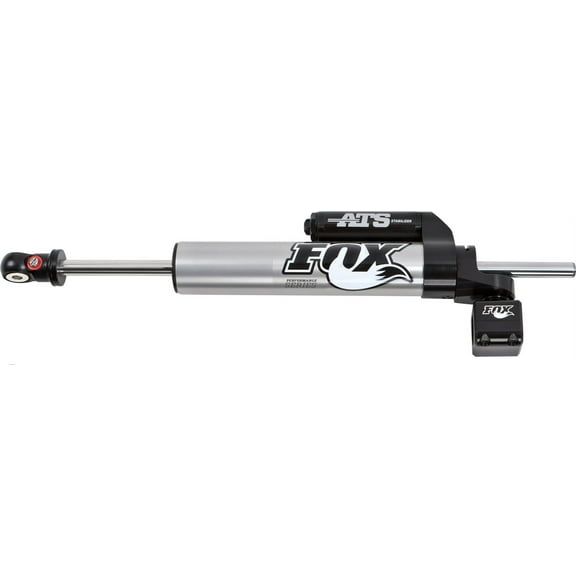
- You can improve steering confidence on rutted trails with a fox steering stabilizer.
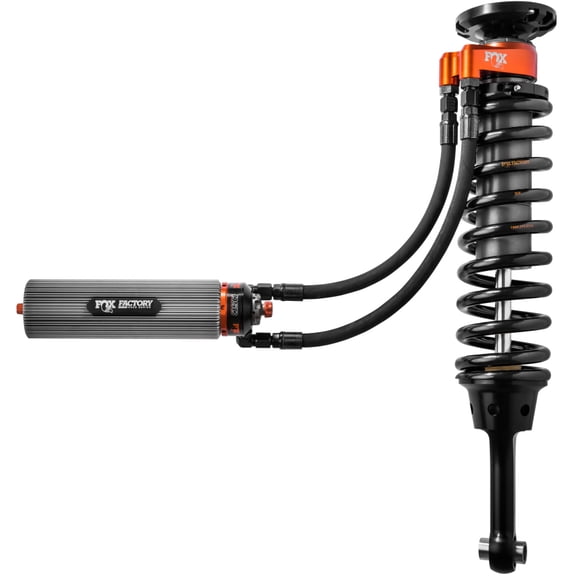
- You can support longer off-road runs by choosing fox reservoir shocks that manage heat more effectively.
- You can match front, rear, or dual positions to your vehicle’s suspension layout.
- You can compare coilover and monotube designs based on ride tuning and installation needs.
Choosing the right fox steering stabilizer
You may want a fox steering stabilizer if your vehicle uses larger tires or sees frequent trail use. You can notice more controlled steering input when your setup matches your axle and mounting requirements.
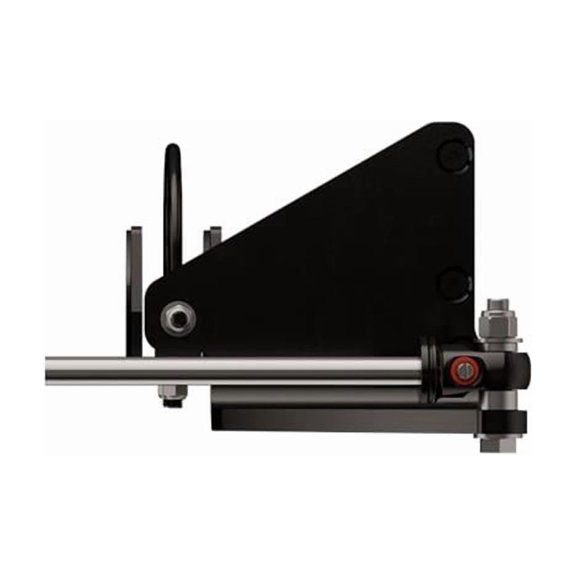
Before you choose one, you should compare bracket style, mounting points, and bolt dimensions with your vehicle. You can also check lift height, because suspension changes may affect stabilizer geometry and installation space.
If you drive a truck or Jeep on uneven ground, you may prefer this shock type for steadier wheel control. You can pair that decision with your tire size and steering setup for a more informed fitment check.
Comparing fox reservoir shocks and monotube shocks
You can choose between reservoir shock and monotube shock designs based on how and where you drive. You may want a simpler setup for mixed driving, or you may need extra heat control for longer off-road sessions.
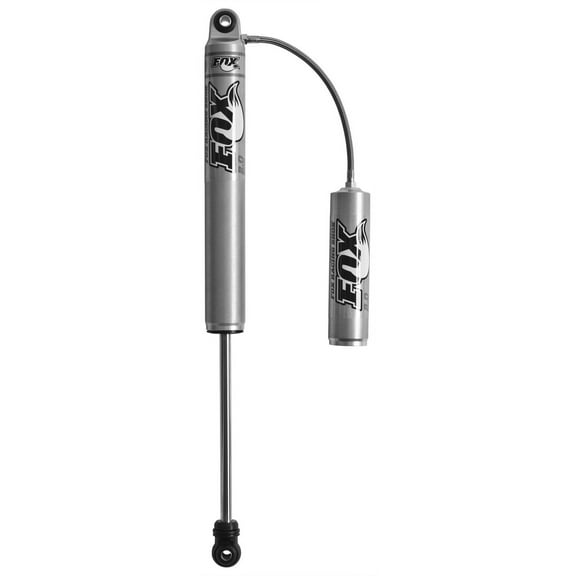
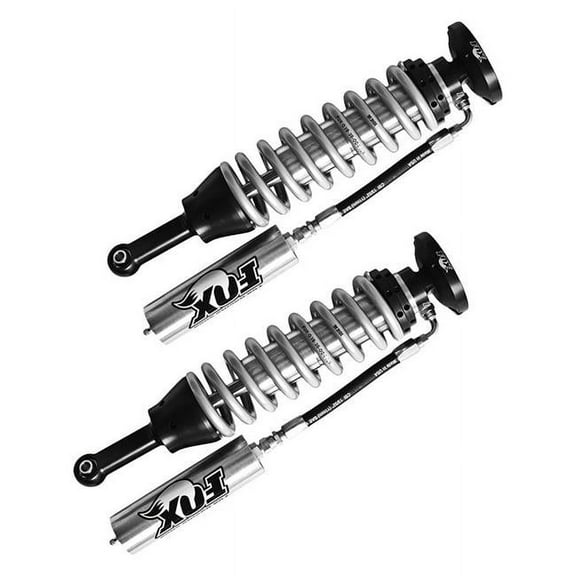
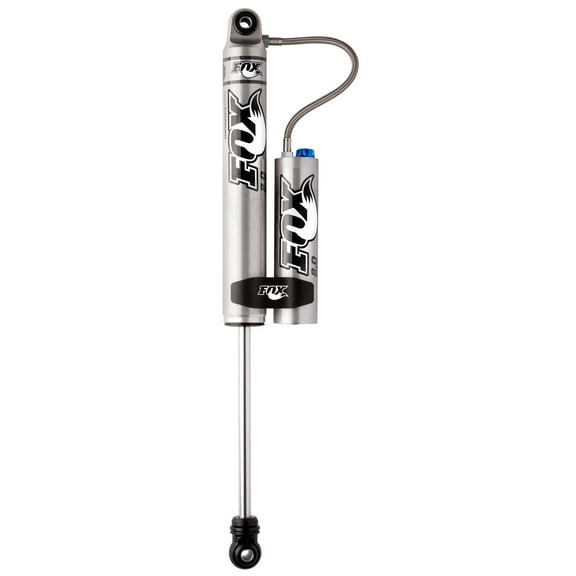
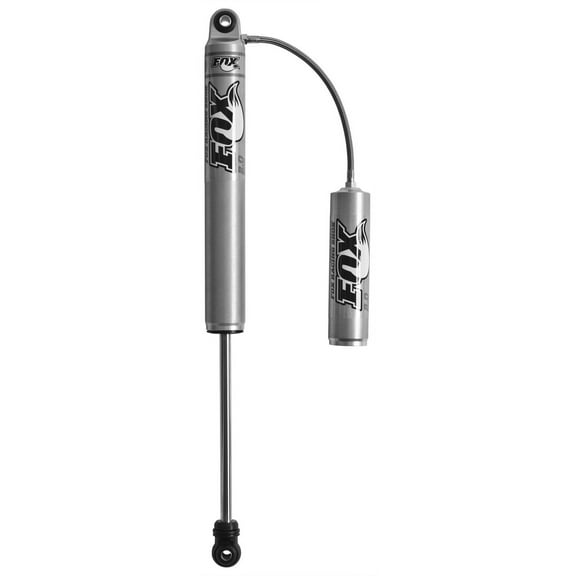
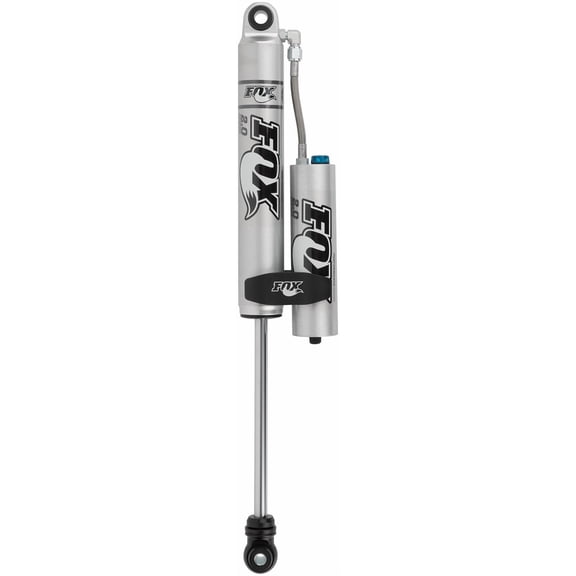
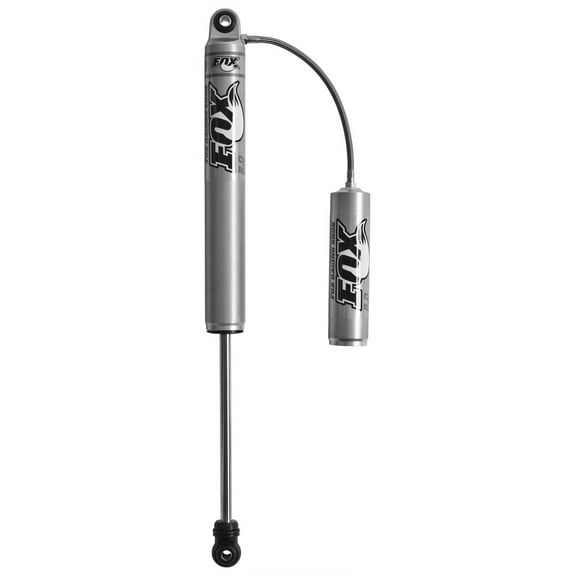
With fox reservoir shocks, you get an external fluid chamber that helps manage heat during repeated compression. You can benefit from more consistent damping when your trails stay rough for extended miles.
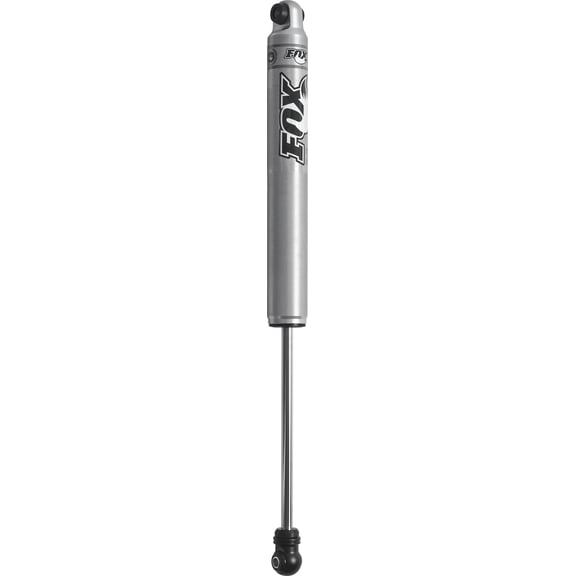
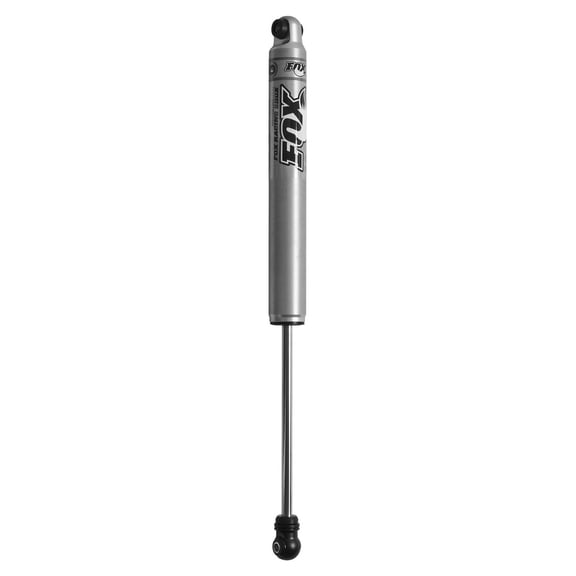
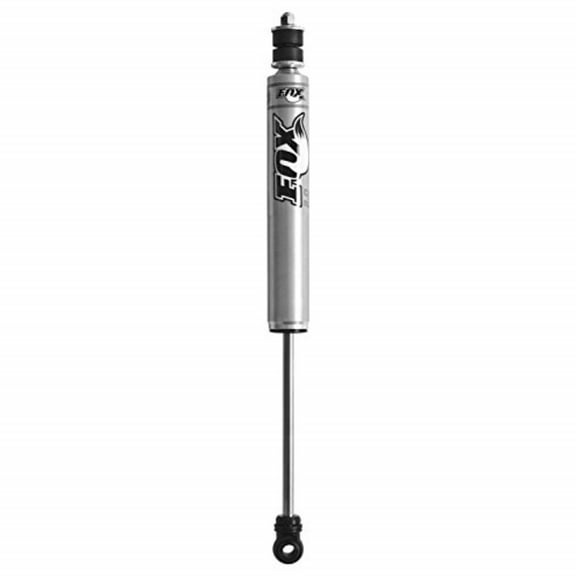
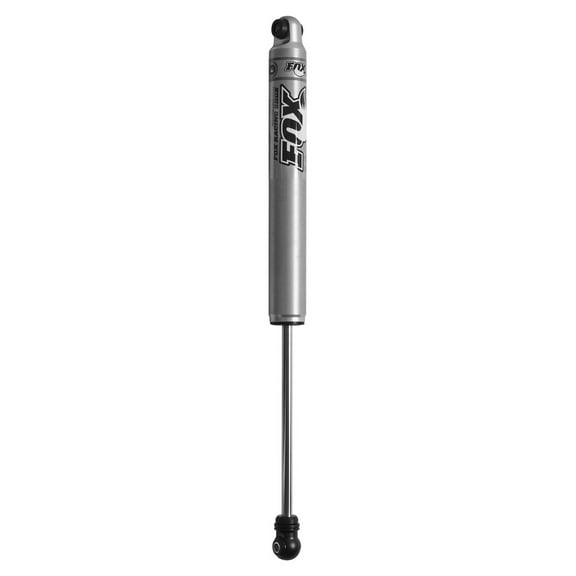
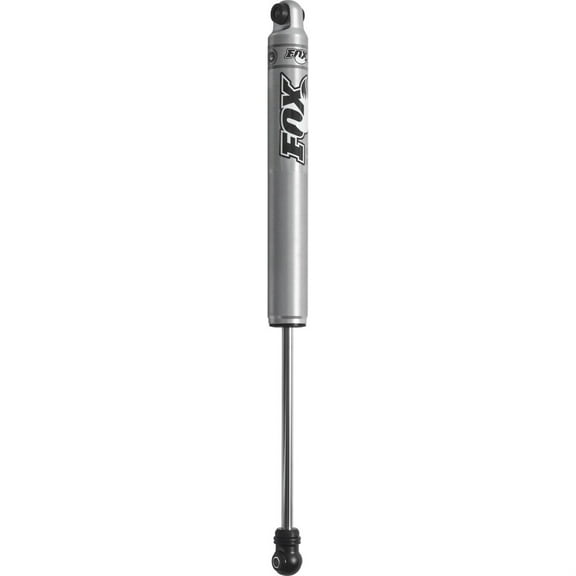
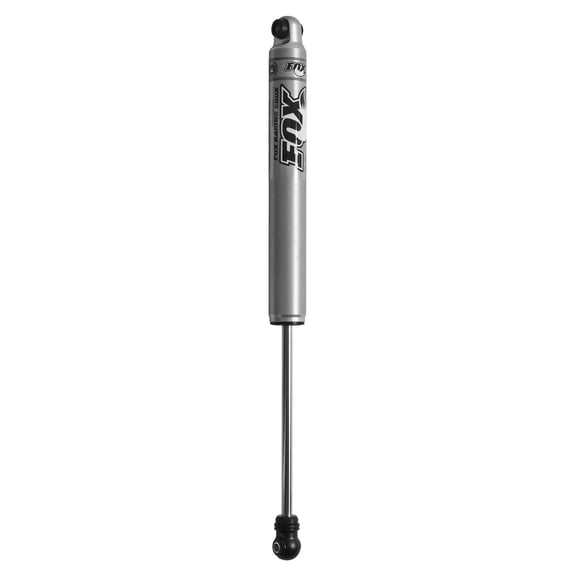
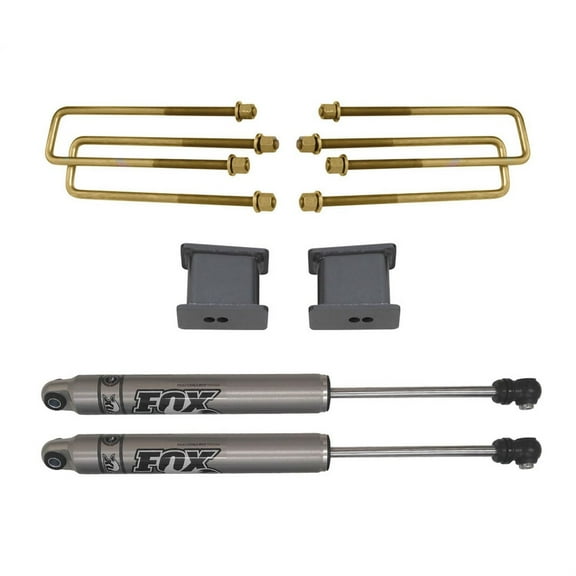
With a monotube shock, you can often keep your setup more straightforward while still getting responsive damping. You may prefer that option if your driving includes commuting, light trails, and occasional hauling.
Your ride preference should guide this choice as much as your terrain. You can lean toward reservoir designs for fade resistance, or you can choose monotube options for a set-it-and-forget-it approach.
Understanding shock types, series, and positions
You can narrow your options faster when you compare steering stabilizer, reservoir shock, monotube shock, and coilover designs side by side. You should think about whether you need steering control, damping support, or suspension tuning in one assembly.
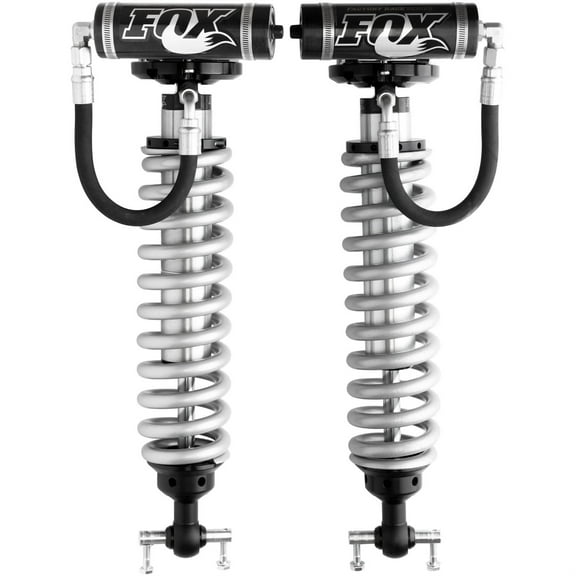
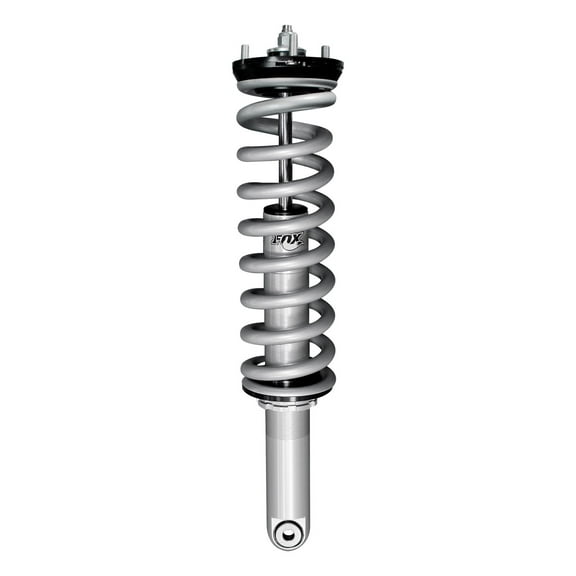
If you’re comparing coilovers, you can look at how spring and shock packaging affects ride height and response. You may also want to confirm clearance around wheels, tires, and suspension components before installation.
When you review series choices like 2.0 Performance Series, 2.5 Factory Race Series, and Performance Elite, you should focus on intended use. You can compare adjustability, damping character, and build approach instead of guessing from the name alone.
Your position choice matters too, because front and rear applications can change how your vehicle feels on pavement and dirt. You can use a matched setup when you want balanced response across the whole suspension system.
Using fox shocks for trucks, Jeeps, SUVs, and off-road vehicles
You can use fox shocks on a work truck that carries gear, to support controlled motion over rough access roads. You may also use them on a weekend trail vehicle when you want steadier damping through repeated bumps.
If your Jeep sees rocky climbs and uneven surfaces, you can compare reservoir options for sustained trail sessions. You should also measure lift height and mounting style before you commit to a specific application.
For an SUV that splits time between pavement and dirt, you may prefer monotube or coilover options with balanced response. You can prioritize everyday comfort, then add adjustability if your load or terrain changes often.
If your off-road vehicle runs long desert sections or heavily corrugated roads, you can focus on heat management and fade resistance. You may also compare dual position setups when your suspension plan calls for broader damping support.
When you tow, haul, or carry extra gear, you can look for manual tuning options that match changing payload needs. You should choose adjustability when your driving conditions vary, and simpler damping when your routine stays consistent.
You can shop with more confidence when you compare fitment, shock type, series, and position before installation. Your final setup can deliver the steering control, damping consistency, and terrain response your vehicle needs.