


Garmin Forerunner in Garmin


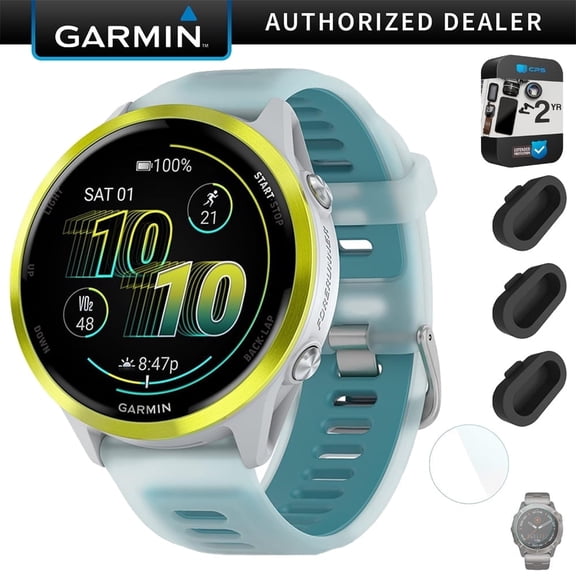
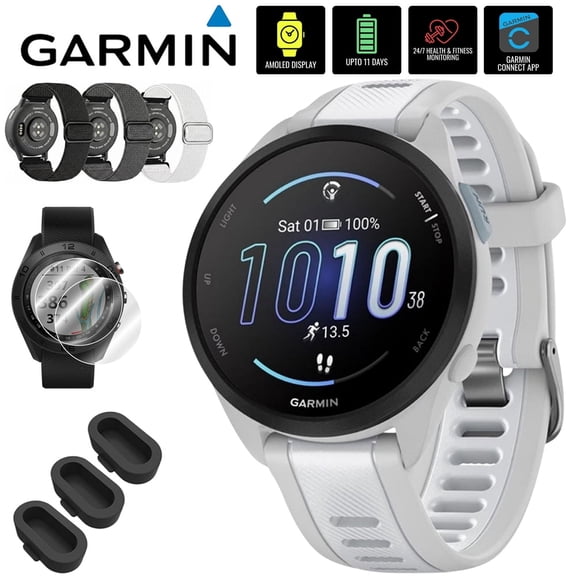


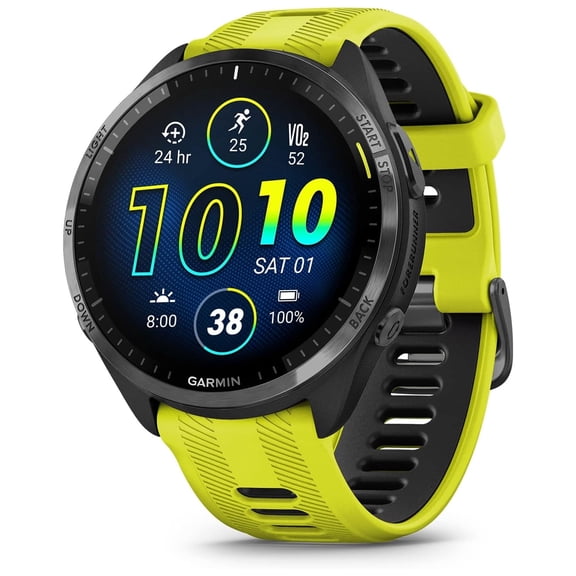


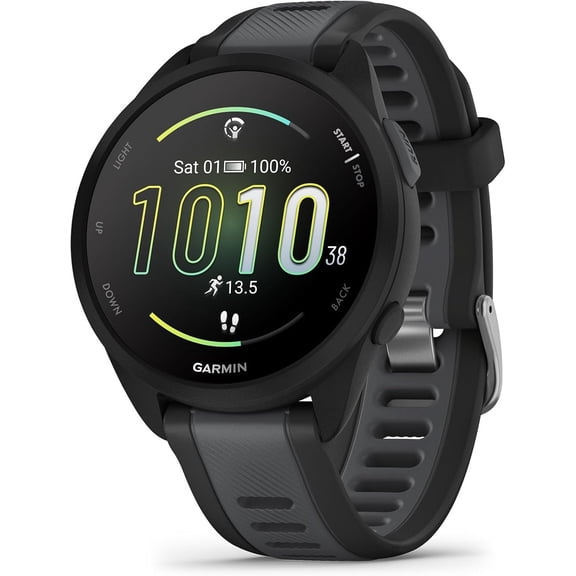



















About Garmin Forerunner in Garmin - Walmart.com
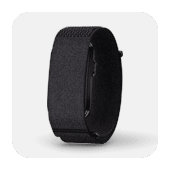
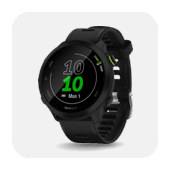
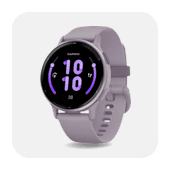
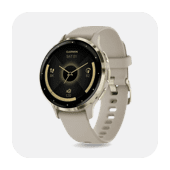
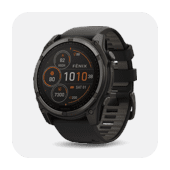
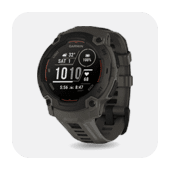
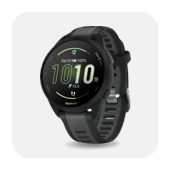
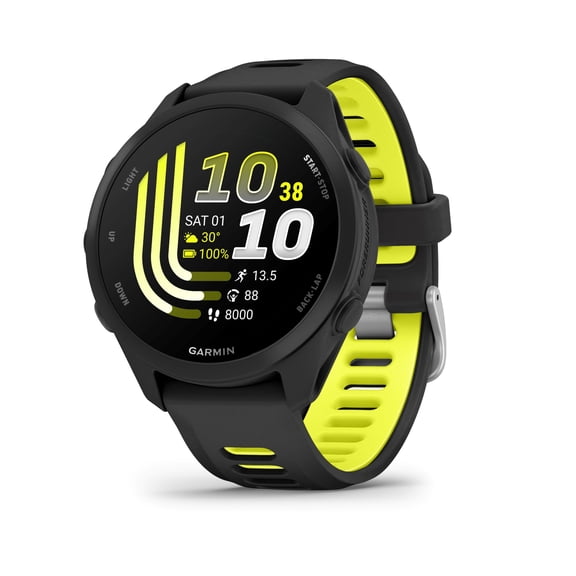
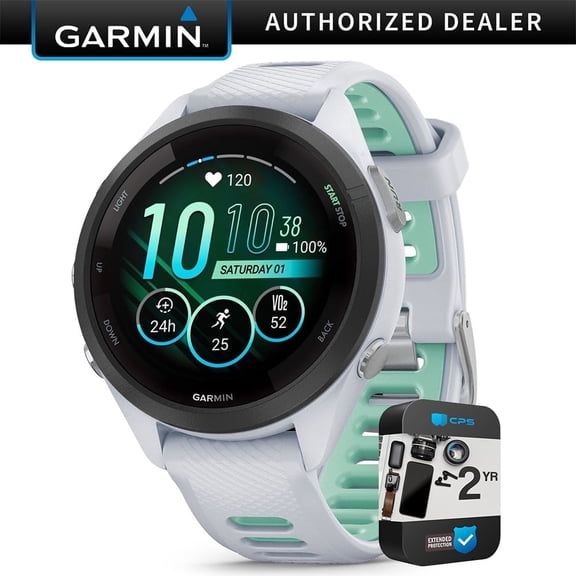
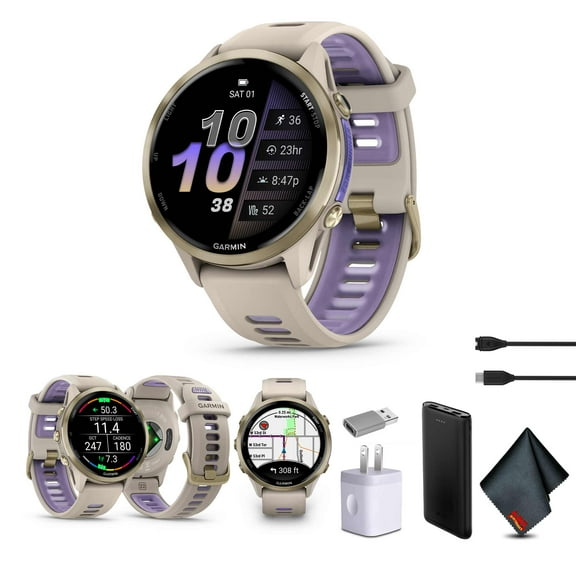
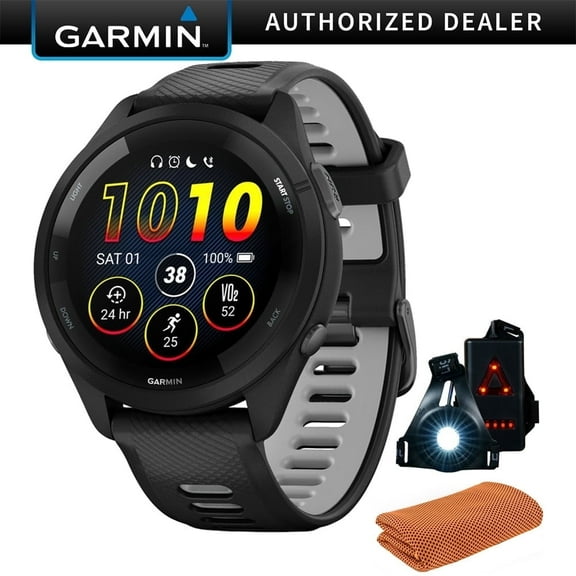
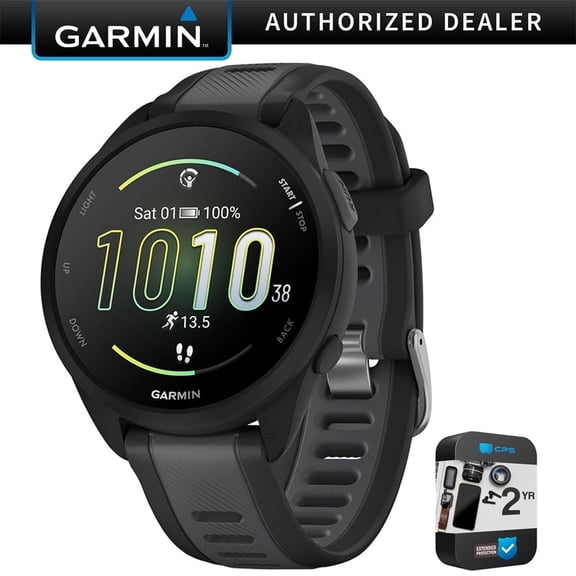
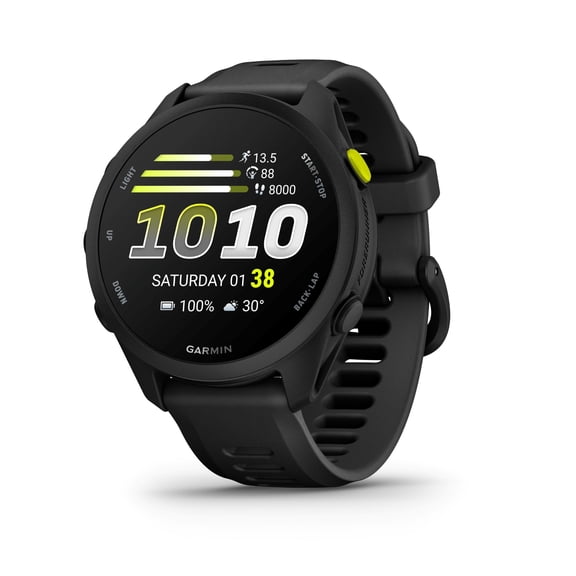
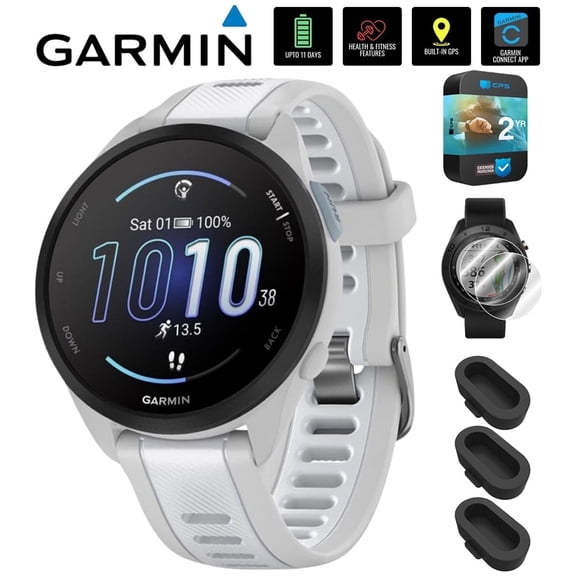
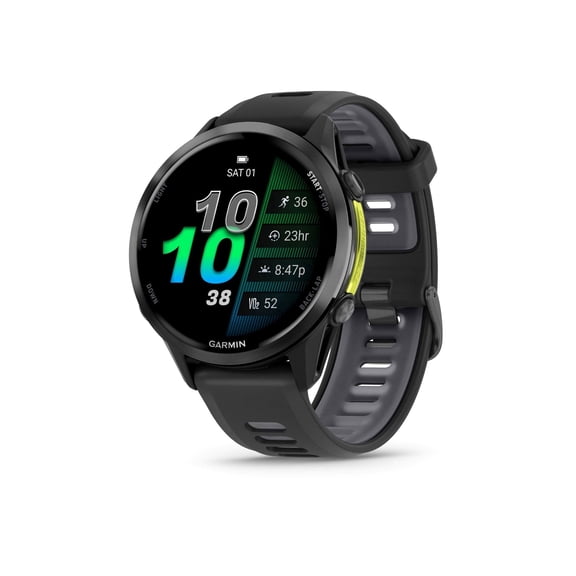
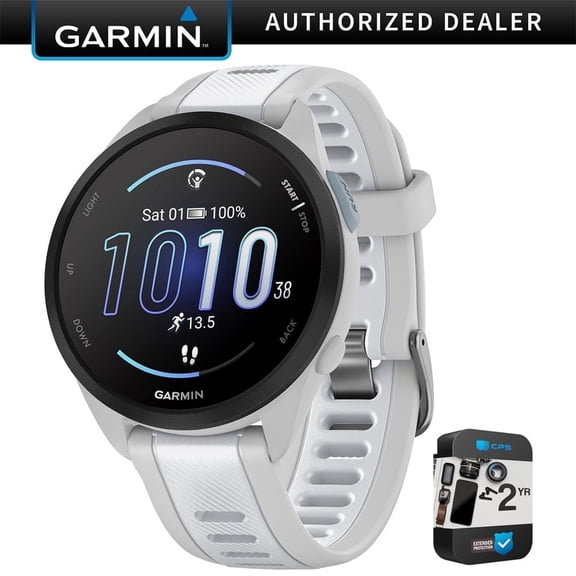
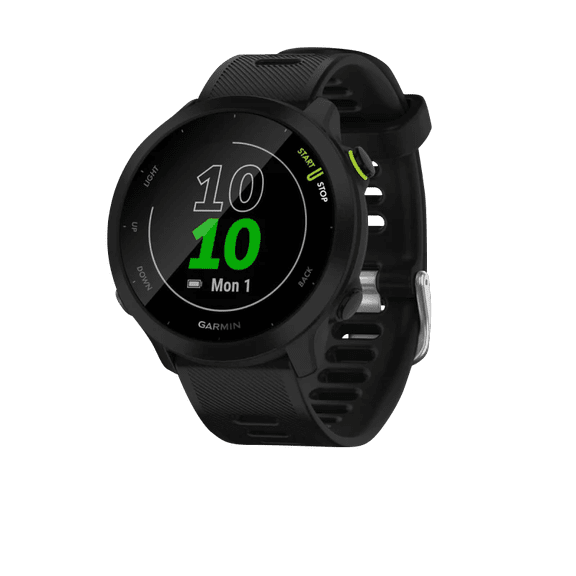
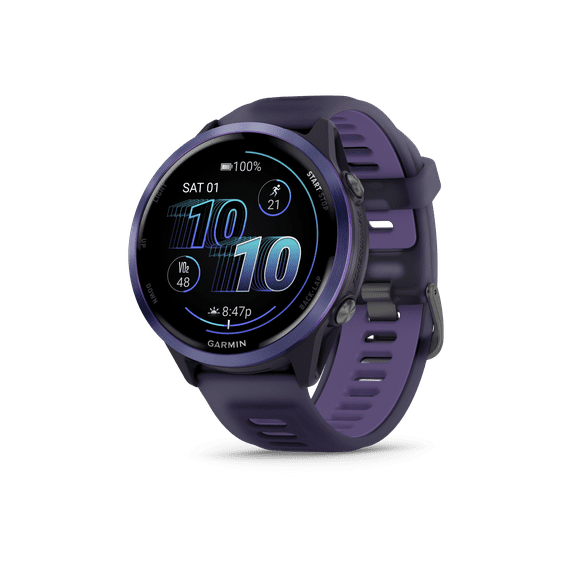
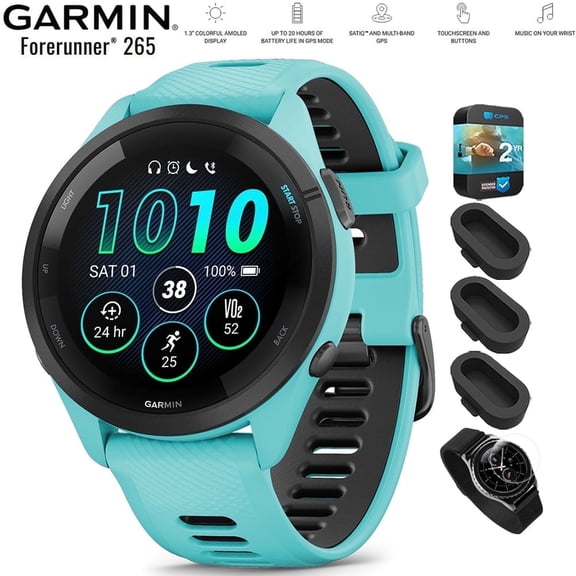
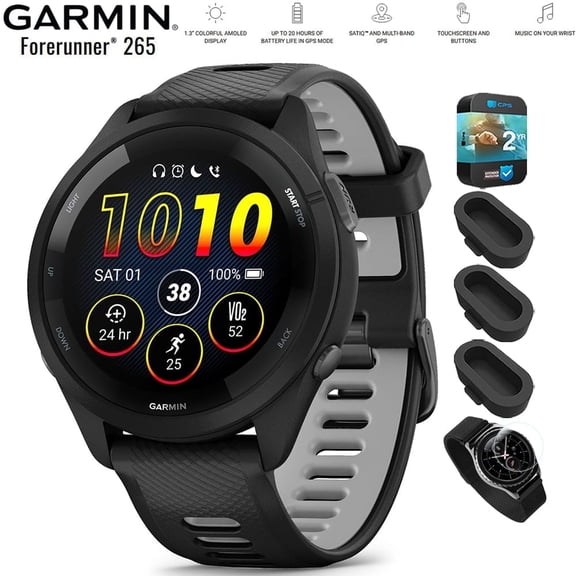
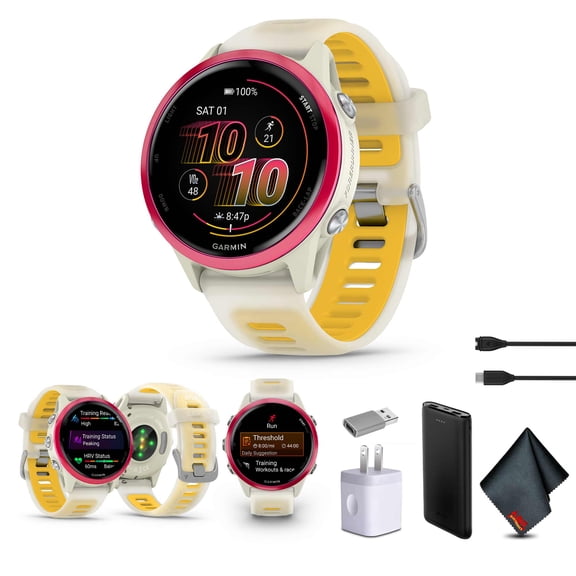
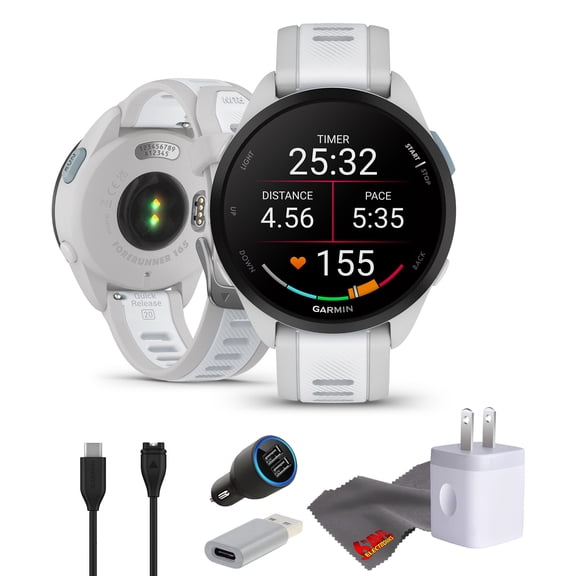
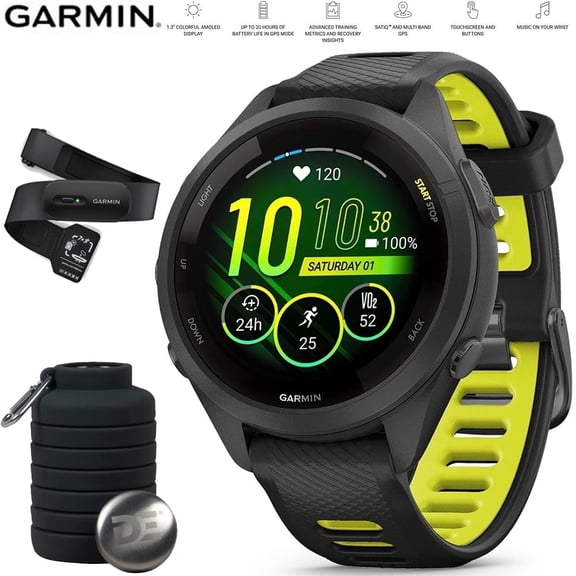
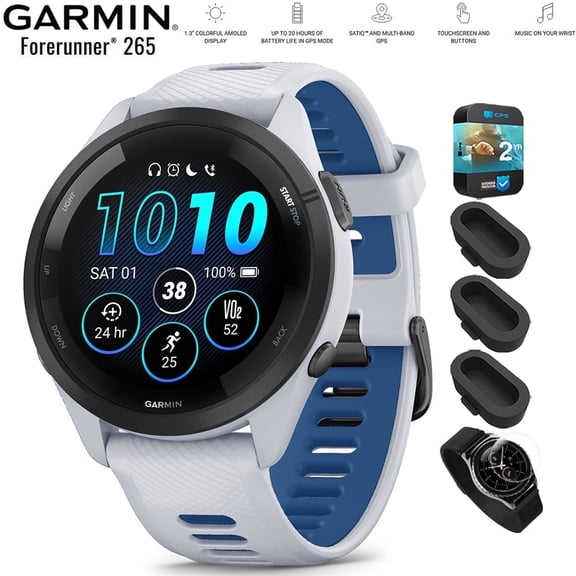
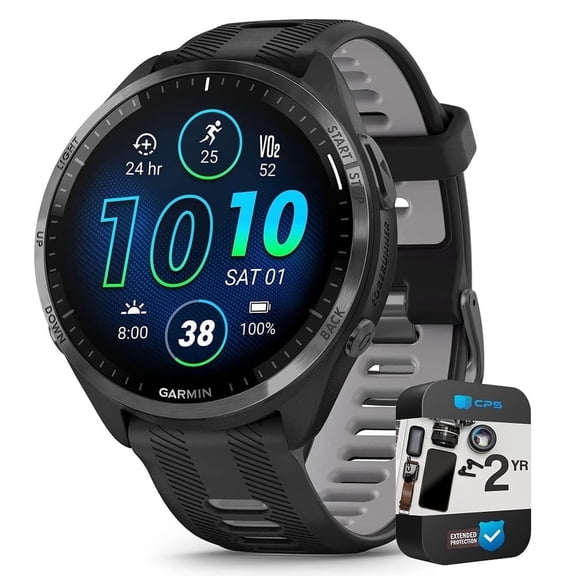
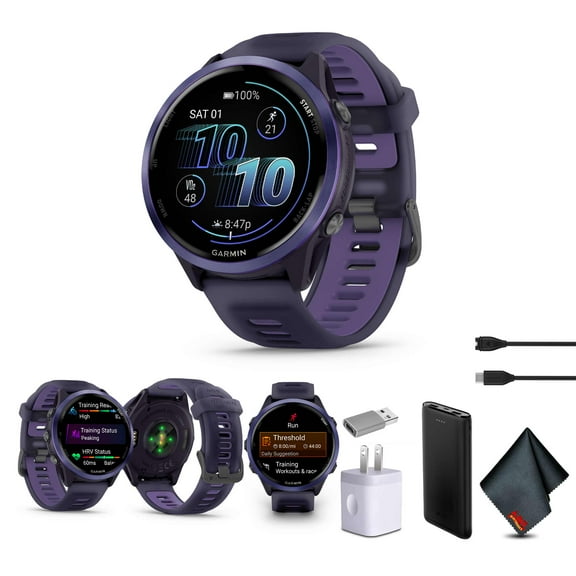
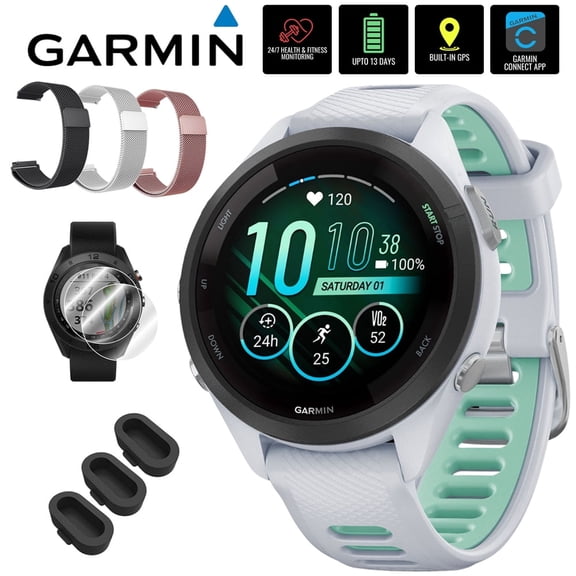
Garmin Forerunner options help you compare running-focused watches with GPS tracking, model-specific training tools, and battery life that fits your weekly routine. You can sort through key differences faster when you focus on model series, display type, connectivity, and wrist fit.
Choosing the right Garmin Forerunner
You should start with model series, because each option suits a different training routine and feature preference. You may prefer Forerunner 55 for straightforward run tracking, while your goals may point toward Forerunner 255, 955, or 965.
If your calendar includes daily miles, you can focus on simple pace, distance, and workout views. If your schedule includes long races or triathlon sessions, you can compare multisport support and navigation tools.
Your comfort matters during every workout, so you should compare case size and any small or standard versions. You can check wrist fit details first if you want lighter wear during long runs.
- You can choose simpler models for daily runs, walk-run sessions, and steady routine tracking.
- You can compare advanced lineups for triathlon tracking, route guidance, and expanded training summaries.
- You should check small and standard sizes if your wrist needs a lighter or more balanced fit.
- You can decide between music and non-music editions based on how often you train without your phone.
How Garmin Forerunner watch features compare
You may notice that display type changes how your watch looks during workouts and daily wear. You can compare AMOLED screens for vivid color views, or MIP displays for a classic training-focused look.
If your runs happen in bright daylight, you may want a screen that stays easy to read outside. If your routine includes maps and detailed visuals, you can compare display styles with that in mind.
Connectivity shapes how you use a Garmin gps watch throughout the week. You should compare GPS, Wi-Fi, Bluetooth, and Music Edition options based on how independent you want your watch to feel.
With built-in GPS, you can track route distance and pace during outdoor runs with clear location data. With Bluetooth or Wi-Fi, you can sync workouts, update software, and move activity history with less friction.
If you choose a music-ready model, you can listen during training without carrying your phone on every run. If you choose a non-music version, you can keep your setup focused on pace, splits, and distance.
Battery life also affects how your watch fits into your training schedule and daily wear habits. You should compare models rated up to 14 days, up to 20 days, or solar charging support.
If you train several times each week, you may want fewer charging breaks between sessions. If your routine includes long outdoor time, you can compare solar charging support on select models.
What to look for in a Garmin running watch
You should match training features to your actual routine, not to the longest feature list. If you mainly log neighborhood miles, you may want easy pace tracking, heart rate data, and guided workouts.
If your plans include race preparation, you can compare training readiness tools, recovery views, and pacing support. If your week includes swimming and biking too, you should check multisport tracking before you decide.
A Garmin smart watch in the Forerunner family can also fit into your day beyond workouts. You can use it for activity tracking, quick alerts, and easy check-ins without changing devices.
You may also care about maps, route help, and data layouts during longer sessions. You should check whether your preferred model supports navigation tools that fit roads, trails, or race pacing.
Because model names can look similar, you should compare Forerunner 55, 255, 955, and 965 in practical terms. You can focus on screen style, battery range, music access, and training depth during that comparison.
Matching Garmin Forerunner models to your routine
If you’re new to run tracking, you may want a model that keeps setup simple and stats easy to read. You can focus on distance, pace, time, and steady progress without extra layers.
If your week includes treadmill runs, outdoor routes, and gym sessions, you should compare battery life and indoor-outdoor tracking flexibility. You may also want Bluetooth syncing that keeps your workout history easy to review.
For half marathon or marathon preparation, you may want longer battery life and detailed pacing support. You can compare Music Edition choices too, especially if you prefer phone-free listening during training runs.
If triathlon training is part of your schedule, you should look closely at multisport tools and broader activity tracking. You may also prefer a larger display if you want several data fields visible at once.
When all-day wear matters, you should compare case size, band feel, and display preference together. You can narrow your choice with a fit that feels comfortable during work hours and training hours.
As you compare Garmin Forerunner models, you can narrow your options by screen type, battery expectations, music access, and training features. You can choose a watch that fits your mileage, your wrist, and your weekly routine with less guesswork.