




Foam Plates in Disposable Tableware


















About Foam Plates in Disposable Tableware - Walmart.com
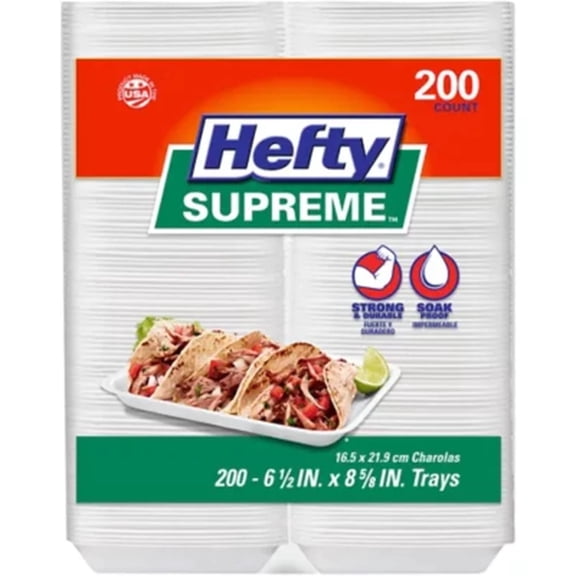
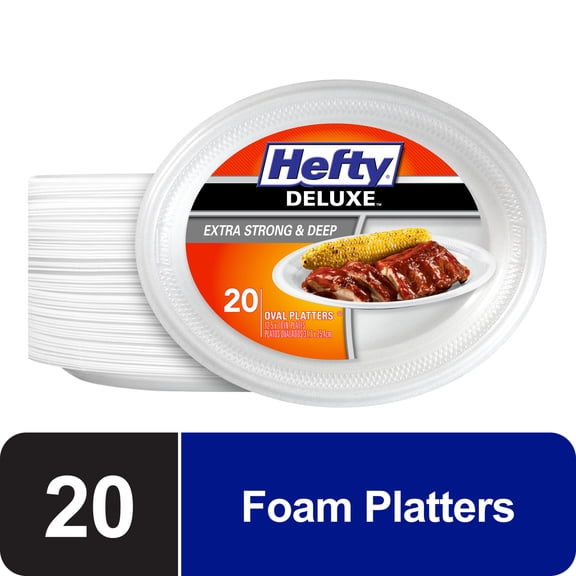
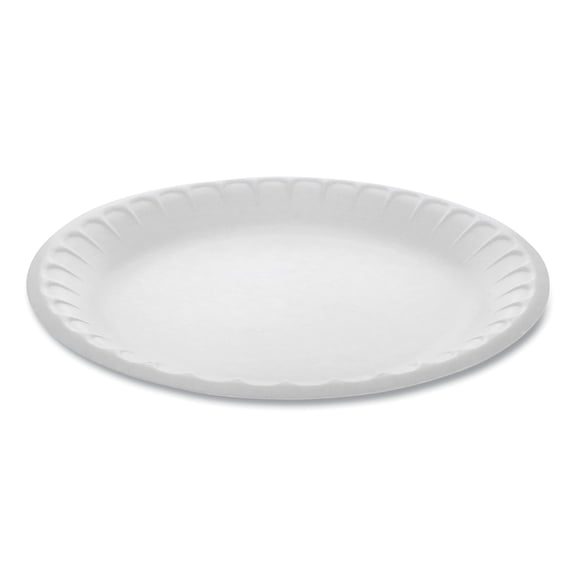
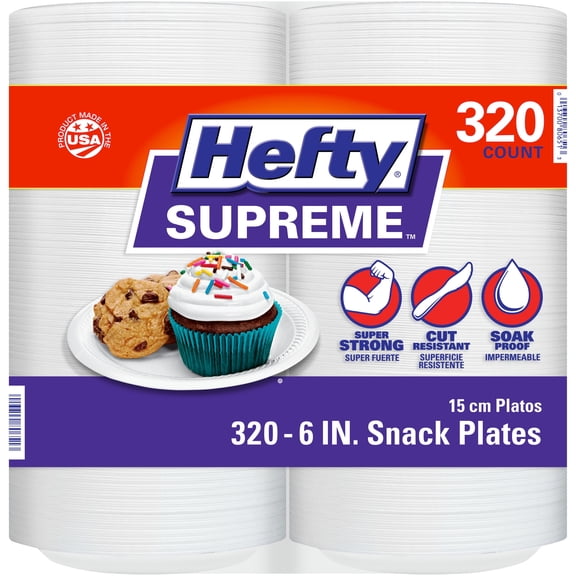
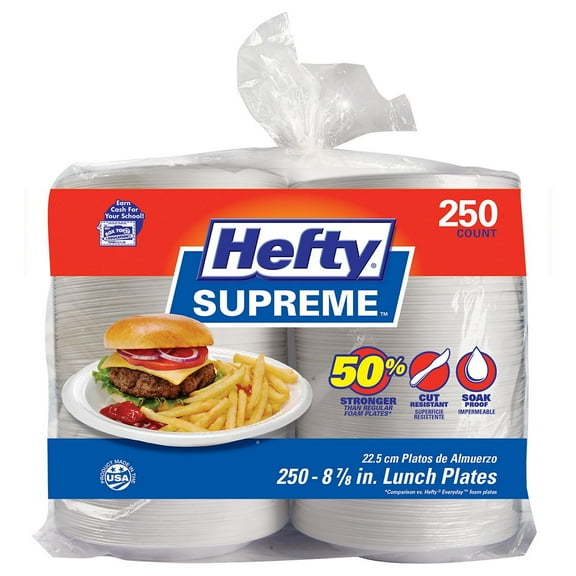
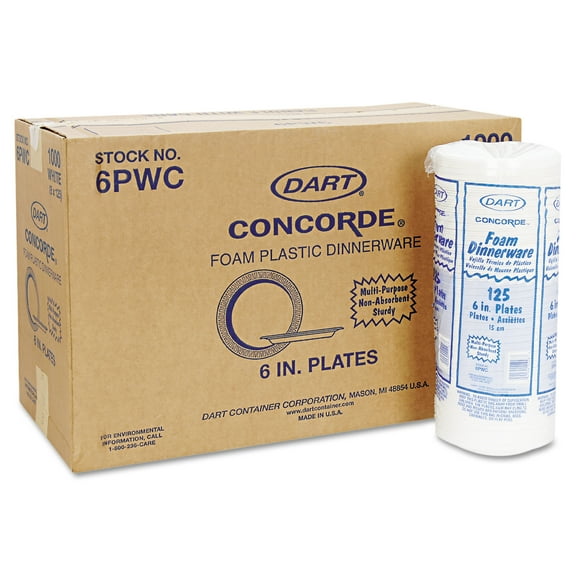
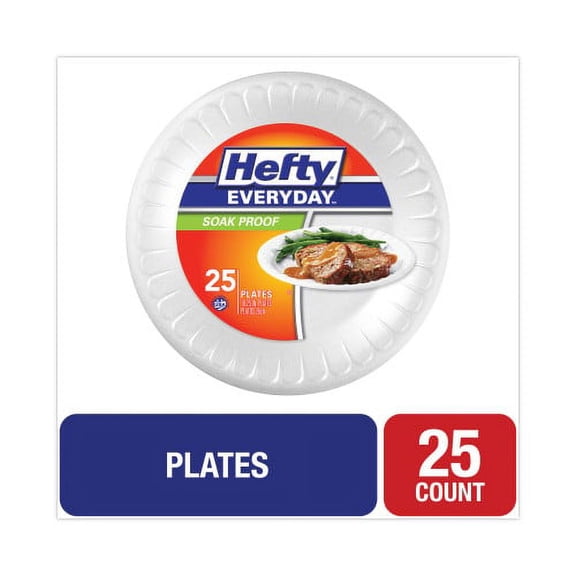
Styrofoam plates help you serve quick meals with less cleanup, and foam plates give you practical options for parties, breakrooms, and takeout setups. You can compare shapes, sizes, compartments, and pack counts to match everyday meals or large events.
If you're planning family dinners, office lunches, or catered service, you need plates that handle hot and cold foods neatly. You can narrow your choice faster when you know how size, shape, and durability affect each serving situation.
How to choose styrofoam plates for your table
When you compare material types, you should look at how each plate supports the foods you serve most often. You may prefer foam or laminated options when your meals include sauces, sides, or heavier portions.
For daily use, you can keep cleanup simple after snacks, lunches, or casual dinners. For larger gatherings, you can use bulk packs to cover guest counts without mixing different plate sizes.
- You can use small foam plates for cake, fruit, appetizers, or quick snacks.
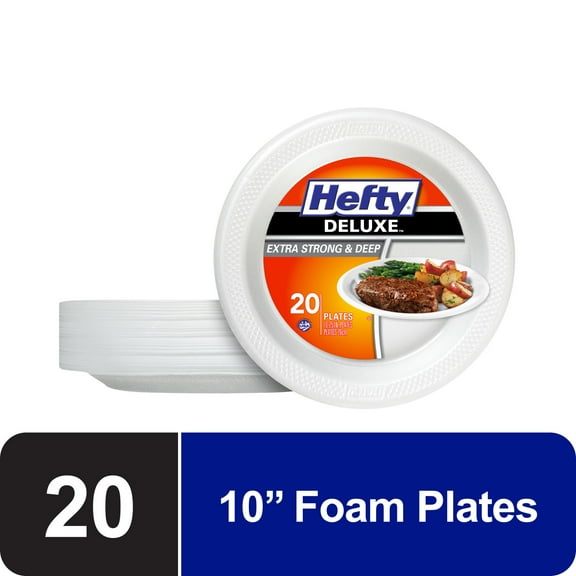
- You can choose 9-inch or 10-inch plates when your meals include entrees and side dishes.
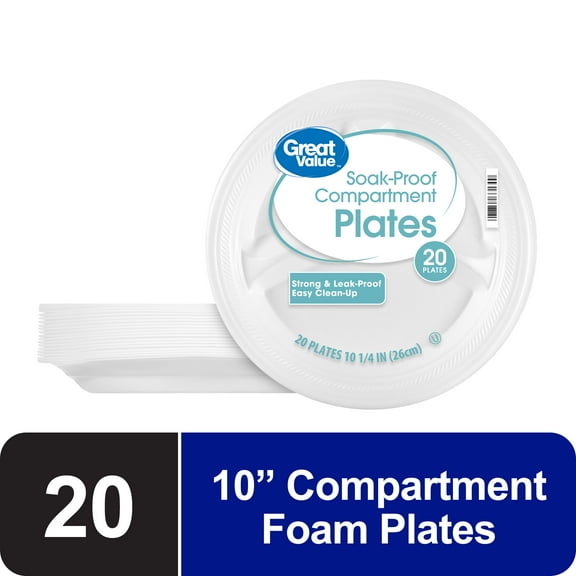
- You can pick divided styles when you want sauces, salads, and hot sides separated.
- You can select round, square, or rectangle foam plates to match your serving style.
Because pack count matters, you should compare quantity with your guest list or weekly household routine. You can avoid extra leftovers or shortages when your count fits the occasion.
Choosing shape, size, and foam plates features
Shape changes how you plate food and how your table setup looks. You can use round plates for familiar place settings, while foam square plates create straighter edges for buffet lines.
If you need room for sandwiches, pastries, or combo meals, rectangle foam plates can give you a longer serving area. You can also stack these shapes differently when you're organizing serving stations.
Size should match what you plan to serve, not just how the plate looks in a package. You can use small styrofoam plates for desserts and samples, while larger plates hold full meals more comfortably.
When you compare 9-inch and 10-inch options, you should think about portion size and side dishes. You can keep meals looking neat when your plate leaves enough space around the food.
Material details also matter when you're serving heavier foods. You may notice laminated foam paper plates feel more suited to foods with gravy, dressing, or softer sides.
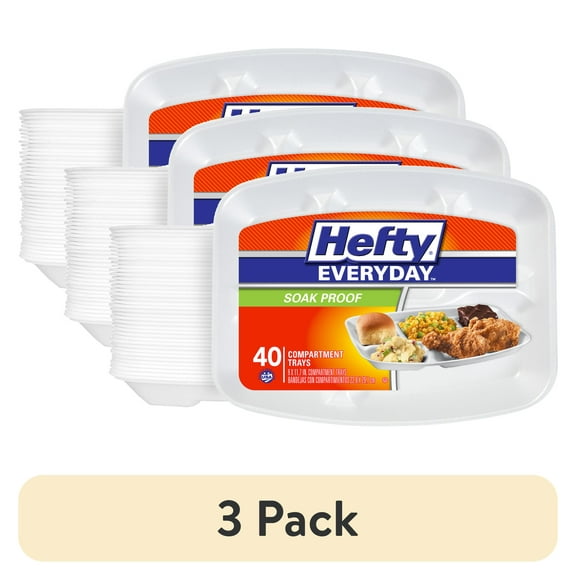
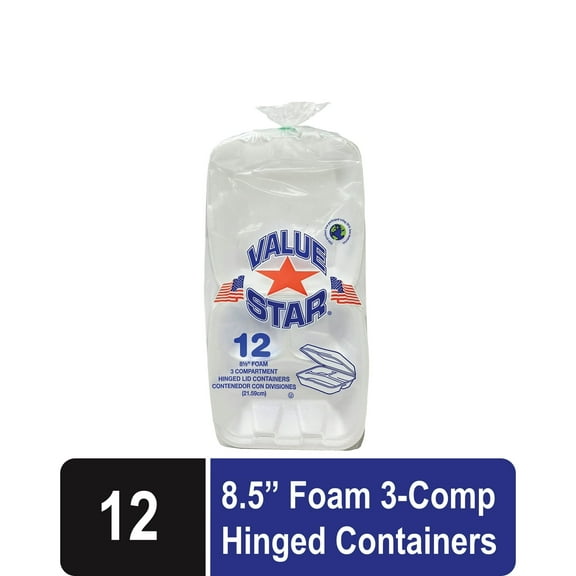
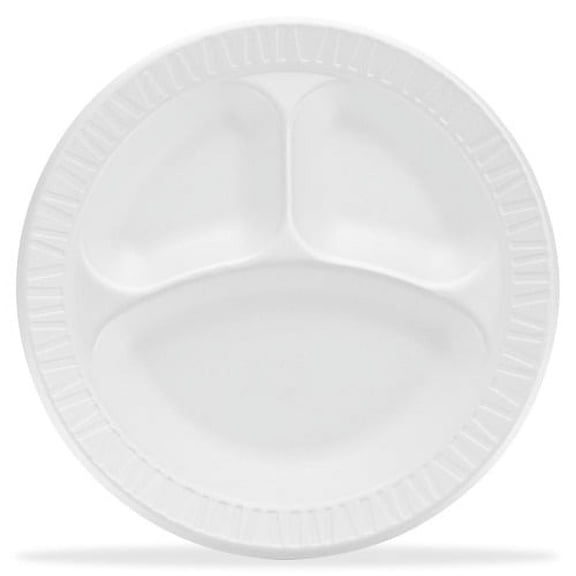
If you're checking compartment styles, you should consider whether foods need separation during serving. You can use styrofoam dishes with 3-compartment or divided sections for entrees, vegetables, and sides.
Matching styrofoam square plates and sizes to each use
For birthdays, cookouts, and holiday tables, you can match plate size to the menu before guests arrive. You can set out small foam plates for desserts, then use larger dinner plates for barbecue or buffet service.
At offices and breakrooms, you may want simple cleanup after breakfasts, pizza lunches, or team events. You can keep a mix of snack sizes and meal sizes ready for different schedules.
If you're packing takeout or leftovers, to go foam plates can help you organize portions quickly. You can choose divided styles when you want entrees and sides to stay separated in one container.
For catering, you should compare shape and compartment layout with the dishes on your menu. You can use styrofoam square plates for plated meals, or divided styles for service lines with several side items.
Outdoor events often call for plates that stay practical during casual serving. You can use foam paper plates for picnics, reunions, and concession stands where quick setup matters.
If you're shopping for bilingual search intent like platos desechables de foam, you still need the same buying signals. You should compare size, shape, compartments, and count to match your meal plan.
What to look for in pack count and serving setup
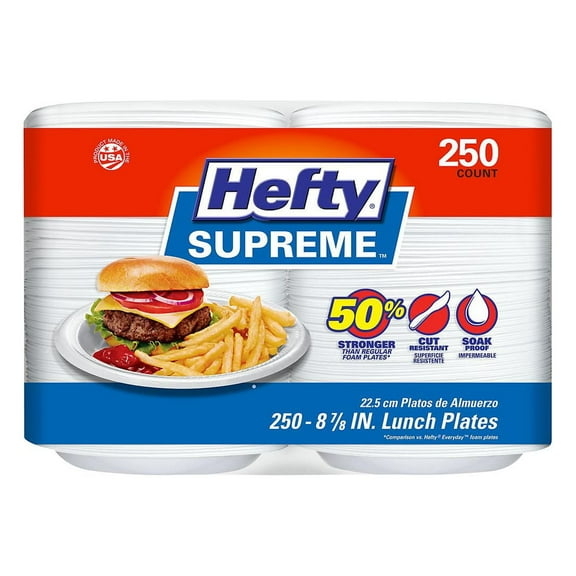
Pack count affects convenience when you host often or stock a shared kitchen. You can choose smaller counts for occasional use or larger counts for events, catering, and frequent family meals.
Storage matters too, especially when you keep tableware in a pantry, office closet, or supply room. You can compare stack size and intended usage so your plates fit your space and your routine.
When your meals include saucy pasta, fried foods, or loaded cookout plates, you should look closely at structure and plate depth. You can feel more prepared when your selection matches the weight and moisture of the food.
With the right combination of size, shape, and compartments, you can serve meals with less fuss and clearer portion planning. You can count on the right disposable plate format to keep gatherings moving smoothly.