


Floor Safes in Safes & Lockboxes



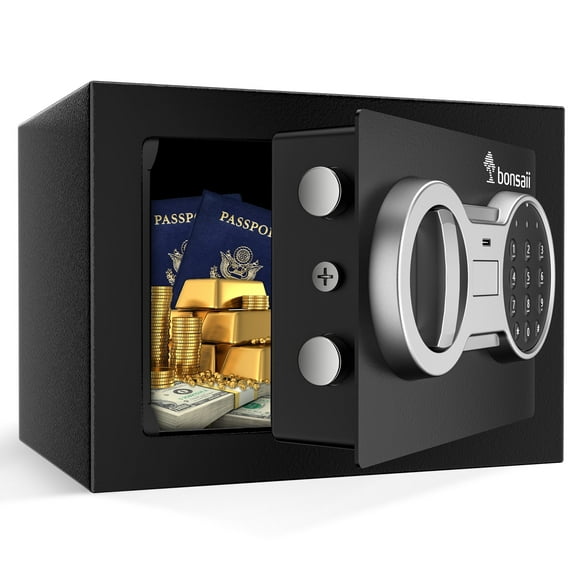


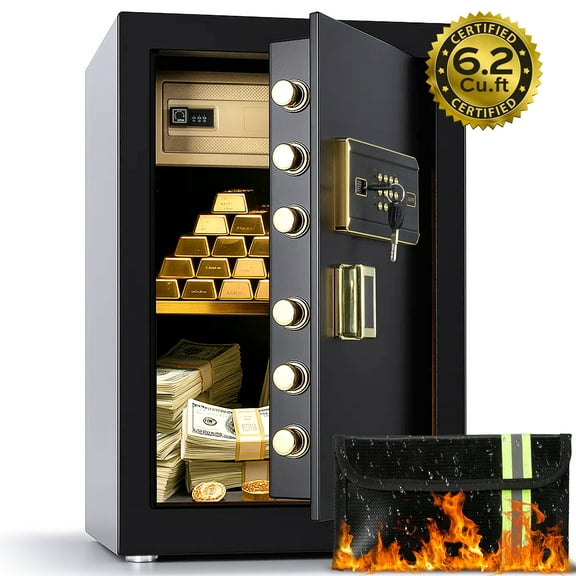

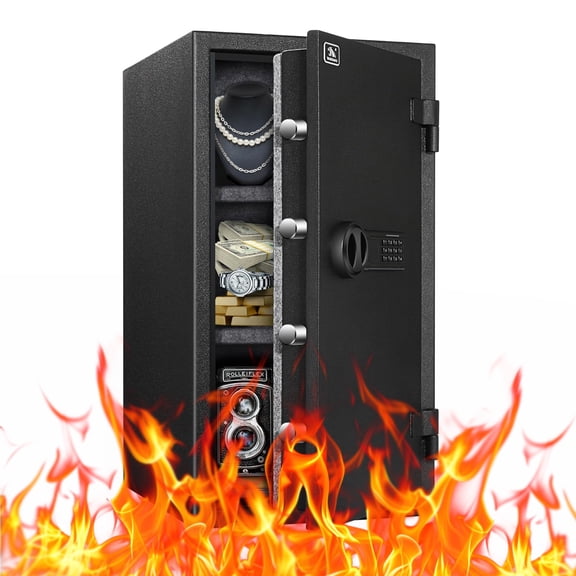


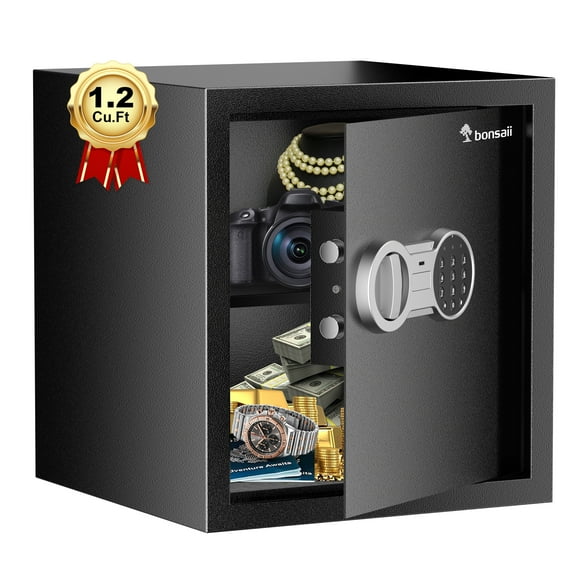


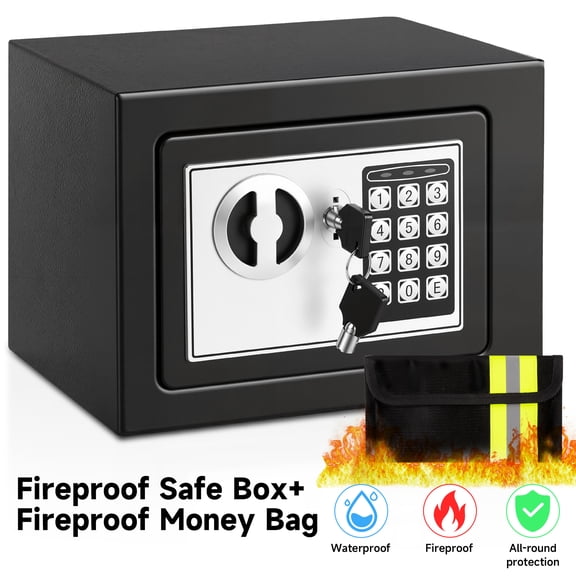


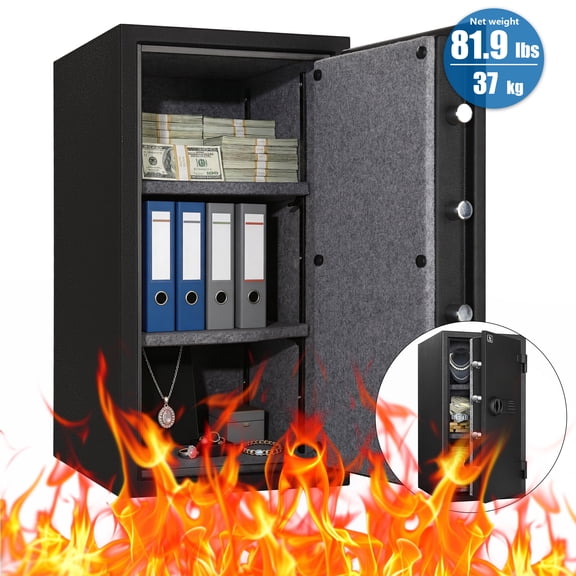


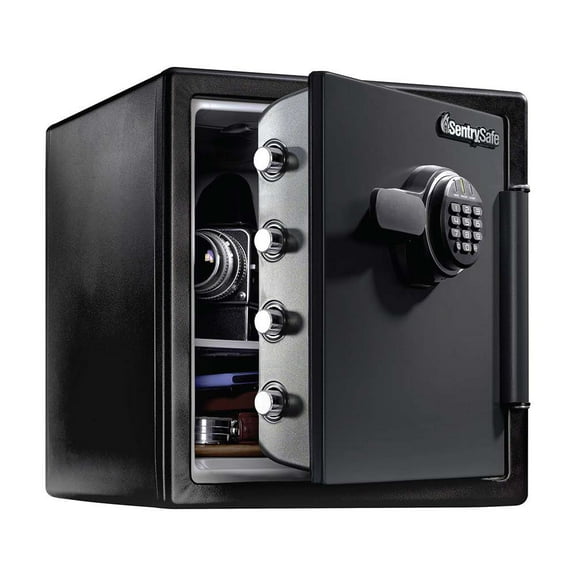
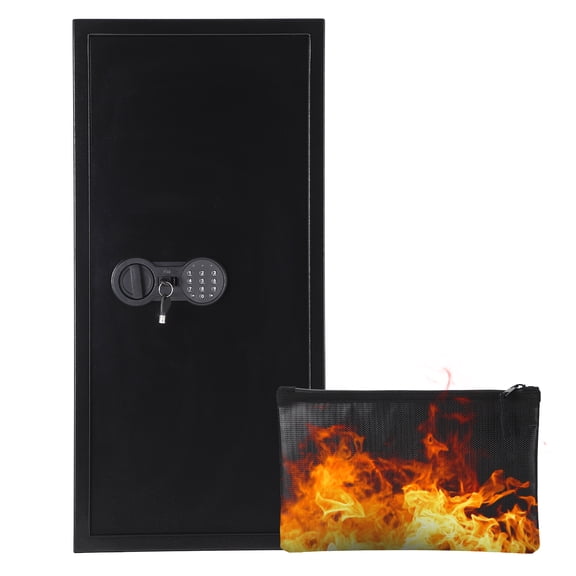









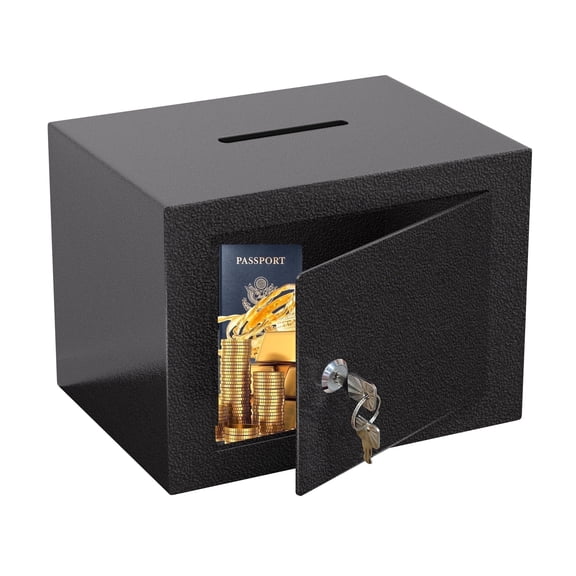


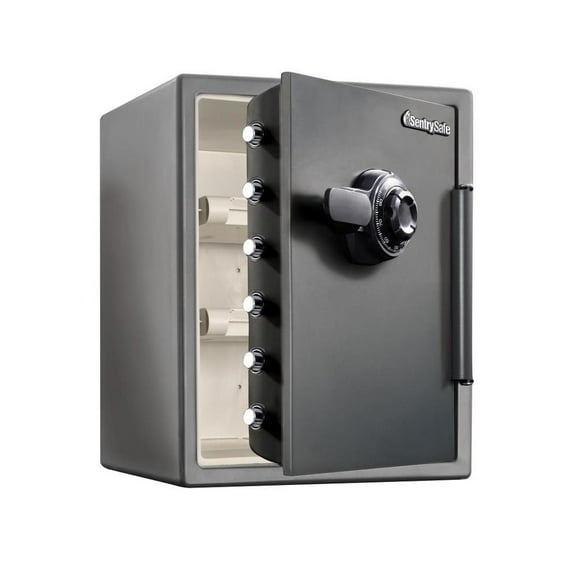


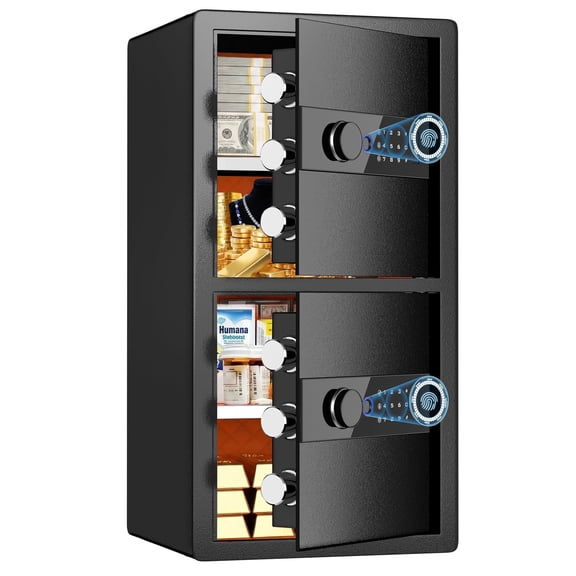

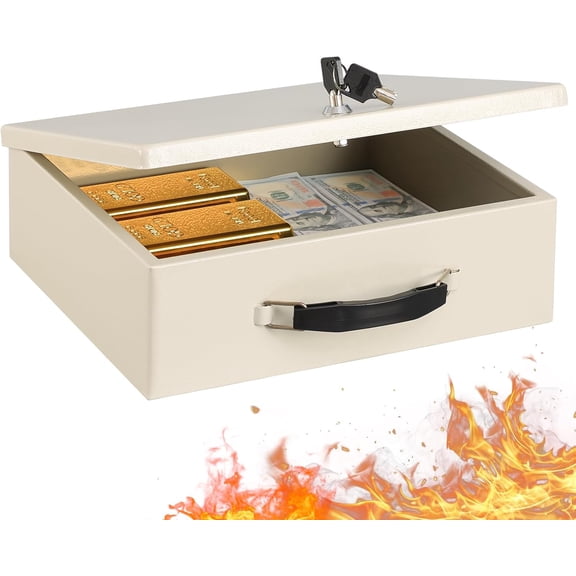







About Floor Safes in Safes & Lockboxes - Walmart.com
A floor safe for home gives you discreet storage that sits below sight lines and works with permanent installation plans. You can compare concrete-in designs, lock styles, and protection ratings that fit documents, jewelry, cash, and backup media.
You may choose this category when you want hidden placement instead of a visible safe in a closet or office. You’ll also notice many models are designed for in-floor or concrete applications, which makes planning dimensions especially important.
How to choose a floor safe for home
You should start with installation type, because floor safes for home usually depend on concrete depth and surrounding clearance. You’ll want to measure excavation dimensions carefully so your selected body size and door swing fit the planned location.
When you compare concrete-in, in-floor, and bolt-down options, you’re really choosing how permanent the setup will feel. You may prefer flange anchoring in poured concrete when you want a built-in look and stable placement.
You can use this category to keep valuables below flooring level and away from open shelving or nightstands. You’ll also get a cleaner room layout because your storage space stays integrated into the floor.
- You can choose concealed placement that stays less noticeable in bedrooms, offices, or closets.
- You can match lock style to your routine, whether you prefer quick keypad entry or a familiar dial.
- You can select fireproof and waterproof options when you want added document and media protection.
- You can compare small, medium, and large floor safe sizes for cash trays, binders, or boxed valuables.
You may also like that a home floor safe often stays anchored where you install it. You’ll get peace of mind from a storage option designed around fixed placement rather than frequent moving.
Choosing lock type for your floor safe box
You should compare lock type based on how often you open the safe and who needs access. You may prefer a digital keypad when you want quick code entry and simple day-to-day use.
If you like a traditional mechanism, you can choose a dial combination for battery-free operation. You’ll want to allow extra time for opening, because dial entry usually takes more steps.
You may prefer biometric access when you want fingerprint entry and fewer buttons or turns. You should still check for backup entry methods, because your routine may require a second way to unlock.
When you compare dual-key systems, you’re choosing a setup that uses two access points for added control. You’ll also want to review backup power details on electronic models, especially if your safe stays closed for long periods.
Comparing waterproof floor safes and fire ratings
You should review protection claims closely, because ratings can guide how you store paper records, passports, and digital media. You may see waterproof floor safes, fireproof options, and theft-resistant builds listed together, but each claim addresses a different concern.
If you compare fire ratings, you may notice UL Class 350 language on some models. You can use that detail as a shopping clue for paper document storage during high-heat exposure.
When you check water protection, you may see ETL water protection certification or similar testing notes. You’ll want to confirm what the rating covers, because depth, duration, and sealing design can differ.
You should also look at door seals, recessed doors, and body thickness when you compare a heavy duty floor safe. You can use those details to understand how the safe is built for installed use.
Matching capacity and size to your valuables
You should measure what you plan to store before you choose a small, medium, or large floor safe. You’ll want interior dimensions, not just exterior size, because shelves, bolts, and door frames can reduce usable space.
If you’re storing folders or document envelopes, you should compare height and width first. You may need a larger floor safe when you want room for cash boxes, jewelry cases, or backup drives together.
You can also compare heavy duty capacity with the actual footprint your floor allows. You’ll want a balance between interior volume and installation limits, especially when excavation space is tight.
When you review each floor safe box, you should consider door opening clearance and item stacking. You can avoid cramped storage by matching your valuables to the interior shape, not just the listed capacity label.
Planning installation for concrete-in and in-floor models
You should treat installation planning as a major buying step, because a floor safe depends on the surrounding structure. You’ll want to check excavation dimensions, concrete pouring needs, and flange anchoring details before choosing size.
If you’re comparing concrete-in models, you may need extra depth for the safe body and surrounding pour. You should confirm whether the design is meant for new construction, renovation work, or a prepared slab opening.
For in-floor styles, you’ll want to measure flooring thickness and final surface height around the lid. You can create a cleaner fit when you compare trim, cover design, and door clearance before installation begins.
If you prefer a bolt-down setup, you should verify anchor points and base compatibility with your floor. You’ll also want to review placement in relation to rugs, furniture, and walking paths so access stays practical.
Use cases for home floor safe setups
You may choose a compact home floor safe for passports, family papers, and small keepsakes in a bedroom closet. You’ll benefit from hidden placement when you want storage that stays out of normal sight lines.
If you manage business records at home, you can use a larger installed safe for envelopes, ledgers, and backup drives. You should compare fireproof and waterproof features when those contents include paper documents or digital media.
You might prefer a heavy duty floor safe in a dedicated office where concrete installation is already part of the plan. You’ll appreciate the fixed footprint when you want storage that integrates with a remodel or new build.
When several adults need access, you may choose digital keypad or dual-key entry for shared routines. You can keep access organized by matching the lock type to how often your household opens the safe.
You may also pair this category with related storage and security needs across your home. You can explore wall safes, fireproof safes, and home security cameras when you want a broader home protection setup.
You can shop this category with more confidence when you compare installation depth, lock backup, protection ratings, and interior dimensions together. You’ll make a clearer choice when your floor safe fits your space, your valuables, and your daily access needs.