

Floating Shelves in Wall Shelves



























About Floating Shelves in Wall Shelves - Walmart.com
Floating shelves help you open up wall space while keeping everyday items easy to reach. You can compare materials, room use, and weight capacity to choose a shelf that fits your layout.
You may want a clean profile that hides hardware and keeps your room looking less crowded. You can also use floating wall shelves to display decor without taking up floor space.
How to choose floating shelves by material
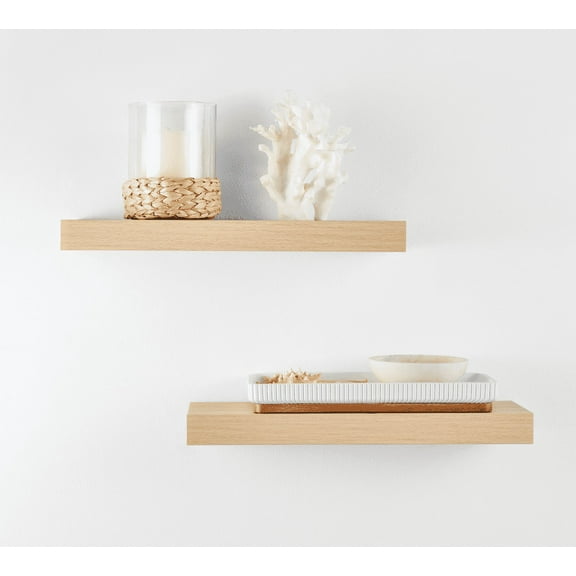
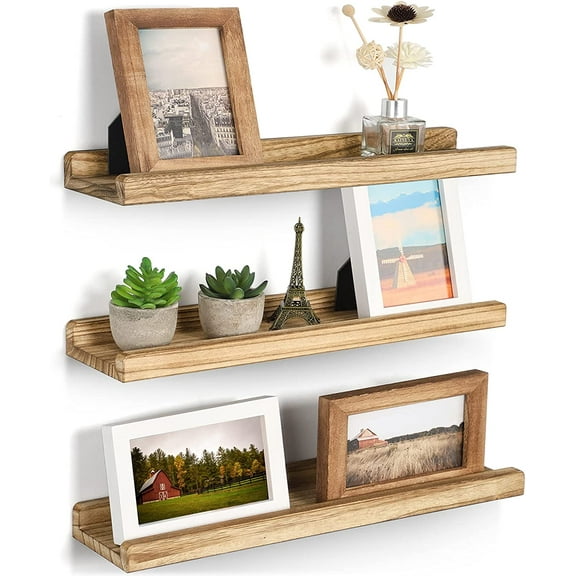
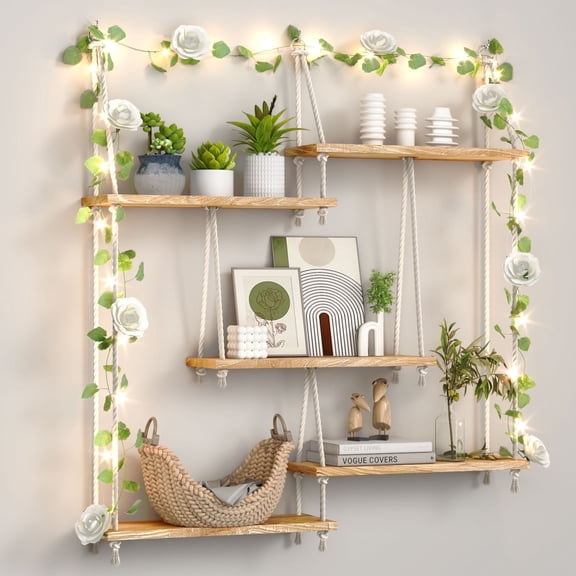
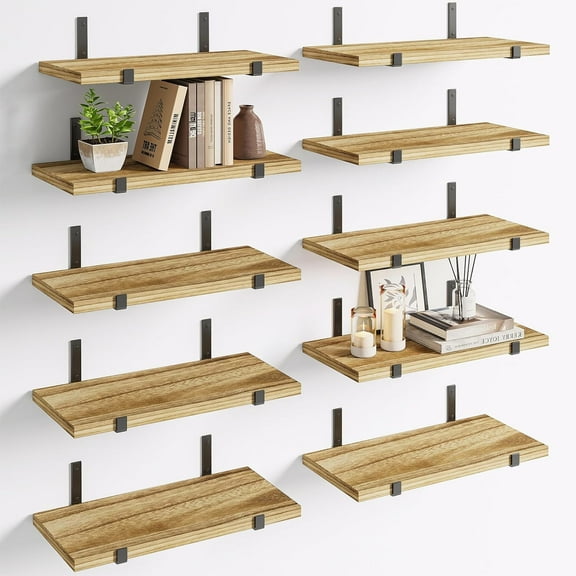
When you compare wood floating shelves, you’ll notice a warmer look that works well with frames, books, and plants. If your style feels rustic or farmhouse, you may prefer natural wood or espresso finishes.
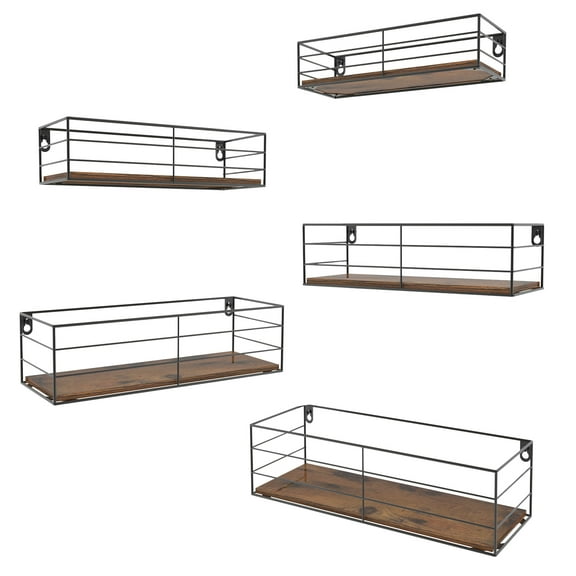
If you’re considering metal, you’ll get a more industrial look and a firmer edge definition. If you prefer a lighter visual effect, you may compare MDF or acrylic for smaller decorative pieces.
You should also think about where your shelf will hang before choosing materials. If your room gets steam or splashes, you’ll want surfaces that wipe clean and hold up well.
Choosing room-ready floating wall shelves
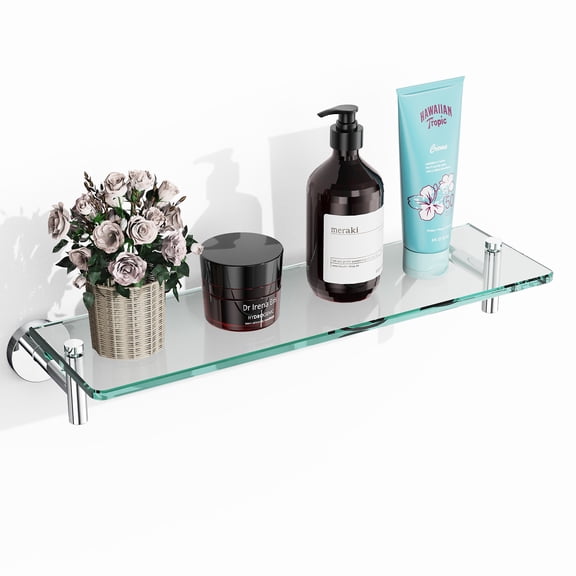
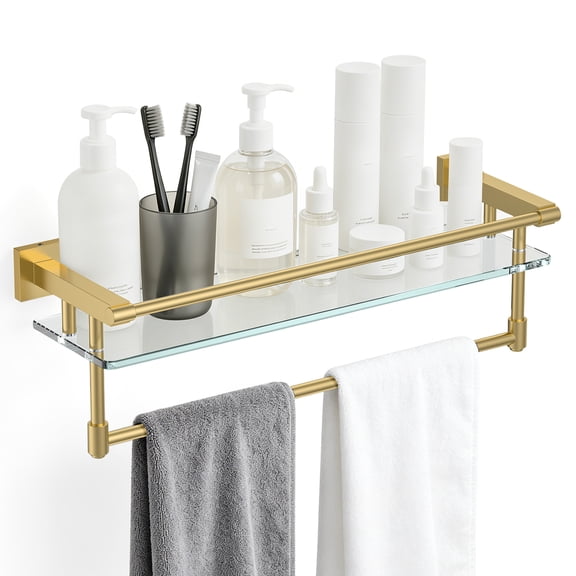
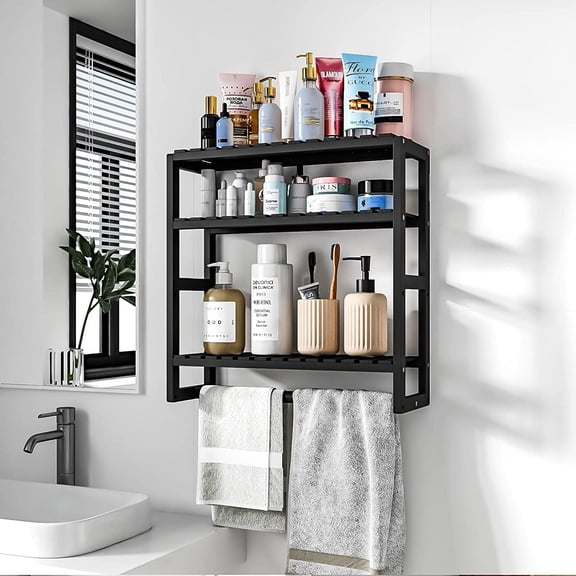
Bathroom floating shelves can help you organize towels, jars, and extra paper goods above the toilet or beside the vanity. You should check finish durability if your shelf will sit near daily moisture.
In a bedroom, you can use shelves above a nightstand for books, glasses, and small lamps. If you need floating shelves for bedroom walls, you may want softer finishes like white or natural wood.
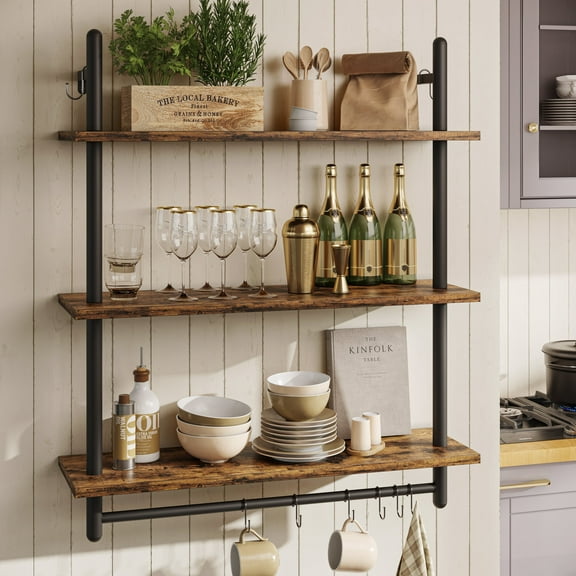
In a kitchen, you can keep mugs, bowls, or spice jars within reach while clearing cabinet pressure. In a living room, you can frame art, speakers, or baskets without adding bulky furniture.
What to look for in weight capacity and wall fit
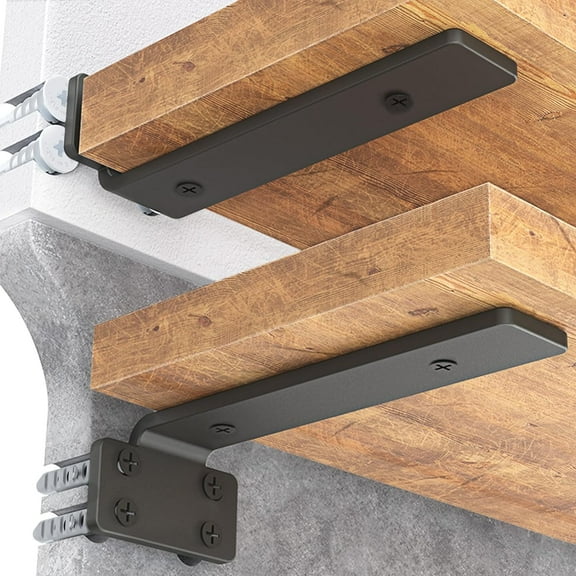
If you plan to hold books, framed art, or storage bins, you should compare heavy duty floating shelves first. You’ll want thicker brackets, stronger supports, and anchor types matched to your wall.
On drywall, you should check whether the shelf mounts into studs or uses wall anchors. On plaster, you may need hardware designed for denser surfaces and careful measuring before drilling.
If you’re building floating bookshelves, shelf depth matters as much as weight capacity. You should measure your books so covers won’t overhang and corners won’t stick out.
- You should use deeper shelves for hardcovers, baskets, and larger decor.
- You should use lighter decorative styles for candles, small frames, and compact accents.
- You should check bracket thickness when you want a steadier hold for heavier items.
- You should confirm anchor type when your wall surface changes from drywall to plaster.
Comparing color and finish for your space
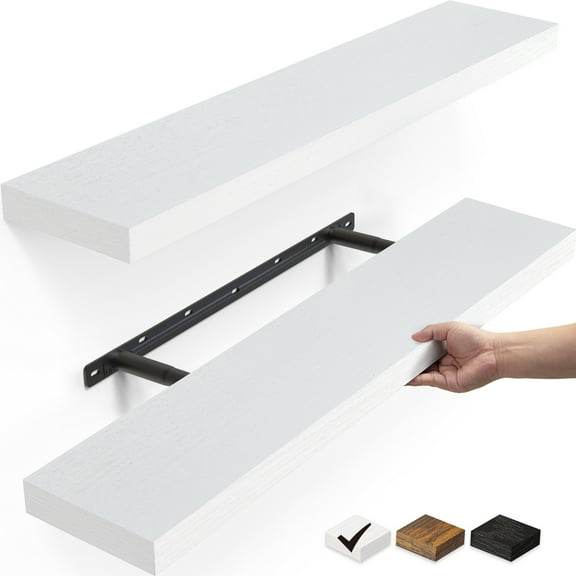
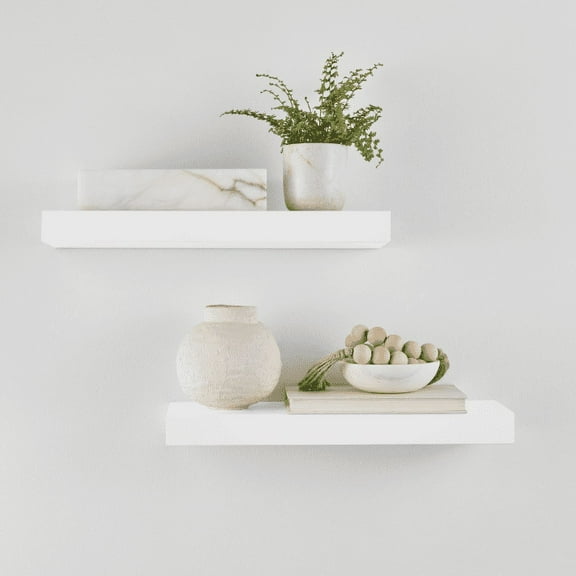
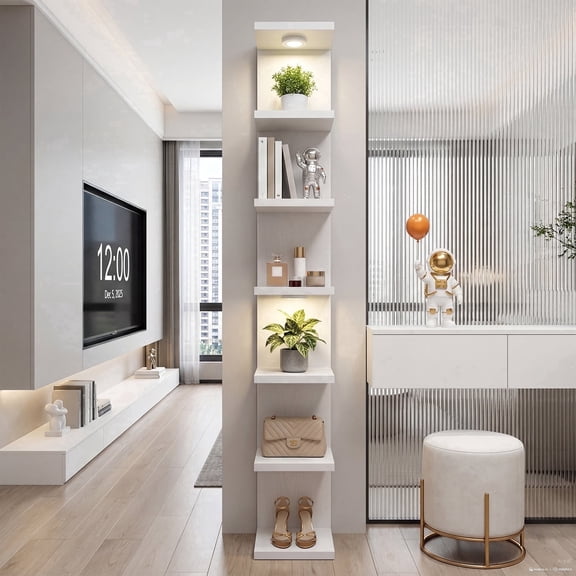
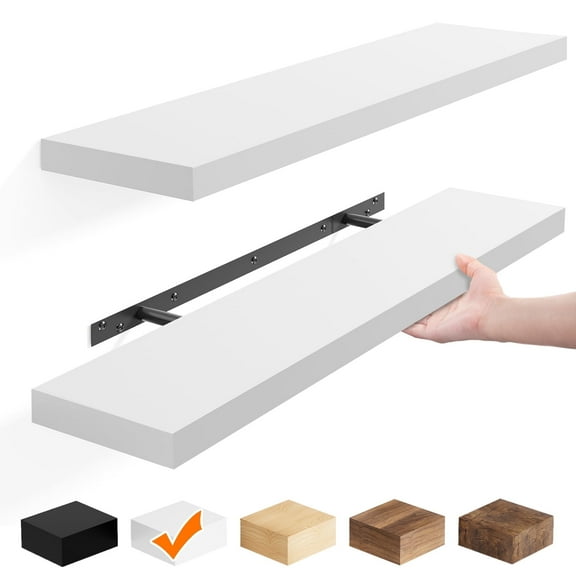
White floating shelves can brighten smaller rooms and blend into light walls with a clean outline. If you want an airy look, you may pair white finishes with simple decor and mirrors.
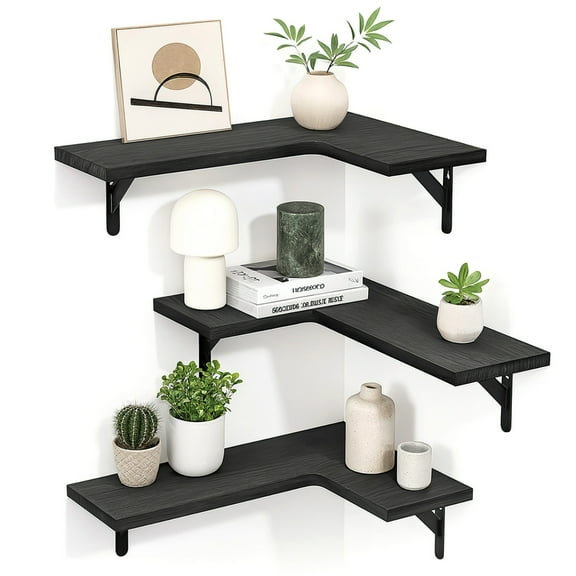
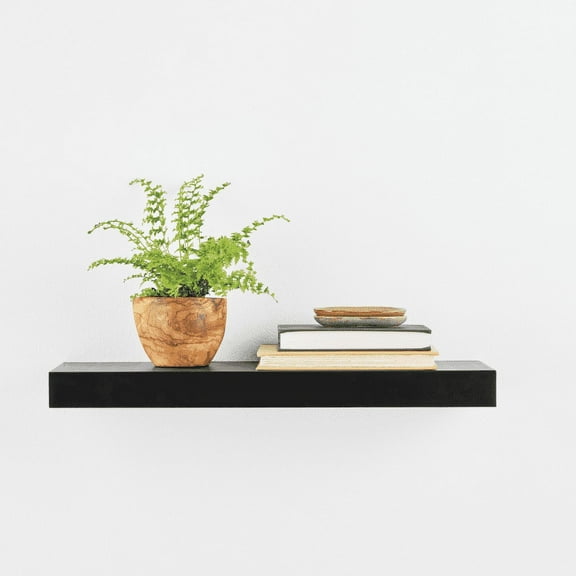
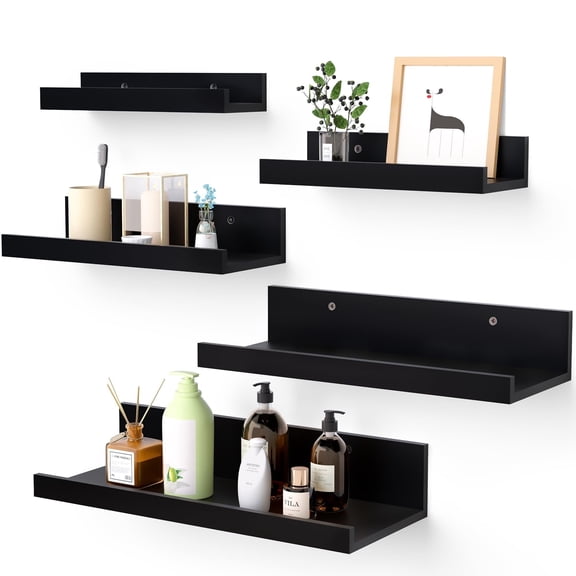
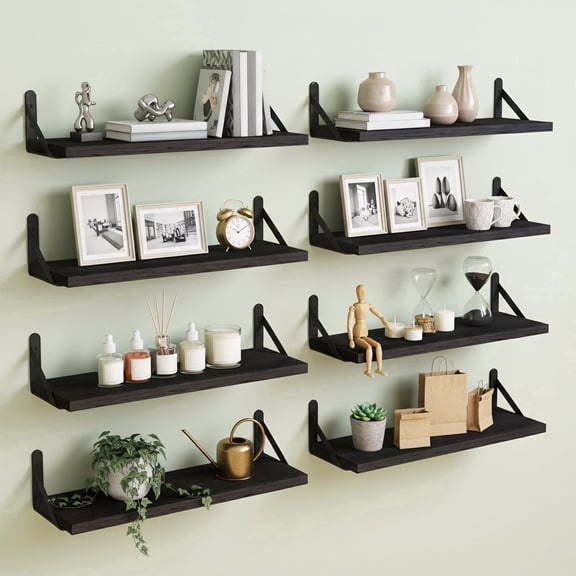
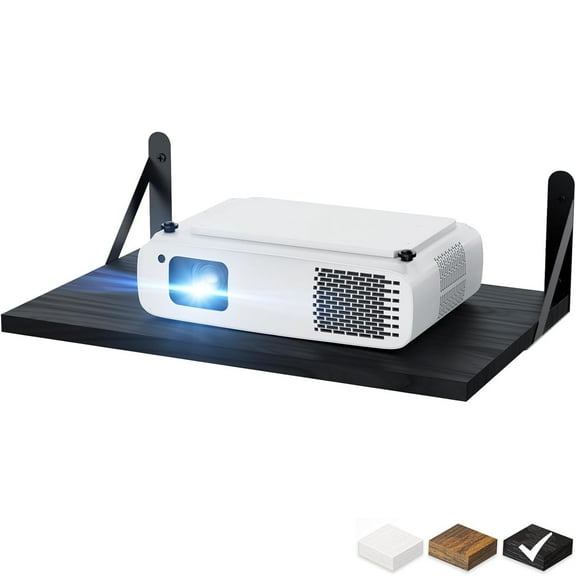
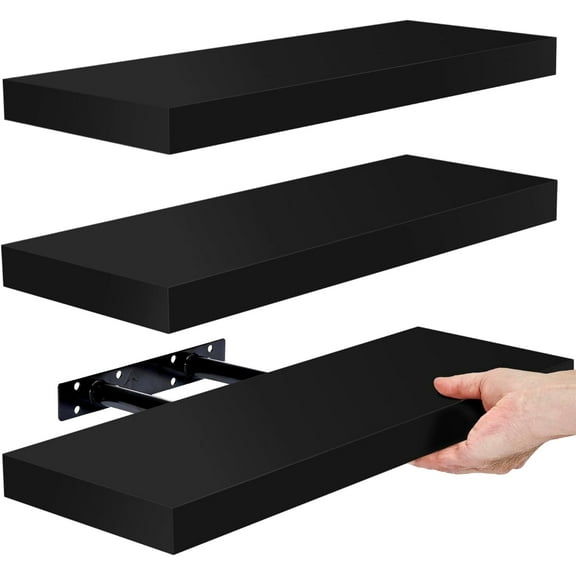
Black floating shelves can create contrast against pale paint and tie in with metal hardware. If your room leans modern or industrial, you may like the sharper visual definition.
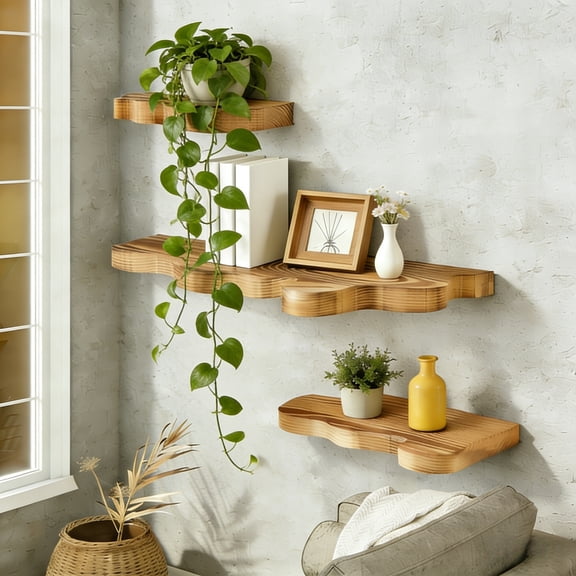
Natural wood and espresso finishes can add warmth around upholstered furniture and woven storage. If your home mixes farmhouse and modern details, you can use these finishes to connect both styles.
Matching style and design to how you live
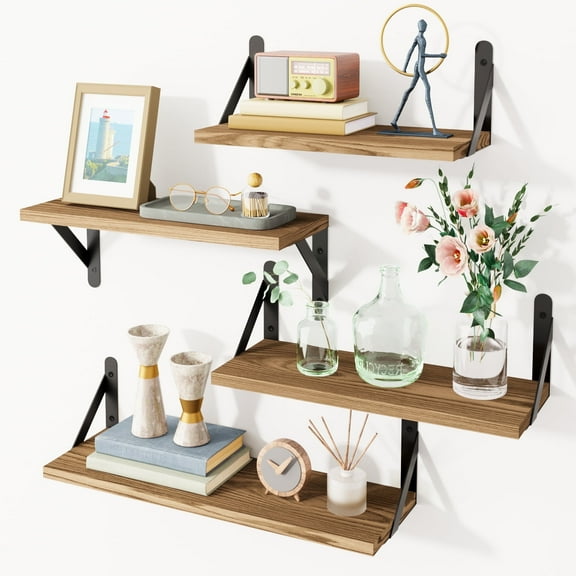
If you like a rustic look, you may want visible grain, thicker profiles, and warmer tones. If your room feels modern, you can look for cleaner lines and simple silhouettes.
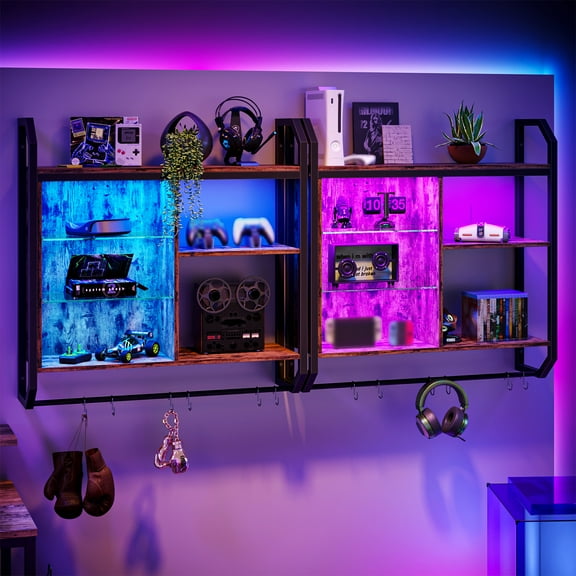
Farmhouse styling can work well when you want shelves that soften a kitchen, bath, or bedroom wall. Industrial styling can fit loft-inspired spaces where you want darker finishes and stronger lines.
You should also think about what will sit on the shelf every day. If you rotate decor often, you may prefer a versatile shape that works across seasons and room updates.
Using floating shelves in real spaces
In a bathroom, you can place a pair of shelves above the toilet for folded towels and containers. You should choose materials and finishes that suit steady humidity and frequent wiping.
In a reading corner, you can create floating bookshelves that keep favorite titles off the floor. You’ll want enough depth for book size and enough support for stacked hardcovers.
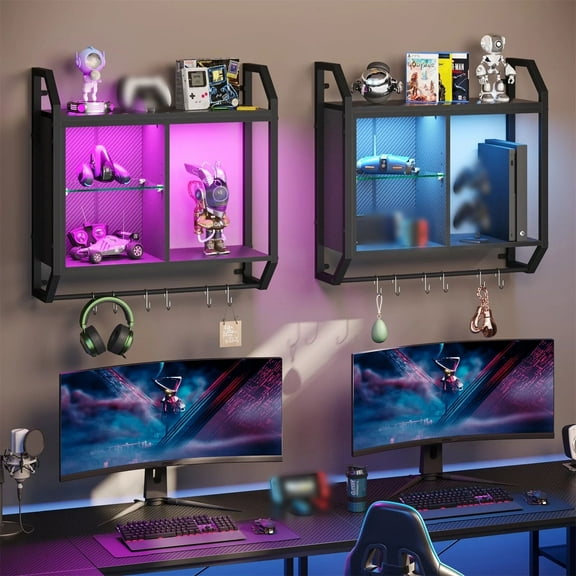
Over a desk, you can store notebooks, speakers, and small organizers without crowding your work surface. Near an entryway, you can hold keys, small bins, and framed photos in a compact footprint.
If you’re decorating a dorm or guest room, you may want floating shelves for bedroom walls that feel neat and adaptable. You can use white floating shelves for a lighter look or black floating shelves for contrast.
When you compare material, room suitability, finish, and wall fit, you can narrow your options with less guesswork. The right floating shelves help you keep essentials visible, organized, and off the floor.